Zhongguo (JONG-gwo)
Central States
The streets of Linzi hum with order. Laid in careful grids, they are lined with stalls selling silk, lacquerware, and scrolls, while scholars pass between bamboo groves and tiled courtyards, murmuring passages from the Analects. From towering drums in watchtowers, officials mark the hours of day and night, synchronizing civic life to ritual and rhythm. Preservation here is not chance but design, as meticulous as calligraphy strokes brushed onto parchment.
Caravans arrive from distant lands, bearing spices from Suvarnabhumi, manuscripts from Āryāvarta, and bronzework from Brynwydd. Each item is catalogued by clerks, their records preserved in archives that stretch along entire city blocks. Bureaucrats in flowing robes adjudicate disputes with citations from both law and philosophy, binding civic life to ideals of balance.
In the evenings, Daoist sages withdraw to mountain retreats, sketching stars and rivers in ink. Confucian teachers light lamps in their academies, guiding students through rites and histories, while Legalist officials debate the necessity of discipline. To the people of Zhongguo, preservation is not only memory but refinement: the shaping of human conduct into harmony with Heaven’s mandate.
For Zhongguo, the Accord was a natural extension of their worldview. If all under Heaven (tianxia) was to be ordered, then memory itself must be preserved, catalogued, and harmonized. To lose records would be to invite chaos; to preserve them was to ensure the stability of both family and empire.
Historical Origins
Zhongguo’s roots lay deep in the Zhou dynasty, when ritual and hierarchy gave shape to civilization. The Warring States period, though marked by strife, produced a flowering of philosophy: Confucianism, Daoism, Legalism, and Mohism. These schools argued fiercely, yet together they created a tapestry of thought that survived conquest and division.
By the 1st century zc, Linzi, capital of Qi, had become a cultural and intellectual hub. Known for its Jixia Academy, it gathered scholars from across the known world to debate and refine ideas. When the Accord was formed, it was Xun An of Linzi who argued that preservation required not only archives but structure, insisting that memory be kept with the same rigor as law. Thus Zhongguo joined the Accord as its architect of order.
Philosophy & Governance
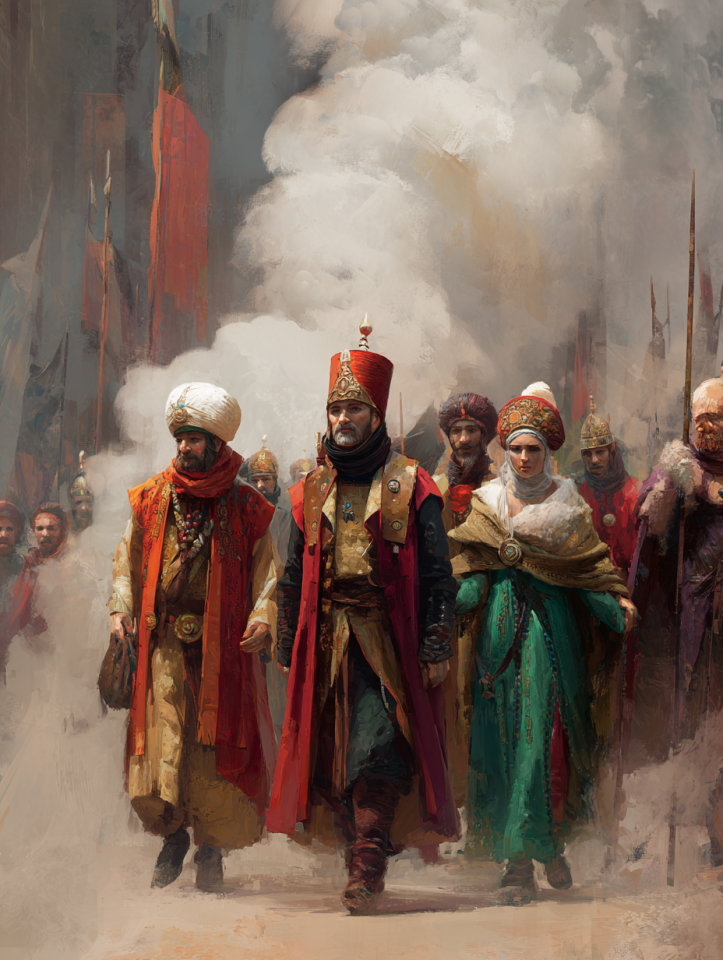
Governance in Zhongguo was bound to The Mandate of Heaven — the belief that rulers held authority only so long as they governed justly. Dynasties rose and fell, but the principle of moral responsibility endured. Bureaucracy became the backbone of this order, with officials selected for talent rather than birth, trained in philosophy as much as administration.
In the Accord, Zhongguo’s interpretation emphasized harmony. Preservation was not simply about survival but about refinement: ensuring that what was remembered aligned with cosmic balance. They championed classification, standardization, and codification, embedding preservation into law and civic practice.
Contributions to the Accord
Zhongguo contributed innovations that reshaped the cooperative world:
Bureaucracy: Structured civil service and examinations that became models for other blocs.
Paper and Ink: Tools that revolutionized record-keeping and dissemination.
Philosophical Traditions: Confucian ethics, Daoist harmony, and Legalist rigor offered diverse lenses for governance.
Engineering: Canal systems, metallurgy, and agricultural techniques that ensured stability and growth.
Cultural Identity
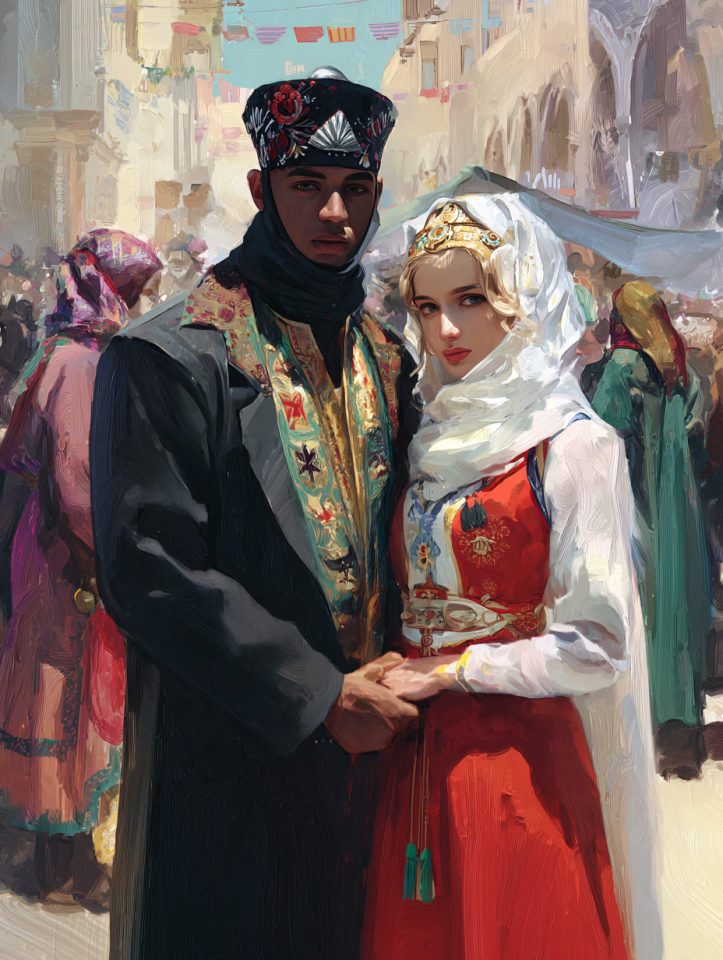
Chinese culture emphasized the family as the foundation of order, with rituals binding generations together. In art, calligraphy and ink painting elevated preservation into visual philosophy, where each brushstroke was both beauty and memory. Music tuned to pentatonic scales echoed in temples and courts, reinforcing harmony in sound as in governance.
In the Accord, Zhongguo’s influence spread far beyond its borders. Words like li (ritual), ren (benevolence), and dao (the way) entered the shared vocabulary of preservation, teaching that memory was not static but lived in daily conduct. Their symbolism of dragons, cranes, and mountains shaped Accord iconography, representing continuity, longevity, and balance.
Capital City
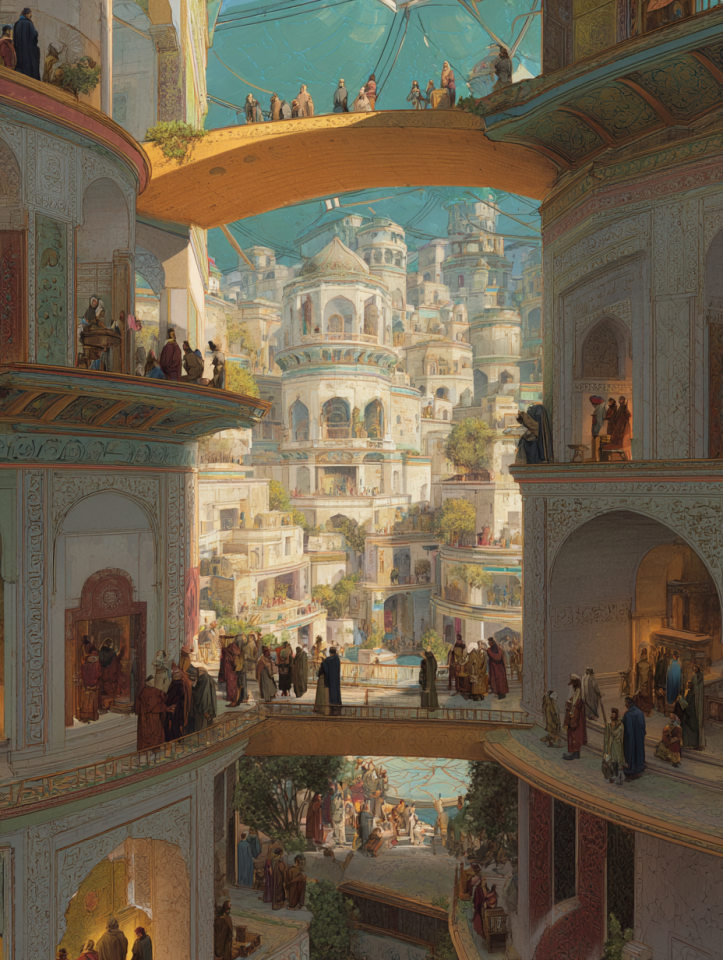
Linzi — 36.8166°N, 118.054°E — was chosen as Zhongguo’s Accord seat. Famed for its academies, it housed scholars who codified philosophy, law, and science alike. Its libraries stored scrolls of bamboo and silk, while bronze vessels preserved inscriptions of rituals and decrees.
The city itself embodied order: avenues aligned with cardinal directions, gates marking ceremonial entrances, and gardens designed to mirror cosmic balance. In Linzi, preservation was lived in architecture as much as in archives, ensuring that memory was both practical and symbolic.
Legacy & Global Role
Zhongguo’s greatest legacy was order. By embedding preservation into bureaucracy, ritual, and daily practice, they ensured that memory endured not only in archives but in conduct. Their contributions stabilized the Accord, transforming it from a covenant into a functioning system.
Centuries later, Zhongguo’s influence remains visible wherever governance is tied to ethics, wherever archives are catalogued with precision, and wherever harmony is seen as the measure of preservation. They taught that memory is not merely survival, but refinement — the shaping of civilization in accord with Heaven’s way.
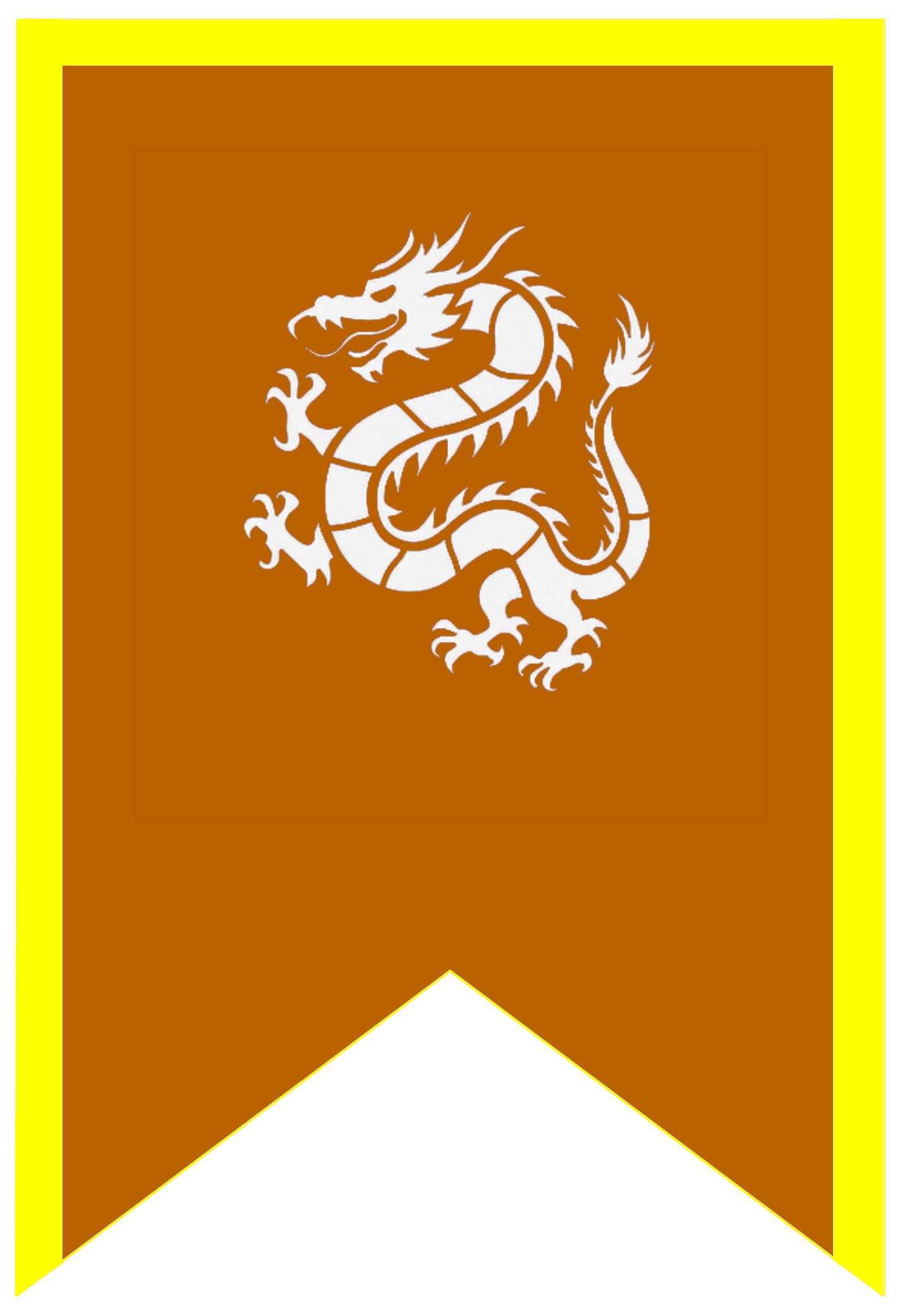
Vermilion for dynastic authority, gold for prosperity, dragon as imperial/harmony symbol.
Type
Geopolitical, Country
Capital
Leader
Leader Title
Related Ranks & Titles
Controlled Territories
Notable Members






Comments