Munchmen
Comic/Animation Series
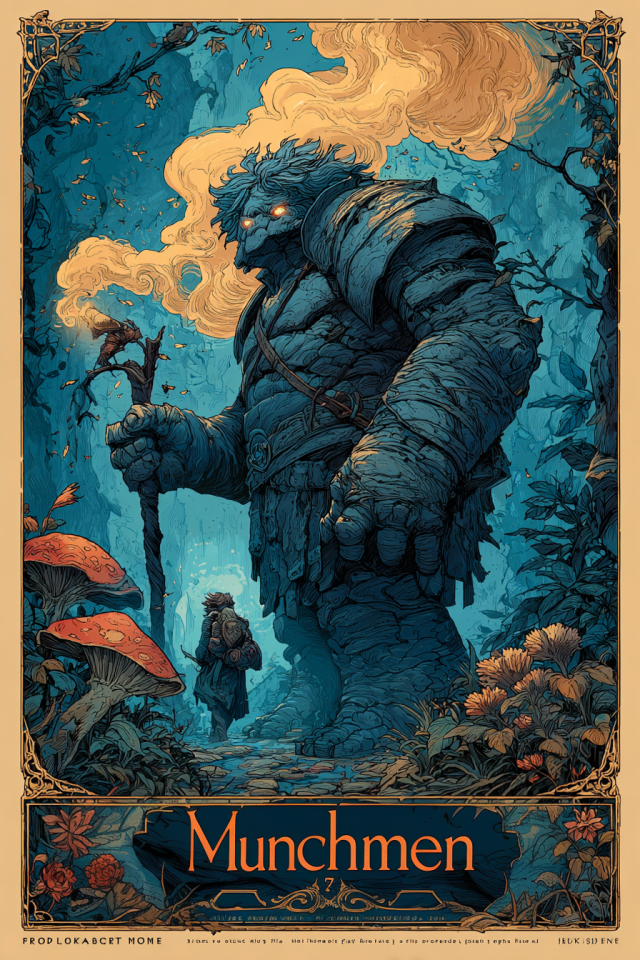
The Munchmen is a long-running Koina adventure-mystery franchise originating as a comic series in 2108zc. Created by illustrator-historian Kavo Menris of Caer Affallach, the franchise adapts the real case files of the Mystery & Oddities Society (MOS), an eclectic youth group active in the 2020zc coastal regions. The series follows five young travelers-Ari Harro, Pip Sachlos, Min Akilil, India Lavanya, and Mush Chabo-along with Mush’s accidentally adopted ferret, Munch. Blending comedic mishap, folklore-driven mystery, and light adventure, the franchise quickly became one of the Accord’s best-known youth-story properties. Originally published as pulp-style illustrated casebooks, The Munchmen expanded into multi-arc comics, holo-mation serials, radio dramas, and a constellation of derivative works over the following century. Today, it is regarded as a cornerstone of Koina popular culture and a nostalgic reinterpretation of the early-Resonance coastal era.
Premise
Set originally in the 2020zc period, The Munchmen chronicles the gap-year travels of five students who meet at Caer Afallach’s public academies and gradually form an informal investigative group. Their attraction to peculiar local legends, questionable coincidences, and the newly released Crowley- horror novels leads them into a series of accidental mysteries along the coasts of Brynwydd, Ta-Mery, Etruria, and western Hellas.
The tone of the franchise blends light humor with atmospheric folklore. Each case follows a loose formula:
a strange event or rumor → the group’s curiosity → a clue-chasing sequence → escalating comedic misfortune (usually involving Pip or Munch) → and a final unraveling of the actual cause behind the supposed supernatural occurrence. The heart of the series is the group dynamic.
Ari- provides practical grounding.
Min- supplies analysis.
India- handles social navigation.
Mush- bankrolls and is the heart and glue of the group.
Pip- contributes unpredictable insight and is the common sense member (self-educated).
Munch, the ferret mascot, contributes chaos.
Together, they embody an optimistic, multicultural vision of youth exploration in early modern Koina-part travelogue, part detective adventure, and part comedic character study.
a strange event or rumor → the group’s curiosity → a clue-chasing sequence → escalating comedic misfortune (usually involving Pip or Munch) → and a final unraveling of the actual cause behind the supposed supernatural occurrence. The heart of the series is the group dynamic.
Real-World Inspiration
The Munchmen is unusual among Koina adventure franchises because it is based on a real traveling youth group, the Mystery & Oddities Society (MOS), active along the Brynwedd–Hellenic–Ta Mery coastlines in 2020zc. The MOS consisted of five students from Caer Affallach academies whose gap-year journals, correspondence, and sketchbooks were preserved within a family archive belonging to the Chabo lineage.
The rediscovery of these materials in 2097zc cataloged as the Chabo Coastal Case Files-revealed a series of loosely documented encounters with local folklore, minor criminal activity, and unexplained coincidences. The group’s notes captured early-Resonance regional culture with surprising clarity: seaside towns, traveling cooperatives, early broadcast theaters, and the surge of interest surrounding the release of Lucien Crowley’s- pulp-horror novel Legions of the Dead Coast.
Illustrator-historian Kavo Menris, then a graduate researcher at the University of Caer Affallach, began interpreting the case files as a window into the social tone of the era. Finding humor and warmth in the group’s mishaps, and charmed by repeated mentions of an adopted ferret, Menris proposed a comic adaptation to the Accord Youth Press Cooperative. The result became The Munchmen Casebooks (2108zc), which intentionally softened the real incidents into accessible adventure narratives.
While the franchise diverges significantly from the actual MOS experiences, it retains the group’s core dynamic: multicultural friendship, curiosity, and lighthearted engagement with local folklore.
Publication History
Early Years
The franchise debuted with The Black Dog of Tintagel (2108zc), a single-issue illustrated casebook closely adapted from the original journal. Strong initial sales led to quarterly releases for the next four years, establishing the series’ visual identity: warm palettes, expressive character designs, and comedic action centered on the ferret Munch. Subsequent early titles included:Expansion Era
As readership grew, the Accord Youth Press Cooperative- shifted the series to a monthly comic format. Artist Kavo Menris expanded the cast’s travel routes and introduced serialized arcs featuring folklore from Brywedd, Parsa, Ta Mery, and the Hellenic coasts. This period solidified the franchise’s tone:light mystery, folklore-inspired puzzles, and comedic misadventure.
The character Pip Sachlos became a breakout favorite, spawning memes, school posters, and a short-lived dessert brand.
Golden Age
The franchise reached its peak influence during this period. Multi-issue arcs-such as Fiends in High Places- and The Fog-Eater of Caer Torren-were critically praised for balancing humor with more atmospheric storytelling. Merchandise exploded across the Accord:ferret plushes, Ta Mery decoding kits, replica journals, and widely imitated “Munchmen travel coats.”
Retro Collections
A decade after the debut, collected hardbound editions were released with restored artwork and commentary by Menris. These volumes expanded behind-the-scenes notes on the original MOS group, helping solidify the series’ historical grounding. The final Menris-supervised publication, The Munchmen Anthology (2135zc), became a staple of youth libraries for the next century.Characters
Aremis “Ari” Harro
A Zagros-born traveler known for his practical skillset and steady temperament. Ari often anchors the group in physically challenging situations and provides a grounded counterbalance to the others’ improvisational tendencies.Miniya “Min” Akilil
A student from Ta Mery whose academic discipline and observational skill form the group’s analytical core. Min’s journals became one of the primary sources for later adaptations, making her perspective central to franchise canon.India Lavanya
A Parsa-born member who manages most diplomatic, social, and interpersonal navigation. India’s composure and intuition often smooth the group’s interactions with locals, cooperatives, and travel authorities.Lazzaro “Mush” Chabo
An Etrurian youth of significant family means, Mush inadvertently bankrolls the MOS through inherited resources and ownership of the Seacliff House. Socially awkward yet deeply loyal, he acts as the emotional anchor and “glue” of the group, drawing members together and sustaining their shared travels.Philip “Pip” Sachlos
A Hellene wanderer whose self-education and unpolished logic produce the group’s most surprising insights. Despite his comedic portrayal in adaptations, Pip often provides the most grounded common-sense observations during investigations.Munch (Ferret)
Originally a stowaway discovered in the group’s travel vehicle, Munch becomes the unofficial mascot of the MOS. His unpredictable behavior frequently disrupts investigations but also generates accidental breakthroughs. Munch’s popularity led to the franchise’s name.Major Story Arcs
Although The Munchmen- began with loosely connected single-issue casebooks, several storylines became foundational to the franchise and were repeatedly reprinted, adapted, or referenced across later media. These arcs typically blend local folklore, early-Resonance coastal culture, and the group’s accidental investigative style.
The Lantern-Thief of Lymphae
The Hellenic Whisperer
Ghosts of the Harbor Rail
The Case of the Copper Mummer
Munch vs. The Market Day Menace- (a comedic one-off)
While not as influential as the foundational storylines, many became recurring reference points in holo-mation retellings and fandom interpretations.
The Black Dog of Tintagel
The debut arc and the franchise’s most iconic storyline. Based on the MOS’s first documented case during their coastal travels, the story follows reports of an enormous spectral hound haunting the cliffs near Tintagel. The arc introduces all main characters, their interpersonal dynamics, and the stowaway ferret Munch. The resolution involves a mix of misinterpretation, staged superstition, and a very real smuggling operation. This arc remains the most frequently adapted across holo-mation, radio dramas, and stage performances.Good Golem, Miss Daisy
A comedic two-issue arc set in Ta Mery’s riverfront districts. When a ceremonial clay guardian appears to have awakened and begun wandering through gardens, the group is drawn into a series of misdirections involving festival preparations, cultural misunderstandings, and Min’s exasperation with Pip’s improvised “archaeology.” The actual culprit, as revealed, is entirely human. The title became a popular idiom for well-meaning chaos.Fiends in High Places
A longer, serialized storyline focusing on political intrigue and folklore within the Parsa hill cities. When unexplained figures are spotted in the tower districts at night, the Munchmen investigate rumors of winged spirits. The arc balances humor with a more atmospheric tone and is especially noted for India’s central role in navigating civic institutions and guild conflicts.Where’s My Mummy?
A light, comedic arc set in Ta Mery’s museum-cooperative network. A preserved figure seemingly vanishes from its display room, prompting Min and Ari to lead a meticulous investigation-repeatedly disrupted by Munch. The disappearance ultimately ties back to a misfiled transport for a traveling exhibition. This arc is remembered for its exaggerated chase sequences and became a fan favorite among younger readers.The Haunting at Seacliff House
Set at Mush’s inherited coastal residence, the storyline plays with classic haunted-house tropes. Strange noises, flickering resonance lights, and misplaced objects drive the group into an internal investigation. The revelation ties the disturbances to mechanical faults, hidden architectural ducts, and one very restless ferret. Frequently reprinted due to its iconic location.The Fog-Eater of Caer Torren
Part of the franchise’s Golden Age, this arc takes place in Brywedd’s highland coast. Reports of a “fog-eating” apparition lead the group into a series of encounters with local superstition and early resonance-technology failures. The resolution involves a misaligned atmospheric lighthouse coil, foreshadowing later storylines that integrate technology with folklore. Praised for its worldbuilding and mood.Later Arcs
Additional serialized stories produced during the height of the comic’s popularity include:Ratings
Comics





Animated Show


Live-Action




*Varies slightly between episode/publication based on story line.
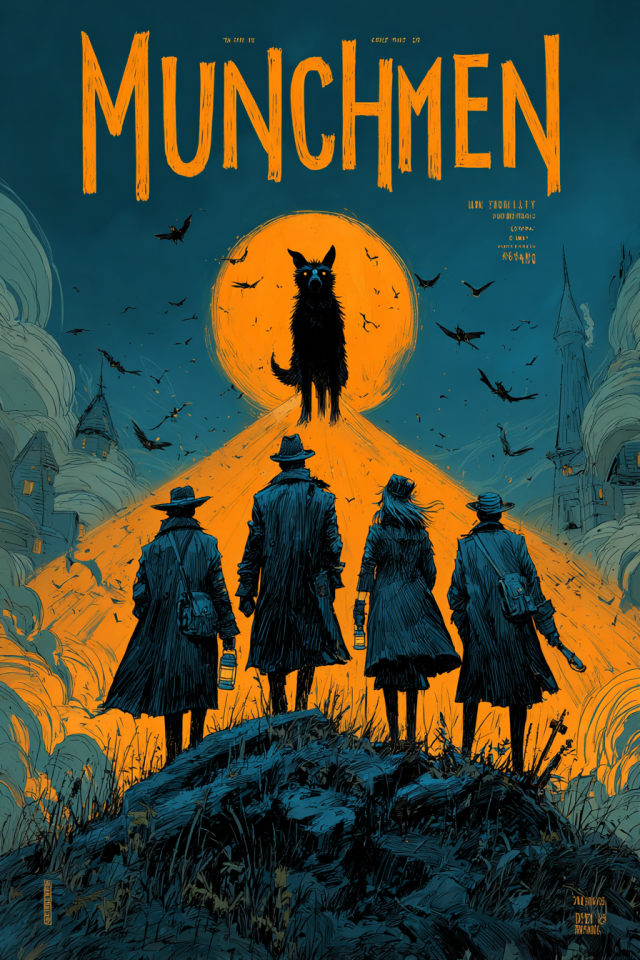
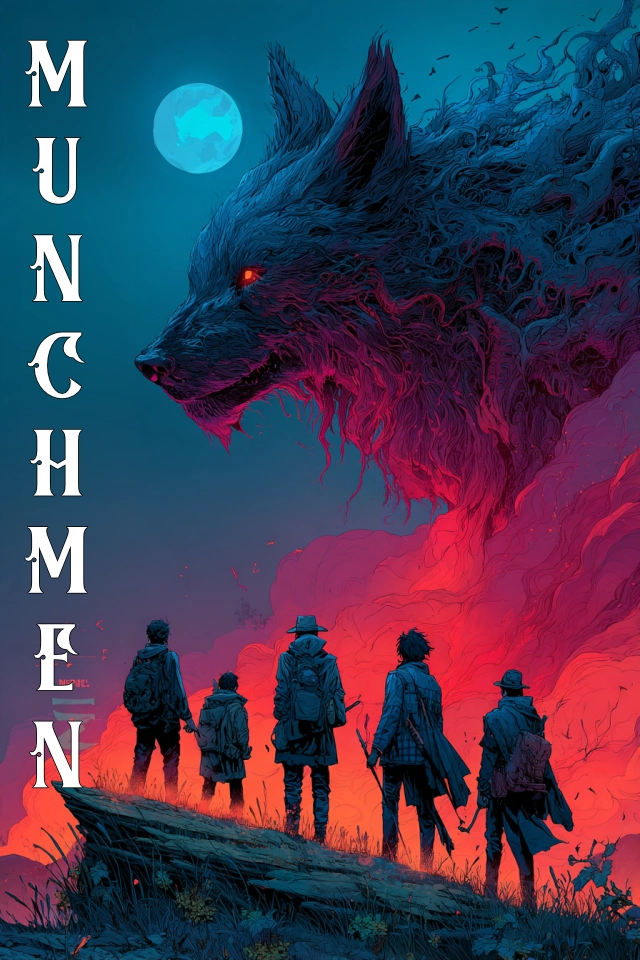
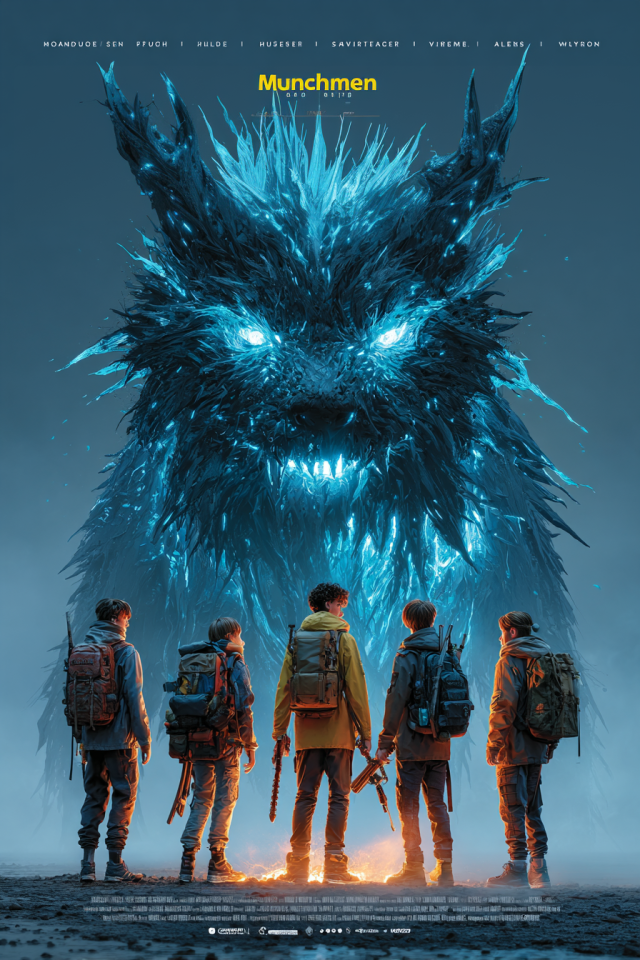
Covers
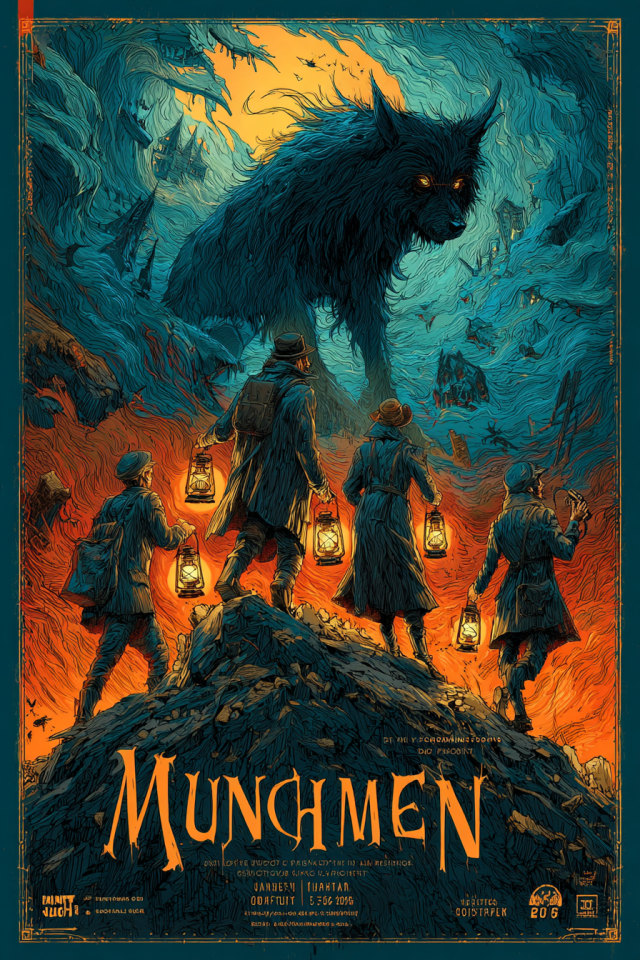
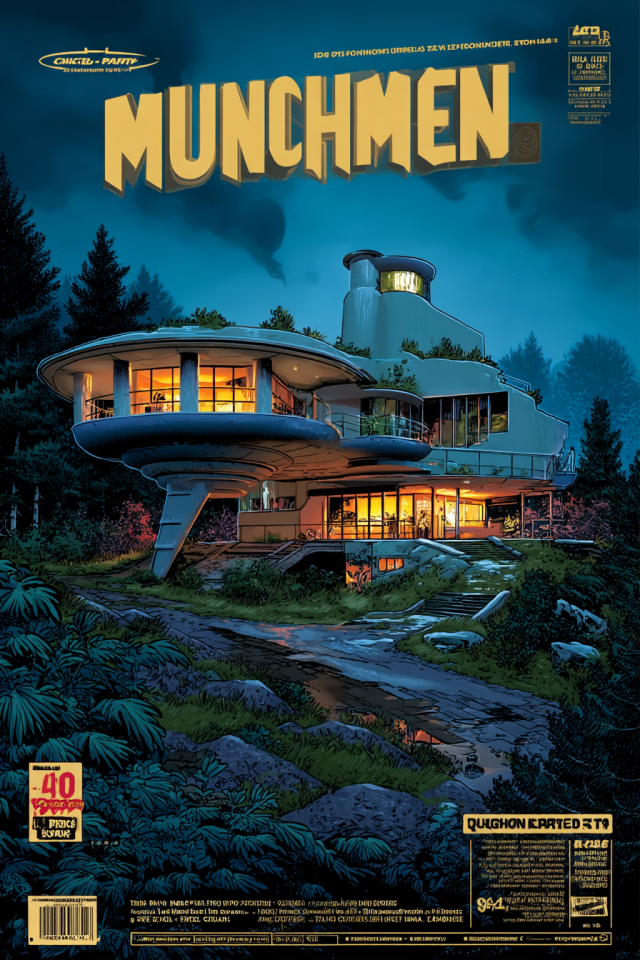
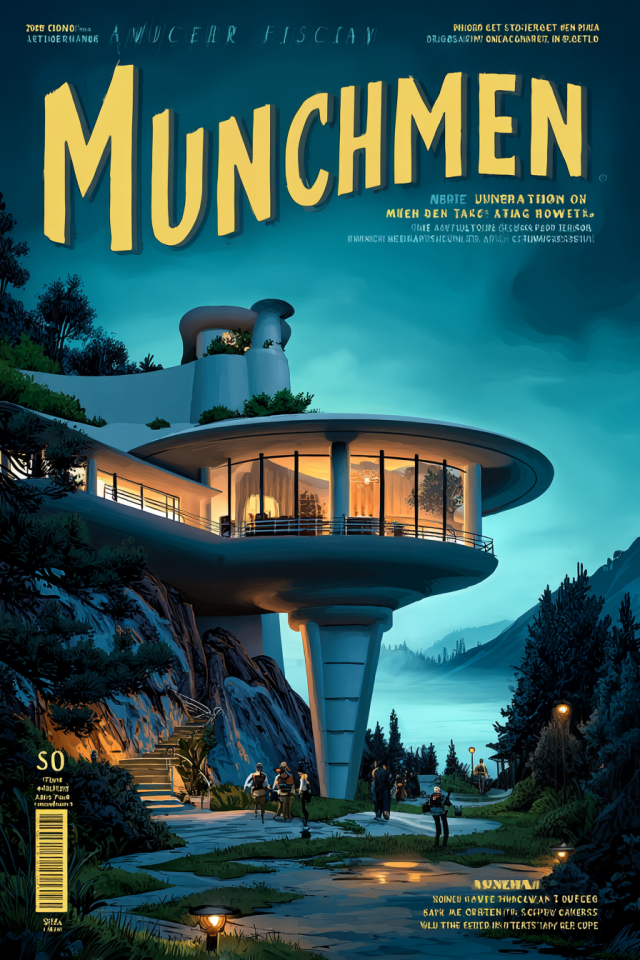
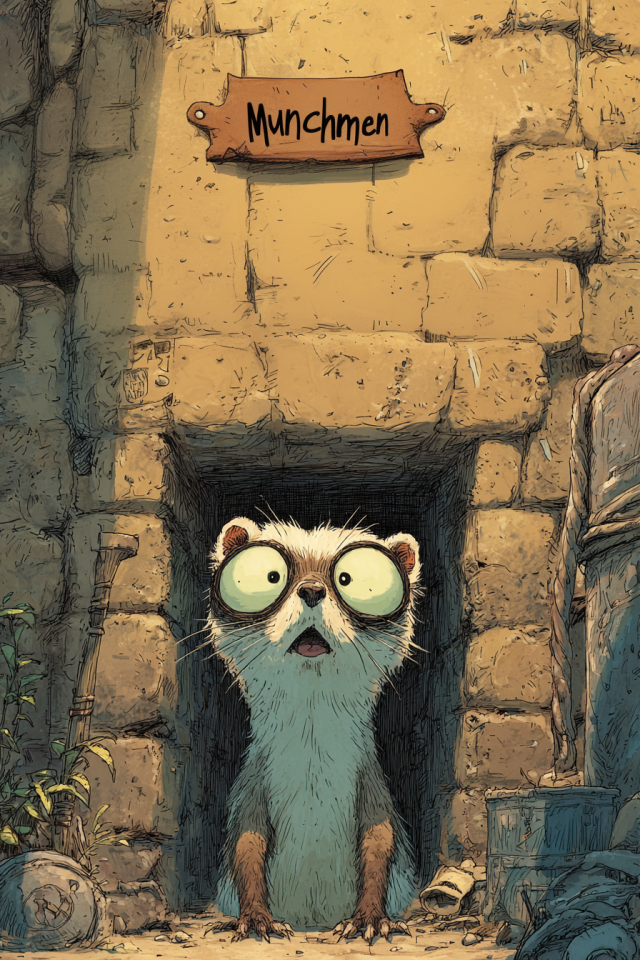
Related Characters
Media
Animated Series
Live Action Show
Adaptations & Derivative Works
Over the century following its debut, The Munchmen- expanded far beyond its original comic format. The franchise became one of the most frequently adapted youth properties across the Accord, spawning holo-mation serials, radio dramas, stage performances, and a sizable body of fan-generated works.
character-driven fanfiction
speculative case files
alternate-universe rewrites
shipping arcs
and unmistakably enthusiastic slash-fic
Popular pairings varied by era, though Ari/Pip, Min/India, and India/Pip dominated early fan culture debates. Mush-centric stories became their own subgenre, focusing on his emotional growth or reimagining his role in the group.
While not officially endorsed, the franchise’s longevity is often attributed to this persistent and generative fan participation.
Audio Dramas
The earliest major adaptation was a series of cooperative dramas produced between 2131 and 2136zc. These half-hour episodes reinterpreted the comic arcs with simplified plots and heightened comedic elements, especially involving Pip and Munch. The audio series introduced several running gags and catchphrases still quoted today, and it helped establish The Munchmen as a shared cultural touchstone across multilingual federations.Early Holo-Mation Series
As holo-mation technology matured, the franchise received its first visual adaptation with The Munchmen: Coastal Case Files- (2142–2145zc). The series combined partial holographic projection, early resonance shading, and stylized animation inspired by Kavo Menris’s original linework. Initial episodes adapted The Black Dog of Tintagel and Good Golem, Miss Daisy, while later seasons introduced wholly original mysteries set along the Ta Mery and Hellenic coasts. The holo-mation is remembered today for its warm palette, expressive motion, and determined attempt to retain the awkward charm of Munch.The Munchmen: Resonance Reels Reboot
Produced in parallel with later seasons of the early holo-mation series, Resonance Reels- was a prestige reboot aimed at older youth and adult fans. This adaptation emphasized atmosphere, folklore accuracy, and more faithful character dynamics based on the MOS case files. Story arcs such as Fiends in High Places and The Fog-Eater of Caer Torren received multi-episode treatments. India and Min’s roles were expanded, Ari’s practical grounding was foregrounded, and Mush was portrayed with explicit neurodivergent coding. The reboot was critically acclaimed for its “deco-nostalgic resonance aesthetic” and remains a fan favorite.Stage Adaptations & Traveling Festivals
Between 2150 and 2180zc, various guild-funded youth theaters staged live adaptations, often as seasonal festival performances. The traveling show Munch on the Moor became a summer attraction across Brywedd and the northern Hellenic regions. These performances typically leaned into physical comedy, choreographed chaos, and audience participation involving “finding clues” hidden around the venue.Documentary & Archival Productions
Academic interest in the real MOS prompted several documentary releases in the late 2100s and early 2200szc. These productions compared the comics and holo-mation portrayals with the original case journals, sketches, and correspondence. The most notable, Footprints on the Coastal Road: The True Munchmen (2194zc), remains widely cited in cultural studies courses across the Accord.Fan-Fiction & Slash-Fiction
By the mid-2140szc, The Munchmen- had accumulated a robust and enduring fan community. This included an extensive archive of:Interactive Adaptations
In the late 22nd century, several interactive resonance-reader storybooks were released, allowing young audiences to “solve cases” by choosing clue routes. These adaptations introduced hundreds of children to the franchise and solidified Munch as one of the most recognized fictional animals in the Accord.Live-Action Feature Film
The live-action feature is considered a transitional work — neither a reboot nor a sequel, but a maturational chapter exploring the MOS in young adulthood.
The live-action Munchmen film follows the MOS during the summer between secondary school and the scattering pull of adulthood. They reunite at Mush Manor for one last season together, a few quiet weeks that quickly unravel into an unexpected mystery when a beloved local archivist, a man Mush quietly adored for his steadiness and wry gentleness, vanishes under suspicious circumstances. Strange folkloric signs appear at the site of his disappearance, and whispers along the coast suggest a resurgence of an old myth, sending the group back into familiar investigative rhythms with far higher emotional stakes.
As they peel back layers of misleading clues, the group uncovers a very human crime hidden beneath a veneer of supernatural misdirection. A private antiquities broker has been seeking access to restricted cultural materials stored in the region’s small archival repository, and the missing librarian’s refusal to compromise preservation laws placed him directly in their path. The investigation forces the MOS to navigate adult danger for the first time—coastal break-ins, coded ledgers, staged “sightings,” and a trail that winds through derelict cliff structures and hidden reading rooms.
By the film’s end, the mystery is resolved, but the emotional shape of the group has changed. Ari and Min find their long-standing bond shifting into something tender and unsure; India and Pip oscillate between sparks and denial; Mush confronts what it means to care for someone who may choose a different path; and the entire group must face the quiet truth that growing up means reshaping the space they hold for one another.
Trouble with a Clue: A Munchmen Mystery
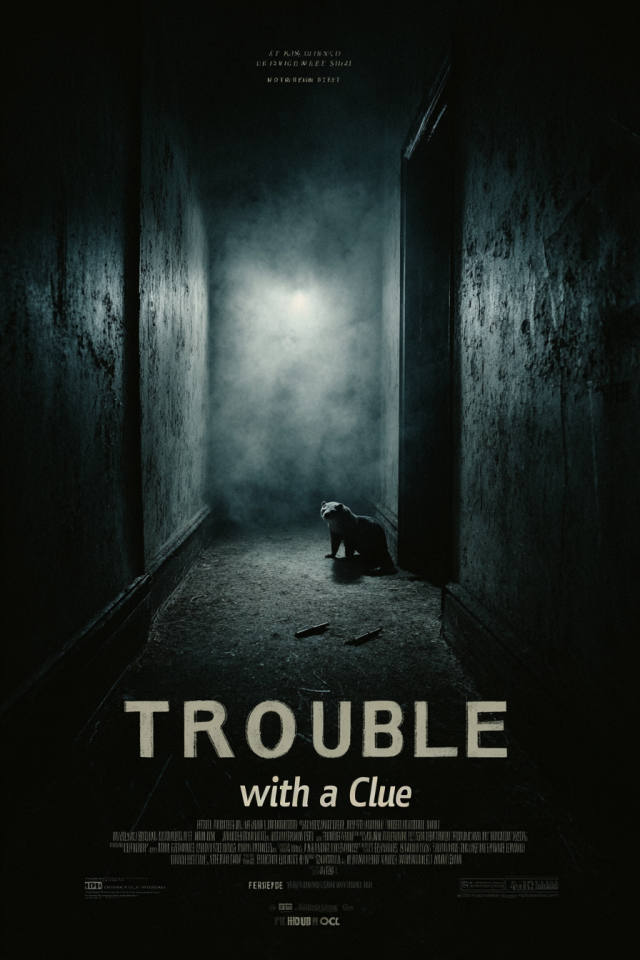
All principal roles were realized using performance-trained artificial casting (AI actors), preserving the iconic visual identities from over a century of Munchmen illustrations. Only the role of Senan Voryn was portrayed by a live holo-actor, Martin Llewellyn, whose grounded performance became a defining element of the film’s tone.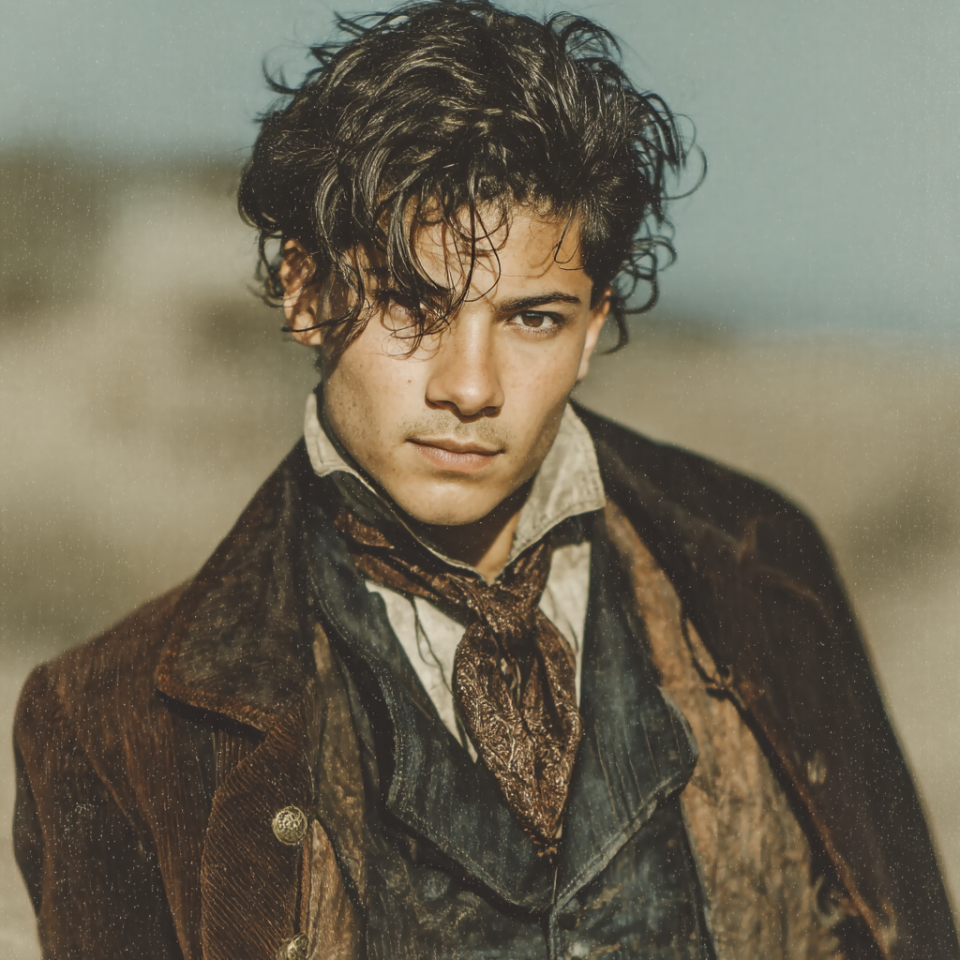
Ari
Ari’s film portrayal leans into his early-adult steadiness—still the group’s grounding force, but now carrying the weight of choices that may take him far from home. He’s wrestling with an apprenticeship offer that promises a real future, yet threatens to pull him away from the people who shaped him. The film frames his arc around responsibility versus desire, and his gently growing connection with Min adds a quiet emotional tension beneath the mystery.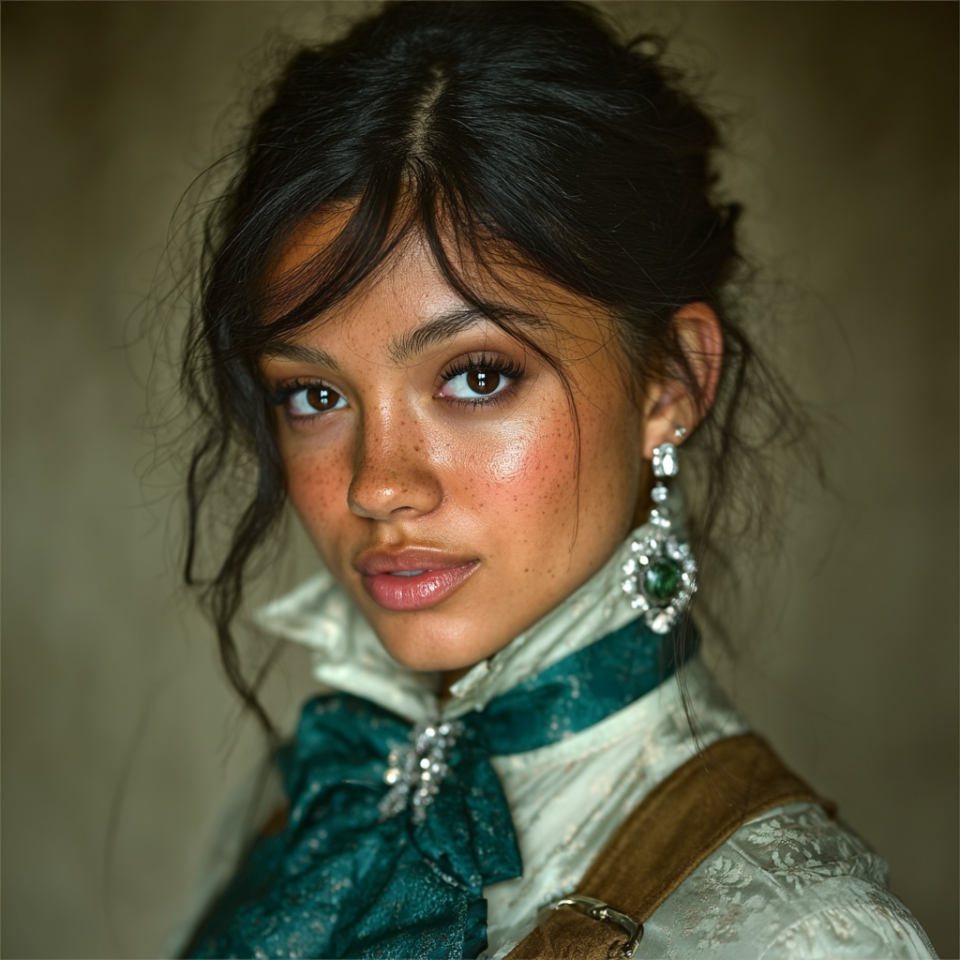
India
India’s portrayal emphasizes her restless creativity and charismatic unpredictability. She’s on the verge of joining a cultural storytelling cooperative abroad, a future she wants and fears at the same time. Her dynamic with Pip leans into sparks, arguments, and accidental tenderness—intimacy without definition, perfectly Koina.
Min
Min is depicted as sharp, inward, and fiercely capable, balancing her investigative instincts with the fear of stepping into a larger world alone. Her acceptance into a competitive inquiry fellowship becomes the axis of her personal conflict. In the ensemble, she plays the perceptive counterbalance to Ari, and their evolving closeness is portrayed with subtlety—never declared, always felt.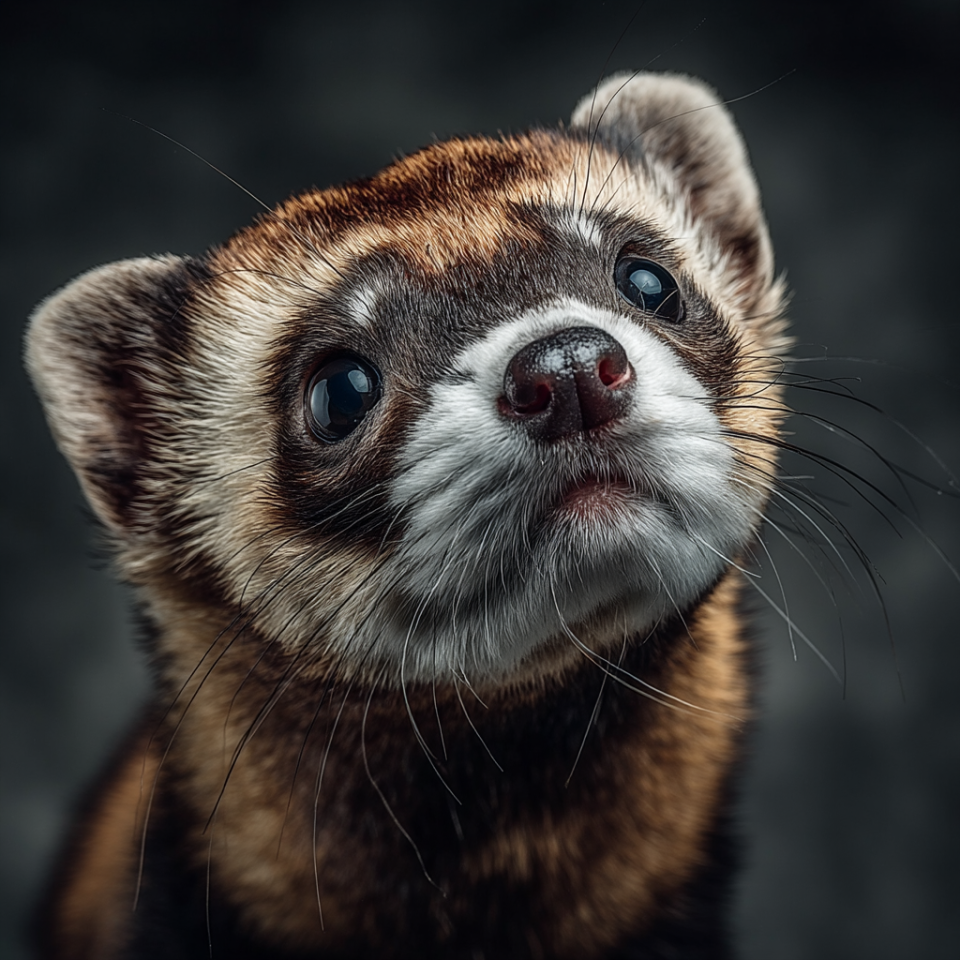
Munch
We, he's just Munch.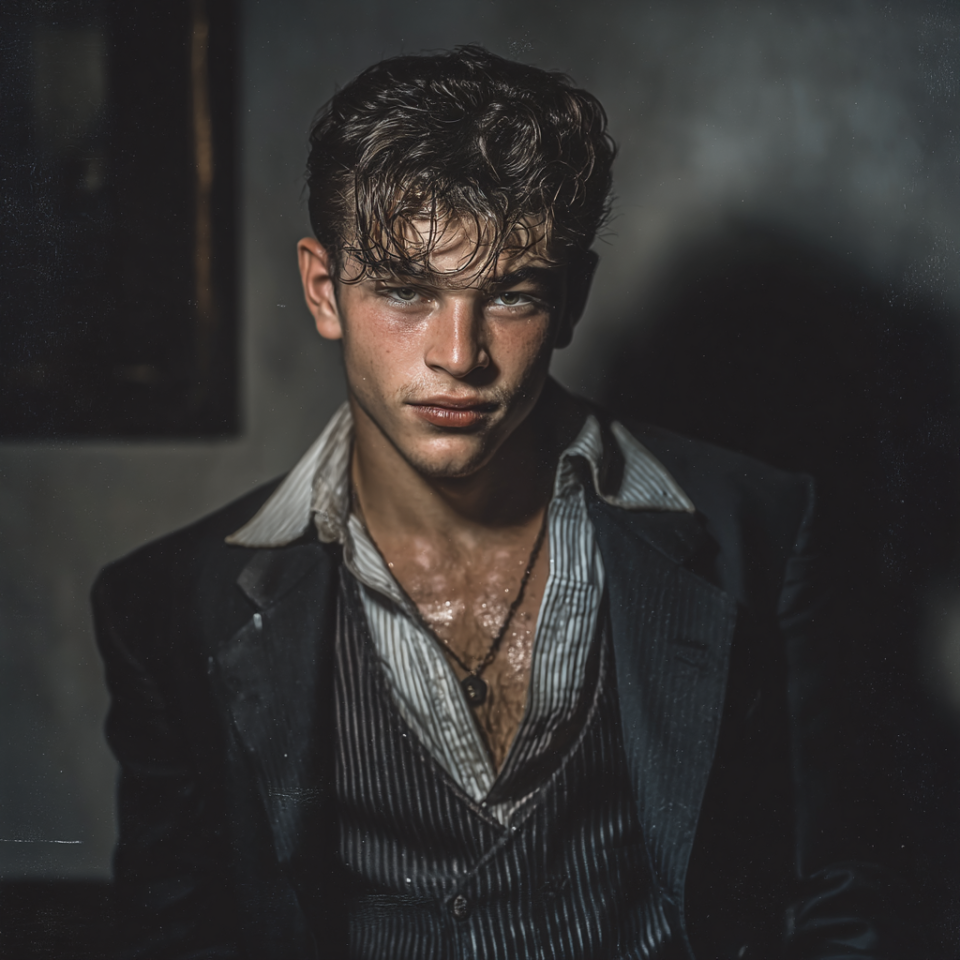
Mush
Older Mush is proudly the same and profoundly different—still sensory-driven, earnest, impulsive, and beloved, but now with a maturity that makes his emotional depth unmistakable. His connection with Senan Voryn is portrayed with restraint and gravity, highlighting Mush’s first experience of adult longing and the courage it takes to follow a feeling he doesn’t yet have language for.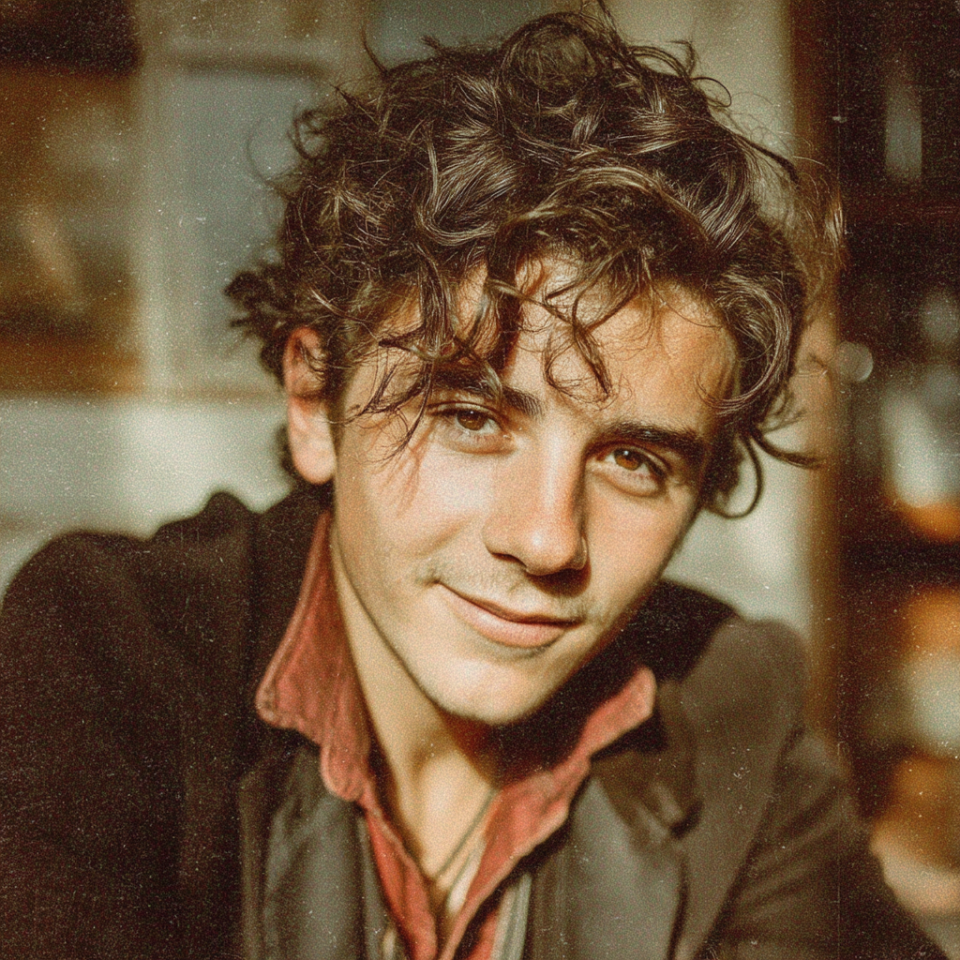
Pip
Pip’s actor brings a magnetic, reckless charm. He masks insecurity beneath humor, but the film lets that façade slip just enough to show depth he rarely shares. His storyline orbits both India’s chaotic pull and a growing question about who he might be without the group there to define him.
Senan Voryn
Played by renowned holo-actor Martin Llewellyn.
Senan is introduced as a quiet, gently humorous archivist in his early thirties, a man who understands silence better than most people understand speech. He manages the coastal library’s restricted collections with calm principle and an observant kindness that instantly disarms Mush. His disappearance triggers the film’s central mystery, but his role is more than a plot catalyst—he represents the possibility of connection beyond childhood circles, and the first adult relationship Mush must choose to navigate on his own terms.




Comments