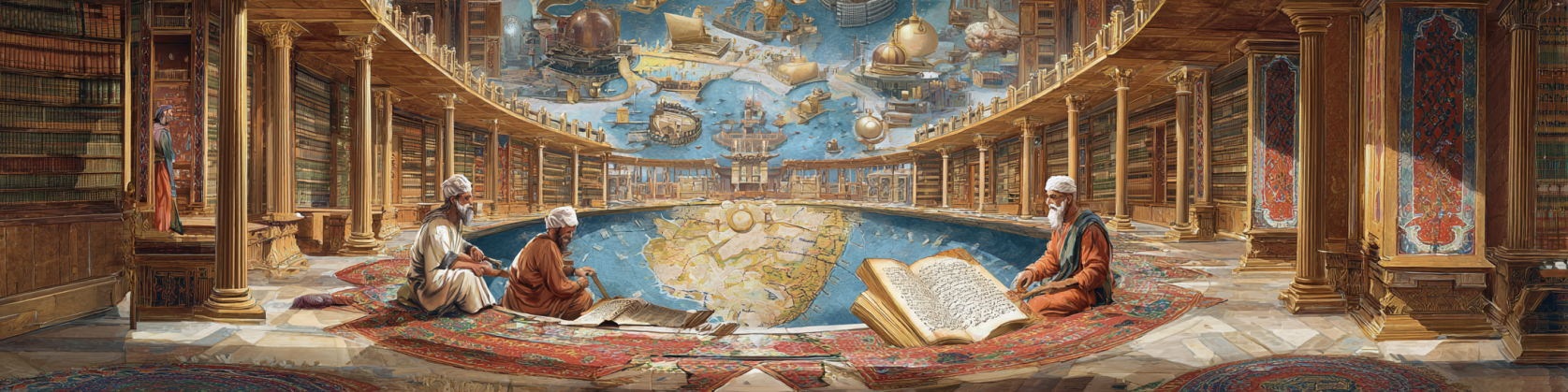
The Road to Koina
Turning Point: 3rd Century BCE
Suppositions
Framing the Question
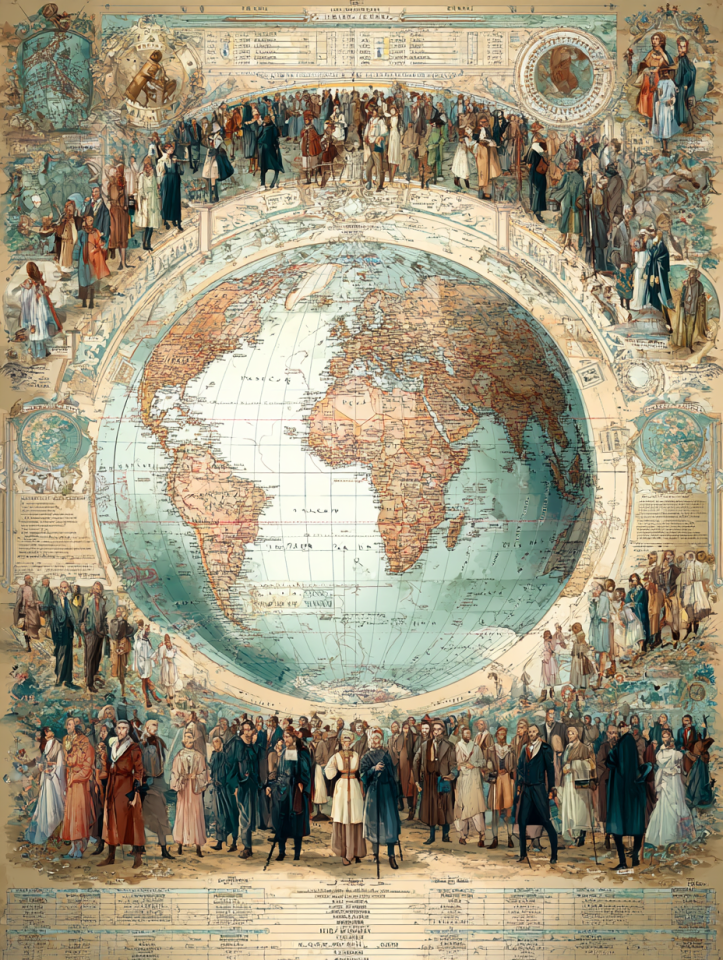
The starting point is deceptively simple: What if Rome had never become an empire?Not what if it had never existed, but what if it had never consolidated Mediterranean power, exported its model of assimilation, and laid the groundwork for colonization as we know it?
This question opens the door to imagining a world freed from the Roman template: no “you may keep your gods, but you must honor ours,” no systemic absorption of conquered peoples into a single imperial identity, and no colonization as a civilizational mission. If Rome’s empire collapsed early or never cohered, the Mediterranean and surrounding regions would remain polycentric, drawing on older models of governance and coexistence.
Step One: Colonization & Assimilation
Rome’s legacy is not only roads, aqueducts, or law — it is the colonization mindset. The empire’s strength rested on a bargain: conquered peoples could keep local practices and even gods, provided they acknowledged Roman supremacy, paid tribute, and accepted Roman identity as the ultimate frame.
This model became the template for later empires. The Spanish and Portuguese in the Americas, the British in India, and the French in Africa echoed Rome’s logic: assimilation or marginalization, “civilization” as justification for domination. Even in the modern United States, echoes remain in immigration rhetoric — “you can belong, but only if you adopt the prescribed culture.”
By removing Rome, we remove the moment when colonization as assimilation became normative.
This model became the template for later empires. The Spanish and Portuguese in the Americas, the British in India, and the French in Africa echoed Rome’s logic: assimilation or marginalization, “civilization” as justification for domination. Even in the modern United States, echoes remain in immigration rhetoric — “you can belong, but only if you adopt the prescribed culture.”
By removing Rome, we remove the moment when colonization as assimilation became normative.
Step Two: The Persian Alternative
If Rome never dominated, another model was available — the Persian. The Achaemenid Empire had already developed a system of federative governance where diverse peoples could retain language, religion, and local rule under a framework of shared administration. Instead of forced assimilation, the Persian system emphasized tolerance, tribute, and practical oversight.
Without Rome, the Persian model likely spreads and evolves:
• Local autonomy preserved within broader federations.
• Identity layered, not replaced.
• Governance focused on logistics — roads, communication, taxation — rather than cultural uniformity.
This model blends easily with Greek rationalism and Indian sangha traditions, creating a polycentric world where federations cooperate without demanding assimilation. The absence of Rome allows tolerance, not absorption, to become the default.
Without Rome, the Persian model likely spreads and evolves:
• Local autonomy preserved within broader federations.
• Identity layered, not replaced.
• Governance focused on logistics — roads, communication, taxation — rather than cultural uniformity.
This model blends easily with Greek rationalism and Indian sangha traditions, creating a polycentric world where federations cooperate without demanding assimilation. The absence of Rome allows tolerance, not absorption, to become the default.
Naming
Common Name: Koina
- Rooted in Greek koinós = “common, shared, universal.”
- Feels everyday, accessible, like “Earth.”
- Matches the cooperative ethos: “the shared world.”
- Easy to use conversationally: “Koina is our home.”
Scientific / Formal Name: Zamīn
- Persian for “earth, ground, soil.”
- Used instead of "Terra"
- Used historically in Avestan, Middle Persian, and still modern Persian.
- Carries a material, non-theological tone: the tangible world as opposed to spirit (like Gētīg vs. Mēnōg).
- Works perfectly as the formal/scientific designation (like “Terra” in taxonomy, astronomy, or philosophy).
Together
· Common: Koina (the shared, humanistic earth).
· Scientific: Zamīn (Terra, the material planet).




Comments