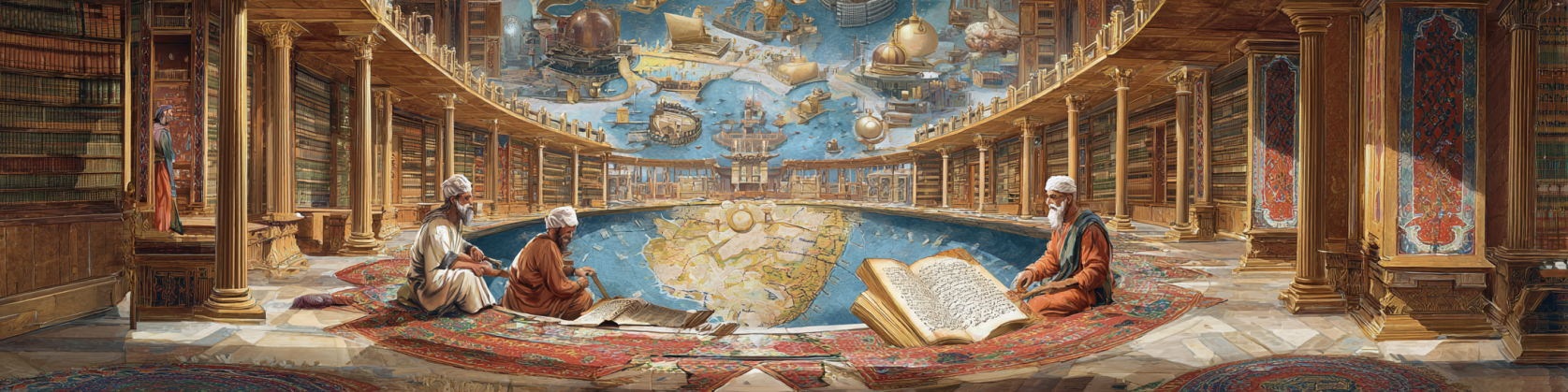
Technology & Travel
The traveler wakes to a soft tremor beneath the floor — not the roar of engines, but the steady heartbeat of resonance. Outside the window, the landscape drifts by in silence: terraced fields, silver rivers, towers that shimmer like tuning forks in the morning light. In the café deck, children lean against the glass, watching the horizon tilt as the cruiser banks toward the coast. There is no smoke, no shudder of flight — only the whisper of balance.
In Koina, movement has never meant conquest. The same principles that shaped its architecture and industry guide its travel: harmony with wind, water, and magnetism. Because no empire claimed the skies and no navy ruled the seas, exploration remained an act of connection, not control. Engineers became philosophers of motion, designing craft that glide rather than tear, that resonate rather than burn.
Every journey is a lesson in coexistence. Airships pass above orchards without disturbing a leaf; magnetic ferries glide over mirrored canals; caravans follow ancient routes now mapped by starlight and sound. Travel in this world is not escape from the familiar, but its extension — a pilgrimage through the shared calm of invention and earth.
Technology in the New World is not defined by conquest, extraction, or militarization. Instead, it grows from the cooperative principles of philosophy, guild rivalry, and ecological balance. The most prestigious innovations are those that enrich life, extend memory, and connect communities. Two great breakthroughs anchor this trajectory: wireless electricity and resonant travel.
Wireless Electricity
The most transformative technology is the mastery of inductive resonance. Instead of relying on cords, wires, and massive fossil-fuel plants, the New World developed wireless energy grids centuries earlier.
Induction Towers: Ceramic and crystalline towers transmit energy across neighborhoods and cities. They hum with resonance, distributing power invisibly and cleanly.
Commons of Energy: Electricity is treated as a public good, not a private monopoly. Guilds maintain the towers, but no one “owns” the grid.
Everyday Use: Homes, workshops, and guild halls glow with light and power without wires, cords, or pollution. Travelers charge craft simply by being within range of resonance fields.
The result is a world where energy is ubiquitous, silent, and cooperative - a commons as natural as air or water.
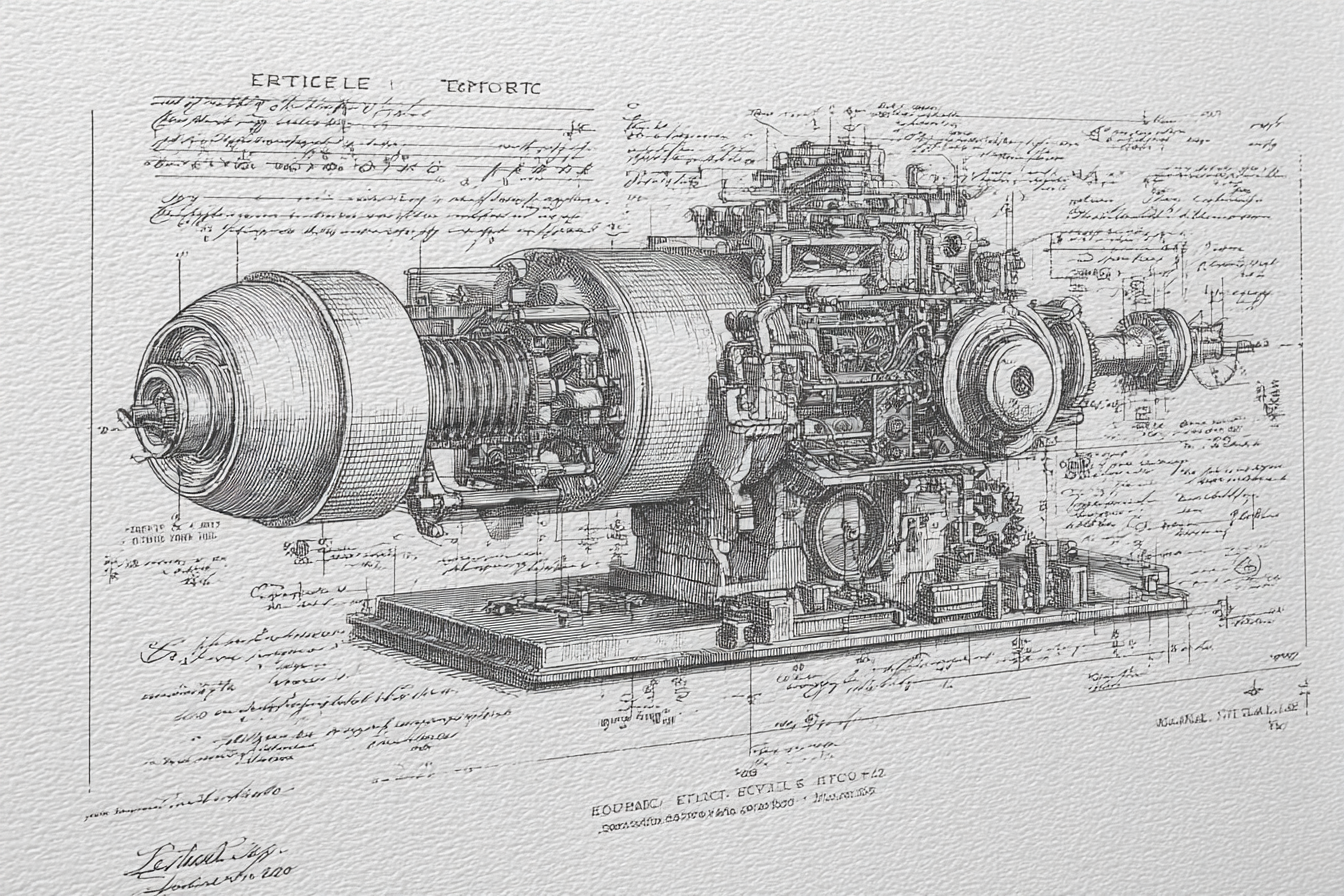
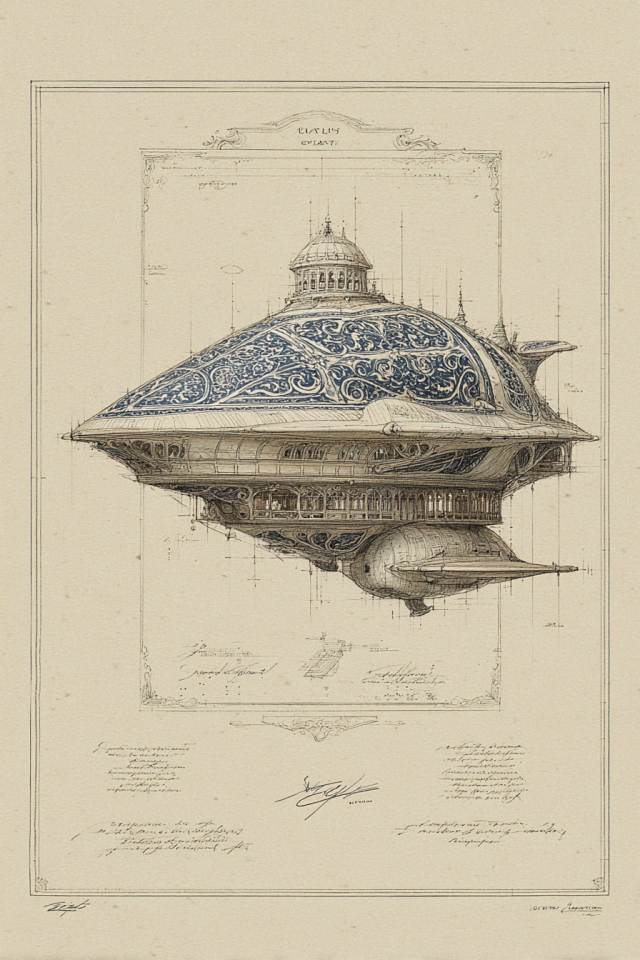
Airships: Elegance of the Skies
The first great leap in transport was the refinement of airships.
Use: Regional journeys, festivals, cargo trade.
Design: Curved hulls of wood and ceramic, saffron sails, and garden decks.
Experience: Slow and graceful, journeys measured in days rather than hours. Travelers value the voyage as much as the destination.
Airships remain cultural icons - visible symbols of elegance, tradition, and ecological balance.
Magnetic Resonance Drives (MR Drives)
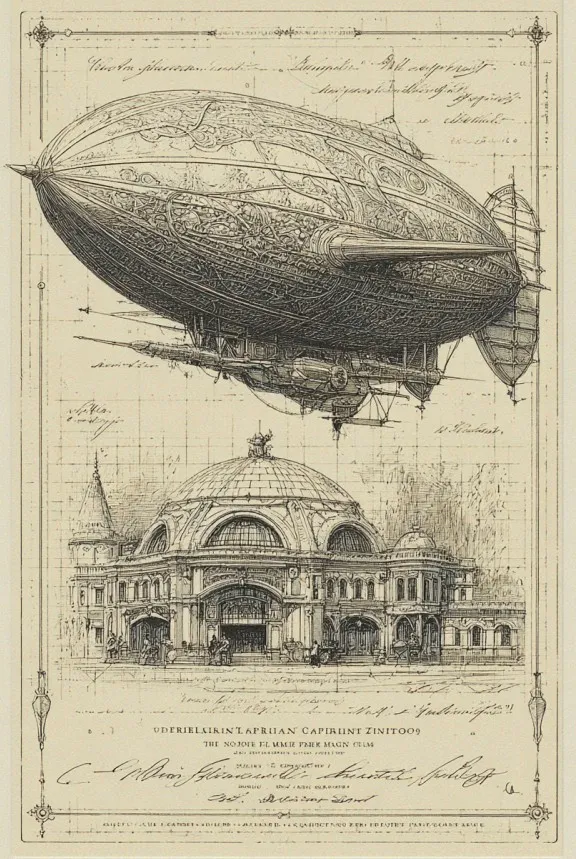
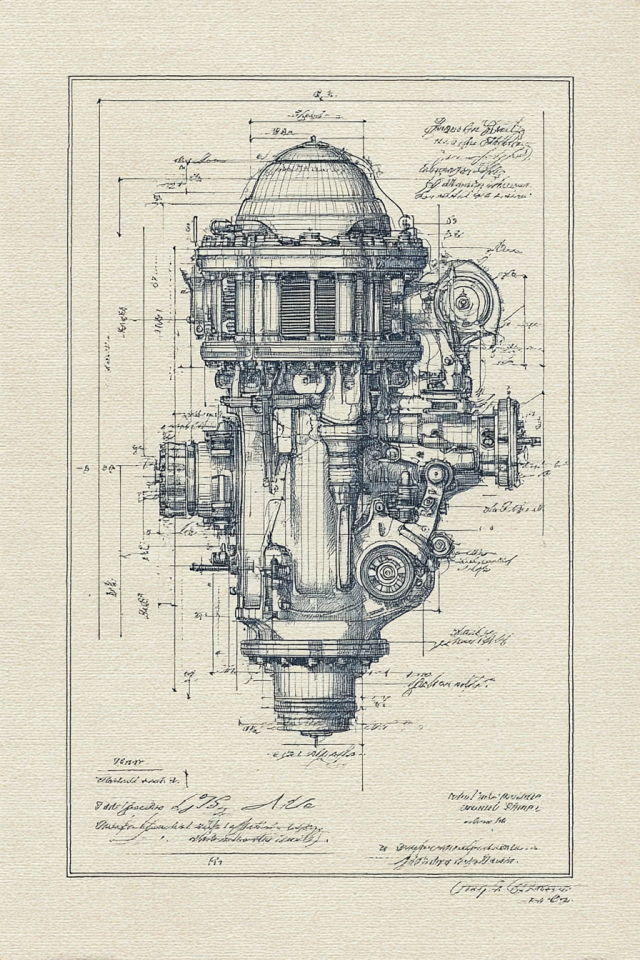
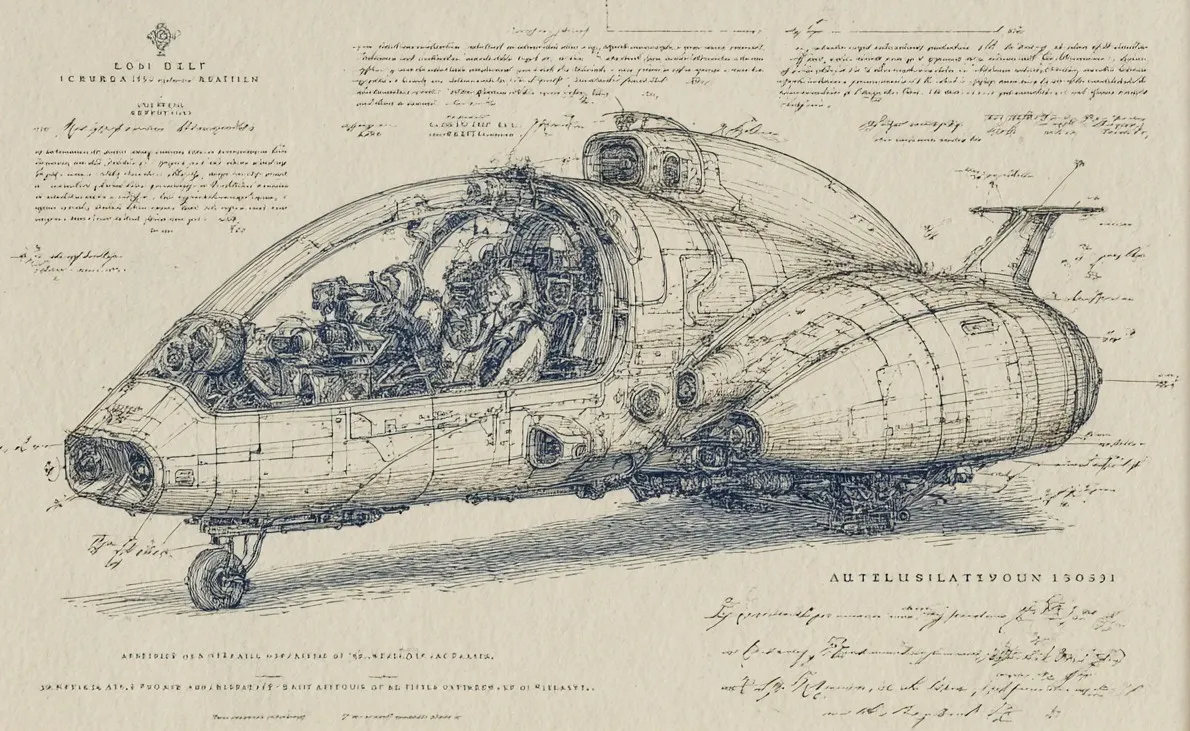
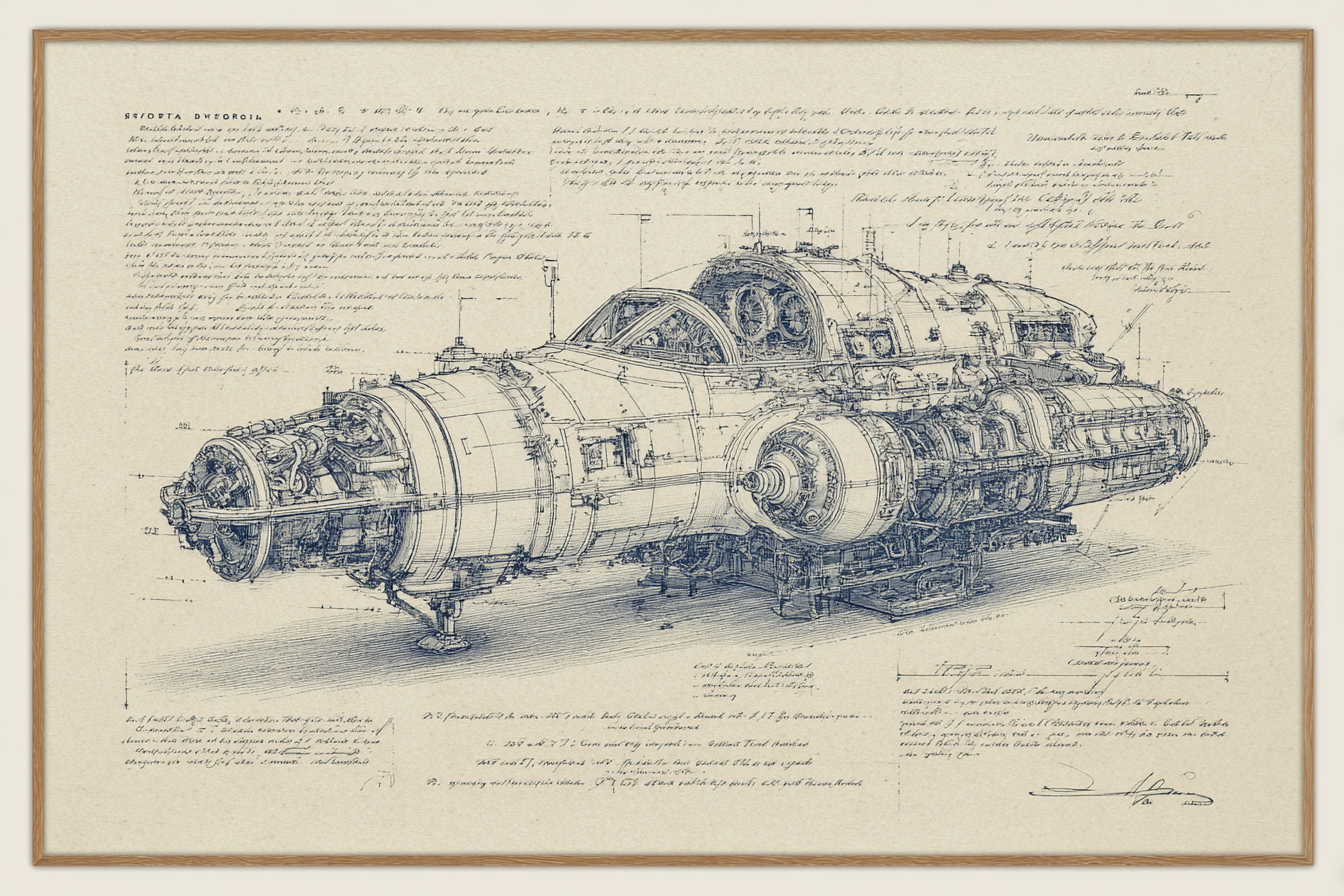
The workhorse of daily travel is the MR Drive.
Principle: Oscillating magnetic fields and resonance coils create lift and propulsion without cords or tracks.
Application:
o Hover platforms replace cars.
o Cargo lifters replace trucks.
o Sky barges replace buses and trains.
Tone: Practical, ubiquitous, woven into urban life. Streets are open for walking and markets because transport floats silently above them.
MR Drives ensure that mobility is clean, efficient, and accessible. They are the pulse of the modern city.
o Cargo lifters replace trucks.
o Sky barges replace buses and trains.
Anti-Gravity Resonant Cruisers
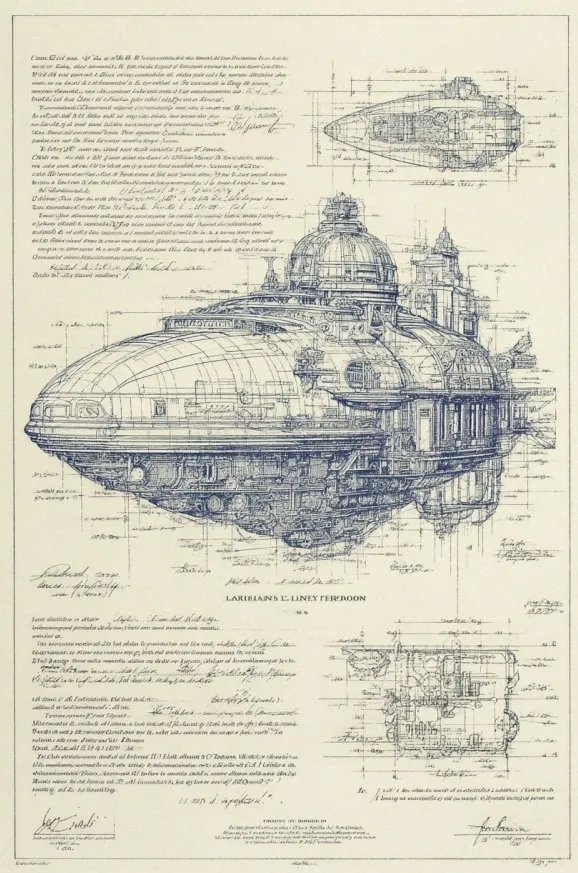
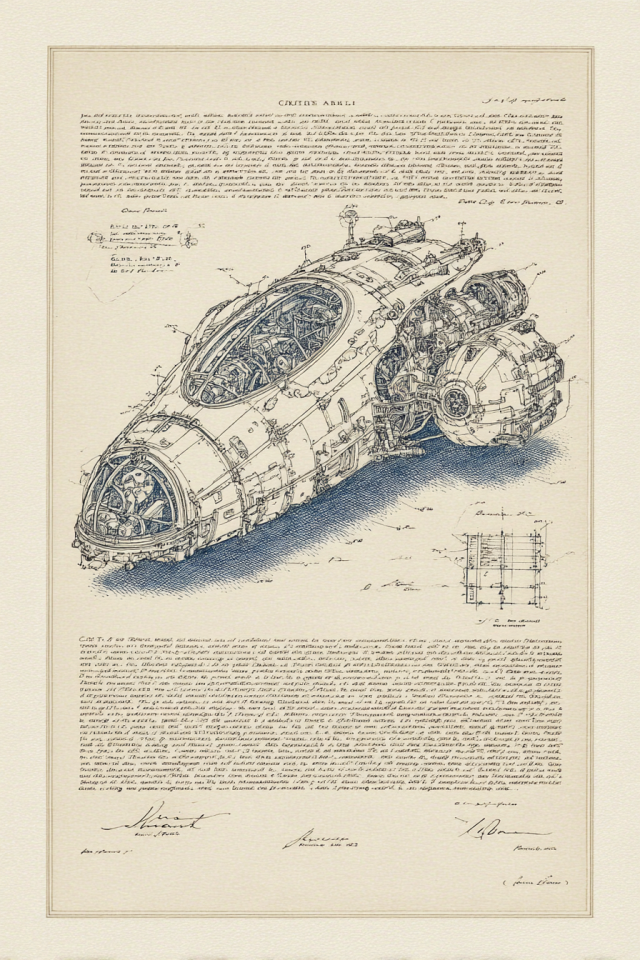
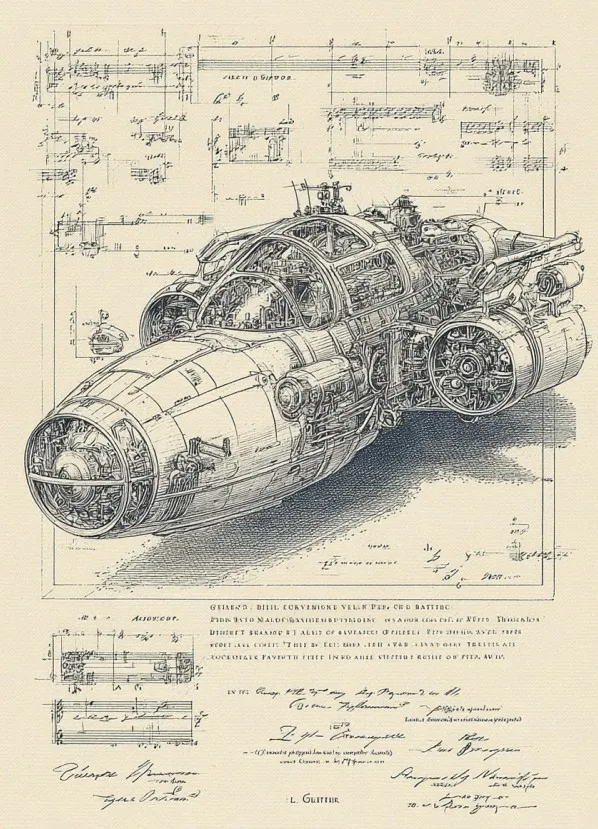
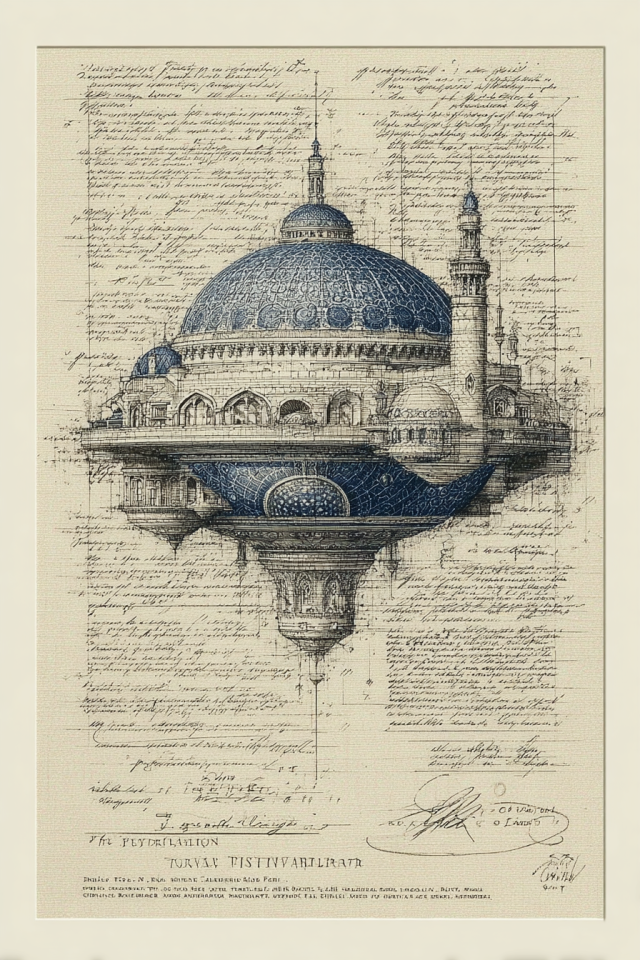
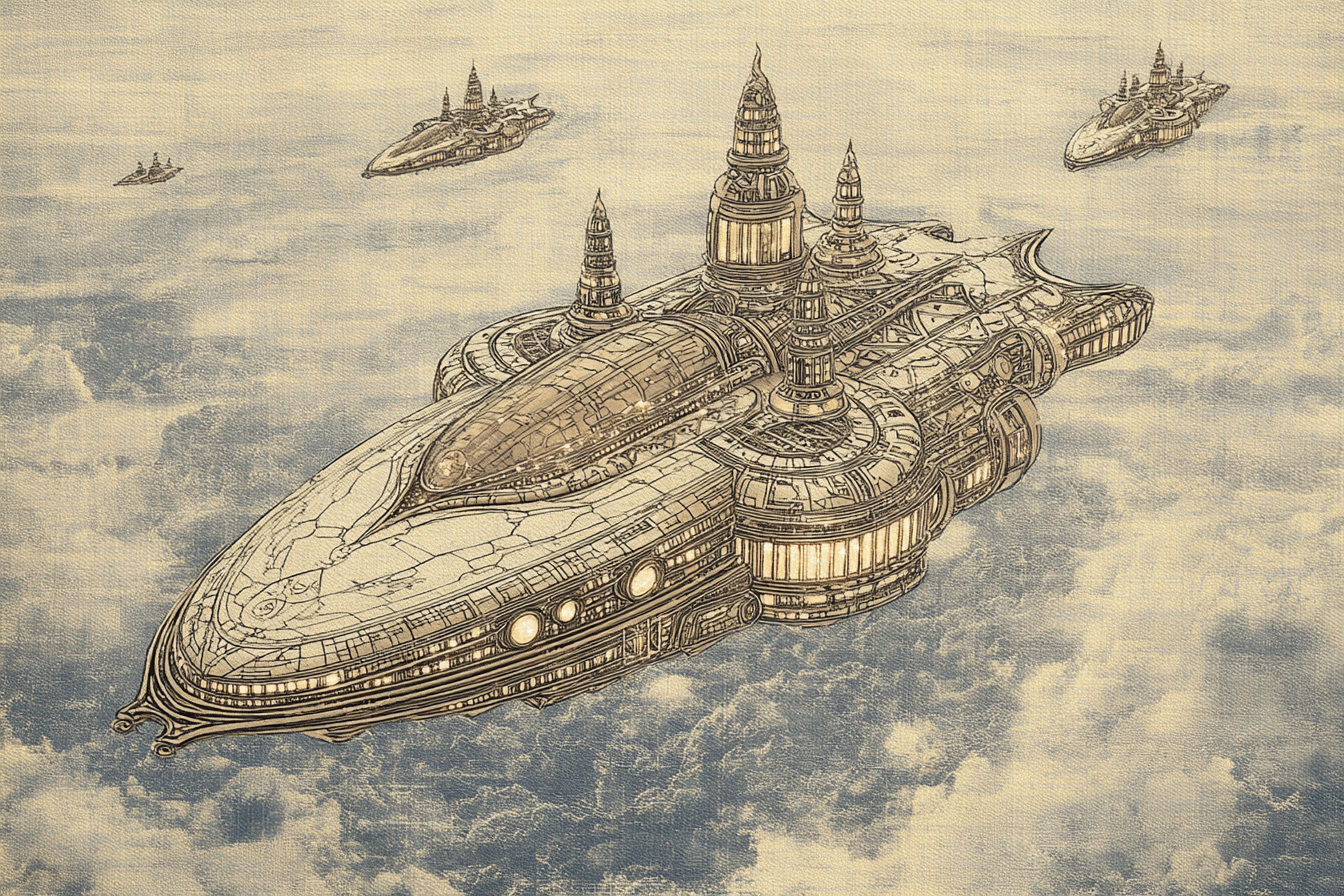
The pinnacle of travel technology is the Resonant Cruiser.
Principle: Advanced harmonics extend resonance into gravity wells, allowing ships to rise above the clouds. Solar-ion plasma drives assist once aloft.
Performance: Cross oceans in ~8 hours; glide across continents silently and efficiently.
Design: Lotus-curved hulls, mosaic interiors, communal gardens onboard. They feel more like moving temples than machines.
Symbolism: Seen not as conquest machines but as emblems of balance, freedom, and connectivity.
To board a cruiser is to participate in the cosmopolitan promise of Koina - the shared world made tangible through calm, graceful flight.
Strengths and Vulnerabilities
Strengths
Energy is universal, clean, and communal.
Transport is layered: elegant airships, practical MR craft, transcendent cruisers.
No fossil fuel dependency; ecological scars are minimized.
Travel fosters connection and pluralism rather than conquest.
Vulnerabilities
Anti-grav resonance remains complex; guild rivalries sometimes spark secrecy.
Inter-federation travel depends on tower networks; disruption to grids can strand regions.
Slower pace of airships remains a limitation for urgent needs.
The Tone of Technology
Technology in this world feels silent, graceful, and cooperative. Homes glow with wireless energy, cities hum with hovering craft, and skies shimmer with cruisers above the clouds. It is not progress driven by fear or war, but by the shared conviction that invention should enrich life’s balance.
-
World Bible Navigation
-
Governance
Documents detailing the articles of Cooperative Federation.-
The Covenant
The Foundations of Koina
-
Constitution
-
The Persian Constitution
Empire is formed
-
The Persian Constitution: Amendment I
5th - 6th Century ZC
-
The Persian Constitution
-
Bills and Accords
-
The Accord of Alexandria
1st Century ZC
-
The Bill of Rights for All Peoples
3rd Century ZC
-
The Bill of Sovereignty for Cooperatives
3rd Century ZC
-
The Charter of Rights & Duties of the Accord
3rd Century ZC
-
The Covenant of Adjudication
3rd Century ZC
-
On Inheritance
A Treatise on the Balance of Desire, Purity, and Civic Stewardship
-
The Expansion Accord
4th Century ZC
-
The Environmental Accord
12th Century ZC
-
The Communication Accord
18th Century ZC
-
The Technology & Balance Accord
22nd Century ZC
-
The Modern Accord
22nd Century ZC
-
The Accord of Alexandria
-
Constitution
-
The Covenant
-
World Scope
-
Introduction & Scope
-
Arts & Aesthetics
-
Architectural Standards
-
Communication & Memory
-
Crime & Social Order
-
Geopolitics & Power
-
Law, Rights & Citizenship
-
Leadership: Voices & Whispers
-
Freedom & Daily Rhythm
-
Global Institutions
-
Health & Environment
-
Industrialization
-
Religion & Philosophy
-
Sciences & Knowledge
-
Social & Cultural Life
-
Technology & Travel
-
Introduction & Scope
-




Comments