Anahuac (AH-nah-wahk)
Land by the Waters
The Avenue of the Dead stretches wide beneath the sun, flanked by pyramids that rise like mountains of stone. At its center, the Pyramid of the Sun casts a vast shadow, its steps echoing with the footsteps of pilgrims, priests, and traders. Smoke from incense drifts upward, carrying prayers to the heavens, while markets at the base of the pyramids bustle with obsidian blades, woven cloth, and cacao beans. In Teotihuacan, preservation is carved into stone itself, its geometry aligning sky, earth, and human memory.
Murals in vibrant reds and blues adorn temple walls, depicting jaguars, eagles, and feathered serpents. Each image tells a story, binding myth to history. Priests climb the pyramids at dawn to greet the sun with offerings, while astronomers watch from the temple tops, charting the movements of Venus and the stars. Knowledge here is preserved in both ritual and architecture, each pyramid a calendar as well as a monument.
Children learn through story and symbol. They recite tales of Quetzalcoatl, the feathered serpent who brought maize and wisdom, and of Tlaloc, who governs rain and fertility. Farmers in the fields mirror this knowledge, guided by calendars that time planting and harvest with celestial precision. For the people of Anahuac, preservation is survival — ensuring that the cycles of nature and culture remain unbroken.
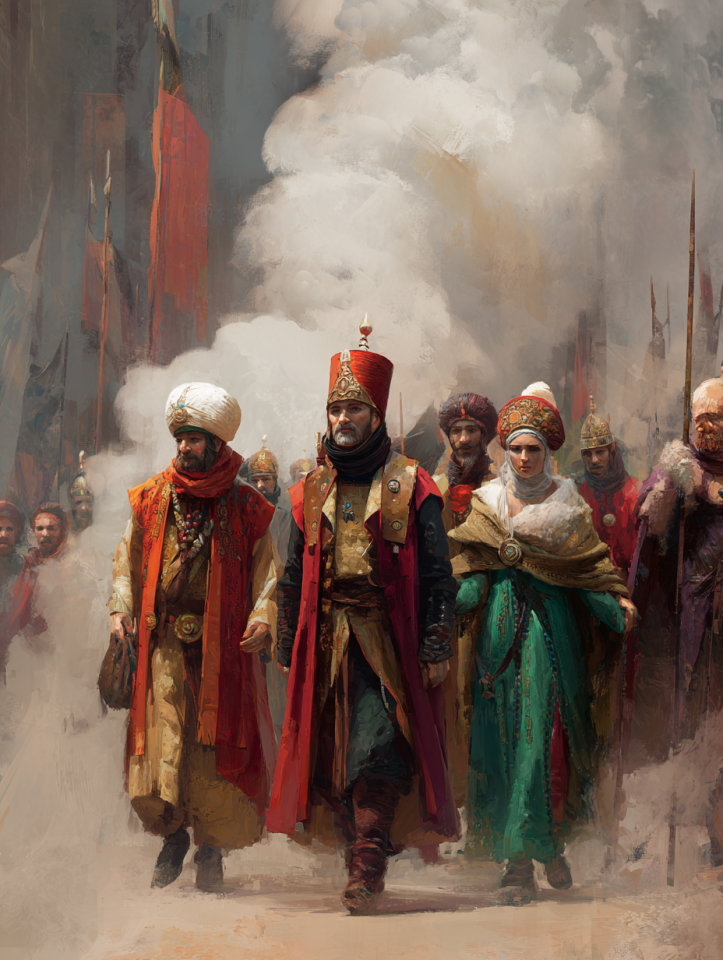
When the Accord was called, emissaries from across the seas arrived astonished at the scale of Teotihuacan. Anahuac’s leaders declared that their pyramids were not only monuments to gods but to memory itself, built so that no flood, famine, or forgetting could erase their truth. Thus Anahuac entered the Accord as the builder of stone-bound memory.
Historical Origins
Anahuac’s traditions stretched back to Olmec roots, where colossal heads and sacred symbols marked the beginnings of Meso culture. By 0 zc, the peoples of the central Mexican plateau had already developed advanced systems of writing, calendrics, and astronomy.
Teotihuacan, rising as a great urban center, embodied this heritage. Its pyramids and avenues were aligned with the cosmos, serving as both civic center and celestial observatory. When contact came with Accord emissaries, it was recognized as a parallel heart of preservation — one built on stone, ritual, and sky.
Philosophy & Governance
Governance in Anahuac was a blend of priestly authority, merchant councils, and civic administrators. Ritual and astronomy guided decisions, ensuring that human order reflected cosmic cycles. Authority was legitimized not only by lineage but by the ability to maintain balance between nature, gods, and people.
Within the Accord, Anahuac championed the philosophy of cycles. They taught that preservation must mirror the natural world: planting and harvest, dawn and dusk, life and death. Their governance emphasized balance, making them advocates for environmental stewardship within the cooperative.
Contributions to the Accord
Anahuac’s contributions were profound and far-reaching:
Calendrics: Sophisticated systems linking astronomy and agriculture.
Monumental Architecture: Pyramids and avenues that embodied cosmic alignment.
Agricultural Innovation: Irrigation, chinampas (floating gardens), and maize cultivation.
Symbolic Preservation: Murals, glyphs, and myths as living archives.
Cultural Identity
Anahuac’s culture celebrated duality and cycle: life and death, sun and moon, rain and drought. Rituals and festivals marked these transitions, reinforcing the belief that preservation was the maintenance of balance.
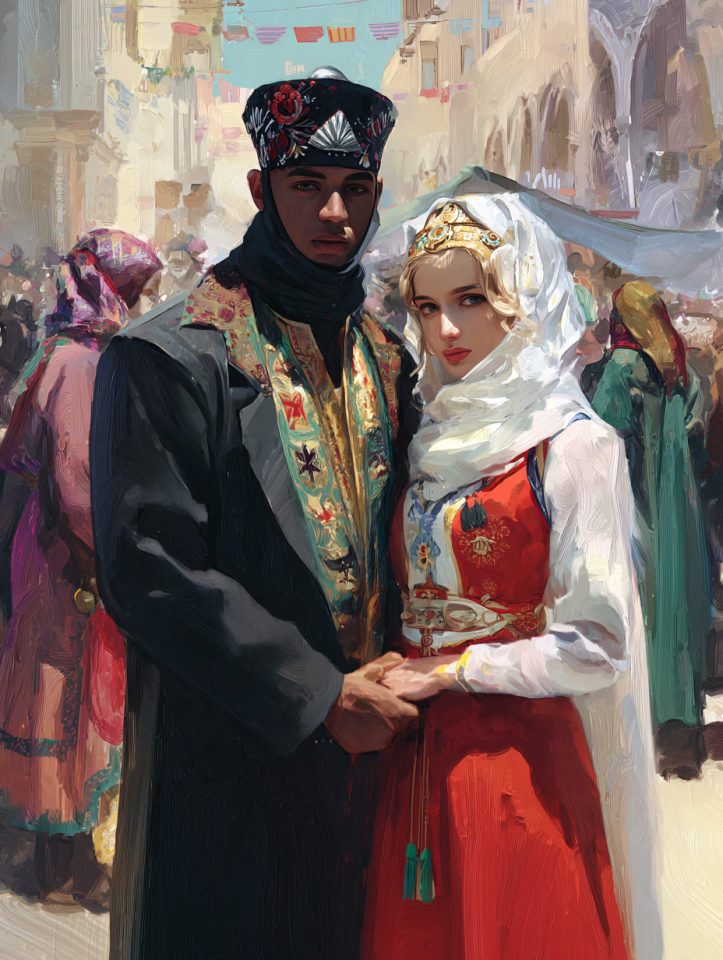
Art and architecture embodied this worldview. Feathered serpents, jaguars, and eagles became enduring symbols, representing wisdom, strength, and vision. In the Accord, these motifs joined global iconography, reminding all that preservation requires harmony between human endeavor and natural order.
Capital City
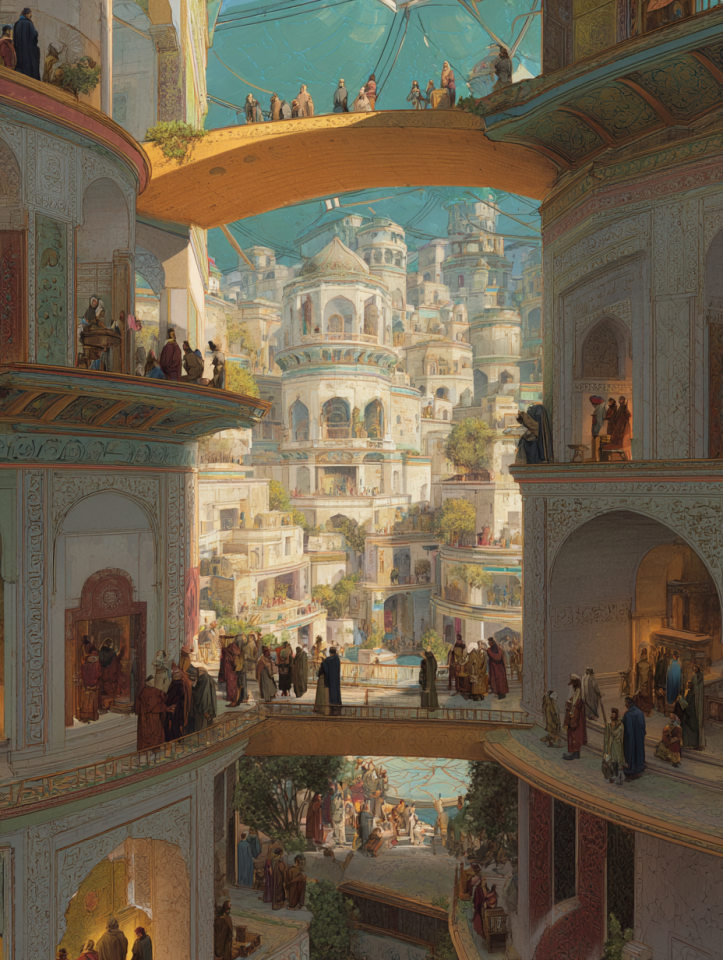
Teotihuacan — 19.6925°N, 98.8433°W — was chosen as Anahuac’s Accord seat. Its monumental scale impressed all who arrived, and its pyramids became gathering places for Accord councils. The city’s layout, aligned with celestial events, embodied the principle that preservation must mirror the cosmos.
Libraries of glyphs and murals were catalogued by Accord scribes, while its avenues became stages for exchange of ideas as much as for ritual. In Teotihuacan, the Accord found a city that declared preservation not in books alone but in stone, paint, and sky.
Legacy & Global Role
Anahuac gave the Accord its monuments to the cosmos. Their contributions in astronomy, agriculture, and architecture ensured that preservation was rooted in balance with nature. They taught that to forget the cycles of the world was to invite disaster, but to remember them was to live in harmony.
Centuries later, the pyramids of Teotihuacan still stand as testaments to this vision. Their shadows fall across Koina as reminders that preservation is not only memory of the past, but alignment with the eternal rhythms of earth and sky.
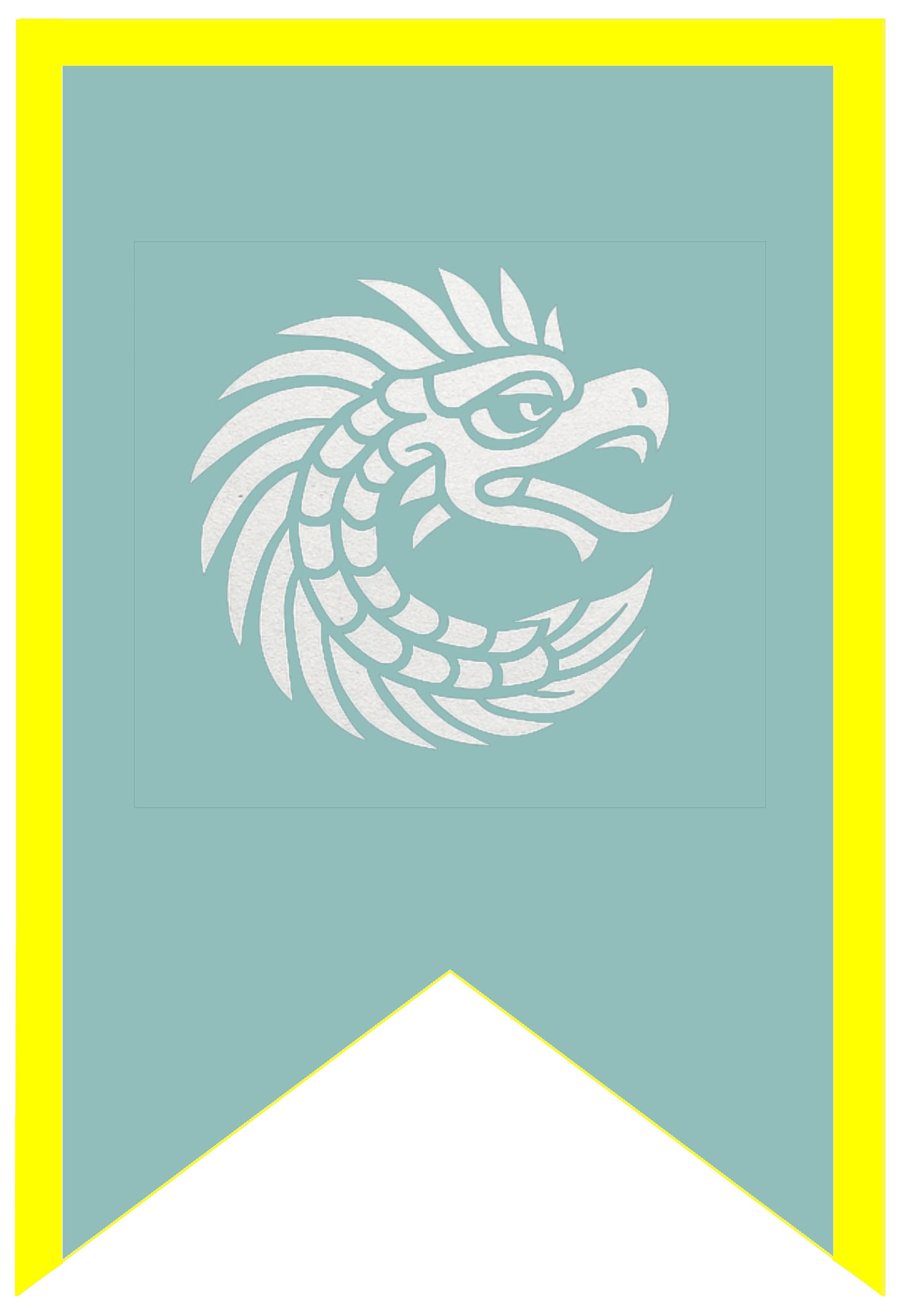
Turquoise for sacred stone, gold for ritual wealth, Quetzalcoatl as central motif.
Type
Geopolitical, Country
Capital
Leader
Leader Title
Related Ranks & Titles
Controlled Territories
Notable Members






Comments