




Lord Long Yang and King Anxi of Wei
Male–male love story remembered as emblematic of same-sex devotion.
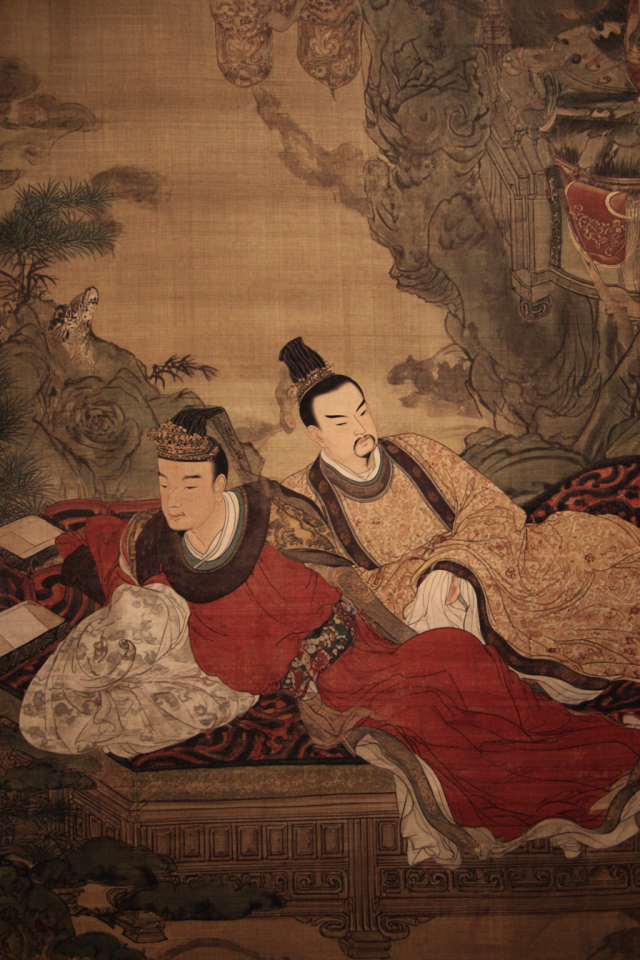
In the age of the Warring States, when kingdoms vied with steel and strategy, the court of Wei shone with refinement and intrigue. There ruled King Anxi of Wei, a sovereign both feared and admired. Among his many ministers and companions, none was dearer to him than Lord Long Yang.
Long Yang was known for his beauty, but also for the sharpness of his wit and the grace of his manner. The king delighted in his presence, and the two spent their days in ease: fishing along the river, reciting poems, drinking fine wine as music drifted through the halls. The courtiers whispered, but none doubted the depth of the bond between king and favorite.
One day, as they fished together in a boat, Long Yang grew quiet. The king asked what troubled him. At last Long Yang said, “Yesterday I caught many fish and rejoiced, but today I see a larger one and wish to cast away the smaller. I fear that in time, should you find another more pleasing than I, you too will cast me aside.”
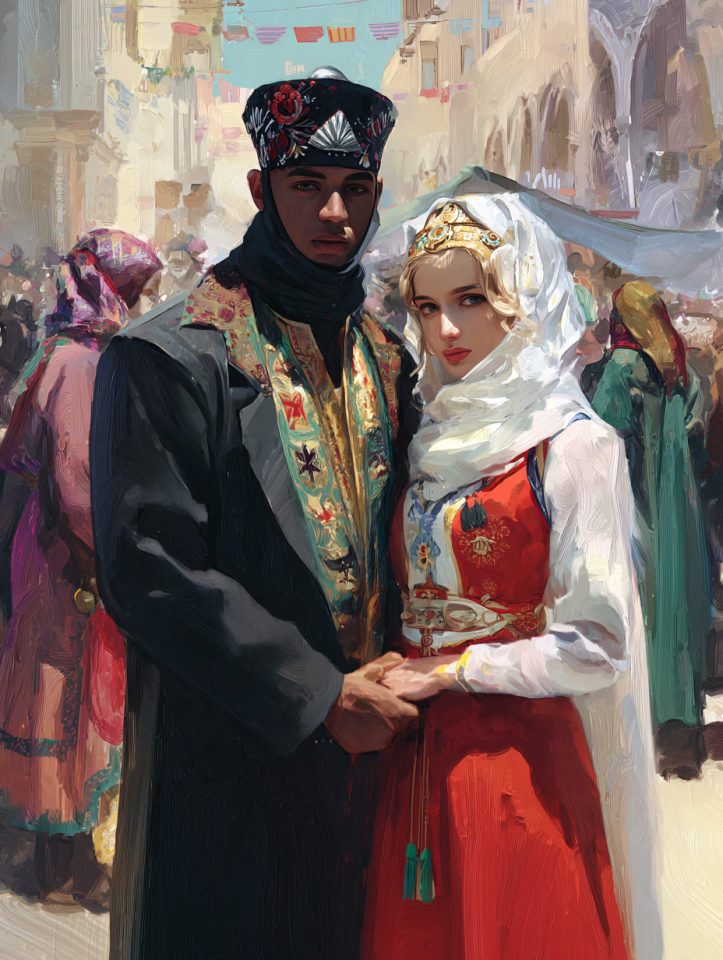
The king was moved. He laid down his rod and took Long Yang’s hands. “Never shall I betray you,” he said. “If any man dares to speak of other beauties to me, I will see him punished.” And so it was: a decree was issued that none should praise the charms of others in the king’s hearing, on pain of death.
This act became legend, a symbol of the king’s devotion to his beloved. The phrase “the passion of Long Yang” entered the language, remembered as one of the celebrated stories of male love in ancient China. It was told not as scandal but as testament: that even kings could give their hearts wholly to another man, and honor him above all others.
So the tale of Lord Long Yang and King Anxi of Wei endured through centuries, a reminder that love takes many forms, and that devotion, once pledged, can alter the laws of kingdoms.
Related Organizations




Comments