

Temples of the Southern Nile
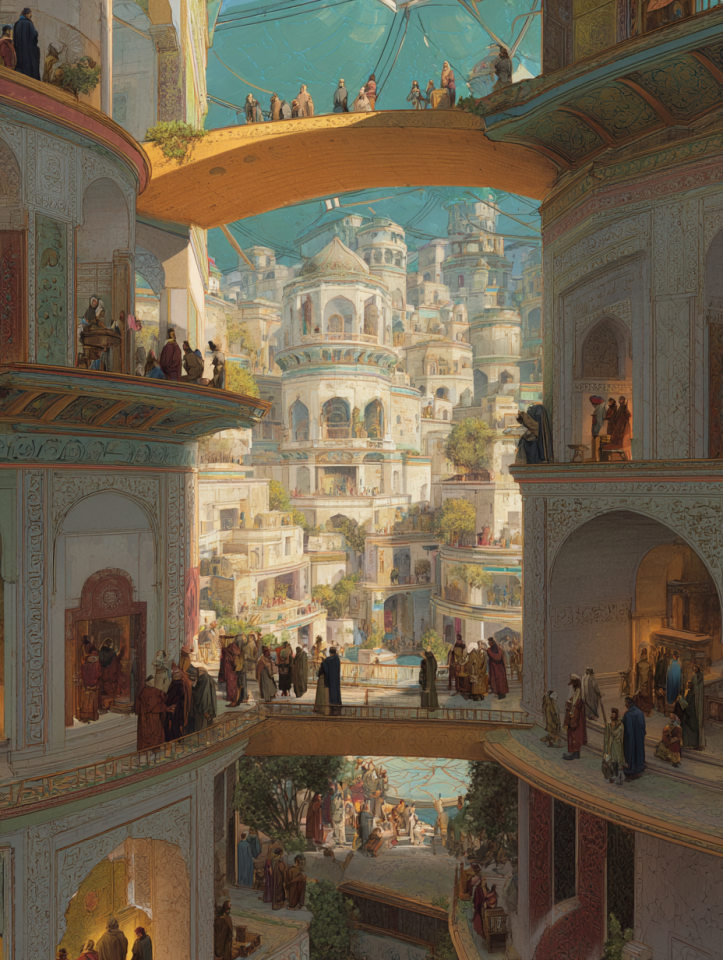
From the cataracts to the delta, the Nile’s temples form a ribbon of devotion that predates nearly all written faiths. Carved in sandstone and aligned to celestial cycles, these sanctuaries are the spine of Africa’s oldest cosmology — where kingship was stewardship and every ritual reaffirmed the rhythm between sun, flood, and rebirth.
Abu Simbel
: MAN-MADE
Cut directly into the cliff, Abu Simbel was designed so sunlight would enter its innermost chamber only twice a year — to kiss the statues of gods and king alike. Its scale remains staggering, yet its intent was intimate: to merge ruler and cosmos in a single pulse of light. When the temple was relocated in the modern era to escape the rising waters of the Nile, philosophers called it an act of resurrection — proof that reverence can evolve without losing soul.Giza Complex (Pyramids, Necropolis and Sphinx)
: MAN-MADE
At Giza, geometry and eternity met for the first time. The pyramids are less tombs than equations — stone articulations of proportion, alignment, and permanence. The Sphinx, half human, half leonine, guards them like reason watching over mystery. Koina astronomers read Giza as the earliest observatory of human consciousness: a civilization daring to map the heavens in limestone. Standing before it, one senses not death’s monument but mathematics in prayer.Nabta Playa
: RELIGIOUS/PILGRIMAGE
On the high desert plateau near the Sudanese border lie stone circles older than Egypt’s own dynasties — Nabta Playa, the Sahara’s silent observatory. Its alignments trace solstice and star rise with precision rivaling later civilizations. For Koina scholars, Nabta marks the dawn of measured awe: proof that observation itself was once a sacred act. Here, beneath a billion stars, humanity first learned to read the sky as scripture.Karnak–Thebes
: RELIGIOUS/PILGRIMAGE
Thebes, city of a hundred gates, and its vast temple of Karnak were the ceremonial lungs of the Nile. Each festival breathed renewal into Egypt’s cosmic order, as processions of priests, musicians, and philosophers crossed avenues of sphinxes. Karnak’s hypostyle hall — a forest of columns rising like papyrus — is regarded in Koina art as the archetype of cooperative architecture: thousands of artisans laboring for centuries to create perpetual dawn in stone.
Type
World wonder
Owning Organization
South Nile
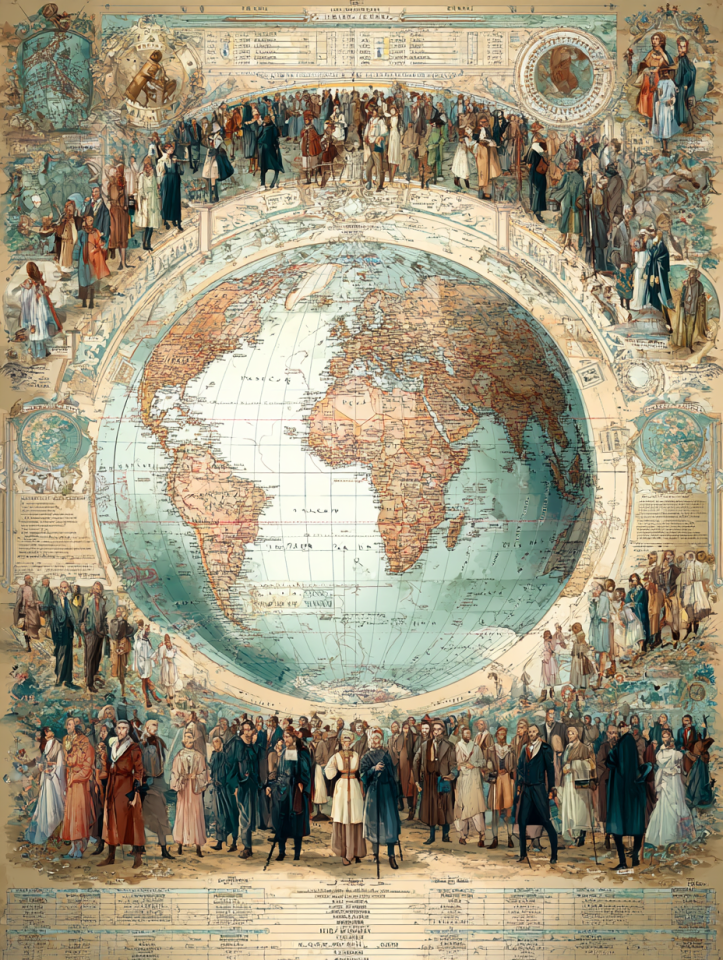
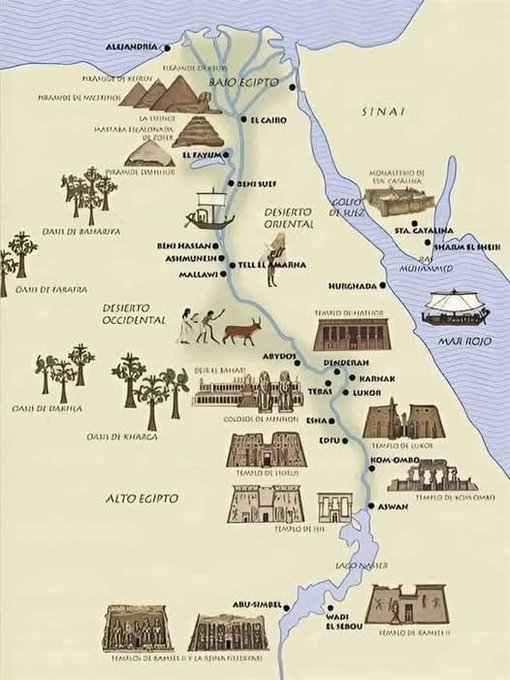
Map of some South Nile Temples




Comments