Tales and other Writings
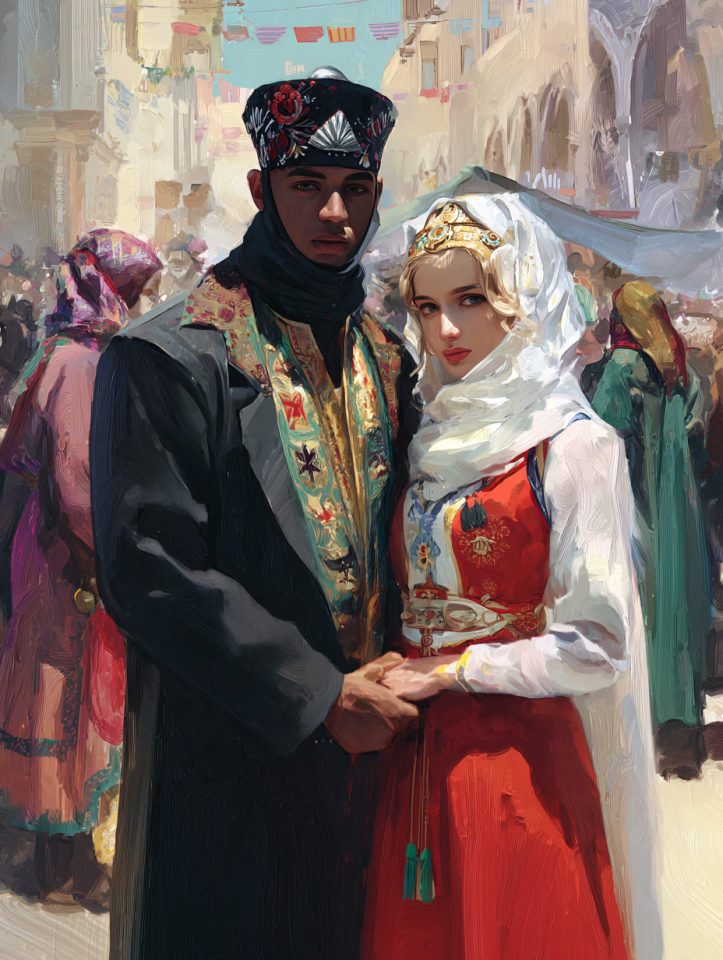
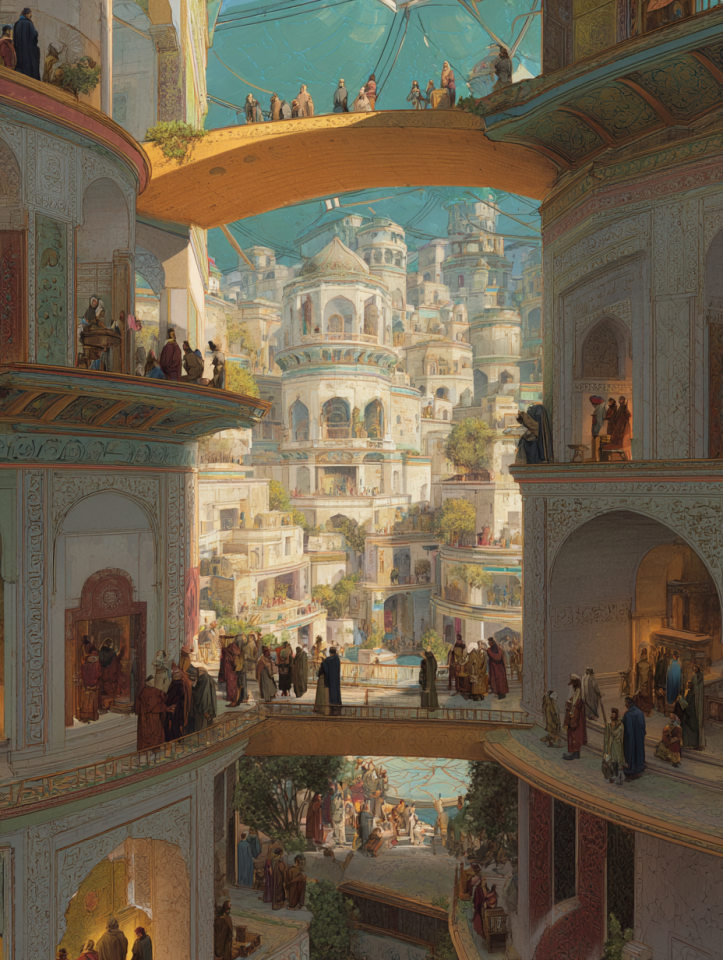
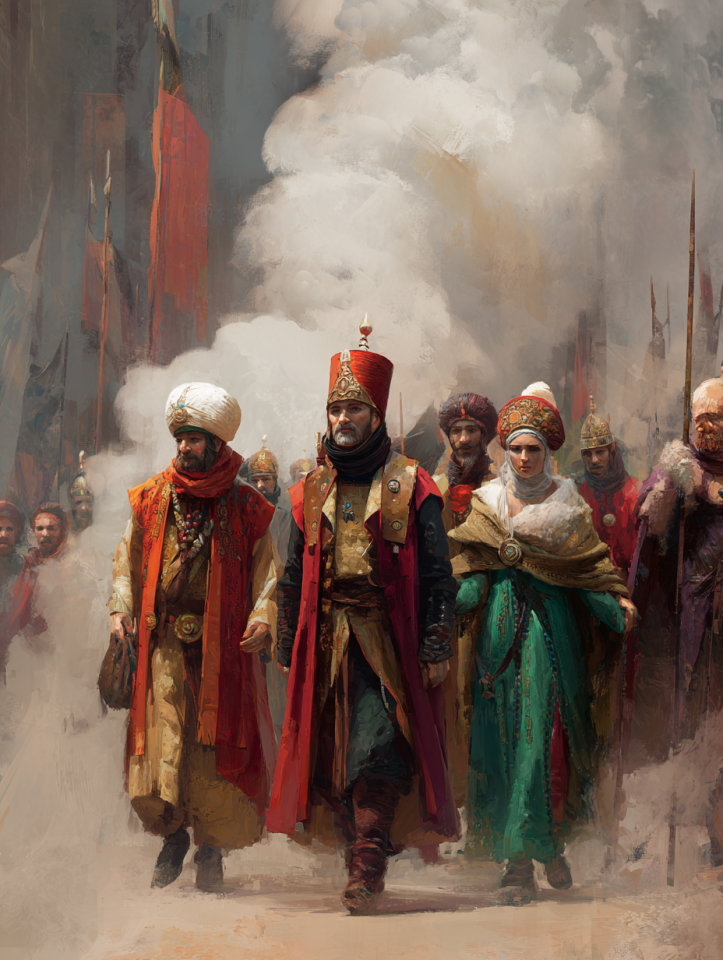
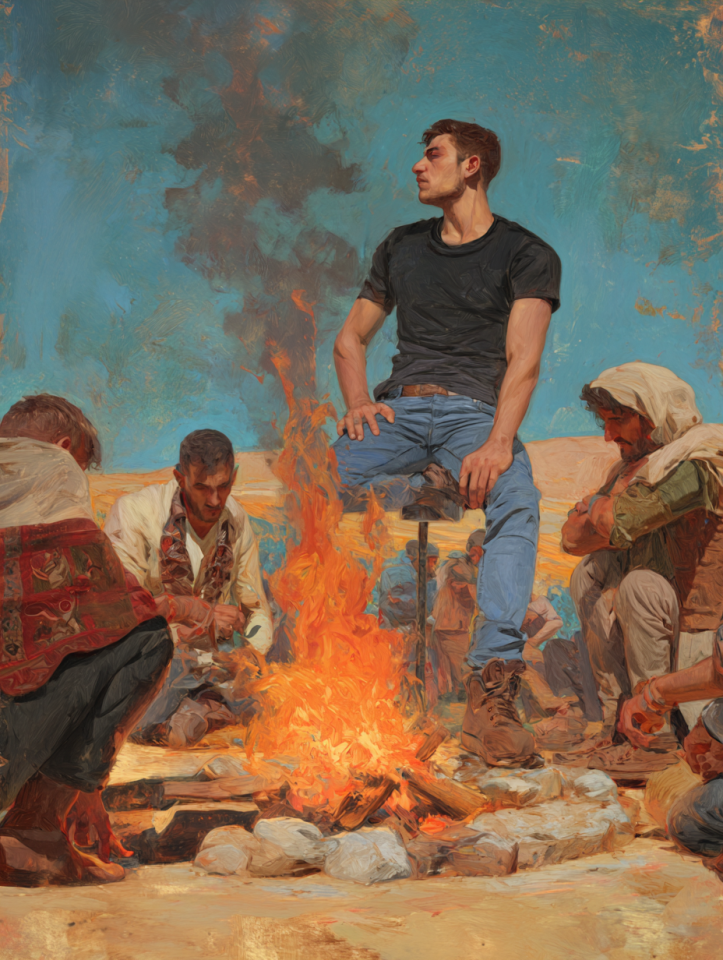
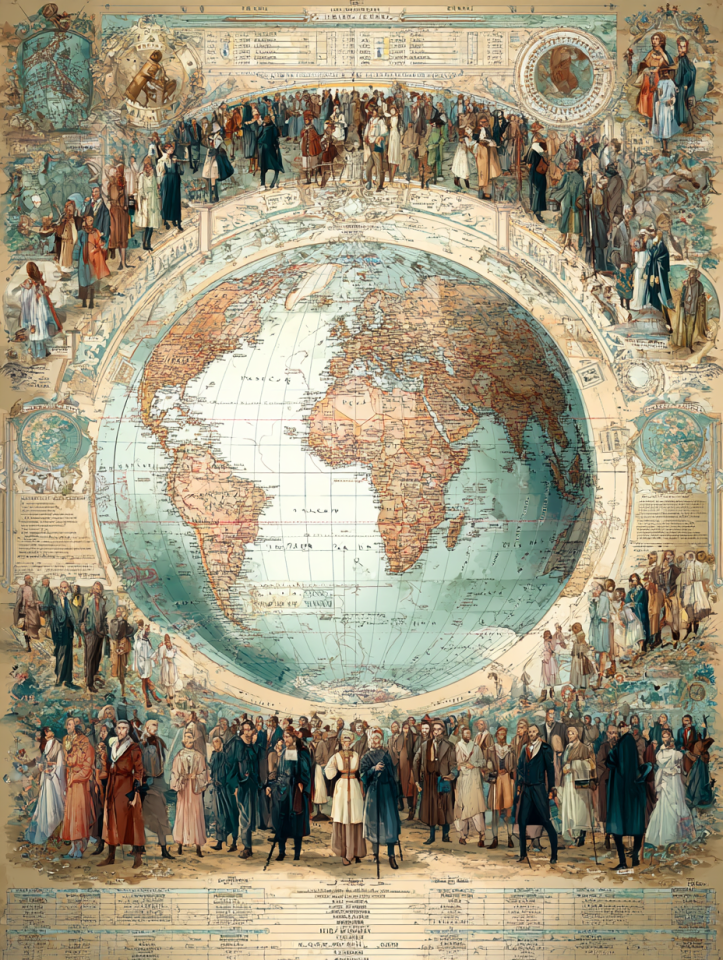
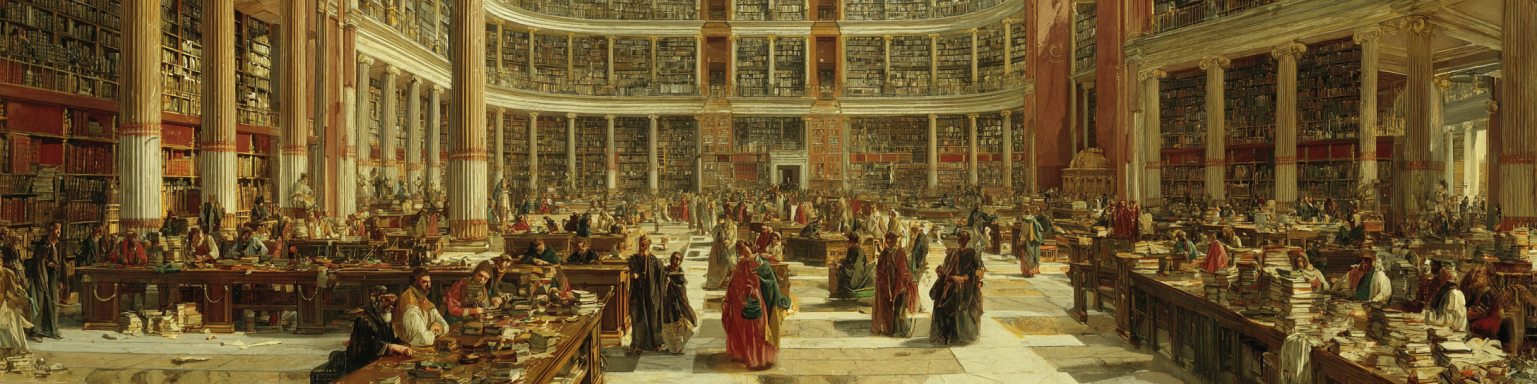
Since the Great Accord, no story has been allowed to vanish into silence, nor twisted to serve conquest or erasure. The federations pledged that memory itself would be a commons — that myths, legends, and chronicles would be preserved in their original voices, carried forward without assimilation or distortion. In Koina, the Net of Voices does more than record facts; it safeguards imagination, ritual, and tale, ensuring that every culture’s stories remain true to their sources and alive in the present.
These myths and legends are not curiosities to be studied from afar, but living companions in civic life. They are sung at festivals, debated in guild halls, and woven into philosophical discussions alongside law and science. A tale of the Nile, a hymn of the Andes, a parable of the Sinosphere — each retains its local rhythm, yet all circulate freely across federations. In their movement, they remind citizens that plurality is not a burden but a treasure: every myth reveals another facet of what it means to be human.
The article you now read is a gathering place for such stories. Here will be listed not only the legendary cycles of gods, heroes, and ancestors, but also the parables, epics, and folk tales that have traveled across borders. Together, they form the mythic backbone of the shared world — not homogenized, not stripped of origin, but carried intact. In this, the Accord’s promise is kept: that knowledge is universal, but stories remain rooted, carrying their home soil with them even as they cross into common memory.
| Myths and Legends |




Comments