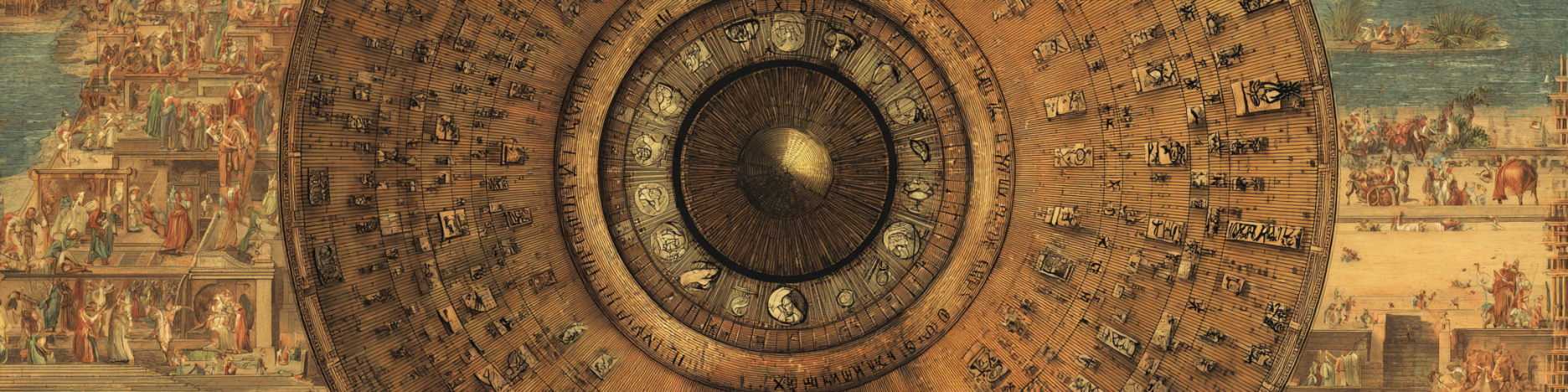
Zamin Calendar
Marking Days
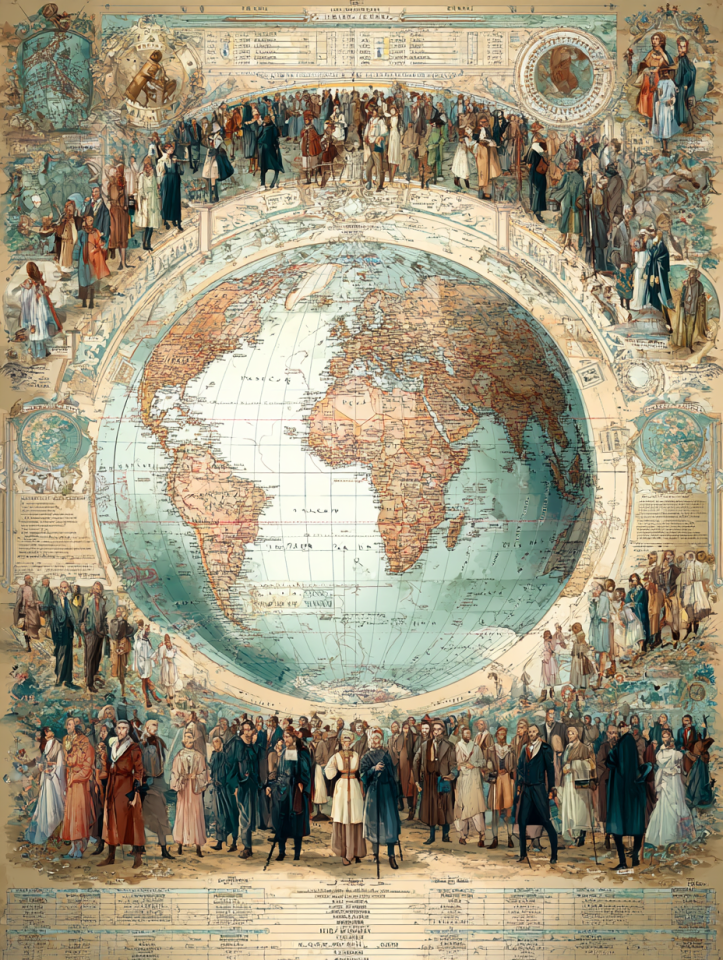
The reckoning of time in Koina was never the gift of a throne. For centuries, communities kept their own measures: sangha lunations, river risings, runic months, star tables along the seas. Trade and remembrance asked for a common beat, but not a conqueror’s count. The answer came from the League of Translators & Observatories, who compared eclipse logs, comet notes, and horizon stones from every quarter.
They fixed the civic epoch to the first Accord. From that first full civic year, the Zamīn Calendar begins. Twelve equal months of thirty days each, five Balance Days at year’s end (six in leap years), and a ten-day week of human activities. The calendar’s names are drawn from many tongues; its logic from shared observation; its legitimacy from the simple fact that no one people owns the sky.
Āsha
Soma
Sophia
Ubuntu
Tlalli
Maat
Yūgen
Mana
Eirene
Sankofa
Fjölgjǫf
Zhìdé
Āsha (Avestan, “truth / order”)
| Mila | Ergon | Vidya | Shifa | Viaje | Ohana | Reposo | Dao | Bauen | Fiesta |
|---|---|---|---|---|---|---|---|---|---|
| 1 | 2 | 3 | 4 | 5 | 6 | 7 | 8 | 9 | 10 |
| 11 | 12 | 13 | 14 | 15 | 16 | 17 | 18 | 19 | 20 |
| 21 | 22 | 23 | 24 | 25 | 26 | 27 | 28 | 29 | 30 |
Soma (Sanskrit, “nourishment / moon”)
| Mila | Ergon | Vidya | Shifa | Viaje | Ohana | Reposo | Dao | Bauen | Fiesta |
|---|---|---|---|---|---|---|---|---|---|
| 1 | 2 | 3 | 4 | 5 | 6 | 7 | 8 | 9 | 10 |
| 11 | 12 | 13 | 14 | 15 | 16 | 17 | 18 | 19 | 20 |
| 21 | 22 | 23 | 24 | 25 | 26 | 27 | 28 | 29 | 30 |
Sophia (Greek, “wisdom”)
| Mila | Ergon | Vidya | Shifa | Viaje | Ohana | Reposo | Dao | Bauen | Fiesta |
|---|---|---|---|---|---|---|---|---|---|
| 1 | 2 | 3 | 4 | 5 | 6 | 7 | 8 | 9 | 10 |
| 11 | 12 | 13 | 14 | 15 | 16 | 17 | 18 | 19 | 20 |
| 21 | 22 | 23 | 24 | 25 | 26 | 27 | 28 | 29 | 30 |
Ubuntu (Bantu, “humanity / togetherness”)
| Mila | Ergon | Vidya | Shifa | Viaje | Ohana | Reposo | Dao | Bauen | Fiesta |
|---|---|---|---|---|---|---|---|---|---|
| 1 | 2 | 3 | 4 | 5 | 6 | 7 | 8 | 9 | 10 |
| Ascending Equinox |
|||||||||
| 11 | 12 | 13 | 14 | 15 | 16 | 17 | 18 | 19 | 20 |
| 21 | 22 | 23 | 24 | 25 | 26 | 27 | 28 | 29 | 30 |
Tlalli (Nahuatl, “earth”)
| Mila | Ergon | Vidya | Shifa | Viaje | Ohana | Reposo | Dao | Bauen | Fiesta |
|---|---|---|---|---|---|---|---|---|---|
| 1 | 2 | 3 | 4 | 5 | 6 | 7 | 8 | 9 | 10 |
| 11 | 12 | 13 | 14 | 15 | 16 | 17 | 18 | 19 | 20 |
| 21 | 22 | 23 | 24 | 25 | 26 | 27 | 28 | 29 | 30 |
Maat (Kemetic, “balance / justice”)
| Mila | Ergon | Vidya | Shifa | Viaje | Ohana | Reposo | Dao | Bauen | Fiesta |
|---|---|---|---|---|---|---|---|---|---|
| 1 | 2 | 3 | 4 | 5 | 6 | 7 | 8 | 9 | 10 |
| Season of Concord |
Season of Concord |
Season of Concord |
Season of Concord |
Season of Concord |
Season of Concord |
Season of Concord |
Season of Concord |
Season of Concord |
Ratification Day |
| 11 | 12 | 13 | 14 | 15 | 16 | 17 | 18 | 19 | 20 |
| 21 | 22 | 23 | 24 | 25 | 26 | 27 | 28 | 29 | 30 |
Yūgen (Japanese, “mystery / subtle beauty”)
| Mila | Ergon | Vidya | Shifa | Viaje | Ohana | Reposo | Dao | Bauen | Fiesta |
|---|---|---|---|---|---|---|---|---|---|
| 1 | 2 | 3 | 4 | 5 | 6 | 7 | 8 | 9 | 10 |
| Northern Solstice |
|||||||||
| 11 | 12 | 13 | 14 | 15 | 16 | 17 | 18 | 19 | 20 |
| 21 | 22 | 23 | 24 | 25 | 26 | 27 | 28 | 29 | 30 |
Mana (Polynesian, “spiritual power / presence”)
| Mila | Ergon | Vidya | Shifa | Viaje | Ohana | Reposo | Dao | Bauen | Fiesta |
|---|---|---|---|---|---|---|---|---|---|
| 1 | 2 | 3 | 4 | 5 | 6 | 7 | 8 | 9 | 10 |
| 11 | 12 | 13 | 14 | 15 | 16 | 17 | 18 | 19 | 20 |
| 21 | 22 | 23 | 24 | 25 | 26 | 27 | 28 | 29 | 30 |
Eirene (Greek, “peace”)
| Mila | Ergon | Vidya | Shifa | Viaje | Ohana | Reposo | Dao | Bauen | Fiesta |
|---|---|---|---|---|---|---|---|---|---|
| 1 | 2 | 3 | 4 | 5 | 6 | 7 | 8 | 9 | 10 |
| 11 | 12 | 13 | 14 | 15 | 16 | 17 | 18 | 19 | 20 |
| 21 | 22 | 23 | 24 | 25 | 26 | 27 | 28 | 29 | 30 |
Sankofa (Akan, “return to learn”)
| Mila | Ergon | Vidya | Shifa | Viaje | Ohana | Reposo | Dao | Bauen | Fiesta |
|---|---|---|---|---|---|---|---|---|---|
| 1 | 2 | 3 | 4 | 5 | 6 | 7 | 8 | 9 | 10 |
| Descending Equinox |
|||||||||
| 11 | 12 | 13 | 14 | 15 | 16 | 17 | 18 | 19 | 20 |
| 21 | 22 | 23 | 24 | 25 | 26 | 27 | 28 | 29 | 30 |
Fjölgjǫf (Old Norse, “generosity / many gifts”)
| Mila | Ergon | Vidya | Shifa | Viaje | Ohana | Reposo | Dao | Bauen | Fiesta |
|---|---|---|---|---|---|---|---|---|---|
| 1 | 2 | 3 | 4 | 5 | 6 | 7 | 8 | 9 | 10 |
| 11 | 12 | 13 | 14 | 15 | 16 | 17 | 18 | 19 | 20 |
| 21 | 22 | 23 | 24 | 25 | 26 | 27 | 28 | 29 | 30 |
Zhìdé (Chinese, “virtue”)
| Mila | Ergon | Vidya | Shifa | Viaje | Ohana | Reposo | Dao | Bauen | Fiesta |
|---|---|---|---|---|---|---|---|---|---|
| 1 | 2 | 3 | 4 | 5 | 6 | 7 | 8 | 9 | 10 |
| 11 | 12 | 13 | 14 | 15 | 16 | 17 | 18 | 19 | 20 |
| 21 | 22 | 23 | 24 | 25 | 26 | 27 | 28 | 29 | 30 |
Click the month name above to see the calendar of events for that month.
Festival Days
The five Festival Days that stand outside the twelve months are a civic constant, but their meaning is always local. Northerners take this time to summer in the south. Southerners usually have commensurate days in the first week of Maat (See: Season of Concord) for their travels to the north.
Festival Days: Added at the end of the year.
| Festival Day | Festival Day | Festival Day | Festival Day | Festival Day | Festival Day every 4 years |
|---|---|---|---|---|---|
| 1 | 2 | 3 | 4 | 5 | 6 |
| Southern Solstice |
The Zamīn Cooperative (zc) anchors all civic and scholarly dates. Year One of zc corresponds to 280 BCE. To maintain clarity across traditions, two complementary notations are used (always lowercase):




The logic of the naming conventions is brilliant.
I try.. :) I wanted something not rooted in Roman/Religion etc since that era never happened. gets harder and harder to deconstruct what is a result of Roman/post-Roman inspired and lean into Persian (pre-Islamic) governance and "rules". But that's the fun.
It is. You did a splendid job on this one. This is something that much too often authors take a truly lazy approach to this, and fewer still go through the trouble of explaining why with even a sliver of sophistication. You chose wisely. Well done.
Thanks. :)