
Velzna
Capital City of Etruria
History
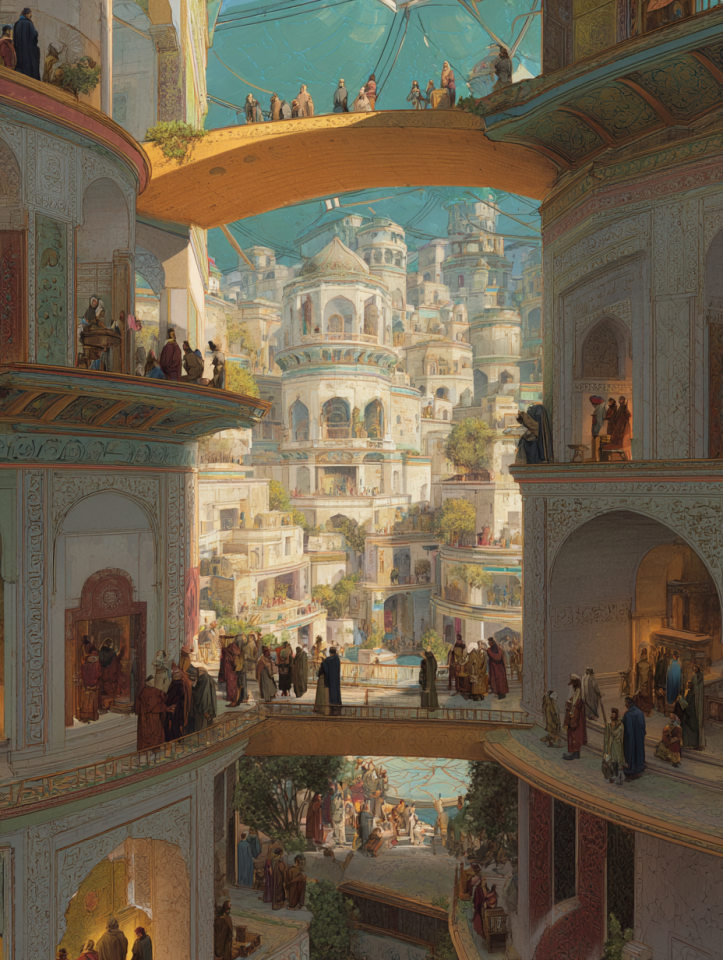
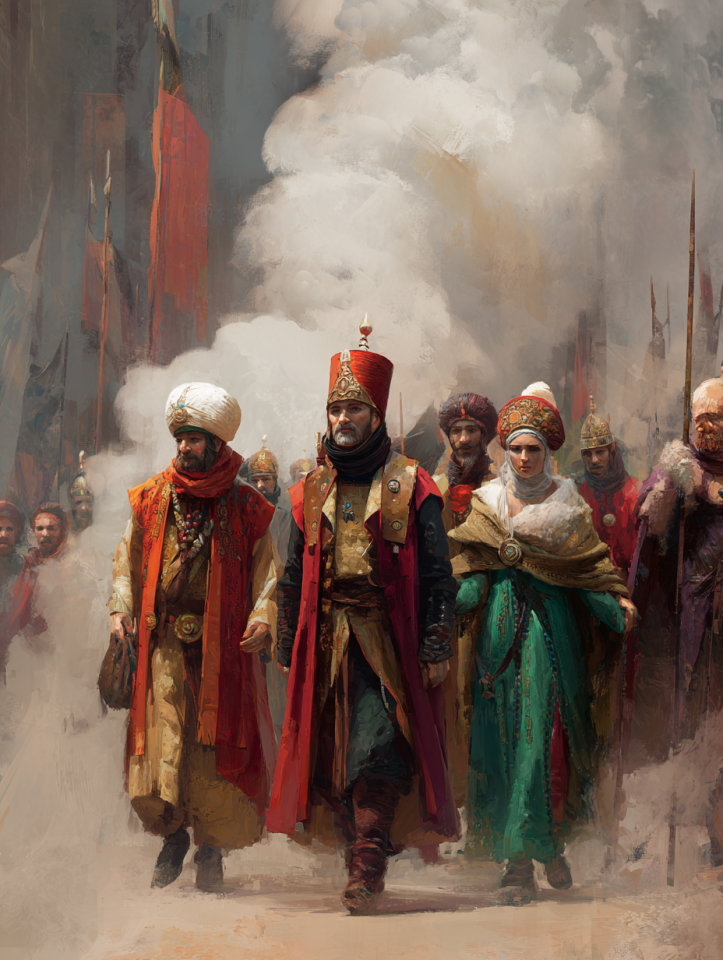
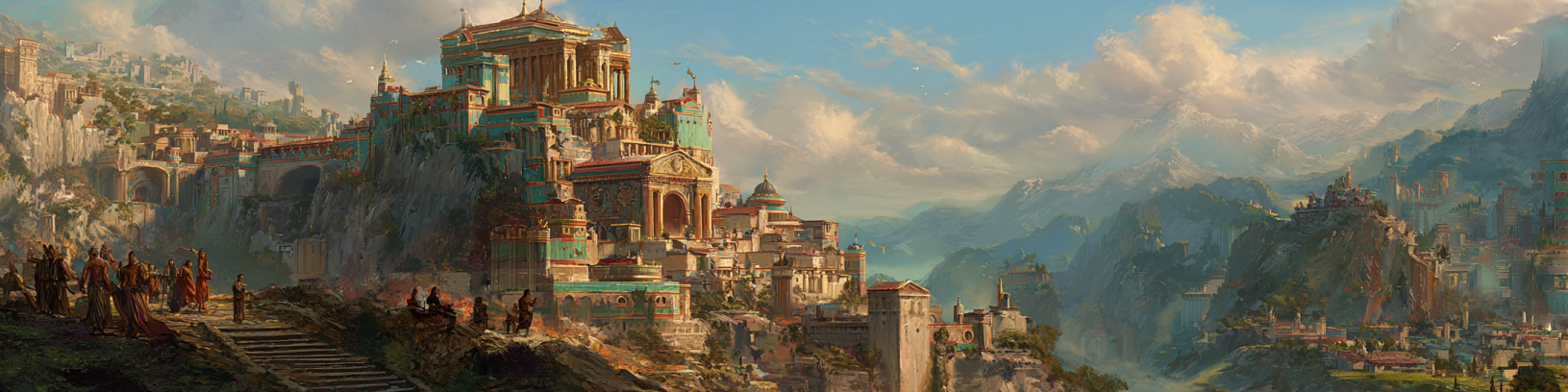
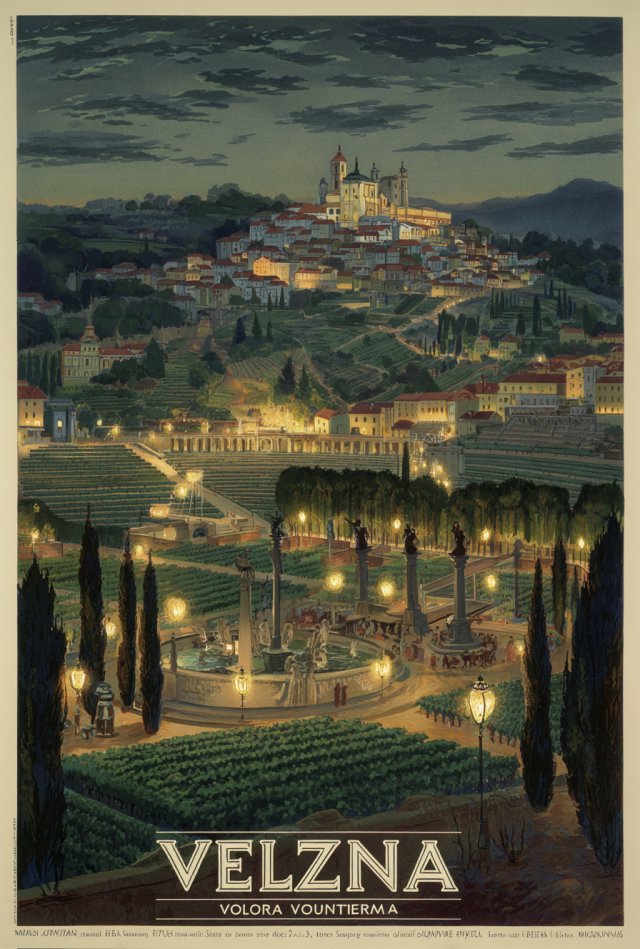
Velzna was one of the greatest cities of the Etruscans, famed for its bronze work, temples, and the Fanum Voltumnae, the federal sanctuary where Etruscan leagues gathered. In other histories, Rome destroyed and resettled it; here, Velzna never fell. Its federative councils endured, weaving together city-states of Etruria into a cooperative system that preserved autonomy without collapse.
The city’s bronze artisans gained renown across the Mediterranean, their statues and vessels prized as symbols of balance and refinement. Philosophical schools, influenced by Greek contacts, took root in Velzna’s academies, blending Stoic inquiry with Etruscan cosmology. As Rome never rose to dominance, Etruria’s identity flourished — Velzna becoming its capital, not its casualty.
Through the medieval centuries, Velzna adapted to changing trade and technology. Guilds of masons and vintners expanded its wealth, while the Fanum Voltumnae continued to host federative assemblies. In the modern age, Velzna stands as the capital of Etruria, its cliffs and temples symbols of a culture that carried its continuity unbroken from antiquity into the present.
Sights / Destinations
Religion / Cults / Sects
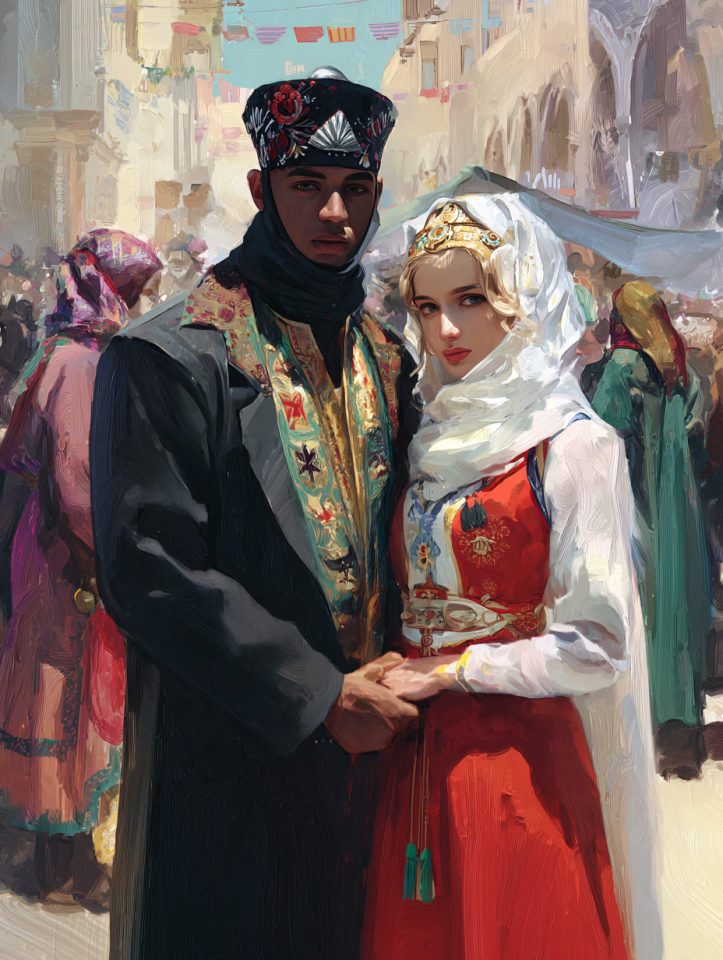
Etruscan devotion remains vibrant. Tinia, Uni, and Menrva are honored in the main temples, while household shrines preserve the cult of ancestors. Divination, once central to Etruscan life, continues as a civic practice — haruspices and augurs serving not as mystics but as mediators of balance. Greek and Stoic philosophies entered early and now stand beside traditional rites, while Christian schools of forgiveness maintain modest chapels. The city’s spiritual life is a braid of old and new, unified by the ethos of continuity.
Founding Date
620 bz
Alternative Name(s)
Volsinii, Orvieto
Type
Capital
Owning Organization
Characters in Location




Comments