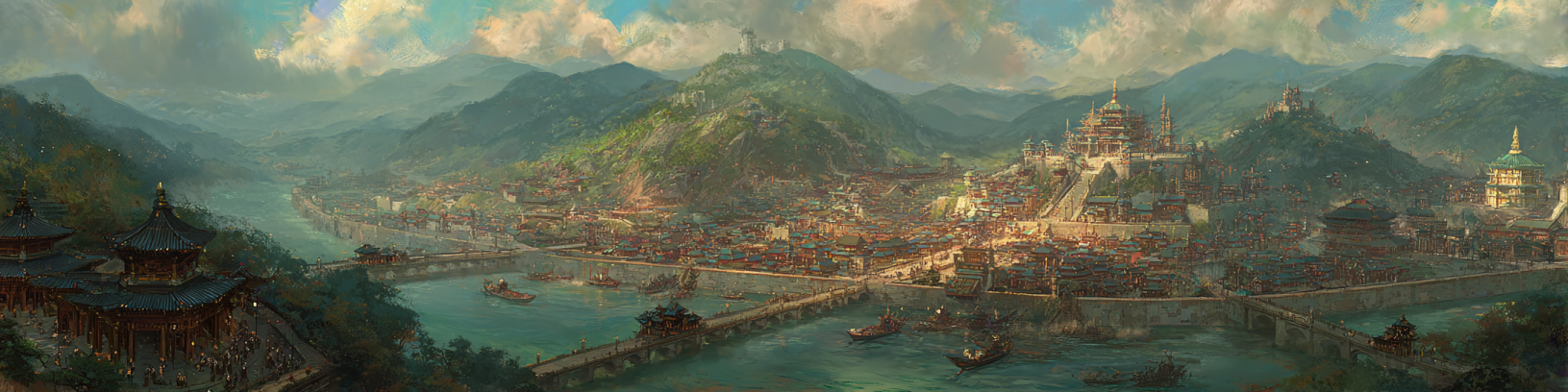
Wanggeom-seong
Capital City of Joseon
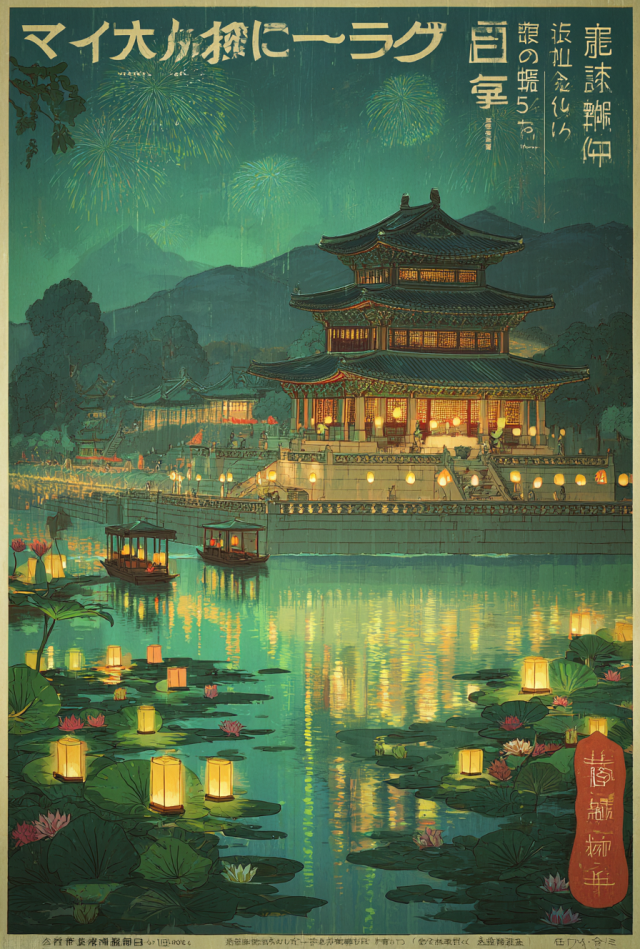
History
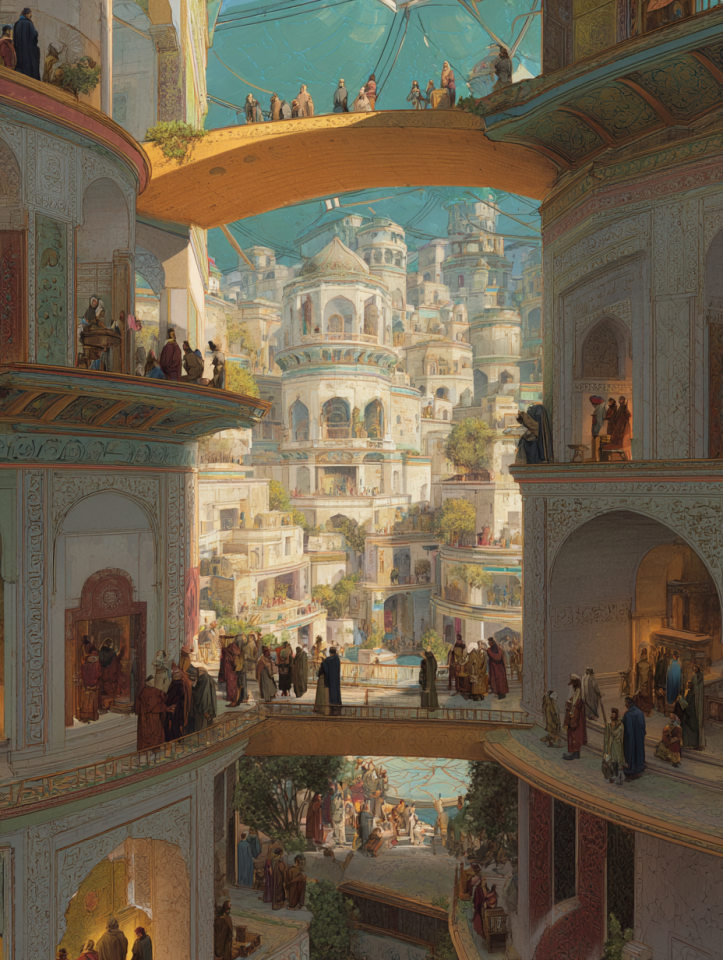
Founded as the capital of Gojoseon, Wanggeom-seong became one of the earliest centers of Korean statecraft. In this history, it was never dismantled by imperial conquest; instead, it remained the enduring heart of Joseon governance. Its palace compounds, ancestral shrines, and academies were preserved and renewed through generations, making the city both a political and cultural anchor.
Throughout antiquity, the city balanced influences from the Chinese mainland with its own native traditions. Confucian philosophy guided its councils, but shamanic practices and devotion to mountain spirits continued to shape civic identity. During the medieval centuries, Wanggeom-seong expanded as a hub of guilds and academies, noted for its calligraphy, astronomy, and medicine. Its scholars became known across federations for their blend of precision and moral clarity.
In the modern era, Wanggeom-seong stands as the capital of Joseon, a city that unites ancestral devotion with rational governance. Its continuity is seen as a triumph of memory — a city that never yielded to conquest but carried its heritage intact into the present.
Sights / Destinations
Religion / Cults / Sects
Wanggeom-seong sustains a layered spiritual life. Ancestral rites form the core of civic devotion, shaping both family and state ritual. Shamanic traditions tied to mountains, rivers, and stars remain vibrant, practiced alongside Confucian rites of order and respect. Buddhist monasteries hold quiet places of meditation within the city, while Stoic and Buddhist philosophies introduced through trade complement native teachings. The shrine of Dangun anchors identity, reminding citizens that Joseon’s legitimacy flows from both myth and history.
Founding Date
86 zc
Alternative Name(s)
Wanggŏmsŏng, Gojoseon Capital
Type
Capital
Owning Organization
Characters in Location




Comments