Ta-Mery (Tah-MEH-ree)
Beloved Land
The Nile glitters like a ribbon of life, its waters spilling onto fertile banks where farmers guide oxen through dark soil. Along its edges rise temples carved in stone, their walls etched with stories of gods and kings, while the chants of priests blend with the laughter of children who swim in the river’s current. Preservation here is not a matter of choice, but necessity, written into the rhythm of the floods and the stars.
In the city of Ineb Hedj, scribes bend over papyrus scrolls, their reed pens scratching out records of grain, stars, and healing practices. Physicians mix herbs in bronze bowls, guided by papyri that catalog centuries of remedies. Astronomers chart the heavens from temple rooftops, aligning their findings with calendars that ensure the Nile’s bounty continues without fail.
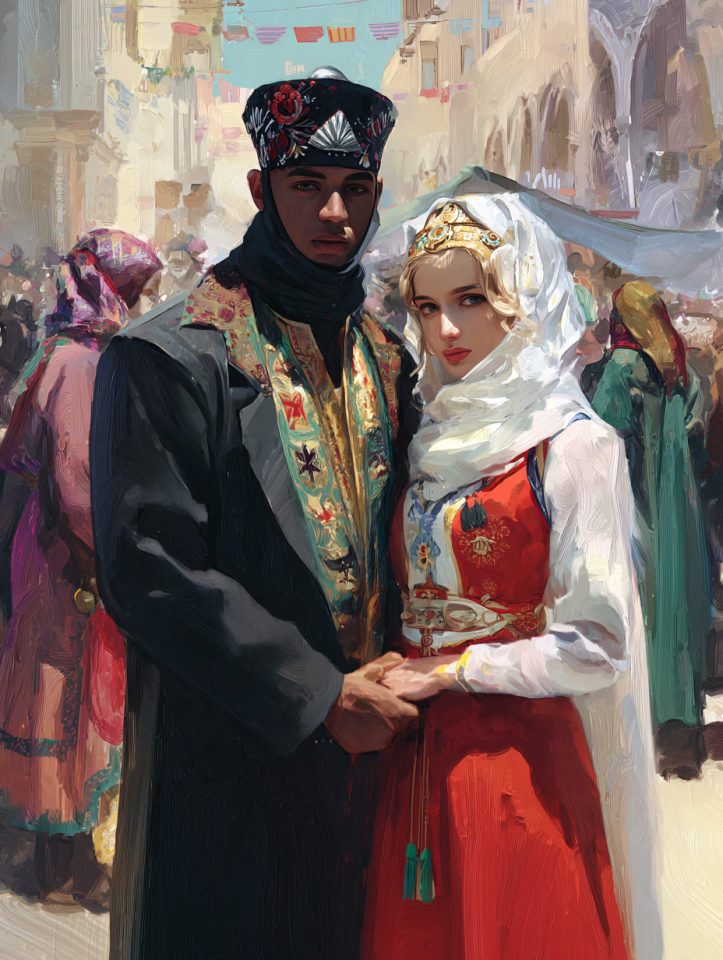
Markets bustle beneath painted awnings where merchants sell barley, linen, and incense. Travelers from Pārsa, Hellas, and Āryāvarta marvel at the sheer weight of memory etched into every monument, from obelisks to pyramids. To the people of Ta-Mery, stone itself is a library, and each monument a vessel carrying truth across generations.
When the Accord was called, Ta-Mery entered not as a land seeking survival, but as a teacher. For them, preservation had always been the highest duty, embodied in Ma’at — balance, truth, and cosmic order. To lose a story, a name, or a star’s place in the sky would be to upset the harmony of all creation.
Historical Origins
Ta-Mery’s legacy stretched back millennia before the Accord. From the Old Kingdom pyramids to the Kushite pharaohs of Memphis, the Nile valley had long been a crucible of continuity. While dynasties rose and fell, the thread of preservation — in stone, papyrus, and ritual — never broke.
By the 1st century zc, Ta-Mery had already passed through countless transitions: from native rule to Persian occupation to Macedonian influence. Yet through all of these, their traditions of medicine, astronomy, and monumental building remained intact. When the near-disaster at Alexandria threatened the world’s memory, it was Tahara of Memphis who invoked Ma’at as a guiding principle, urging that the Accord be founded not only to preserve but to balance.
Philosophy & Governance
Governance in Ta-Mery had long been tied to the divine. Pharaohs ruled as living embodiments of gods, while priests of Amun, Ptah, and Ra safeguarded cosmic order. By the Accord’s rise, this structure had softened into councils where priests, scribes, and nobles balanced authority. Preservation of knowledge was woven directly into law, with decrees carved into stone and displayed for all to see.
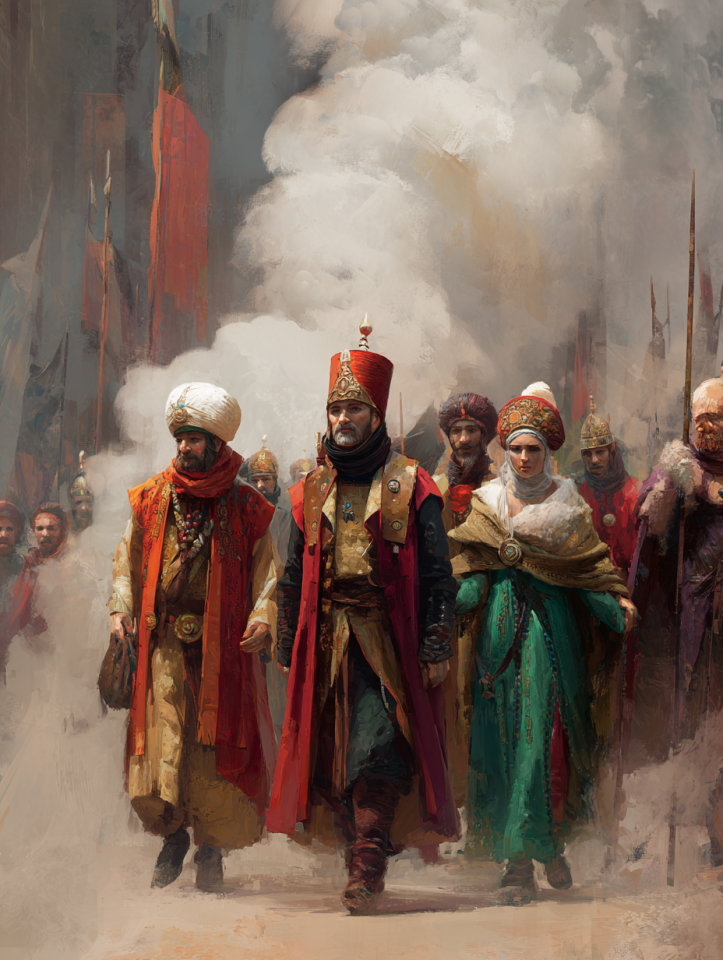
Within the Accord, Ta-Mery emerged as the moral compass. Where Hellas prized reason and Pārsa order, Ta-Mery offered balance. Their interpretation of the Accord emphasized that preservation was not merely intellectual but cosmic, ensuring that harmony between humans, gods, and nature would endure.
Contributions to the Accord
Ta-Mery brought profound contributions to the cooperative world:
Medicine and Anatomy: Medical papyri, surgical practices, and herbal remedies provided frameworks for health across cultures.
Astronomy and Calendars: Celestial alignments informed agriculture, ritual, and navigation.
Monumental Preservation: Expertise in stonework guaranteed the durability of Accord archives.
Concept of Ma’at: A philosophy of balance and truth that became an ethical foundation for the Accord.
Cultural Identity
Egyptian culture revolved around cycles — the flooding of the Nile, the rising of Sirius, the journey of the soul through the afterlife. In the Accord, Ta-Mery embodied continuity, showing that preservation was not a task to be performed once, but a rhythm to be lived.
Art and ritual celebrated harmony. Lotus and papyrus motifs appeared in Accord symbols, representing unity between upper and lower, land and water. Storytelling remained central: myths of Isis, Osiris, and Horus echoed not just as divine tales but as lessons in resilience, guiding other Accord members to see myth as a vessel of truth.
Capital City
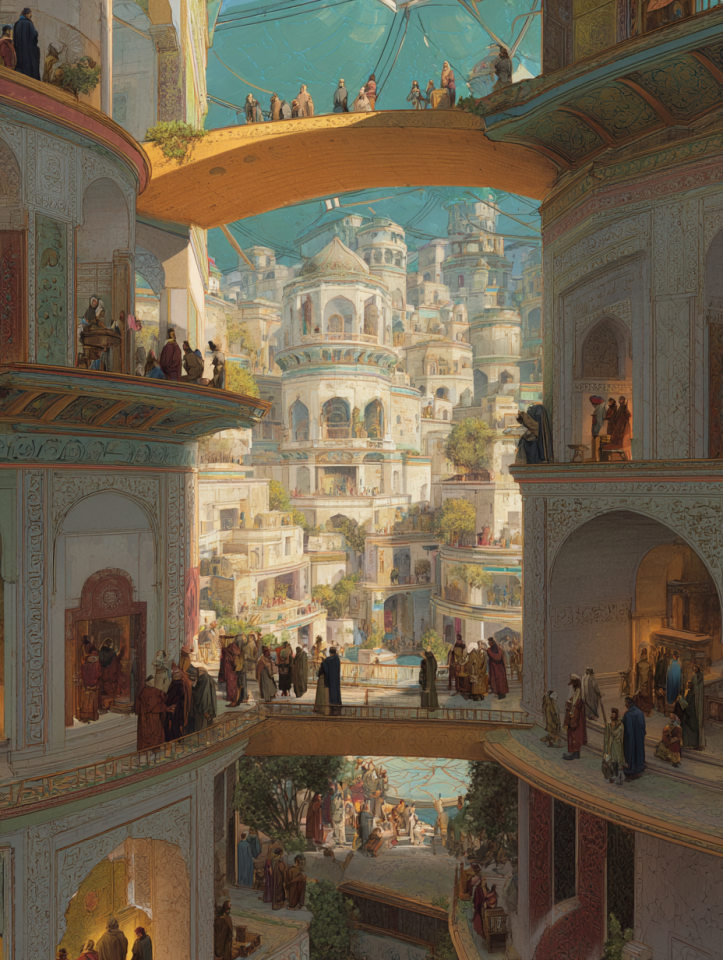
Ineb Hedj (White Walls) — 30.0444°N, 31.2357°E — was chosen as Ta-Mery’s Accord seat. Once the stronghold of dynasties, it was transformed into a city of learning and balance. While Memphis remained the spiritual axis, Ineb Hedj became the meeting ground where priests, scribes, and foreign envoys gathered beneath painted ceilings and papyrus-pillared halls.
Libraries flourished alongside temples, with scrolls catalogued by scribes trained in multiple tongues. The city’s canals mirrored the Nile’s flow, embodying the principle that governance should follow the same natural rhythms as the river itself.
Legacy & Global Role
Ta-Mery gave the Accord its heart. Where others focused on order, reason, or debate, Ta-Mery insisted that preservation was sacred, rooted in cosmic harmony. Their influence ensured that the Accord would always weigh ethics alongside practicality, teaching that to preserve knowledge without justice was to preserve imbalance.
Their contributions to medicine, astronomy, and stone architecture remain cornerstones of Koina. Even centuries later, their vision of Ma’at endures as a guiding principle, reminding the cooperative world that preservation is not merely about memory, but about balance — ensuring that truth and harmony walk hand in hand.
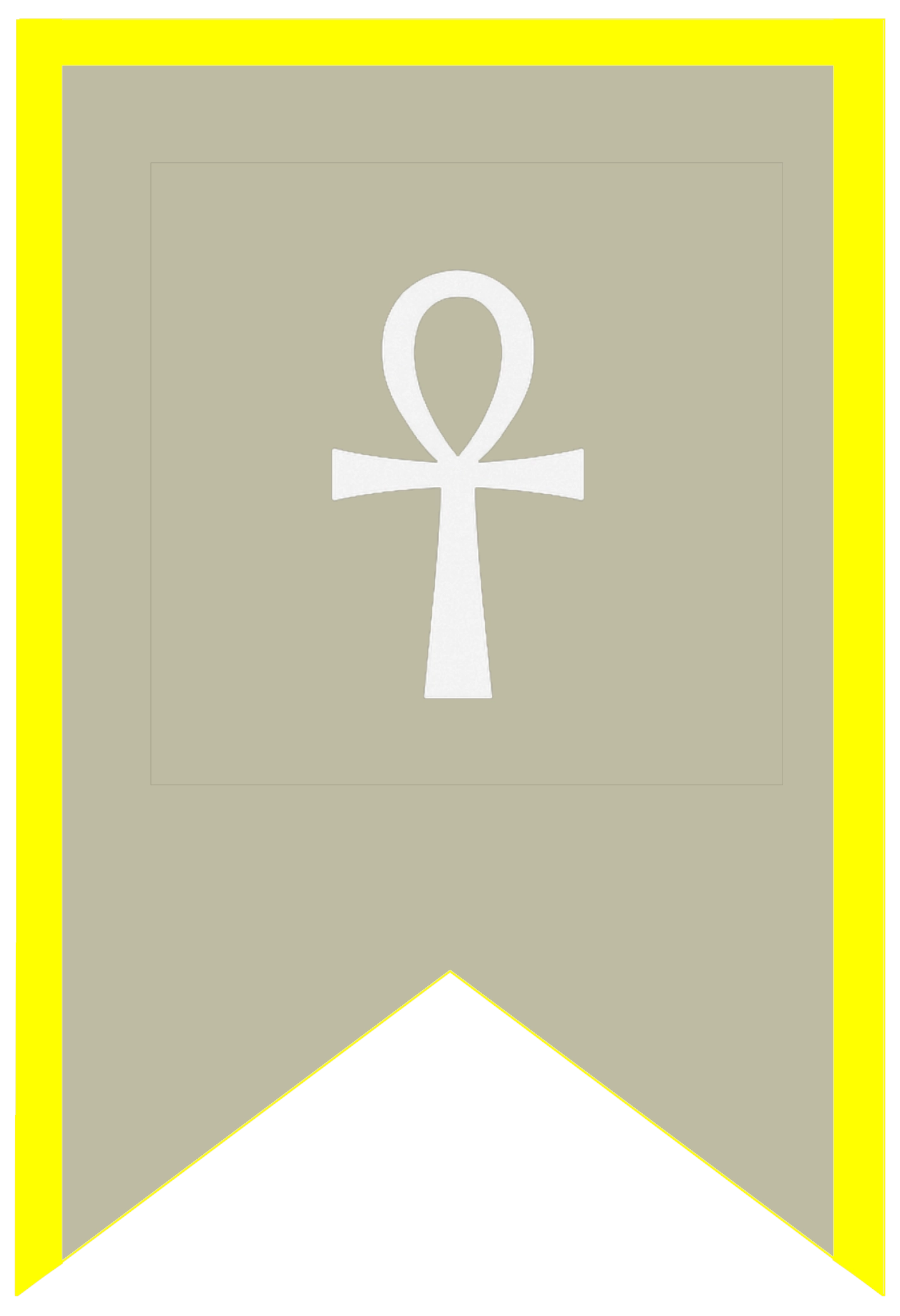
Yellow for Nile desert/fields, gold for pharaohs, ankh as eternal life.
Type
Geopolitical, Country
Capital
Leader
Leader Title
Related Ranks & Titles
Controlled Territories
Notable Members










Comments