

Wind Walkers
Series - Premiered 2251 zc
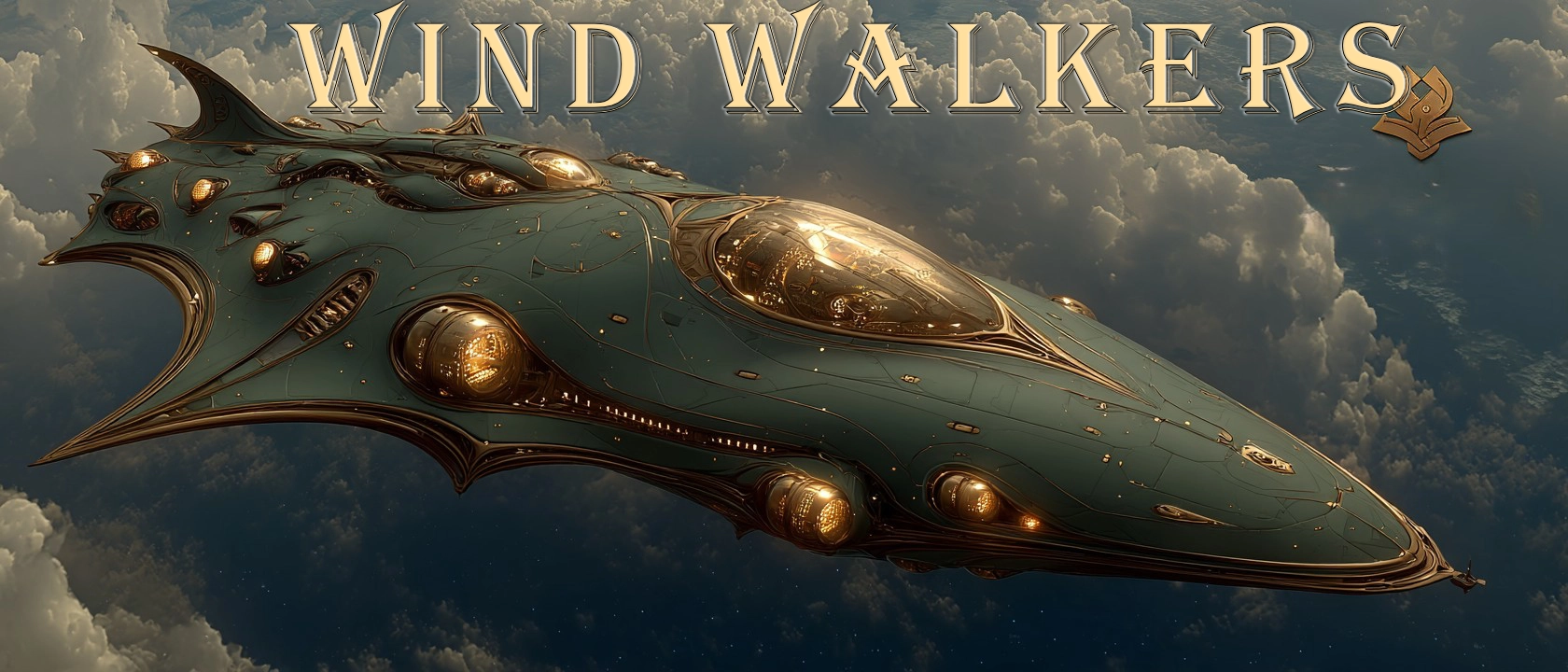
Wind Walkers is a long-form dramatic science fiction series that first aired in 2251 ZC and ran for five seasons, with a later continuation a decade after the original finale. It follows the crew of THE WEYD, the first interstellar vessel built after open contact with the Ánúnachí. The series became known for its quiet tone, small-cast intimacy, and the way it used exploration as a lens to examine responsibility, curiosity, and the choices people make when no one is watching. The show developed a steady, loyal audience over its initial broadcast, and eventually earned a reputation as one of the foundational works of modern speculative drama. Viewers often describe it less as an exploration epic and more as a character study carried through the long corridors of a living ship.
Premise
The story begins in the years following humanity’s first open exchange with the Ánúnachí. With new knowledge of spacetime filaments and the physics behind the Seed Array, a joint effort builds THE WEYD, a vessel meant not for conquest or territorial expansion but for contact, dialogue, and understanding.
The cast centers on a small crew, usually twenty to thirty people, who live aboard the ship for long stretches of time. Each mission blends methodical exploration with ethical questions: when to intervene, when to step back, what responsibilities they carry simply by arriving somewhere.
The defining tension of the series comes from THE WEYD’s two modes of transit:
Planting, the precise use of the Seed Array to reach a known point.
Seeding, the unpredictable drift through unmapped filaments. Every Seeding episode carries a sense of risk, but the show resists spectacle. The uncertainty is emotional, personal, and sometimes philosophical-what it means to arrive where no one meant to go.
Planting, the precise use of the Seed Array to reach a known point.
Seeding, the unpredictable drift through unmapped filaments. Every Seeding episode carries a sense of risk, but the show resists spectacle. The uncertainty is emotional, personal, and sometimes philosophical-what it means to arrive where no one meant to go.
Main Characters
The cast shifts slightly from season to season, but several roles anchor the series:



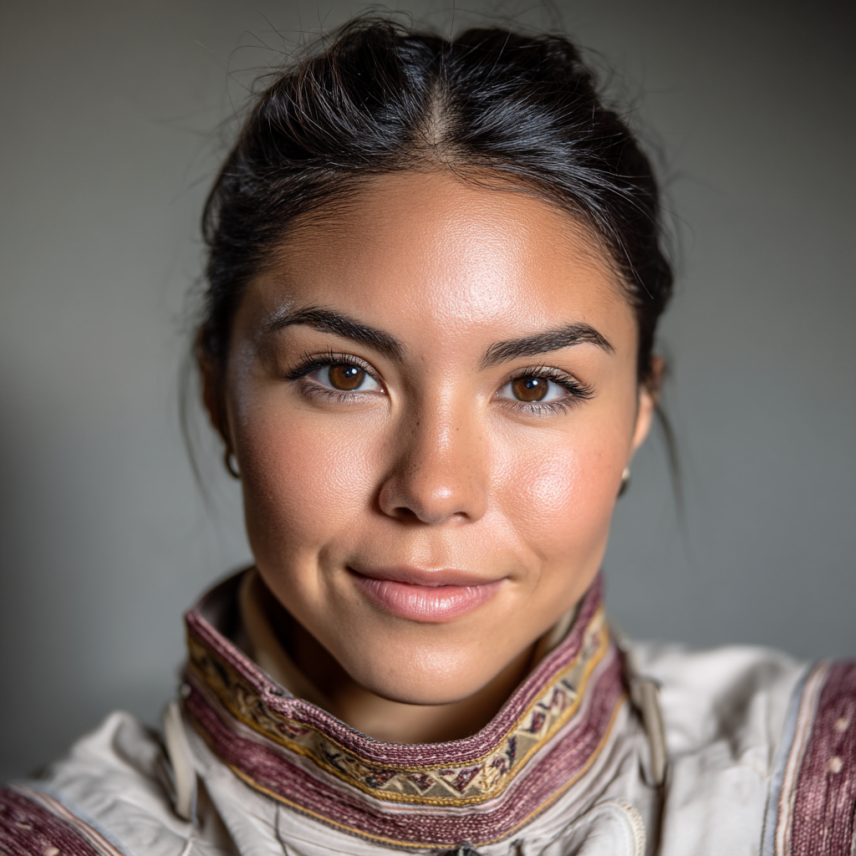

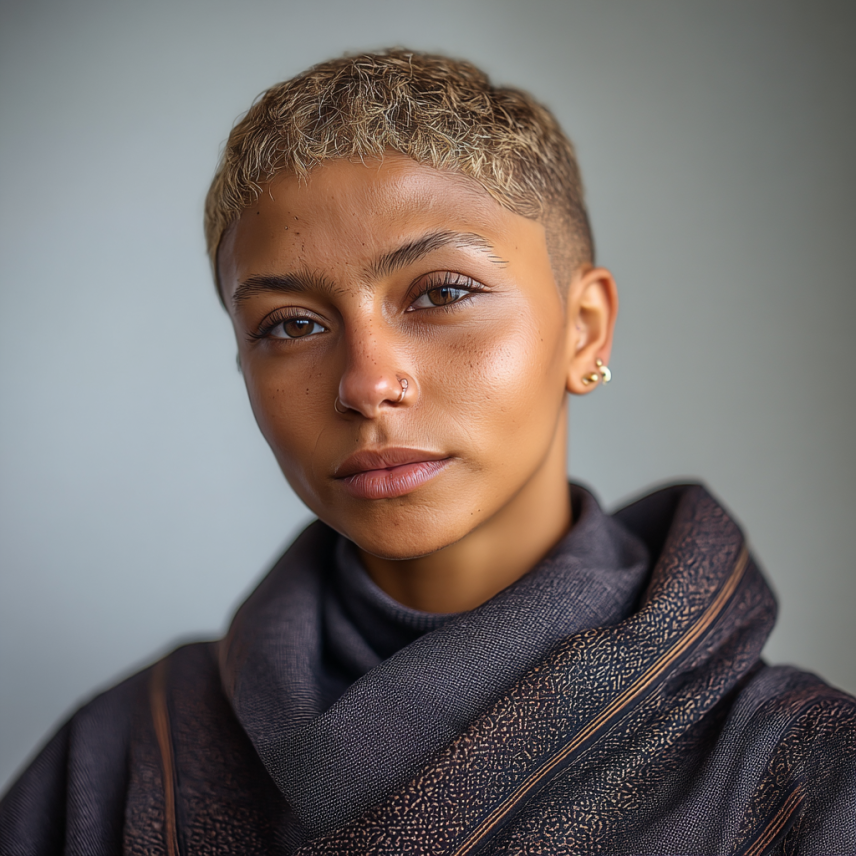

and various Field Specialists
Scientists, observers, medics, or diplomats depending on the mission. Recurring characters drift in and out of this group, giving the ensemble depth without overwhelming the core relationships.
The First Voice
Guides each mission with a leadership style built on conversation and shared reasoning. Not a commander, not a figurehead-simply the person the crew trusts to hold the pieces together when choices get hard.
Guides each mission with a leadership style built on conversation and shared reasoning. Not a commander, not a figurehead-simply the person the crew trusts to hold the pieces together when choices get hard.
Luka Wojtek
played by Kiryil Aliyeva
The Ánúnachí Whisper
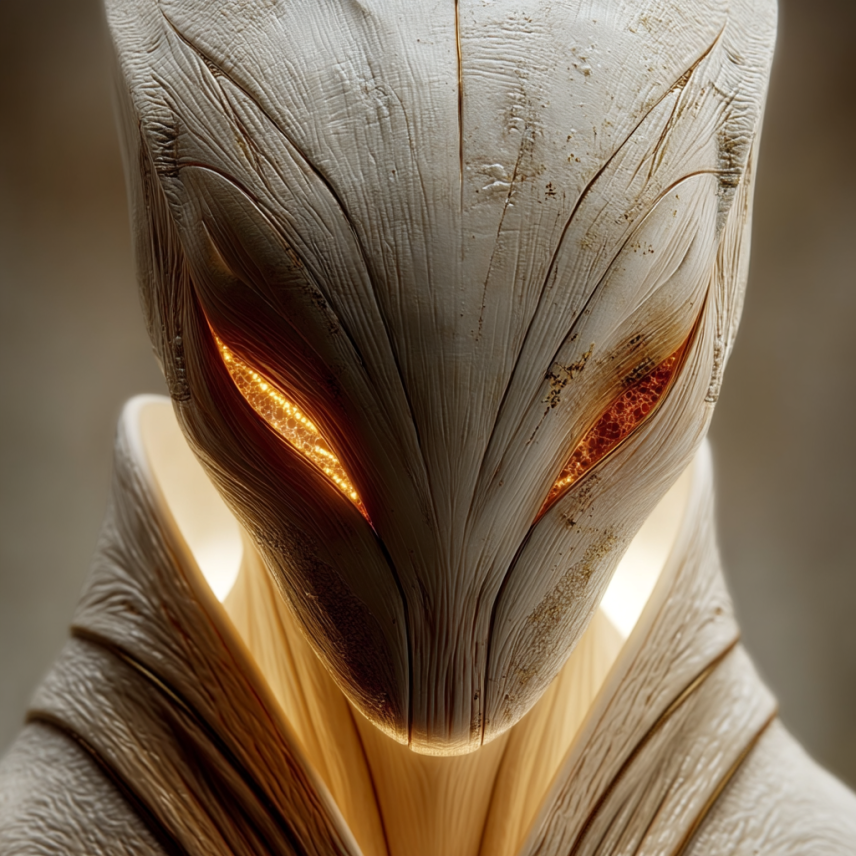
A quiet presence, sometimes nearly invisible in a scene, sometimes the most direct voice in the room. They sense filament activity in ways that humans can’t, and their perspective often reshapes the crew’s understanding of distance, intention, or consequence.
A quiet presence, sometimes nearly invisible in a scene, sometimes the most direct voice in the room. They sense filament activity in ways that humans can’t, and their perspective often reshapes the crew’s understanding of distance, intention, or consequence.
Talaq N’fen
played by Dagan Olver
The Resonance Officer
Interprets the Seed Array’s harmonic patterns and monitors filament behavior. A calm, analytical counterbalance to the unpredictability of seeding.
Interprets the Seed Array’s harmonic patterns and monitors filament behavior. A calm, analytical counterbalance to the unpredictability of seeding.
Sarin Nadir
played by Ramiyeh Darun
Hano Keali
played by Sura Pelani (Return)
Navigator
Handles conventional flight and collaborates with the First Voice during plantings. Often the emotional grounding point during high-tension field work.
Handles conventional flight and collaborates with the First Voice during plantings. Often the emotional grounding point during high-tension field work.
Izel Kavya
played by Mirel Soto-Kavya
Dalen Reh
played by Ren Aliyeva (Return)
Stewardship Lead
Oversees THE WEYD’s living spaces, environmental cycles, holo-architecture, and the ship’s psychological well-being. Many of the show’s quietest and most affecting scenes take place under their care.
Oversees THE WEYD’s living spaces, environmental cycles, holo-architecture, and the ship’s psychological well-being. Many of the show’s quietest and most affecting scenes take place under their care.
Ren Aritomo
played by Jun Aritomo
Miharu Sen
played by Sanae Oru (Return)
and various Field Specialists
Scientists, observers, medics, or diplomats depending on the mission. Recurring characters drift in and out of this group, giving the ensemble depth without overwhelming the core relationships.
Production & Design (In-World)
The show became widely known for its set design. Instead of metallic corridors and cold lighting, THE WEYD was built with warm textures, grounded colors, and organic forms. The Long Walk, a textured corridor designed for bare feet, appeared in nearly every episode and became a beloved visual motif.
The Forest Gallery was another signature. Rather than presenting vast simulations, the set used modest, intentionally limited holo-architecture-subtle glades, soft coastal light, or a single tree. Producers stated early on that nature aboard the ship should feel grounding, not indulgent.
The hum of the Seed Array became iconic. Engineers built a layered harmonic sound that viewers could feel more than hear, and it eventually became the auditory shorthand for major turning points in the story.
One noted challenge during production was portraying Seeding transitions without leaning on spectacle. Directors often chose restraint: stillness, a breath held by the actors, then a simple shift in the lighting and view.
Reception & Cultural Impact
During its original airing (2251–2256 ZC), Wind Walkers earned a steady audience drawn to its patient pacing and the way it allowed characters to think through their choices. Viewers connected with the emotional closeness of a small crew and the steady rhythm of life aboard THE WEYD.
Several elements became part of the series’ signature:
The soft hum before the Seed Array engaged
- The First Voice’s quiet, almost conversational leadership style
- The Whisper’s observations about filaments and memory
Long, thoughtful scenes set along THE WEYD’s central corridor
The recurring theme that exploration is measured not by distance but by intent
Over time, architects, educators, and storytellers borrowed ideas from the show-particularly its emphasis on communal space and the ethics of meeting new cultures. Many people recall it as the series that shifted public imagination toward more intentional, cooperative exploration.
Continuation: Wind Walkers - Return
A little over a decade after the finale, the series returned with two limited-run seasons. Rather than rebooting the concept, the continuation followed the same crew, now older, carrying the weight of past missions.
The revival revisited themes from the original run-trust, responsibility, and the consequences of decisions made in the quiet spaces between stars. THE WEYD was portrayed slightly updated, but the Long Walk, the Forest Gallery, and the Seed Array remained familiar icons.
Return aired to strong reception and closed the narrative with a sense of earned maturity rather than spectacle.
Legacy
Today, Wind Walkers is remembered as one of the defining explorative dramas of its era. Its influence comes from the way it framed discovery as an act of presence and curiosity. THE WEYD, the Long Walk, the Seed Array hum, and the interplay between planting and seeding remain part of shared cultural memory.
The series still inspires discussions about leadership, communal decision-making, and the responsibilities carried by those who step beyond familiar skies. Fans regard THE WEYD’s journeys as a reminder that exploration begins with listening-and expands through cooperation.
Ratings




*Varies slightly between episode/publication based on story line.
Cast
Wind Walkers
Original Run (2251–2256 zc)| Actor Name | Character Name | Episodes |
|---|---|---|
| Kiryil Aliyeva | Luka Wojtek / First Voice | 152 |
| Ramiyeh Darun | Sarin Nadir / Resonance Officer | 148 |
| Talaq N’fen | Naaru Shen / Ánúnachí Whisper | 142 |
| Mirel Soto-Kavya | Izel Aruna / Navigator | 150 |
| Jun Aritomo | Nako Irihana / Stewardship Lead | 136 |
| Sethar al-Hud | Kelun Harad / Systems & Structure Chief | 145 |
| Neria Qesh | Asha Temari / Senior Field Specialist | 139 |
| Bastian Voren | Pavlo Seren / Flight Systems Technician | 94 |
| Ahnuri Sae | Minho Yurei / Environmental Analyst | 88 |
| Kalya Mbaro | Talia N’bari / Medical Specialist | 110 |
| Khurin Dzak | Tevik Haruun / Portal Architect | 87 |
| Solimeya D’Raan | Meraya Dolen / Holo-Architecture Designer | 72 |
| Tovek Nellan | Ronan Telles / Seed Array Apprentice | 68 |
| Rashid Ordas | Dareh Vash / Political Liaison | 54 |
| Teyna Valev | Karina Doral / Field Medic | 41 |
| Jasrin Motu | Sefu Romae / Hazard Scout | 39 |
| Lioran Hesh | Kalen Mirov / Array Technician | 36 |
| Kimael Turo | Rahed Tumar / Diplomatic Officer | 33 |
| Veren Sol | Jordan Tallas / Cultural Specialist | 32 |
Wind Walkers: Return
(Revival Run)| Actor Name | Character Name | Episodes |
|---|---|---|
| Kiryil Aliyeva | Luka Wojtek / First Voice | 30 |
| Talaq N’fen | Naaru Shen / Ánúnachí Whisper | 27 |
| Ren Aliyeva | Dalen Reh / Navigator (Successor) | 26 |
| Maelin Duro | Sela Kirat / Long-Range Analyst | 22 |
| Sura Pelani | Hano Keali / Resonance Scholar | 25 |
| Joveta Aras | Radan Merez / Systems Lead | 17 |
| Ravi Vashil | Tarin Ravel / Communications Officer | 14 |
| Sanae Oru | Miharu Sen / Stewardship Second | 14 |
| Tamar Okoye | Yara Okiye / Field Specialist | 12 |




Comments