Cahokia (Ka-HO-kee-ah)
Land of the Great Mounds
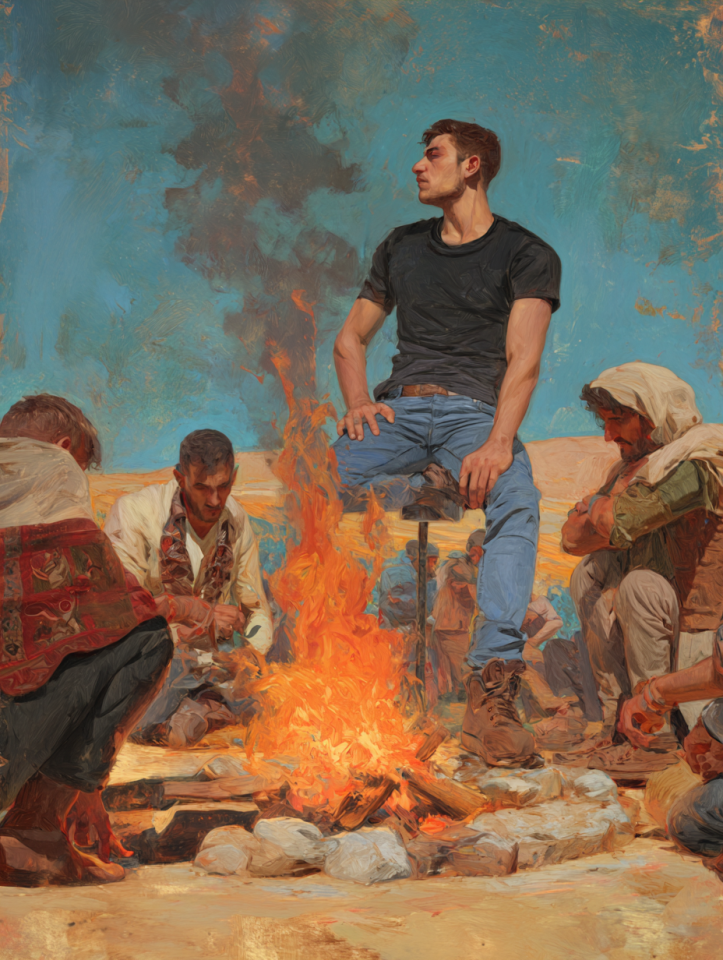
The great earth mound rises above the plains, its terraces layered like the steps of a living pyramid. From its summit, one can see the rivers converging carrying canoes heavy with maize, copper, and shells. At dawn, the horizon blazes with fire as the sun aligns with carefully placed wooden posts, the people gathered below greeting its rise with chants and drums.
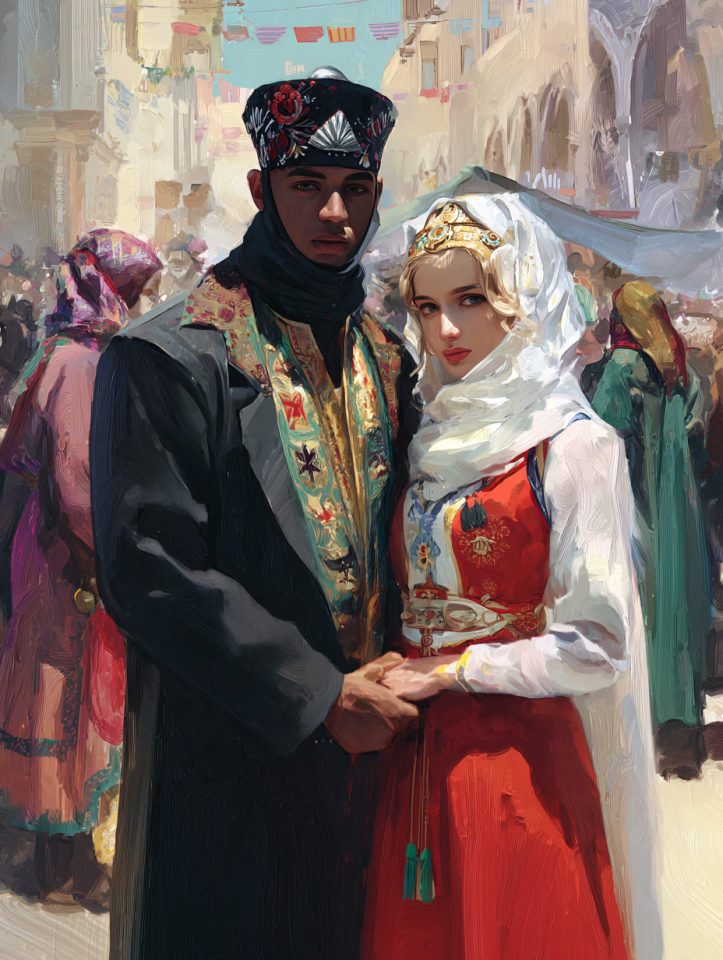
Villages sprawl across the floodplain, their thatched-roof houses clustered around plazas where traders, priests, and farmers mingle. Markets overflow with dried fish, woven mats, and carved effigies, while storytellers recount tales of Sky Woman, Thunderers, and Horned Serpents. In Cahokia, knowledge is embedded in landscape and ceremony, preserved through alignment with stars and rivers.
Children learn by doing: planting maize in ridged fields, shaping clay pots, and tracing the shadows cast by the sun circle. Priests ascend the mound to commune with ancestors, while astronomers mark solstices and equinoxes in wooden calendars that rise like forests of posts. For the Cahokians, preservation is a sacred act, ensuring that earth, sky, and memory remain bound as one.
When the Accord’s emissaries arrived, they found a people who already lived in preservation. The mounds themselves were archives of memory, built not of stone but of soil carried by countless hands. Cahokia’s leaders declared that every handful of earth was a record, proof that memory could be raised by community, layer upon layer, into monuments that touched the sky.
Historical Origins
Cahokia stood as the great city of the Mississippian culture, its rise beginning around 720 bz and flourishing by the 1st century zc. Situated at the meeting of great rivers, it became both crossroads and sanctuary. Its people wove together influences from surrounding cultures, shaping a society rooted in agriculture, astronomy, and ritual.
By the time of the Accord, Cahokia had already established itself as a beacon of preservation. Its mounds and calendars mirrored the pyramids of Anahuac and the temples of Ta-Mery, proving that distant civilizations could arrive at parallel truths. Cahokia joined the Accord as the reminder that preservation could be raised not only in stone, but in earth, wood, and community.
Philosophy & Governance
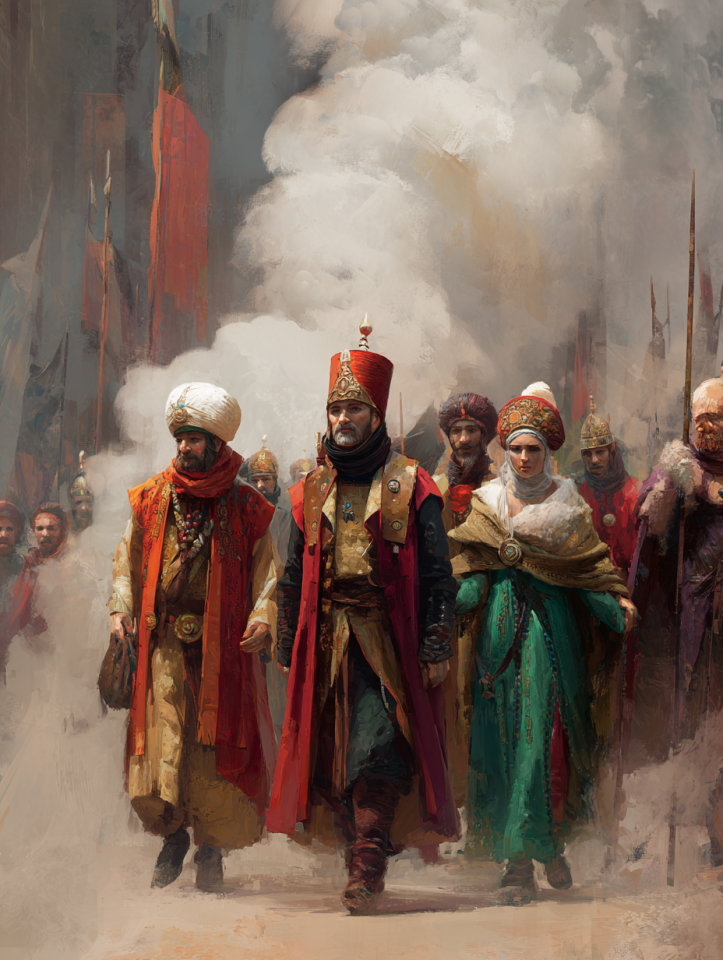
Governance in Cahokia centered on councils of priests, chiefs, and clan leaders. Authority was linked to ritual responsibility, ensuring that leaders embodied balance between earth, sky, and people. Ritual calendars guided agriculture, diplomacy, and festivals, embedding preservation into daily life.
Within the Accord, Cahokia championed the philosophy of community labor. Their mounds were built not by slaves or conquest but by the coordinated effort of thousands, proving that preservation could be achieved through cooperation. They taught that memory is strongest when shared, each hand adding to the whole.
Contributions to the Accord
Cahokia’s gifts to the cooperative world included:
Earth Mound Architecture: Monuments raised through communal labor.
Astronomical Calendars: Sun circles and wooden posts aligning with solstices.
Agricultural Innovation: Maize cultivation and floodplain management.
Community Preservation: A philosophy that knowledge is built collectively, not hoarded.
Cultural Identity
Cahokian culture celebrated cycles of nature and ancestry. Ritual dances honored the spirits of sky and earth, while effigy pipes and carvings carried myths into material form. Music from drums, rattles, and flutes echoed in plazas, reinforcing memory through rhythm and sound.
In the Accord, Cahokia’s traditions expanded the understanding of preservation. They demonstrated that archives need not be libraries — they could be landscapes, shaped by hands and aligned with stars. Their symbols of serpents, birds, and celestial beings entered the shared lexicon, reminding all that preservation is as much spiritual as it is practical.
Capital City
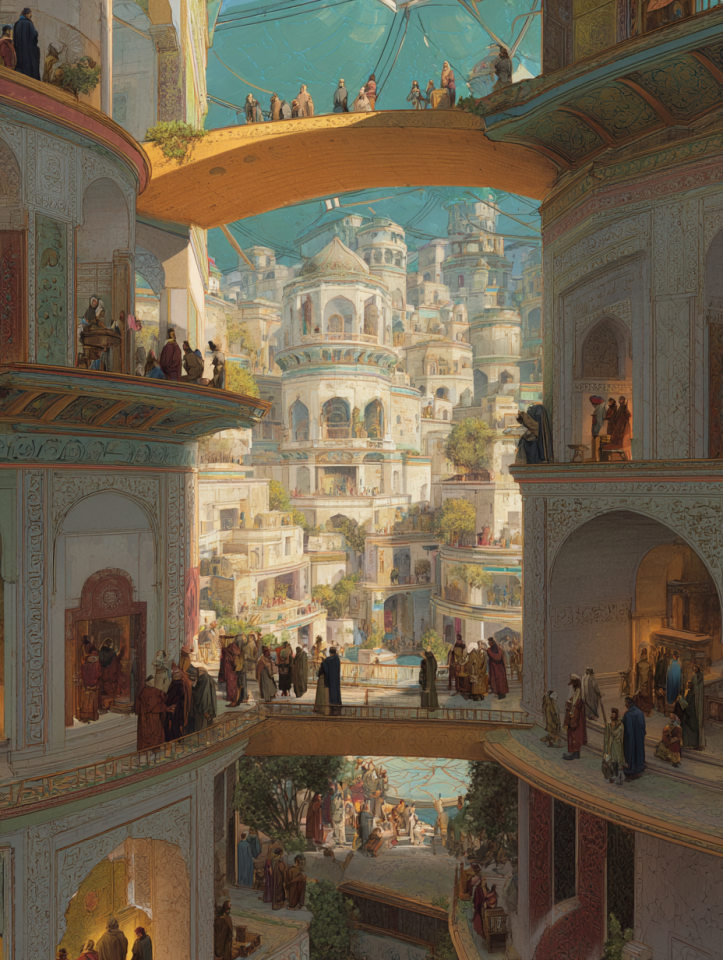
Monks Mound — 38.6591°N, 90.0611°W — stood as Cahokia’s Accord seat. Rising more than 30 meters high, it symbolized the labor of generations. Its terraces hosted ceremonies, councils, and rituals, ensuring that preservation remained visible in daily life.
Surrounding the mound were plazas, causeways, and wooden calendars. Here, Accord emissaries gathered to witness solstice ceremonies and to record the Cahokian way of aligning human life with celestial cycles. The mound itself became part of the Accord’s archive — not a text, but a monument written in earth.
Legacy & Global Role
Cahokia gave the Accord its communal heart. Their philosophy of collective labor and alignment with nature reminded the cooperative world that preservation need not be monumental in form, but monumental in effort. They proved that memory is strongest when raised by many hands.
Centuries later, their mounds endure as symbols of resilience and cooperation. The spirit of Cahokia lives wherever people gather to build together, whether in stone, wood, or earth, reminding that preservation is as much about community as it is about archive.

Brown for earth mounds, copper for Mississippian artifacts, sun circle for astronomy/ritual.
Type
Geopolitical, Country
Capital
Leader
Leader Title
Related Ranks & Titles
Controlled Territories
Notable Members






Comments