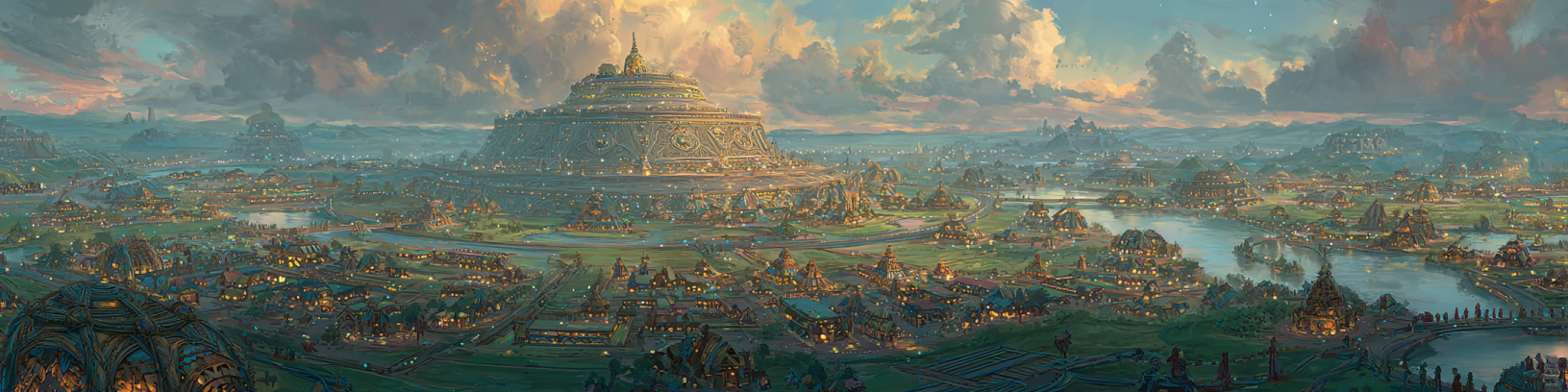
Monks Mound
Capital City of Cahokia
History
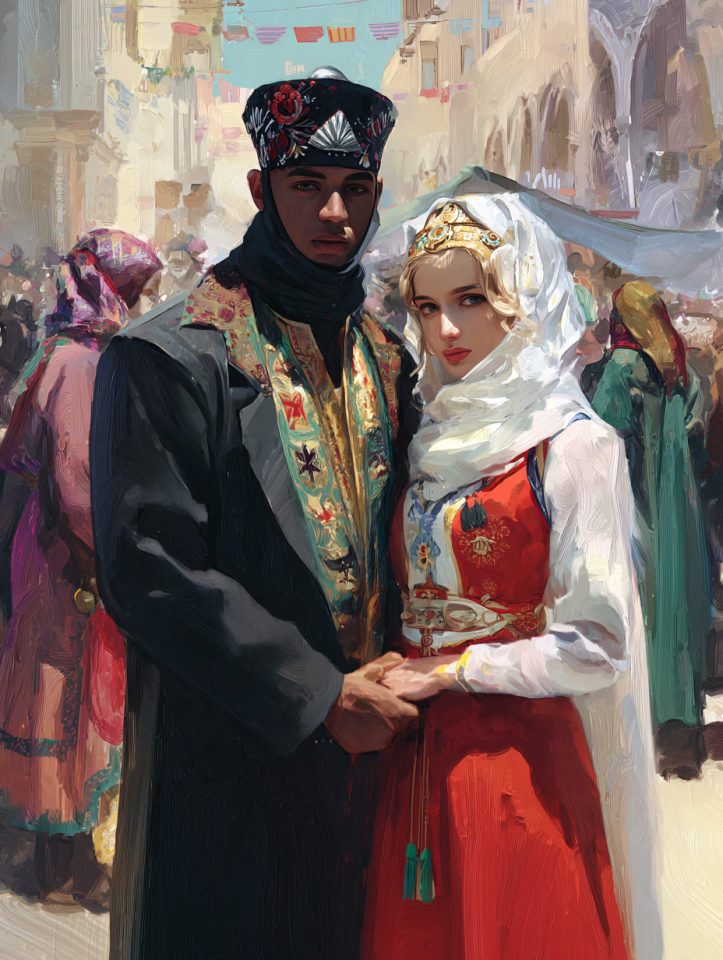
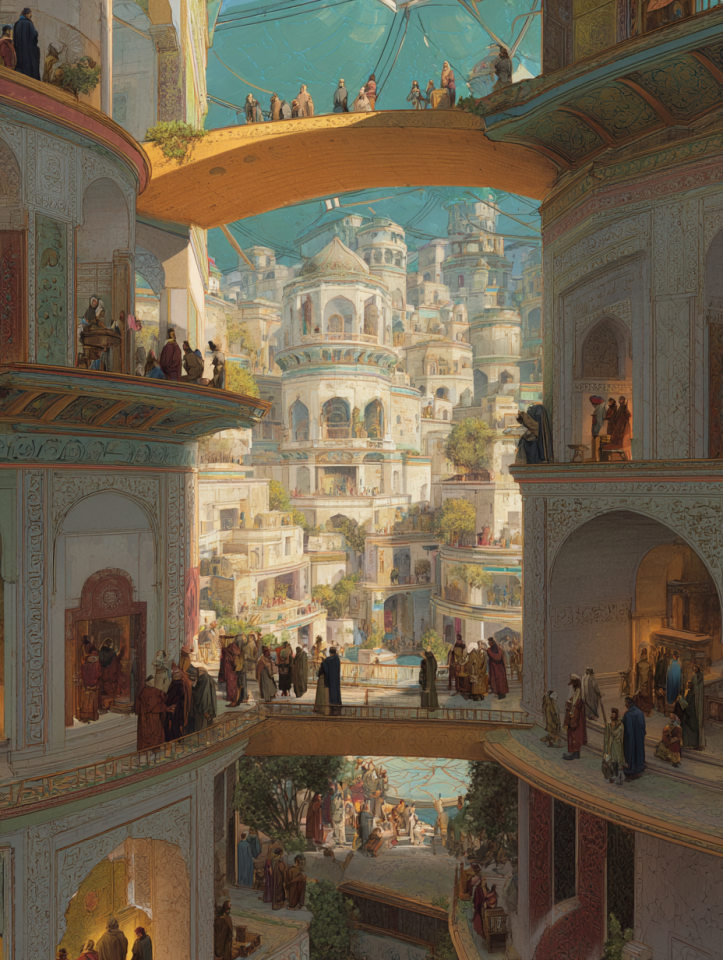
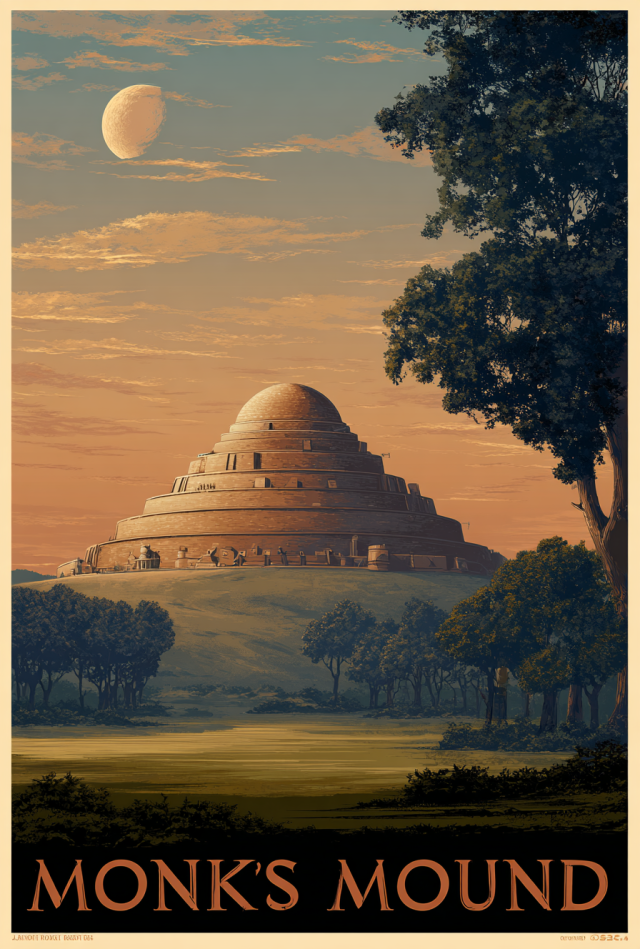
Rising to prominence the 1th century, Cahokia became the largest city north of Meso, a federation capital of mound-builders whose reach extended across the Mississippi and Ohio valleys. Monks Mound, at its center, was both ceremonial and political, housing the council halls where leaders, priests, and astronomers guided civic life. Its construction required generations of labor, embodying the community’s cooperative ethos.
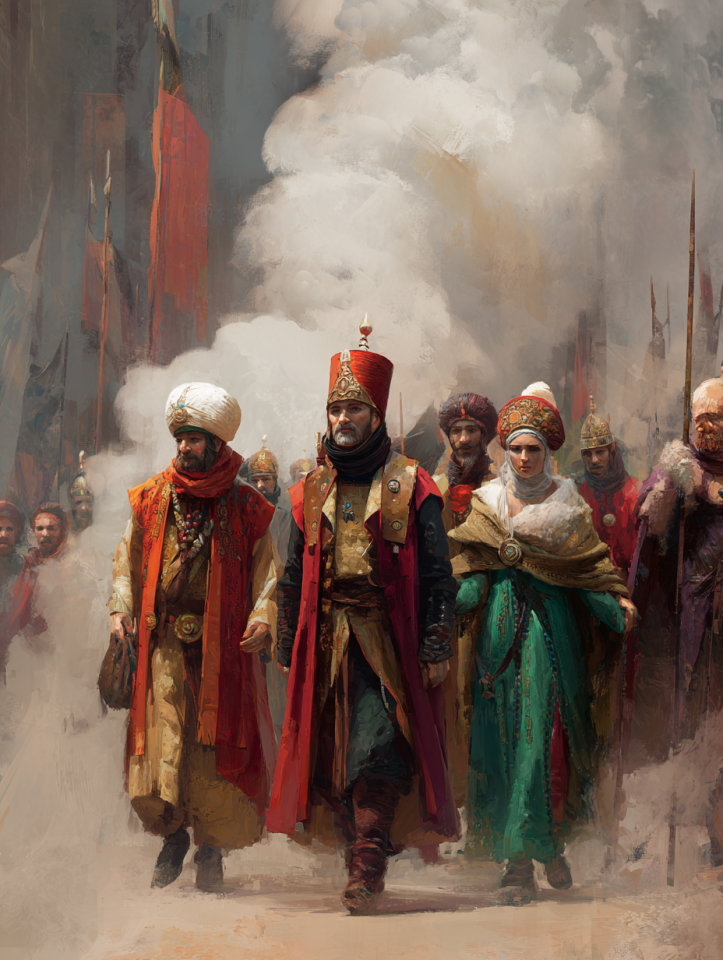
Unlike the colonial narratives that later eclipsed it, Cahokia never fell to outside conquest. Its federative structure preserved its continuity, allowing its civic and ritual life to evolve without interruption. Guilds of farmers, artisans, and astronomers shared governance with councils of elders, embedding both practical and spiritual authority in the mound complex.
Through the centuries, Cahokia’s influence spread through trade networks that carried shells from the Gulf, copper from the Great Lakes, and obsidian from the Rockies. Festivals and pilgrimages kept it vibrant, drawing thousands into its plazas. In modern times, Cahokia remains the capital of the Mississippian Federation, a city that embodies the unbroken dialogue between land, river, and sky.
Sights / Destinations
Religion / Cults / Sects
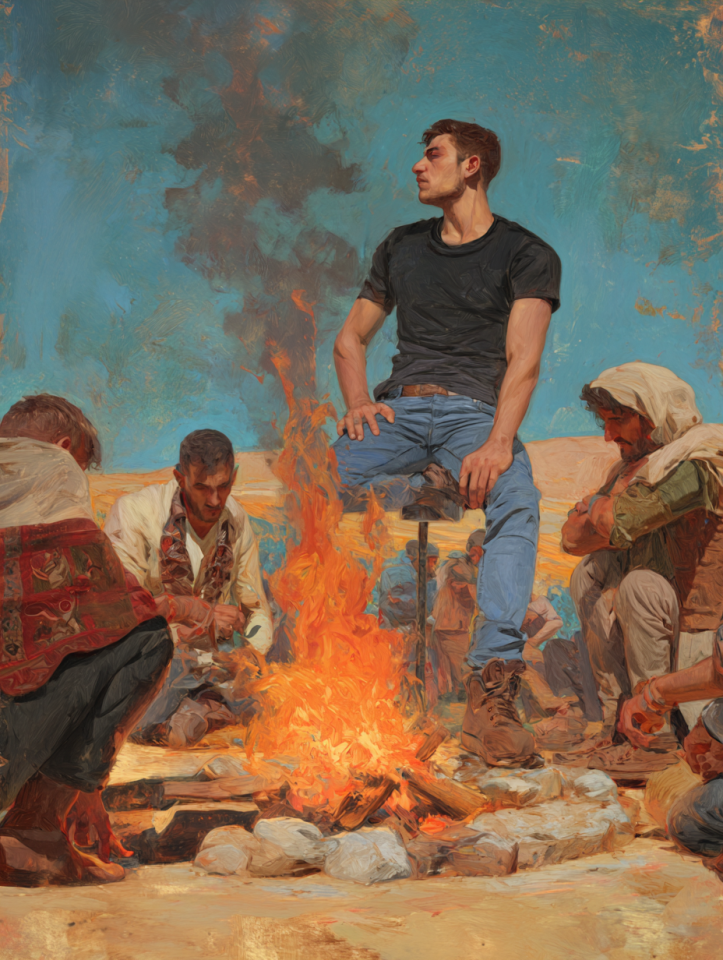
Cahokia’s devotions center on the cycles of earth and sky. Solar and lunar alignments guide festivals, while mounds serve as both shrines and council halls. The Sun, Thunder, and Corn spirits remain honored through ritual, alongside veneration of ancestors whose bones are interred in secondary mounds. Buddhist and Stoic traditions, arriving through later trade and dialogue, have found modest places in its academies, blending with indigenous cosmology. No faith eclipses another; all reinforce the belief that harmony comes from aligning human life with cosmic balance.
Founding Date
1330 zc
Alternative Name(s)
Cahokia, Great Mound of the People
Type
Capital
Owning Organization
Characters in Location




Comments