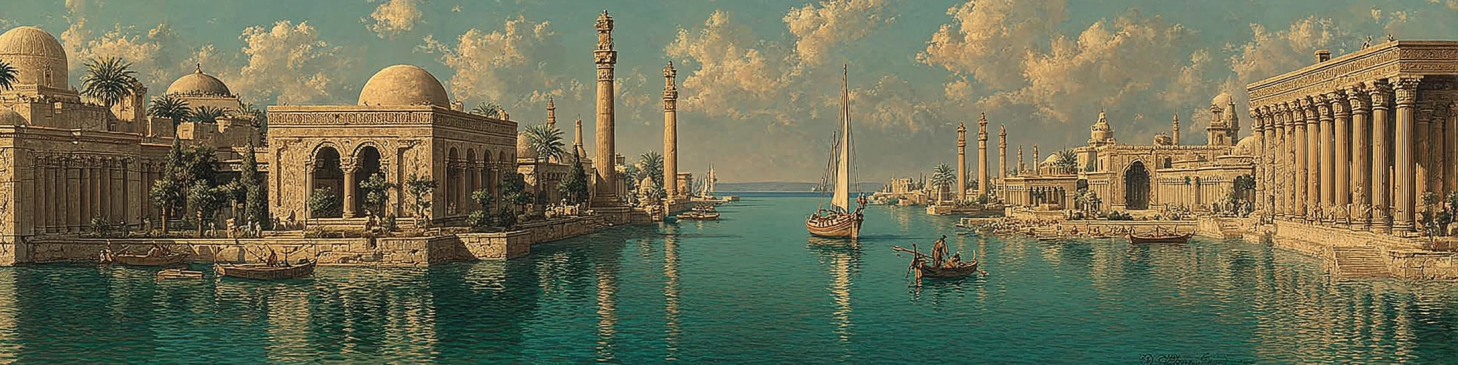
Terraces of Fars
In the heart of ancient Persia, the Terraces of Fars embody the philosophy that power must serve beauty and order must serve truth. These stone platforms, carved into the living hills, link the mortal and divine through geometry and flame. They are less ruins than lessons — the visible conscience of governance.
Naqsh-e Rustam Royal Tombs
: RELIGIOUS/PILGRIMAGE
High in the cliffs north of Persepolis, royal tombs are cut like portals into eternity. Each façade bears reliefs of kings receiving the ring of sovereignty from the divine — a visual charter of stewardship, not conquest. Koina historians see them as declarations of civic duty in stone: rulers accountable to reason and cosmic law. The silence here is not mournful but disciplined, the hush of power aware of its limits.Persepolis Terraces
: RELIGIOUS/PILGRIMAGE
Once the ceremonial capital of the Achaemenid world, Persepolis rose on a grand stairway of tolerance — where delegations from every province brought tribute not of gold, but of craft. Its reliefs still show them: Ethiopians, Indians, Lydians, Medes, all equal in artistry before the throne. Persepolis remains the cradle of cooperative diplomacy. Its ruins hum with civility, the first blueprint for the federative councils that define the modern world.Early Atash Bahram Shrines
: RELIGIOUS/PILGRIMAGE
The earliest fire temples of Persia were open sanctuaries, their flames tended beneath domes pierced to the sky. Each was a microcosm of the universe: fire as thought, air as breath, water as conscience, earth as duty. These shrines embody the Zoroastrian ideal that purity lies in clarity, not exclusion. Even now, pilgrims light symbolic fires there to mark renewal — a dialogue between flame and philosophy unbroken for millennia.Fire Temple of Yazd
: RELIGIOUS/PILGRIMAGE
Yazd’s temple remains the living heart of Persian devotion to flame. Within its courtyard, the eternal fire burns behind glass — uninterrupted for centuries, its custodians drawn from successive generations of guild families. Yazd symbolizes continuity without stagnation: the idea that sacred stewardship can persist through adaptation. The flame endures not as relic but as verb — to tend, to clarify, to enlighten.
Type
World wonder
Owning Organization




Comments