
Samarkand
Capital City of Sogdiana
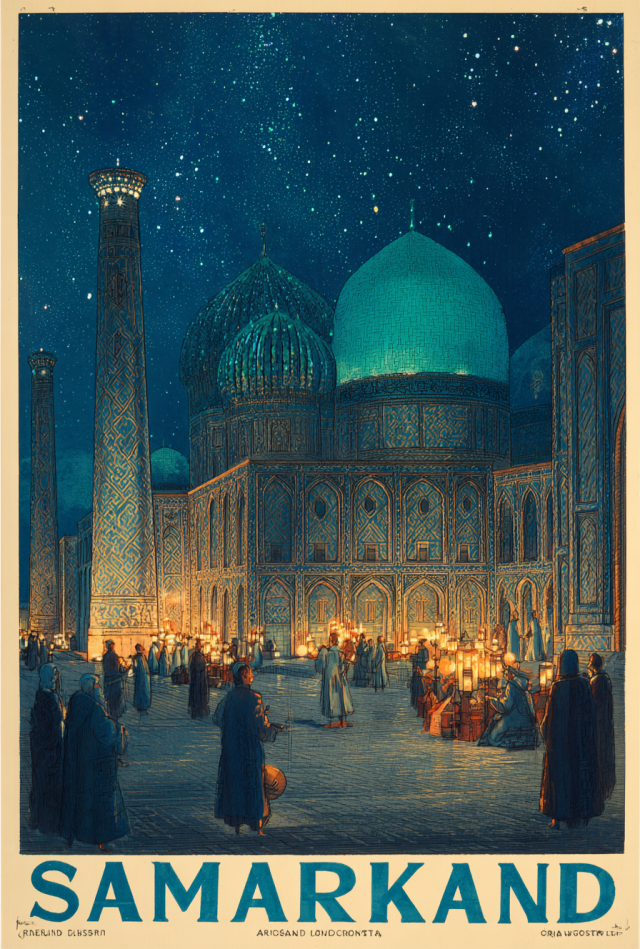
History
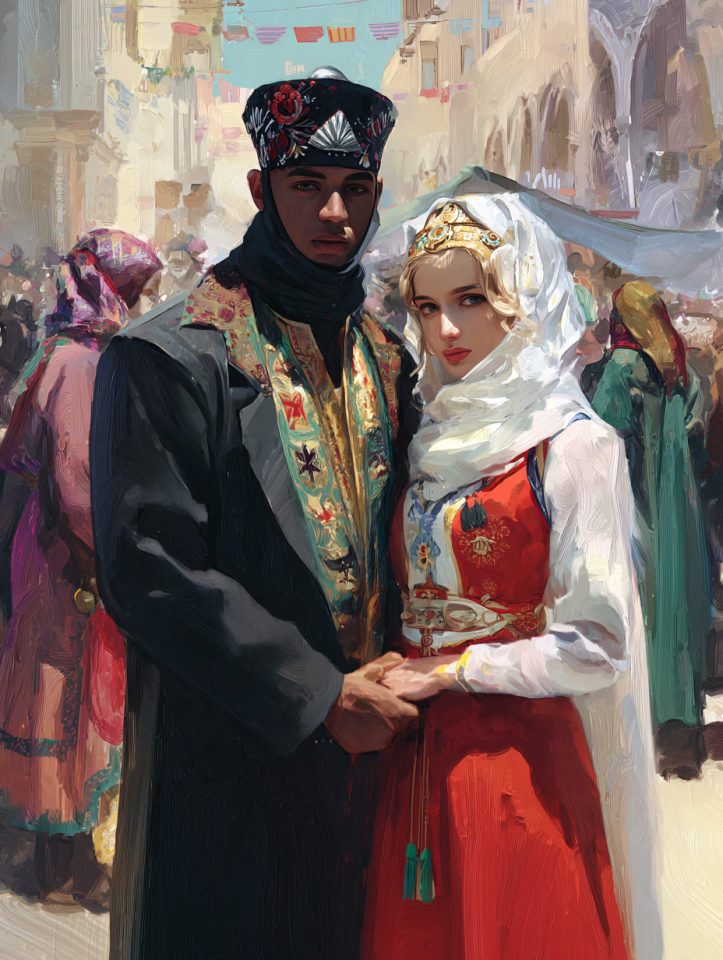
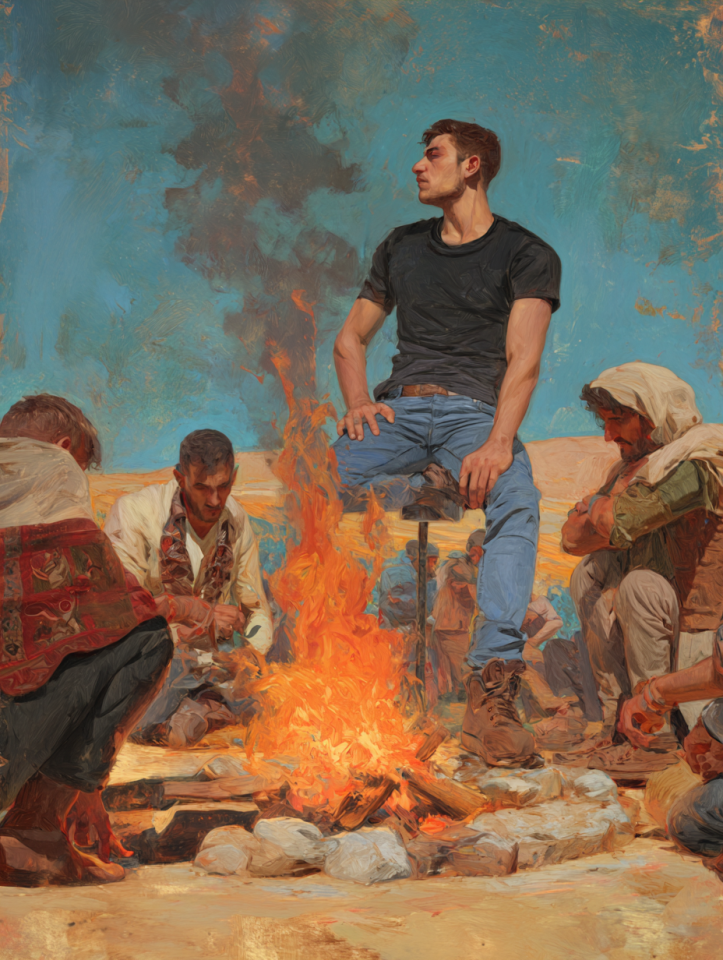
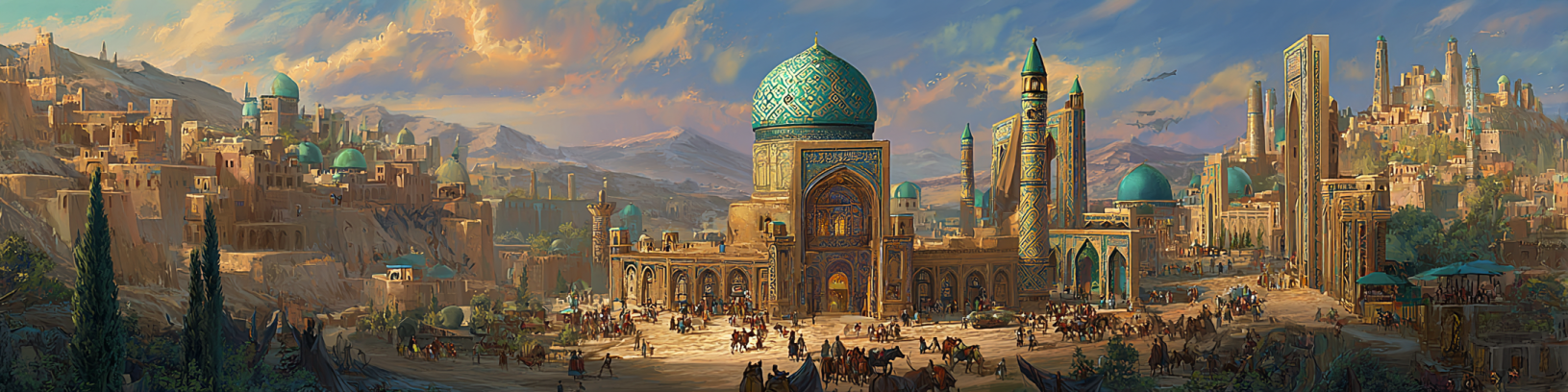
Founded at the beginning of the first century, Samarkand (Maracanda) became the heart of Sogdiana, a crossroads of steppe, desert, and river. Its location made it a vital node on the Silk Roads, binding together China, Persia, and the Mediterranean. Sogdian merchants, famed for their skill in trade and diplomacy, anchored the city’s prosperity.
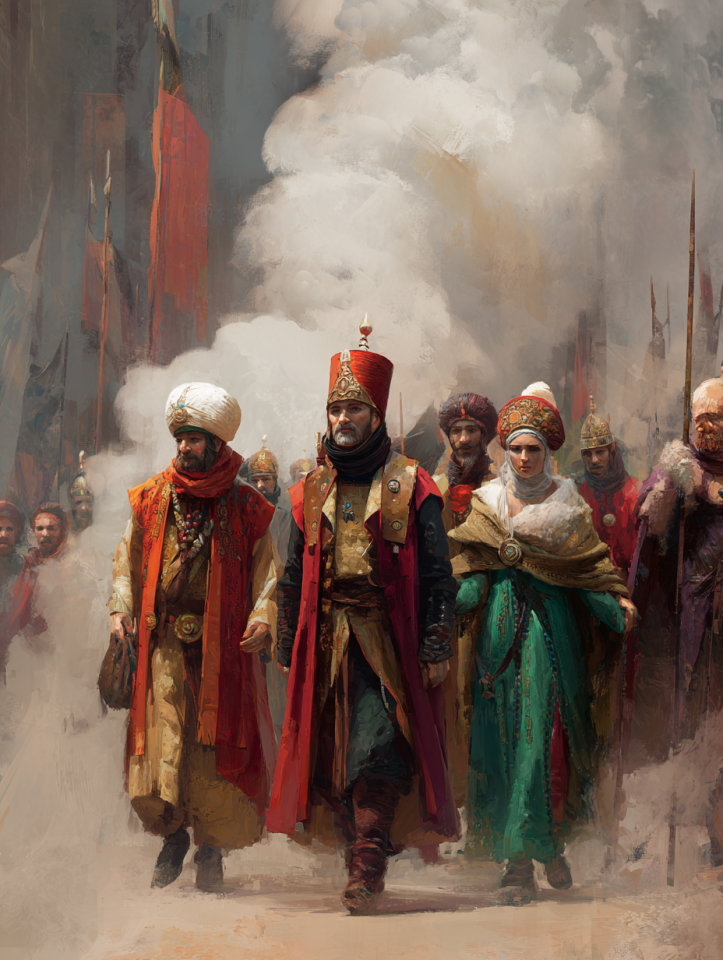
Unlike in other histories where conquest reshaped its destiny, Samarkand endured as a federative capital. Persian administrators, Hellenic philosophers, and steppe chieftains all found place within its walls, each leaving traces without displacing the whole. By late antiquity, the city was already famed for its observatories, libraries, and guilds of artisans whose crafts circulated across continents.
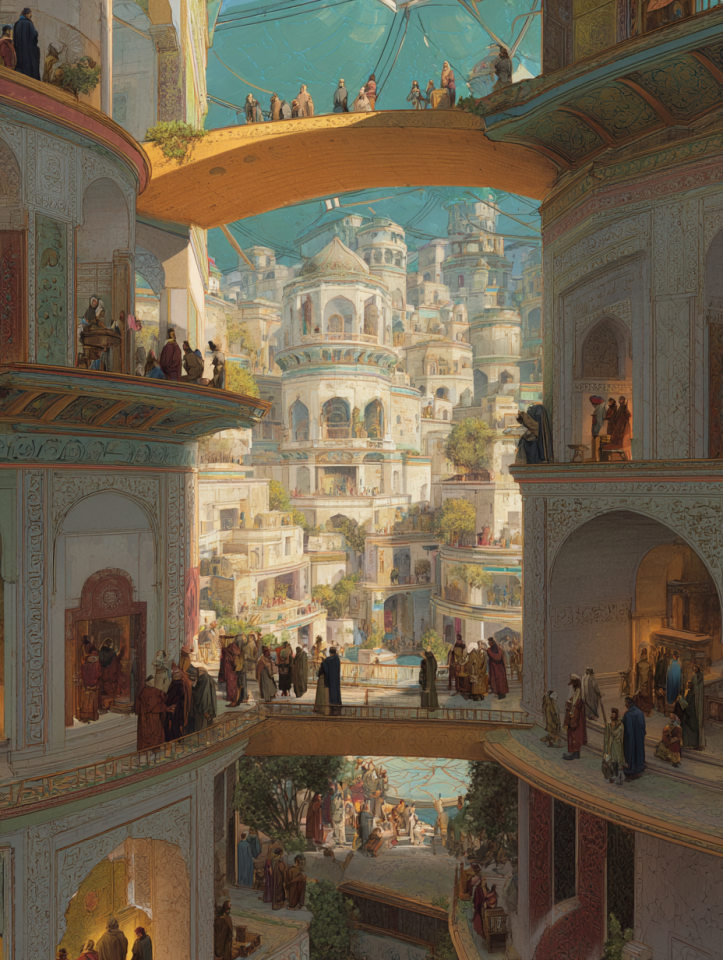
In the medieval centuries, Samarkand’s academies of astronomy and mathematics flourished, drawing scholars from across Asia. Its bazaars became the testing ground for new instruments, textiles, and medicines. The city never fell into ruin; each rebuilding after fire or earthquake renewed its stature. Today Samarkand remains the capital of Sogdiana, a city that embodies both the depth of its history and the vitality of ongoing exchange.
Sights / Destinations
Religion / Cults / Sects
Samarkand’s devotions are plural and cosmopolitan. Zoroastrian fire shrines recall its Persian heritage, while Buddhist monasteries and Manichaean halls reflect centuries of dialogue along the Silk Roads. Islamic schools, Stoic academies, and Confucian study halls have long coexisted, shaping civic law and trade practice. Ancestral cults of the Sogdians persist in household altars, honoring both family and city ancestors. Faith here is inseparable from exchange; devotion is one more current in the river of dialogue.
Founding Date
20 bz
Alternative Name(s)
Maracanda, Afrasiab
Type
Capital
Owning Organization
Characters in Location




Comments