Etruria (Eh-TROO-ree-ah)
Homeland of the Etruscans
Upon the hills of Velzna, temples and tombs rise from volcanic stone, their walls adorned with painted frescoes of dancers, banquets, and gods. Bronze mirrors gleam in the markets, etched not only with reflections but with scenes of myth — stories preserved in metal as enduring as in stone. The sound of lutes and flutes drifts across narrow streets, carrying the rhythms of life as much as ritual.
Beneath the surface, carved into cliffs and caverns, lie necropolises filled with sarcophagi. Each bears inscriptions and carvings that record family, lineage, and memory. To the Etruscans, death is not erasure but continuity; the tomb is as much archive as grave. In these cities of the dead, the past whispers alongside the present, reinforcing the cycle of preservation.
In the agora, merchants barter for amber, wine, and iron. Sailors from distant coasts dock their ships in harbors once famed across the Mediterranean, carrying with them stories of faraway lands. Artisans shape clay into painted vessels, inscribing scenes of gods and mortals — not for conquest, but for remembrance.
For Etruria, the Accord was redemption. Surrounded by larger neighbors and often overshadowed, they saw in The Covenant a chance to ensure that their culture, artistry, and rituals would never again be silenced. Preservation became their defiance against oblivion, their voice carried not by empire but by endurance.
Historical Origins
Etruria had long been a federation of city-states in central Italy, bound by shared ritual and art rather than conquest. Their people thrived on seafaring and trade, spreading influence across the Mediterranean before Rome’s ascent. By the 1st century zc, however, they were increasingly threatened by Roman expansion.
It was in this precarious moment that the Accord gave them new standing. Velzna, once sacked, was restored as a place of memory and resilience. Etruria’s presence within the Accord symbolized the principle that no culture was too small to matter, and that preservation must protect even those whose voices risked being drowned by empires.
Philosophy & Governance
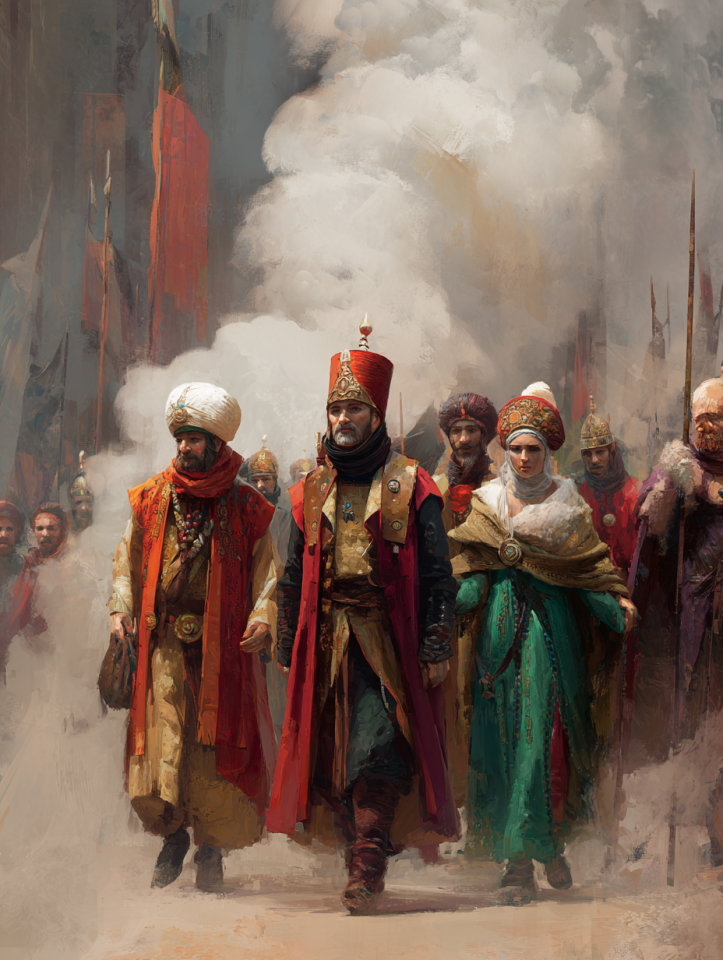
Governance in Etruria was shared between city assemblies and priestly colleges. Augurs and haruspices — diviners of the sky and entrails — held influence alongside civic leaders. Decisions were guided by ritual as much as by law, embedding the sacred within the civic.
Within the Accord, this balance of ritual and council was elevated into a philosophy of shared voice. Etruria championed the idea that smaller polities could retain sovereignty within a greater cooperative, ensuring that preservation meant inclusivity, not hierarchy. Their rituals of divination were reinterpreted as metaphors for foresight — the necessity of learning from signs to safeguard the future.
Contributions to the Accord
Etruria brought distinctive contributions to the cooperative world:
Divination and Ritual: Augury and haruspicy shaped practices of foresight and symbolic preservation.
Art and Architecture: Innovations in arches, tombs, and decorative motifs enriched Accord aesthetics.
Maritime Trade: Networks connected Mediterranean cultures with the wider Accord.
Inclusivity: A model of federation that ensured smaller states found voice within global cooperation.
Cultural Identity
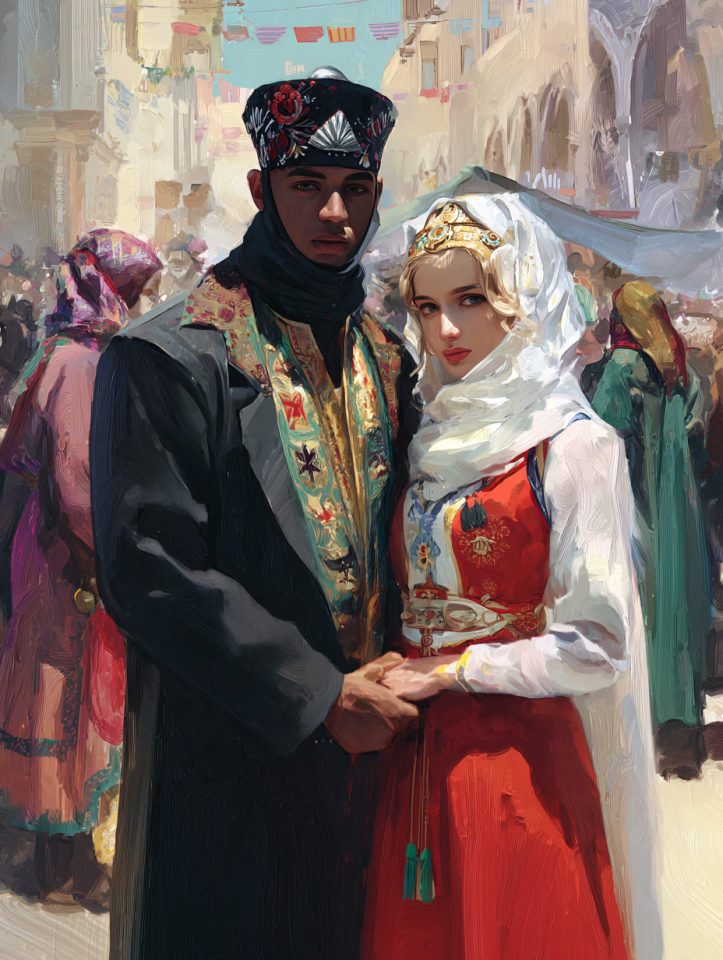
Etruscan culture revolved around cycles of life, death, and renewal. Their sarcophagi, frescoes, and tombs preserved not only names but moments of daily joy: dancers, feasts, and games. In the Accord, this became a reminder that preservation must include not only kings and treaties, but the lived experiences of ordinary people.
Symbols of the afterlife and underworld entered Accord iconography, balancing the focus on reason and order with an acknowledgment of mystery and mortality. Their love of spectacle — from games to theater — echoed into the cooperative world, blending entertainment with preservation.
Capital City
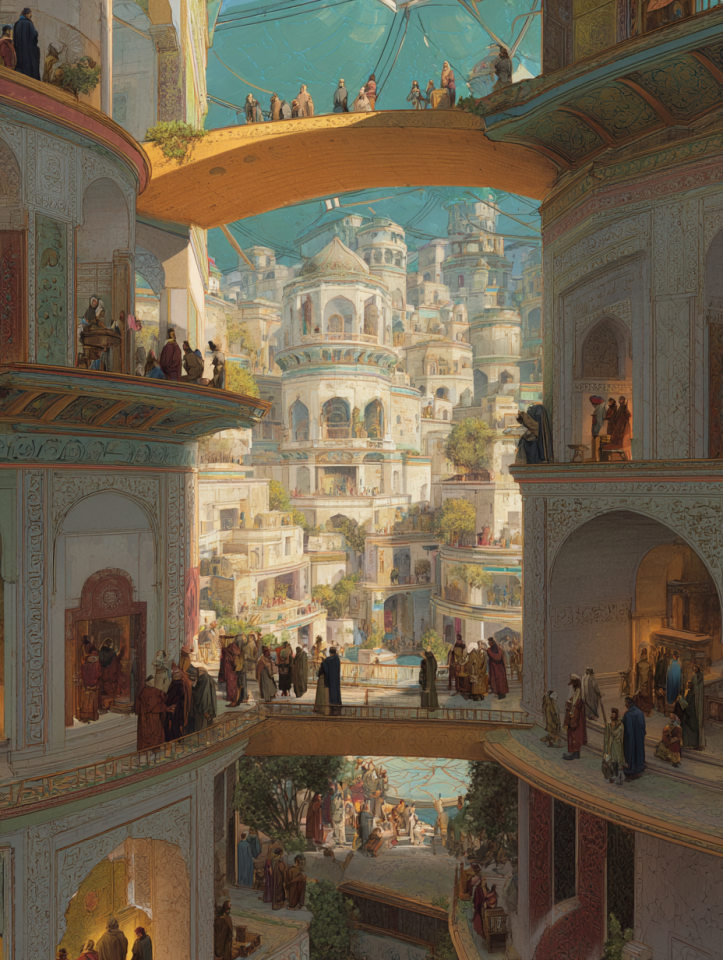
Velzna — 42.7167°N, 12.1167°E — was restored as the Accord seat of Etruria. Perched on volcanic cliffs, it was both fortress and sanctuary, embodying resilience. Necropolises carved into the hillsides became living museums, with inscriptions catalogued by Accord scribes to preserve their stories.
Temples dedicated to Tinia, Uni, and Menrva stood beside new Accord halls, merging sacred and civic space. In Velzna, the Accord found a city that declared survival not through domination, but through memory carved into stone.
Legacy & Global Role
Etruria’s legacy within the Accord was that of inclusion and endurance. They proved that preservation was not the privilege of empires but the right of all peoples, regardless of size or power. Their artistry enriched the cooperative world, while their rituals taught that foresight and respect for mystery were as vital as reason and order.
Centuries later, Etruria remains a symbol of resilience. Their presence in the Accord is a testament that cultures once overshadowed can shine brightly, and that preservation must embrace not only the mighty but the marginal.
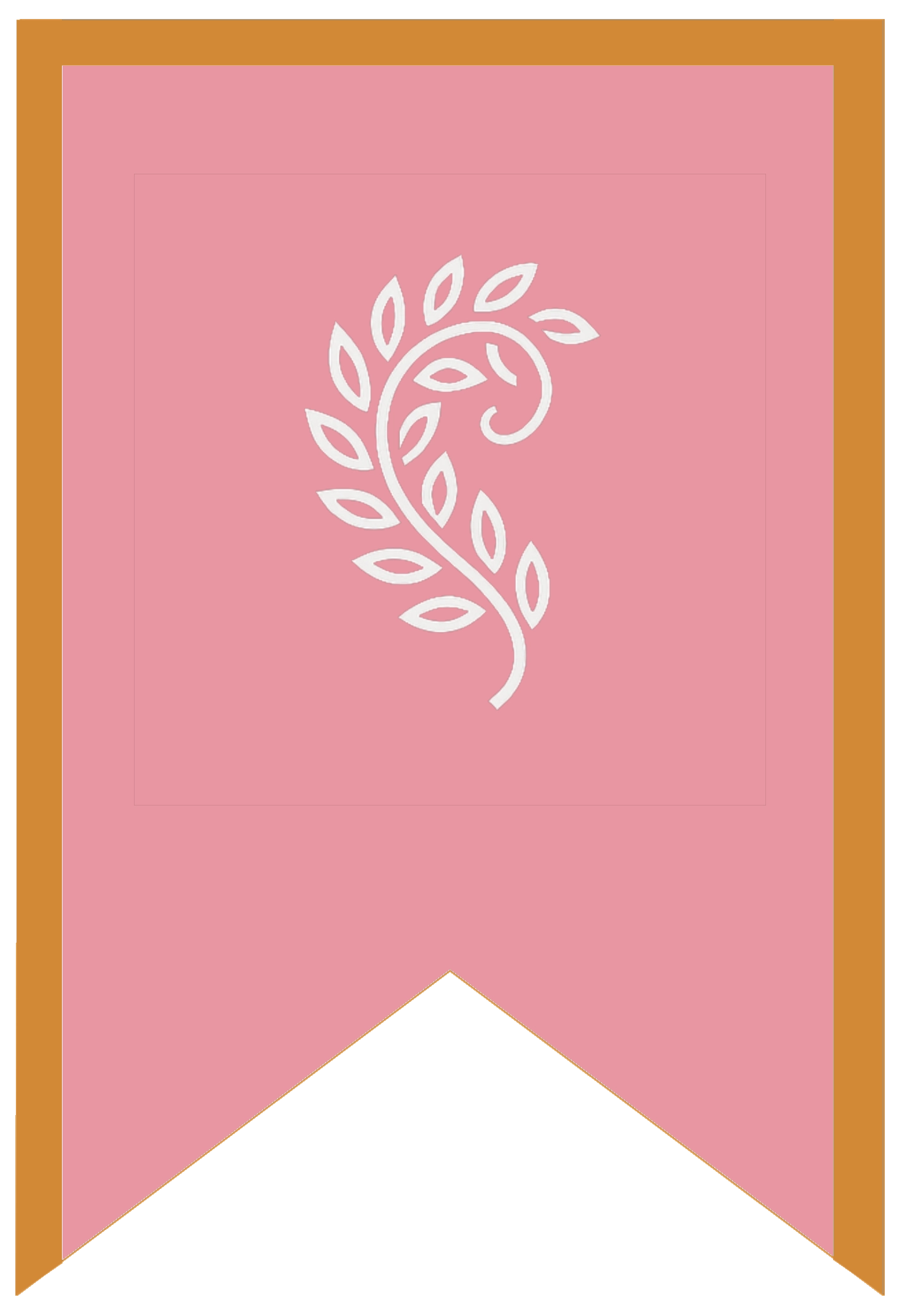
Terra cotta for tombs/art, bronze for metallurgy, spiral/laurel for eternity/ritual.
Type
Geopolitical, Country
Capital
Leader
Leader Title
Related Ranks & Titles
Controlled Territories
Notable Members







Comments