Midgard (MID-gahrd)
Middle Enclosure / Realm of Humanity
Smoke from longhouses curls skyward, mingling with the scent of pine and sea salt. In Uppsala, great halls stand beside sacred groves, where chieftains feast beneath timbered roofs and druids raise their arms to the sky. Runes are carved into stone and wood, not only as symbols of faith but as records — a script that binds memory to the world itself.
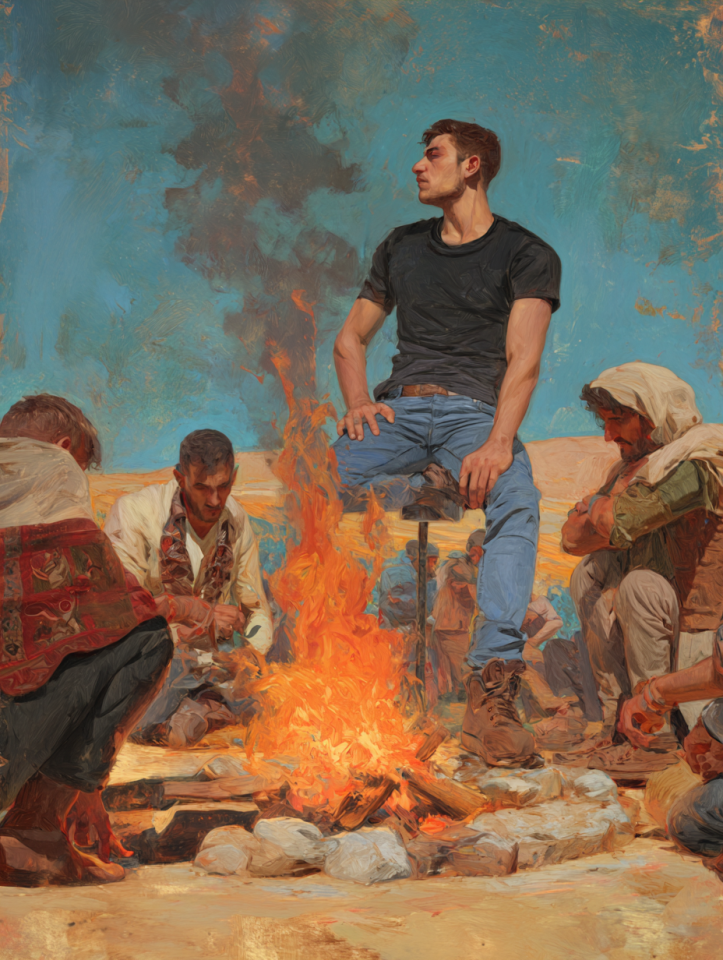
Fjords and forests surround the settlement, where ships lie beached like sleeping beasts. Carved with dragons and ravens, their prows speak of journeys across cold seas. Traders return with amber, furs, and iron, while bards sing sagas of gods and ancestors, their voices rising with the fire’s crackle. In these tales, history and myth entwine, ensuring that memory is never forgotten.
Children trace runes into the dirt as elders recite genealogies stretching back generations. In the sacred grove, offerings are left at the roots of ancient trees, acknowledging that preservation extends beyond the human — to land, sea, and sky. For the people of Midgard, to remember is to belong, and to forget is to be lost.
When the Accord was called, it was Branwen’s kin across the sea who urged Midgard to join. Their sagas and kinship ties had always extended outward, and they recognized that to safeguard their myths and runes was to anchor their people within the greater memory of the world. Thus Midgard entered the Accord as the keeper of ancestry and saga.
Historical Origins
Midgard’s traditions traced back to the Bronze Age, when megaliths and ship burials marked their landscapes. The Norse and Germanic tribes preserved their history through sagas, runes, and ritual. By the 1st century zc, their settlements stretched across the northern forests and coasts, bound less by empire than by kinship, trade, and shared myth.
Though distant from the centers of empire, their seafaring skills and oral traditions gave them a place in the Accord. They were invited not for their armies but for their memory: their sagas of gods, heroes, and ancestors, which preserved truths as enduring as stone.
Philosophy & Governance
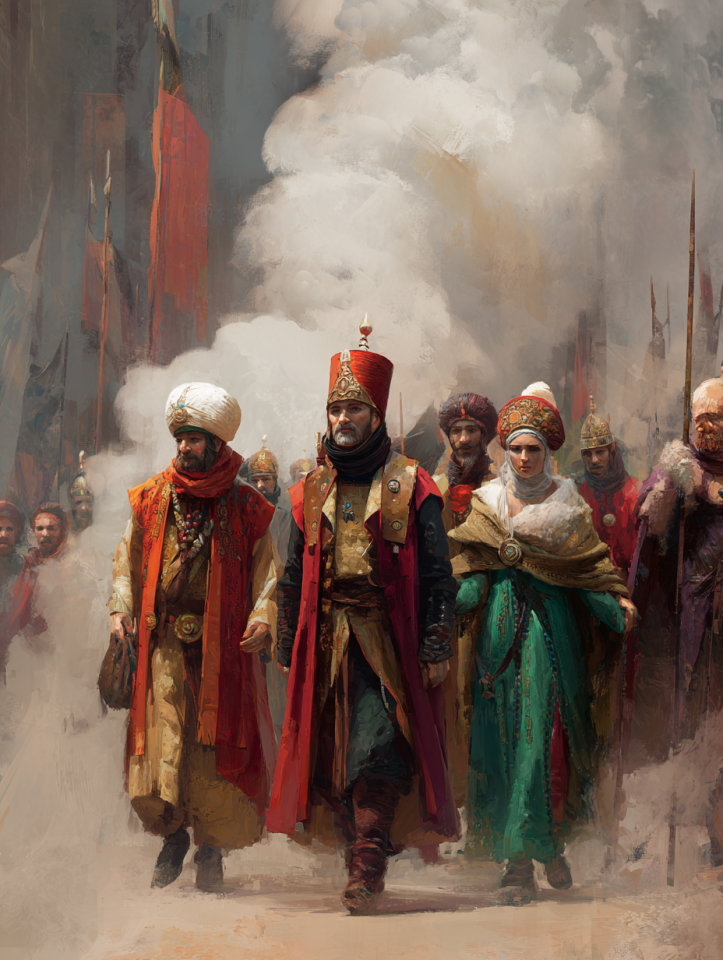
Governance in Midgard was rooted in things — assemblies of free men who debated laws, disputes, and alliances. Authority was shared among chieftains, priests, and warriors, with consensus valued over decree. Preservation was communal, entrusted to bards, druids, and law-speakers who carried memory aloud.
In the Accord, Midgard contributed the philosophy that memory must be lived communally. Runes and sagas were not private records but public ones, spoken and carved for all to see. They taught that preservation required participation — that every voice in the assembly contributed to the whole.
Contributions to the Accord
Midgard brought distinct legacies to the cooperative world:
Runic Script: A writing system that bound sound, symbol, and story.
Sagas and Oral Tradition: Epics of gods and ancestors as memory vessels.
Seafaring: Ships and navigation across northern seas.
- Communal Law: Assembly-based governance and oral law codes.
Cultural Identity
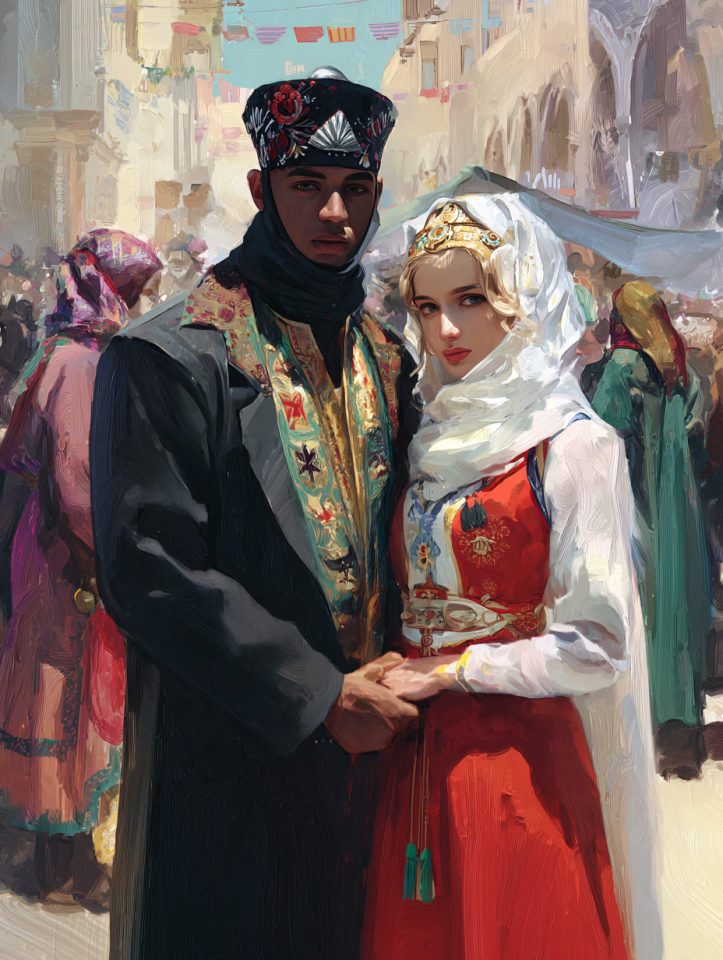
Midgard’s culture celebrated ancestry, myth, and nature. The gods of Asgard — Odin, Thor, Freyja — lived in sagas not as distant divinities but as kin, reflecting human struggles and triumphs. Seasonal festivals honored cycles of life, death, and rebirth, while feasts wove story and song into communal fabric.
Their knotwork and animal motifs symbolized interconnection, later entering Accord iconography. In their worldview, preservation was not separation from myth but immersion in it — the recognition that story, nature, and humanity are bound together.
Capital City
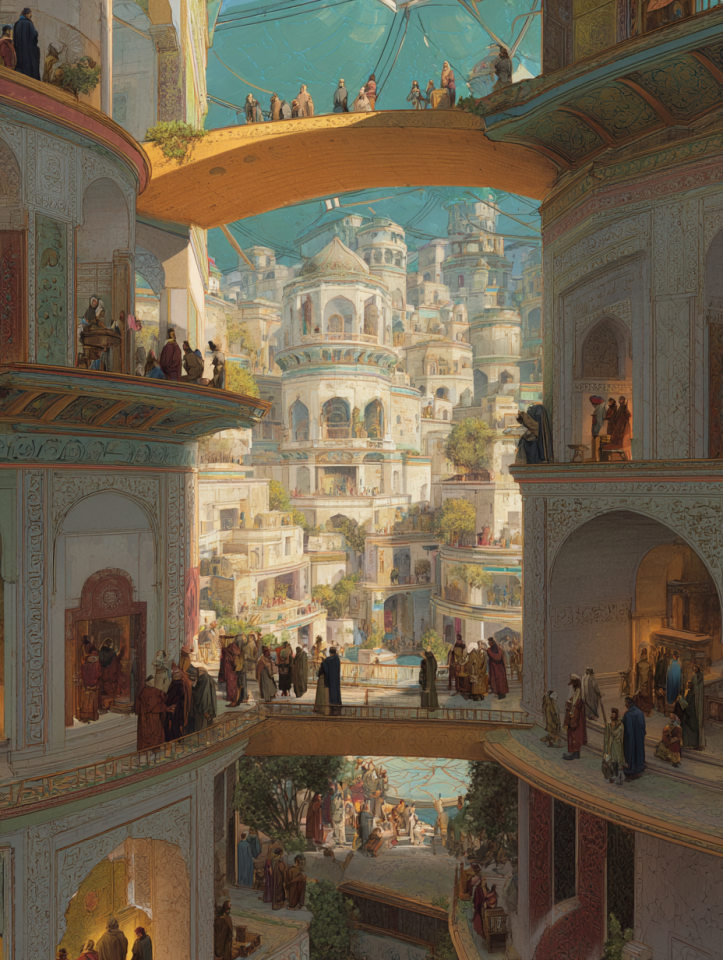
Uppsala — 59.8586°N, 17.6389°E — was chosen as Midgard’s Accord seat. Known for its sacred groves and great temple, it stood as a place where ritual and assembly converged. In its halls, chieftains feasted while druids and bards recited sagas that framed decisions in ancestral memory.
Accord scribes in Uppsala recorded runes alongside translations into other scripts, ensuring that the oral and written traditions of the north entered the wider archive. The temple, with its golden chain glinting in sunlight, symbolized the binding of heaven and earth, myth and memory.
Legacy & Global Role
Midgard gave the Accord its ancestry. Their sagas reminded the cooperative world that preservation was not only about treaties and philosophies but about lineage and belonging. They ensured that the Accord valued genealogy, myth, and ritual as much as philosophy and law.
Centuries later, their influence endures wherever story and ancestry are honored. The sagas of Midgard remain a living thread in the Accord, a reminder that memory is not abstract but personal, binding past to present, ancestor to descendant.

Dark sky for northlands, iron for smithing, raven for memory (Huginn/Muninn).
Type
Geopolitical, Country
Capital
Leader
Leader Title
Related Ranks & Titles
Controlled Territories
Notable Members
Related Myths





Comments