Uppsala
Capital City of Midgard
History
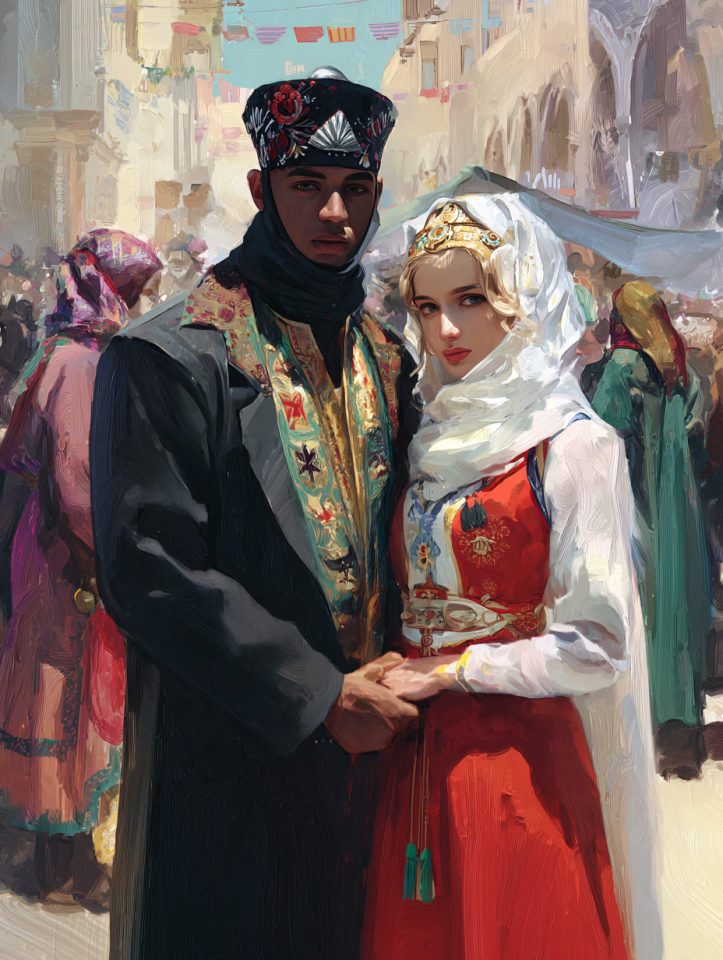
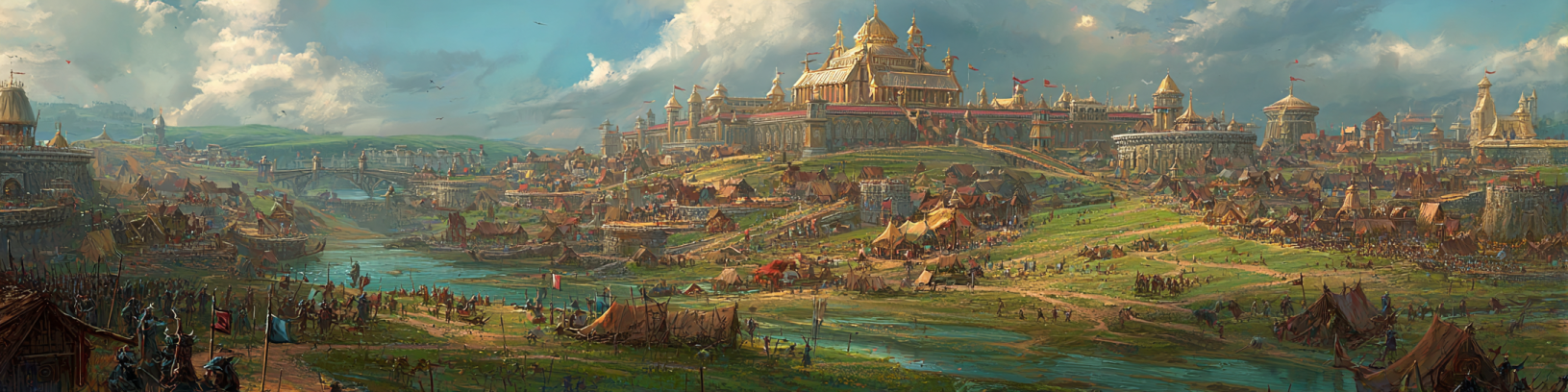
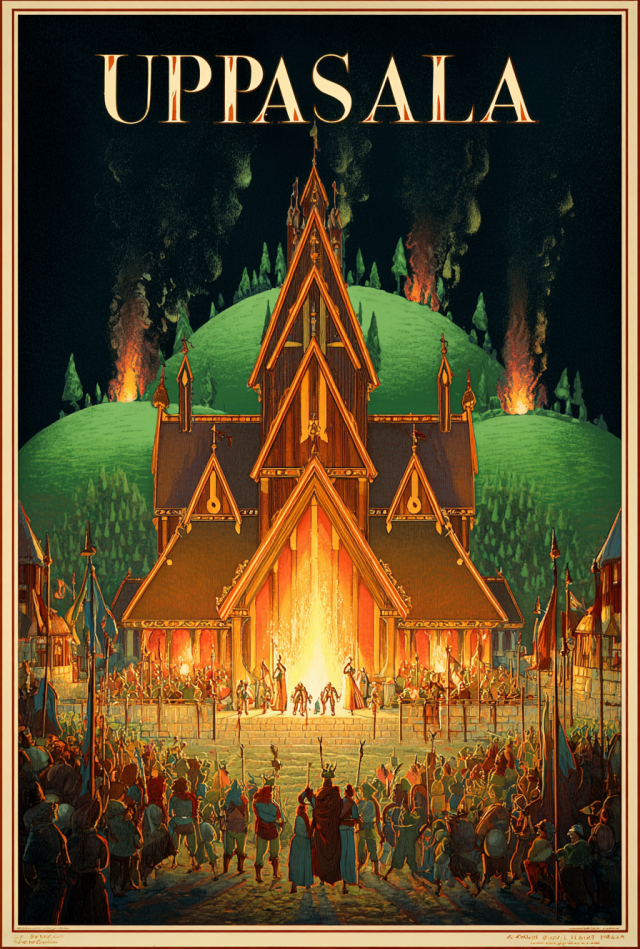
Founded itowards the end of the first millennium, Uppsala became the ceremonial and political heart of the Norse and wider Germanic world. Known as Gamla Uppsala, it housed both the temple of the gods and the Thing, where assemblies gathered to deliberate law and justice. Its three great mounds, said to hold the resting kings of legend, anchored the city as a place of memory and power.
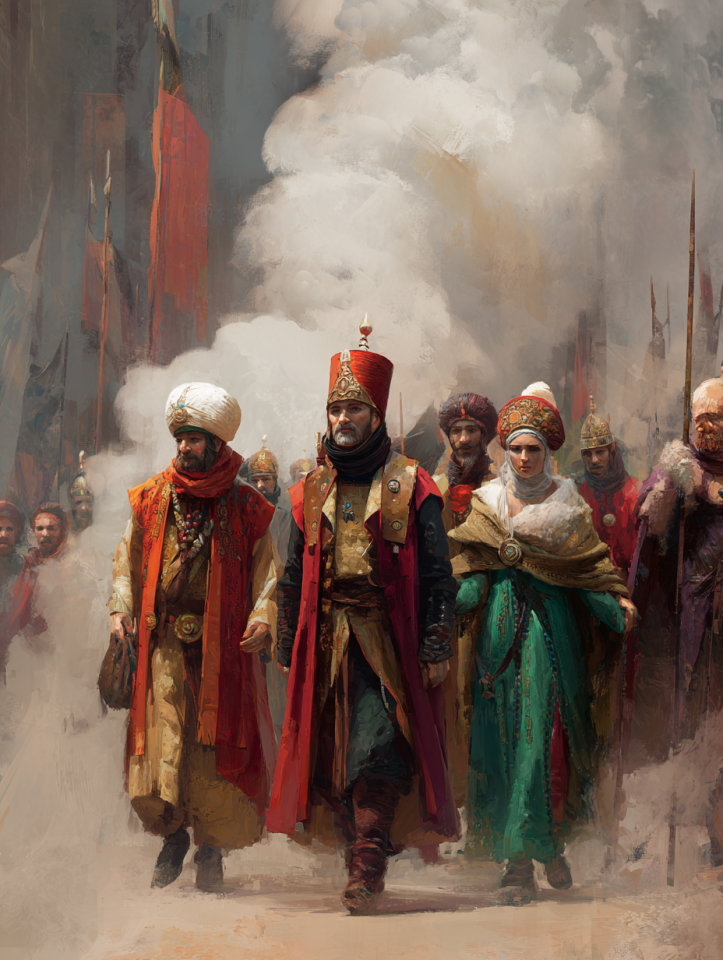
In this history, Uppsala never diminished under Christian domination. The old temple and Thing endured, blending with new federative councils that placed philosophers and poets alongside chieftains. Rather than being erased, its rites evolved: sacrifices became symbolic offerings, feasts became civic celebrations, and runic traditions merged with Stoic and Buddhist philosophies carried through trade with the east.
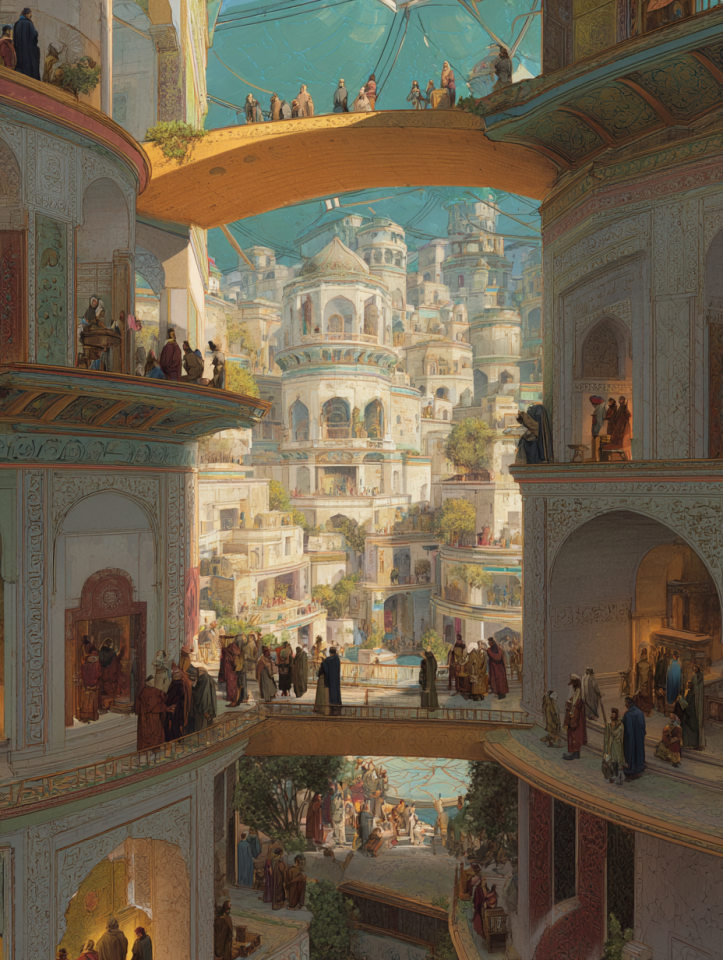
By the medieval centuries, Uppsala was both shrine and school. Skalds and philosophers taught side by side, while guilds of shipwrights and smiths enriched the city’s renown. In the modern era, Uppsala continues as the capital of Midgard, where the temple remains not only a site of devotion but also of debate, embodying the blend of ritual and reason that defines its people.
Sights / Destinations
Religion / Cults / Sects
Norse devotion remains central, with shrines to Odin, Thor, Freyr, and Freyja standing within the temple precincts. Seasonal rituals of sowing, harvest, and midwinter are celebrated as civic festivals. Ancestor veneration tied to the royal mounds continues strongly. Christian schools of endurance and forgiveness coexist, having entered gradually without displacing older traditions. Stoic and Buddhist philosophies also find resonance, their teachings woven into council debates and skaldic verse. Uppsala’s spiritual life is thus plural, rooted in myth yet open to dialogue.
Founding Date
780 zc
Alternative Name(s)
Gamla Uppsala, “Seat of the Gods”
Type
Capital
Owning Organization
Characters in Location




Comments