Suvarnabhumi (Su-var-na-BHOO-mee)
Land of Gold
The river city of Ratnakara rises where waterways meet, its harbors filled with ships carved with dragon prows and sails painted in bright colors. From every direction they come — Polynesian double-hulled canoes, Indian dhows, and Chinese junks — converging on a city alive with spice, incense, and song. The air hums with the voices of sailors and merchants, monks and poets, each carrying fragments of memory across the seas.
In the marketplace, nutmeg and cinnamon are traded alongside manuscripts written on palm leaves. Gilded statues of the Buddha watch over the stalls, their calm faces mirrored in the poise of merchants who see commerce not as conquest but as connection. Children play among the crates, listening as storytellers weave epics of voyages that stretch across oceans. In Suvarnabhumi, the act of travel is itself preservation, for each journey stitches together the scattered pieces of human knowledge.
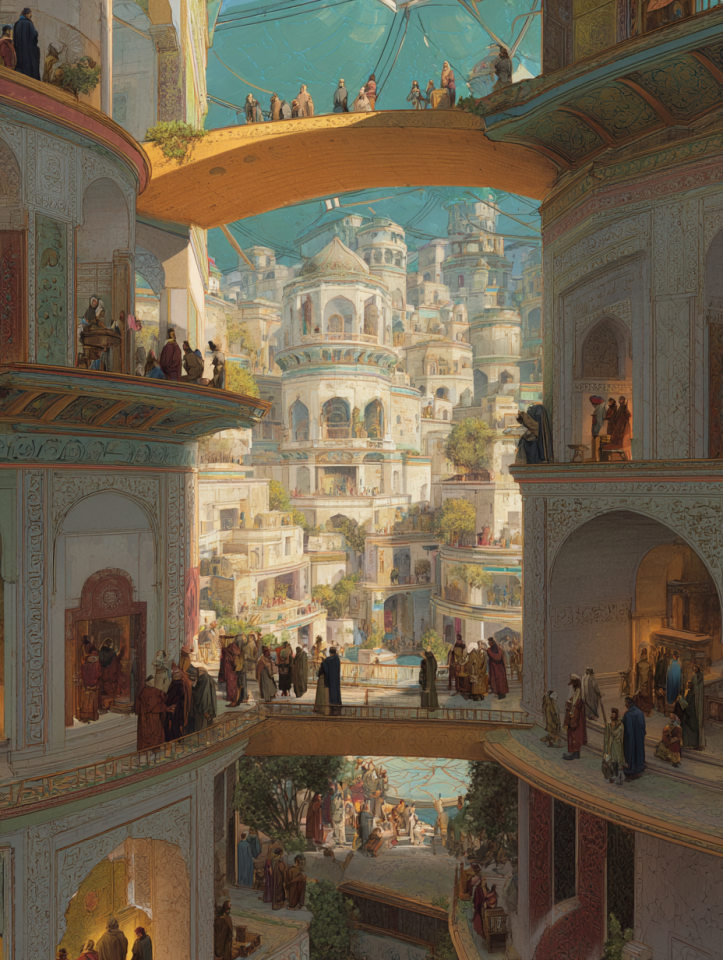
Monasteries rise above the docks, their bells ringing out across the city as monks chant sutras at dawn. Within their halls, scholars copy manuscripts brought from Āryāvarta, Pārsa, and Zhongguo, while navigators carve star maps into wooden boards. The sound of drums and the scent of incense mix with the salt air, creating a rhythm that feels both eternal and new.
For Suvarnabhumi, the Accord was inevitable. Their people had always known that the ocean was not a barrier but a bridge, and that memory must flow like tides, never stagnant. To them, preservation was not bound by walls but carried on waves, passed from island to island, and safeguarded in story, chant, and chart.
Historical Origins
Suvarnabhumi arose as a maritime confederation of Southeast Asian and Polynesian peoples, linked not by empire but by navigation. From the early centuries, they mastered the monsoon winds and celestial navigation, building vast networks of exchange that stretched from India to the Pacific.
By the 1st century zc, these seafaring cultures had already established themselves as indispensable mediators of trade and culture. When the Accord was conceived, it was Aorangi of Suvarnabhumi who declared that preservation could not belong to land alone. He insisted that knowledge be carried across seas, safeguarded in both monasteries and in the minds of navigators. Thus Suvarnabhumi joined the Accord as its keeper of tides.
Philosophy & Governance
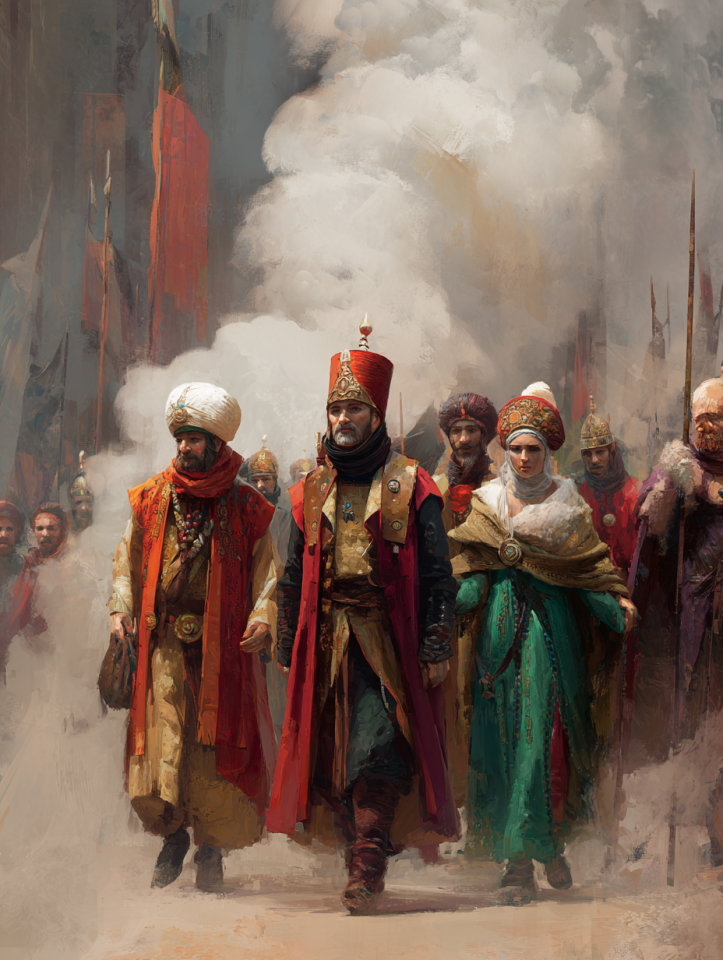
Governance in Suvarnabhumi was decentralized, resting in councils of mariners, monks, and merchants. Chiefs held sway in ports, but their authority was tempered by navigational guilds and monastic orders that emphasized shared responsibility.
The Accord elevated these guilds into Global Institutions, ensuring that preservation at sea was as valued as preservation on land. Their philosophy emphasized impermanence and connection: the belief that all things change, but through networks and cooperation, memory can endure. For them, the sea itself was a metaphor for preservation — vast, shifting, yet always returning.
Contributions to the Accord
Suvarnabhumi enriched the cooperative world with its maritime genius:
Navigation: Stellar cartography, wave-piloting, and monsoon mapping.
Trade Networks: The creation of vast exchange routes linking continents.
Astronomical Calendars: Systems combining astronomy, agriculture, and ritual.
Cultural Syncretism: Blending Indian, Chinese, Polynesian, and local traditions into new forms of art, religion, and philosophy.
Cultural Identity
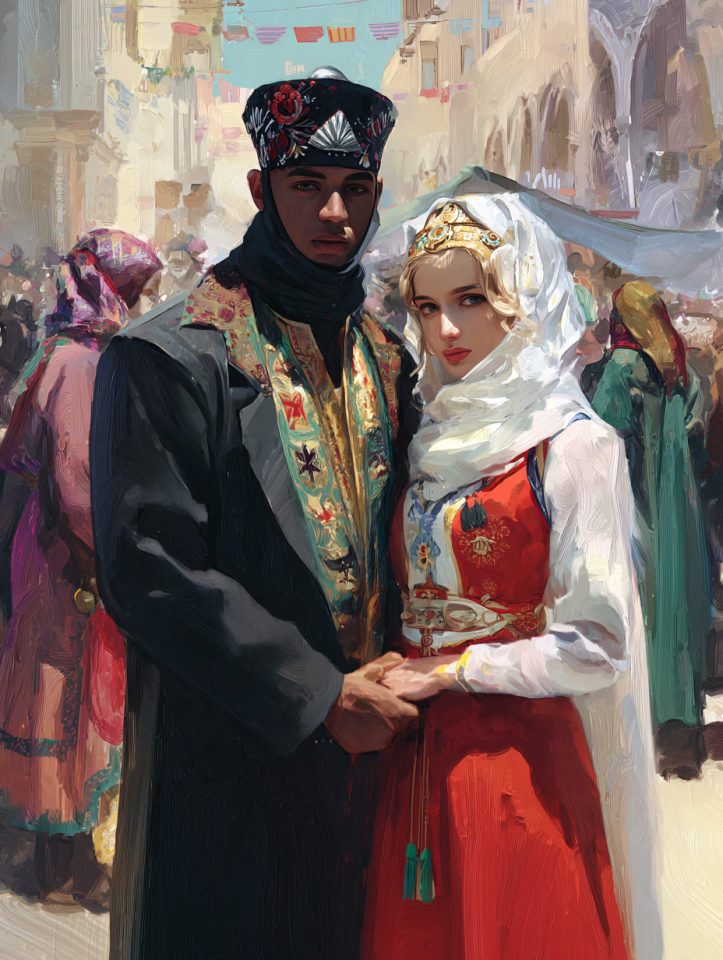
Suvarnabhumi’s culture celebrated the journey. Music and dance imitated the rhythm of waves, while epics honored both voyagers and the spirits of sea and sky. Temples blended Hindu, Buddhist, and indigenous iconography, reflecting their openness to influence and exchange.
In the Accord, Suvarnabhumi became a symbol of connection. Their star maps, chants, and chants became part of the global lexicon of preservation, reminding all that knowledge is not only written but also sung, danced, and sailed. Their lotus-and-wave motifs spread across Koina as emblems of continuity and flow.
Capital City
Ratnakara (Ayutthaya) — 14.3532°N, 100.568°E — was chosen as Suvarnabhumi’s Accord seat. Its harbors welcomed ships from across oceans, while its monasteries became centers of transcription and teaching. The city embodied the Accord’s fusion of trade and preservation, standing as both market and monastery, dock and archive.
Its archives were unique: not only scrolls and manuscripts, but star maps carved into wood, chants preserved in musical notation, and oral histories transcribed by traveling poets. In Ratnakara, preservation flowed like water, adapting to every vessel.
Legacy & Global Role
Suvarnabhumi gave the Accord its seas. Their mastery of navigation ensured that no part of Koina would remain isolated, binding continents into one cooperative whole. They taught that preservation is not static but mobile, carried on ships and in stories, alive in every tide.
Their influence persists wherever the world values exchange, diversity, and flow. Even centuries later, their star maps guide voyages, their chants echo in monasteries, and their philosophy of impermanence reminds the Accord that preservation must move with the currents of time.
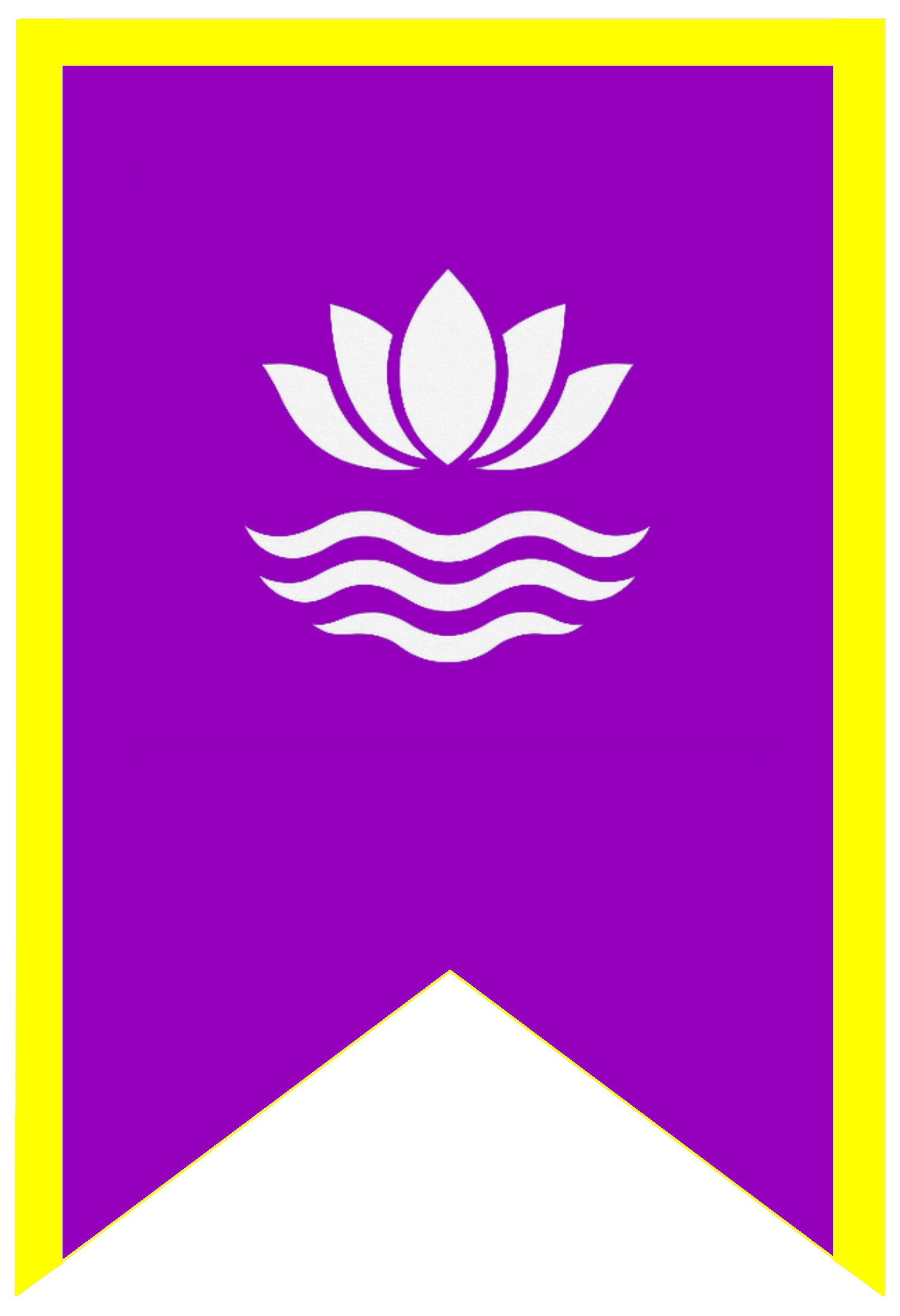
Indigo for sea/spice dye trade, gold for “Land of Gold,” lotus/wave as journey-preservation symbol.
Type
Geopolitical, Country
Capital
Leader
Leader Title
Related Ranks & Titles
Controlled Territories
Notable Members










Comments