Teotihuacan
Capital City of Anahuac
History
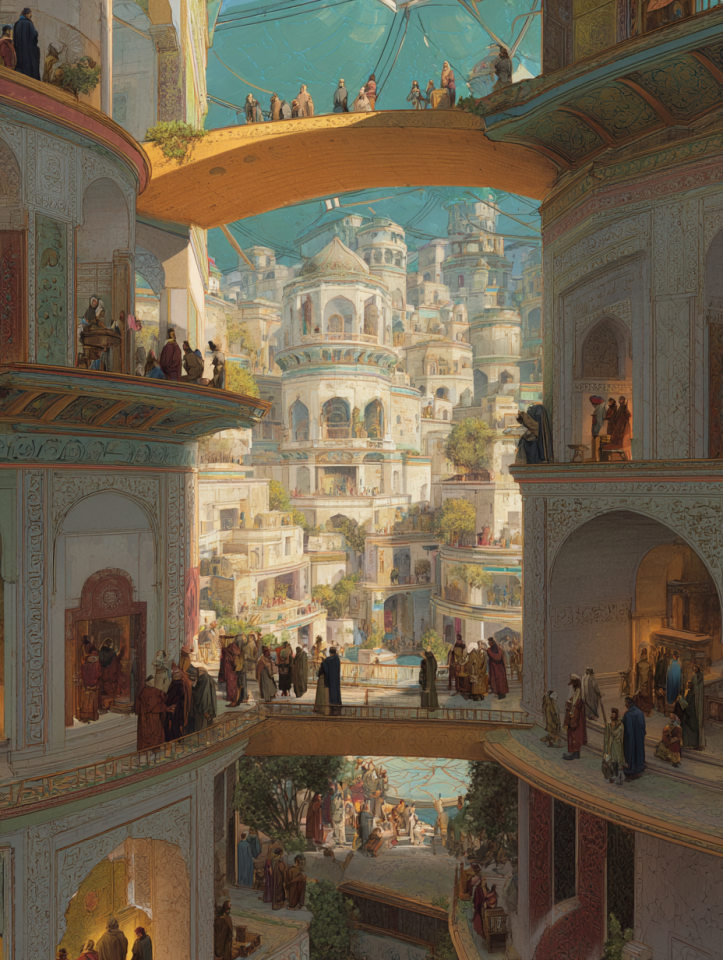
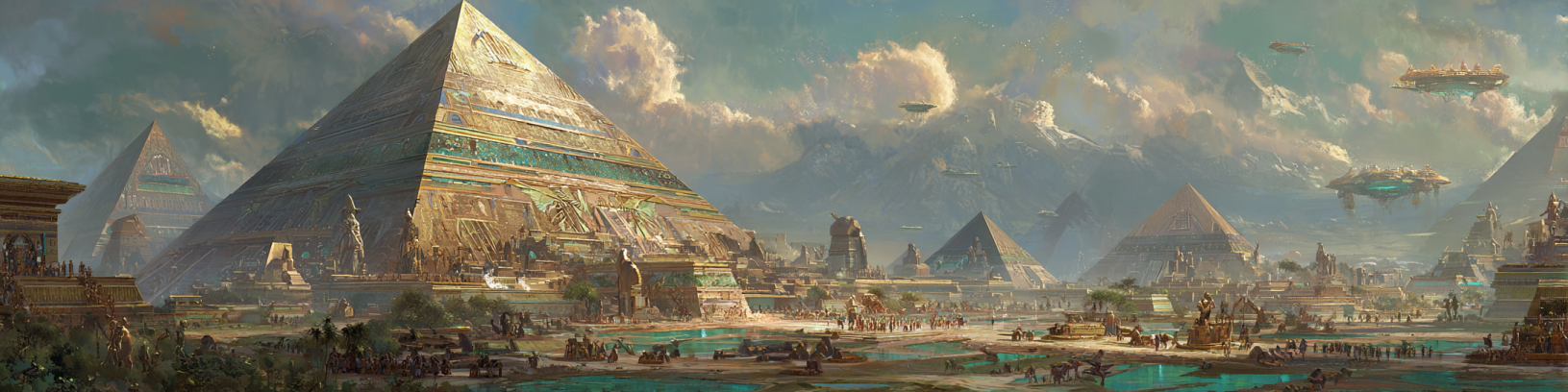
Founded in the Valley of Mexico, Teotihuacan grew into the largest city of Anahuac and one of the great metropolises of the ancient world. By the 6th century zc it was home to over a hundred thousand people, its grid of avenues, pyramids, and compounds embodying a civic cosmos.
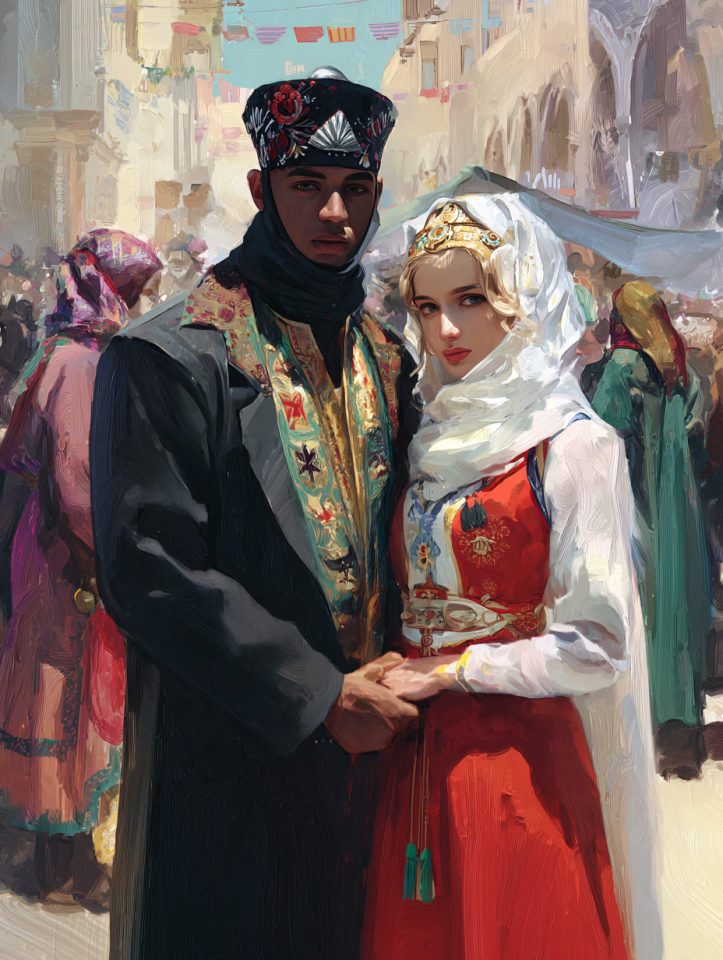
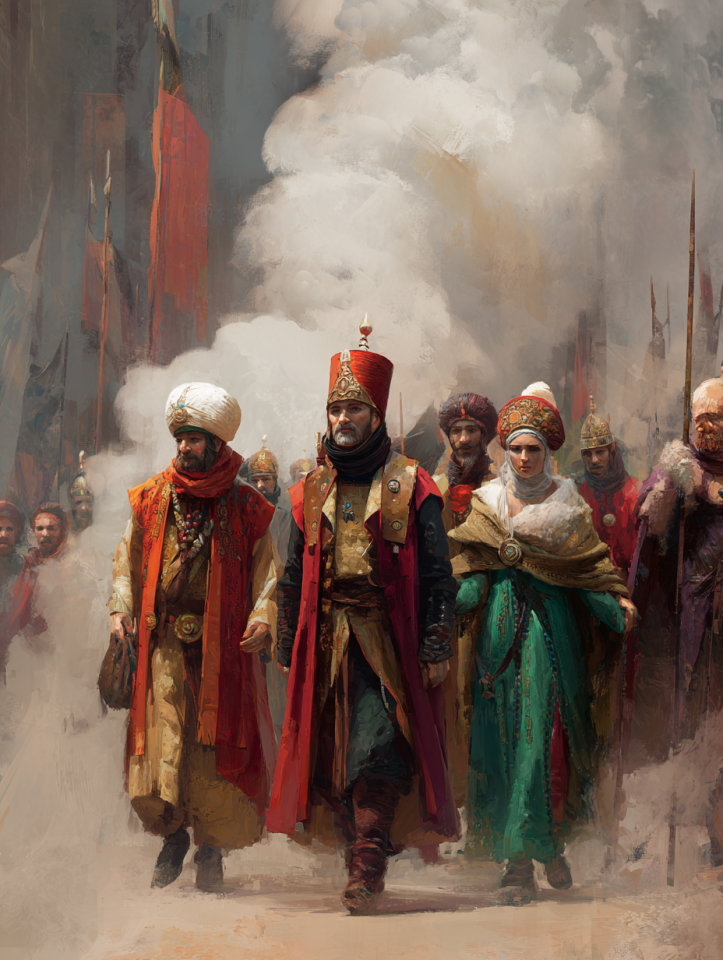
Unlike in other histories where its decline came suddenly, here Teotihuacan endured. Federative councils preserved its balance, preventing overreach or collapse. Guilds of farmers, artisans, and astronomers shared power with priestly orders, embedding continuity into the very stone of the city. Neighboring cultures visited not as subjects but as partners, contributing to its markets, festivals, and academies.
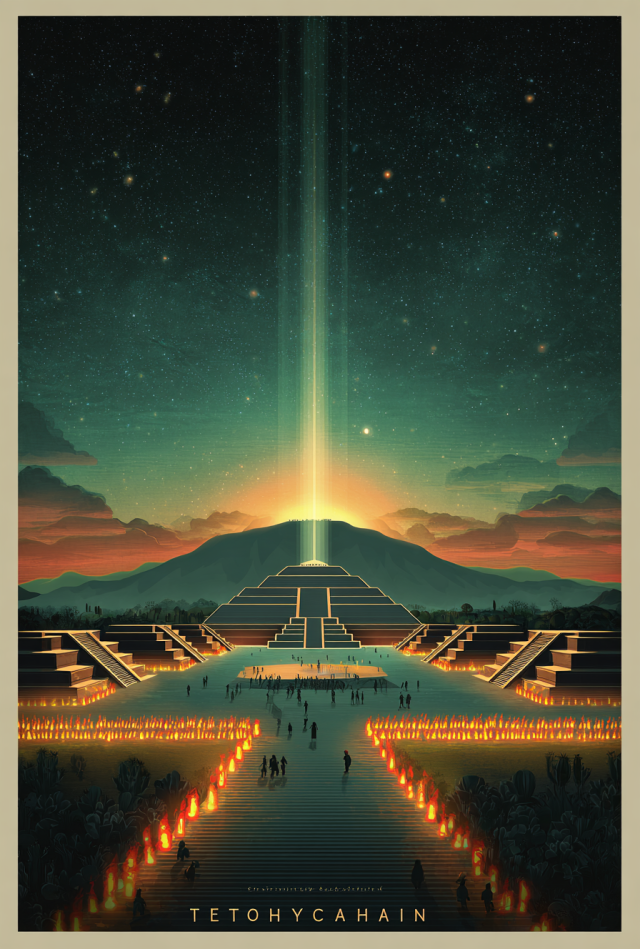
Through the medieval centuries, Teotihuacan remained the symbolic heart of Anahuac. Pilgrims journeyed to its pyramids, astronomers studied its alignments, and councils met in its plazas to deliberate. In modern times, it stands not as a ruin but as the capital of Anahuac, alive with ritual, debate, and trade, its pyramids still central to the rhythm of daily life.
Sights / Destinations
Religion / Cults / Sects
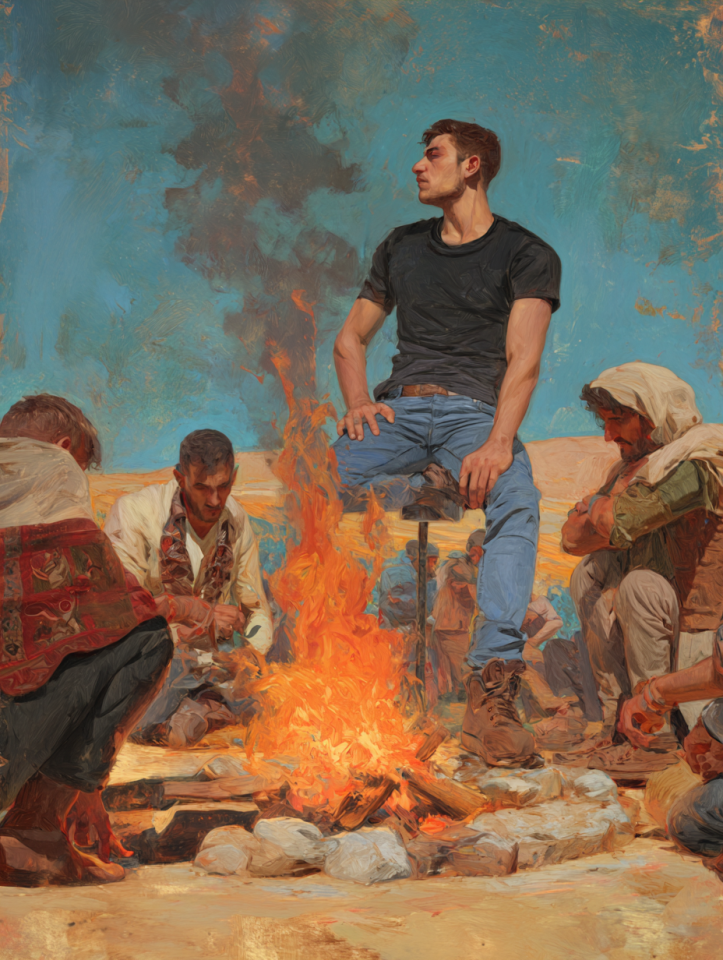
Teotihuacan sustains a pantheon woven from sun, moon, and elemental forces. The cult of the Feathered Serpent flourishes alongside devotion to the Sun and Moon, while rain and fertility deities remain central to agricultural life. Ancestral veneration is practiced in household compounds, tying family to cosmos. In later centuries, Buddhist and Stoic schools entered through trade routes, their philosophies joining civic academies without displacing older rites. The city’s faith is cosmic and plural, a mirror of its architecture.
Founding Date
180 bz
Alternative Name(s)
City of the Gods, Tollan Teotihuacan
Type
Capital
Owning Organization
Characters in Location




Comments