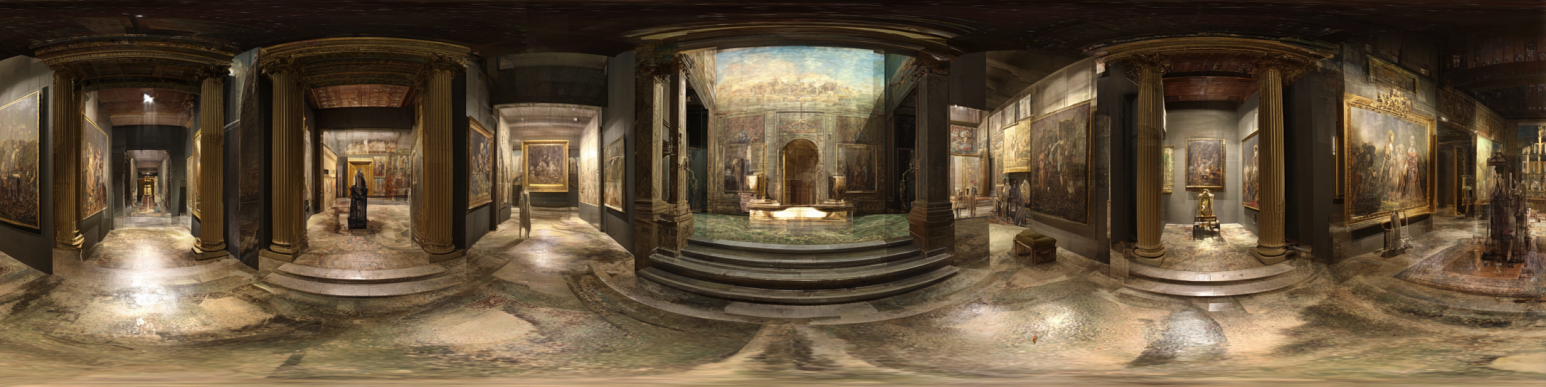
Virtual Art Gallery of Koina
Koina Museum of Art
Welcome, traveler. Step into a house of color and memory where many hands meet. The works gathered here come from far coasts and high plateaus, river valleys and caravan routes; each carries the touch of its makers, and each listens to its neighbors. This gallery lives on dialogue: artists, guilds, and everyday citizens shaping beauty together.
Across these rooms you’ll find painting and sculpture, mosaics and textiles, calligraphy and reliefs-then, in later halls, the soft glow of resonance and the play of projected light. Some pieces hold a single moment; others breathe and respond as you pass. Walk slowly. Let pattern, story, and craft speak in their own voices.
Begin with ancestral works that keep lineages alive. Continue into centuries of shared experiment-mandalas unfolding across public squares, scripts flowing like rivers, star-woven cloth mapping seasons and journeys. In the most recent wing, memory itself becomes a medium: portraits gathered into spirals, poems moving across walls, quilts stitched from constellations and family names.
This is a gallery for everyone. Read, listen, add your thread when invited. The Net of Voices preserves what we make together; the pieces here are chapters in that ongoing book. May something here greet you like an old friend-and may something new ask you to linger a moment longer.
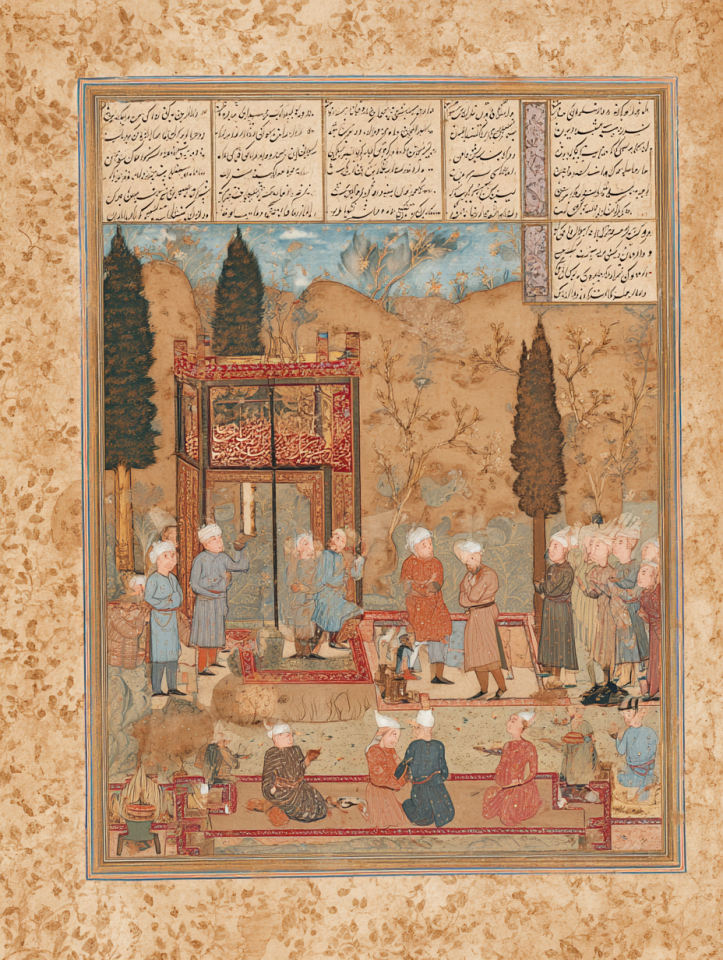
The first halls of the gallery preserve the oldest traditions: manuscripts illuminated with vivid pigments, frescoes of ships and dolphins, temple walls alive with gods and fields, stone mandalas carved for both devotion and civic pride. In these works we glimpse the roots of Koina art - cultures expressing themselves side by side, each speaking in its own language of pigment, stone, and weave. These foundations endure not as relics, but as living traditions carried forward into later centuries.
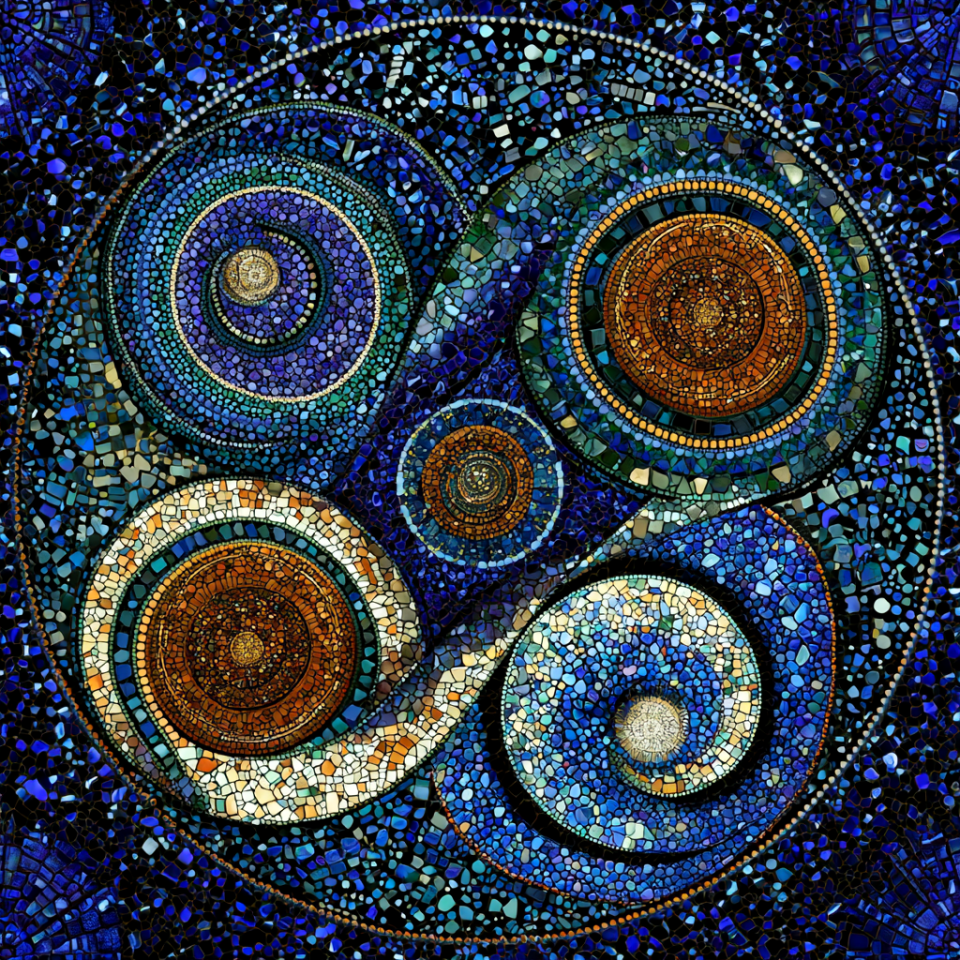
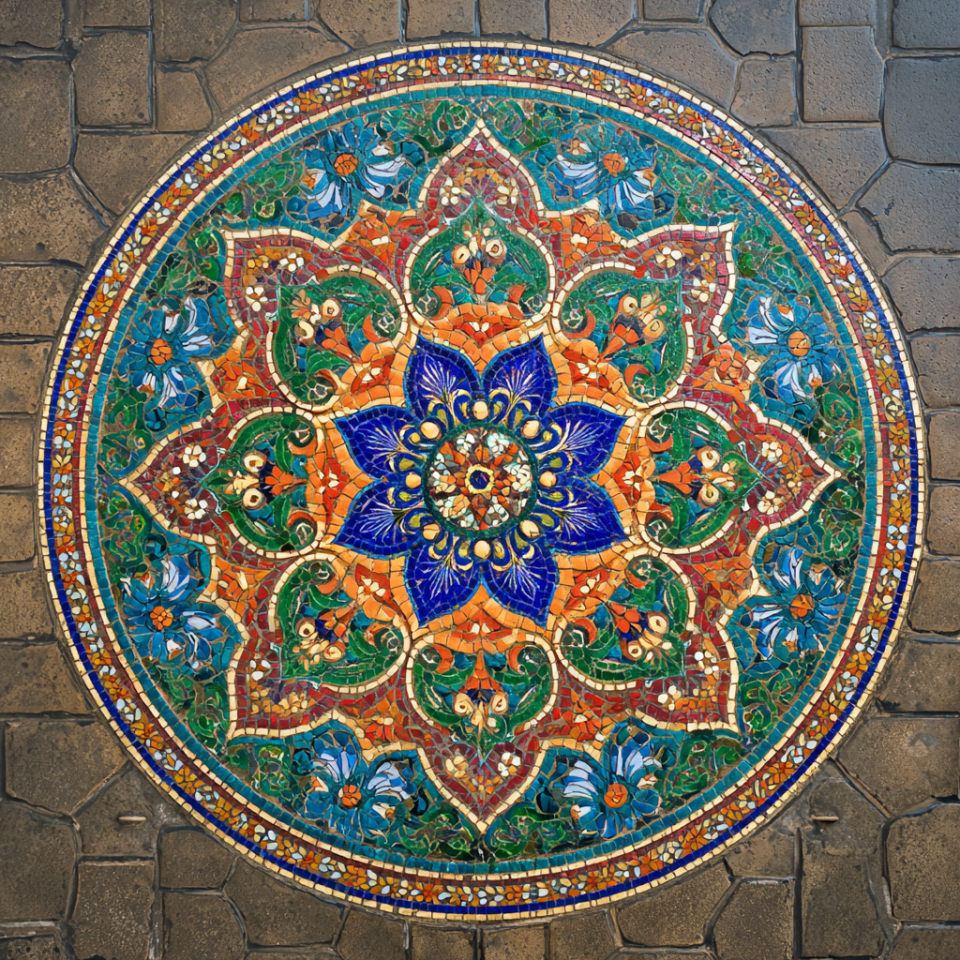
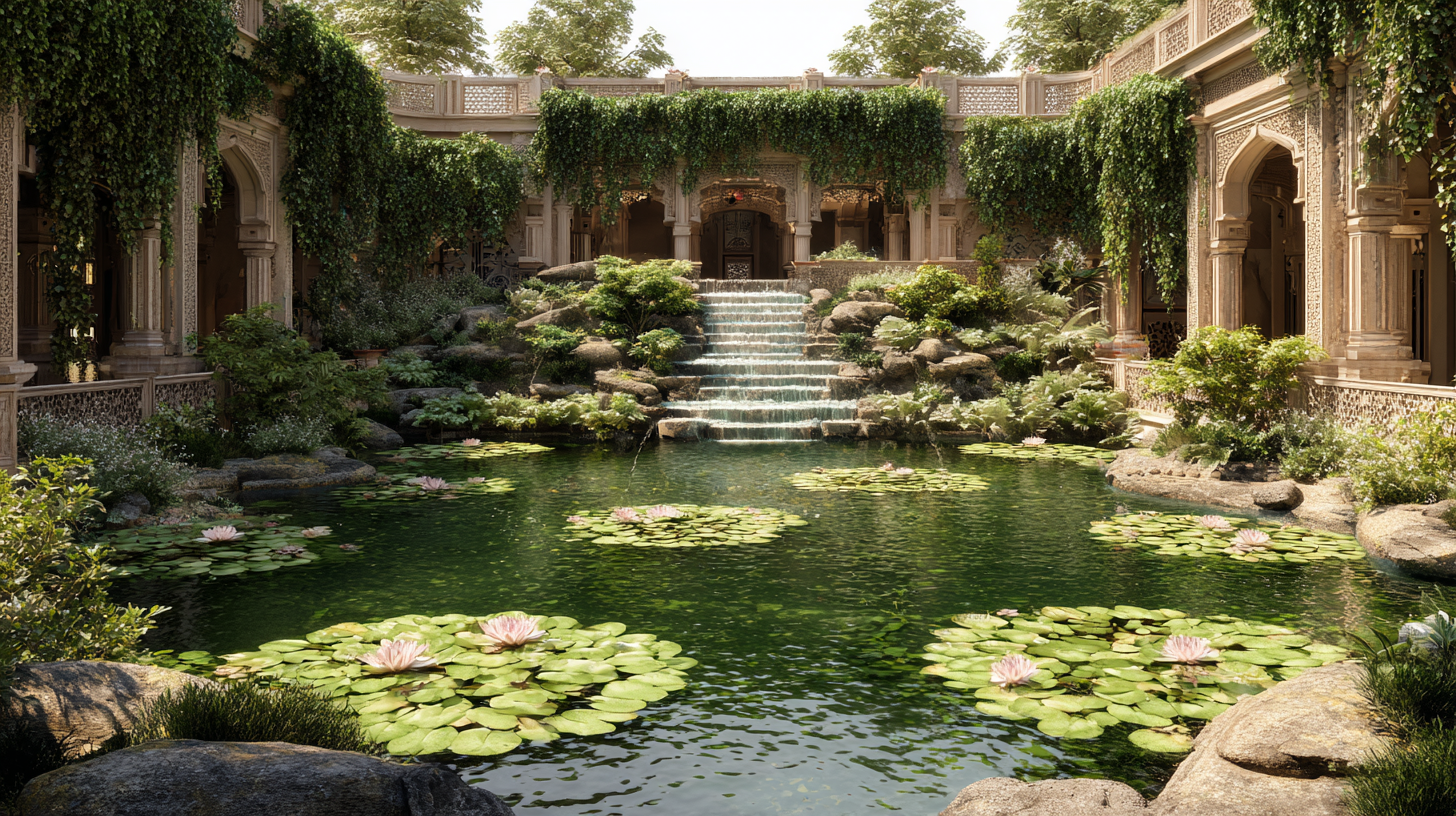
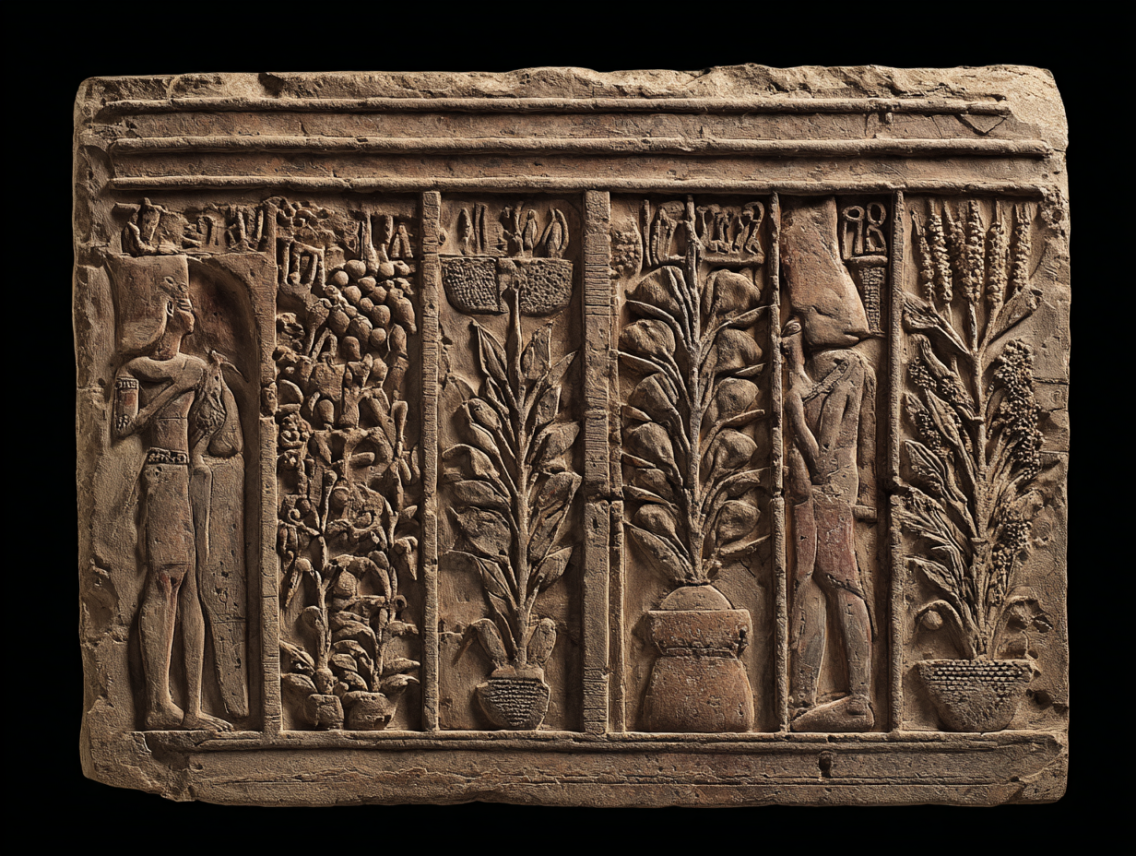
As federations matured, exchange between peoples gave rise to new harmonies in art. Geometry blossomed into spirals and tessellations across plazas; gardens became living canvases shaped by philosophy; tools and instruments were adorned with motifs as beautiful as they were useful. Cultural traditions flourished in dialogue, weaving astronomy into frescoes, mandalas into mosaics, and resonance into script. This era feels like a flowering - familiar voices meeting and mingling, creating the first truly cooperative styles.
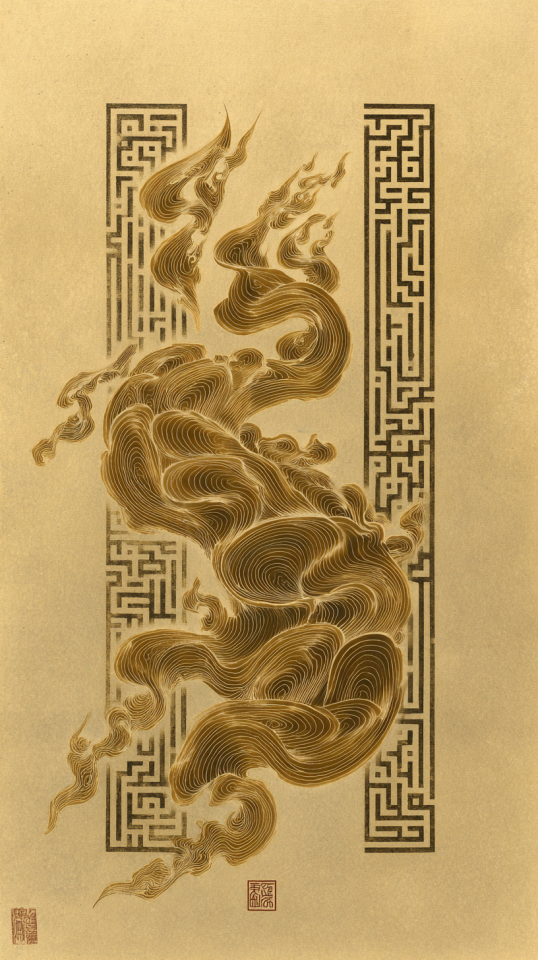
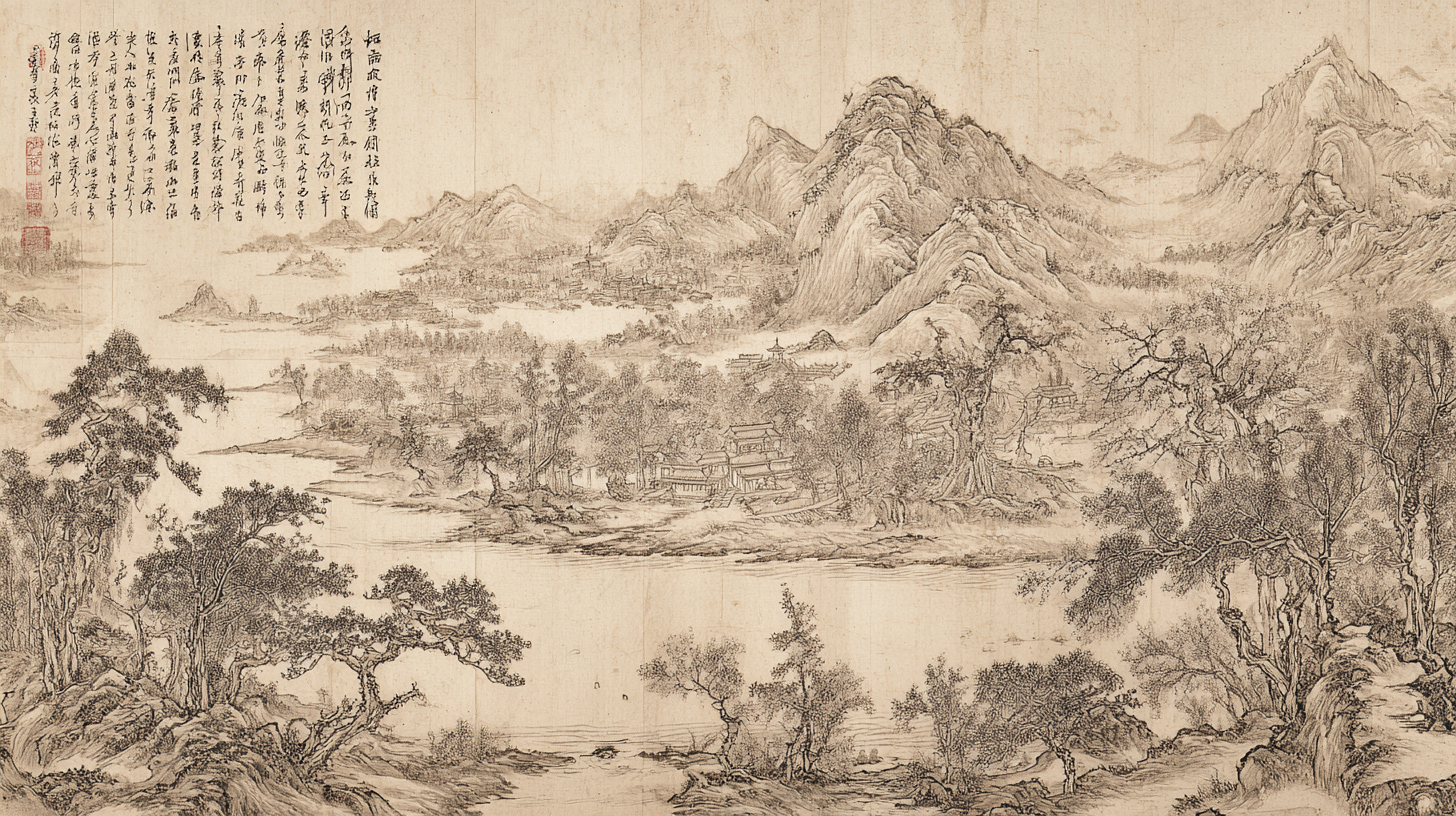
The discovery of resonance transformed imagination. In this age, art vibrated with unseen energies: mosaics became harmonic, calligraphy flowed like sound given shape, and even myths were reduced to bold geometric essence. It was a time of daring abstraction and deep symbolism, where philosophy, mathematics, and craft fused into forms never seen before. Each tradition absorbed resonance in its own way, producing a kaleidoscope of styles that still shimmer with intensity.
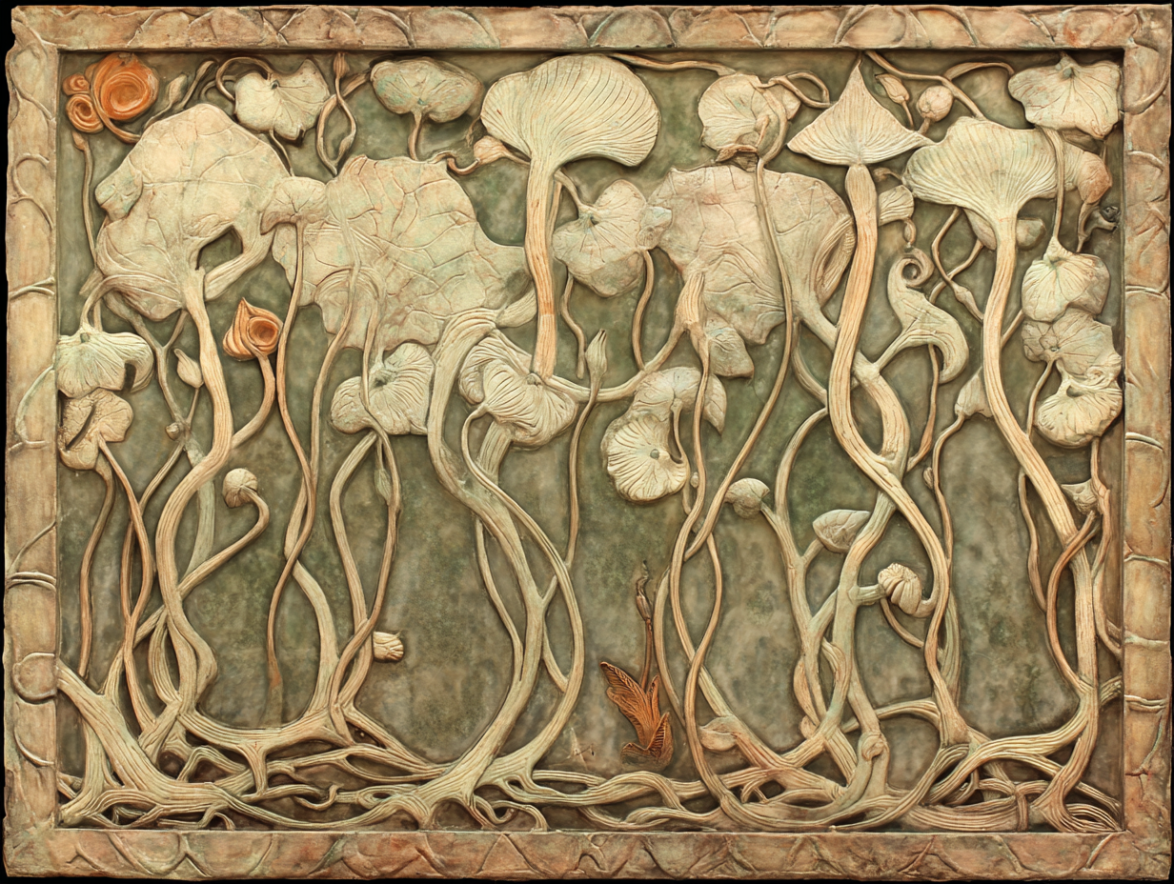
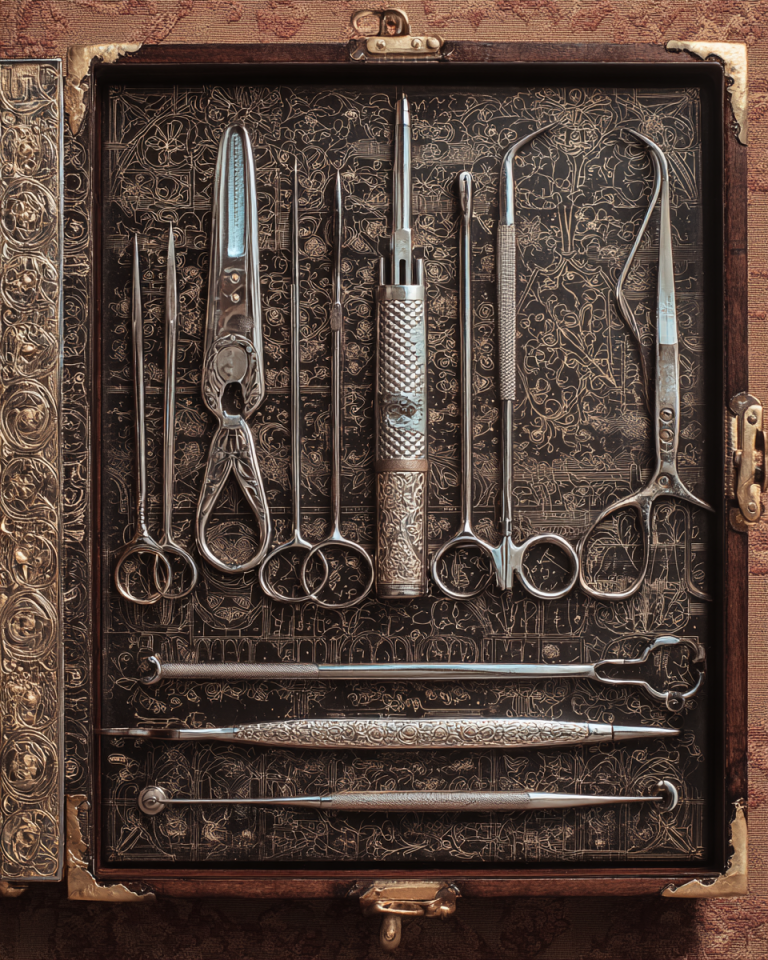
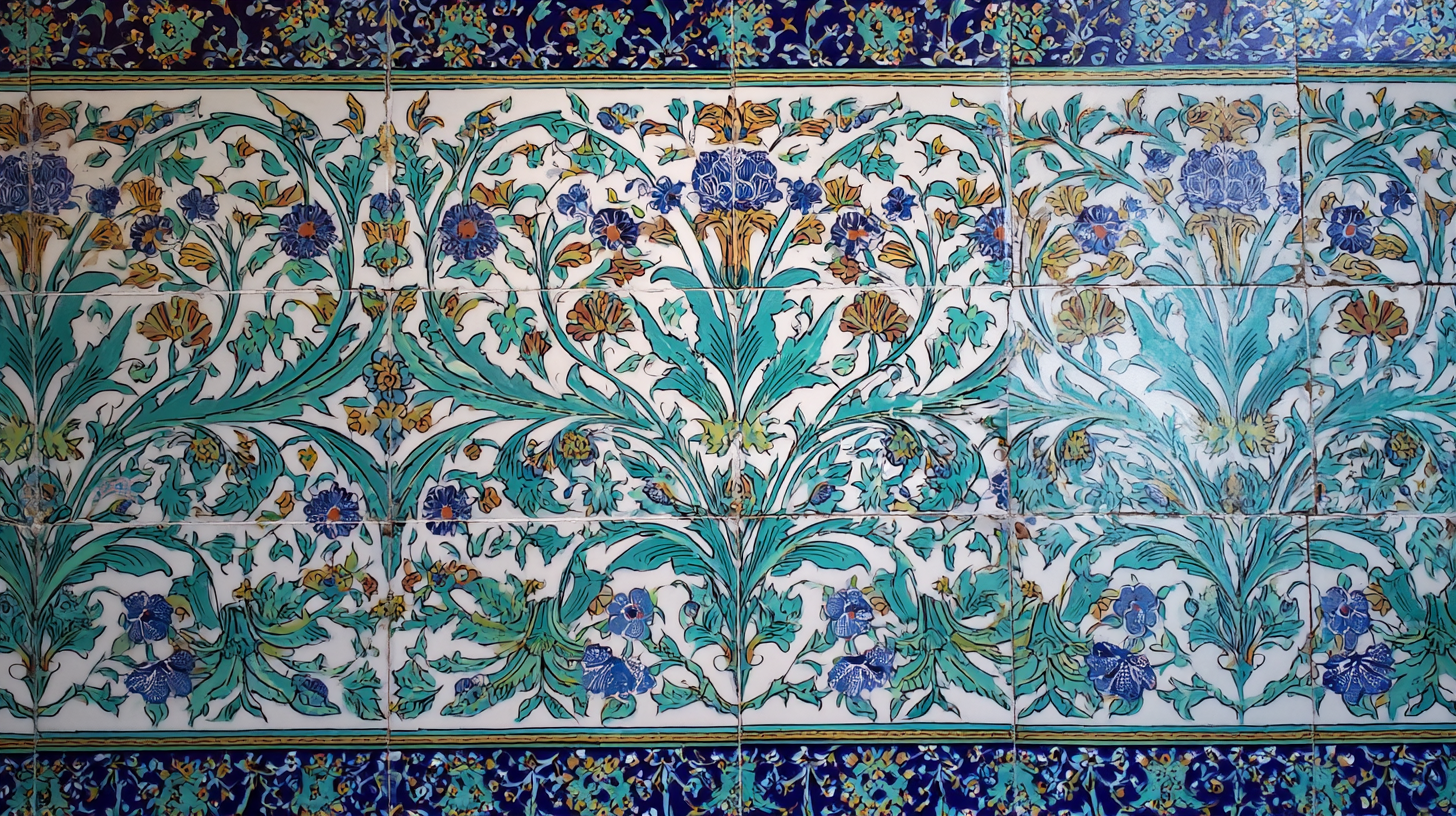
Here the gallery breathes with life. Vines curl across ceramic walls, mandalas glow in temple ceilings, and textiles map the heavens in luminous threads. This was the era when ecology itself became an artistic medium - gardens, water, and light joined pigment and stone. Guilds competed to make every tool a work of beauty, while artisans illuminated plazas and harbors with designs that honored both nature and community. It is an era of flourishing integration, where art and environment are one.
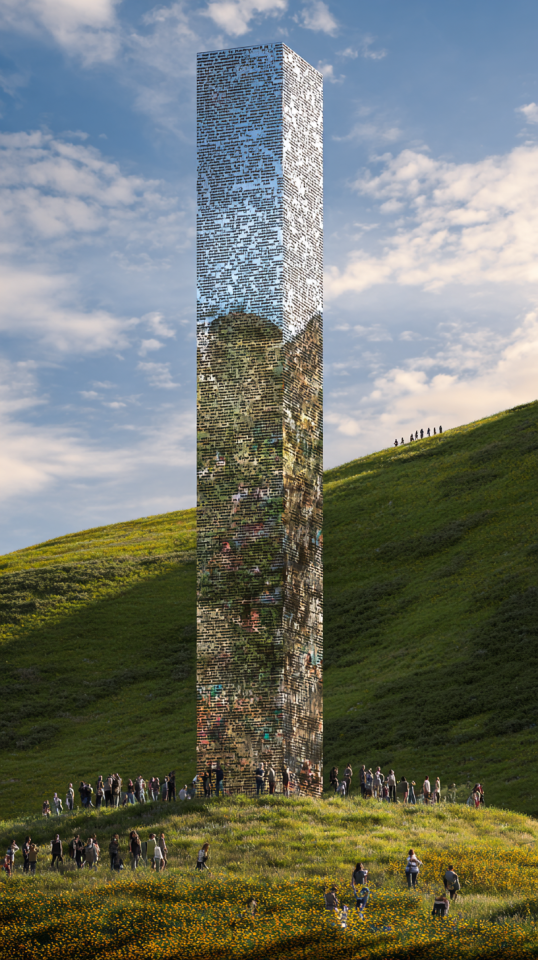
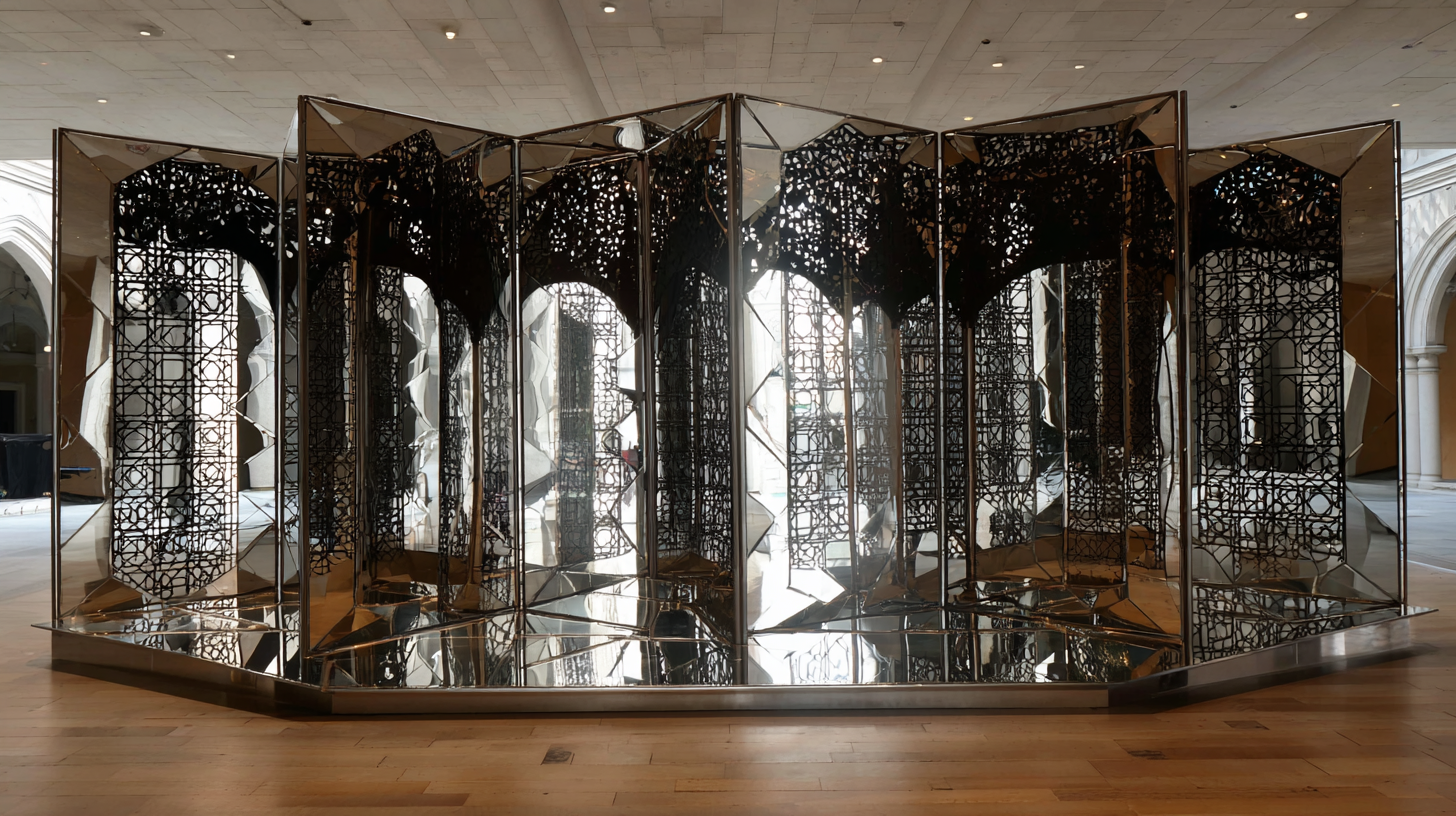
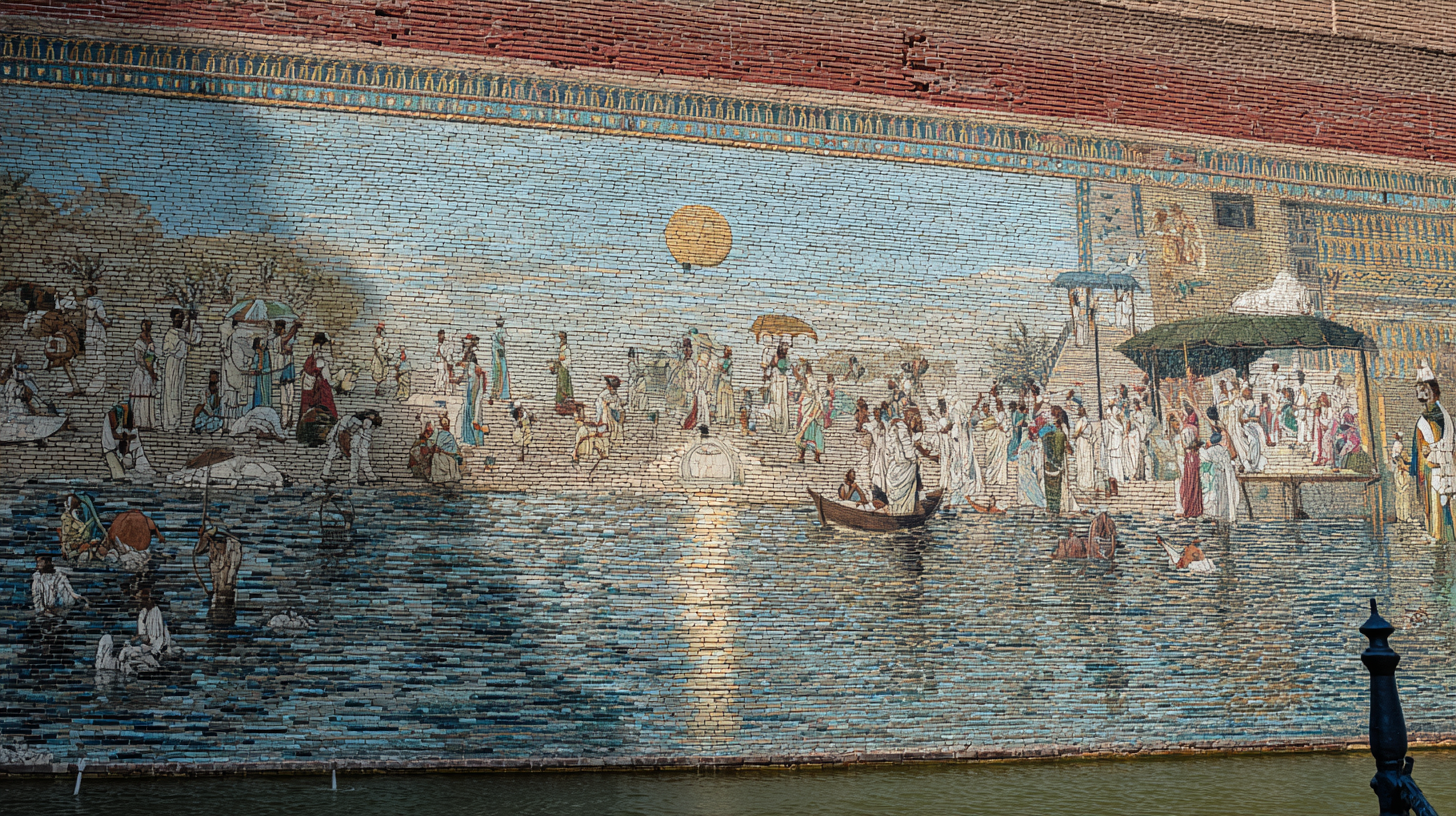
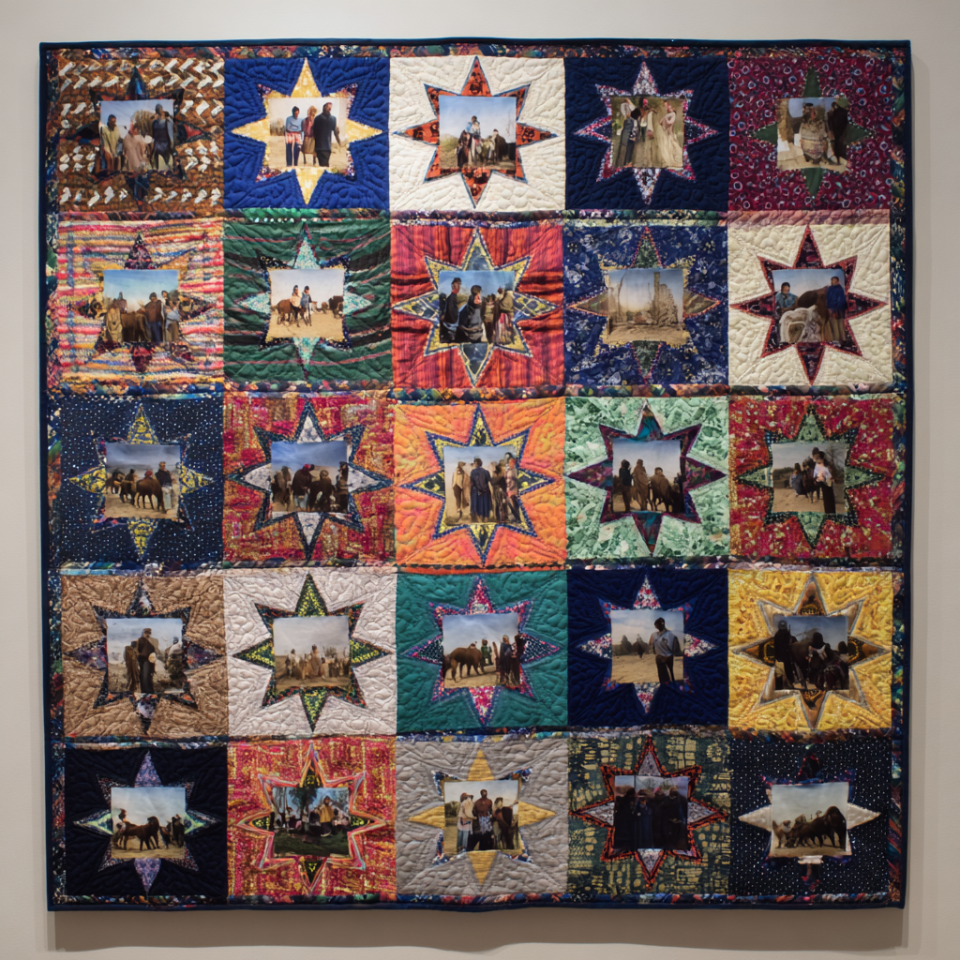
The final halls invite you into art that listens and remembers. Mosaics spiral from thousands of citizen portraits, frescoes incorporate photographs, mandalas bloom in digital light, and quilts stitch constellations from family stories. Here, art becomes participatory, archival, and alive with resonance. Every citizen is both artist and subject, weaving their memory into the shared record. This is the era of collective imagination - the culmination of centuries of creation preserved in common.
Early Federative Era (0 – 500 zc)
Click to see some of the Exhibits
Anjuman-i-Bāgh
by
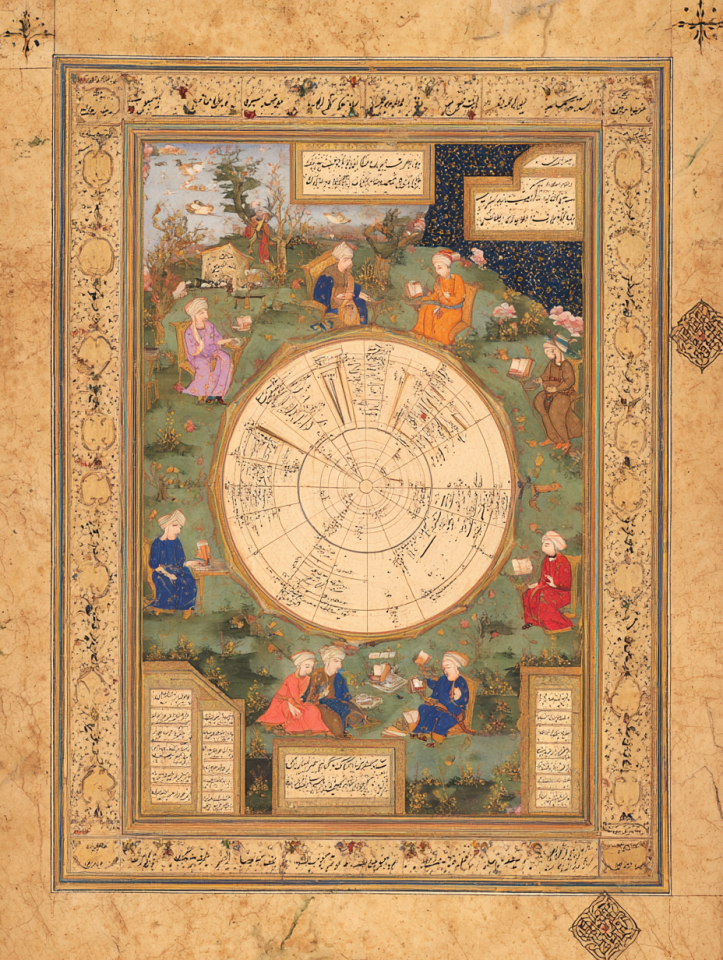
Atrastana of Susa (325–262 zc)
The Garden Assembly
c. 280 zc
Medium:Ink, gold, and pigment on parchment
An illuminated scene of scholars in debate within a garden pavilion, jewel-like in color and detail, establishing the Persic miniature tradition.
c. 280 zc
Medium:Ink, gold, and pigment on parchment
An illuminated scene of scholars in debate within a garden pavilion, jewel-like in color and detail, establishing the Persic miniature tradition.
Κόσμος ἐν Λίθῳ
by
Callista of Ephesos (300–235 zc)
The Cosmos in Stone
c. 260 zc
Medium:Mosaic in marble and glass tesserae
Geometric spirals woven with animal motifs, representing cosmic order through symbolic geometry.
c. 260 zc
Medium:Mosaic in marble and glass tesserae
Geometric spirals woven with animal motifs, representing cosmic order through symbolic geometry.
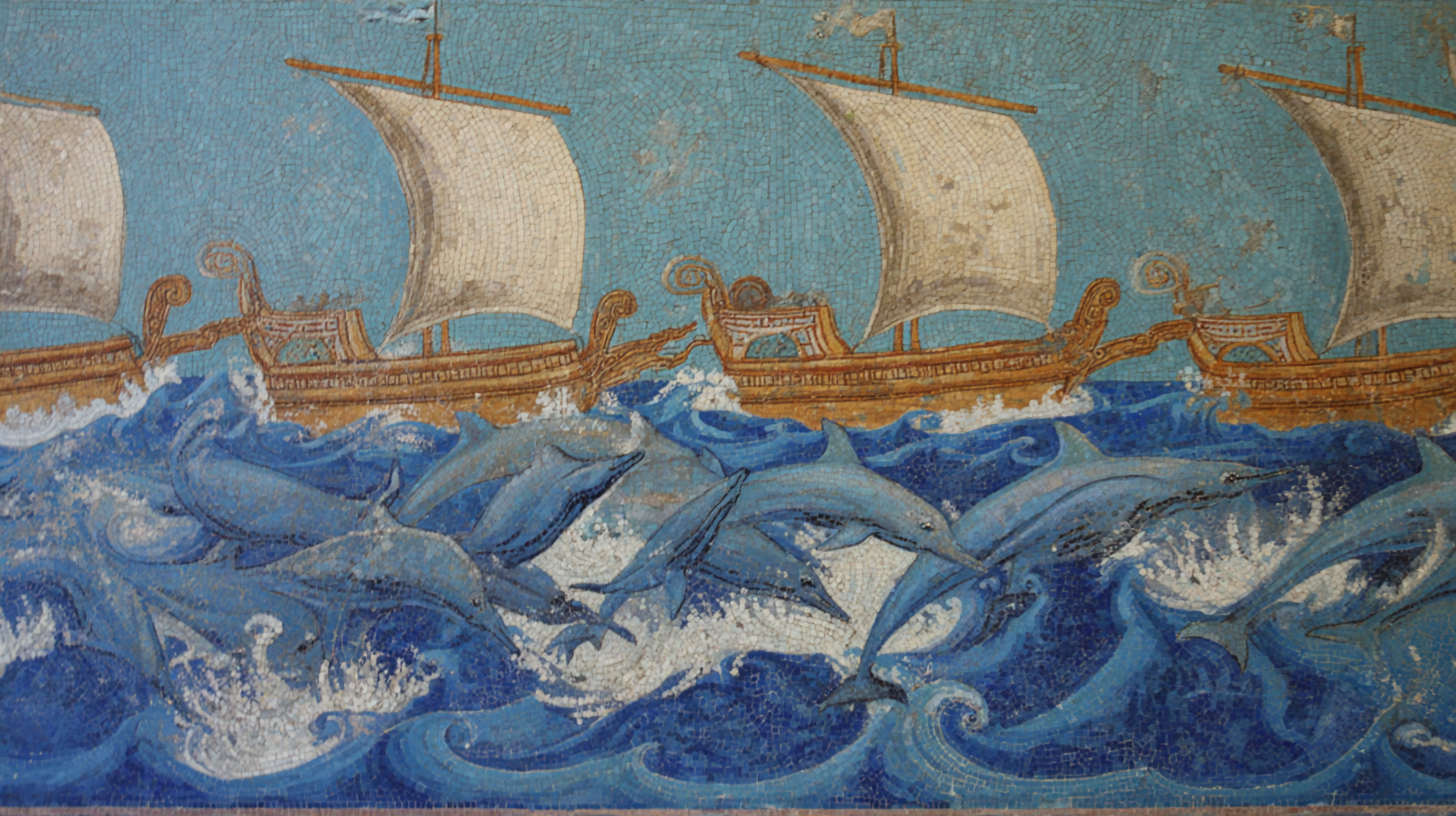
Θαλάσσια Ἑορτή
by
Demetrios Thalassikos (290–225 zc)
Festival of the Sea
c. 260 zc
Medium:Fresco, pigment on plaster
Depicting dolphins and merchant ships, this mural blends myth and daily seafaring life in vibrant maritime color.
c. 260 zc
Medium:Fresco, pigment on plaster
Depicting dolphins and merchant ships, this mural blends myth and daily seafaring life in vibrant maritime color.
ḥtp n’ iteru
by
Henutet of Thebes (280–210 zc)
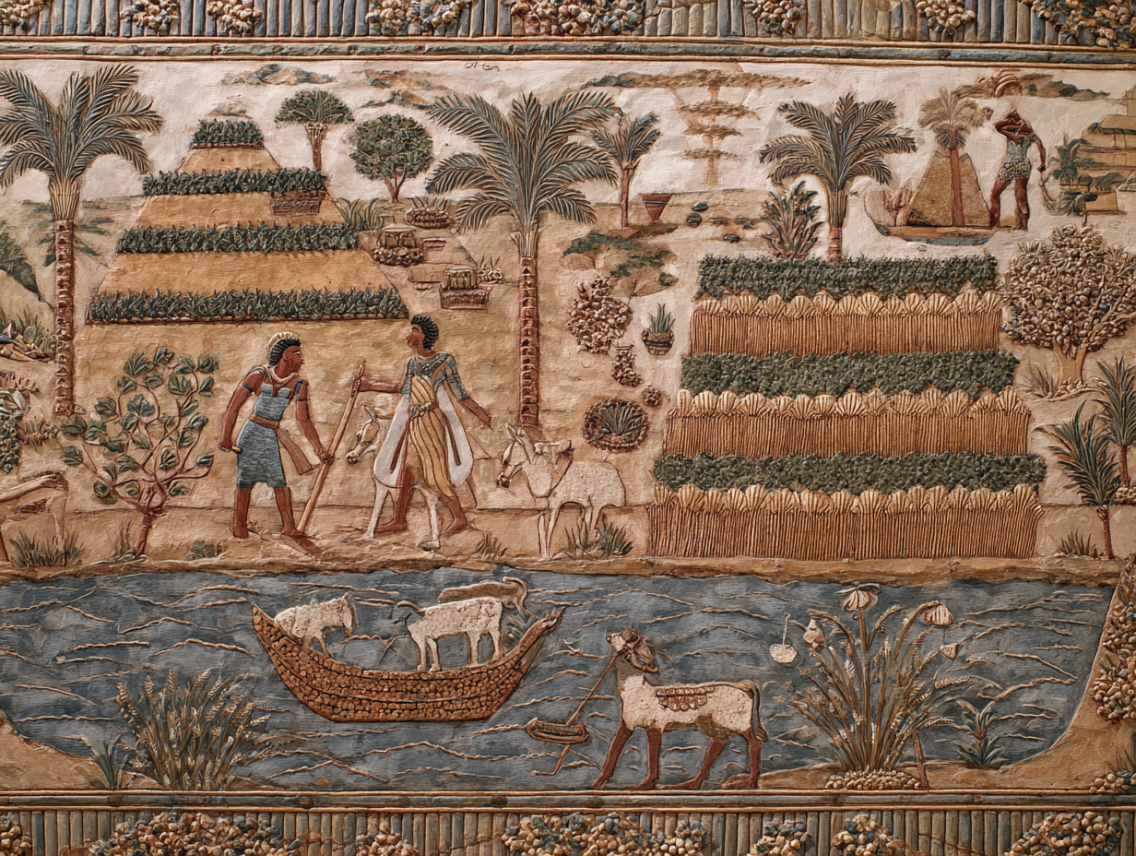
Offering of the River
c. 250 zc
Medium:Painted wall relief, limestone with pigments
A mural illustrating harvest scenes along the Nile, combining practical irrigation with fertility symbolism.
c. 250 zc
Medium:Painted wall relief, limestone with pigments
A mural illustrating harvest scenes along the Nile, combining practical irrigation with fertility symbolism.
Paqariq T’ikariynin
by
Ix’Chimal of Copán (220–155 zc)
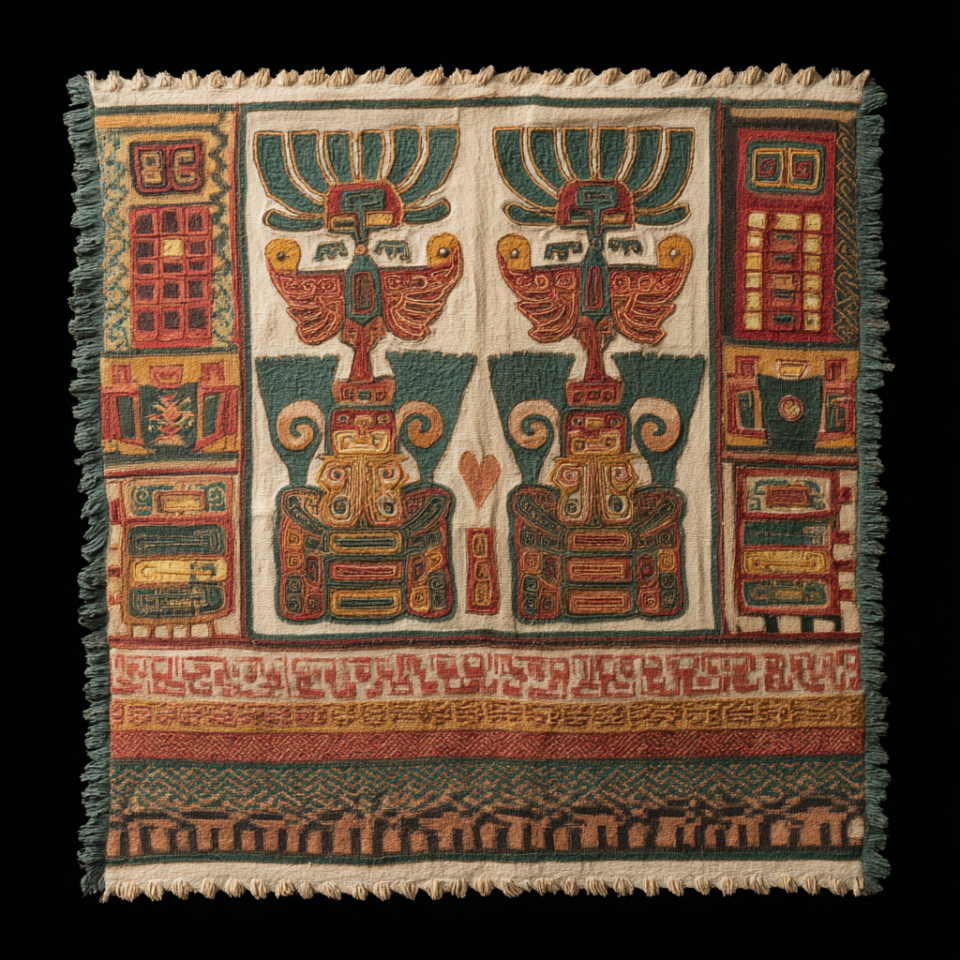
Dawn’s Twin Blossoming
c. 190 zc
Medium:Textile, dyed cotton and camelid fiber
A ritual cloth depicting maize glyphs and astral symbols, woven for ceremonial use. Its mirrored design represents duality and cosmic balance.
c. 190 zc
Medium:Textile, dyed cotton and camelid fiber
A ritual cloth depicting maize glyphs and astral symbols, woven for ceremonial use. Its mirrored design represents duality and cosmic balance.
Κάθισμα Νεανίας
by
Kallistratos of Rhodes (280–215 zc)
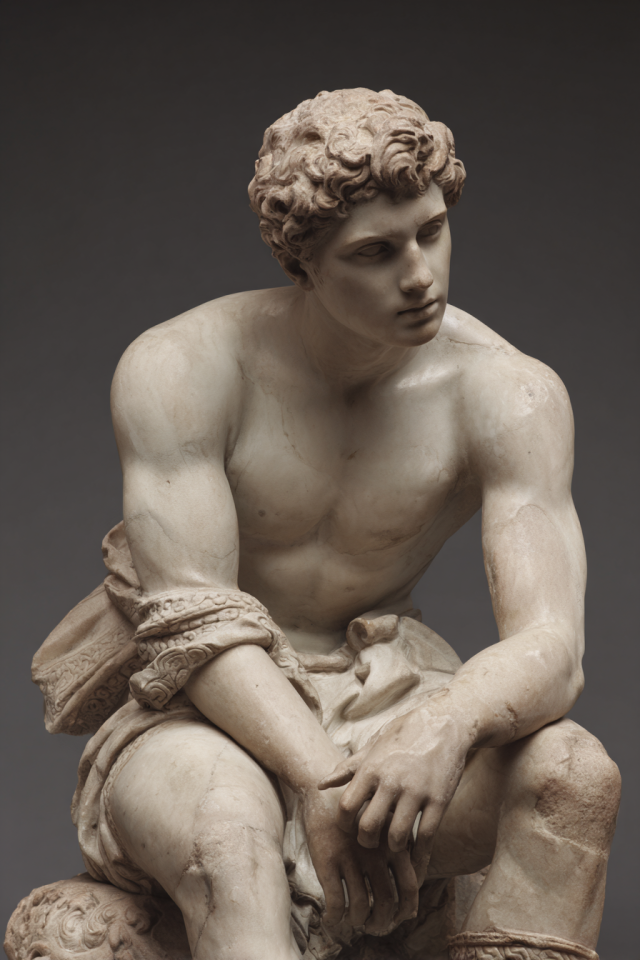
The Seated Youth
c. 250 zc
Medium:Marble sculpture
This harmonious statue of a seated youth reflects calm idealism, blending Hellenic proportion with a contemplative expression that reflects civic unity.
c. 250 zc
Medium:Marble sculpture
This harmonious statue of a seated youth reflects calm idealism, blending Hellenic proportion with a contemplative expression that reflects civic unity.
ḥtp n ḥr seshen
by
Neferhotep of Memphis (310–245 zc)
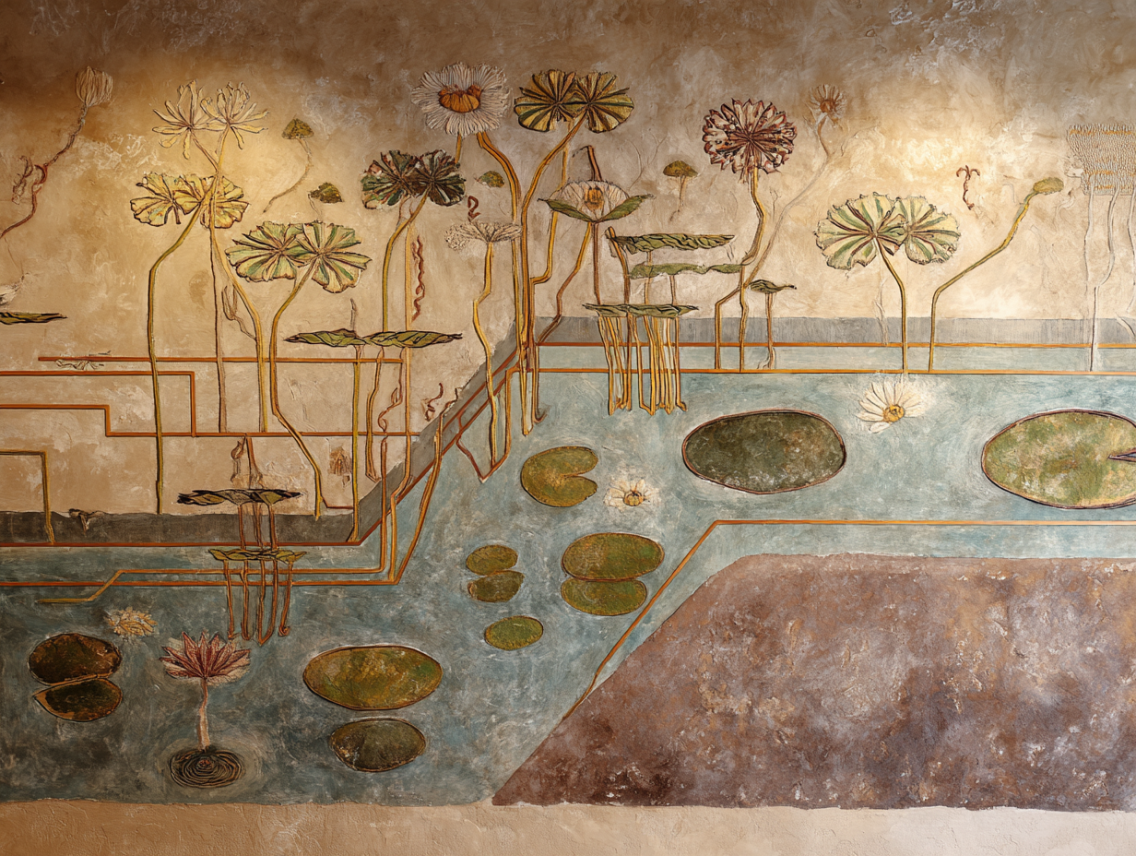
Offering of the Lotus
c. 270 zc
Medium:Painted wall relief, limestone with pigments
Depicting lotus and papyrus flanking irrigation canals, this relief merges agricultural life with divine symbols, one of the earliest proto-ecological motifs.
c. 270 zc
Medium:Painted wall relief, limestone with pigments
Depicting lotus and papyrus flanking irrigation canals, this relief merges agricultural life with divine symbols, one of the earliest proto-ecological motifs.
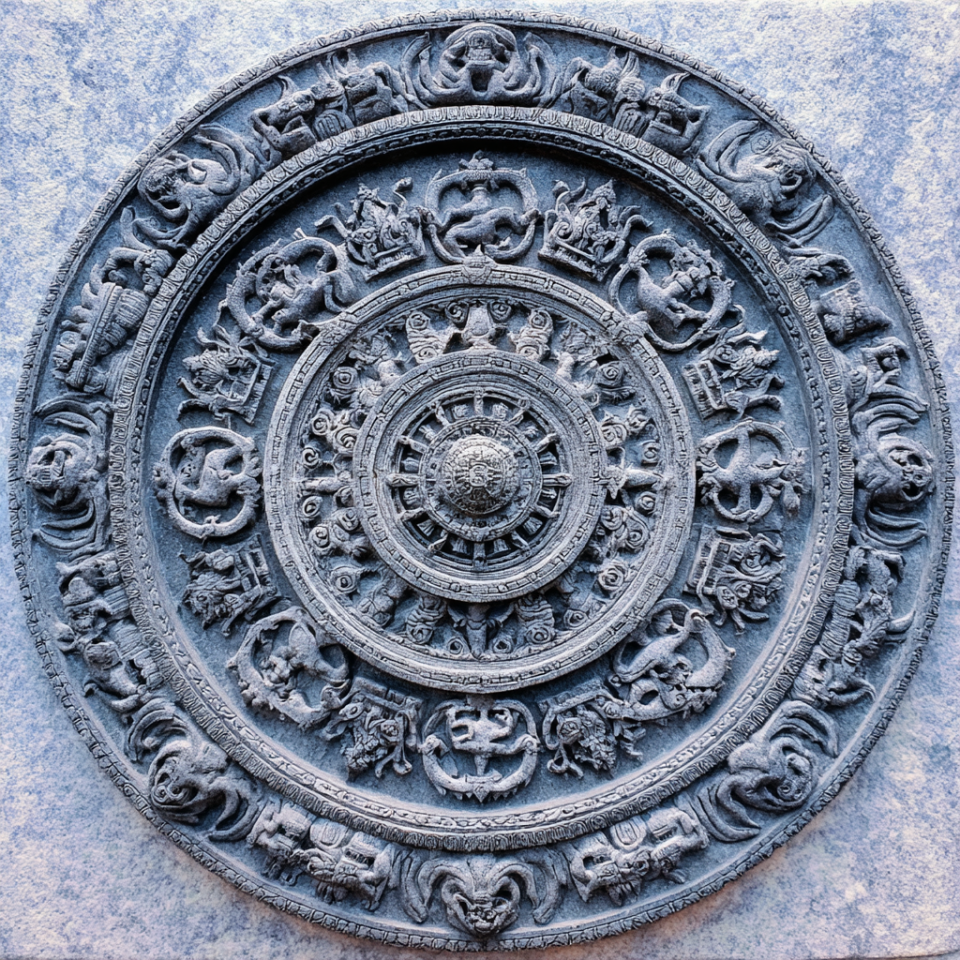
सूर्य-मण्डल
by
Samudra of Nalanda (260–190 zc)
Circle of the Sun
c. 230 zc
Medium:Carved sandstone relief
A circular mandala carved for a civic shrine, its interlocking patterns symbolize rebirth and communal order.
c. 230 zc
Medium:Carved sandstone relief
A circular mandala carved for a civic shrine, its interlocking patterns symbolize rebirth and communal order.
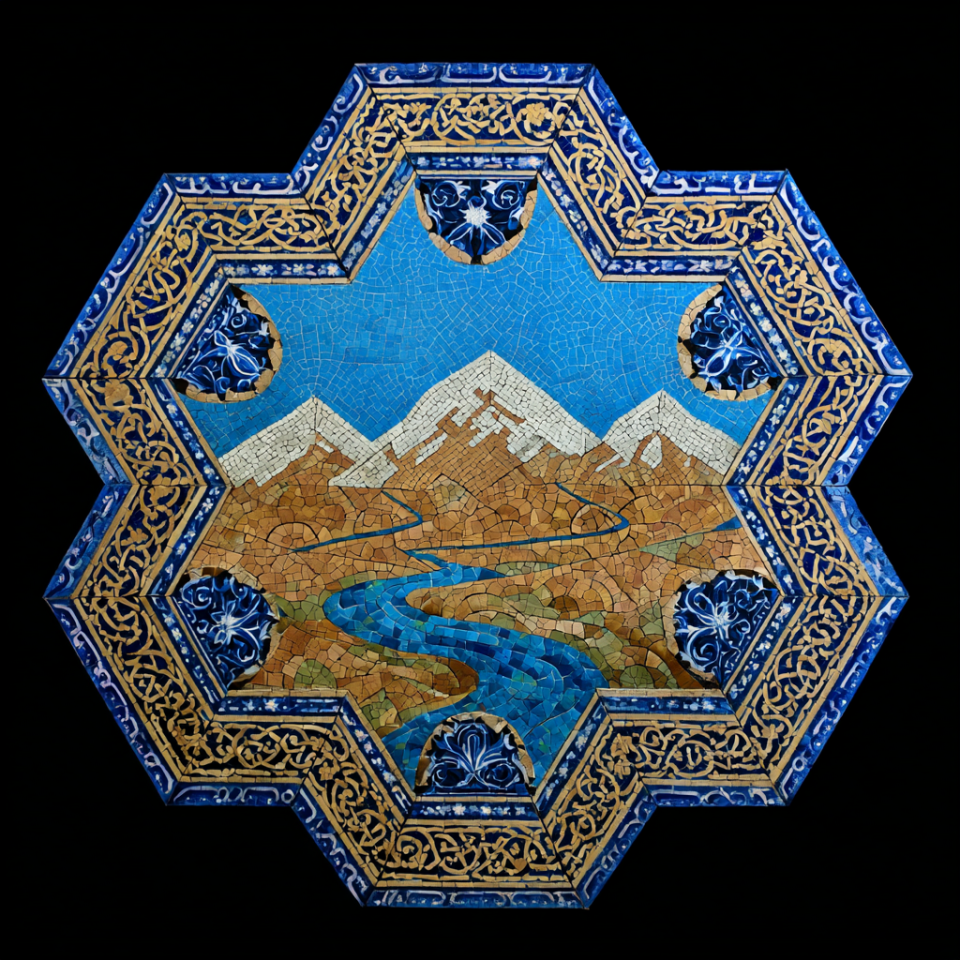
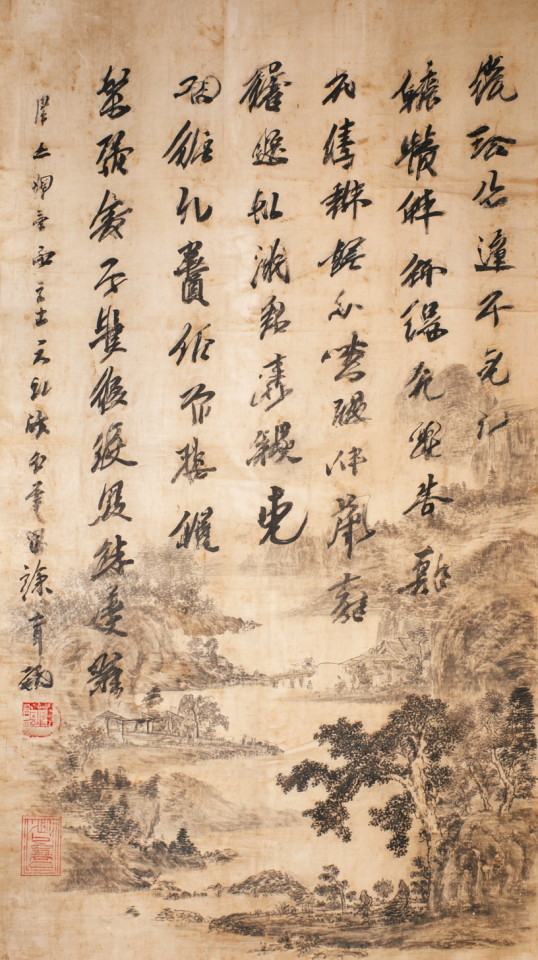
四時流韻
by
Zhao Yunmei (240–170 zc)
Flowing Harmonies of the Four Seasons
c. 210 zc
Medium:Ink on silk
Calligraphy of seasonal poems flowing into mountain landscapes. Her brushwork captures rhythm and nature in seamless union.
c. 210 zc
Medium:Ink on silk
Calligraphy of seasonal poems flowing into mountain landscapes. Her brushwork captures rhythm and nature in seamless union.
The first halls of the gallery preserve the oldest traditions: manuscripts illuminated with vivid pigments, frescoes of ships and dolphins, temple walls alive with gods and fields, stone mandalas carved for both devotion and civic pride. In these works we glimpse the roots of Koina art - cultures expressing themselves side by side, each speaking in its own language of pigment, stone, and weave. These foundations endure not as relics, but as living traditions carried forward into later centuries.
| Style | Style Description | Primary Mediums |
| Persic Miniatures | Delicate manuscript art depicting rulers, scholars, and gardens with vivid mineral pigments. | relief carvings, manuscripts |
| Symbolic Geometry | Early use of repeating geometric motifs to symbolize balance in nature and philosophy. | mosaics, tiles, ceramic patterns. |
| Hellenic Maritime Frescoes | Marine scenes blending myth and daily life, painted in flowing lines and bold colors. | fresco, pottery, painted amphorae |
| Nile Irrigation Murals | Murals showing river cycles, agriculture, and divine guardianship of the Nile. | wall painting, temple reliefs |
| Meso Textiles & Stelae | Ritual textiles and stone stelae combining symbolic glyphs with woven color. | textiles, ceramics, carved stone |
| Harmonious Statuary | Realistic civic statuary and protective reliefs blending Hellenic proportion with Persic symbolic ornament; serene figures and guardian motifs. | Marble; limestone; basalt |
| Proto-Ecological Motifs | Agricultural and botanical themes in reliefs and murals, emphasizing harmony with the land. | murals, wall painting, bas-relief |
| Indic Mandalas & Carvings | Sacred mandalas rendered in stone and pigment, illustrating cosmic cycles. | carved stone, painted mandalas, temple murals |
| Sinosphere Calligraphy | Early poetic calligraphy, often integrated with natural imagery. | ink scrolls, silk painting |
Classical Cooperative Era (500 – 1100 zc)
Click to see some of the Exhibits
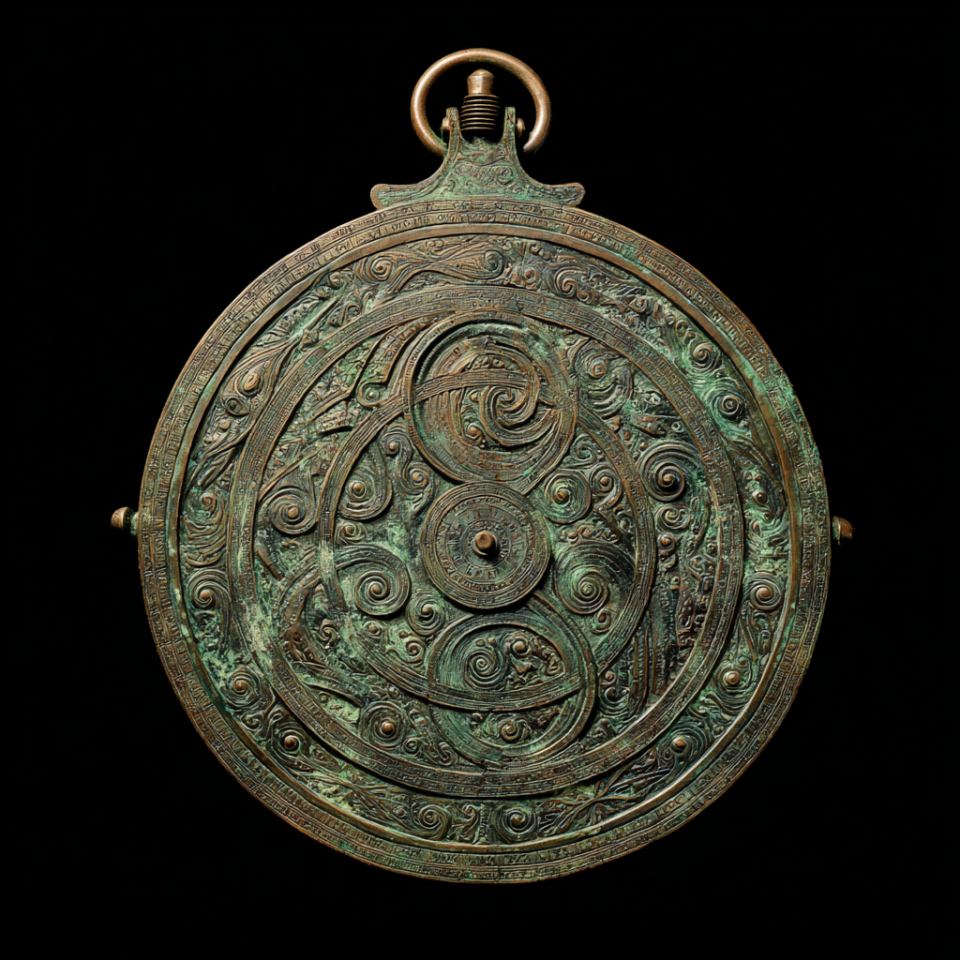
Dā’irat al-Samāʾ
by
Anika of Antioch (720–790 zc)
The Turning Sky
c. 760 zc
Medium:Bronze astrolabe with engraved floral spirals
A guild-crafted instrument that doubles as art, its whorls of ornament make cosmic order visible. Used for both navigation and aesthetic wonder.
c. 760 zc
Medium:Bronze astrolabe with engraved floral spirals
A guild-crafted instrument that doubles as art, its whorls of ornament make cosmic order visible. Used for both navigation and aesthetic wonder.
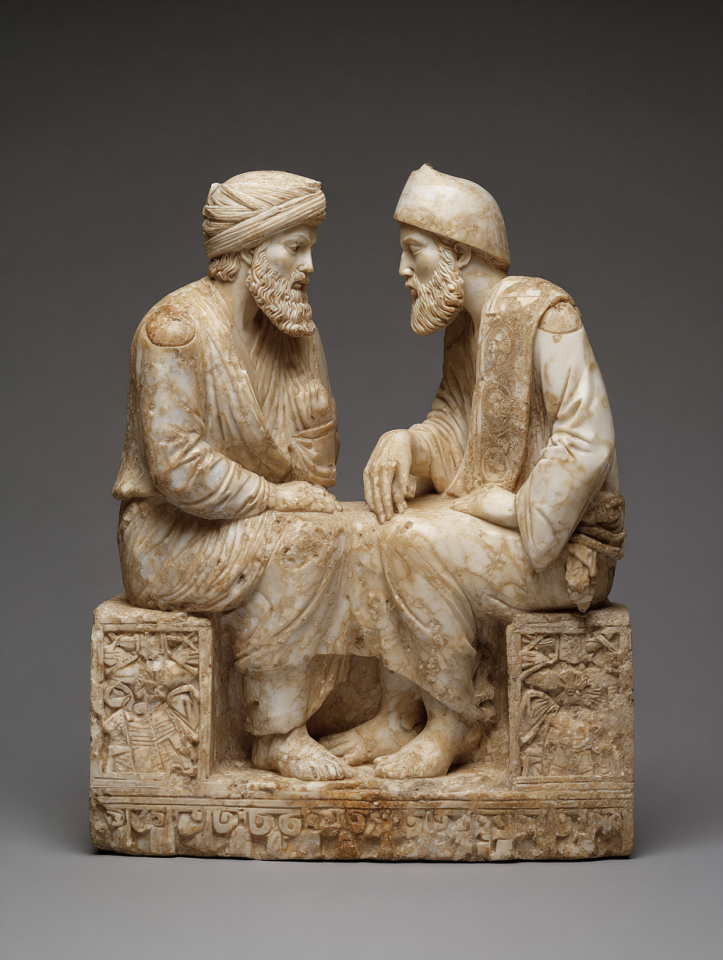
Ḥiwar-e-Dānishmandān
by
Ardashir of Persepolis (640–700 zc)
Dialogue of the Wise
c. 670 zc
Medium:Marble group sculpture
Two philosophers carved in animated debate, their gestures captured in lifelike realism. The work embodies civic wisdom and the cooperative spirit of shared learning.
c. 670 zc
Medium:Marble group sculpture
Two philosophers carved in animated debate, their gestures captured in lifelike realism. The work embodies civic wisdom and the cooperative spirit of shared learning.
Bāgh-i-Munāẓara
by
Bahram Esfahani (640–710 zc)
The Garden of Debate
c. 690 zc
Medium:Ink, gold, and pigment on parchment
A jewel-like miniature depicting scholars debating beneath trees, bordered with diagrammatic overlays. It is both illustration and teaching tool.
c. 690 zc
Medium:Ink, gold, and pigment on parchment
A jewel-like miniature depicting scholars debating beneath trees, bordered with diagrammatic overlays. It is both illustration and teaching tool.
回響之文
by
Chen Wenqing (780–860 zc)
The Script of Echoes
c. 820 zc
Medium:Ink on silk scroll
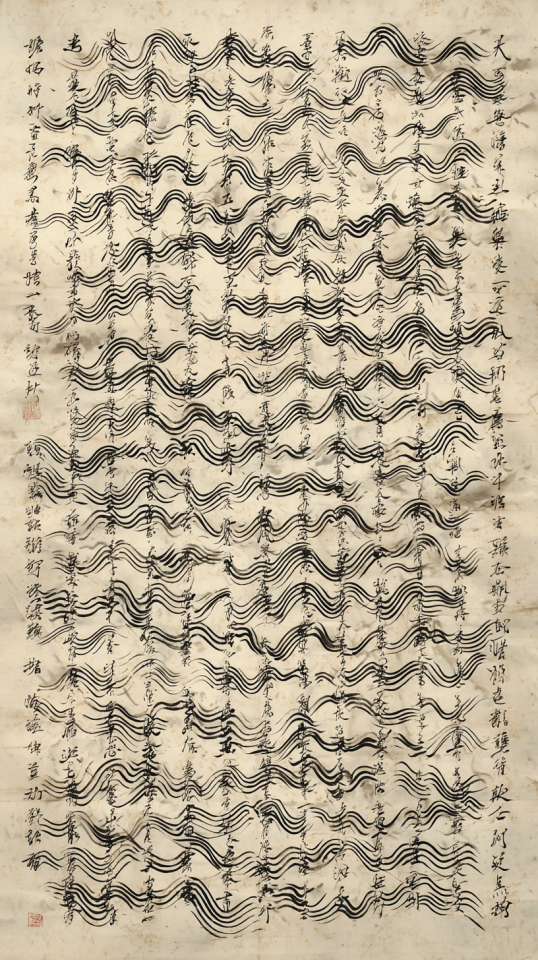
Calligraphy flows in rhythmic waves, script bending as if stirred by unseen sound. The scroll captures resonance made visible through brushstroke.
c. 820 zc
Medium:Ink on silk scroll
Calligraphy flows in rhythmic waves, script bending as if stirred by unseen sound. The scroll captures resonance made visible through brushstroke.
Tz’olk’in B’aq Tun
by
Chimalma of Tikal (800–875 zc)
Spiral of Sacred Time
c. 840 zc
Medium:Dyed cotton and camelid fiber textile
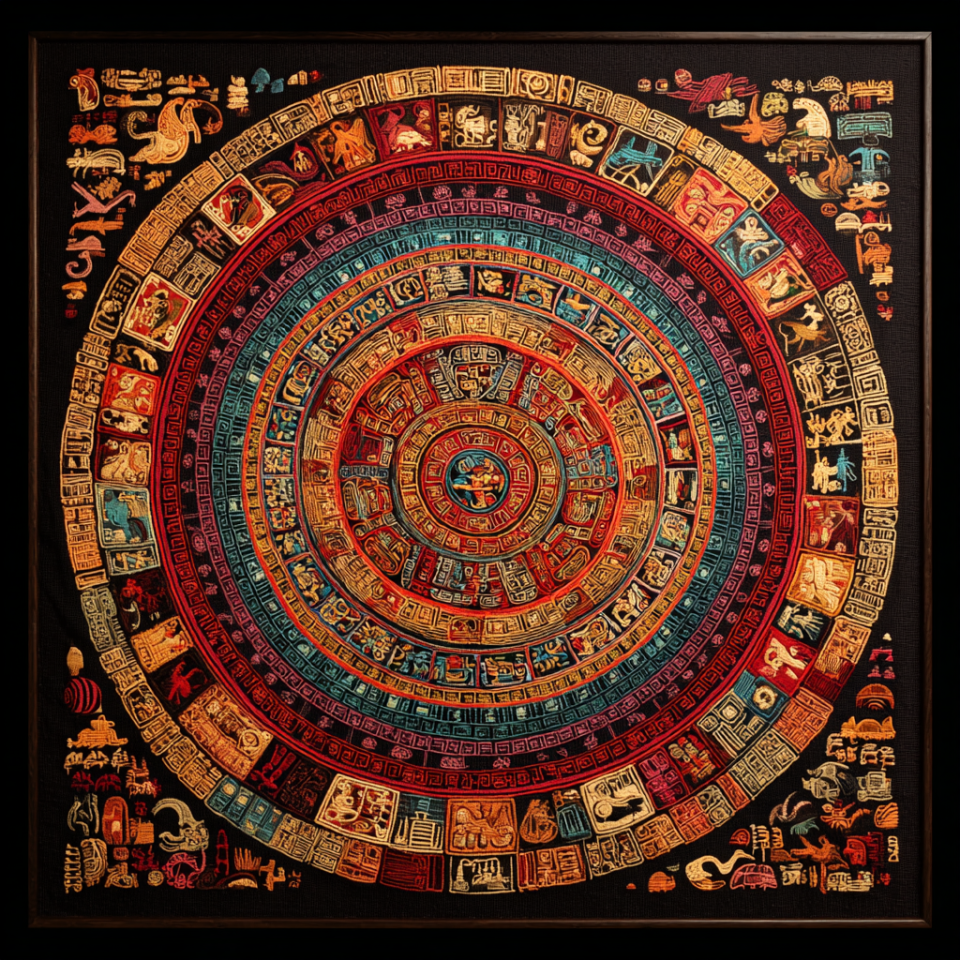
A woven calendar in spiral glyphs of time, combining Mayan and Andean motifs. The textile embodies cyclical renewal, used in ritual processions.
c. 840 zc
Medium:Dyed cotton and camelid fiber textile
A woven calendar in spiral glyphs of time, combining Mayan and Andean motifs. The textile embodies cyclical renewal, used in ritual processions.
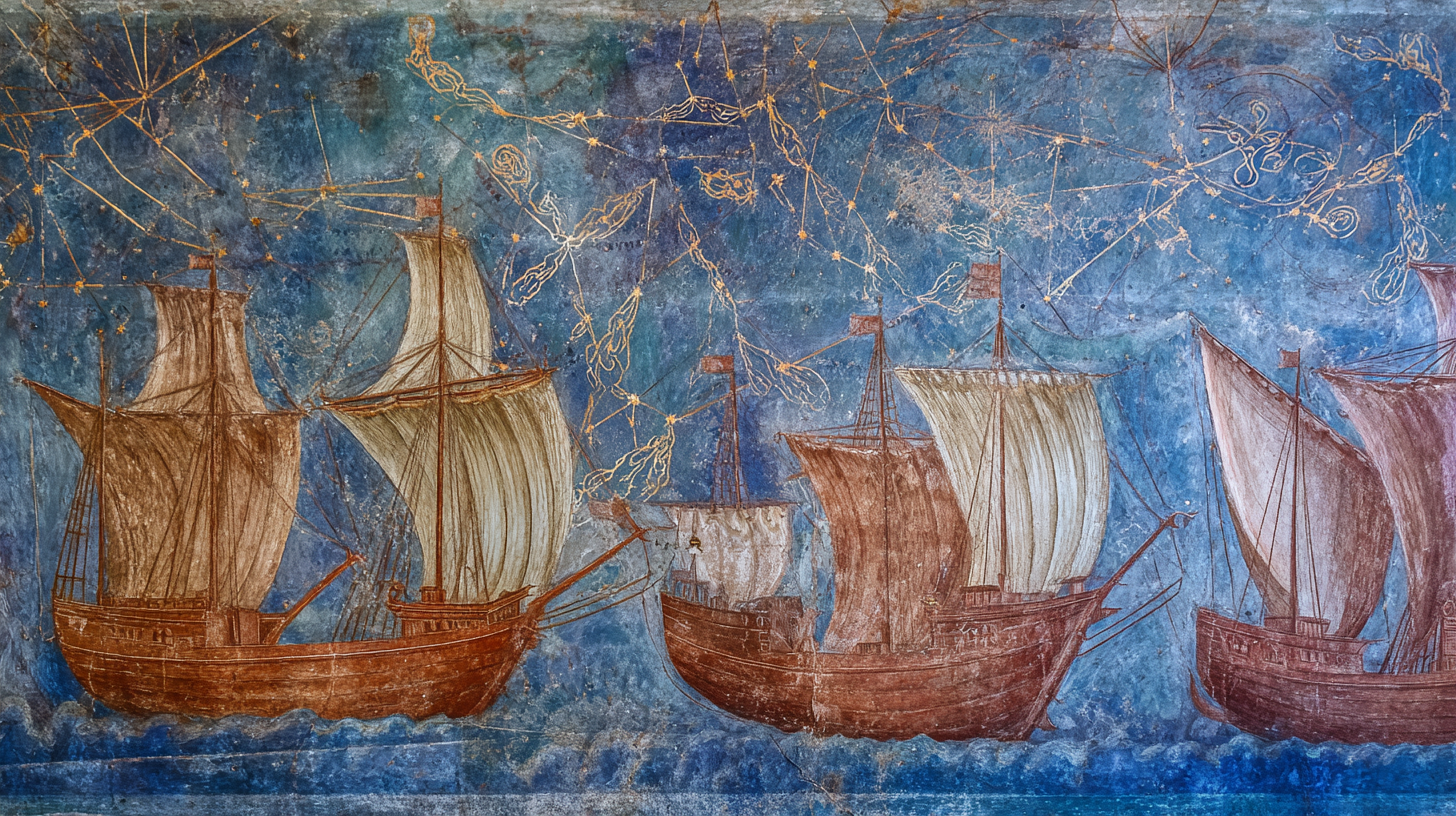
Ναῦς ἄστρων
by
Eleni Thalassa (700–775 zc)
Ships of the Stars
c. 740 zc
Medium:Pigment on plaster fresco
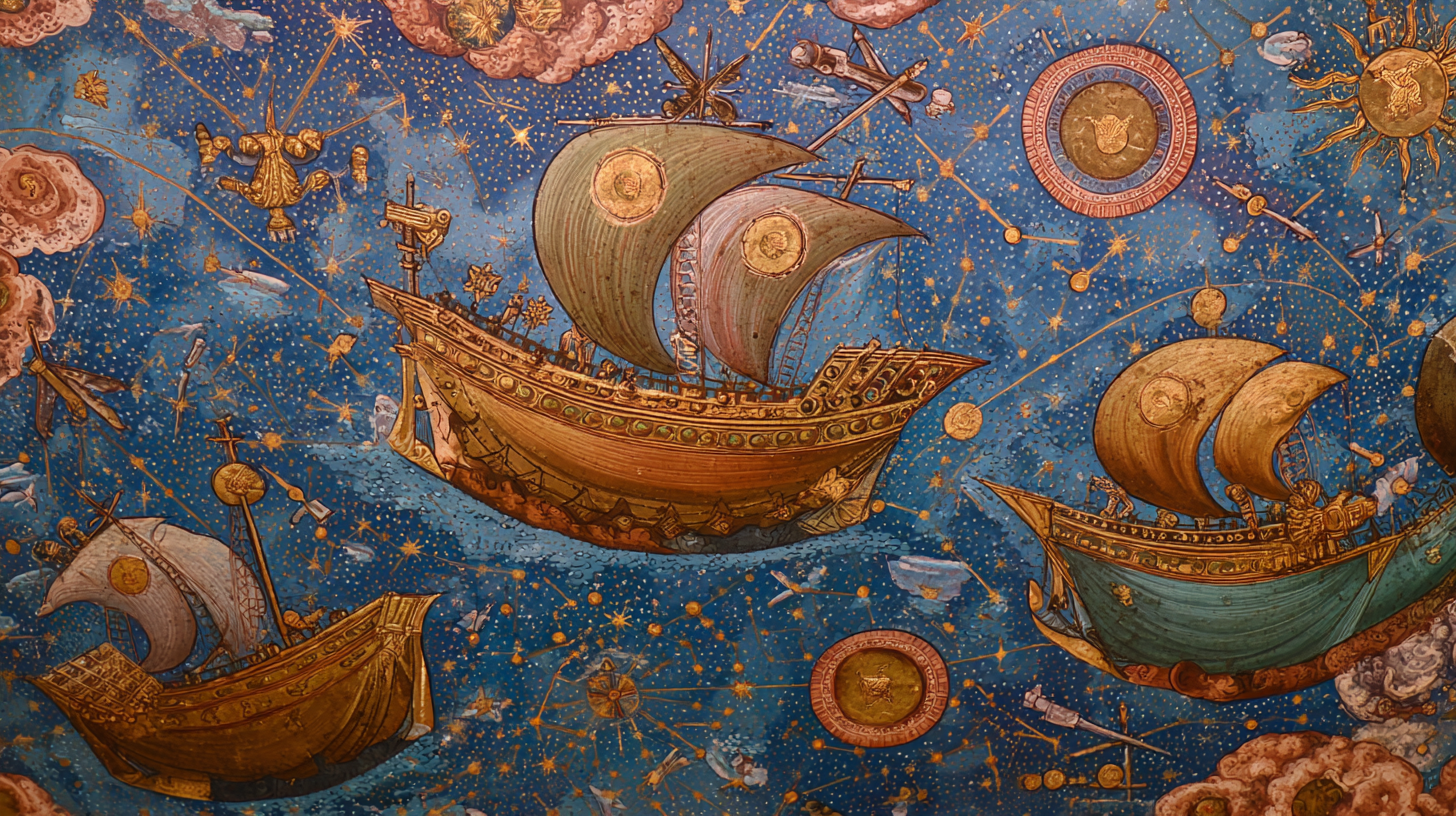
Ships guided by constellations sail across a deep blue sky. The fresco merges maritime life with astral devotion, a union of science and myth.
c. 740 zc
Medium:Pigment on plaster fresco
Ships guided by constellations sail across a deep blue sky. The fresco merges maritime life with astral devotion, a union of science and myth.
Falak al-Abadiyya
by
Farid ibn Ahriman (610–685 zc)
The Eternal Spiral
c. 650 zc
Medium:Stone and glazed tile mosaic
A plaza mosaic in recursive spirals symbolizing cosmic balance. Its design unites Islamic tessellations with mandala geometry.
c. 650 zc
Medium:Stone and glazed tile mosaic
A plaza mosaic in recursive spirals symbolizing cosmic balance. Its design unites Islamic tessellations with mandala geometry.
धर्मचक्र-चतुरस्र
by
Jayendra of Pataliputra (760–835 zc)
Mandala of the Square Wheel
c. 800 zc
Medium:Stone and glazed tile mosaic
A radiant plaza mandala, walked upon daily by citizens, transforming sacred geometry into public art and shared ritual.
c. 800 zc
Medium:Stone and glazed tile mosaic
A radiant plaza mandala, walked upon daily by citizens, transforming sacred geometry into public art and shared ritual.
荷塘清境
by
Liang Yusheng (675–740 zc)
Lotus Pond of Tranquility
c. 710 zc
Medium:Stone, water, and living plants
A terraced courtyard garden of flowing water and lotus fountains, uniting Persian chahar bagh with Chinese scholar traditions. Designed as both sanctuary and public space.
c. 710 zc
Medium:Stone, water, and living plants
A terraced courtyard garden of flowing water and lotus fountains, uniting Persian chahar bagh with Chinese scholar traditions. Designed as both sanctuary and public space.
ḥekau n semsu
by
Tayet of Aswan (730–805 zc)
Incantation of Healing
c. 780 zc
Medium:Carved sandstone relief with pigment traces
Medicinal plants rise beside protective deities in low relief. Knowledge of healing is preserved as sacred imagery on temple walls.
c. 780 zc
Medium:Carved sandstone relief with pigment traces
Medicinal plants rise beside protective deities in low relief. Knowledge of healing is preserved as sacred imagery on temple walls.
As federations matured, exchange between peoples gave rise to new harmonies in art. Geometry blossomed into spirals and tessellations across plazas; gardens became living canvases shaped by philosophy; tools and instruments were adorned with motifs as beautiful as they were useful. Cultural traditions flourished in dialogue, weaving astronomy into frescoes, mandalas into mosaics, and resonance into script. This era feels like a flowering - familiar voices meeting and mingling, creating the first truly cooperative styles.
| Style | Style Description | Primary Mediums |
| Guild Ornamentation | Functional objects turned into ornamental masterpieces of science and craft. | metalwork, ceramics, textiles, guild insignia |
| Dialogic Sculpture | Paired or grouped figures in debate; relief cycles illustrating ecological and philosophical teachings with inscribed texts. | Marble; sandstone; stucco relief |
| Persic Logic Miniatures | Illustrated manuscripts that merge narrative painting with diagrammatic logic. | illustrated manuscripts, parchment scrolls |
| Sinosphere Resonant Calligraphy | Flowing, harmonic calligraphy imbued with cosmic symbolism. | ink scrolls, silk paintings, architectural inscriptions |
| Meso Textiles | Weaving traditions encoding calendars, rituals, and astronomy into cloth. | woven cloth, festival banners, ritual garments |
| Hellenic Star Frescoes | Maritime frescoes that blend trade, navigation, and celestial imagery. | fresco, ceramic tiles, wall painting |
| Resonant Geometry | Early fusion of geometry and spirituality; plazas tiled with recursive patterns. | mosaics, tilework, plaza floors |
| Indic Mandala Mosaics | Public art bringing sacred geometry into daily civic life. | plaza mosaics, temple floors, civic squares |
| Ecological Aesthetics | Gardens and landscapes as living art, emphasizing balance of water, stone, and flora. | landscape design, murals, terraced courtyards |
| Nile Botanical Reliefs | Relief carvings used for ecological knowledge, tying healing plants to divine cycles. | sandstone relief, painted plaster |
Resonant Era (1100 – 1700 zc)
Click to see some of the Exhibits
Ναῦς τῆς Οὐρανίας
by
Alexandros Notios (1300–1370 zc)
Voyage of the Constellations
c. 1322 zc
Medium:Fresco, pigment on plaster
Byzantine iconography and Hellenic realism converge in this maritime mural. Ships are guided not only by seas but by stars, bridging commerce and celestial faith.
c. 1322 zc
Medium:Fresco, pigment on plaster
Byzantine iconography and Hellenic realism converge in this maritime mural. Ships are guided not only by seas but by stars, bridging commerce and celestial faith.
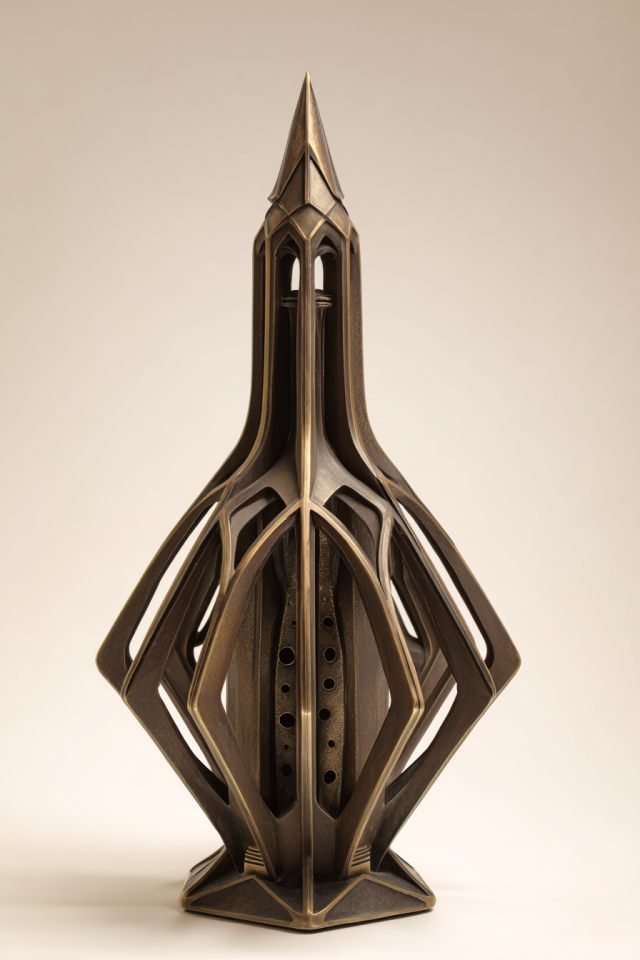
Ἁρμονικὸν Ἄγαλμα
by
Isidora of Antioch (1320–1385 zc)
The Harmonic Statue
c. 1191 zc
Medium:Bronze sculpture with resonance chambers
A hollow-cast bronze figure designed to emit tones when struck. Gothic figuration merges with Persian harmonic science, uniting sound, form, and devotion.
c. 1191 zc
Medium:Bronze sculpture with resonance chambers
A hollow-cast bronze figure designed to emit tones when struck. Gothic figuration merges with Persian harmonic science, uniting sound, form, and devotion.
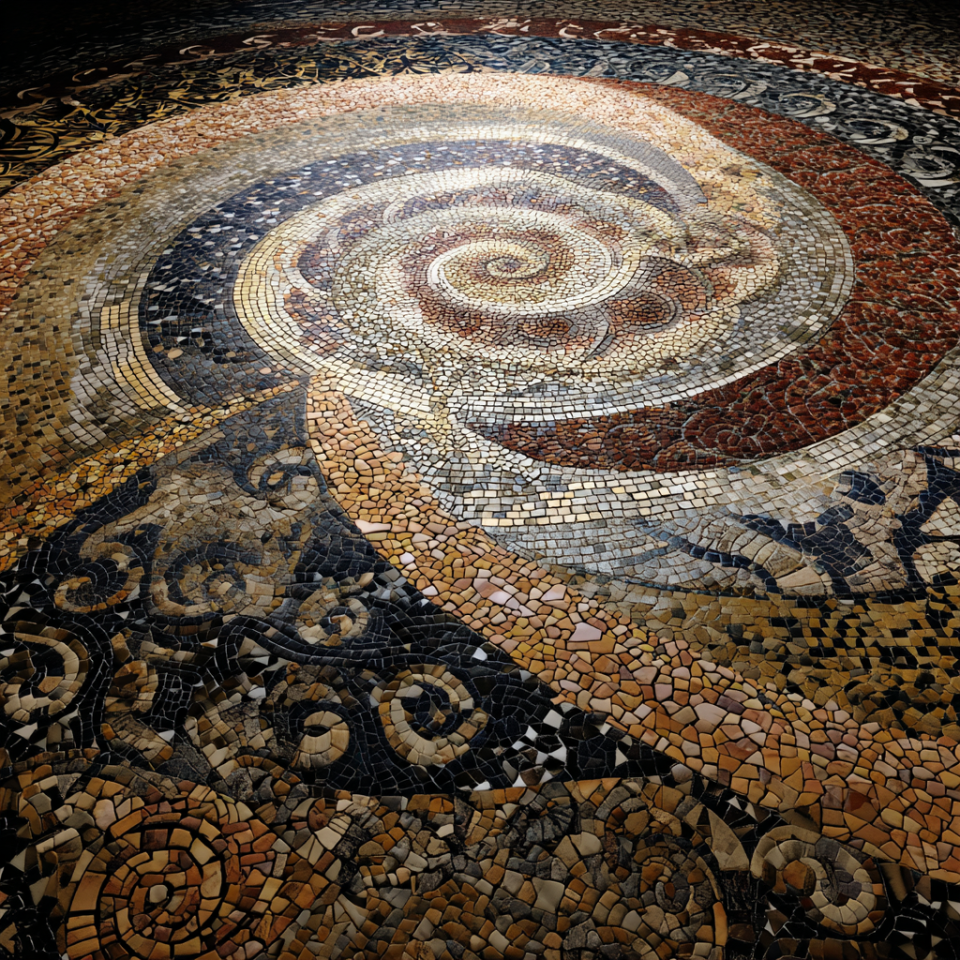
पुनर्जन्म-मण्डल
by
Kumara Vardhana (1365–1435 zc)
Mandala of Rebirth
c. 1396 zc
Medium:Mosaic plaza installation
Interlaced spirals of ceramic tile represent rebirth cycles, fusing Buddhist mandala structure with Gaudí-inspired organic forms. A fractal floor meant for ritual and civic gathering alike.
c. 1396 zc
Medium:Mosaic plaza installation
Interlaced spirals of ceramic tile represent rebirth cycles, fusing Buddhist mandala structure with Gaudí-inspired organic forms. A fractal floor meant for ritual and civic gathering alike.
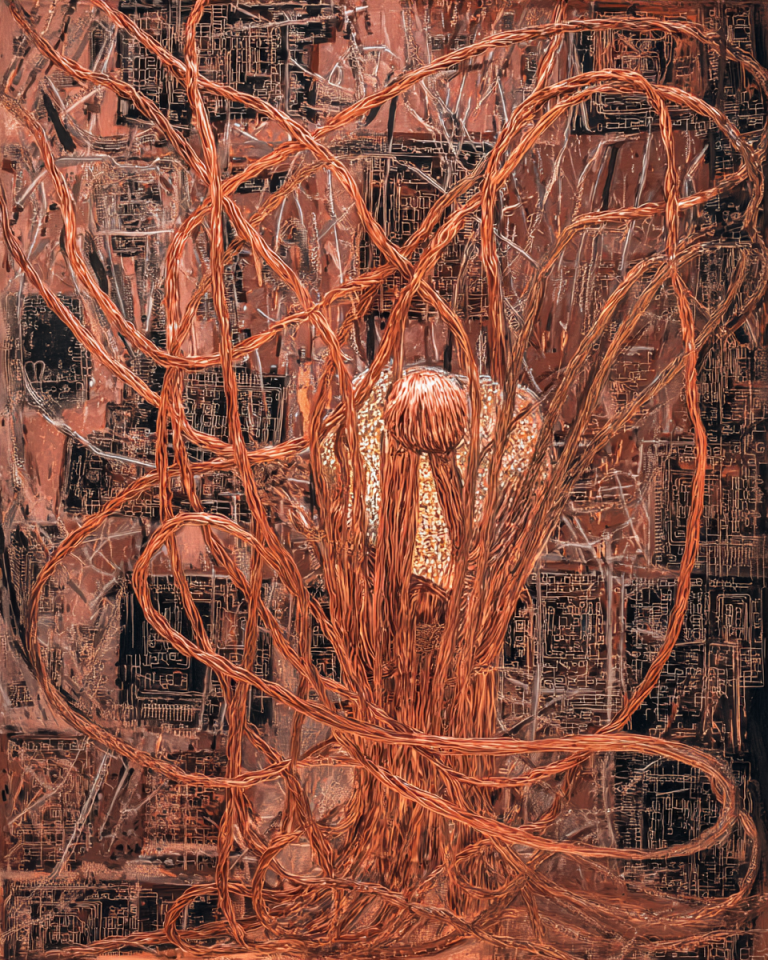
Dráty Žalů
by
Magdalena von Praha (1410–1475 zc)
Wires of Sorrow
c. 1508 zc
Medium:Oil and copper relief on canvas
Copper filaments twist like nerves across painted circuitry, embodying the anguish of personal loss. Magdalena merges Gothic emotional intensity with schematic precision, bridging sorrow and machine.
c. 1508 zc
Medium:Oil and copper relief on canvas
Copper filaments twist like nerves across painted circuitry, embodying the anguish of personal loss. Magdalena merges Gothic emotional intensity with schematic precision, bridging sorrow and machine.
Λαβύρινθος τῆς Ψυχῆς
by
Niketas of Rhodes (1320–1390 zc)
Labyrinth of the Soul
c. 1480 zc
Medium:Tapestry, wool and linen
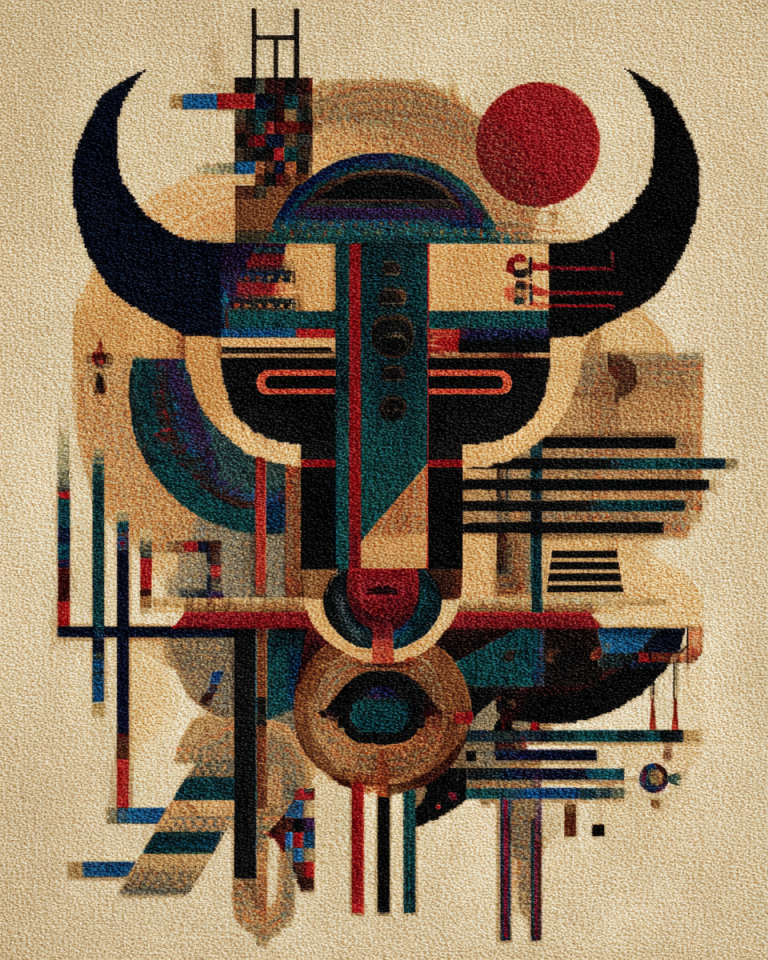
A bold abstraction of the Minotaur, rendered through Kandinsky-like intersecting lines and Mayan glyph symmetries. The labyrinth becomes both geometric and mythic, a meditation on duality.
c. 1480 zc
Medium:Tapestry, wool and linen
A bold abstraction of the Minotaur, rendered through Kandinsky-like intersecting lines and Mayan glyph symmetries. The labyrinth becomes both geometric and mythic, a meditation on duality.
Inti Pacha Away
by
Quilla Anaco (1450–1520 zc)
Weaving of the Sun’s Seasons
c. 1435 zc
Medium:Textile, dyed wool
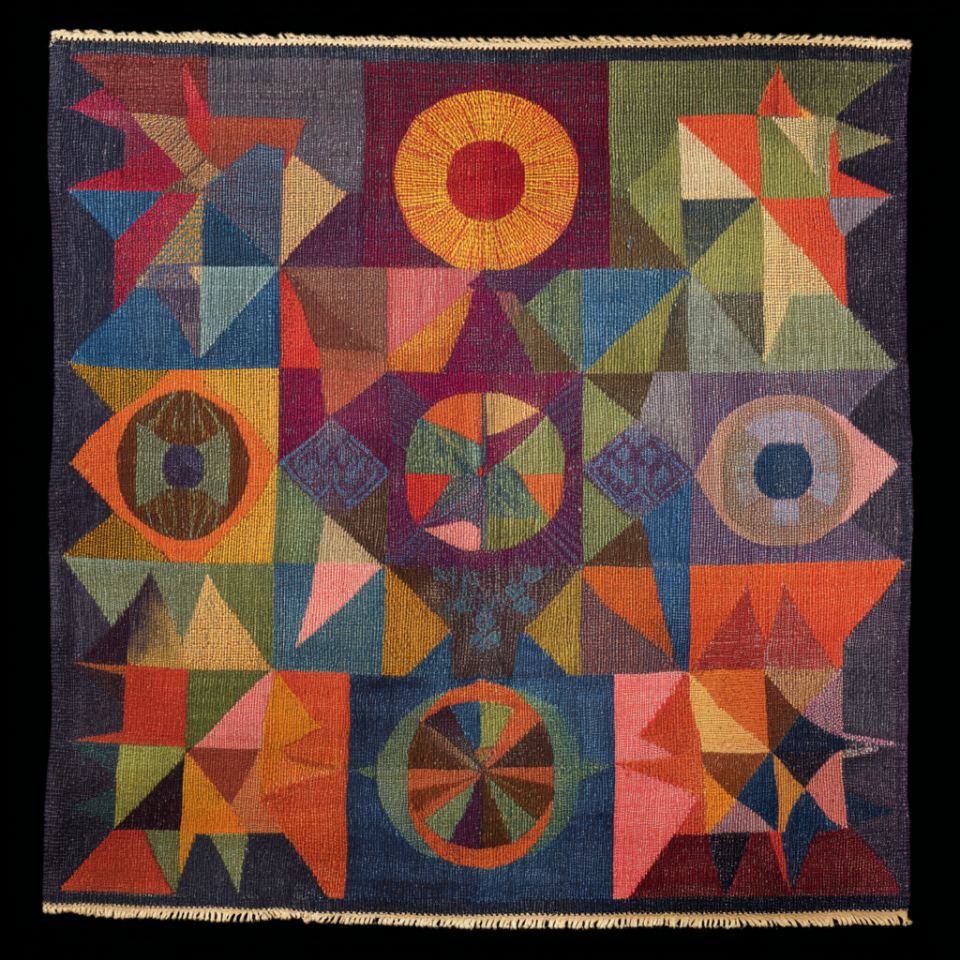
A masterful weaving aligning Quechua solstice star maps with vivid geometric abstraction. Each spiral corresponds to seasonal constellations, a fusion of cosmic timekeeping and symbolic color.
c. 1435 zc
Medium:Textile, dyed wool
A masterful weaving aligning Quechua solstice star maps with vivid geometric abstraction. Each spiral corresponds to seasonal constellations, a fusion of cosmic timekeeping and symbolic color.
Farhang dar Sarv
by
Shirin Farhani (1245–1315 zc)
Wisdom Beneath the Cypress
c. 1265 zc
Medium:Illustrated manuscript, ink and pigment on paper
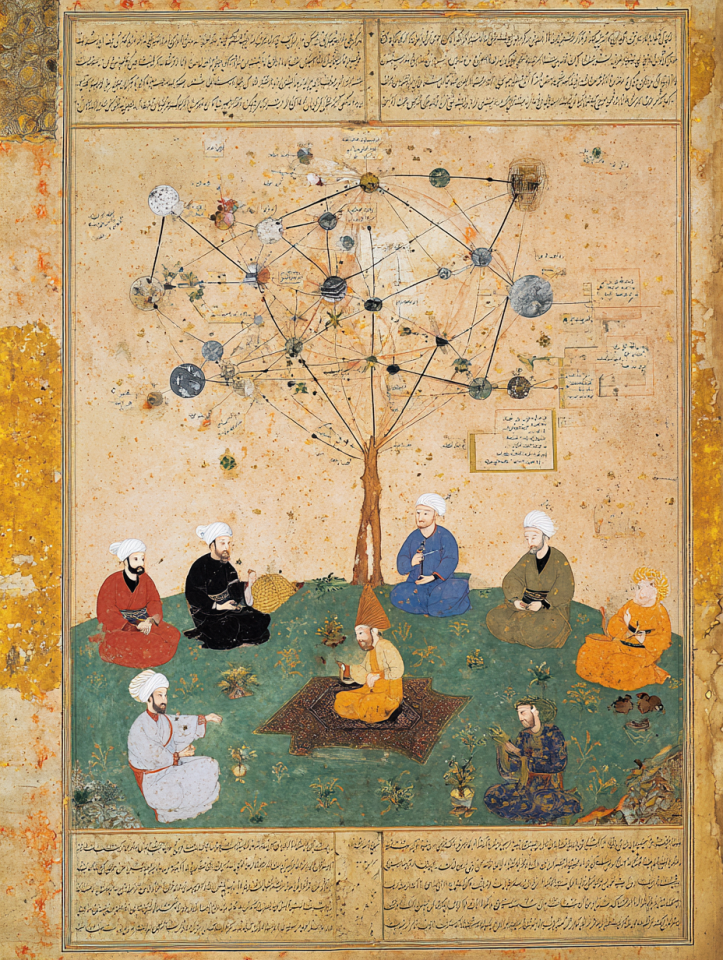
Miniature painting shows a circle of philosophers beneath a cosmic tree, diagramming knowledge in delicate ink lines. Blends Behzad’s lyric color with Leonardo’s anatomical precision.
c. 1265 zc
Medium:Illustrated manuscript, ink and pigment on paper
Miniature painting shows a circle of philosophers beneath a cosmic tree, diagramming knowledge in delicate ink lines. Blends Behzad’s lyric color with Leonardo’s anatomical precision.
Tawāzun-e-Khurshīd o Māh
by
Soraya Nishapuri (1230–1295 zc)
Balance of Sun and Moon
c. 1289 zc
Medium:Mosaic in ceramic and stone
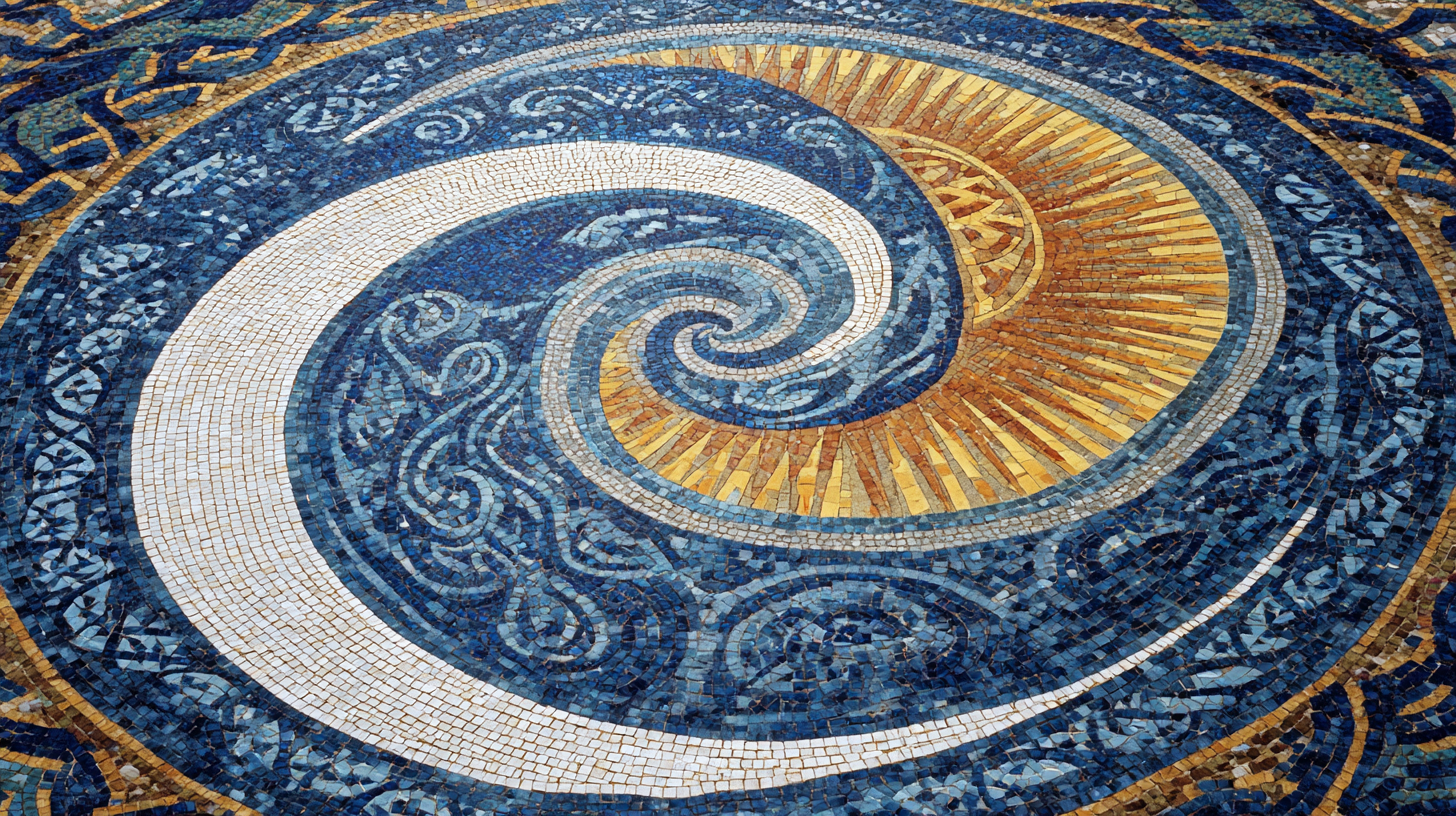
Spiral tessellations evoke both Escher-like infinity and Persian cosmology, depicting the eternal dialogue between solar and lunar forces. A civic plaza floor once walked daily, yet cosmically scaled.
c. 1289 zc
Medium:Mosaic in ceramic and stone
Spiral tessellations evoke both Escher-like infinity and Persian cosmology, depicting the eternal dialogue between solar and lunar forces. A civic plaza floor once walked daily, yet cosmically scaled.
共鳴經
by
Xu Longwei (1285–1350 zc)
The Sutra of Resonant Logic
c. 1348 zc
Medium:Ink on silk scroll
Script flows in waves that double as harmonic diagrams, merging Daoist cosmograms with Kufic geometry. A visual meditation on language, sound, and order.
c. 1348 zc
Medium:Ink on silk scroll
Script flows in waves that double as harmonic diagrams, merging Daoist cosmograms with Kufic geometry. A visual meditation on language, sound, and order.
山水書
by
Zhang Rulan (1405–1475 zc)
Rivers and Mountains in Script
c. 1372 zc
Medium:Ink façade engraving
Calligraphic script flows into rivers and mountain ranges, embodying Wang Xizhi’s brushwork fused with Fan Kuan’s landscape grandeur. A façade that reads as both text and terrain.
c. 1372 zc
Medium:Ink façade engraving
Calligraphic script flows into rivers and mountain ranges, embodying Wang Xizhi’s brushwork fused with Fan Kuan’s landscape grandeur. A façade that reads as both text and terrain.
The discovery of resonance transformed imagination. In this age, art vibrated with unseen energies: mosaics became harmonic, calligraphy flowed like sound given shape, and even myths were reduced to bold geometric essence. It was a time of daring abstraction and deep symbolism, where philosophy, mathematics, and craft fused into forms never seen before. Each tradition absorbed resonance in its own way, producing a kaleidoscope of styles that still shimmer with intensity.
| Style | Style Description | Primary Mediums |
| Hellenic Star Frescoes | Navigation scenes painted as sacred cosmologies. | fresco, mural, painted ceramic amphorae |
| Resonant Sculpture | Sculptures engineered with internal chambers that produce harmonic tones; mythic forms articulated through geometric patterning. | Bronze; cast alloys; carved stone with cavities |
| Indic Mandala Plazas | Mandalas made into massive public works of tile and glass. | civic mosaics, temple floors, plaza art |
| Expressionist Circuitry | Technology painted with emotion - wires as veins, circuits as anguish. | paintings, copper-etched panels, illuminated manuscript diagrams |
| Mythic Bauhaus | Abstract myth retellings rendered in bright, geometric compositions. | textiles, wall hangings, plaza banners |
| Andean Astral Textiles | Textiles uniting indigenous weaving with abstract symbolism. | woven cloth, festival banners, ritual garments |
| Persic Logic Miniatures | Miniature art infused with technical diagrams, merging narrative and science. | illuminated manuscripts, parchment scrolls |
| Harmonic Mosaics | Recursive geometric mosaics symbolizing cosmic balance; optical illusion artistry. | mosaic floors, ceramic tiles, civic architecture |
| Resonant Calligraphy | Script infused with resonance patterns; calligraphy as visible sound. | ink scrolls, illuminated manuscripts, architectural inscriptions |
| Sinosphere Scriptural Architecture | Buildings inscribed with flowing poetic landscapes. | temple façades, carved stone inscriptions, scroll-paintings |
Ecological Modern Era (1700 – 2000 zc)
Click to see some of the Exhibits
wḏꜣ snḥm
by
Amunet Bekhet (1785–1855 zc)
Vines of Protection
c. 1899 zc
Medium:Low relief carving in limestone with pigment accents
Lotus and papyrus plants curl into glowing vine motifs, carved in Egyptian tradition but stylized with Art Nouveau curves. Healing deities and herbs intertwine as living medicine in stone.
c. 1899 zc
Medium:Low relief carving in limestone with pigment accents
Lotus and papyrus plants curl into glowing vine motifs, carved in Egyptian tradition but stylized with Art Nouveau curves. Healing deities and herbs intertwine as living medicine in stone.
Σετ Ιατρικής Κοσμογραφίας
by
Gregorios of Thessaloniki (1780–1850 zc)
Surgical Cosmography
c. 1888 zc
Medium:Surgical instrument set, engraved steel with floral and celestial inlay
Medical tools rendered as art — engraved with spirals, flowers, and constellations. A meeting of Islamic precision and Art Nouveau flourish, where healing and beauty coexist.
c. 1888 zc
Medium:Surgical instrument set, engraved steel with floral and celestial inlay
Medical tools rendered as art — engraved with spirals, flowers, and constellations. A meeting of Islamic precision and Art Nouveau flourish, where healing and beauty coexist.
光の曼荼羅
by
Hanako Iriye (1800–1870 zc)
Mandala of Light
c. 1912 zc
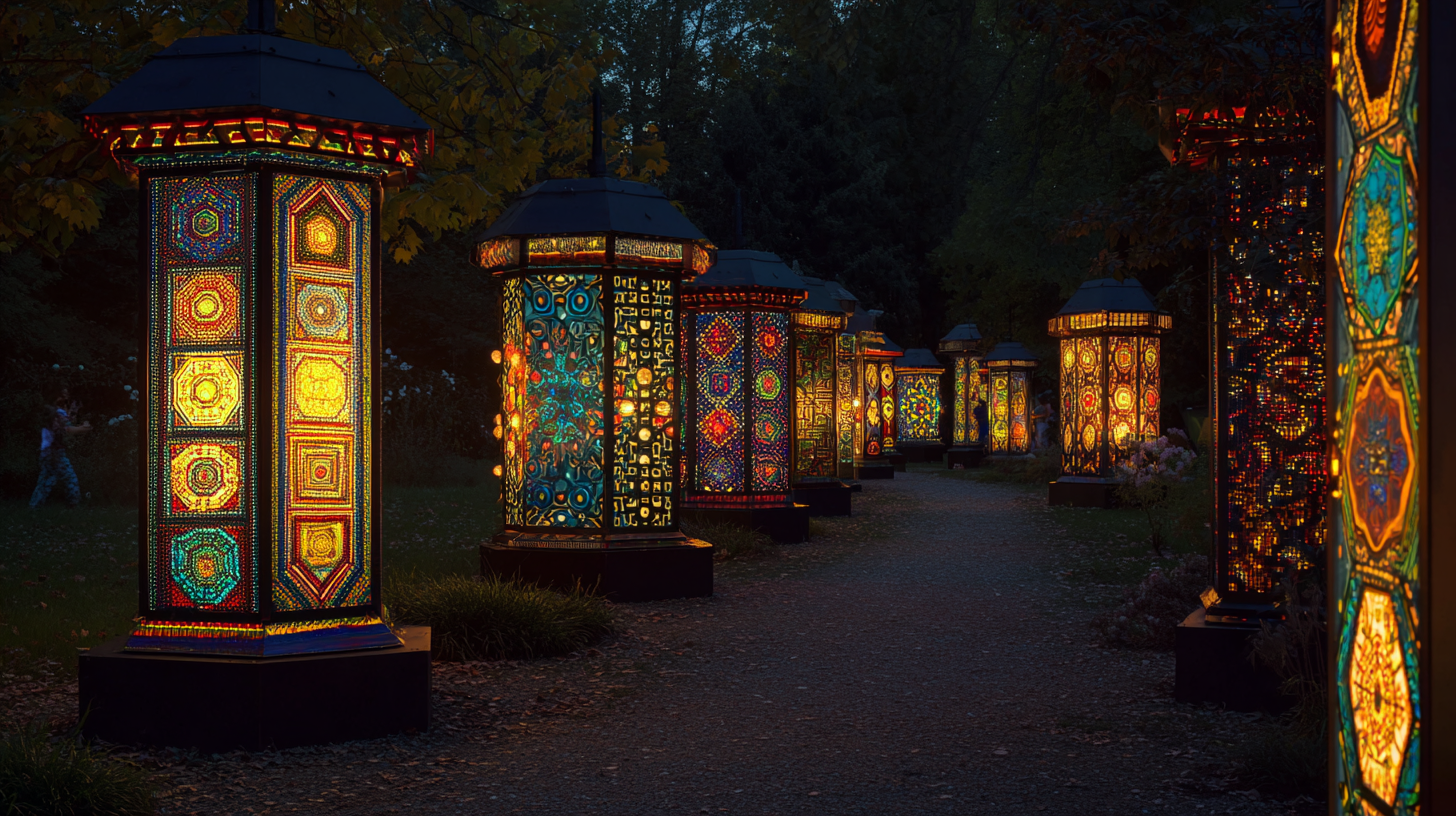
Medium:Sculptural garden with illuminated lantern structures
Towering lanterns of stained glass and metal glow with geometric motifs, merging Klimt’s ornamentation with Japanese festival light. A garden transformed into a living constellation of sacred form.
c. 1912 zc
Medium:Sculptural garden with illuminated lantern structures
Towering lanterns of stained glass and metal glow with geometric motifs, merging Klimt’s ornamentation with Japanese festival light. A garden transformed into a living constellation of sacred form.
دیوار نیلوفرها
by
Laleh Shirazi (1720–1790 zc)
Wall of Lotuses
c. 1894 zc
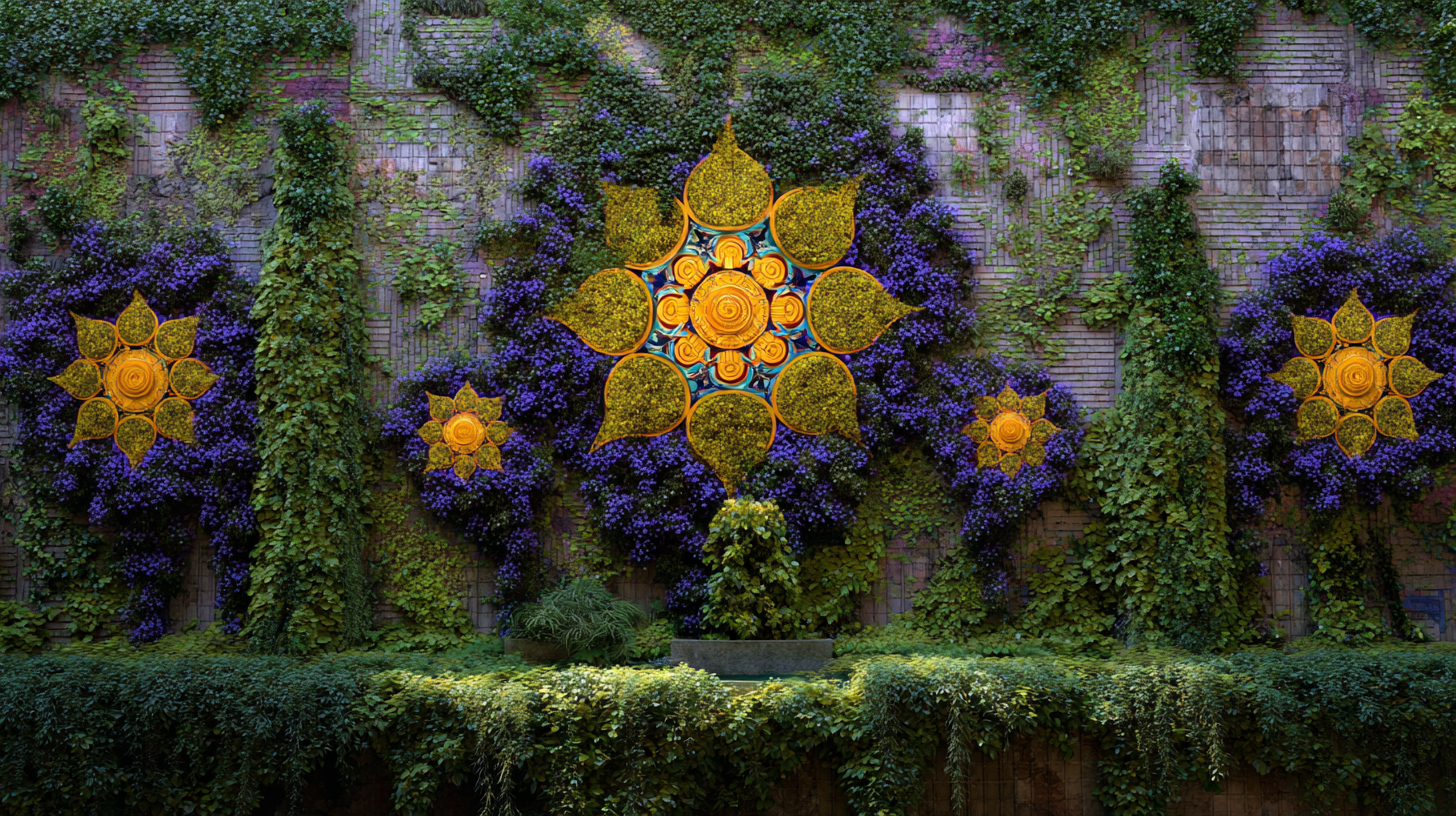
Medium:Living wall installation of flowering vines
A vertical garden where blooming vines form intricate mandalas, echoing Gaudí’s organic forms fused with Buddhist sacred geometry. An ephemerally alive artwork, renewed each season.
c. 1894 zc
Medium:Living wall installation of flowering vines
A vertical garden where blooming vines form intricate mandalas, echoing Gaudí’s organic forms fused with Buddhist sacred geometry. An ephemerally alive artwork, renewed each season.
韻の詩
by
Lin Guohua (1815–1885 zc)
The Poem of Resonance
c. 1910 zc
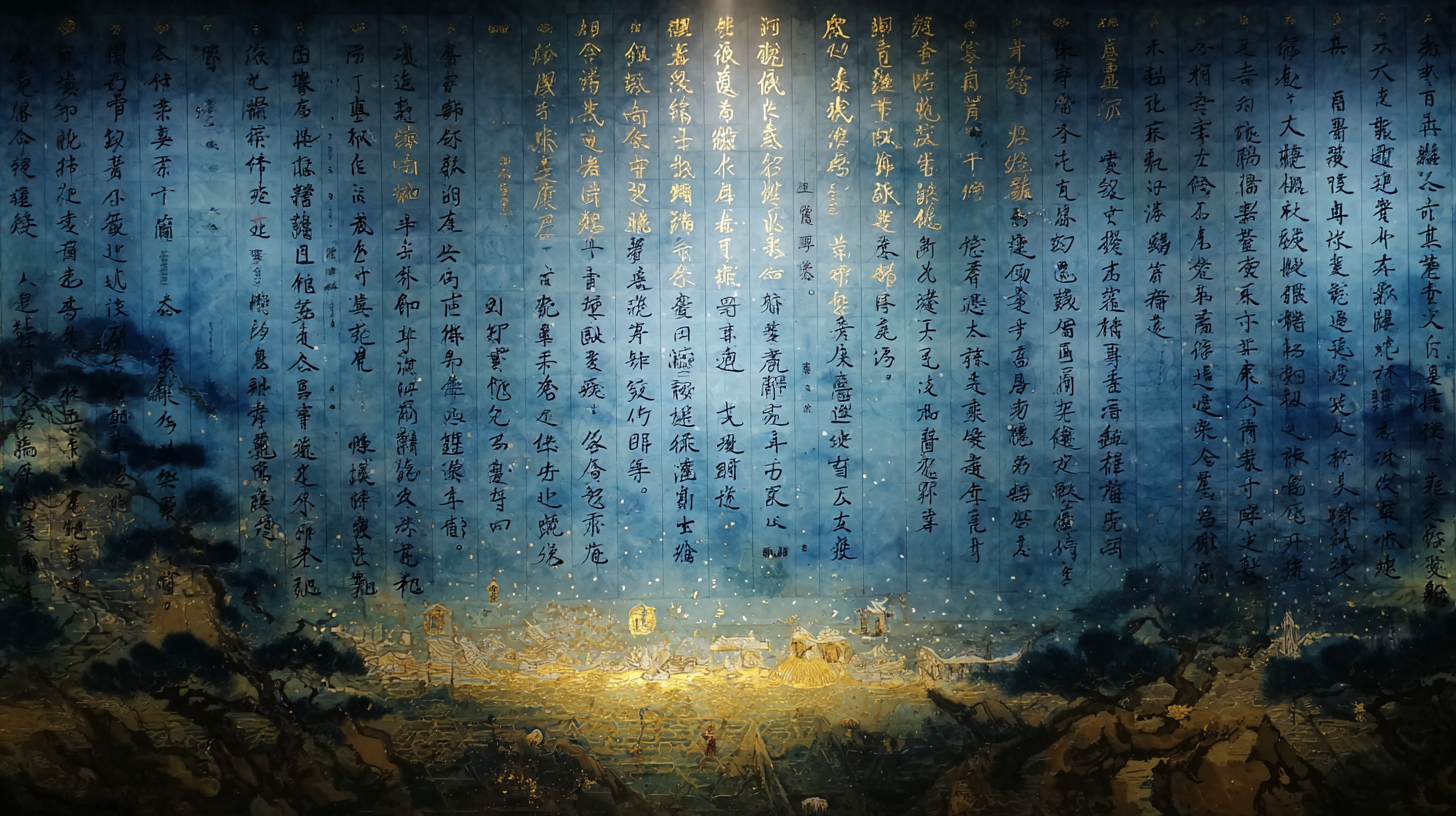
Medium:Illuminated mural with ink and harmonic light
A vast mural of poetry inscribed in calligraphic waves, glowing with light resonance. Inspired by Wang Xizhi’s flowing brushwork and Hiroshige’s atmospheric landscapes, words themselves shimmer as landscapes of sound.
c. 1910 zc
Medium:Illuminated mural with ink and harmonic light
A vast mural of poetry inscribed in calligraphic waves, glowing with light resonance. Inspired by Wang Xizhi’s flowing brushwork and Hiroshige’s atmospheric landscapes, words themselves shimmer as landscapes of sound.
Ὁδοὶ τῶν Ἀστερισμῶν
by
Marina Kalogeras (1770–1840 zc)
Routes of the Constellations
c. 1871 zc
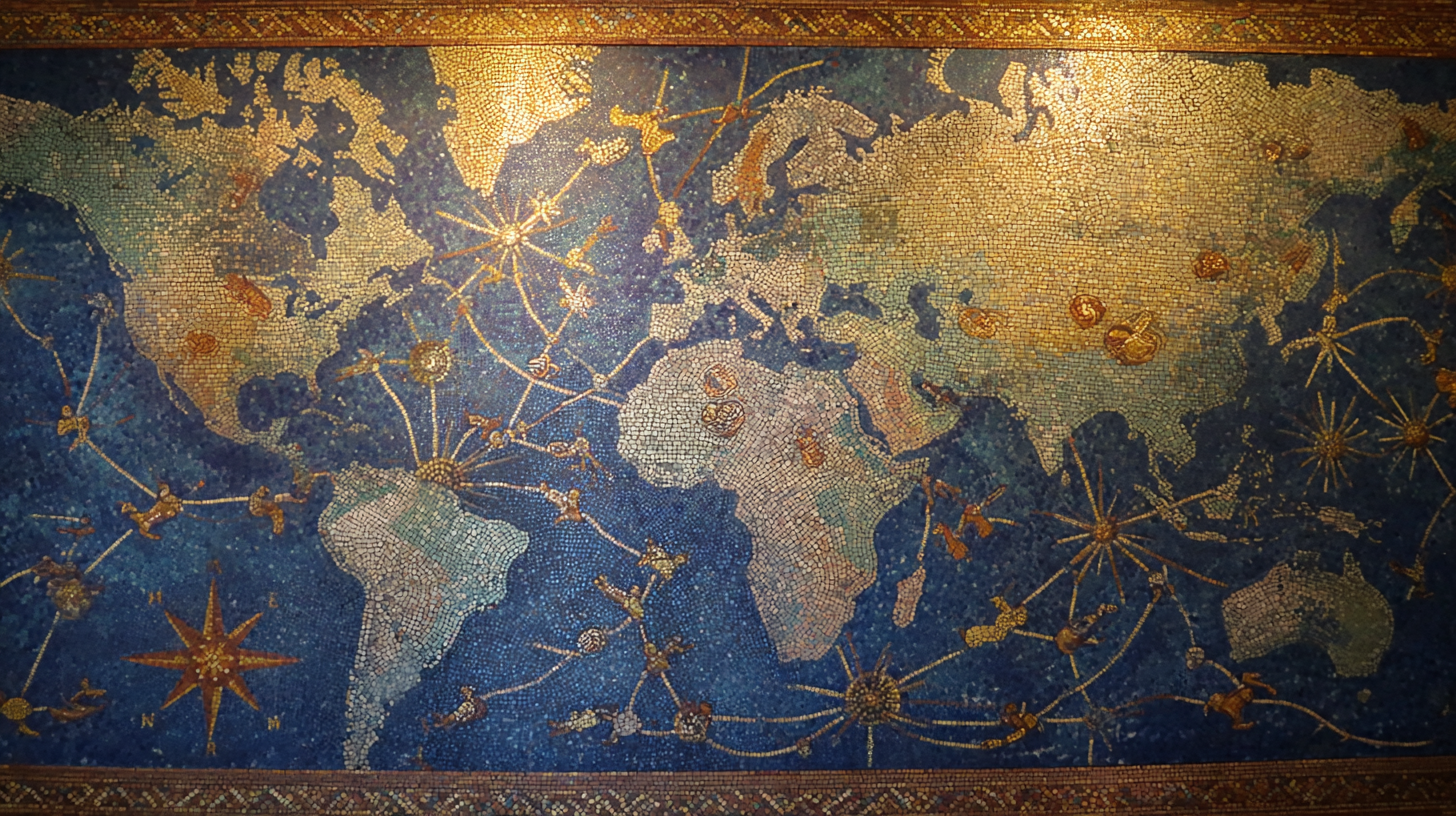
Medium:Mosaic, pigment and stone in civic plaza
A Byzantine-inspired floor mosaic charting sea trade routes as star maps, with dolphins and ships dancing among constellations. Trade, navigation, and cosmos unified in a single civic image.
c. 1871 zc
Medium:Mosaic, pigment and stone in civic plaza
A Byzantine-inspired floor mosaic charting sea trade routes as star maps, with dolphins and ships dancing among constellations. Trade, navigation, and cosmos unified in a single civic image.
Bāgh-i-Bahth
by
Nader Yazdani (1745–1815 zc)
The Garden of Discussion
c. 1875 zc
Medium:Ceramic tile mural
A mural of flowering vines that twist into the forms of disputing scholars. Persian tile traditions meet the organic ornament of William Morris, turning intellectual dialogue into blossoming form.
c. 1875 zc
Medium:Ceramic tile mural
A mural of flowering vines that twist into the forms of disputing scholars. Persian tile traditions meet the organic ornament of William Morris, turning intellectual dialogue into blossoming form.
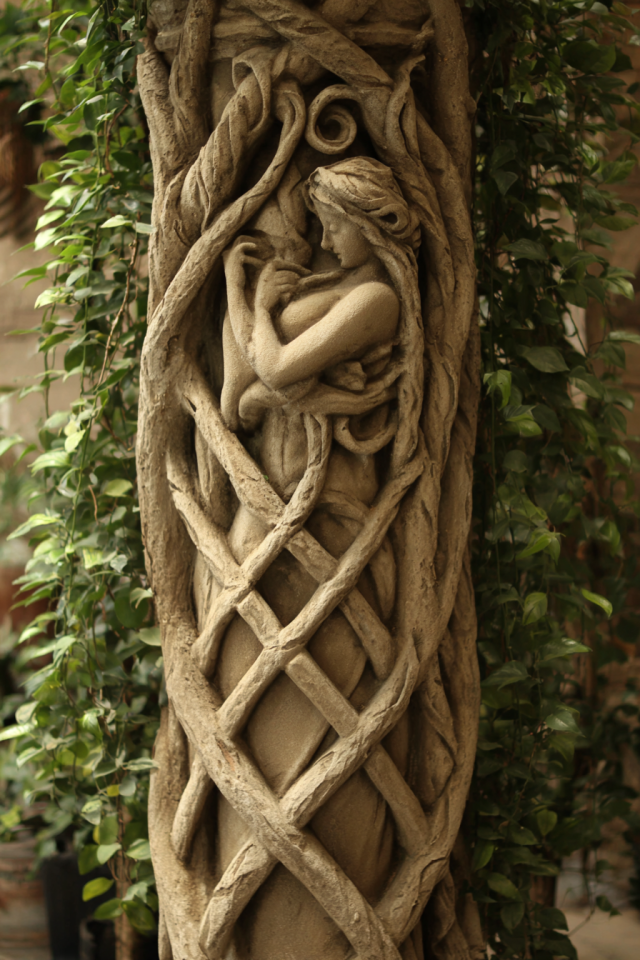
石と蔓の抱擁
by
Qin Meilin (1785–1850 zc)
The Embrace of Stone and Vine
c. 1867 zc
Medium:Sandstone figure entwined with living plants
A sculpted figure carved as a trellis for climbing vines, blending Romantic naturalism with Chinese garden statuary. The stone form becomes both support and companion to nature’s growth.
c. 1867 zc
Medium:Sandstone figure entwined with living plants
A sculpted figure carved as a trellis for climbing vines, blending Romantic naturalism with Chinese garden statuary. The stone form becomes both support and companion to nature’s growth.
Tonatiuh Tlamanaliztli
by
Tochtli Izel (1820–1890 zc)
Sun and Maize Offering
c. 1881 zc
Medium:Textile, woven cotton and dyed fibers
A radiant textile in which Mayan glyphs and Inca weaving traditions map the cycles of maize and sun into cosmic constellations. Agriculture and astronomy rendered as one living calendar.
c. 1881 zc
Medium:Textile, woven cotton and dyed fibers
A radiant textile in which Mayan glyphs and Inca weaving traditions map the cycles of maize and sun into cosmic constellations. Agriculture and astronomy rendered as one living calendar.
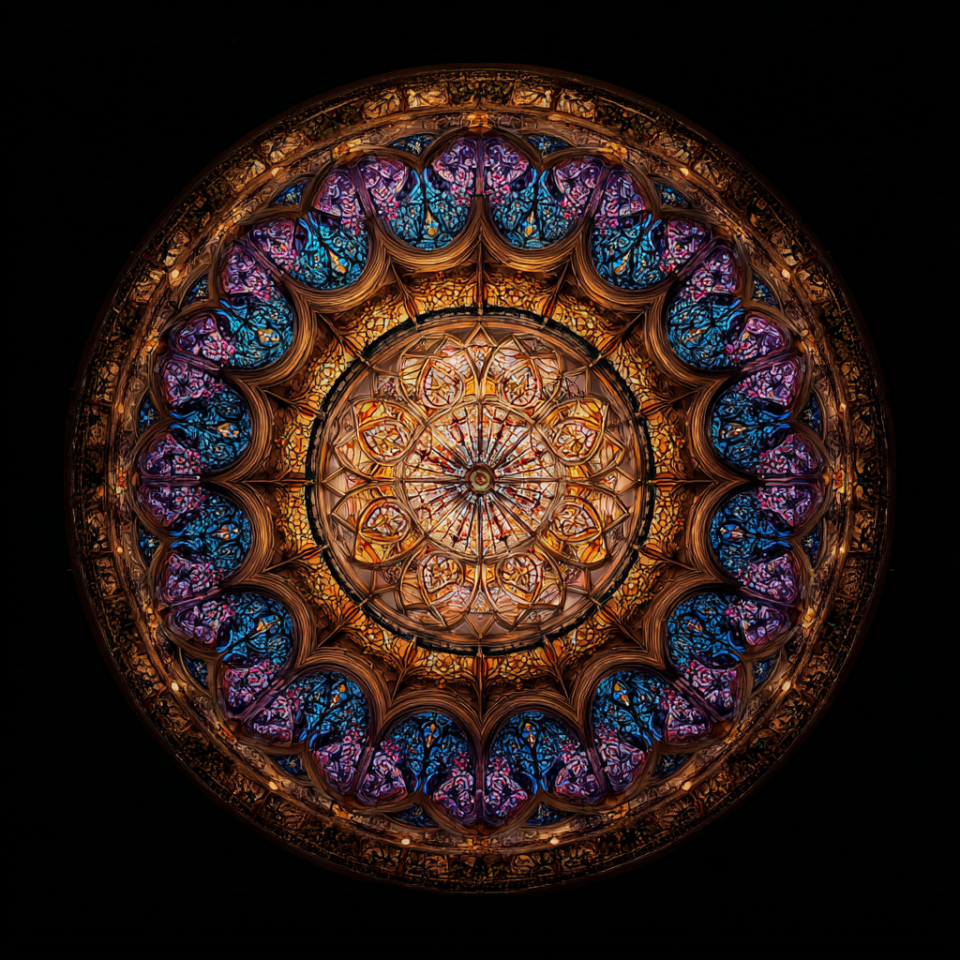
अनाहत-मण्डल
by
Vishakha Devi (1790–1860 zc)
The Mandala of the Heart Sound
c. 1863 zc
Medium:lluminated ceiling mandala in stained glass and light resonance
A luminous mandala spanning a domed ceiling, glowing with refracted light. Inspired by Buddhist sacred diagrams and Gaudí’s colored glass, it transforms spiritual geometry into living radiance.
c. 1863 zc
Medium:lluminated ceiling mandala in stained glass and light resonance
A luminous mandala spanning a domed ceiling, glowing with refracted light. Inspired by Buddhist sacred diagrams and Gaudí’s colored glass, it transforms spiritual geometry into living radiance.
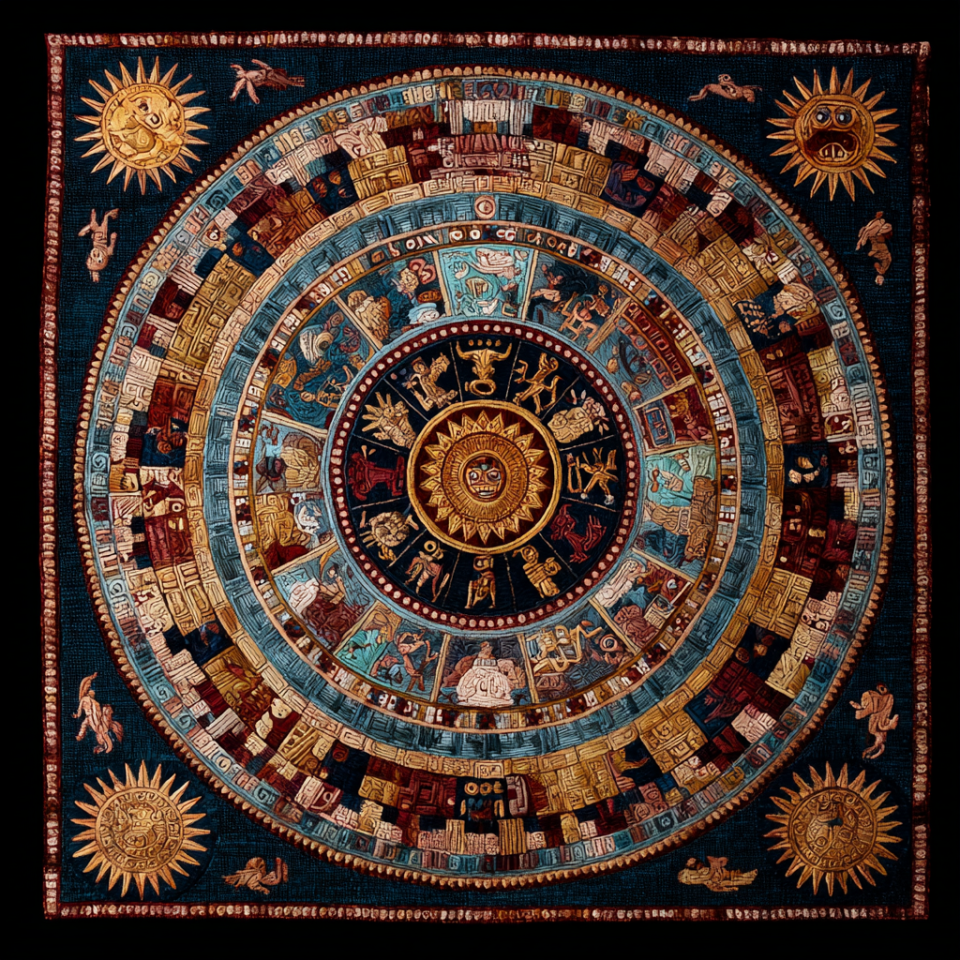
Qhapaq Ñawi
by
Yma Sumaqta (1760–1830 zc)
The Noble Thread of Heaven
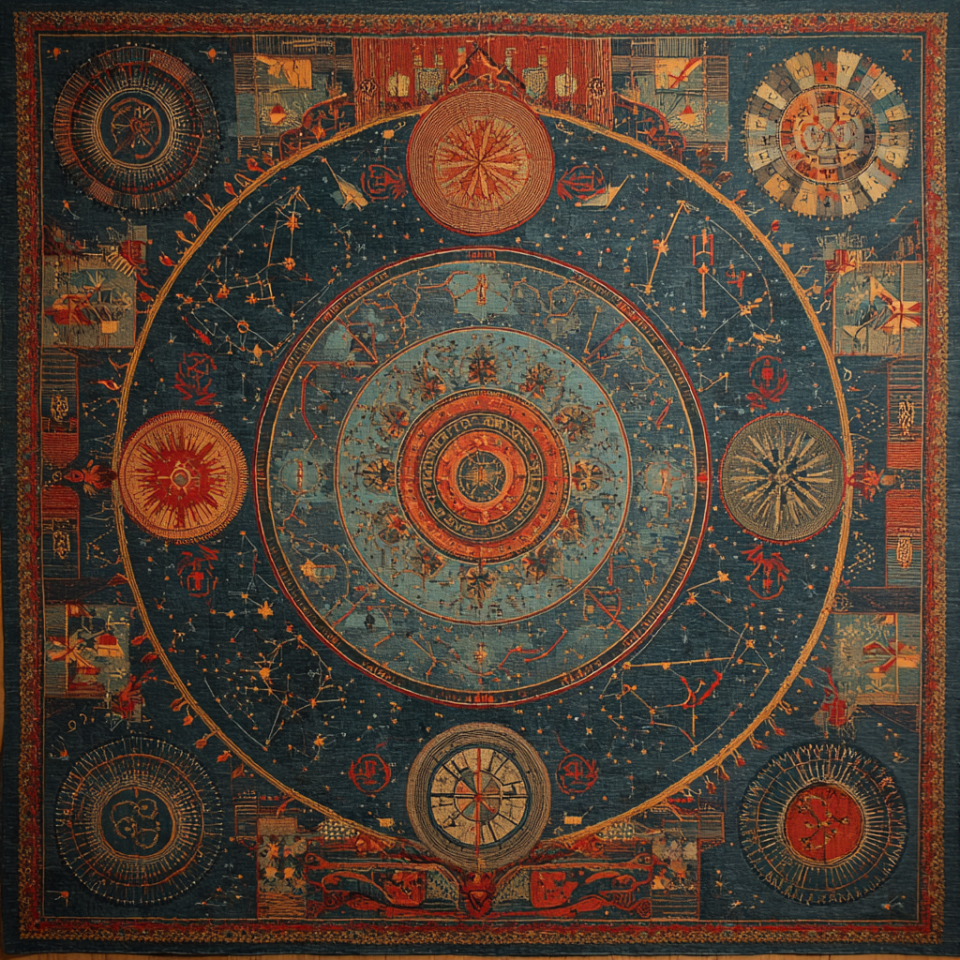
c. 1417 zc
Medium:Woven tapestry, dyed wool and alpaca fiber
A vast circular weaving where constellations are mapped against agricultural calendars. Andean textile tradition merges with Islamic astronomical precision, turning the sky into both field and chart.
c. 1417 zc
Medium:Woven tapestry, dyed wool and alpaca fiber
A vast circular weaving where constellations are mapped against agricultural calendars. Andean textile tradition merges with Islamic astronomical precision, turning the sky into both field and chart.
Here the gallery breathes with life. Vines curl across ceramic walls, mandalas glow in temple ceilings, and textiles map the heavens in luminous threads. This was the era when ecology itself became an artistic medium - gardens, water, and light joined pigment and stone. Guilds competed to make every tool a work of beauty, while artisans illuminated plazas and harbors with designs that honored both nature and community. It is an era of flourishing integration, where art and environment are one.
| Style | Style Description | Primary Mediums |
| Nile Botanical Reliefs | Carved botanical motifs with luminous dyes and resonance inlay. | sandstone reliefs, stucco carvings, ceramic façades |
| Guild Eclectics | Everyday tools transformed into ornamented artworks. | metalwork, ceramics, crafted tools |
| Bioluminescent Ornamentation | Night gardens glowing with resonance-lit dyes and patterns. | luminous dyes, resonance-lit ceramics, night gardens |
| Ecological Aesthetics | Sculptural gardens and walls that bloom, combining architecture and ecology. | living walls, trellises, garden-architecture hybrids |
| Sinosphere Bioluminescent Scripts | Calligraphy illuminated for night festivals, glowing across pavilions. | wall scrolls, temple inscriptions, night-lit pavilions |
| Hellenic Nautical Mosaics | Trade maps as marine mosaics decorating harbors. | plaza mosaics, harbor floors, amphora decoration |
| Persic Ceramic Gardens | Philosophy expressed in ceramic ornament and garden settings. | ceramic tiles, garden walls, water fountains |
| Living Sculpture | Trellised figures designed to host vines and moss; luminous mineral inlays; water-integrated fountains carved as fractal mandalas. | Sandstone; terracotta; ceramic inlay; living plantwork |
| Meso Cosmic Weaving | Agricultural myths woven into cosmic star fields. | textiles, ritual garments, festival sails |
| Indic Temple Mandalas | Temples infused with glowing mandala ceilings and windows. | temple ceilings, plaza floors, mosaic windows |
| Astral Textiles | Woven star calendars linking agriculture to cosmic time. | woven textiles, festival banners, ritual garments |
Memory Era (2000 – 2200 zc)
Click to see some of the Exhibits
Mil Ojos
by
Alejandro Cruz (1905–1975 zc)
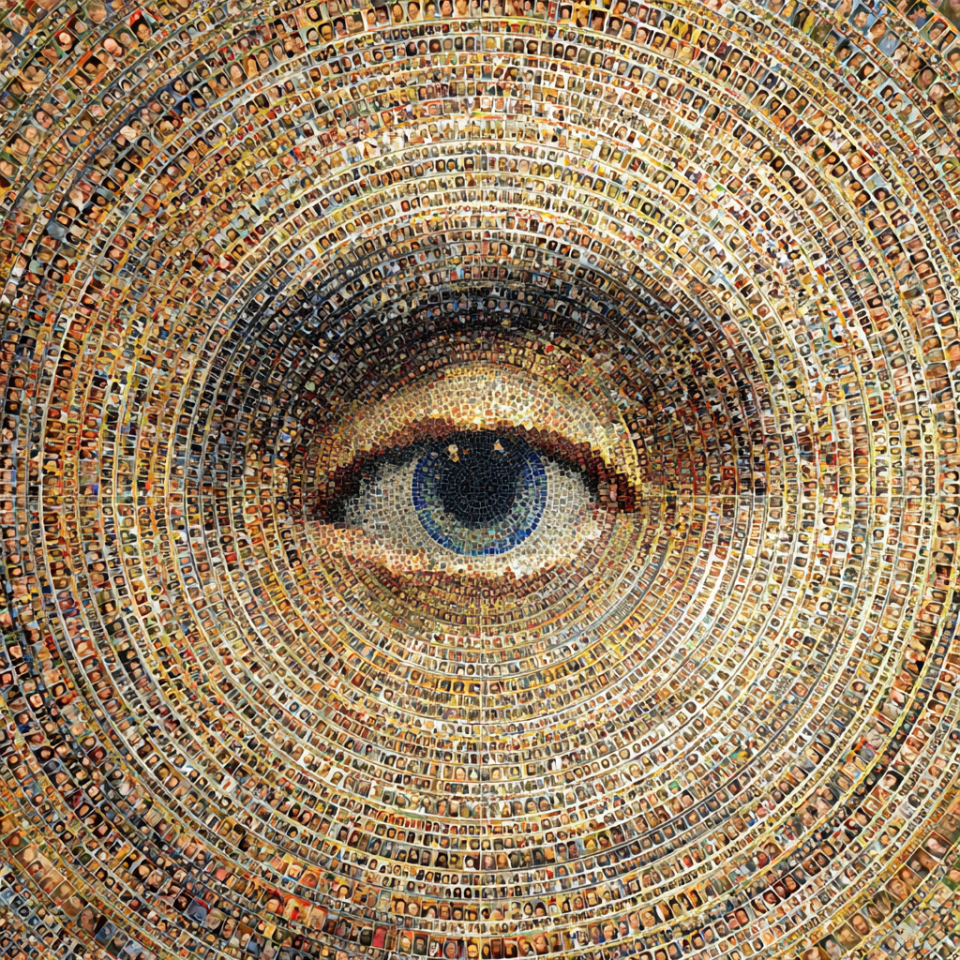
A Thousand Eyes
2008 zc
Medium:Mosaic tesserae and photographic montage
One thousand citizen portraits spiral inward to form a single monumental eye. Inspired by Byzantine tessellations and modern photomontage, the work suggests community as both vision and memory.
2008 zc
Medium:Mosaic tesserae and photographic montage
One thousand citizen portraits spiral inward to form a single monumental eye. Inspired by Byzantine tessellations and modern photomontage, the work suggests community as both vision and memory.
Ndeye Jant Yi
by
Amara N’Dour (1945–2015 zc)
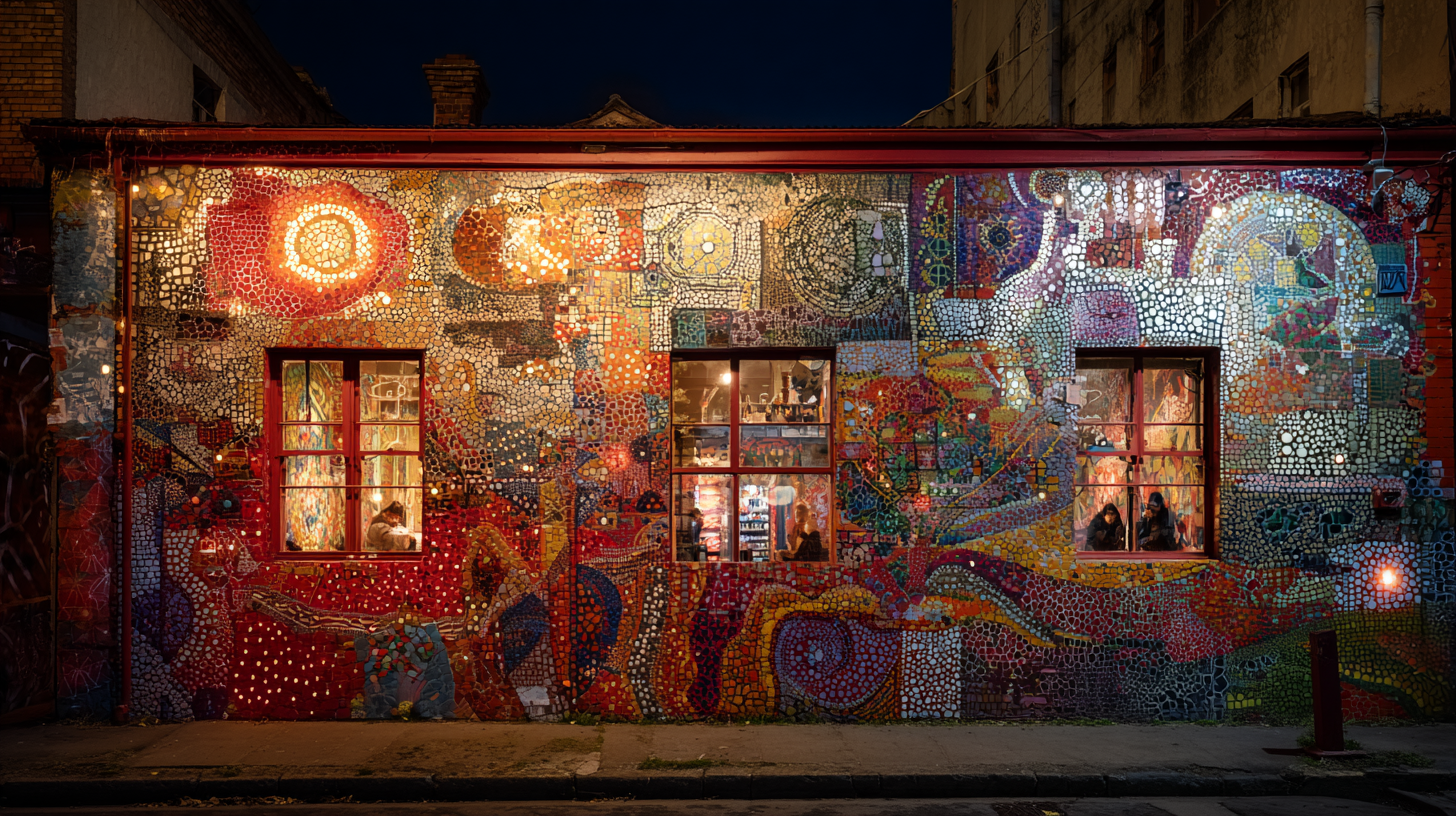
Daughters of the Sun
c. 2000 zc
Medium:Interactive mural with touch-sensitive tiles and textile overlays
A wall alive with glowing constellations of color, where each touch triggers shifting bursts of light. Patterns recall Andean textiles woven into living geometry, merging with Kusama’s luminous infinity. The mural becomes a festival of story, each tile holding memory and resonance.
c. 2000 zc
Medium:Interactive mural with touch-sensitive tiles and textile overlays
A wall alive with glowing constellations of color, where each touch triggers shifting bursts of light. Patterns recall Andean textiles woven into living geometry, merging with Kusama’s luminous infinity. The mural becomes a festival of story, each tile holding memory and resonance.
流水の書
by
Chen Xiaoling (1950–2020 zc)
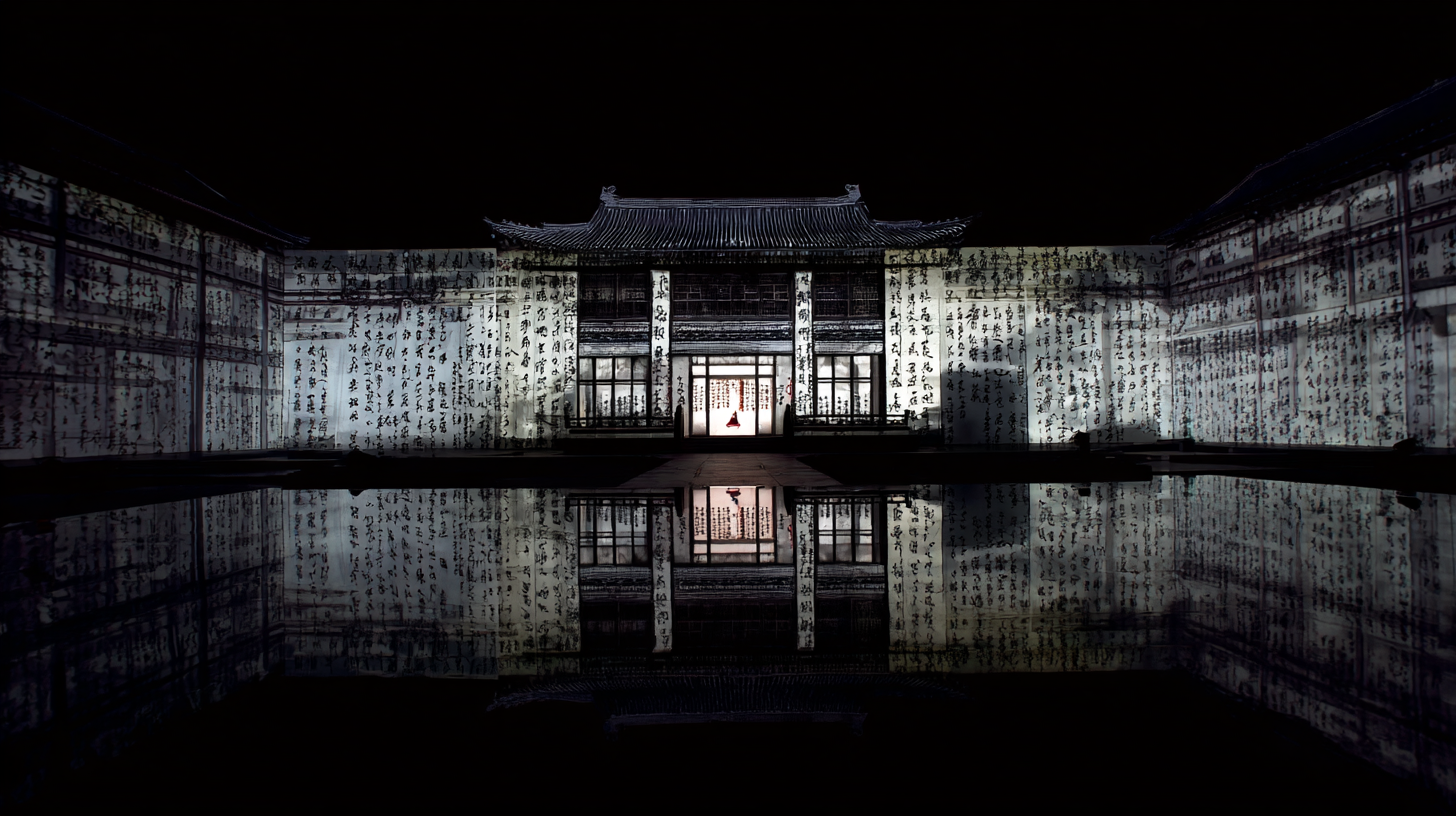
The Flowing Script
c. 2015 zc
Medium:Projection installation on architecture
An entire building wrapped in a projection of calligraphy flowing like rivers of light. Xu Bing’s experimental scripts intertwine with Wang Xizhi’s calligraphic rhythm, forming waves of poetry that wash across walls and reflect in still water. Words become both architecture and atmosphere.
c. 2015 zc
Medium:Projection installation on architecture
An entire building wrapped in a projection of calligraphy flowing like rivers of light. Xu Bing’s experimental scripts intertwine with Wang Xizhi’s calligraphic rhythm, forming waves of poetry that wash across walls and reflect in still water. Words become both architecture and atmosphere.
Columna de los Recuerdos
by
Diego Alvarez (1930–2000 zc)
Column of Memories
2003 zc
Medium:Mirrored steel memorial sculpture
A monumental reflective tower inscribed with thousands of citizen names and photographs. As people approach, their images merge with the engraved surfaces, transforming communal memory into an ever-shifting reflection.
2003 zc
Medium:Mirrored steel memorial sculpture
A monumental reflective tower inscribed with thousands of citizen names and photographs. As people approach, their images merge with the engraved surfaces, transforming communal memory into an ever-shifting reflection.
動く鏡
by
Haruto Sakamoto (1930–2005 zc)
Mirrors in Motion
1987 zc
Medium:Kinetic mirrored sculpture
A series of reflective panels etched with mashrabiya latticework that shift and pivot with the viewer’s movement. Light bends and refracts across its surfaces, turning history into constantly changing form.
1987 zc
Medium:Kinetic mirrored sculpture
A series of reflective panels etched with mashrabiya latticework that shift and pivot with the viewer’s movement. Light bends and refracts across its surfaces, turning history into constantly changing form.
مهرجان النيل
by
Hassan El-Badawi (1935–2005 zc)
Festival of the Nile
1993 zc
Medium:Photo mosaic mural
A riverside celebration depicted through Egyptian wall painting techniques fused with modern photographic mosaics. The piece captures the pulse of seasonal floods and the joyous cycles of communal life.
1993 zc
Medium:Photo mosaic mural
A riverside celebration depicted through Egyptian wall painting techniques fused with modern photographic mosaics. The piece captures the pulse of seasonal floods and the joyous cycles of communal life.
K’anchay Away
by
Ixchel Tenango (1960–2025 zc)
The Brightly Woven Sky
2017 zc
Medium:Textile and photographic appliqué
A quilt of constellations stitched from family portraits, blending Quechua weaving traditions with contemporary fabric art. Each star glows as a celebration of kinship and ancestral lineage.
2017 zc
Medium:Textile and photographic appliqué
A quilt of constellations stitched from family portraits, blending Quechua weaving traditions with contemporary fabric art. Each star glows as a celebration of kinship and ancestral lineage.
دفتر زندگی
by
Kamran Daryush (1910–1980 zc)
The Book of Life
c. 1995 zc
Medium:Illustrated manuscript with photomontage
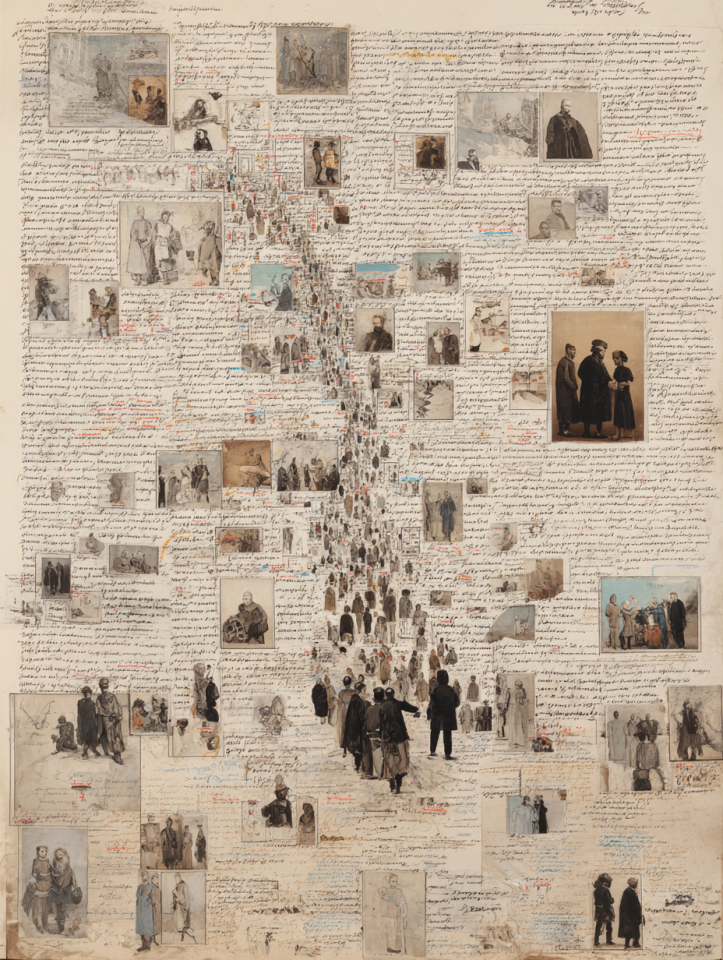
A manuscript unfurling with the figures of scholars, activists, and ordinary citizens, their portraits embedded among Behzad-inspired miniature frames. Notes spill across the margins, blending Persian illumination with modern annotation. It is a living archive where debates are inscribed into both history and memory.
c. 1995 zc
Medium:Illustrated manuscript with photomontage
A manuscript unfurling with the figures of scholars, activists, and ordinary citizens, their portraits embedded among Behzad-inspired miniature frames. Notes spill across the margins, blending Persian illumination with modern annotation. It is a living archive where debates are inscribed into both history and memory.
अनन्त-पद्म
by
Priya Narayan (1940–2010 zc)
The Lotus Without End
2020 zc
Medium:Digital fractal mandala
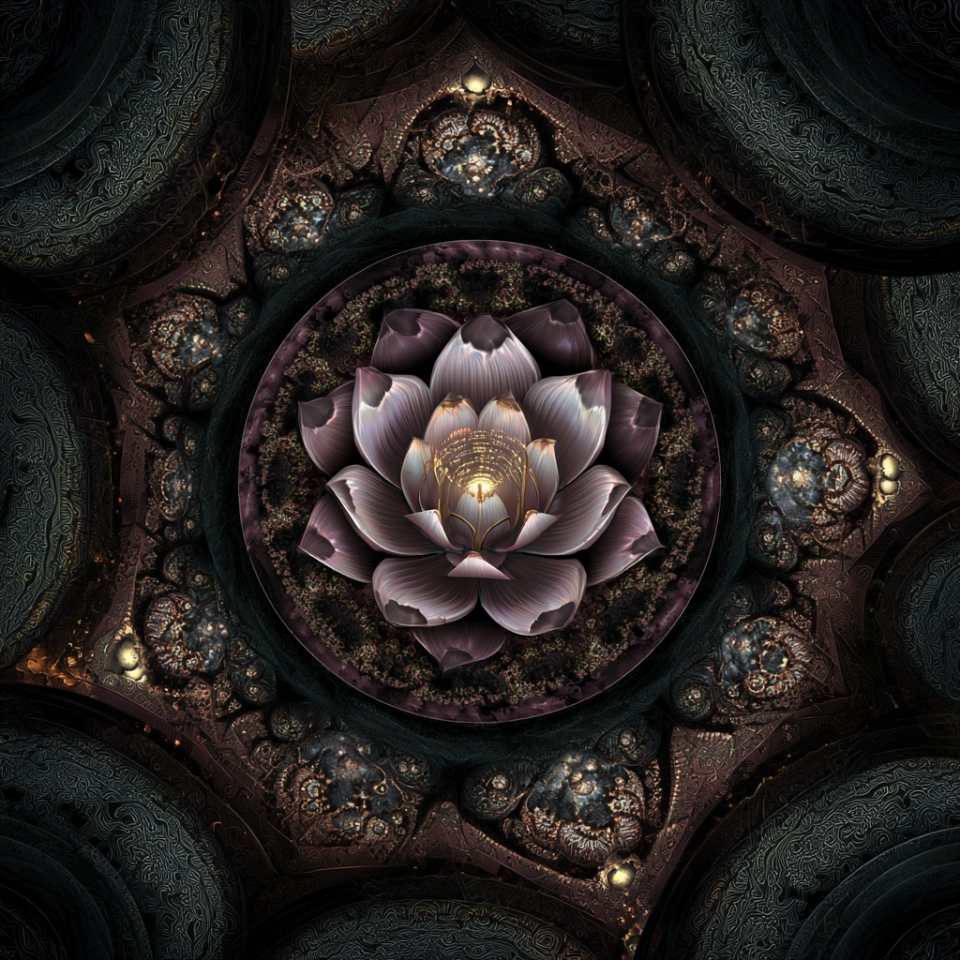
A radiant shrine of recursive lotus spirals, merging fractal art with Buddhist mandala cosmology. Its infinite design evokes the cycles of rebirth and the boundlessness of meditation.
2020 zc
Medium:Digital fractal mandala
A radiant shrine of recursive lotus spirals, merging fractal art with Buddhist mandala cosmology. Its infinite design evokes the cycles of rebirth and the boundlessness of meditation.
Θαλασσινή Εορτή
by
Sophia Anagnostou (1925–1995 zc)
Festival of the Sea
1996 zc
Medium:Fresco-photocollage mural
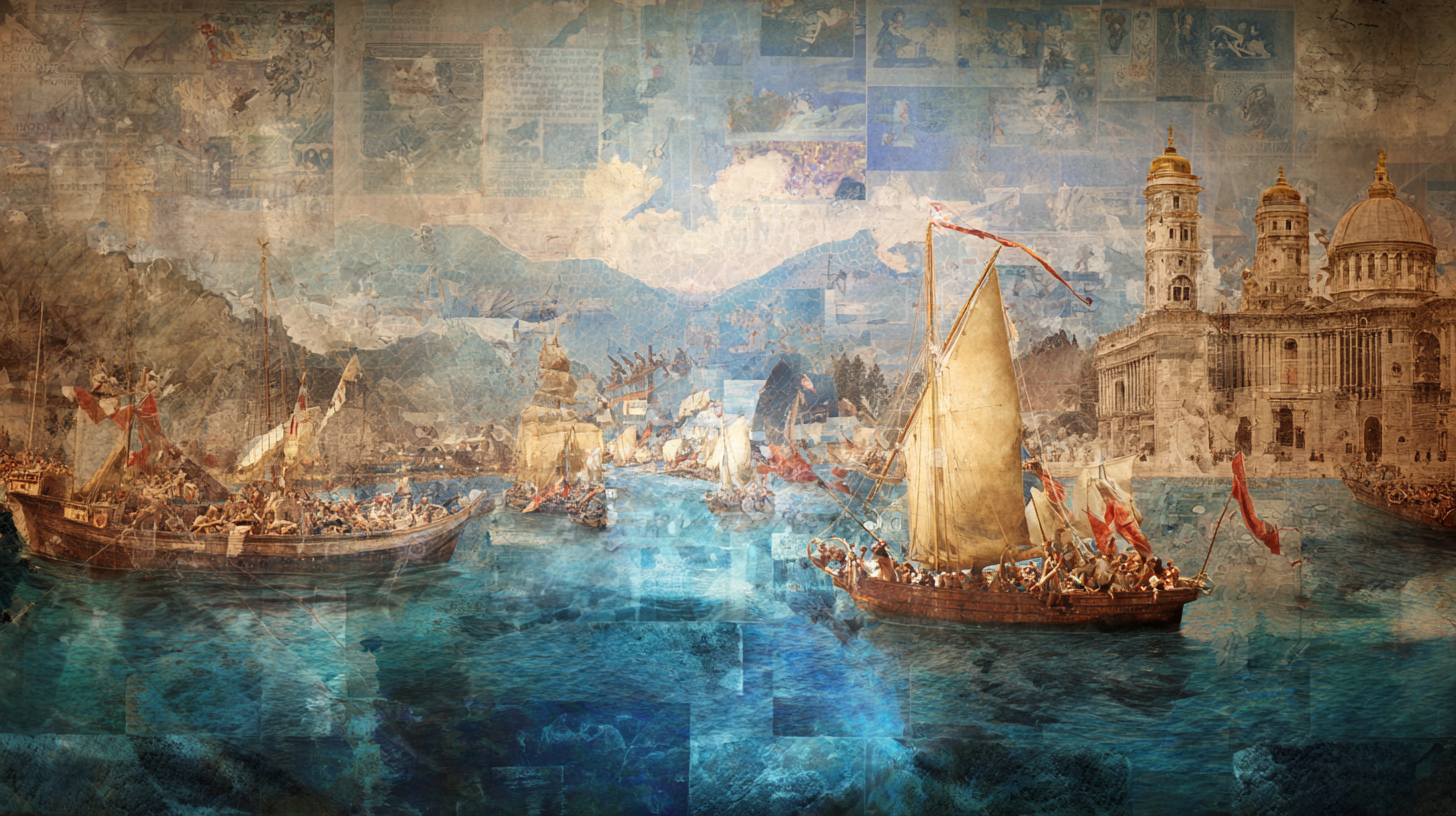
A layered maritime scene combining Giotto-inspired fresco painting with photographic collage. Sailboats, saints, and celebrants overlap in a timeless panorama of trade and festivity.
1996 zc
Medium:Fresco-photocollage mural
A layered maritime scene combining Giotto-inspired fresco painting with photographic collage. Sailboats, saints, and celebrants overlap in a timeless panorama of trade and festivity.
مجلس بیپایان
by
Soraya Jahan (1920–1990 zc)
The Endless Council
2011 zc
Medium:Digital projection architecture
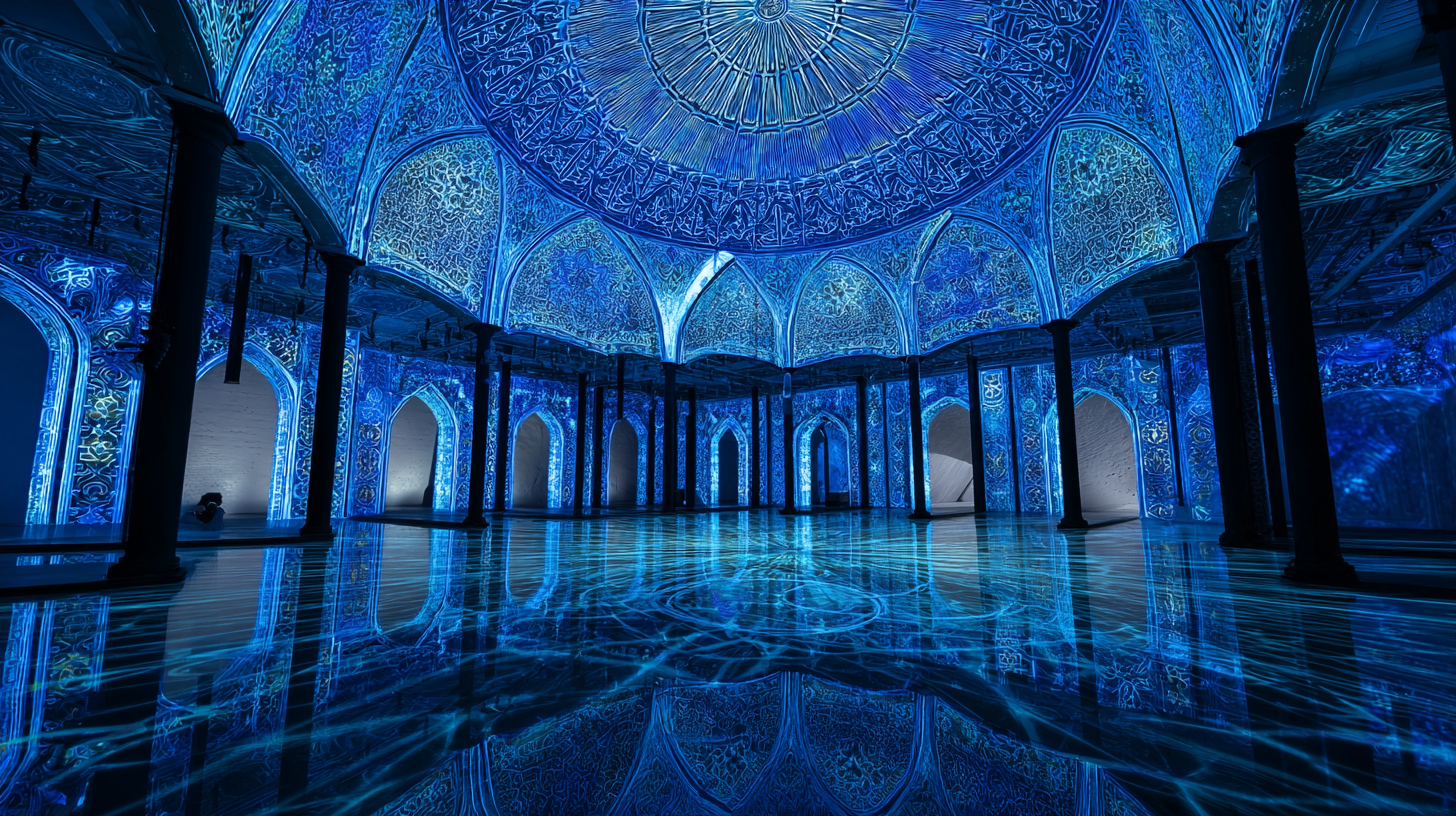
A projection-mapped chamber where Persian domes ripple in infinite geometric shifts. The play of light and calligraphy creates an immersive experience that embodies the endless rhythm of dialogue and consensus.
2011 zc
Medium:Digital projection architecture
A projection-mapped chamber where Persian domes ripple in infinite geometric shifts. The play of light and calligraphy creates an immersive experience that embodies the endless rhythm of dialogue and consensus.
The final halls invite you into art that listens and remembers. Mosaics spiral from thousands of citizen portraits, frescoes incorporate photographs, mandalas bloom in digital light, and quilts stitch constellations from family stories. Here, art becomes participatory, archival, and alive with resonance. Every citizen is both artist and subject, weaving their memory into the shared record. This is the era of collective imagination - the culmination of centuries of creation preserved in common.
| Style | Style Description | Primary Mediums |
| Memory Arts | Collective portrait mosaics that double as civic archives. | mosaics, digital archives, plaza installations |
| Participatory Resonance Murals | Interactive public murals activated by citizen participation. | interactive murals, resonance-light walls, public art |
| Sinosphere Moving Calligraphy | Calligraphy animated in light, shifting across civic buildings. | light projection, moving inscriptions, scroll installations |
| Archive Sculpture | Participatory memorial columns and figures embedding photographs, names, and mirrored surfaces; reflective public archives. | Stainless steel; glass; photo-laminate; resonance-lit tiles |
| Kinetic Archives | Public kinetic sculptures that preserve history in shifting forms. | kinetic sculpture, resonance-driven moving art, public installations |
| Nile River-Archive Murals | Civic murals that layer ancient flood cycles with modern images. | wall murals, archive mosaics, civic façades |
| Meso Star Quilts | Story quilts blending astronomy, family history, and collective identity. | textile quilts, digital-fabric hybrids, archival cloth banners |
| Persic Memory Miniatures | Miniatures hybridized with photography and collage. | illuminated manuscripts, photo-illustrated archives |
| Indic Resonant Mandalas | Fractal mandalas projected as digital shrines. | projection mandalas, digital shrines, light installations |
| Hellenic Photographic Frescoes | Frescoes layered with archival photography. | fresco-photography hybrids, plaza murals |
| Digital Resonant Fractals | Immersive fractal projections reshaping public space. | projection art, light sculptures, interactive domes |
Meet the Masters
Type
Museum




Comments