The Mandate of Heaven
Philosophy of just rule vs. tyranny and downfall.
In the age of the Shang kings, the throne was mighty. They sacrificed to ancestors, raised bronze in splendid halls, and ruled with thunder. Yet as generations passed, the hearts of kings grew proud. The last of them, Zhou of Shang, gave himself only to pleasure. He raised towers of debauchery, filled them with wine that ran like rivers, and listened not to counsel but only to flatterers. His punishments were cruel, his greed without end, and the people groaned beneath his weight.
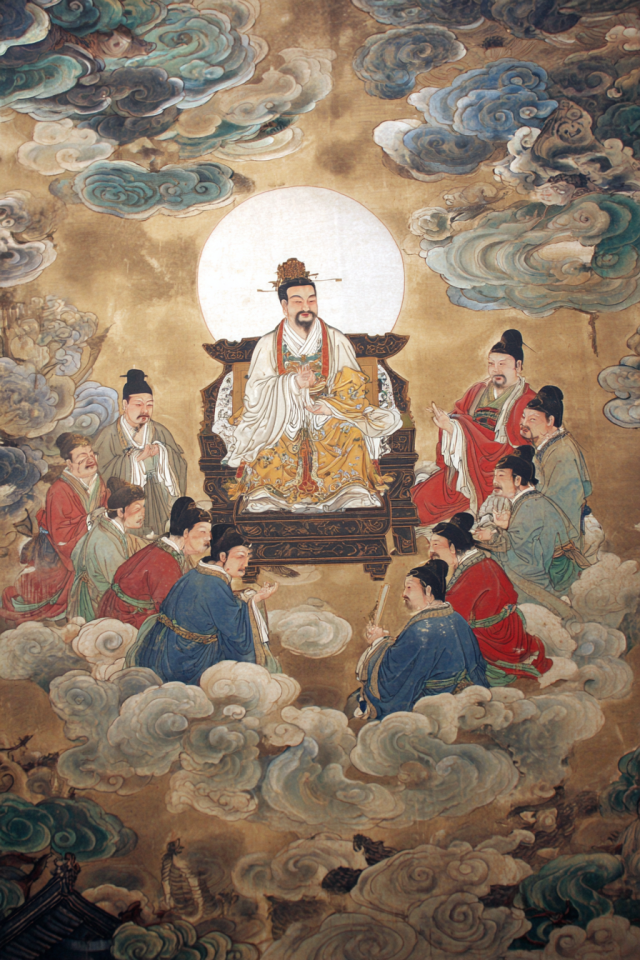
Above, Heaven watched. Tian is not a god who speaks with a single voice, but the order of all things, vast and unyielding. When kings ruled with virtue, Heaven’s blessing flowed, harvests flourished, and the people thrived. But when kings forgot their duty, Heaven turned its face away. The rains failed, the earth shook, and omens darkened the skies.
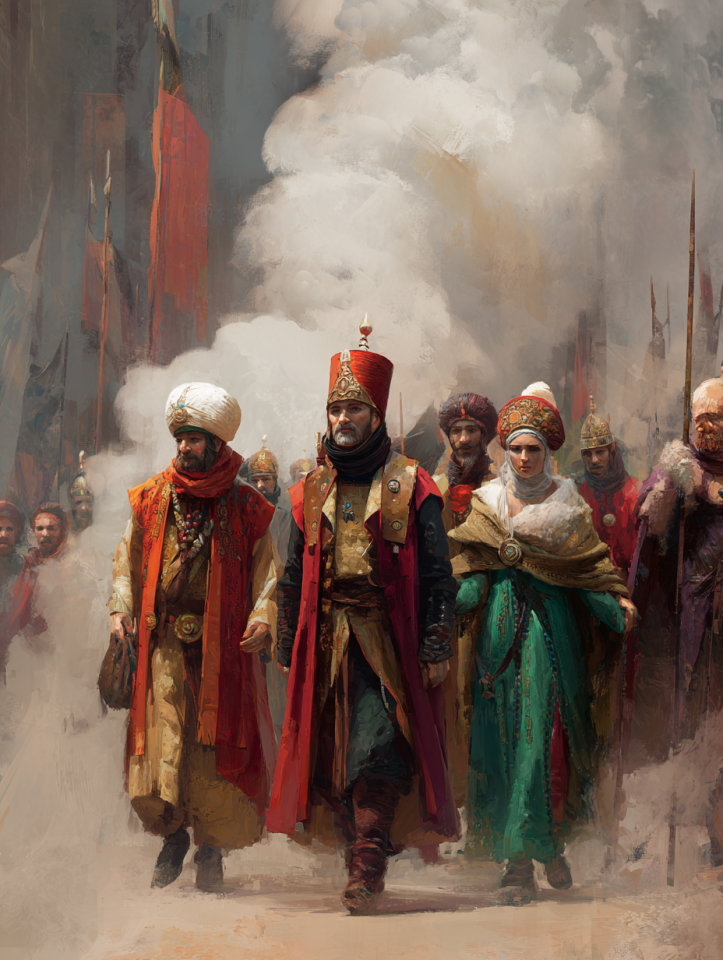
Among the western lands rose the leaders of Zhou, men of discipline and vision. They saw the people’s suffering and declared that the Shang no longer held Heaven’s Mandate. “The throne is not a gift forever,” they said. “It rests only with the just. When the ruler loses virtue, the Mandate passes.” Their banners rose, their armies marched, and the people, weary of the Shang’s cruelty, joined them.
On the field of Muye, the two sides met. The Shang king, drunk with arrogance, arrayed his hosts. But when battle was joined, many of his soldiers cast down their arms, unwilling to fight for tyranny. The Zhou forces swept forward, and the Shang king perished in his burning palace. The Mandate of Heaven had shifted.
The Zhou rulers took the throne not as conquerors alone, but as stewards of a new order. They proclaimed to the people: “Heaven has chosen us because we serve the Way. If we falter, Heaven will strike us down as it struck the Shang.” And so began the great cycle — each dynasty holding the Mandate only so long as it ruled with virtue.
In years to come, when droughts or rebellions arose, the people whispered, “The Mandate is slipping.” When emperors grew cruel or foolish, Heaven sent signs: comets, earthquakes, floods, or flames. When new leaders rose with strength and fairness, they declared Heaven’s favor as their right. Thus dynasties fell and rose again, each claiming the Mandate, each bound to lose it in time.
So the tale was not only of one king’s fall, but of a pattern etched across centuries. It taught that power was never absolute, that thrones rest on the fragile balance between ruler, people, and Heaven’s will. The people of China remembered it always, for they had seen it proven in fire and flood, in conquest and renewal.
And so the Mandate of Heaven endures, not as a law written in stone, but as a story told whenever power falters: that no crown is safe from the weight of Heaven, and no dynasty eternal, save in the justice it upholds.
Related Organizations




Comments