Manden Kurufaba (MAHN-den KOO-roo-fah-bah)
The Manden Federation
The savannah stretches wide beneath the sun, its grasses swaying like waves of gold. At Kangaba, the beating of drums echoes across the land, calling chiefs, griots, and elders to the plaza. Beneath the shade of a great baobab tree, words are spoken with the weight of centuries, carried not in parchment but in memory. For the people of the Manden Kurufaba, preservation is not silent but sung, not hidden but proclaimed, binding generations through story and sound.
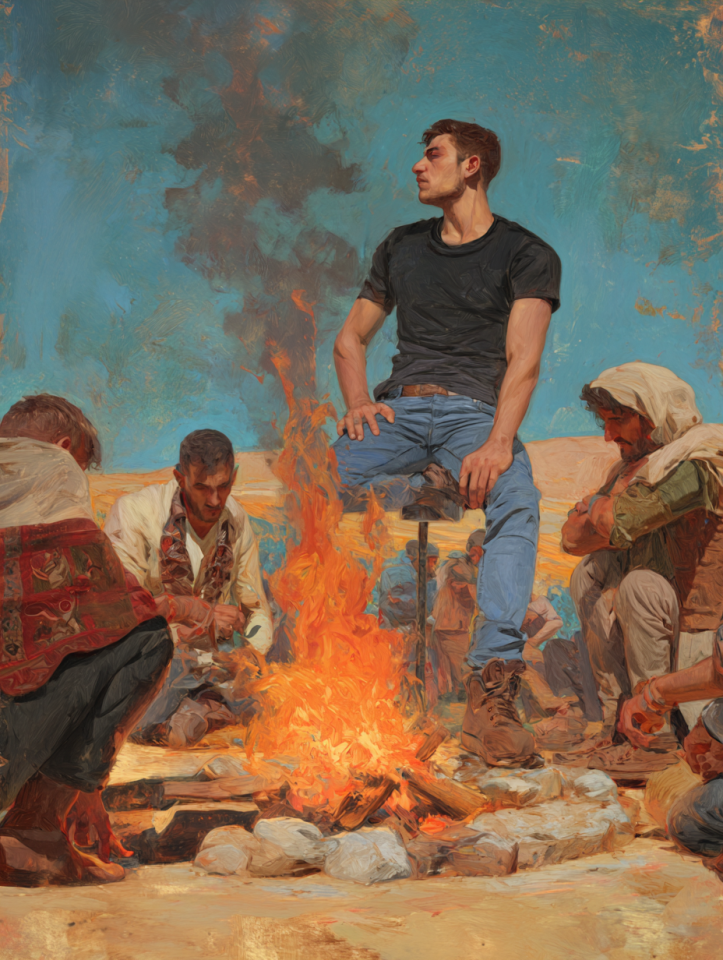
Markets bustle with kola nuts, gold dust, and salt, their trade routes stretching deep into the Sahara and beyond. Travelers from Azania and Sogdiana find themselves welcomed with hospitality, their tales recorded by griots who remember as easily as others breathe. In the courtyards, children gather at night to hear the jeliw — griots who weave history, genealogy, and myth into song. Every verse is an archive, every performance an act of preservation.
Iron-smiths hammer tools that shape fields and weapons alike, while farmers cultivate millet and sorghum in rhythm with the rains. Hunters return from forests with tales of spirits and ancestors, their rituals binding the community to the unseen world. To forget is impossible here, for memory is carried in every drumbeat, every name recited, every lineage sung aloud.
When the Accord was called, envoys from Manden declared that memory must live in voices as much as in stone. They argued that written archives are vulnerable to fire and flood, but the living archive of the griot endures. Thus Manden Kurufaba entered the Accord as the guardian of the spoken word, ensuring that preservation would always remain human.
Historical Origins
The roots of Manden Kurufaba lay in the small chiefdoms of West Africa, bound together by kinship and trade. Though the great Mali Empire was yet centuries away, the seeds of its traditions — griot storytelling, iron-working, and communal governance — already flourished. By the 1st century zc, Kangaba had emerged as a symbolic center, where clans met to forge unity through ritual and oath.
When emissaries of the Accord reached these lands, they recognized the richness of oral tradition and communal law. The Manden leaders insisted that their voice be included, declaring that preservation without speech was incomplete. Their presence in the Accord established the principle that memory can be sung as powerfully as it can be written.
Philosophy & Governance
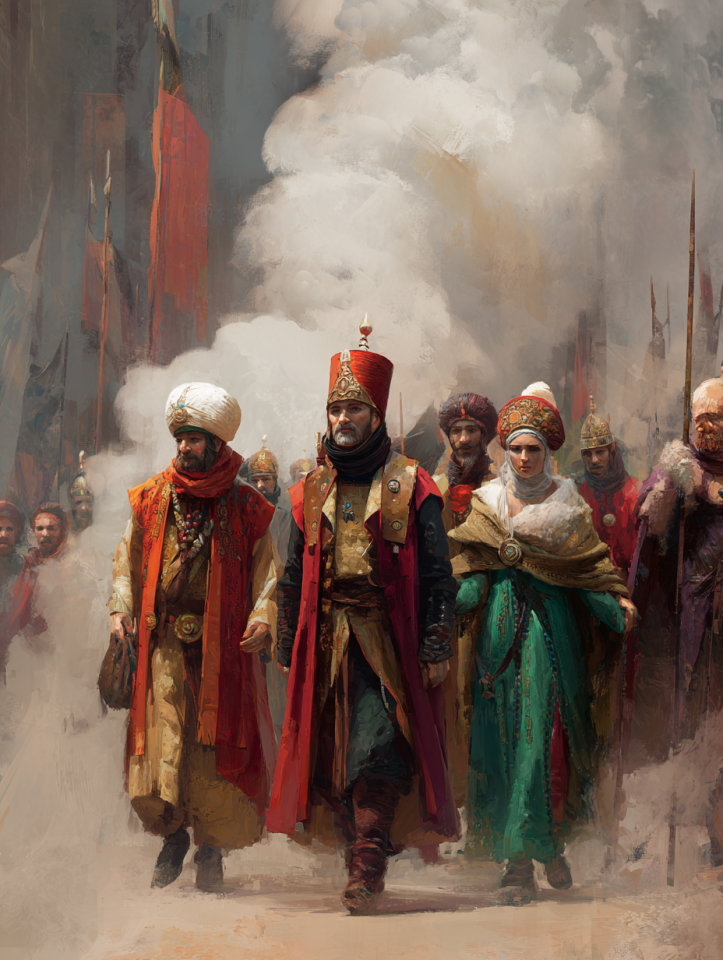
Governance in Manden Kurufaba was rooted in councils of elders and assemblies of chiefs, balanced by the moral authority of griots. Law was not codified in scrolls but preserved in proverbs, stories, and genealogies. Authority rested not only on wealth or lineage but on the ability to maintain harmony within community and clan.
In the Accord, Manden Kurufaba contributed the philosophy of the spoken archive. They reminded the world that memory is not only something kept, but something performed and renewed. Their governance emphasized balance between authority and accountability, with griots acting as both historians and critics of power.
Contributions to the Accord
Manden Kurufaba’s contributions enriched the cooperative world in profound ways:
Oral Tradition: Griots as living archives of genealogy, history, and law.
Music and Rhythm: Drums and stringed instruments as carriers of preservation.
Ironworking: Mastery of metallurgy that shaped both agriculture and art.
Communal Law: Councils and assemblies that emphasized accountability through memory.
Cultural Identity
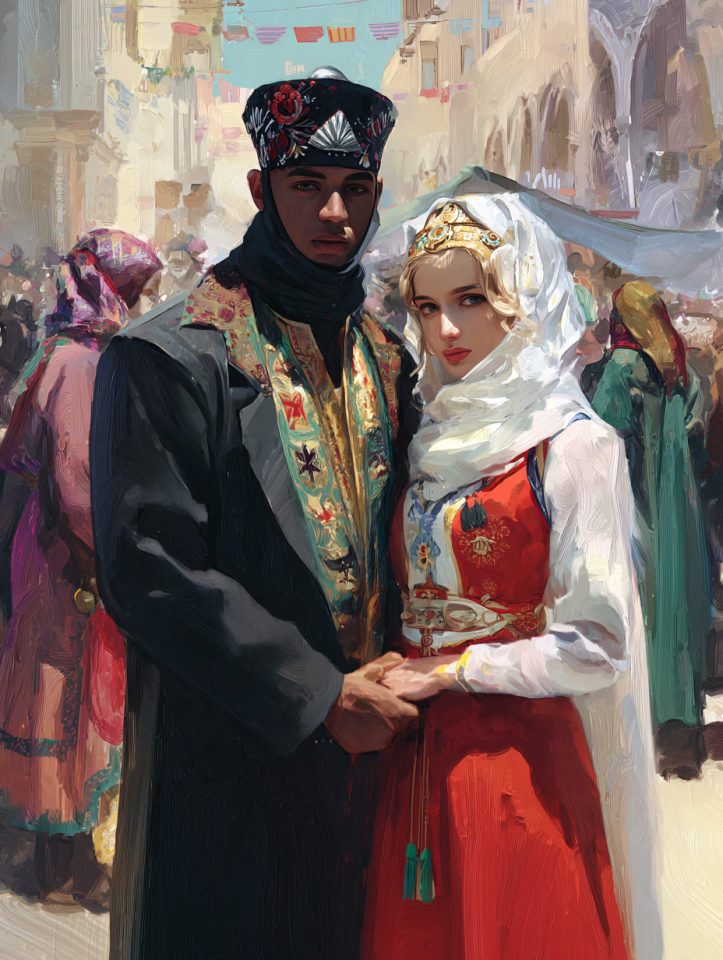
Manden culture celebrated the spoken word as sacred. Griots were not mere performers but custodians of truth, their voices binding past to present. Music and rhythm infused every ritual, from birth to burial, ensuring that memory was never silent.
Their art and symbolism reflected cycles of continuity: spirals, masks, and carved figures embodied the presence of ancestors. In the Accord, Manden Kurufaba reinforced the principle that preservation must be participatory, alive in the breath of the people rather than locked in archives alone.
Capital City
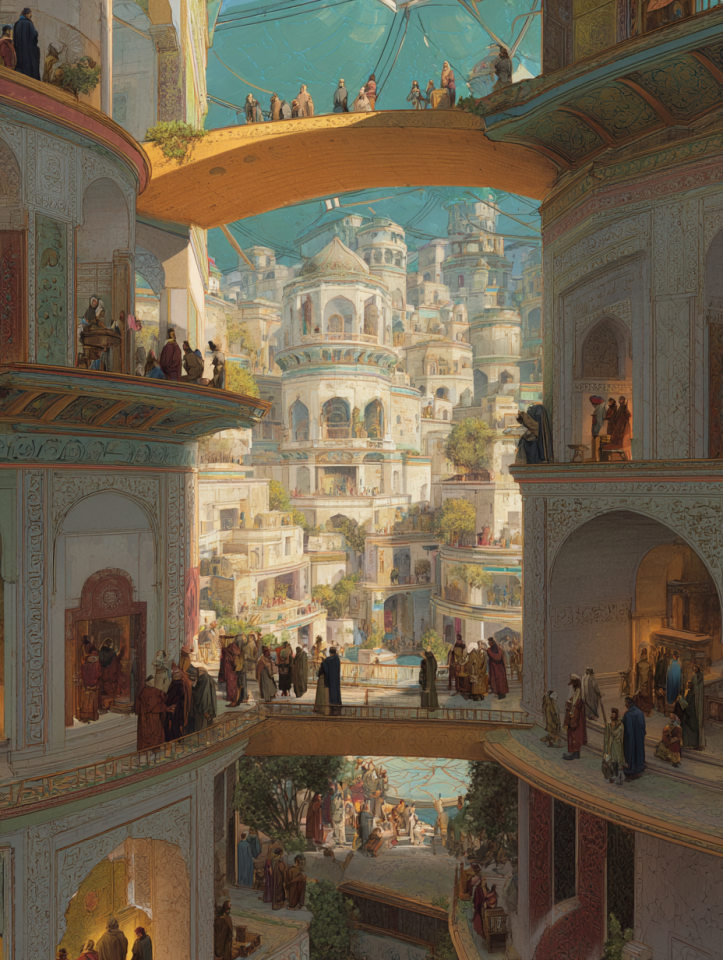
Kangaba — 11.9330°N, 8.4160°W — was chosen as Manden Kurufaba’s Accord seat. Though modest in scale compared to cities of Pārsa or Zhongguo, it held immense symbolic weight as the gathering place of clans. Beneath its baobab trees, councils convened, and griots performed the great epics that carried law and memory alike.
Accord emissaries marveled at how Kangaba’s archives were living, not written. To witness a griot recite generations of genealogy was to see preservation embodied in voice. In Kangaba, the Accord found proof that memory does not require stone or ink, but heart and breath.
Legacy & Global Role
Manden Kurufaba gave the Accord its voice. They ensured that preservation would always include oral tradition, music, and performance, reminding the cooperative world that memory is not silent. Their philosophy of accountability through spoken word shaped the Accord’s councils, where debate and recitation became as important as archive.
Centuries later, the griots of Manden continue to sing, their voices carrying the unbroken chain of memory. Their legacy endures wherever people gather to tell stories, to sing names, and to remember aloud. They remind that preservation is not only what we keep, but what we perform — the living memory that speaks across time.

Black for fertile soil/ancestry, gold for regional wealth, drum for oral tradition/preservation.
Type
Geopolitical, Country
Capital
Leader
Leader Title
Related Ranks & Titles
Controlled Territories
Notable Members
Related Myths











Comments