
Ratnakara
Capital City of Suvarnabhumi
History
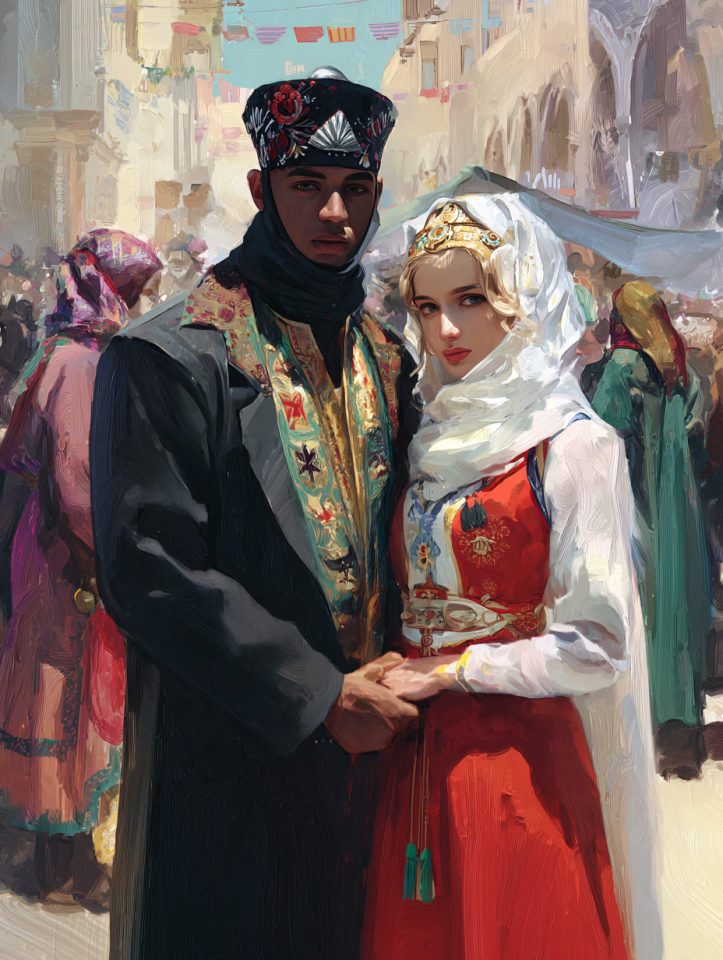
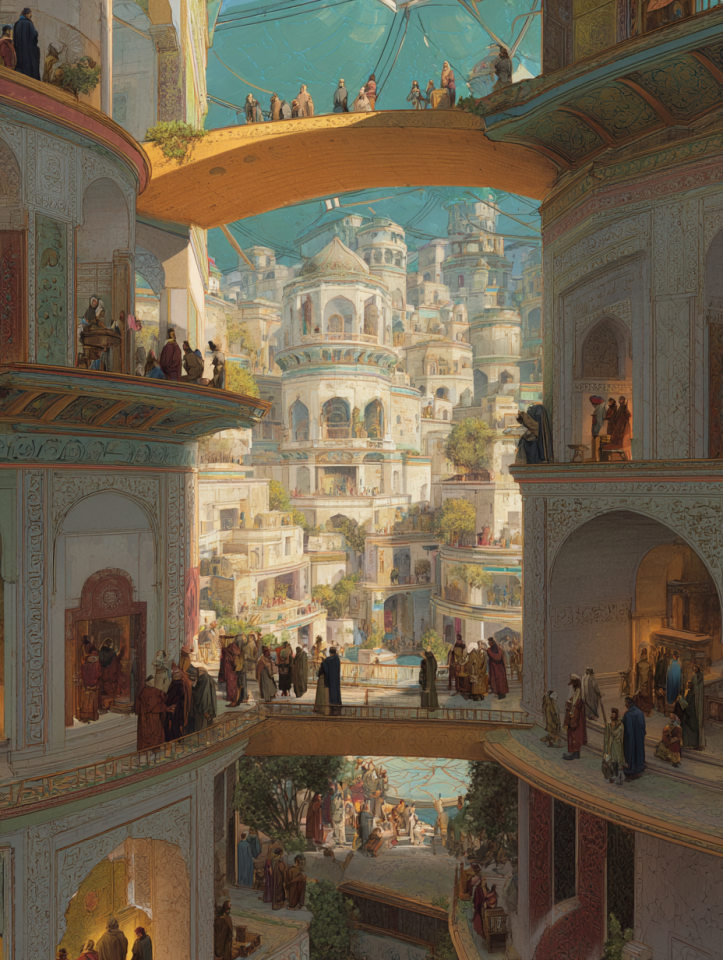
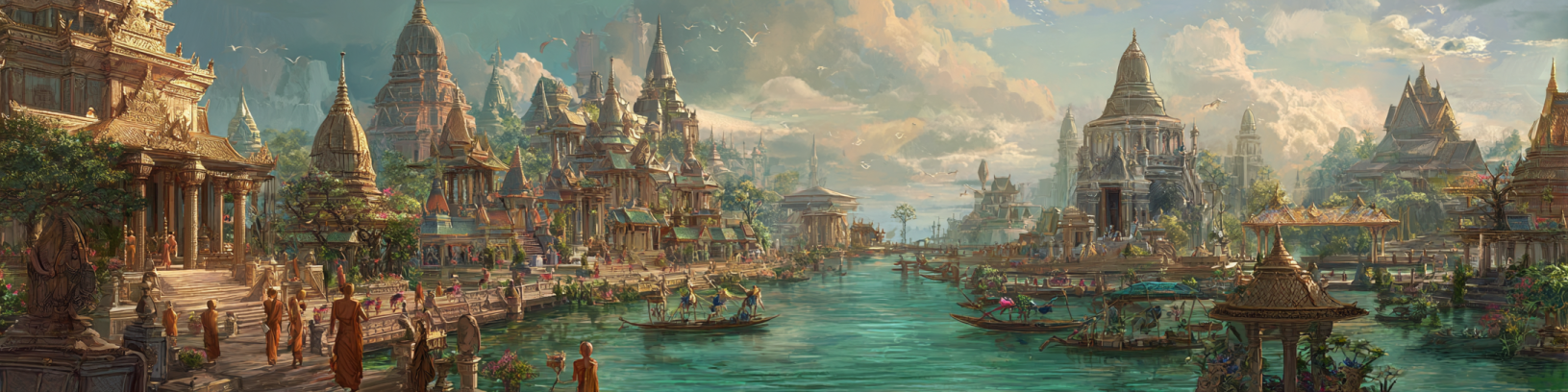
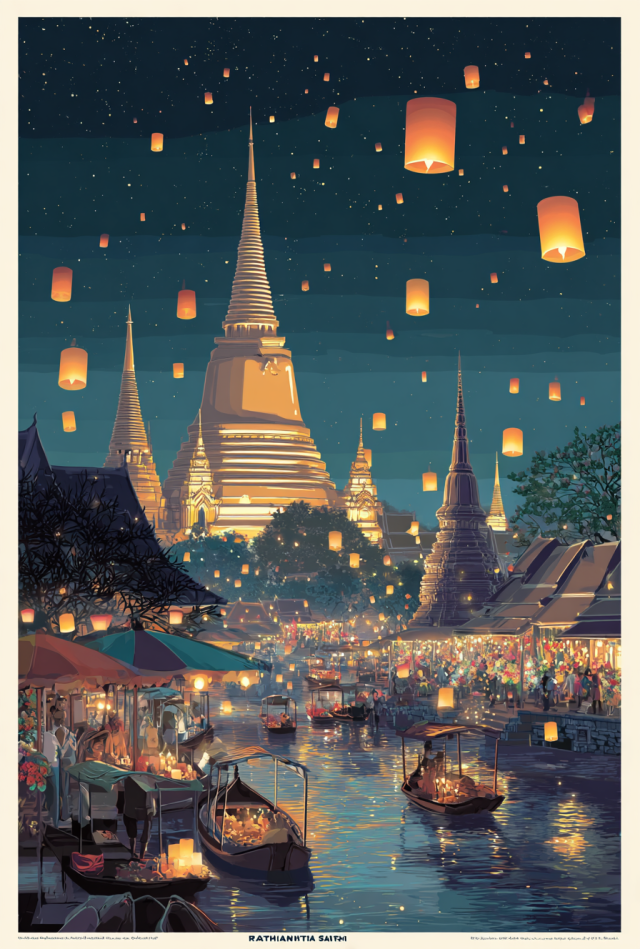
Ratnakara (known historically as Ayutthaya) rose quickly as the capital of Suvarnabhumi. Its position at the convergence of rivers made it a natural hub for both trade and defense. Merchant guilds and monastic orders alike flourished, turning the city into one of the wealthiest and most cosmopolitan centers of Southeast Asia.
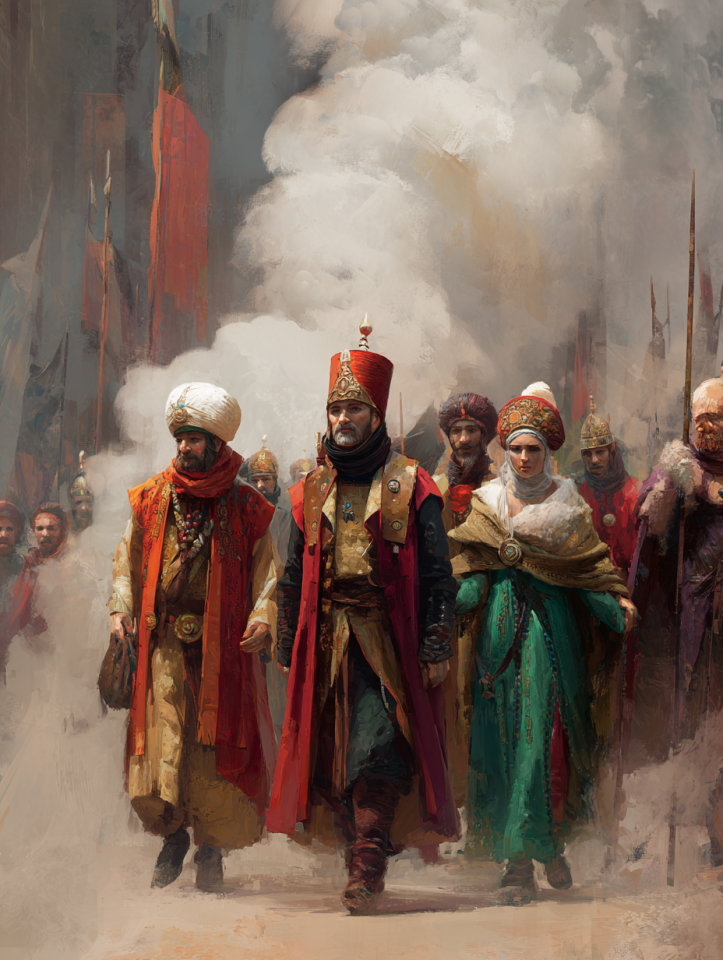
Where in other histories foreign empires would arrive to disrupt its sovereignty, Ratnakara preserved its autonomy through federative alignment. Councils balanced the voices of guilds, monks, and local leaders, ensuring no one faction dominated. The city became famed for its artistry: lacquered manuscripts, bronze Buddhas, and textiles that traveled as far as the Persian Gulf and the Yellow Sea.
Through the centuries, Ratnakara endured fires, floods, and shifting dynasties, but its foundations remained unbroken. In the modern age it continues as the capital of Suvarnabhumi, celebrated for both its cultural depth and its federative role, where trade networks, philosophical schools, and ritual life remain seamlessly entwined.
Sights / Destinations
Religion / Cults / Sects
Theravāda Buddhism remains the guiding tradition of Ratnakara, its monasteries central to both civic life and education. Hindu shrines dedicated to Vishnu and Shiva stand alongside, reflecting older layers of devotion. Animist traditions tied to river and forest spirits persist in household altars and seasonal rituals. Stoic and Confucian philosophies, carried by merchants, hold modest presence in guild councils. The city’s faiths are not exclusive, but braided together in the shared rhythm of merit-making and balance.
Founding Date
1630 zc
Alternative Name(s)
Ayodhya, Ayutthaya, “City of Gems”
Type
Capital
Owning Organization
Characters in Location




Comments