Azania (Ah-ZAH-nee-ah)
Land Along the Coast
Dhows with lateen sails drift into the harbor of Kilwa Kisiwani, their hulls heavy with ivory, gold, and spices. The air is alive with the calls of merchants haggling in Swahili, Arabic, and Sanskrit, the marketplace ringing with a thousand tongues. Minarets rise above coral-stone houses, while carved wooden doors gleam with intricate patterns that speak as much of memory as of artistry. Preservation here is the ebb and flow of tides, each wave bringing stories from distant shores.
On the beaches, fishermen mend nets while children sing chants that recount ancestral voyages. Griots and poets gather in shaded courtyards to recite histories that stretch across generations, binding lineage to place. In bustling streets, artisans work brass and gold, shaping jewelry whose patterns encode symbols of clans and gods. For the people of Azania, every craft is an archive, every journey a record, every trade an act of remembrance.
Travelers arriving from Sogdiana or Suvarnabhumi find themselves at the nexus of a world in motion. Caravans from the African interior bring salt, copper, and slaves, while ships from Arabia and India unload textiles and spices. This convergence of land and sea ensures that Azania is never isolated, but always a meeting point. To its people, preservation means connection — weaving inland and overseas threads into a single tapestry.
When the Accord was called, Tahara of Memphis reached across the Red Sea to invite Azania. Its leaders agreed, declaring that the preservation of knowledge must move with the monsoon winds as surely as with the river floods. Thus Azania entered the Accord as the guardian of tides and crossroads.
Historical Origins
Azania’s traditions grew along the Swahili Coast, where Bantu-speaking peoples merged with Arab, Persian, and Indian influences through trade. By the 0 zc, settlements like Kilwa, Mombasa, and Zanzibar had already become thriving centers of commerce, blending African heritage with foreign exchange.
Kilwa Kisiwani, famed for its wealth and strategic location, became the symbol of this heritage. Its mosques and palaces were built from coral stone, embodying permanence amid the shifting sea. When the Accord reached East Africa, Kilwa was chosen as its seat, cementing Azania’s role as bridge between continents.
Philosophy & Governance
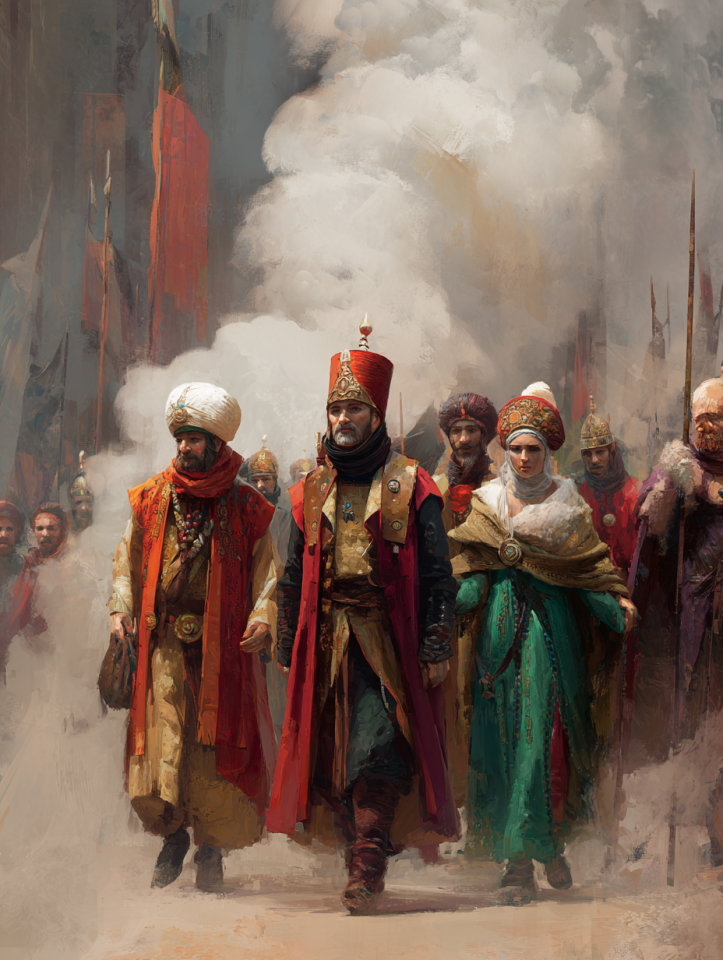
Governance in Azania was shaped by councils of elders, merchants, and religious leaders. Authority flowed not from conquest but from reputation, wealth, and lineage, balanced by communal decision-making. Preservation was entrusted to griots, poets, and genealogists who carried memory in song and prose.
In the Accord, Azania emphasized that preservation required openness. Just as monsoon winds brought new goods and ideas, so too must archives remain receptive to diversity. They argued that memory grows strongest at crossroads, where difference meets and blends.
Contributions to the Accord
Azania’s contributions were both material and philosophical:
Trade Networks: Linking Africa’s interior with Arabia, India, and beyond.
Oral Histories: Griots and poets preserving genealogies and law.
Maritime Technology: Mastery of dhows, monsoon navigation, and port building.
Cultural Fusion: A cosmopolitan worldview that embraced exchange as preservation.
Cultural Identity
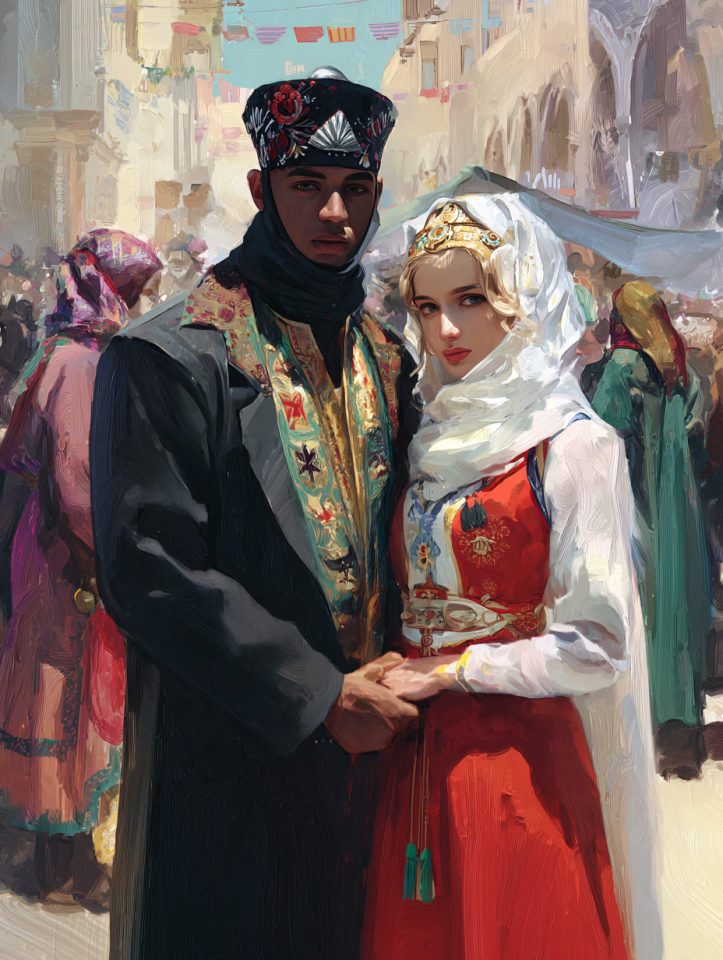
Azania’s identity was woven from many threads. Swahili, a language of Bantu roots enriched by Arabic and Persian, became both lingua franca and archive. Poetry and song were celebrated as vessels of truth, while art and architecture blended African motifs with Islamic and Indian influences.
Festivals marked both agricultural and maritime cycles, honoring ancestors and gods alike. In the Accord, Azania’s cosmopolitan culture reinforced the idea that preservation thrives in diversity — that openness to others strengthens one’s own identity rather than diminishes it.
Capital City
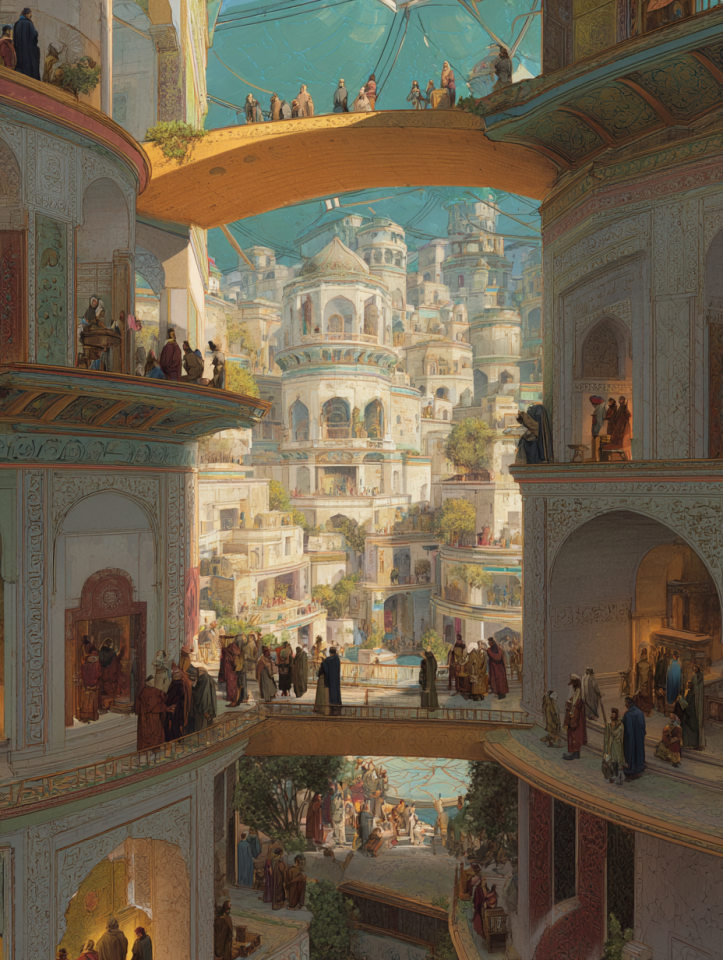
Kilwa Kisiwani — 8.9590°S, 39.5080°E — was chosen as Azania’s Accord seat. Its coral-stone mosques and palaces embodied resilience, while its harbors connected inland caravans with oceanic routes. Accord councils met in its great mosque, where pillars of coral and wood symbolized unity of land and sea.
Here, archives were kept not only in scrolls and manuscripts but in oral recitations transcribed into multiple languages, ensuring that genealogies and stories would endure across cultures. Kilwa’s cosmopolitan character made it the perfect embodiment of Azania’s philosophy: that memory belongs to all who pass through.
Legacy & Global Role
Azania gave the Accord its crossroads. Their mastery of trade and openness to exchange ensured that preservation was not locked in isolation but flowed across oceans and continents. They proved that diversity is not a threat to memory but its strength.
Centuries later, the legacy of Azania lives on in every cosmopolitan city, every port where languages mingle and ideas converge. Their philosophy reminds that preservation is strongest not at the center or the margin, but at the meeting point where all paths cross.

Teal for Indian Ocean, gold for coastal trade, sail as symbol of exchange/preservation.
Type
Geopolitical, Country
Capital
Leader
Leader Title
Related Ranks & Titles
Controlled Territories
Notable Members












Comments