

Kilwa Kisiwani
Capital City of Azania
History
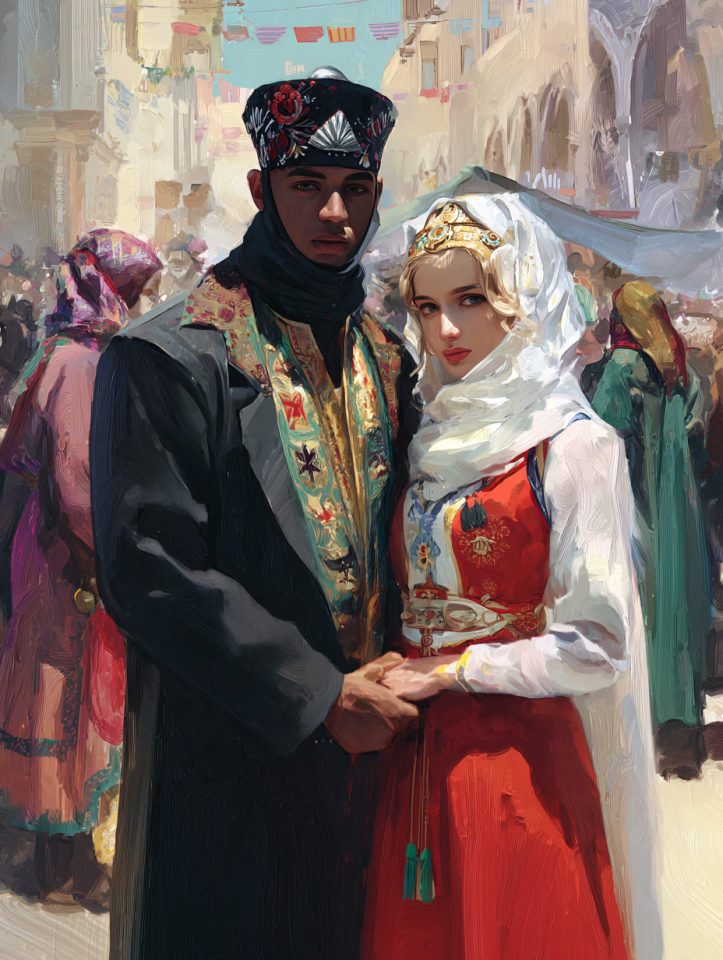
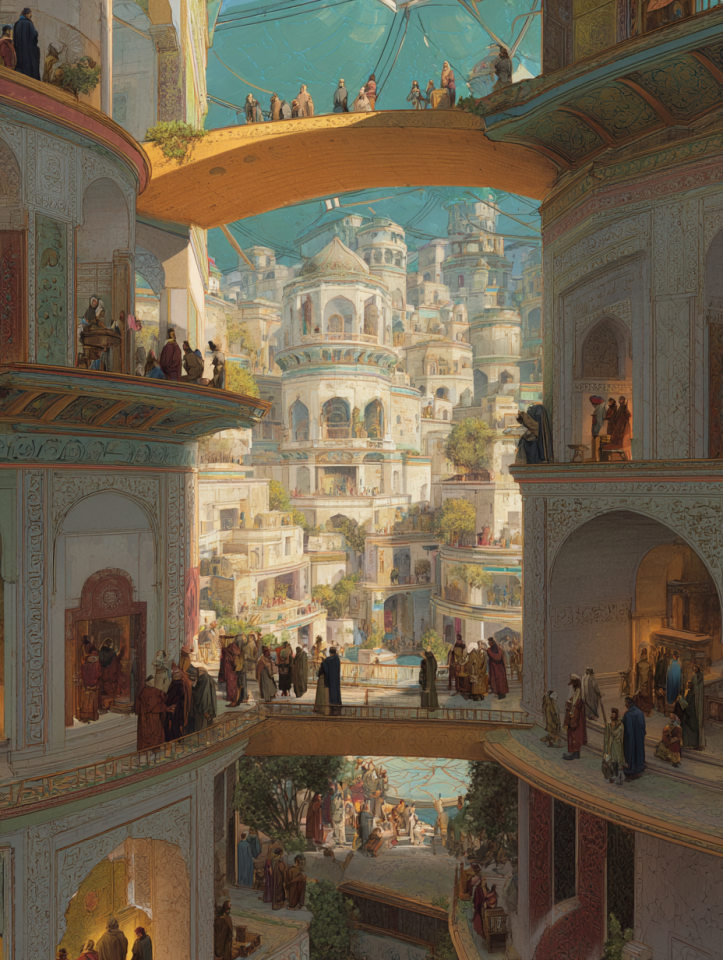
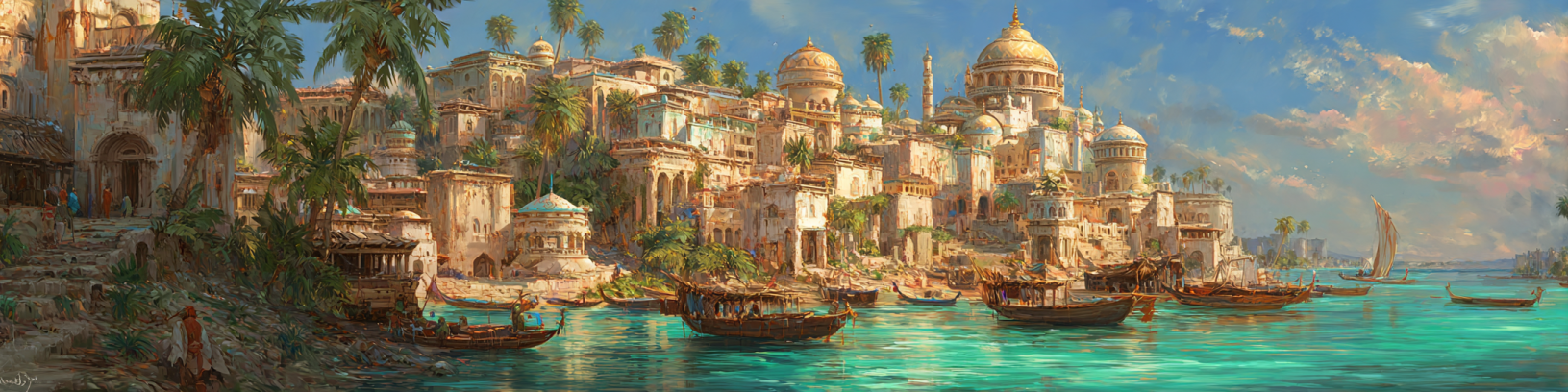
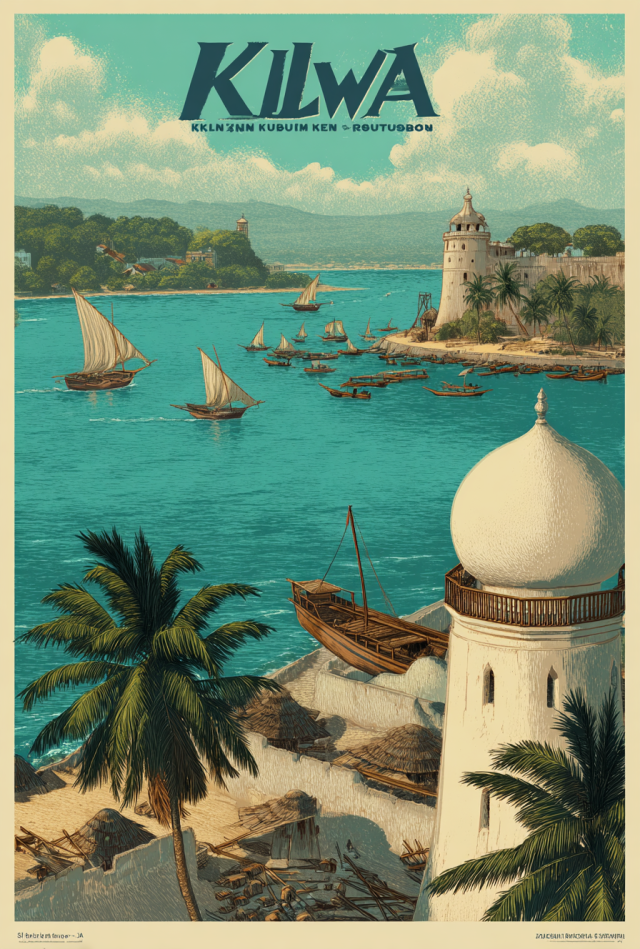
Kilwa was established by settlers from Shiraz and local Swahili clans, quickly rising as one of the principal city-states of the Swahili Coast. Its harbor, deep and sheltered, gave it a natural advantage, turning it into a nexus of trade that connected East Africa to Arabia, India, and beyond. Gold from the Zambezi, ivory from the interior, and spices from the islands all passed through its markets.
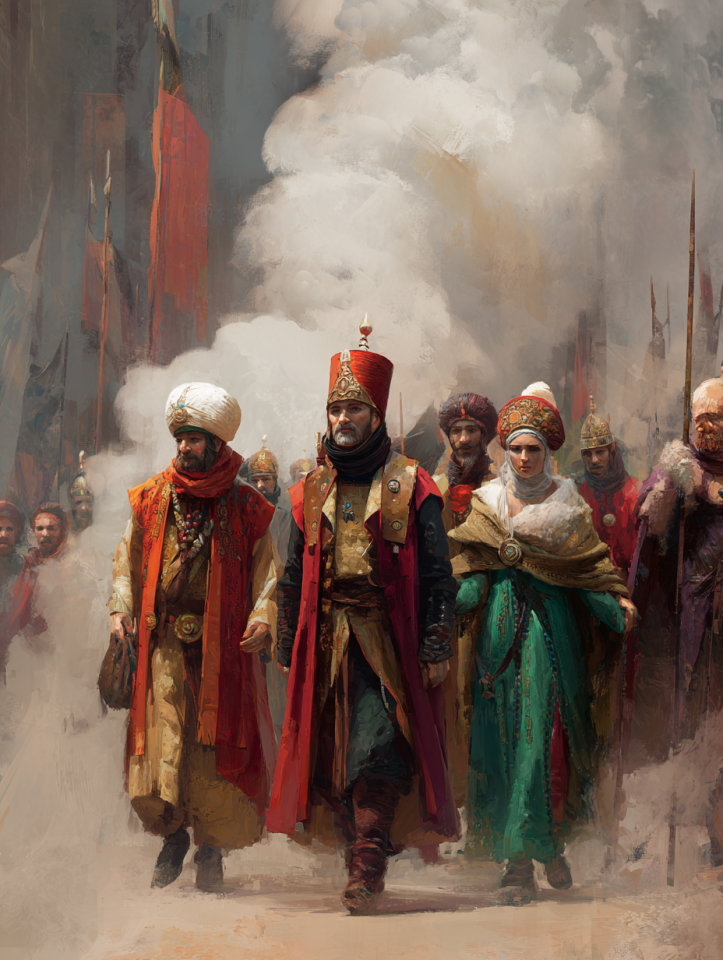
Where in other histories colonial incursions fractured the Swahili coast, Kilwa’s federative ties with Azania preserved its autonomy. Councils of merchants and guilds guided the city’s growth, balancing the interests of local clans with international traders. By the end of the millennia, Kilwa was famed not only for its wealth but also for its scholarship — Quranic schools flourished beside academies of logic and medicine.
In later centuries, Kilwa endured shifts in trade winds and political tides, but its identity as a maritime hub never faded. Today it remains the capital of Azania, a city where coral-stone mosques stand side by side with guild halls and where the memory of centuries of oceanic exchange still shapes daily life.
Sights / Destinations
Religion / Cults / Sects
Kilwa’s spiritual life has long been plural. Islamic devotion, brought by traders, remains strong, expressed through both scholarship and community ritual. Local Swahili traditions tied to sea and ancestor spirits continue alongside, integrated into festivals and rites of passage. Buddhist and Stoic schools, carried by merchants from across the Indian Ocean, have modest footholds in the city, their influence most visible in guild debates and academies. Religion here is inseparable from the sea — every tradition in Kilwa bends toward the horizon.
Founding Date
126 zc
Alternative Name(s)
Kilwa, Qilwa
Type
Capital
Owning Organization
Characters in Location




Comments