




Xun An of Linzi (SHOON AHN)
First Voice of Zhongguo
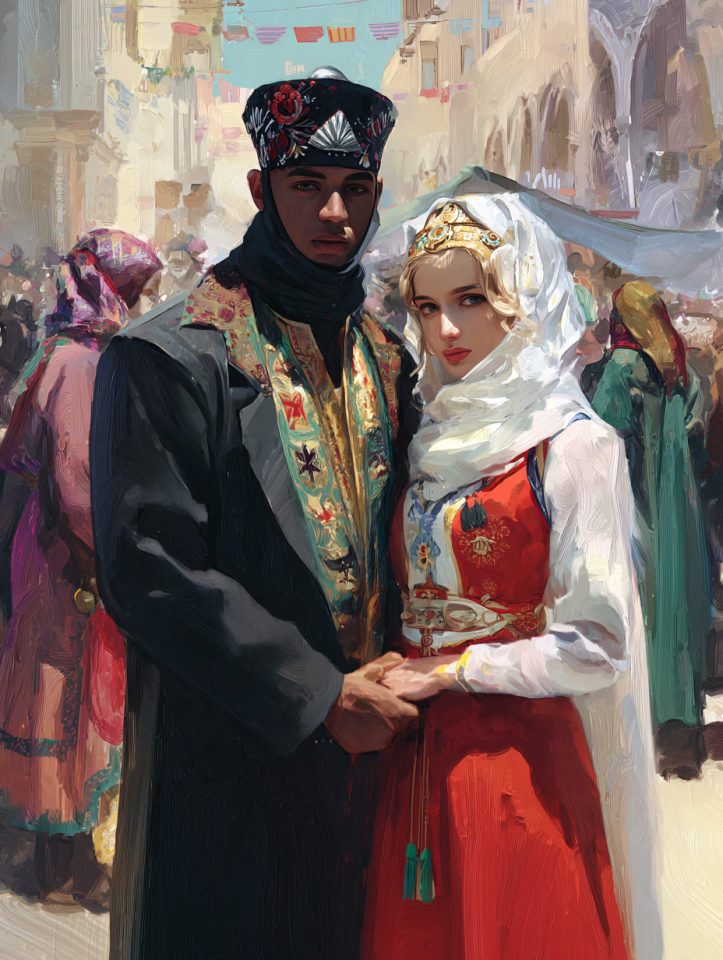
Xun An was born in Linzi, the capital of Qi, a state renowned for its scholars, artisans, and musicians. His family belonged to a modest line of archivists, men entrusted with copying and preserving state records. From childhood, he was surrounded by bamboo slips, brushes, and inkstones, and he learned the rhythms of characters as naturally as other boys learned games of strength. Reserved but curious, he showed a prodigious memory and a deep affinity for Confucian classics, though he was equally intrigued by the Legalists and Mohists who debated in Linzi’s academies.
As a young man, Xun An apprenticed under an elder master of the Jixia Academy, where philosophers and scientists debated the order of heaven and the responsibilities of rulers. While many of his peers focused on statecraft, Xun An became preoccupied with permanence: how fragile words could outlast empires if carefully preserved. He often remarked that “a character on bamboo is lighter than a feather, yet heavier than a kingdom.” This philosophy made him a strong advocate for the meticulous copying, storing, and sharing of knowledge beyond borders.
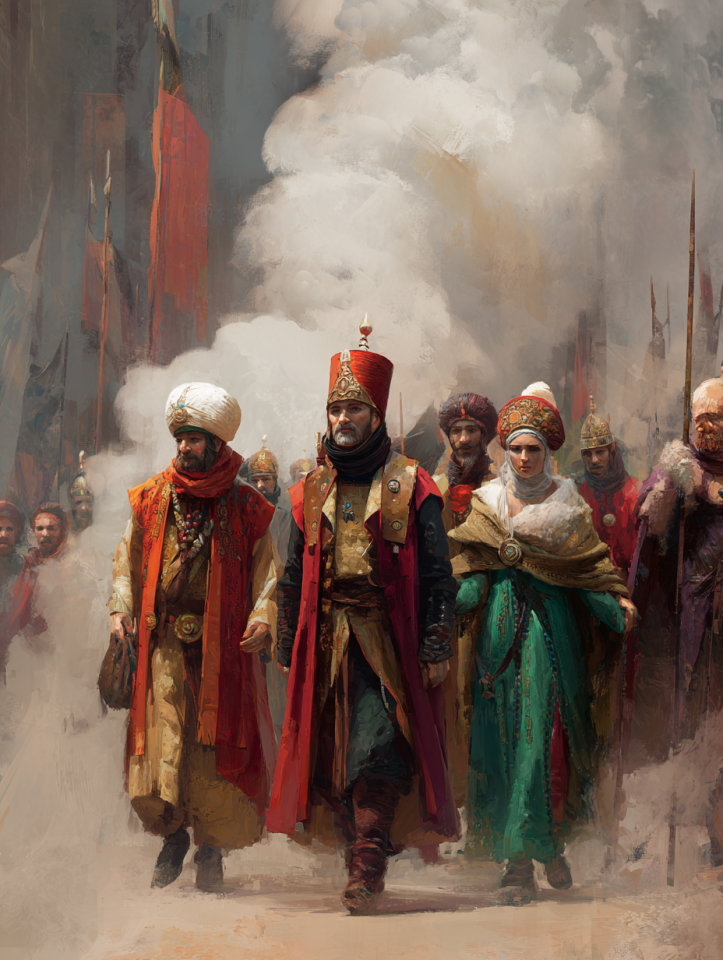
In his late twenties, Xun An was selected as Qi’s emissary to the council at Antioch. His presence carried symbolic weight: that even the far eastern states recognized the importance of preservation beyond their own traditions. At Antioch, Xun An impressed others with his calm discipline and humility. He argued that knowledge was not simply a treasure, but a responsibility — one that must be renewed with each generation, lest it decay like an untended garden. His proposal that all texts be translated and stored in triplicate across regions became a cornerstone of the Accord.
Returning to Linzi, Xun An spent the rest of his brief life working to systematize archives, improving cataloguing methods and supporting scholars who copied foreign texts. Though his early death cut short what might have been a brilliant career, his influence endured in China’s archival traditions, which placed increasing value on exchange rather than secrecy. Later historians called him “The Silent Brush,” a man who spoke sparingly but left indelible marks on history.








Comments