




Whisper
Rank/Title in the Accord
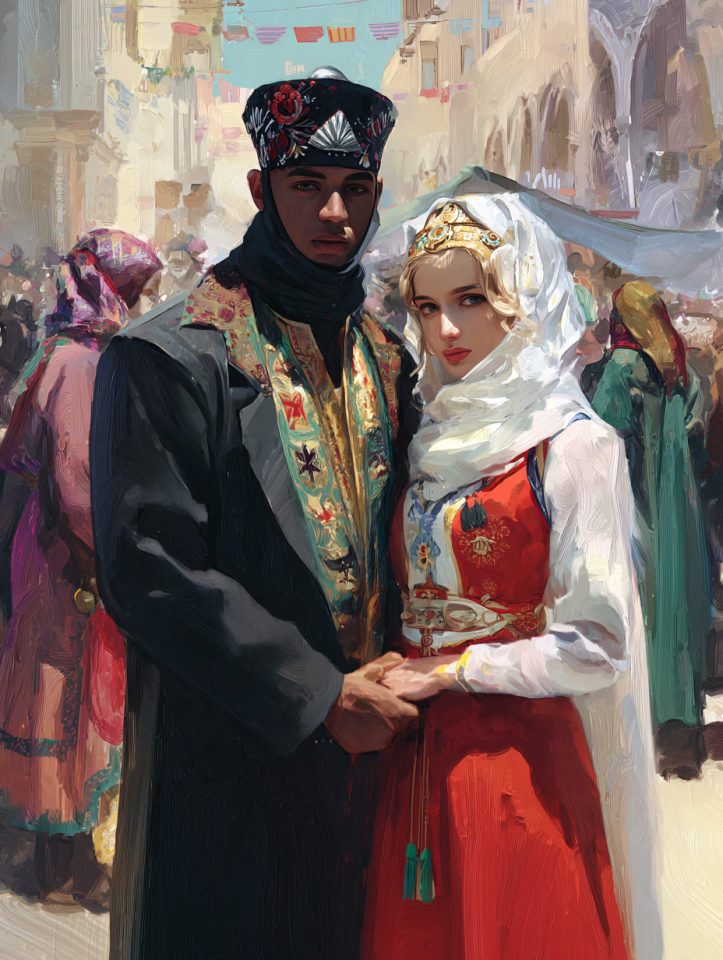
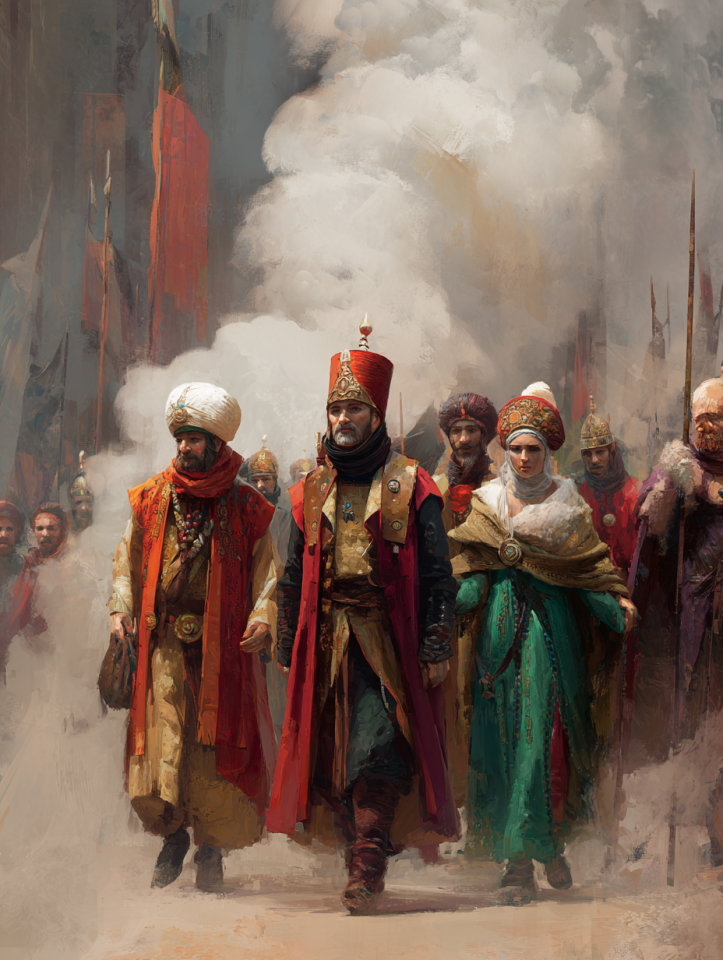
The rank of Whisper represents the sustaining current beneath every council. While the First Voice articulates the collective will, Whispers ensure that what is spoken has been tested by reason, tempered by empathy, and aligned with civic balance. A Whisper is both student and steward — one who listens first, refines second, and speaks only when the silence has yielded understanding. In Koina’s philosophy of governance, the Whisper is proof that dialogue, not decree, is the soul of power.
Selection and Apprenticeship
Whispers begin as learners in the Voice academies, where potential leaders are identified through their aptitude for patience, inquiry, and synthesis rather than ambition. Their training emphasizes listening over persuasion: rhetorical clarity, logical argumentation, and meditative reflection. They study under elder Whispers, attending hearings and mediations before ever sitting in the circle. Apprenticeship may last years; mastery is marked not by eloquence but by the ability to reduce tension through words alone.The Role of the Whisper
A council’s Whispers perform four intertwined duties. They are mediators, defusing disputes before they reach the Voice. They are analysts, gathering data and historical precedent for deliberation. They are archivists, recording debates and ensuring that every decision is preserved within the Net of Voices. And they are heirs apparent, absorbing the rhythm of leadership so that when rotation comes, governance continues without fracture. Their task is not to echo the Voice but to challenge it gently — to keep reasoning supple, never rigid.
Structure and Rotation
Each council maintains a small circle of Whispers, typically five to nine, reflecting the diversity of the community they serve. Portfolios differ by region — trade, justice, health, education, or ecology — but rotation remains constant. When a First Voice’s term concludes, one Whisper ascends; another enters from the schools. This perpetual exchange ensures that no layer of governance grows stale. To be a Whisper is therefore both preparation and fulfillment, a career of dialogue that may or may not lead to higher office, but always to deeper civic trust.
Symbolism
In civic iconography, the Whisper is represented by concentric ripples surrounding a single point — the visible mark of sound spreading outward through still water. This symbolizes refinement: the transformation of an individual thought into collective understanding. White ink on parchment or silver thread on blue banners often marks their insignia, signifying clarity born of calm. The Whisper’s motto, often recited at council openings, is “To hear is to honor; to answer is to serve.”
Philosophy and Ethos
The philosophical heart of the Whispers lies in restraint. Their art is not oratory but attunement — the capacity to hold contradiction without haste. Many trace their tradition to early Stoic and Buddhist synthesis: wisdom arises through dialogue, compassion through patient observation. Thus the Whisper acts as the ethical counterweight to the Voice’s decisiveness. Together they embody the Koina principle that authority is not domination but resonance — a harmony between articulation and reflection.
Variation Across Federations
Regional expression gives the role its cultural richness. In the Persic Federation, Whispers are jurists and historians, masters of precedent. Among the Hellenic Leagues, they resemble philosophers and rhetors, steering civic discourse. In the Indic Sanghas, they serve as mediators steeped in dharma and dialectic. The Sinosphere treats them as scholar-officials; the Mesoamerican Leagues view them as keepers of cosmic balance who read the sky as much as the law. Each tradition shapes its Whispers differently, yet all uphold the same creed: to refine, not to rule.
Tone and Legacy
The presence of Whispers gives Koina’s councils their composure. Debate here is a discipline, not a contest. The cadence of decision follows the rhythm of inquiry, response, and synthesis. Citizens measure a council’s health by the quality of its Whispers — whether they listen without arrogance, reason without haste, and dissent without rancor. In the long lineage of the Accord, many of the most enduring reforms, treaties, and philosophies began not as proclamations from a Voice, but as quiet observations from a Whisper whose words, at last, were ready to be heard.
Type
Civic, Political
Form of Address
Paykār
Source of Authority
Past Holders
- Abu Bakr
- Aisha bint Abi Bakr
- Ali ibn Abi Talib
- Andrew
- Bilal ibn Rabah
- Fatimah bint Muhammad
- Hafsa bint Umar
- Khadijah bint Khuwaylid
- Martha of Bethany
- Mary of Bethany
- Mary of Magdala
- Mattityahu
- Menaea of Ecbatana
- Miriam bat Yosef
- Philip
- Salome bat Yosef
- Shimon ben Yosef
- Shimon Kepha
- Toma Didymos
- Umar ibn al-Khattab
- Uthman ibn Affan
- Yaakov ben Yosef
- Yehudah ben Yosef
- Yohanan
Reports directly to




Comments