

Divergence: The New Timeline
3rd Century BCE
The Fork in the Road — 3rd Century BCE
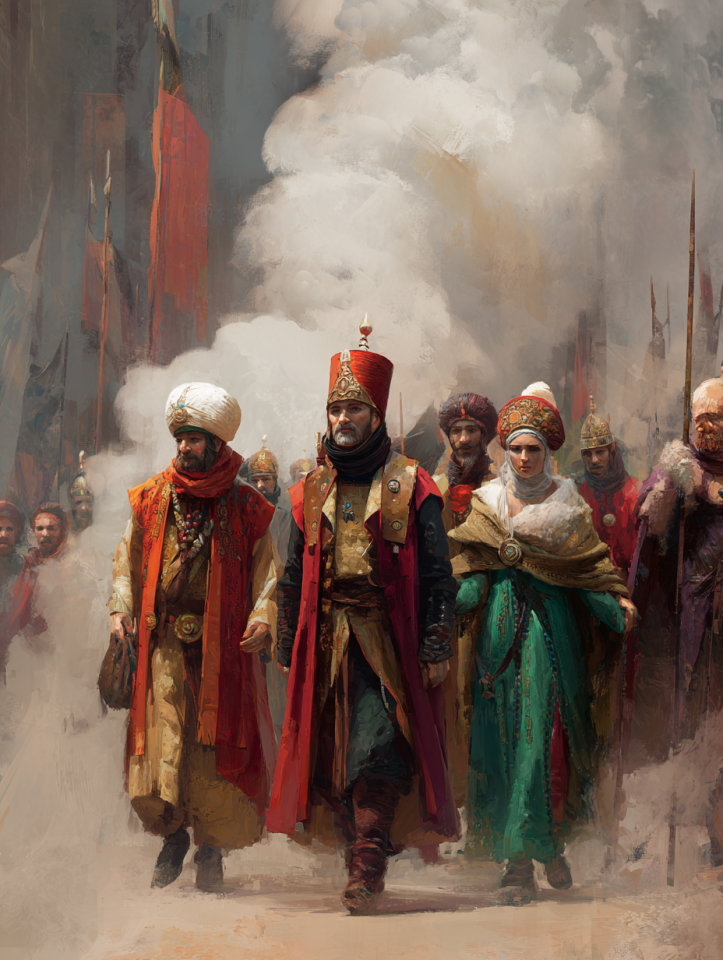
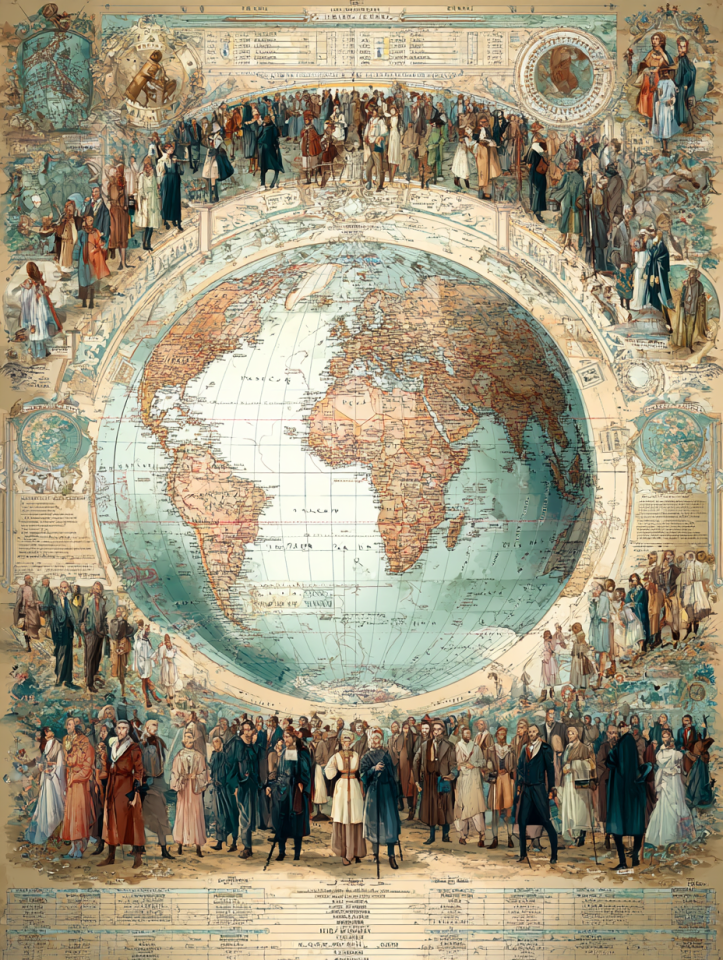
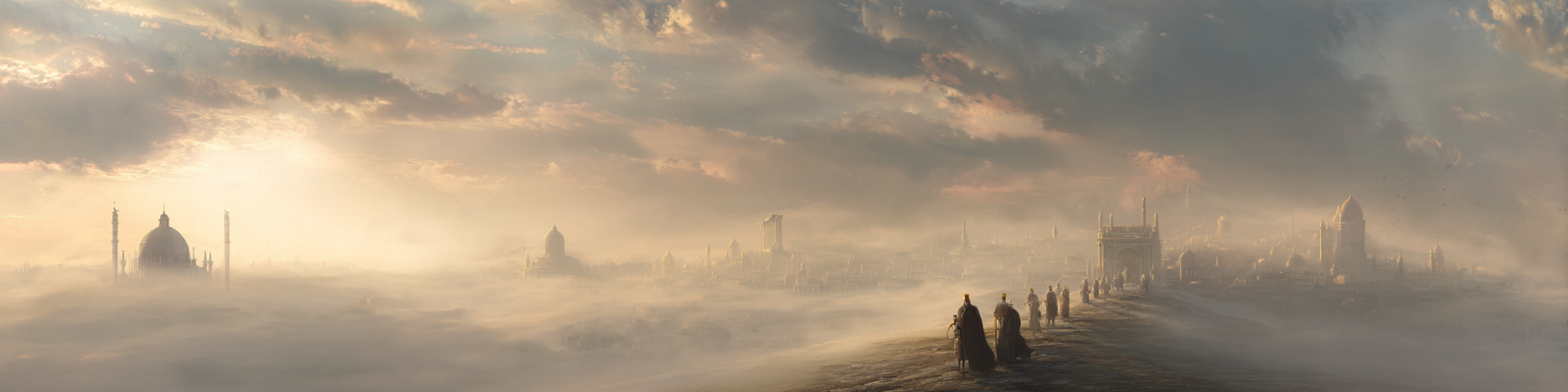
The world of Koina diverges from our own during the 3rd century BCE, the hinge moment between the collapse of Alexander’s empire and the rise of Rome. In this world, Rome never becomes an empire; it remains a minor Italic republic of local consequence. The Persians, drawing on centuries of imperial practice, philosophy, and infrastructure, consolidate once again as the stabilizing force between East and West. The Seleucid successors do not splinter into fragile kingdoms but instead reform their holdings into a Persian Federation, renewing old Achaemenid traditions of pluralism and multi-capital governance. This keeps the Mediterranean open to exchange but denies Rome the opportunity to dominate it. Antioch rises as the great crossroads city; Susa and Persepolis continue as administrative and ceremonial anchors. Trade routes east to Pataliputra and Chang’an remain vibrant, while Alexandria becomes the uncontested gateway of knowledge. This choice point—Persian consolidation over Roman ascent—reshapes every political, cultural, and philosophical trajectory thereafter. Instead of conquest and assimilation, the world grows around cooperation, federations, and schools of thought. Empires exist, but they weave cultures together instead of erasing them.The Crisis at Alexandria (c. 286 BCE/2 bz)
The Accord of Preservation (c. 284 BCE/0 zc)
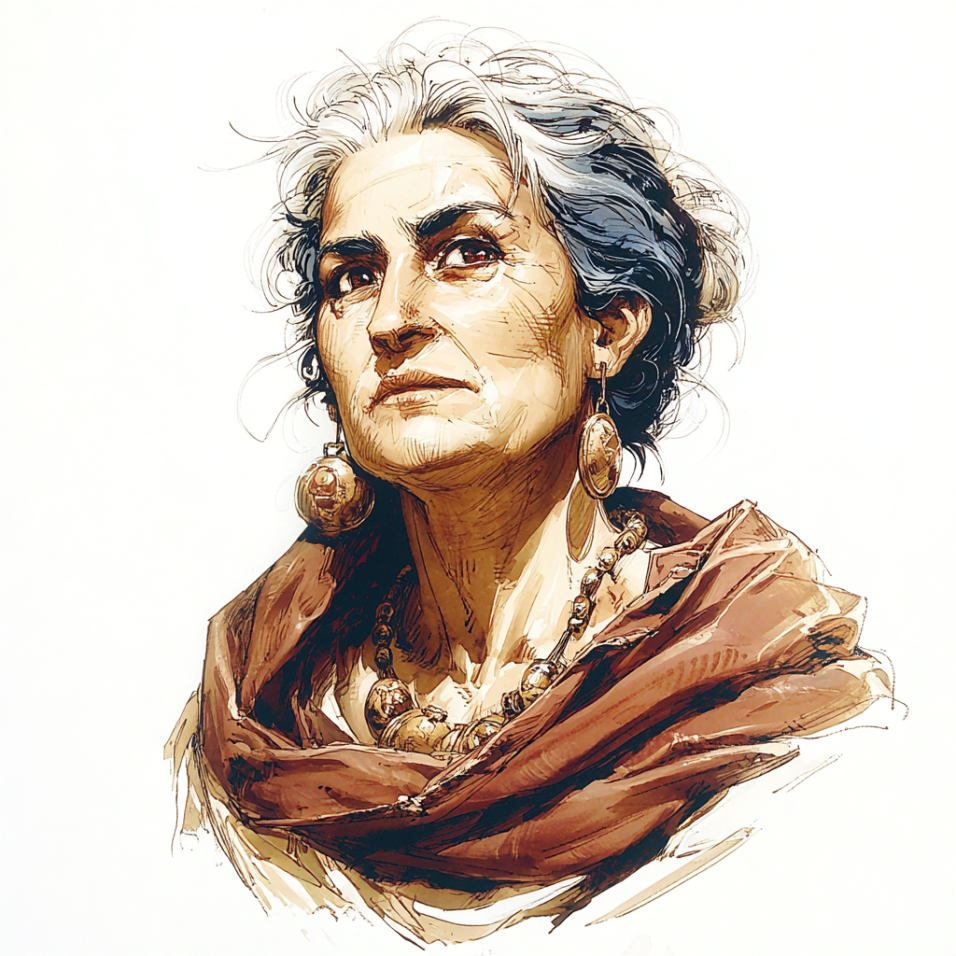
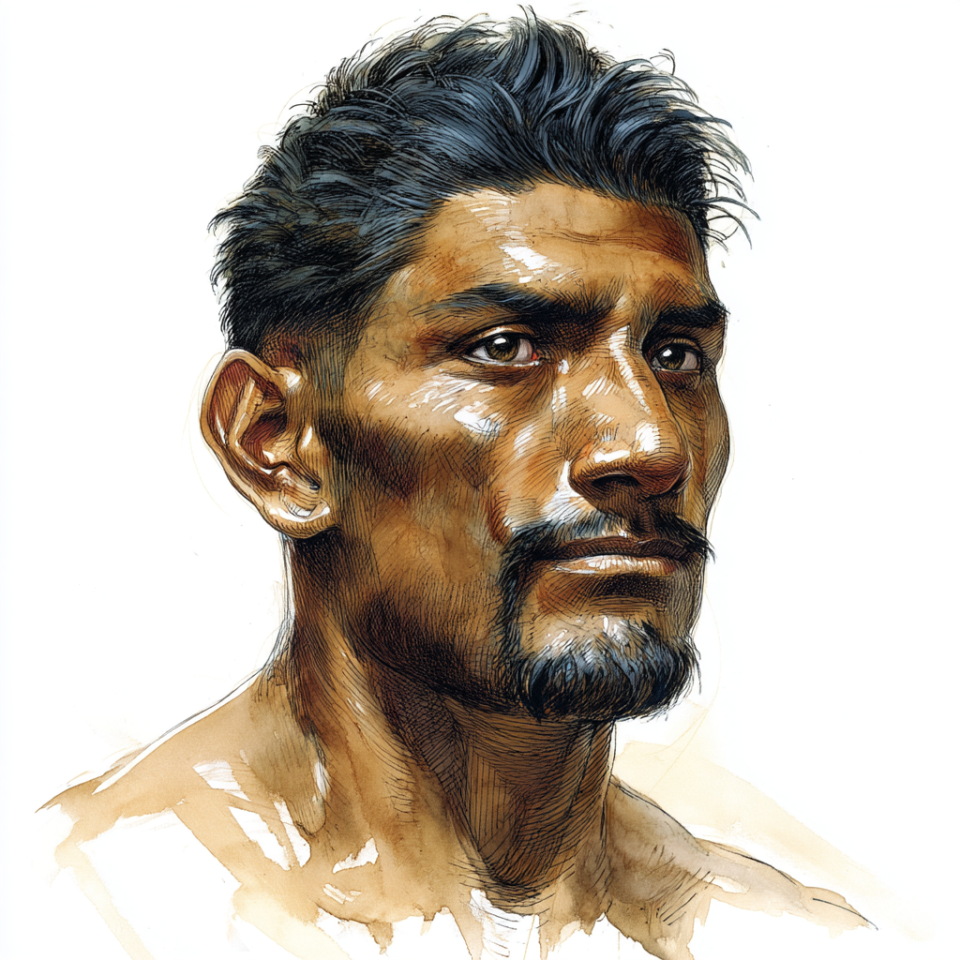
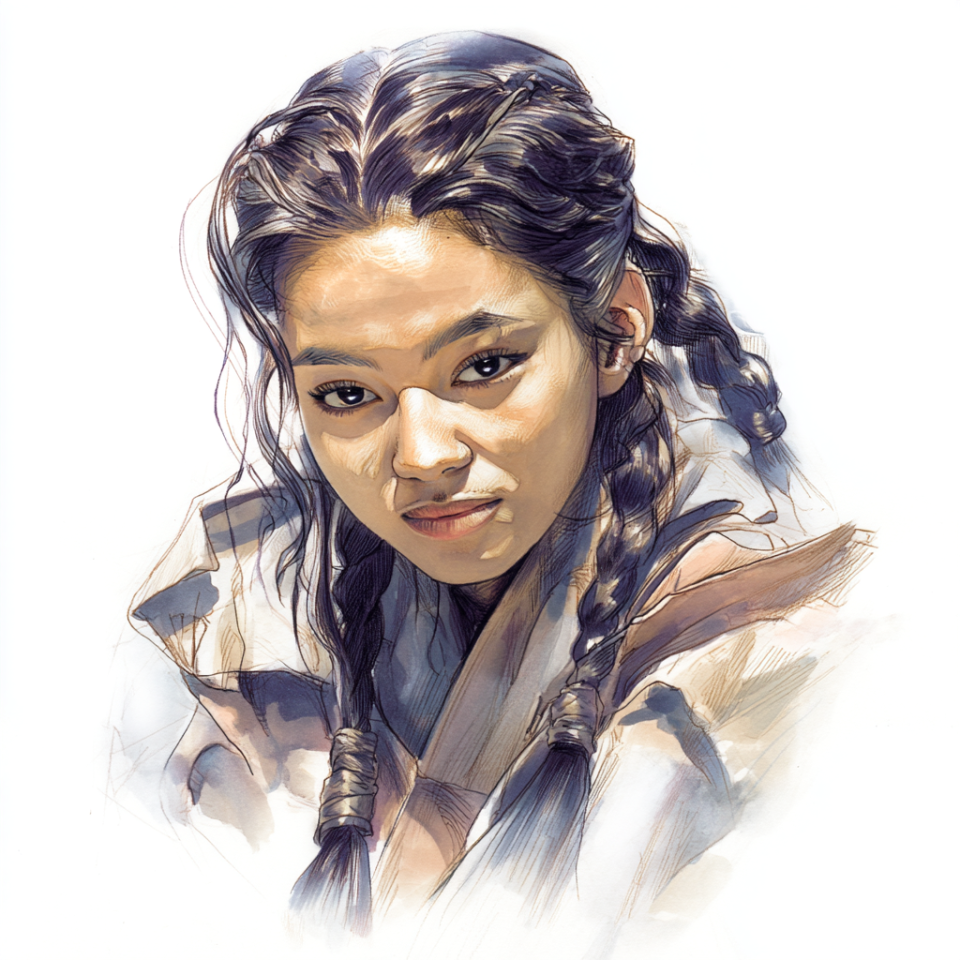
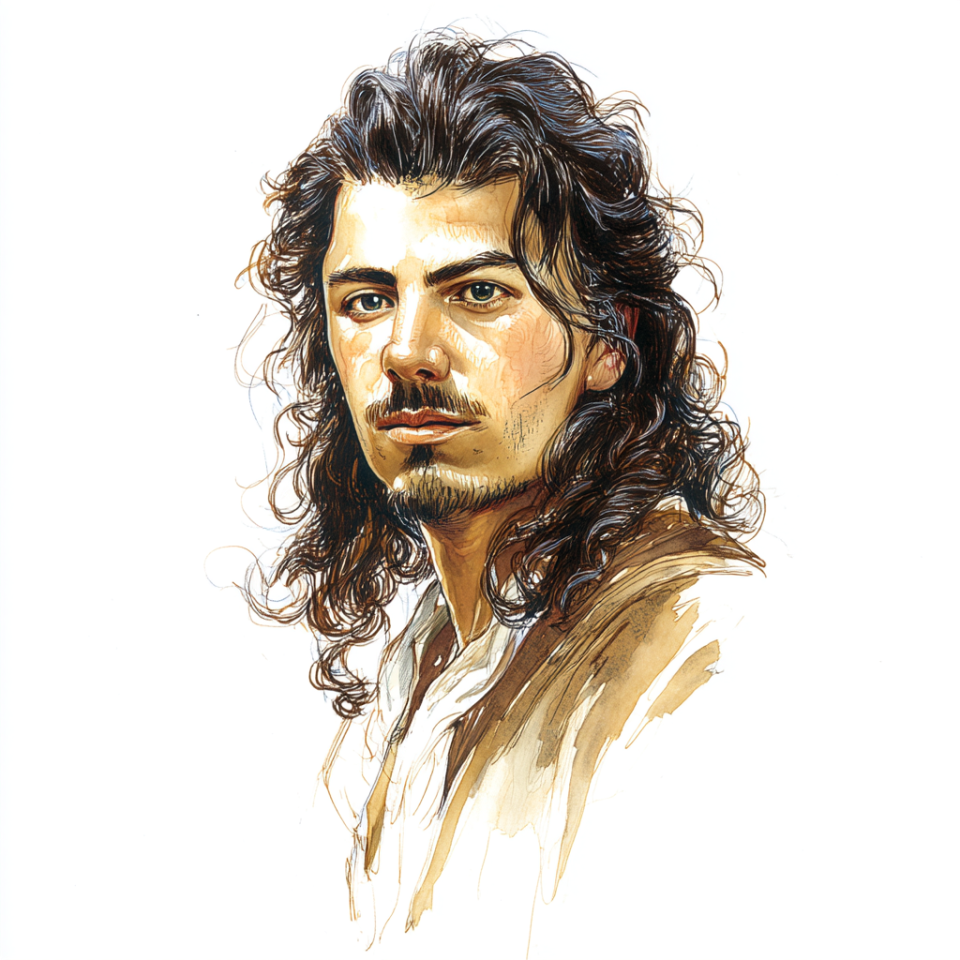
Original Signatories
In response, emissaries from every major culture were summoned to Antioch. The lesson was stark: empires could be rebuilt, but once memory was erased, it was gone forever.
Thus the Accord of Preservation was signed — not as an abstract principle, but as a practical safeguard against cultural suicide. The accord declared:
This moment transformed a near-disaster into the foundation of a civilization. Where our world let the Library of Alexandria eventually fall to fire and neglect, Koina made its survival the cornerstone of history.
Author’s Note on Divergence
Natural disasters still occur — floods, droughts, plagues, volcanic eruptions. But after 280 BCE, the people and events that defined our history do not arise. There is no Julius Caesar, no Augustine, no Constantine, no Columbus. Their conditions never exist. Koina is not built on conquest, sin, or empire. It is built on transgression, memory, and concord. From the first Accord to the Great Western Concord, its trajectory flows not through ashes, but through preservation.








Comments
Author's Notes