Heian-kyō
Capital City of Nihon
History
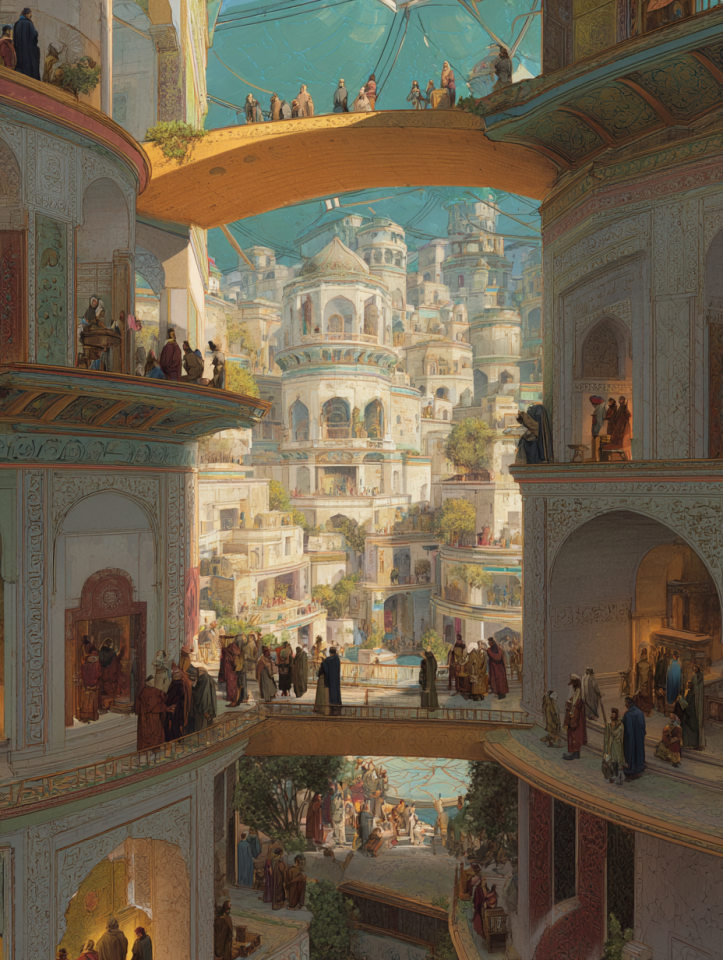
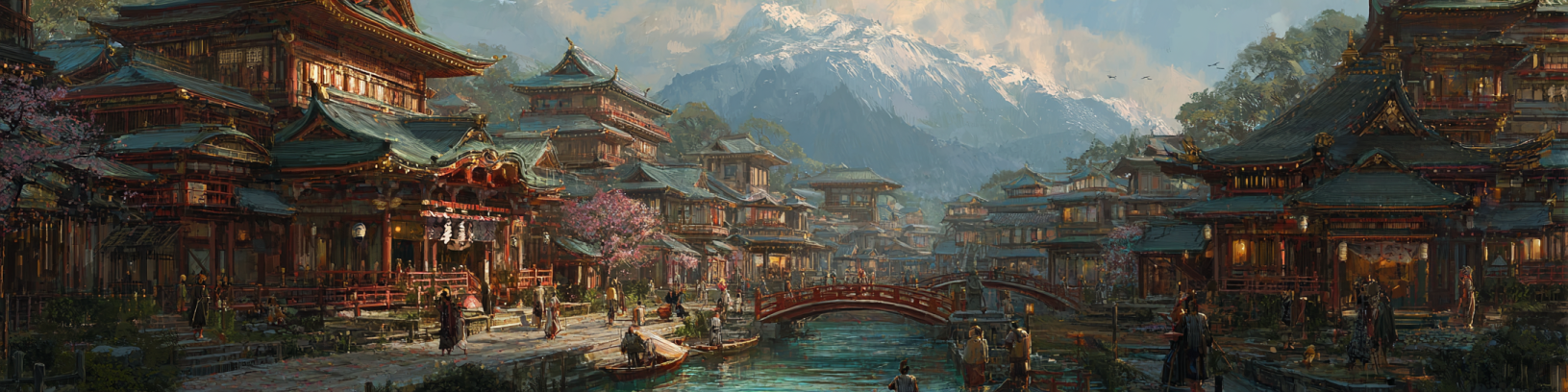
Founded as Heian-kyō, the “Capital of Peace and Tranquility,” the city was designed on a grid inspired by Chinese models but tempered by Japanese aesthetics of balance. For centuries it served as the imperial heart, not as an authoritarian seat but as a center of courtly refinement, ritual, and scholarship. Its palaces, gardens, and temples set standards across the archipelago.
Unlike in other parts of the world where conquest reshaped capitals, Kyoto preserved continuity. Its courtiers sponsored the arts — waka poetry, ink painting, Noh drama — while Buddhist sects established monasteries that became schools of philosophy and healing. The city weathered fires, wars, and shifting dynasties, yet always rebuilt upon its ancient plan.
Through the medieval and early modern centuries, Kyoto remained a hub of guild activity. Artisans of ceramics, textiles, and metalwork thrived, exporting their craft through maritime federations. In modern times, Kyoto is celebrated both as a cultural capital and as a federative one: a place where the rhythms of tradition and innovation still meet, and where councils gather in harmony with shrines and academies.
Sights / Destinations
Religion / Cults / Sects
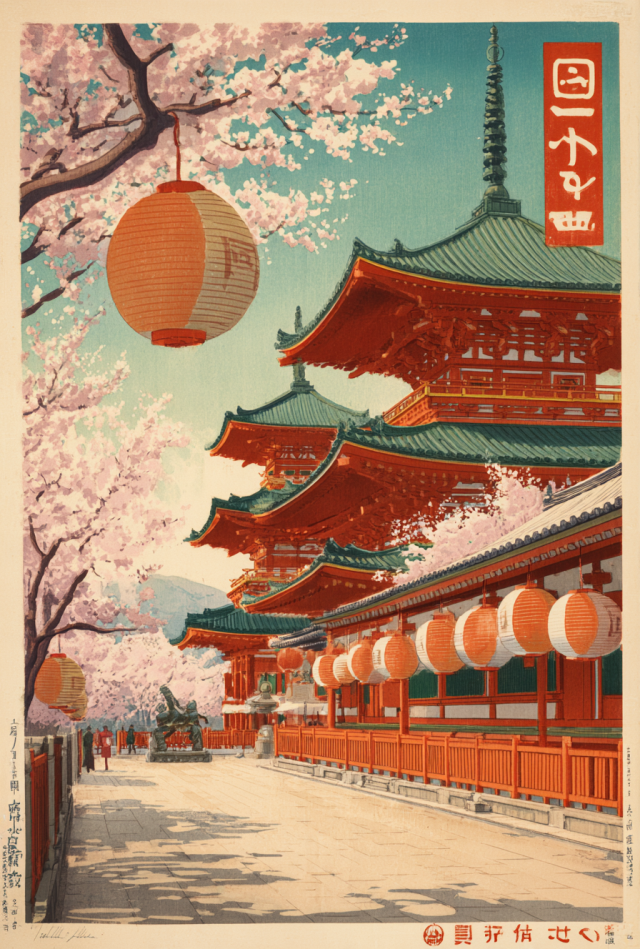
Kyoto sustains a woven tapestry of faiths. Shinto shrines honor local kami of river, mountain, and grove; Buddhist temples host schools of Zen, Pure Land, and esoteric practice. Philosophy permeates ritual — councils often open with readings from Buddhist or Confucian texts. Seasonal festivals remain central: the Gion Matsuri parades through streets each summer, while New Year rites harmonize Shinto purification with civic renewal. Christian schools of endurance and compassion also exist quietly in neighborhoods, blending seamlessly with older traditions. Kyoto is a city where no single devotion eclipses the others, and where practice itself is a civic art.
Founding Date
1074 zc
Alternative Name(s)
Kyō, Miyako, Kyoto
Type
Capital
Owning Organization
Characters in Location




Comments