Takht-e Jamshid
Capital City of Pārsa
History
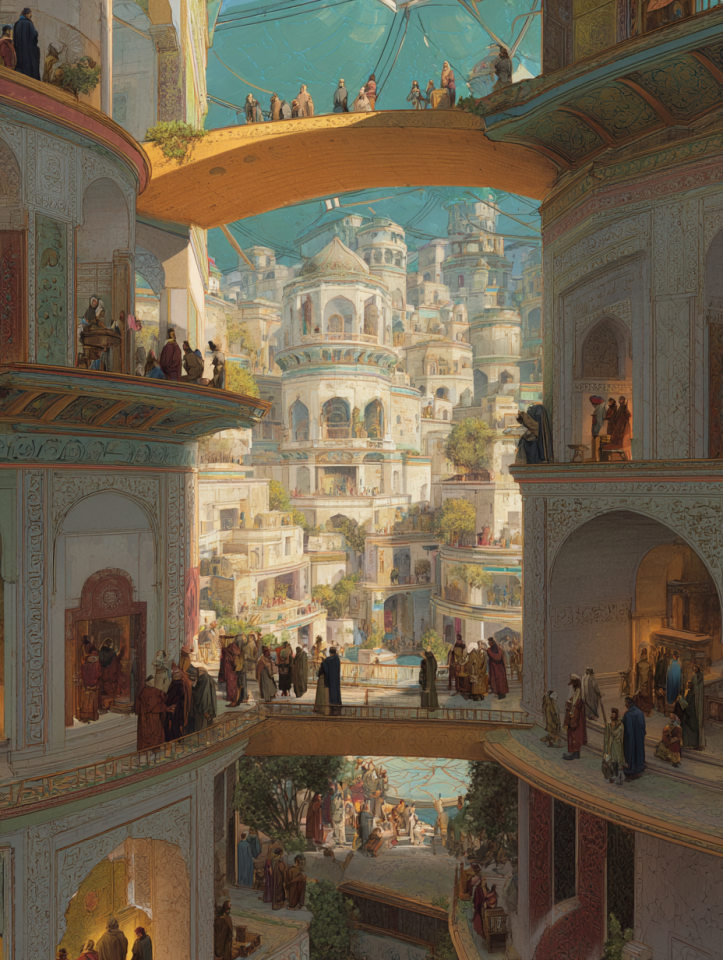
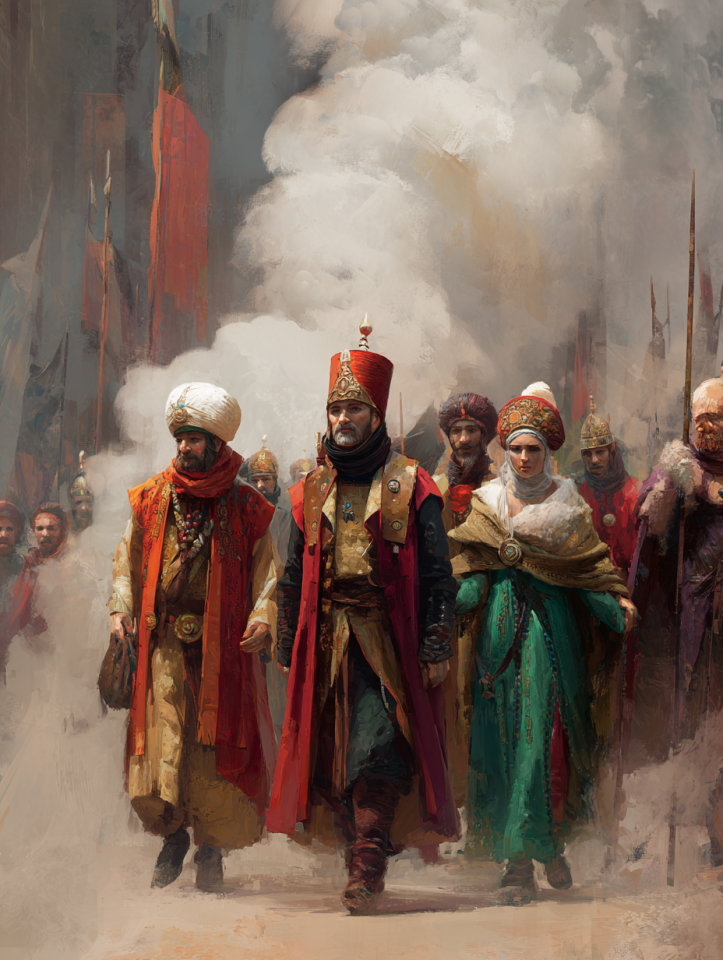
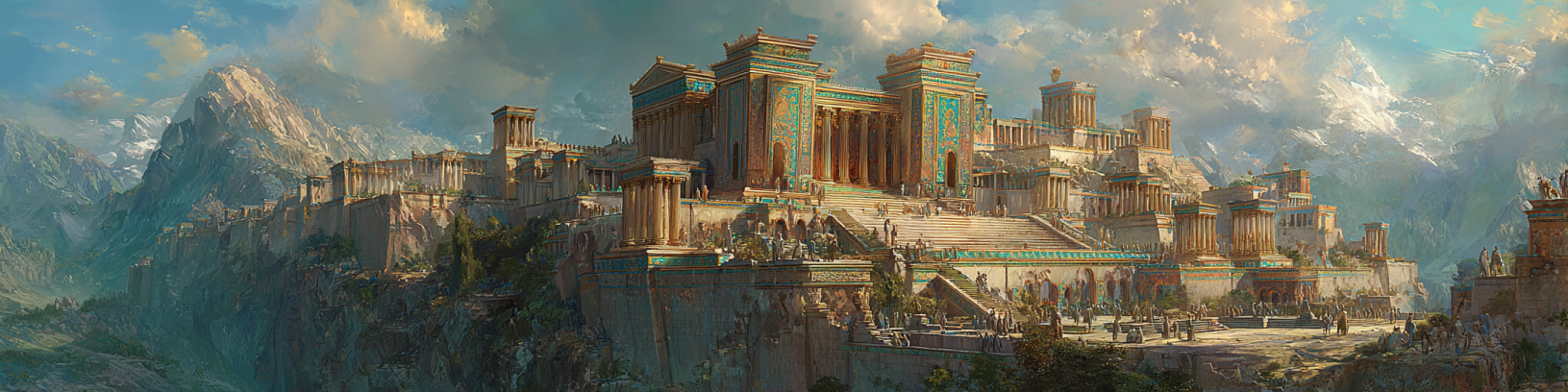
Founded by Darius I as a ceremonial and administrative capital, Persepolis quickly became the symbolic heart of Pārsa. Built on terraces overlooking the Marvdasht plain, it embodied the federative ethos: reliefs show not conquest but delegations from across the empire, each bearing gifts yet retaining their distinct identity. The city was conceived less as fortress than as stage for dialogue, ritual, and continuity.
Where in other histories Persepolis was burned and abandoned, here it endured. Successive generations restored and expanded its halls, preserving the Apadana, the Gate of All Nations, and the great staircases as living civic spaces. Fire shrines, academies, and guild halls grew around the ceremonial core, embedding everyday life into what had once been imperial ritual.
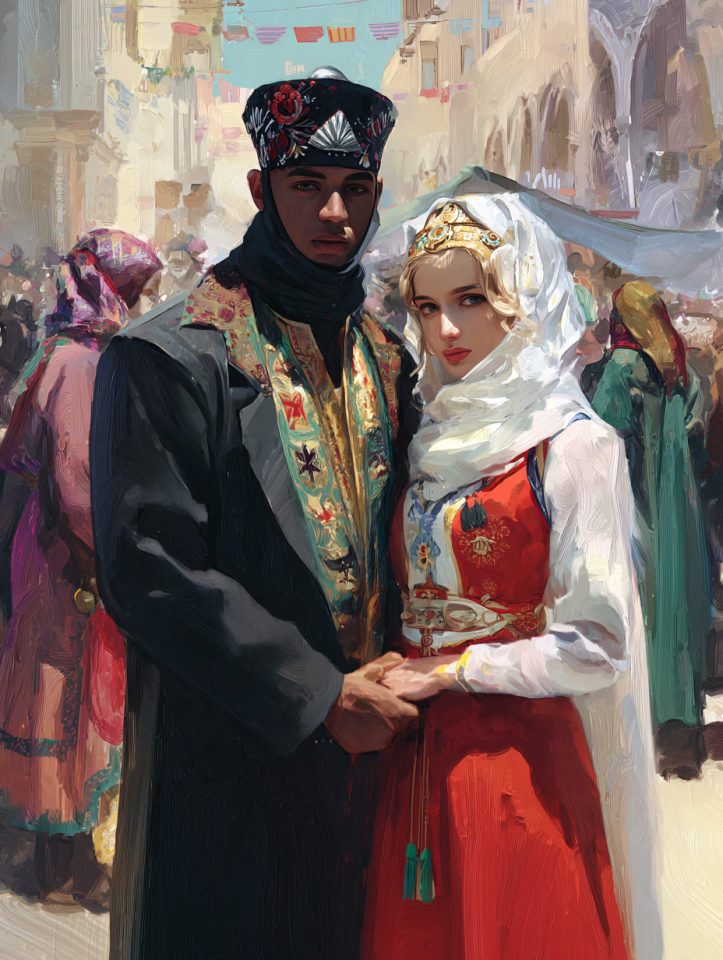
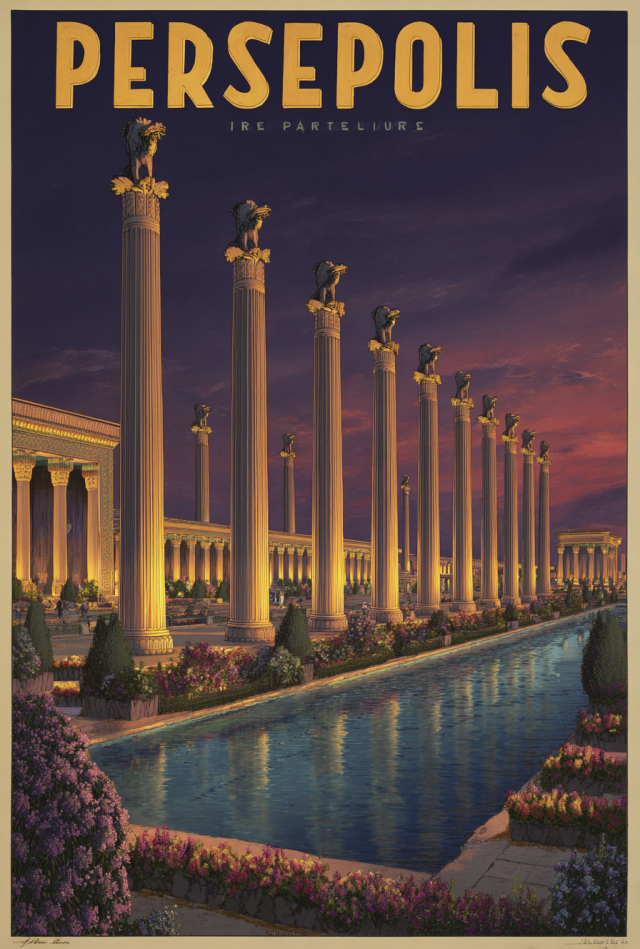
Through late antiquity and into the medieval centuries, Persepolis remained a beacon of Persian identity and federative governance. It became a place where Zoroastrian fire temples stood beside Stoic academies, where Buddhist scholars from India debated with Greek philosophers, and where laws were inscribed in multiple scripts for all to read. Today, Takht-e Jamshid serves as the capital of the Persic Federation, a city where past and present meet in stone, water, and fire.
Sights / Destinations
Religion / Cults / Sects
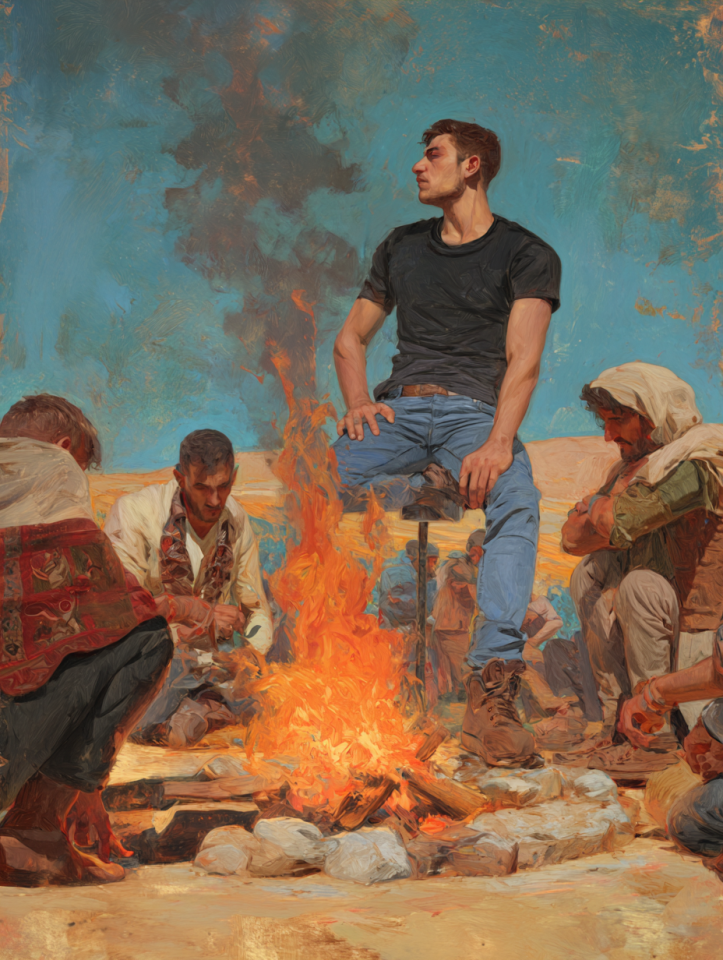
Persepolis remains the ceremonial heart of Zoroastrian devotion, with fire temples active at its terraces. Yet pluralism defines its spiritual life: Stoic and Aristotelian schools thrive in its academies, Buddhist monks maintain shrines in its gardens, and Christian schools of forgiveness hold modest chapels near the city gates. The rituals of Nowruz remain the most unifying tradition, blending fire, water, and community into a civic festival observed by all.
Founding Date
235 bz
Alternative Name(s)
Persepolis, Pārsa, Throne of Jamshid
Type
Capital
Owning Organization
Characters in Location




Comments