
Kangaba
Capital City of Manden Kurufaba
History
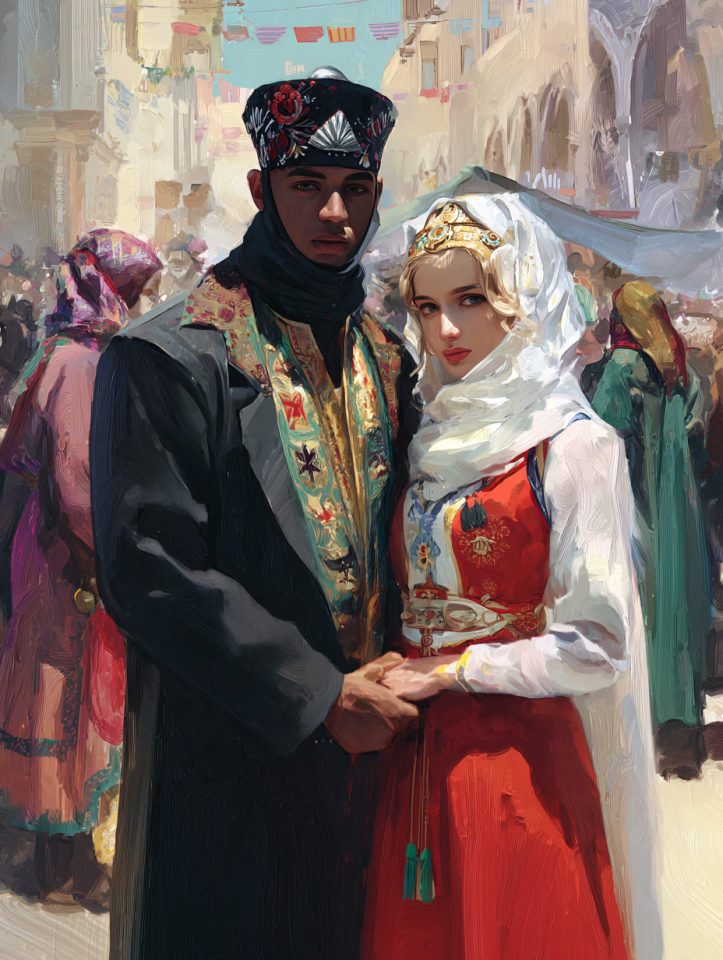
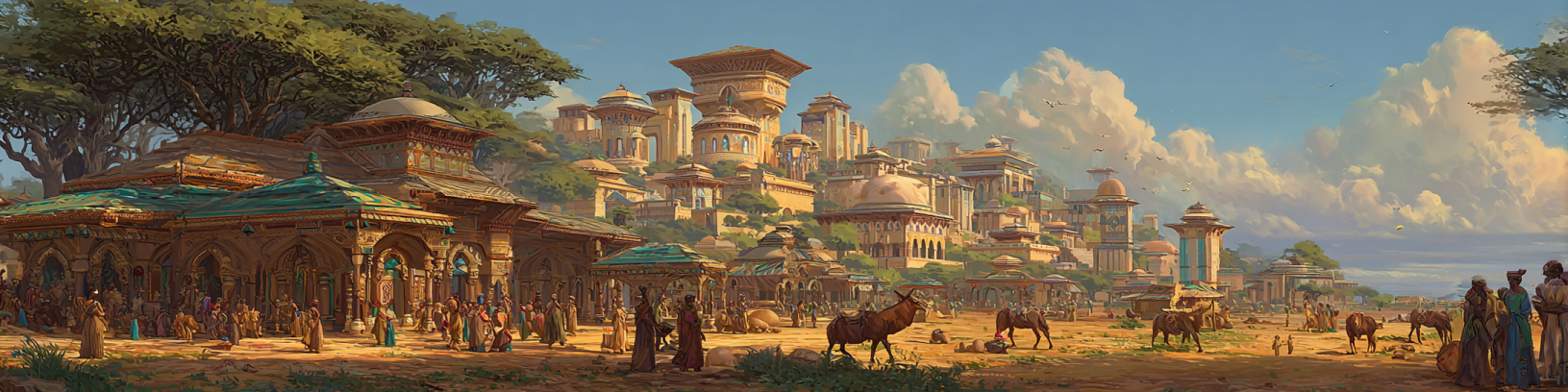
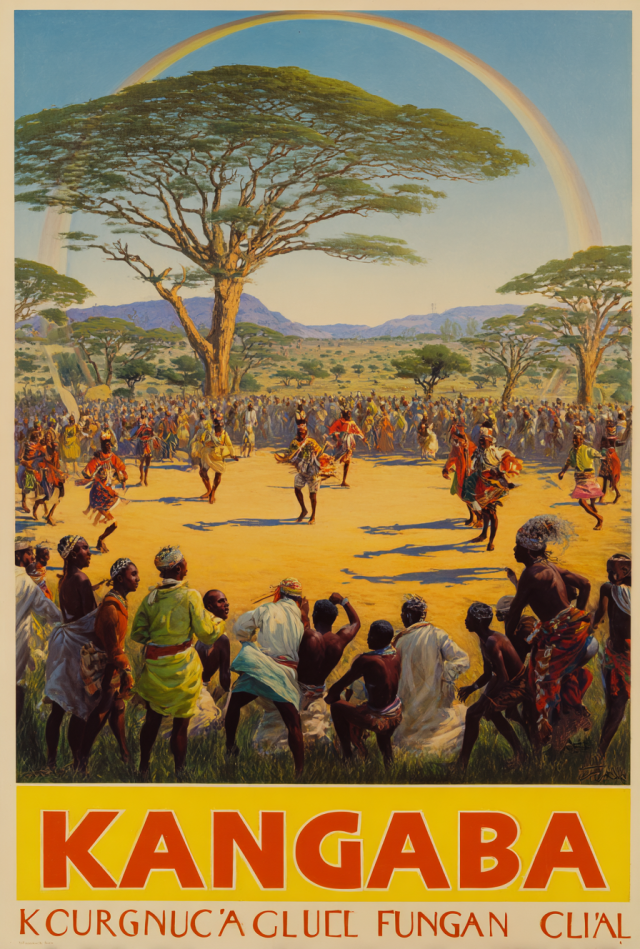
Kangaba became one of the oldest and most enduring capitals of the Manden world. It was here that the Kurukan Fuga charter was proclaimed, establishing the Manden Kurufaba’s principles of federation, justice, and balance. This early constitution bound clans and communities into cooperative governance, shaping Kangaba not as an imperial center but as a federative heart.
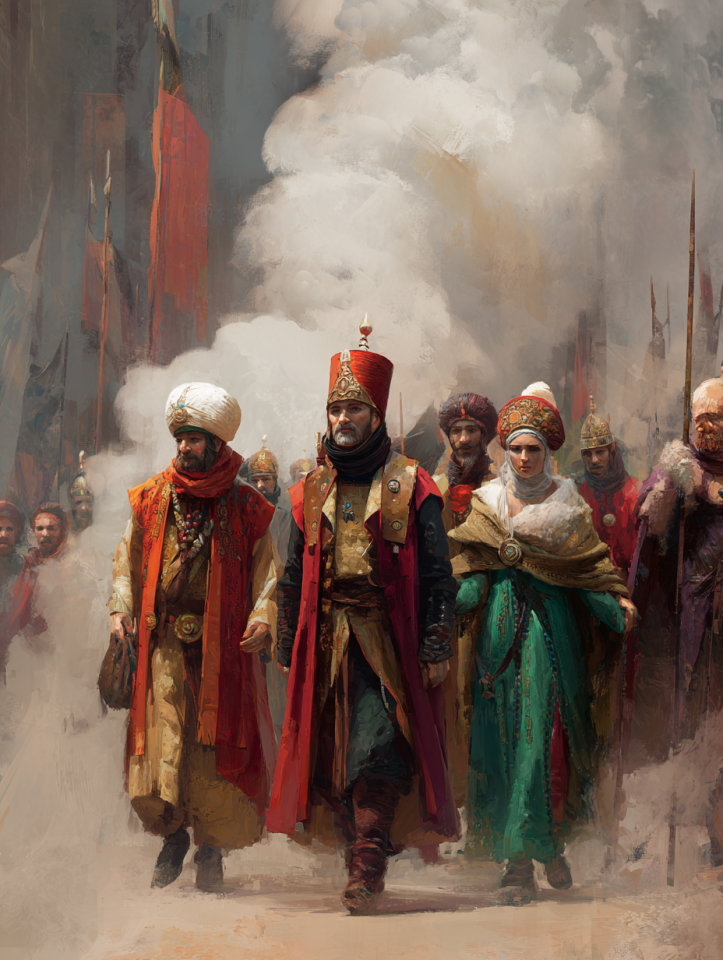
Through the thirteenth and fourteenth centuries, Kangaba thrived alongside great cities like Timbuktu and Niani, serving as both administrative hub and cultural hearth. Griots preserved epics of Sunjata and other heroes, anchoring civic life in both history and song. The city weathered pressures from neighboring powers by leaning on its federative model—authority spread across councils rather than concentrated in monarchs.
In later centuries, Kangaba remained the symbolic capital of the Kurufaba even when trade shifted elsewhere. Its council fields and gathering stones continued to host assemblies, reaffirming the Kurukan Fuga’s principles across generations. In the modern era, Kangaba stands as the capital of the Manden Kurufaba Federation, embodying both continuity and adaptation: a city where oral tradition and modern councils still meet under the same skies.
Sights / Destinations
Religion / Cults / Sects
Kangaba’s spiritual life reflects the Manden ethos of harmony. Ancestral veneration remains central, expressed in family rites and community festivals. Shrines to local spirits of river and grove coexist with Islamic schools of learning, which arrived early through Saharan trade and integrated into civic rhythms. Philosophical schools influenced by Stoic and Buddhist traditions also found welcome here, blending with local proverbs and oral wisdom. No single faith dominates; instead, Kangaba’s people treat devotion as one more layer of community life, bound by balance and memory.
Founding Date
1330 zc
Alternative Name(s)
Kaba, Kurukan Fuga
Type
Capital
Owning Organization
Characters in Location




Comments