
Shinto (SHIN-toh)
Shinto is an animistic and polytheistic religion — meaning it venerates countless kami, or divine presences, that inhabit natural features, ancestors, and cultural heroes. Animism here signifies that rivers, mountains, trees, and winds are themselves sacred beings. Polytheism means reverence for many kami at once, each embodying a facet of life’s harmony. Unlike monotheism (one god), Shinto celebrates a multiplicity of spirits interwoven with community and land.
Origins & Historical Development
Shinto arises in Japan from prehistoric animistic practices, blending reverence for kami with agricultural rites and ancestral worship. In our history, it was shaped by Buddhist and Confucian influences, and later nationalized. In Koina’s divergence, without empire-building or state-driven religion, Shinto evolves organically as a plural tradition. It develops in concert with Buddhism and Taoism, with shrines and temples often coexisting peacefully. By the modern era, Shinto thrives as the spiritual framework of Japanese federations, emphasizing continuity with land and community.
Core Beliefs & Practices
At the heart of Shinto is reverence for the kami — beings that may be deities (Amaterasu, Susanoo, Inari), natural forces (mountains, rivers, storms), or ancestral spirits. The goal is harmony with these presences through ritual purity, gratitude, and celebration. Practices include offerings at shrines, seasonal festivals (matsuri), purification rites (harai, misogi), and rituals marking birth, marriage, and community life. In Koina, Shinto rites are not nationalist but federative, celebrated as communal affirmations of ecological and ancestral bonds.
Sacred Texts & Traditions
While primarily oral and ritual-based, Shinto preserves its myths in texts like the Kojiki and Nihon Shoki. These record the origins of the kami and the imperial line. In Koina, without state monopolization, these myths remain symbolic narratives rather than political tools, studied alongside Buddhist sutras and Confucian classics. Oral traditions of shrine songs, dance, and festival chants are equally valued, recorded into the Net of Voices without losing their living performance.
Institutions & Structure
Shinto centers on shrines (jinja), maintained by priests (kannushi) and shrine maidens (miko). Authority is local, with each shrine tied to its community’s kami. In Koina, Shinto federations integrate shrines into civic councils, ensuring rituals align with communal governance. Major shrines at Ise, Izumo, and other sites become hubs of pilgrimage and federative assembly, but no centralized priesthood dominates.
Relation to the Accord
Shinto contributes to the Accord through its ecological reverence. Forest preservation, river sanctity, and seasonal festivals align with federative ecological treaties. Shinto’s emphasis on purity and gratitude resonates with Koina’s ethos of restoration and balance. Shrines also serve as community centers, providing continuity between spiritual and civic life.
Cultural Influence & Legacy
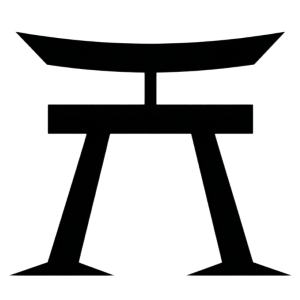
Shinto shapes Japanese art, architecture, and performance: torii gates, kagura dances, shrine forests, and seasonal matsuri enrich federative culture. Symbolically, the rising sun of Amaterasu becomes an emblem of renewal across Koina. Shinto ethics of gratitude and purity influence cooperative values of hospitality, ecological care, and respect for ancestors.
Modern Presence
Today, Shinto thrives in Japan and diaspora communities, with shrines present in every major city. Festivals like Gion Matsuri and New Year rites draw participants from all backgrounds, becoming global celebrations of renewal and harmony. Shinto is not a nationalist faith but a communal, plural tradition — one that embodies the Cooperative Federation’s principle that nature, ancestors, and community must be honored as inseparable parts of life.
Type
Religious, Organised Religion
Alternative Names
The Way of the Kami; Kami-no-Michi
Demonym
Shintoists
Related Myths
Afterlife
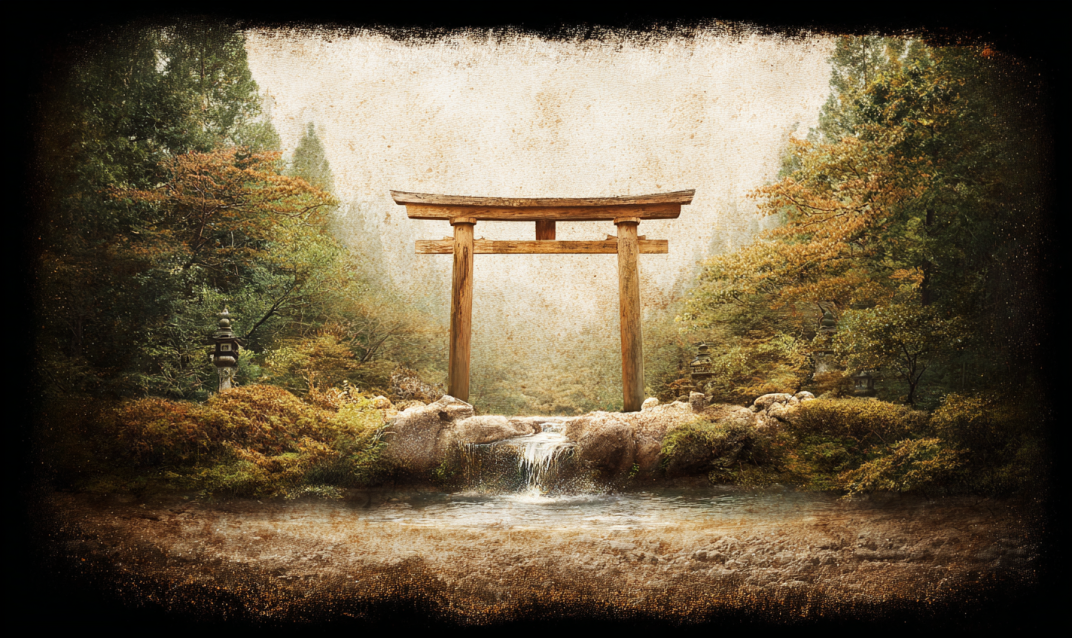
Shinto Afterlife
In Shinto, the honored dead become kami, sacred presences dwelling in trees, rivers, and mountains. They guard their descendants with quiet benevolence, their spirits part of the world’s living pulse.
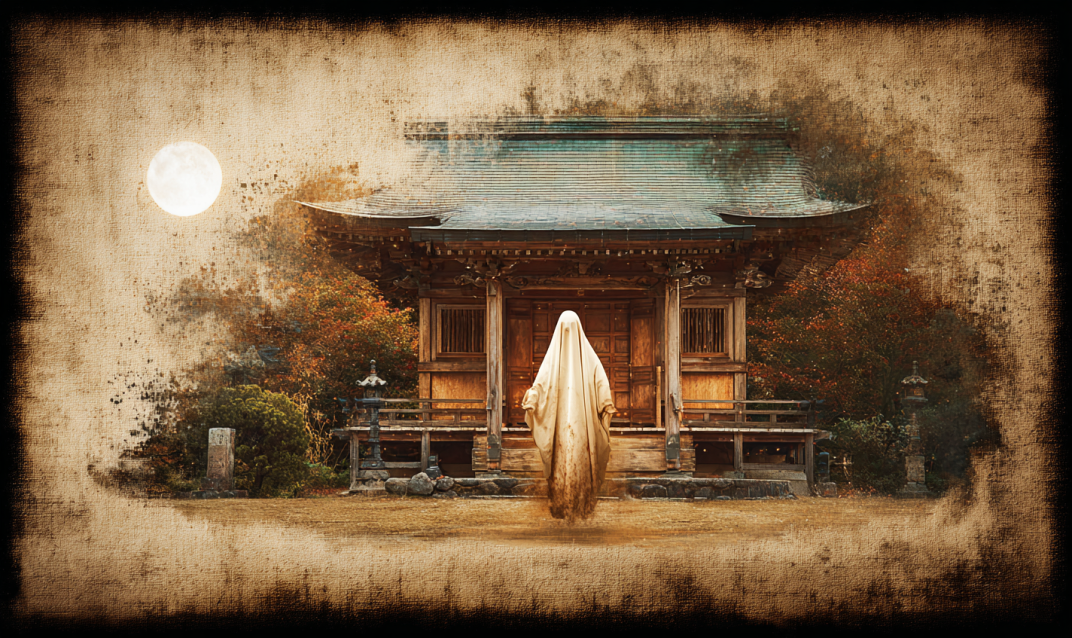
Shinto Afterlife
When emotion binds too tightly, the dead linger as yūrei, pale spirits of sorrow or resentment. They haunt familiar places until ritual purity and sincere offering free them to ascend into calm.
Pantheon of Worship
The following entries offer only a partial glimpse into the living mosaic of belief. Across the federations and the Free-States alike, divinity takes many forms: anthropomorphic gods, elemental forces, moral principles, ancestral spirits, and philosophical ideas. None of these lists are exhaustive, nor do they presume uniform worship or singular interpretation. Over millennia of dialogue and migration, names have changed, stories have merged, and meanings have diverged—each person, community, and age reshaping the sacred to mirror its own understanding. Within the Accord, faith is treated not as doctrine but as conversation: these are simply the primary voices that endure within that vast and ever-evolving chorus that lies within each individual.

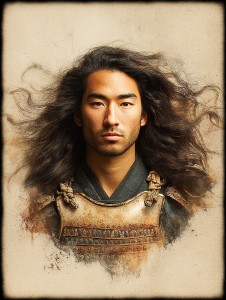
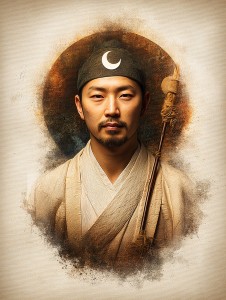
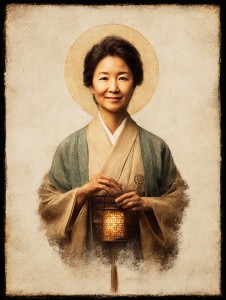
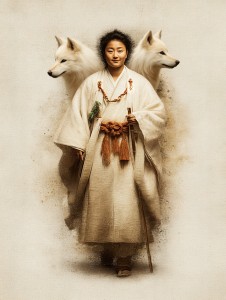
Amaterasu
Sun goddess and radiant center of the kami. In the Accord’s cosmological philosophy, Amaterasu embodies Illumination through Presence—the moral light that arises not from dominance but from sincerity and compassion. Her retreat into the cave is retold as the world’s first lesson in interdependence: even the brightest must sometimes withdraw, and community must respond not with coercion but with joy to invite the light’s return.
Hachiman
Guardian of warriors and patron of peace through discipline. Hachiman represents Strength in Service, the ideal that defense is honorable only when it safeguards community. Accord watchmen invoke his name not for victory but for restraint.
Izanagi and Izanami
The primordial pair whose dance birthed the islands and the spirits. Within Koina, they stand as the dual principle of Creation through Relationship, reflecting the Accord’s oldest axiom: existence itself is a conversation. Their myth preserves the idea that loss and creation are intertwined, and that mourning, too, is a creative act.
Susanoo
Lord of storms and chaotic emotion, Susanoo is the embodiment of Purification through Turbulence. His storms strip away arrogance and clear the air for renewal. Accord interpreters see him as proof that emotional honesty, even when tempestuous, is a sacred cleansing—not a flaw to suppress but a current to guide.
Tsukuyomi
Moon god and keeper of measured order. In Accord ethics, he represents Harmony through Reflection, the counterbalance to Amaterasu’s brilliance. Tsukuyomi’s calm detachment mirrors the meditative rationalism that sustains Accord philosophy—the recognition that understanding requires quiet as much as passion.
Lesser Pantheon / Other Important Entities
Beneath the great architects of creation move countless presences who shape the subtler rhythms of existence. These are the intercessors, the boundary-walkers, and the remembered: angels and lwa, saints and ancestors, spirits of grove and hearth, tricksters, dreamers, and the beloved dead. Their powers are intimate rather than cosmic—rooted in memory, place, and the daily turning of life. They remind the living that divinity does not dwell only in the heavens but also in laughter, grief, and the quiet negotiations between mortal and divine. Through them, the sacred becomes personal, and the invisible world remains close enough to touch.
Ama no Hafuri
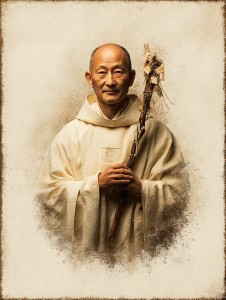
Companion to Shinu, Ama no Hafuri ensures the safe passage of spirit into memory. In Koina iconography, they appear together as twilight and dawn—keepers of transition.
Inari Ōkami
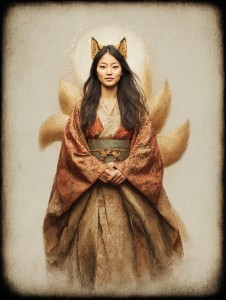
Kami of prosperity, rice, and communal abundance. In Accord thought, Inari personifies Prosperity as Reciprocity—wealth that circulates and nourishes rather than accumulates. Her fox messengers symbolize adaptability and clever stewardship; she is honored by traders and farmers alike as patron of balance between economy and ecology.
Kami of the Kamado
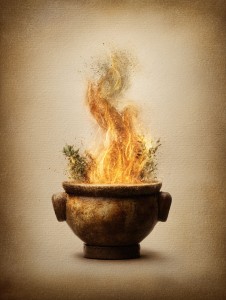
Spirit of the cooking fire; guardian of nourishment and family gratitude. Each meal offered in balance honors this quiet kami of warmth and sustenance.
Kuzunoha
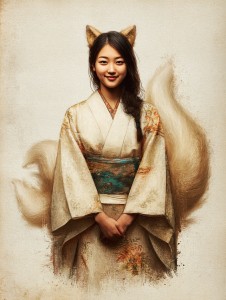
A benevolent fox-spirit and shapeshifter, Kuzunoha embodies love’s quiet wisdom—the balance between trickery and compassion. In Koina’s Nihon Federation she is venerated by storytellers and diplomats as the patron of truth spoken through disguise.
Sarutahiko Ōkami
Guardian of crossroads and guide of beginnings, Sarutahiko Ōkami opens the way where purpose meets path. His great stature and radiant beard mark him as strength without pride—the ground beneath movement.
Shinu no Hafuri
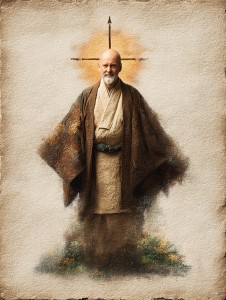
Spirit of purification in death, Shinu no Hafuri attends souls across thresholds. In Koina’s Nihon Federation he is revered by healers and mortuary architects as guardian of peace.
Tamamo-no-Mae
A radiant and perilous fox-spirit of ancient legend, Tamamo-no-Mae represents the seductive power of knowledge. In Koina lore she is reinterpreted as intellect untempered by empathy—the brilliance that tests humility.
Tengu
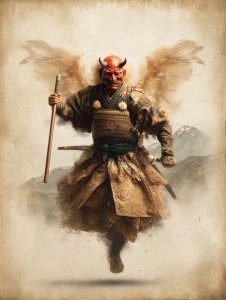
Fierce yet wise mountain spirits, the Tengu are masters of wind and sword. They humble arrogance and teach discipline through challenge. In Accord symbolism, they stand for mastery born from humility.
Tenjin
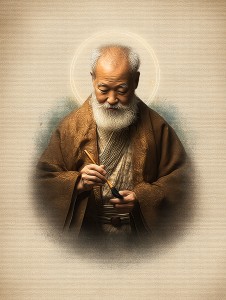
Deified scholar of knowledge and sincerity. Tenjin embodies Integrity of Thought, intellect united with humility. Accord academies celebrate him as spirit of study untainted by arrogance—the divine reminder that learning is both privilege and duty.




Comments