
Shikhandi in the Mahābhārata
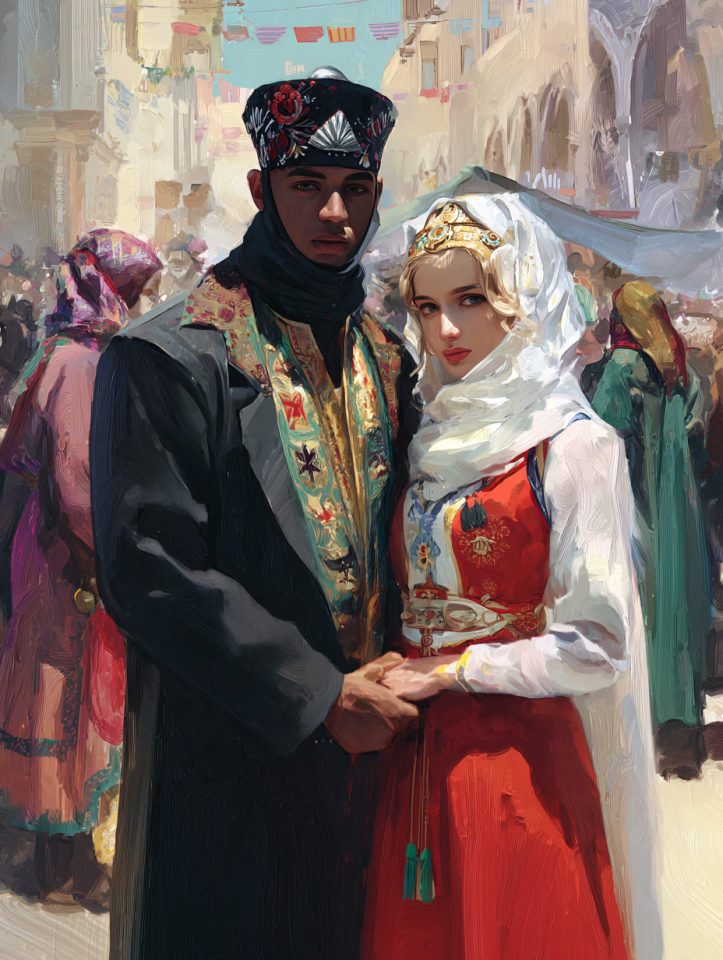
Gender transformation and marriage themes, important in epic context.
Long before the war at Kurukshetra, a princess named Amba lived. She had been seized by Bhishma for marriage to his brother, but when her heart was found already promised, Bhishma released her. Rejected by her beloved as tainted, she returned in anger to Bhishma and demanded he wed her himself. Yet bound by his vow of celibacy, he refused.
Humiliated and scorned, Amba swore vengeance. She sought warriors across the land to champion her, but none dared face Bhishma. At last she turned to the gods, fasting and praying, until her life burned away in fire. From the flames she cried out that she would return, reborn to be the instrument of Bhishma’s death.
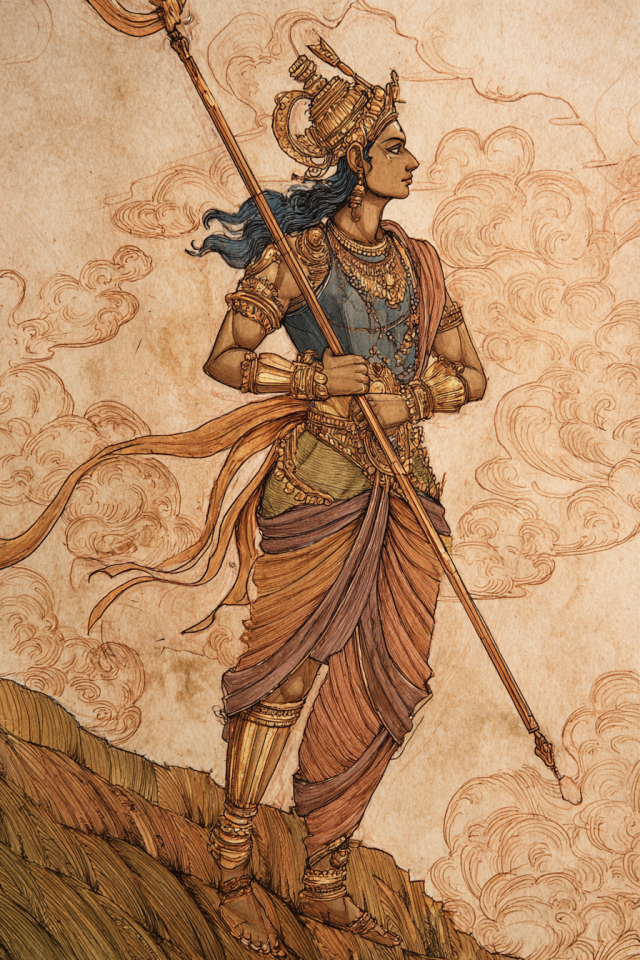
So Amba was reborn as Shikhandi, child of King Drupada. Though born female, signs and omens declared the destiny of a warrior. In youth, Shikhandi discovered the truth of their former life and the curse upon Bhishma. Wandering into the forest in anguish, they encountered a yaksha spirit who, moved by pity, exchanged his sex for theirs. Thus Shikhandi returned to Panchala as a man, fulfilling fate.
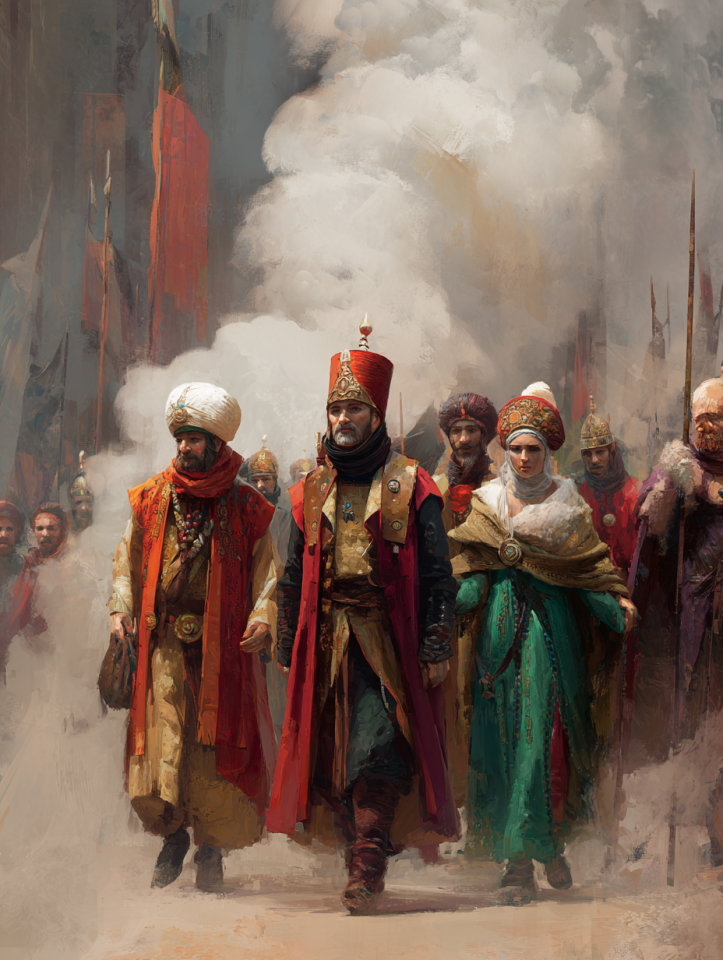
When the Kurukshetra war broke out, Shikhandi rode among the warriors of the Pandavas. Bhishma, mighty and terrible in battle, laid waste to all who opposed him. But prophecy had long declared that Bhishma would fall only before the hand of a woman — and though Shikhandi now bore the form of a man, Bhishma still saw the shadow of Amba in them.
On the tenth day of war, Shikhandi rode forth with Arjuna behind. Bhishma raised his bow but lowered it again, refusing to strike. “I will not fight one who was born a woman,” he declared, even as arrows rained around him.
In that moment Arjuna took aim from behind Shikhandi’s shield and loosed a storm of shafts. The great Bhishma, pierced and bleeding, sank into a bed of arrows. The vowbound elder, who had outlived generations, lay at last undone — not by Arjuna’s skill alone, but by the destiny carried in Shikhandi’s soul.
Thus vengeance and transformation met in one figure. The tale of Shikhandi became one of the most striking in the *Mahābhārata* — of gender crossing, rebirth, and the inexorable turning of fate. Neither wholly man nor woman, Shikhandi embodied a truth beyond the binaries of their age, remembered as both avenger and warrior whose life bridged two worlds.
Related Organizations




Comments