


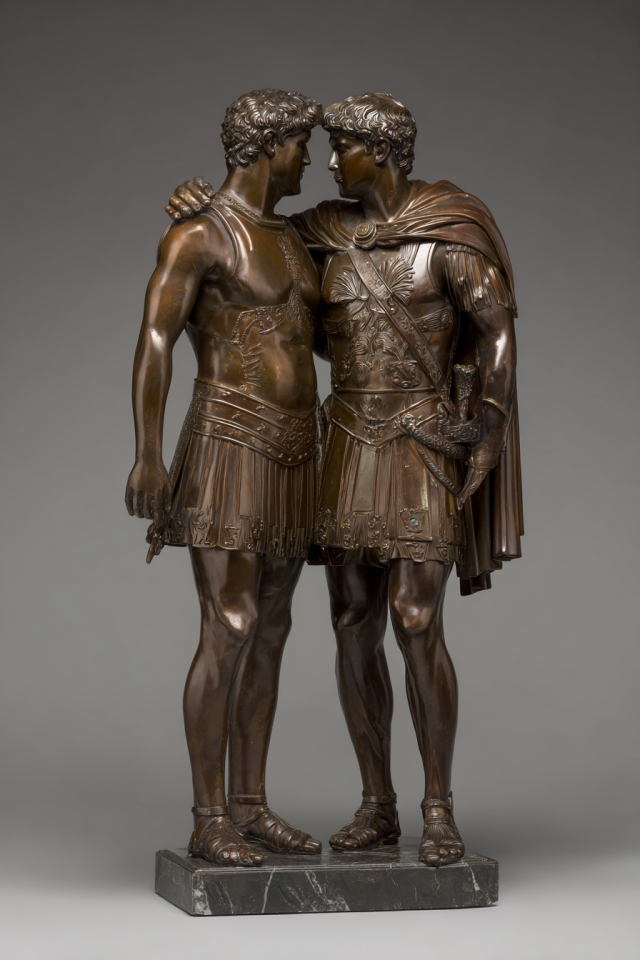
Achilles and Patroclus
Deep warrior-bond interpreted as romantic in later traditions.
In the years before Troy fell, there lived Achilles, fleet of foot, whose name was a song of fear upon the battlefield. At his side from youth was Patroclus, gentler in spirit, but brave and steady. Where Achilles was fire, Patroclus was the steady hand that tempered it. Together they grew from boys to men, bound by a bond deeper than comradeship.
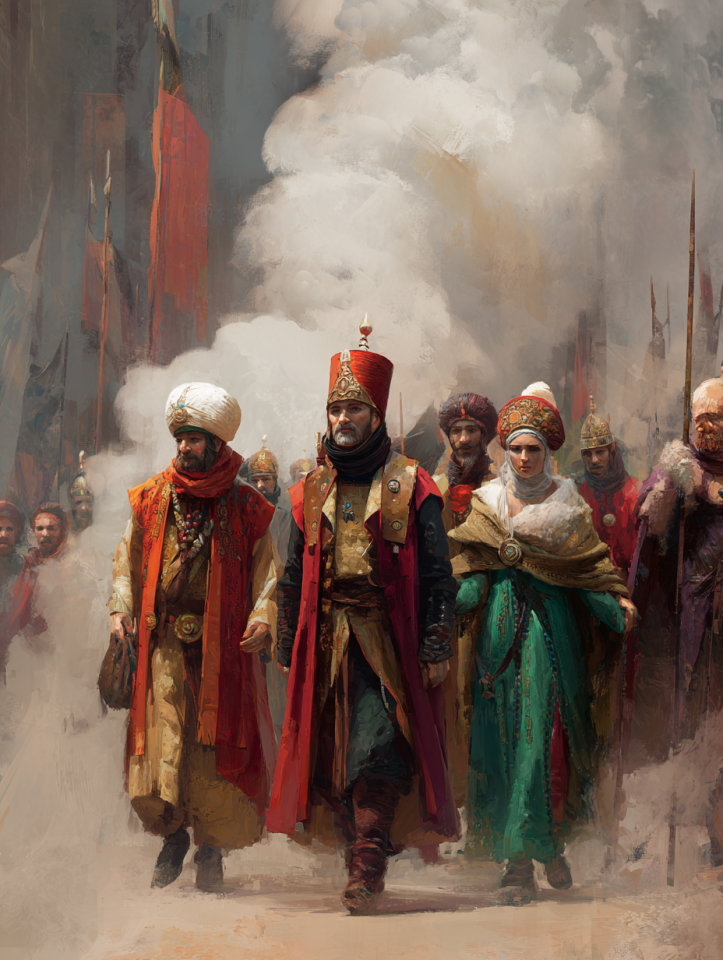
When the summons to war came, they sailed together to Troy. The long siege wore on, year after year, with endless skirmishes and grief. Achilles, proud and wrathful, quarreled with Agamemnon and withdrew from battle, leaving the Greek host to falter. Yet Patroclus could not bear to watch their comrades fall.
One day he begged: “Lend me your armor, and I will rally the men. They will think you have returned, and courage will fill their hearts.” Achilles, though reluctant, agreed, warning him not to press too far against the Trojans. He placed his own armor upon Patroclus’ shoulders, and with that gift sent him into fate.
Clad in shining bronze, Patroclus led the Greeks to victory at the ships. He drove the Trojans back from their burning assault, his spear cutting them down like reeds before the scythe. The men shouted, believing Achilles himself had returned. Yet in the fire of battle Patroclus pressed too far, driving the Trojans back to the very walls of Troy.
There he met Hector, greatest of Priam’s sons. The two clashed in fury, but Patroclus, though brave, was not shielded by his lover’s strength. Apollo struck him from behind, his spear fell from his hand, and Hector drove his bronze deep into Patroclus’ side. The mortal fell, the borrowed armor stripped from his body, his soul passing into shadow.
Word came to Achilles, and grief like fire consumed him. He cast ash upon his head, he tore his hair, and he cried out so loud that Thetis, his mother, rose from the sea to comfort him. Yet no comfort could heal the wound. “If I cannot save him,” Achilles said, “then I will avenge him, though it cost me my life.”
In new-forged armor, blazing with divine light, Achilles returned to battle. Like a storm he swept through the Trojans, his rage unending, until he met Hector. Their duel shook the plain, but vengeance drove Achilles beyond all restraint. He slew Hector and bound his body to his chariot, dragging it before the walls of Troy. The Trojans wept, and Priam himself would later come in secret to beg for his son’s body.
Yet even in vengeance, Achilles’ heart turned always to Patroclus. He held funeral games in his honor, slaughtered captives at his pyre, and placed their ashes together in the same urn. “Let the earth cover us as one,” he declared. For though Achilles knew his own death awaited soon after, he wished only that his name be joined forever with Patroclus’.
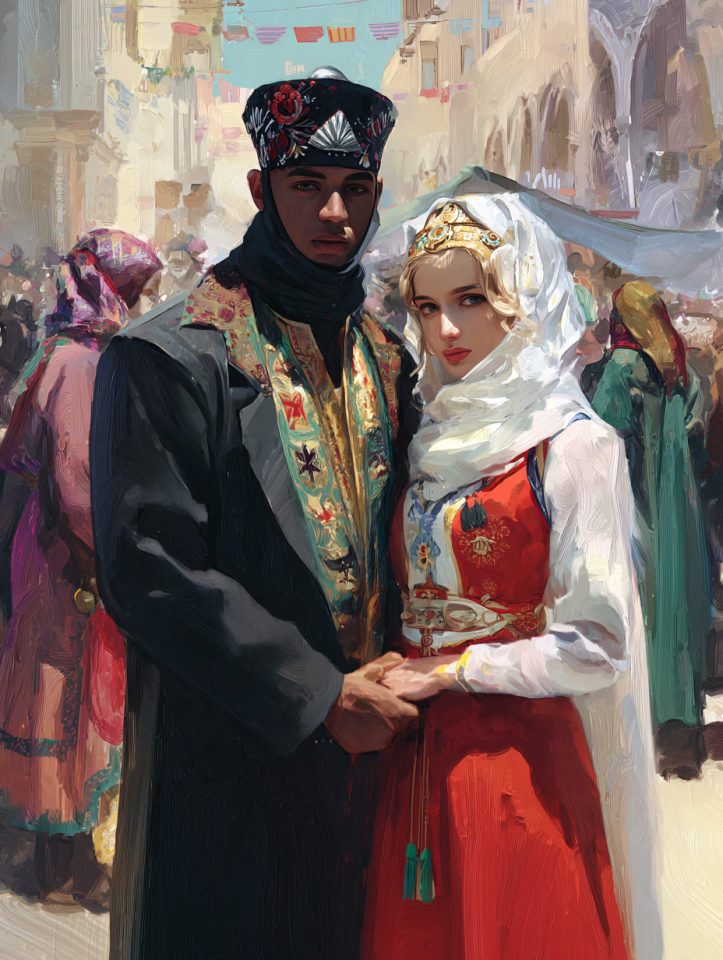
So the bards sang, and so the lovers passed into legend. Some called them friends, others companions, but those who knew the deeper truth said theirs was a love fierce as war and tender as dawn — the kind of bond that endures even beyond the walls of death.
Related Organizations




Comments