
Tristan and Isolde
Passion and betrayal, enduring tragedy.
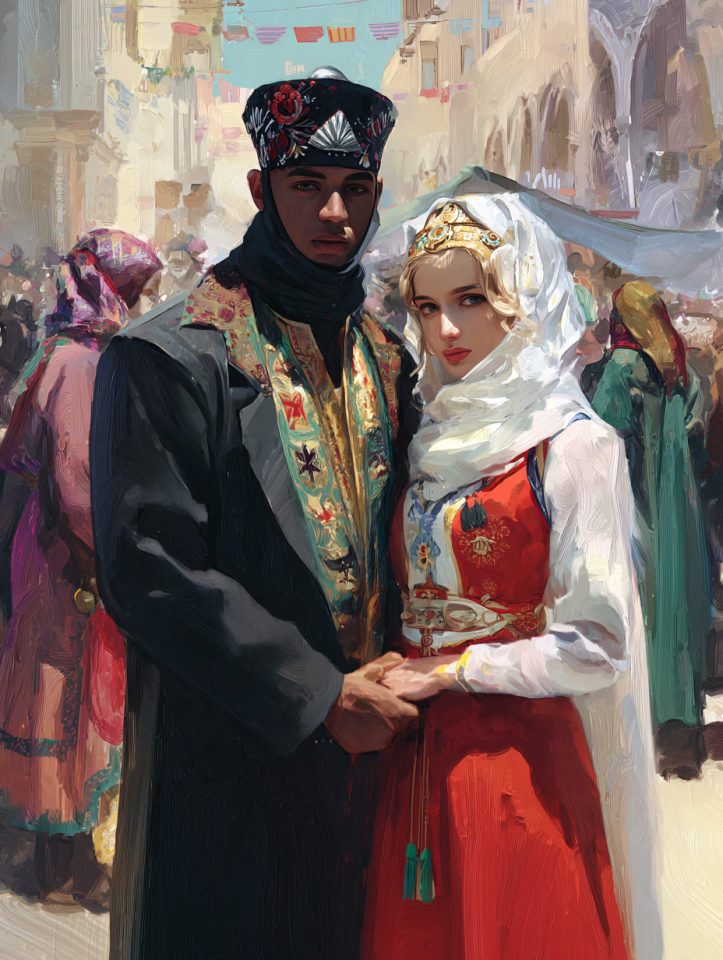
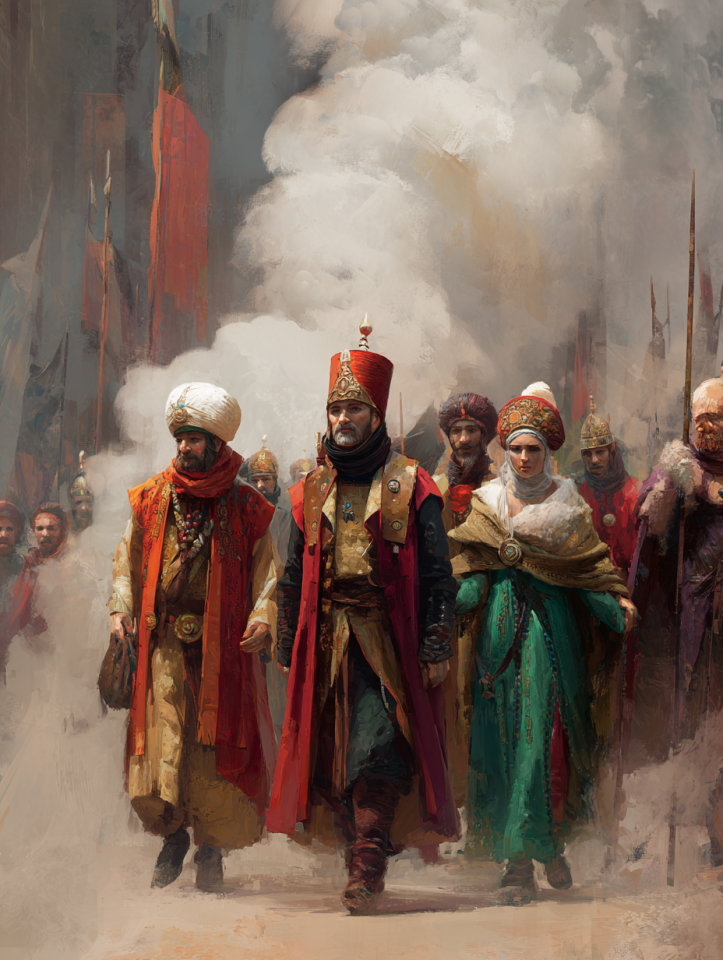
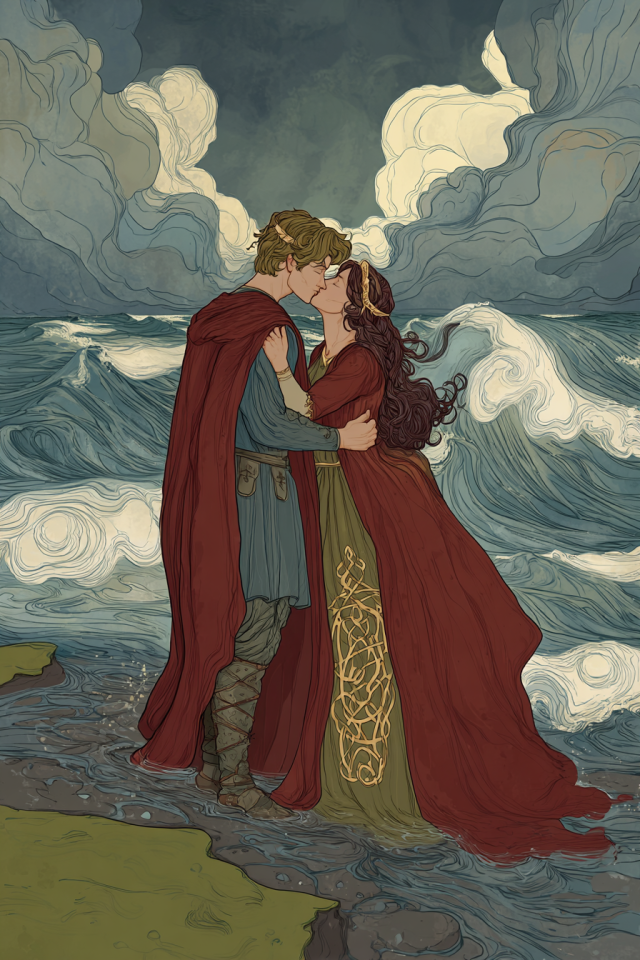
In the age of knights and kingdoms, Tristan of Cornwall sailed across the sea to Ireland, tasked with escorting Isolde to his uncle, King Mark. She was promised as bride to secure peace between their lands. But fate had woven another path, hidden in a cup.
For Isolde’s mother, skilled in the arts of healing and enchantment, had brewed a potion of love, meant to bind her daughter to Mark. By chance — or by destiny — Tristan and Isolde drank it upon the voyage. At once their hearts were seized by passion beyond all reason. They clung to each other in secret, knowing their love was both eternal and forbidden.
At Mark’s court they played the roles demanded of them: she as queen, he as loyal knight. Yet every glance, every touch stolen in shadow, betrayed their bond. Brangain aided them, covering their trysts, but whispers spread. Some courtiers spied them in gardens, others saw their longing in feasts.
Mark, though betrayed, wavered between wrath and sorrow. At times he sought to punish them; at times his love for Tristan and devotion to Isolde stayed his hand. But fate cannot be denied forever. The lovers were discovered again and again, each attempt to part them failing.
At last exile came. Tristan wandered through Brittany, yet even distance could not break the bond. He wed another woman named Isolde — Isolde of the White Hands — but his heart was never hers. In secret, his soul still belonged to the queen of Cornwall.
In the end, Tristan was struck by a poisoned spear. Wounded, he sent for Isolde, for only she could heal him. A ship was dispatched with sails of white to signal her coming, black if she refused. But jealousy clouded his wife’s heart. When the ship returned with white sails, she told Tristan they were black. Despairing, he let death take him.
Isolde arrived too late. Seeing him lifeless, she lay beside him, grief breaking her heart. She too died, and the two were buried together. From their graves sprang two trees whose branches intertwined, so tightly they could never be parted.
Thus the tale of Tristan and Isolde was sung in courts and taverns alike: a love greater than law, greater than loyalty, greater even than life itself. Though tragic, it endured as the archetype of passion, proof that love can bind souls even when kingdoms and vows cannot.
Related Organizations




Comments