Theseus and the Minotaur
A tale of civic courage and liberation from oppressive tribute.
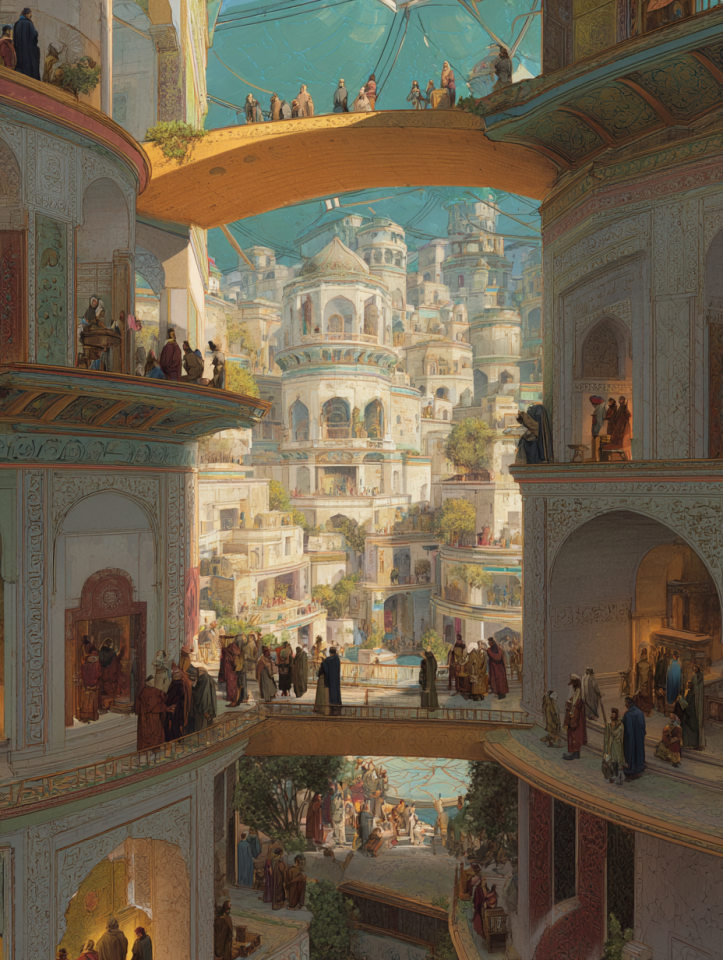
Long ago, Athens was bound by a cruel tribute to Crete. Each year seven youths and seven maidens were taken across the sea, offered up to a beast that dwelled within a twisting maze of stone. This was the Minotaur, born of King Minos’s line, a creature of both man and bull, kept hidden in a labyrinth devised by the cunning Daedalus. The Athenians mourned their children, yet none could defy Minos’s will.
Theseus, prince of Athens, heard the cries of his people and would not endure them. He vowed to sail among the chosen youths, to face the beast himself and end the tribute. His father, King Aegeus, grieved at this decision, fearing to lose his only son. Yet Theseus’s resolve could not be broken. With sails set, he crossed the sea to Crete, carrying the hope of Athens upon his shoulders.
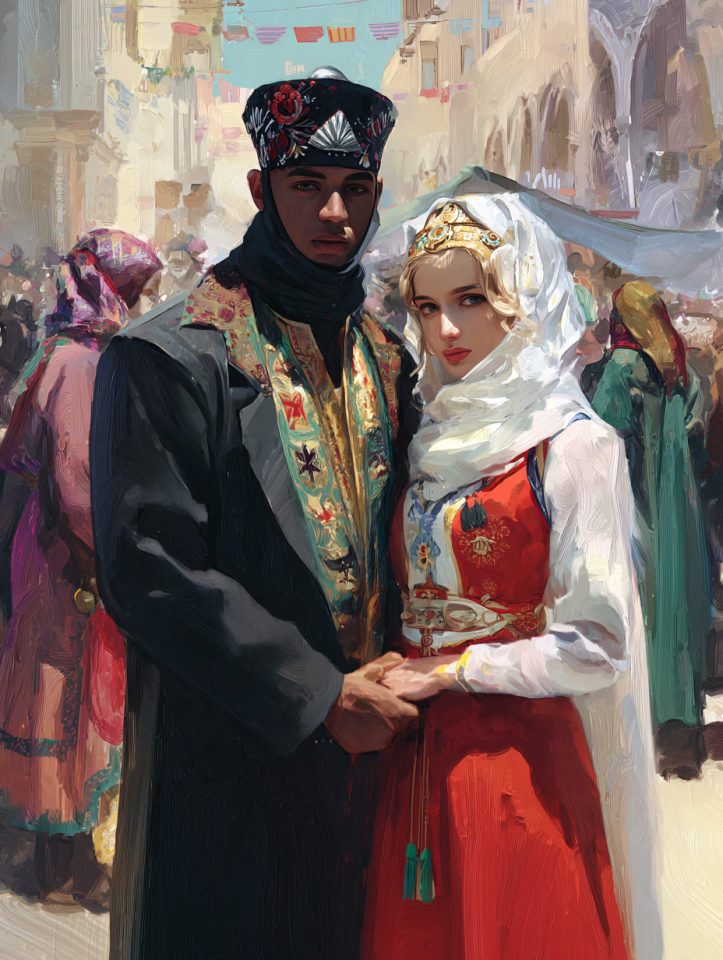
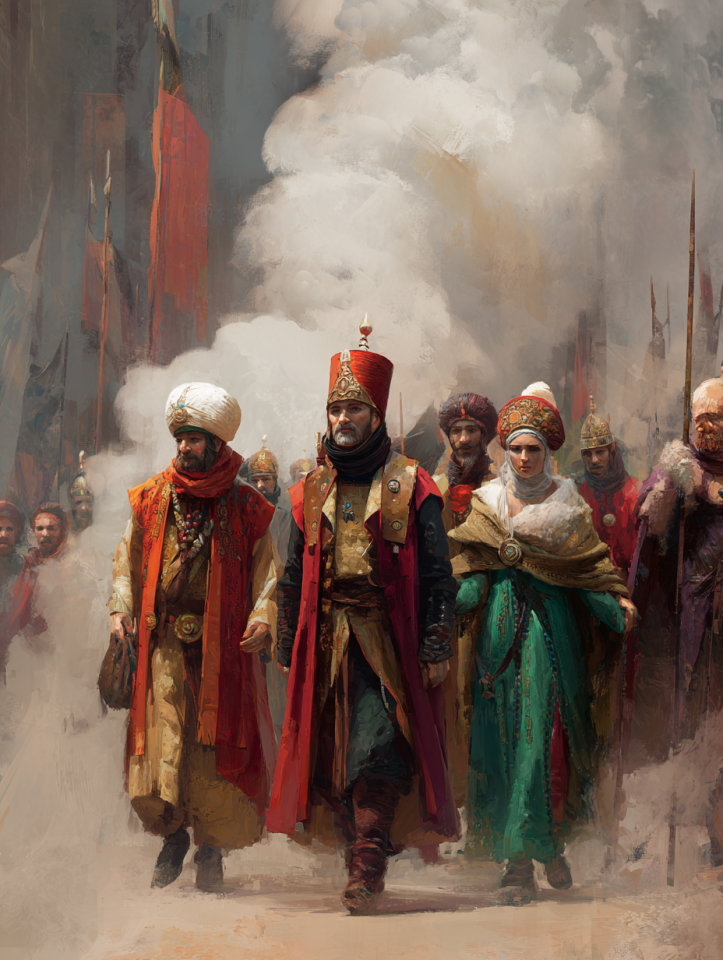
When the youths arrived, they were led before Minos, who looked with pride upon his prisoner-kingdom. But Ariadne, his daughter, beheld Theseus and felt both pity and love. She came to him in secret and pressed into his hands a ball of thread. “Take this,” she said, “and as you enter the labyrinth, unwind it behind you. When you have struck the beast, follow the thread back to the light.”
Night fell, and Theseus entered the labyrinth. Its walls wound endlessly, turning and folding upon themselves, swallowing all who dared. But Theseus laid his thread carefully, each step marked by the hope of return. At last, deep within the twisting halls, he heard the bellow of the Minotaur.
The monster came, horned and terrible, its strength greater than any man. It charged, shaking the stones with its fury, but Theseus did not falter. He seized the creature by its horns, grappling in the darkness. Blow after blow they struck, until at last Theseus drove his blade into the beast’s heart. The Minotaur fell, and the labyrinth, though vast, seemed suddenly empty.
Guided by the thread, Theseus retraced his path. Ariadne waited, and together they fled with the other youths. They stole away to the harbor, boarded their ship, and sailed into the night. The tribute was broken, the beast slain, and Athens was free.
Yet the tale does not end in triumph alone. On their return, Theseus forgot to raise the white sails, as he had promised his father should he survive. Seeing the black sails upon the horizon, Aegeus believed his son dead, and in despair cast himself into the sea. Thus joy was mingled with sorrow, and the sea still bears his name.
So the Athenians remember Theseus: as the prince who faced the beast and freed his people, as the hero who braved the labyrinth and triumphed, and as the son whose victory carried the shadow of grief.

Related Organizations




Comments