
The Shahnameh Cycle of Jamshid
Hubris of a king who once ruled wisely but grew arrogant and lost divine favor.
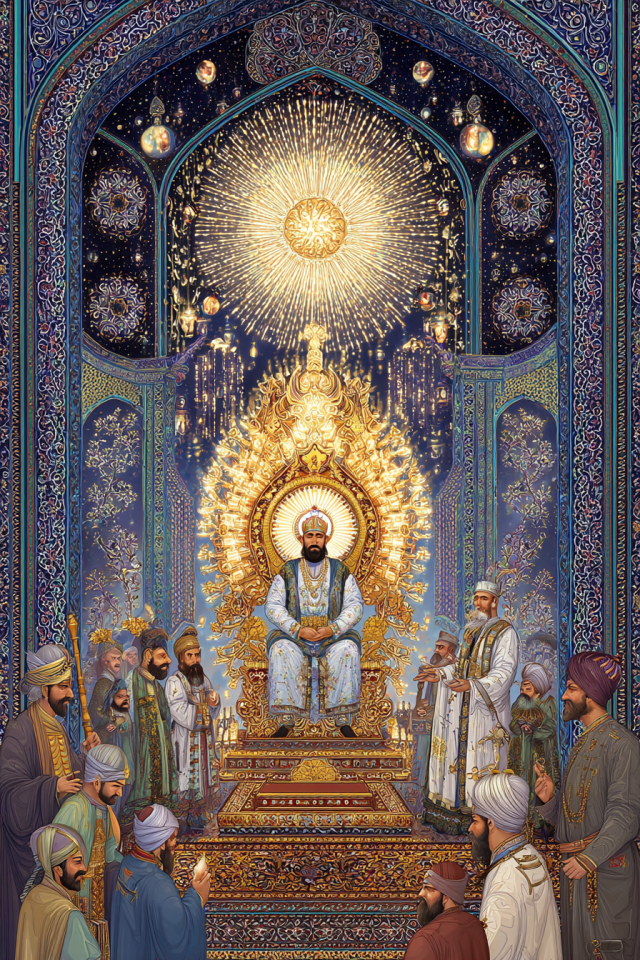
In the age when the world was still young, Ahura Mazda placed his glory upon a mortal king named Jamshid. With the farr blazing upon his brow, he ruled as no man had ruled before, and all the earth prospered under his hand.
Jamshid gave to humankind the crafts of weaving and smithing, the art of cutting stone and shaping jewels. He divided the people into four orders, each with its own sacred task: the priests to tend the fire, the warriors to guard the realm, the artisans to fashion wonders, and the farmers to draw life from the soil. All rejoiced, for hunger was driven back, and the world grew full with bounty.
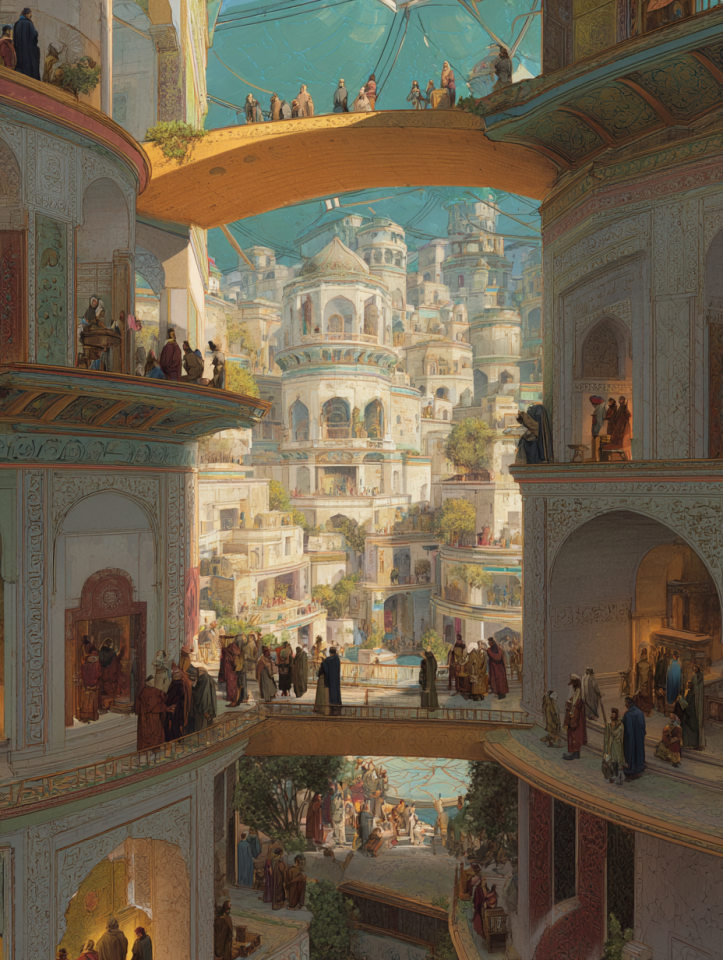
It is said that in his reign sickness fled the land. Men and women lived longer than they ever had, and the beasts of the earth grew fat in the fields. Jamshid raised a great enclosure, a vara filled with plants and animals, a shelter against the cold winters and the shadow of ruin. Within it, the seed of all creation was preserved, and the people called him not only king but savior.
Yet time wears on the heart. Jamshid’s tongue, once humble in praise of Ahura Mazda, turned to pride. He began to claim that all gifts came not from the heavens but from his own hand. “I am the light of the world,” he declared, “I am the master of life.” And with those words the farr that crowned him began to dim.
The people heard his boasts and grew uneasy. The priests turned from his temples, the warriors doubted his commands, the artisans and farmers whispered that their king had forgotten them. Into that shadow crept Angra Mainyu, for deceit finds root where trust falters.
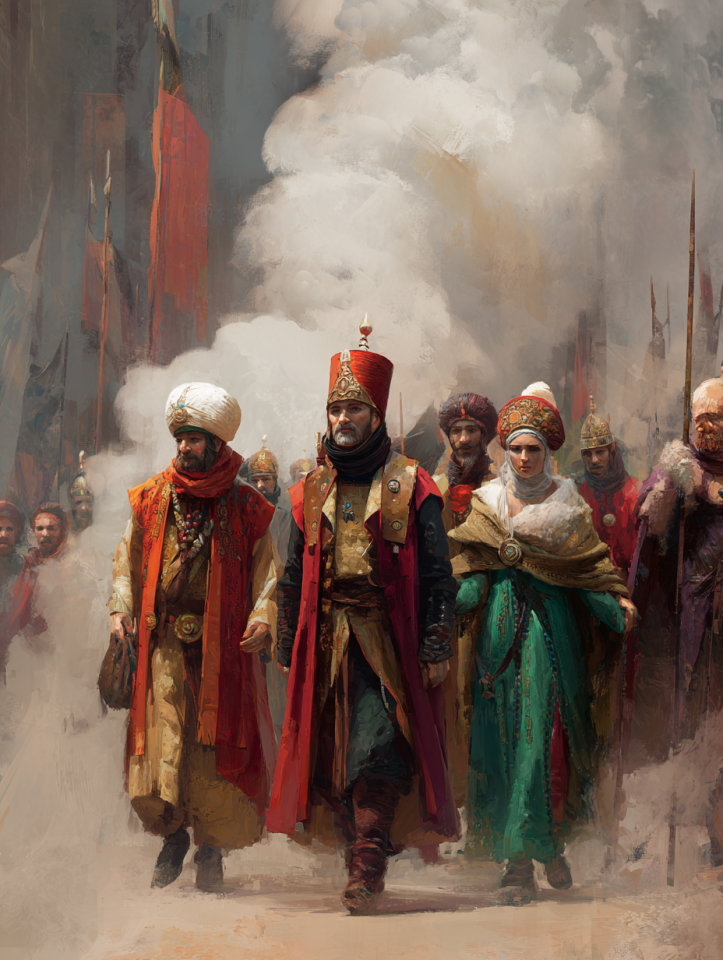
In those days rose Zahhak, a man with an eager will and eyes fixed on the throne. The people, weary of Jamshid’s arrogance, turned to Zahhak, who promised strength and favor. Jamshid, abandoned by his subjects, fled his palace, and the world that once bent to his will now passed into another’s hands.
For a hundred years Jamshid wandered in exile. No court welcomed him, no fire lit for his name. His once-great kingdom remembered him only as a king who had squandered the world.
At last, Zahhak’s hunters found him. They bound him fast and carried him before their master. And in the end, Jamshid was cut in two, his body cast aside, his reign brought to a close not with song but with silence.
So ended Jamshid, the king who once ruled the world, the builder of the vara, the giver of crafts, undone by the weight of his own pride.
Related Organizations




Comments