
Atrahasis Creation Cycle
Humanity made from clay and divine blood to serve the gods with labor and sex, saved from destruction by Enki’s intervention.
In the beginning, before men tilled the soil or raised temples, the burden of labor fell upon the younger gods. By command of Enlil, they dug canals, lifted baskets, and worked the fields that fed the heavens. But as years passed, the toil grew heavy, and their cries rose against their masters.
At last they gathered in secret, cast down their tools, and marched upon Enlil’s dwelling in revolt. The heavens quaked with their fury. To prevent chaos, the assembly of gods called upon Mami, the mother goddess, to fashion a new race that would take up the labors.
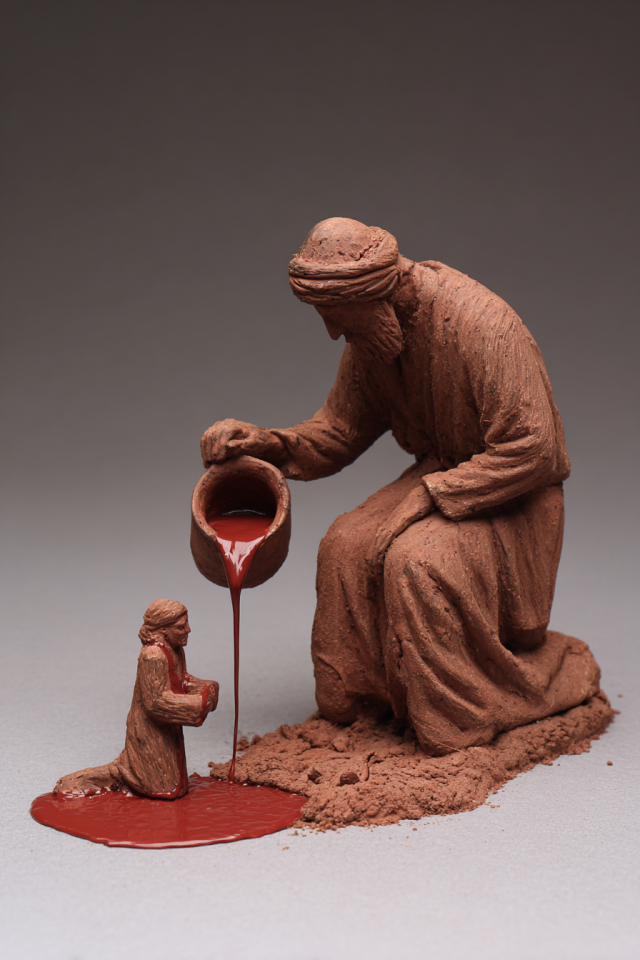
But mortals could not be shaped from clay alone. To give them spirit, a god must be sacrificed. They chose Geshtu-e, whose blood was mingled with clay. From this mixture, Mami formed the first humans, fragile yet cunning, servants of the gods.
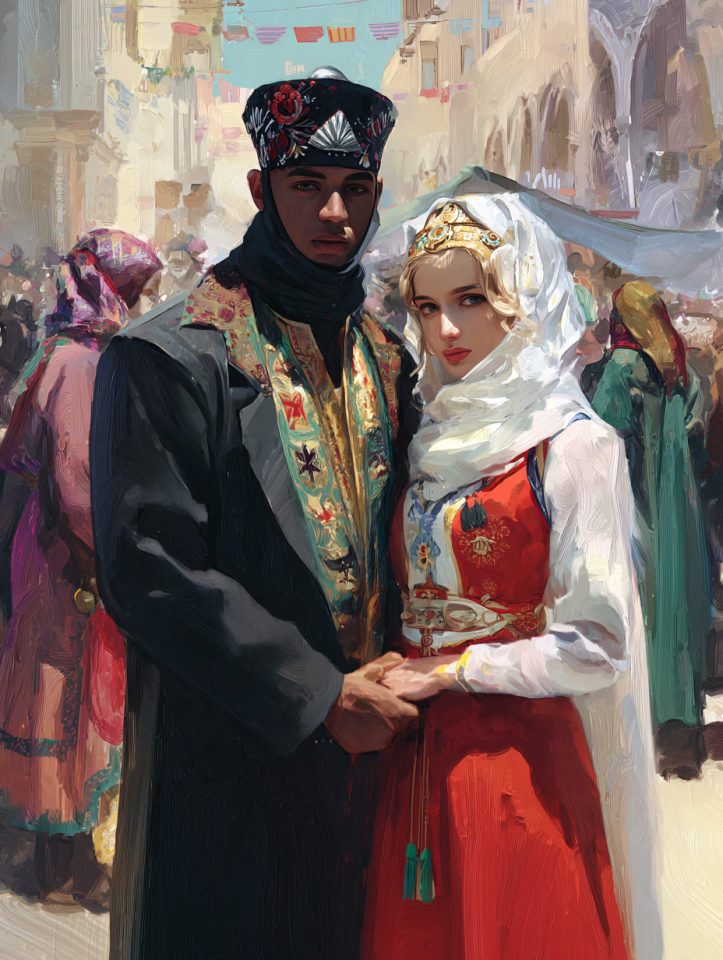
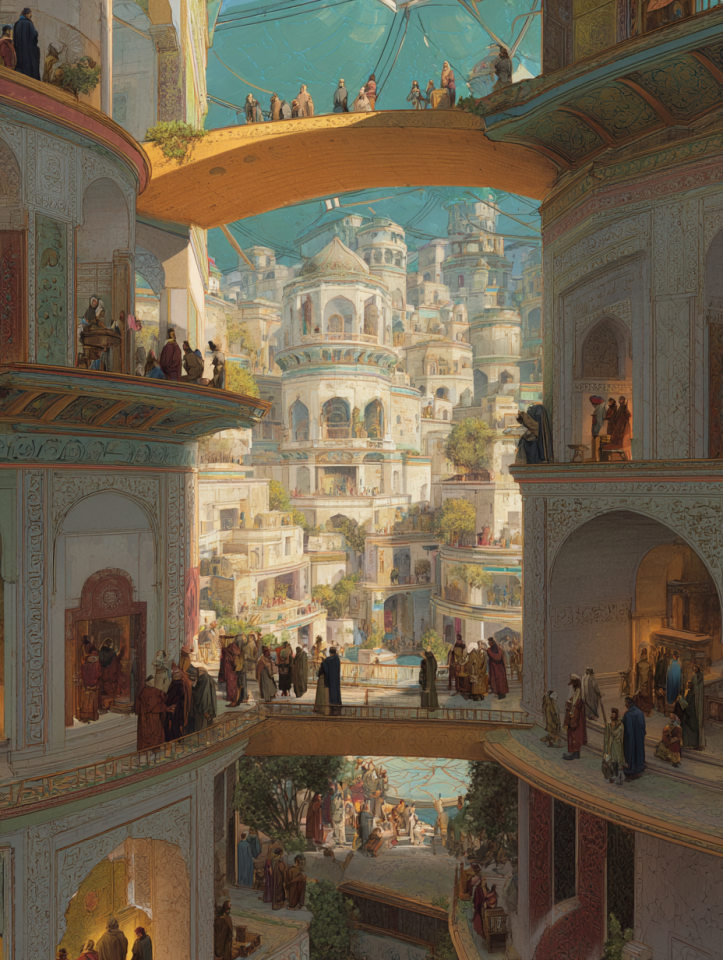
Thus mankind was born, destined for toil and servitude — to raise offerings, to bear burdens, to provide pleasure. They tended the fields, baked bread, brewed beer, and built temples. For a time the gods were content, and the world was ordered.
Yet soon the humans multiplied, filling the earth with their cries. Their noise disturbed the sleep of Enlil, whose wrath flared. He sent plagues, then famine, then drought to reduce their number. Each time, Enki whispered secrets to Atrahasis, who led the people in rites and offerings that appeased the divine punishments.
Frustrated, Enlil resolved to destroy mankind entirely with a flood. But again Enki betrayed the secret, speaking through a reed wall to warn Atrahasis. The mortal built a great boat, sealed with pitch, and brought aboard his family, animals, and seed of life. When the waters rose, covering mountains and drowning cities, Atrahasis’ ark alone survived.
When the flood subsided, the gods looked upon the desolate earth with regret. They hungered for offerings, for no humans remained to feed them. Mami wept, cursing the cruelty of her brethren. In the end, compromise was forged: mankind would endure, but their lives would be shortened, their numbers checked by fate.
So it was that humanity, born of clay and divine blood, lived not for glory but for labor and love, for toil and worship. The Enki who saved them was remembered as friend, while Enlil loomed as judge. The tale was told not to flatter mortals, but to remind them of their place: servants of the divine, fragile yet enduring, forever walking the narrow path between the wrath of heaven and the mercy of the waters.
Related Organizations




Comments