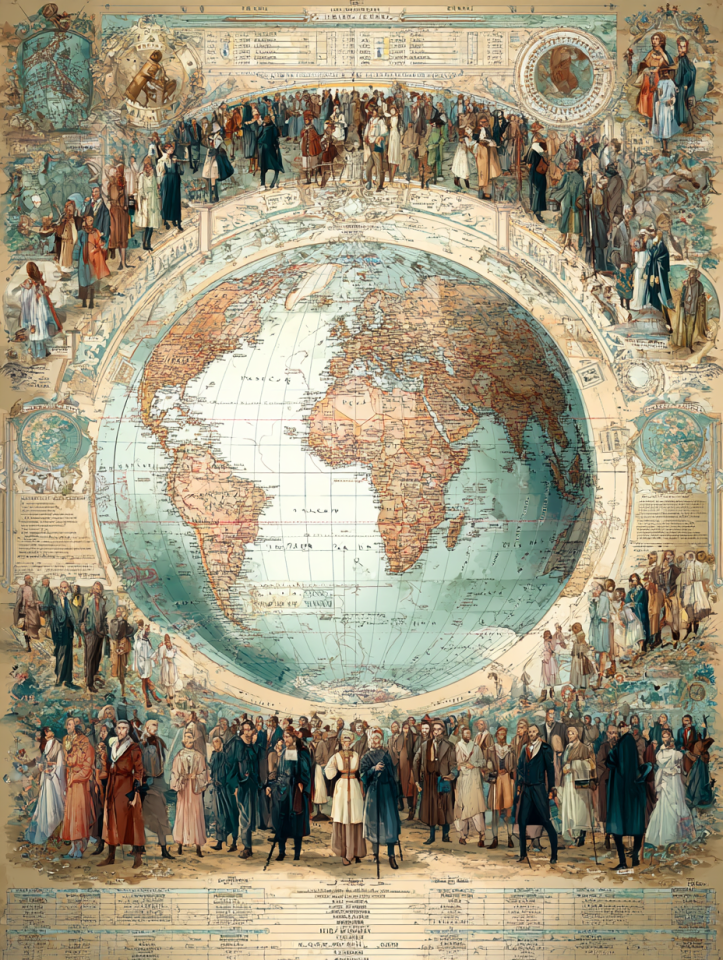



The story of the Buddha’s renunciation
Ethical awakening and rejection of worldly conquest.
Siddhartha Gautama was born in the gardens of Lumbinī, beneath the branches of a sal tree. His mother, Queen Māyā, dreamed of a white elephant entering her womb, and sages foretold that her son would become either a great king or a great teacher. King Śuddhodana, desiring an heir who would rule, swore that sorrow should never touch the boy.
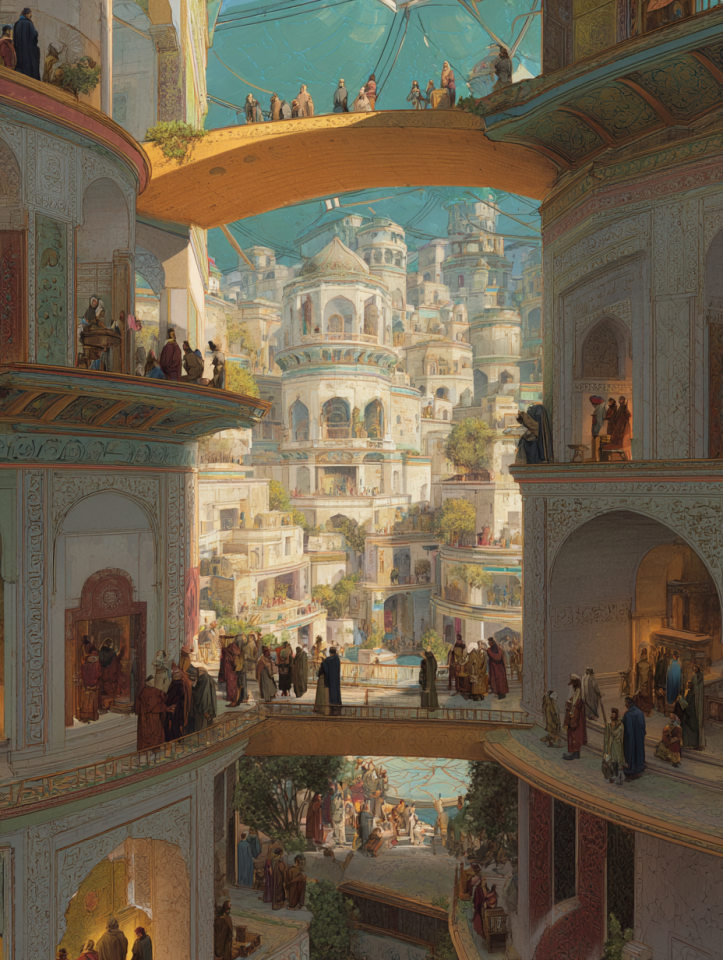
The palace of Kapilavastu became a gilded cage. Within its walls Siddhartha was surrounded by music, dance, and luxury. Seasons turned, but only spring was allowed in his sight; no sickness, no death, no old age were permitted before him. He married the gentle Yashodharā and lived in splendor, his every wish anticipated. Yet beneath the silken veils, questions stirred in his heart.
One day Siddhartha persuaded his charioteer Channa to take him beyond the gates. There he saw an old man, bent and frail, leaning upon a stick. His brow furrowed, for such a sight had never been shown him. “What is this?” he asked. “This is age, lord,” Channa replied, “the fate of all who live.”
On another journey he saw a man wracked with disease, body trembling, voice broken. “And this?” he asked. “This is sickness,” said Channa, “which spares none.” On a third day he saw a corpse borne on a bier, mourners wailing at its side. “This too awaits all,” said Channa, “for death is the end of every body.”
Siddhartha’s heart was shaken. All the pleasures of the palace seemed hollow beside these truths. But on the fourth journey he beheld a wandering ascetic, serene in poverty, his eyes alight with inner peace. “This man has renounced the world,” Channa said, “and seeks a path beyond suffering.”
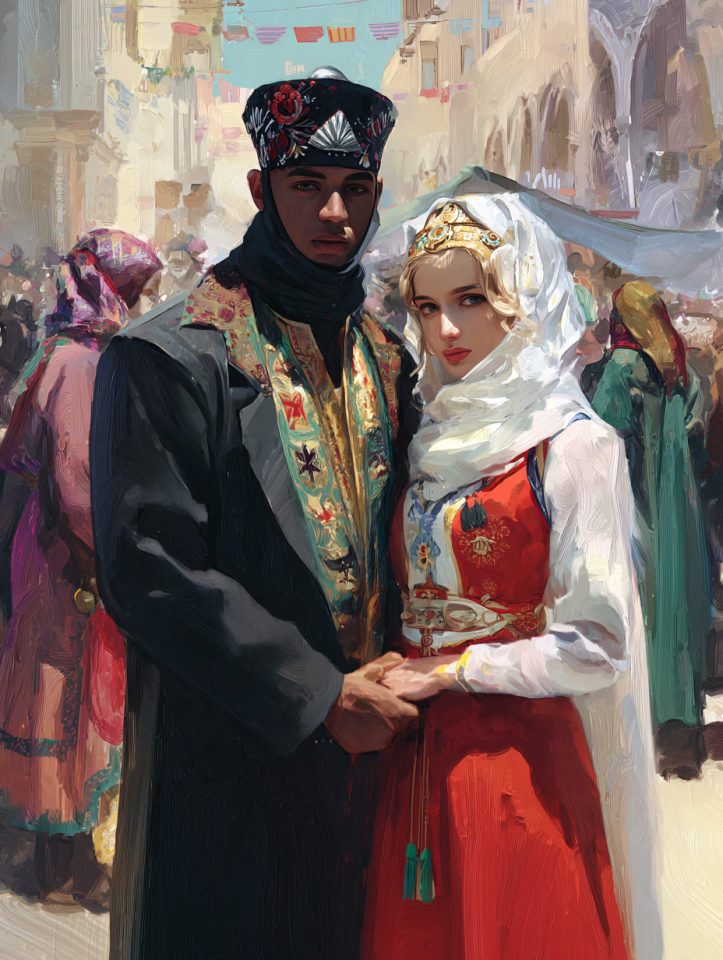
The vision struck deep. Though a son had just been born to him, Siddhartha felt the call of a greater duty. In the stillness of night, he kissed his sleeping wife and child, mounted his horse Kanthaka, and with Channa’s aid slipped beyond the palace gates. At the forest’s edge he cut off his hair, exchanged his silks for a beggar’s robe, and sent his horse back in tears. Thus began his renunciation.
For years he wandered, studying under great teachers. He mastered their meditations, but found their truths incomplete. He joined ascetics in harsh austerities, fasting until his body wasted, yet wisdom did not come. At last he realized that neither indulgence nor torment could yield freedom — only a middle way between.
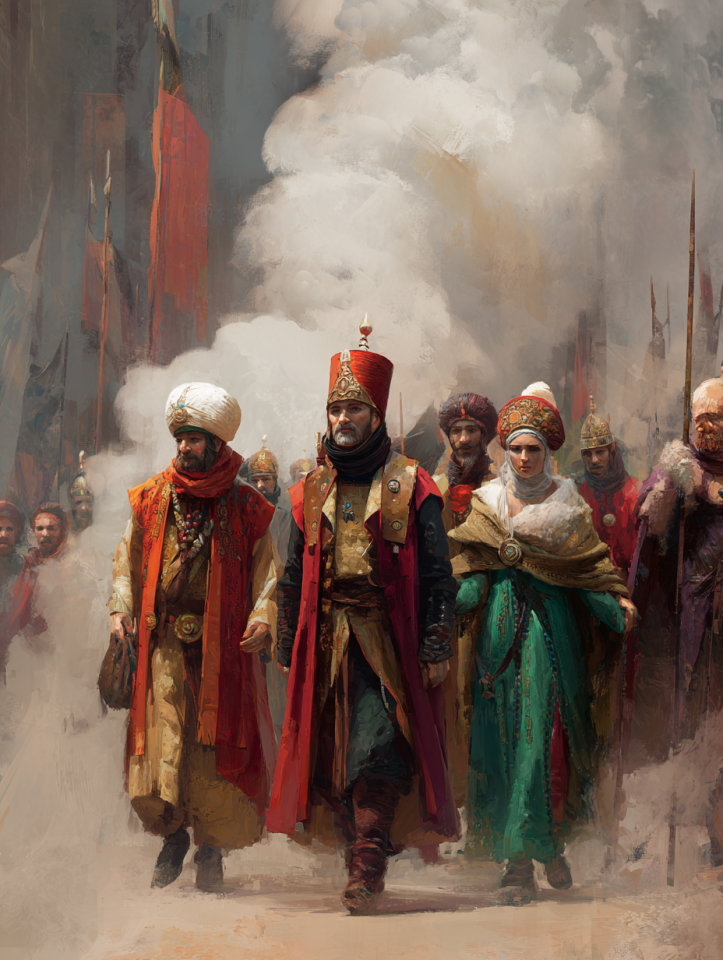
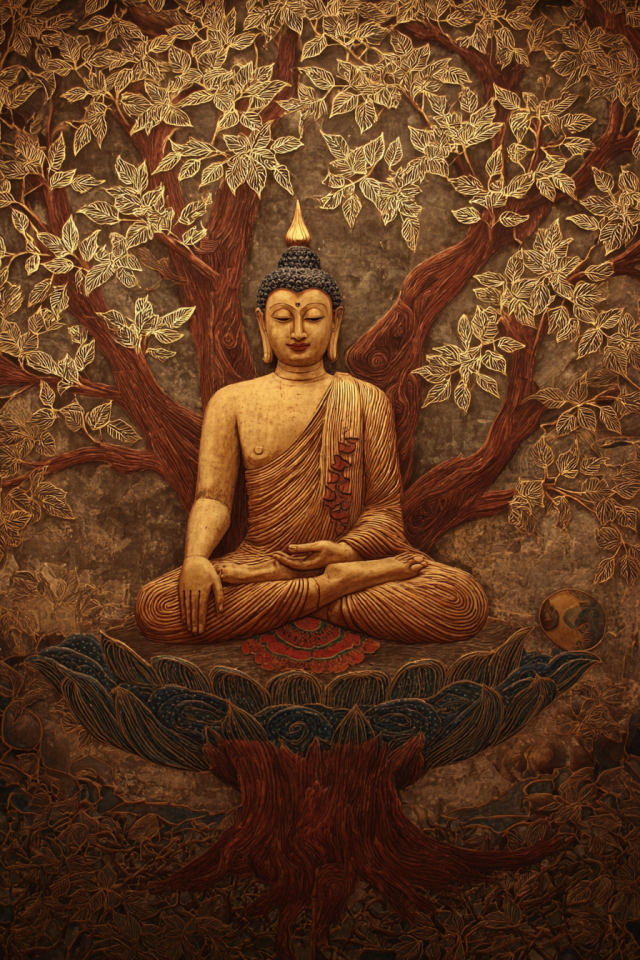
Sitting beneath the Bodhi tree at Bodh Gaya, he vowed not to rise until he had pierced the heart of truth. Māra, the tempter, came with armies of demons, with storms and flaming arrows, with visions of desire and fear. But Siddhartha sat unmoved, touching the earth as witness. At dawn, as the morning star rose, enlightenment blossomed within him. He saw the cycle of birth and death, the cause of suffering, and the path to its cessation. Siddhartha Gautama became the Buddha, the Awakened One.
Thus the renunciation of a prince became the awakening of a teacher. The palace he left behind fell into shadow, but the world gained a light that has never dimmed. His first words as Buddha were not of conquest but of compassion: “Through many births I have wandered, seeking the builder of this house of suffering. Now I have found him: craving. The house is broken, the craving destroyed, and the path lies open.”
Related Organizations




Comments