Zahhak the Serpent King
Tyranny born of greed, undone by rebellion.
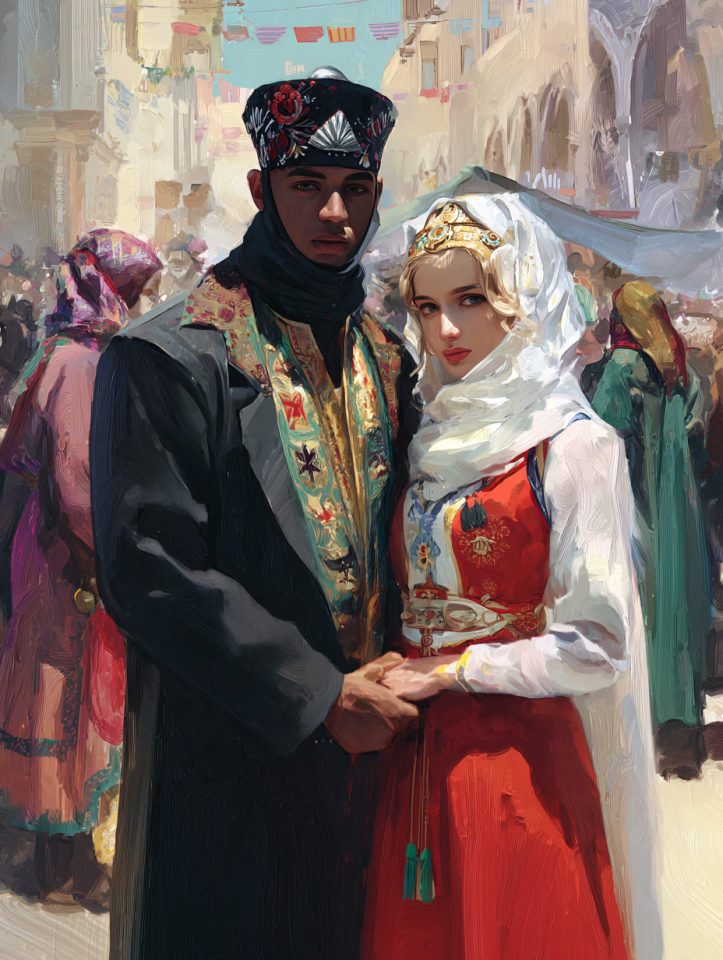
When Jamshid’s glory dimmed and his throne was left hollow, a new ruler arose. Zahhak was his name, son of an Arab prince, fair in form and pleasing of face. In his youth he was not wicked, but weak, and it was that weakness which Angra Mainyu sought. The Spirit of Lies came to him in the guise of a flattering counselor, whispering honeyed words that promised greatness if only he would turn from the old order.
At first Zahhak resisted, but the whisper did not cease. Day by day the dark spirit bent his will, offering gifts and subtle temptations. At last Angra Mainyu came as a cook, preparing meats so rich and flavorsome that Zahhak hungered for more. In his delight he granted the cook a favor, and Ahriman, smiling, asked but one thing: to press his lips to the young prince’s shoulders. Foolishly, Zahhak agreed.
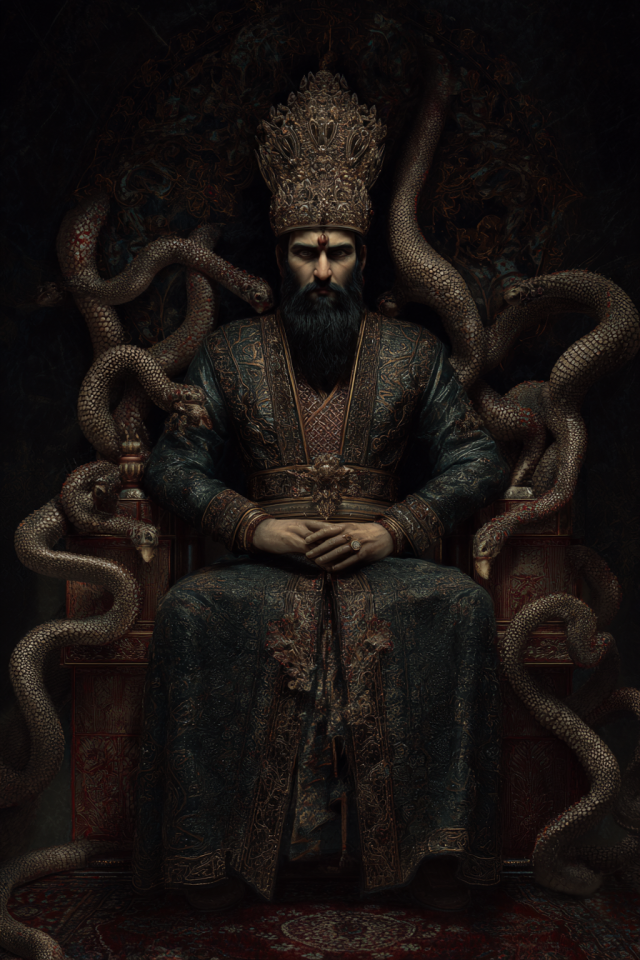
The moment the spirit’s lips touched flesh, a horror took root. From Zahhak’s shoulders burst two black serpents, writhing and hissing, each with eyes like coals. Zahhak cried out in terror, but no blade or fire could cut them away. Angra Mainyu returned once more in disguise, soothing him, saying, “Feed them daily with the brains of men, and they will trouble you no more.” Thus was the pact sealed, and Zahhak’s soul bound in tyranny.
In time he seized Jamshid, whose arrogance had left him abandoned, and cut him down. With Jamshid’s death, Zahhak took the throne. For a thousand years he ruled, and under him the land darkened. Each night the serpents clamored for their feast, and each day two men were taken from among the people, their skulls opened to still the monsters’ hunger. Families wept, the fields lay untended, and fear stalked every hearth.
Yet not all bowed. Among the oppressed was Kāveh the Blacksmith, whose sons had been seized for the serpents’ table. He came before Zahhak in his court, demanding justice, but the king only smiled coldly and dismissed him. In rage and grief Kāveh tore up the decree of tyranny and raised his leather apron upon a spear as a banner. From the markets and forges, from fields and villages, the people gathered behind him.
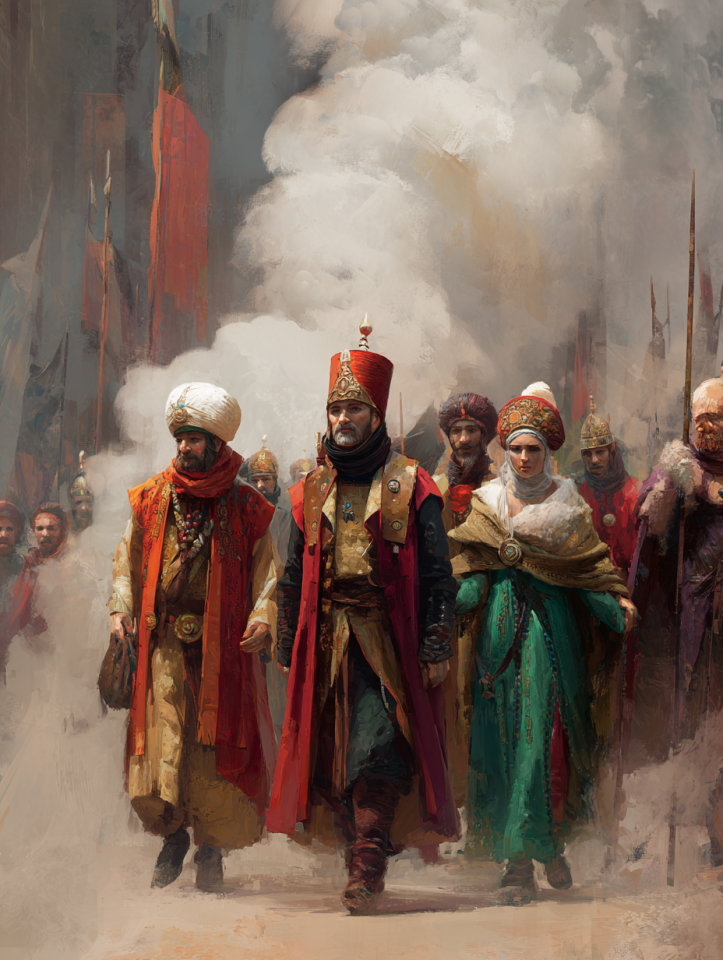
Word spread of a youth named Fereydun, noble and strong, hidden away in the mountains for fear of Zahhak’s wrath. To him the people turned, proclaiming him their hope. With Kāveh at his side, Fereydun marched with an army of common folk, bearing the blacksmith’s banner high. Their courage was greater than their weapons, but the fire of their cause could not be quenched.
They stormed Zahhak’s palace. The Serpent King, once proud and terrible, fled before them. Yet Fereydun overtook him and cast him down. The people demanded death for their tormentor, but Fereydun, wise beyond his years, remembered the span of fate decreed by Ahura Mazda. He bound Zahhak with heavy chains and cast him into a cavern deep beneath Mount Damavand, there to writhe until the end of days.
Thus ended the long night of Zahhak’s reign. The people rejoiced, and the banner of Kāveh became their symbol of freedom, carried in triumph through the ages. The land, once scarred by blood, began again to heal. And though Zahhak still stirs in his mountain prison, his serpents silent at last, the tale of his tyranny lives on as the memory of what darkness can rise when weakness yields to deceit.
Related Organizations




Comments