




Nysippos of Antioch (NEE-sip-pos)
First Voice of Hellas
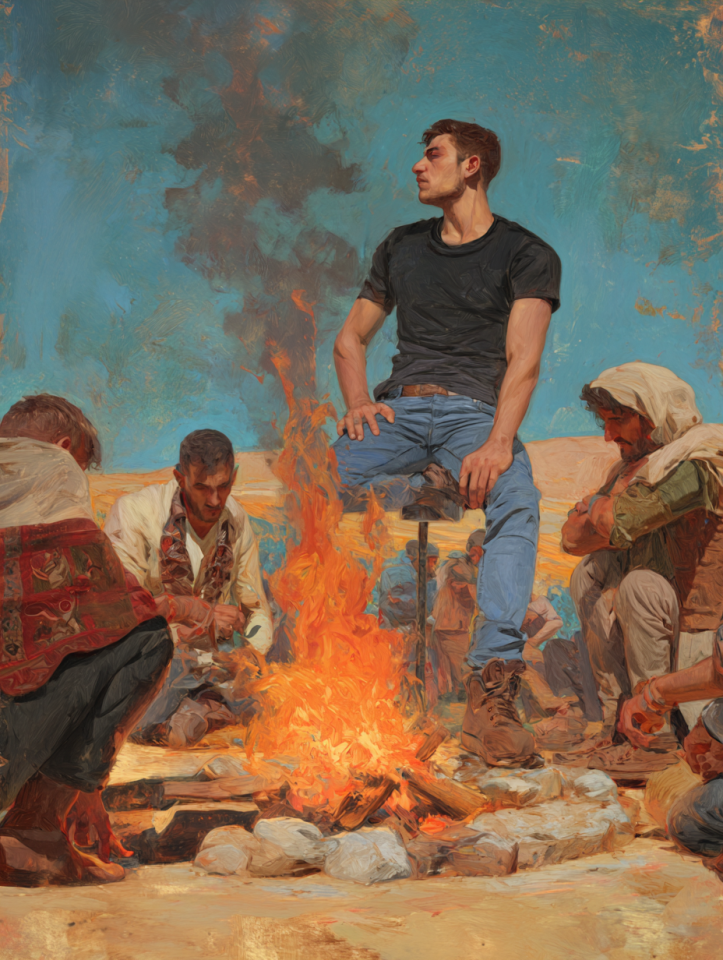
Nysippos was born in the bustling crossroads of Antioch, a city alive with Greek, Persian, and Levantine influences. His father was a merchant of olive oil and wine, while his mother came from a family of scholars tied to the city’s early academies. This dual exposure to commerce and philosophy gave Nysippos a flexible mind — one capable of understanding both practical necessities and lofty ideals. He was educated in the traditions of Aristotle and the Cynics, but he also absorbed the wisdom of Phoenician traders and Aramaic storytellers who passed through the city’s markets.
From a young age, Nysippos showed a fascination with rhetoric. He could captivate both wealthy patrons and dockside laborers with equal ease, spinning tales and arguments that balanced wit with reason. This skill earned him a reputation as a bridge-builder, someone able to dissolve tension through speech rather than violence. When Antioch began to expand its influence as a center of trade and thought, Nysippos emerged as one of its most articulate young voices, advocating for treaties and exchanges that emphasized shared benefit rather than conquest.
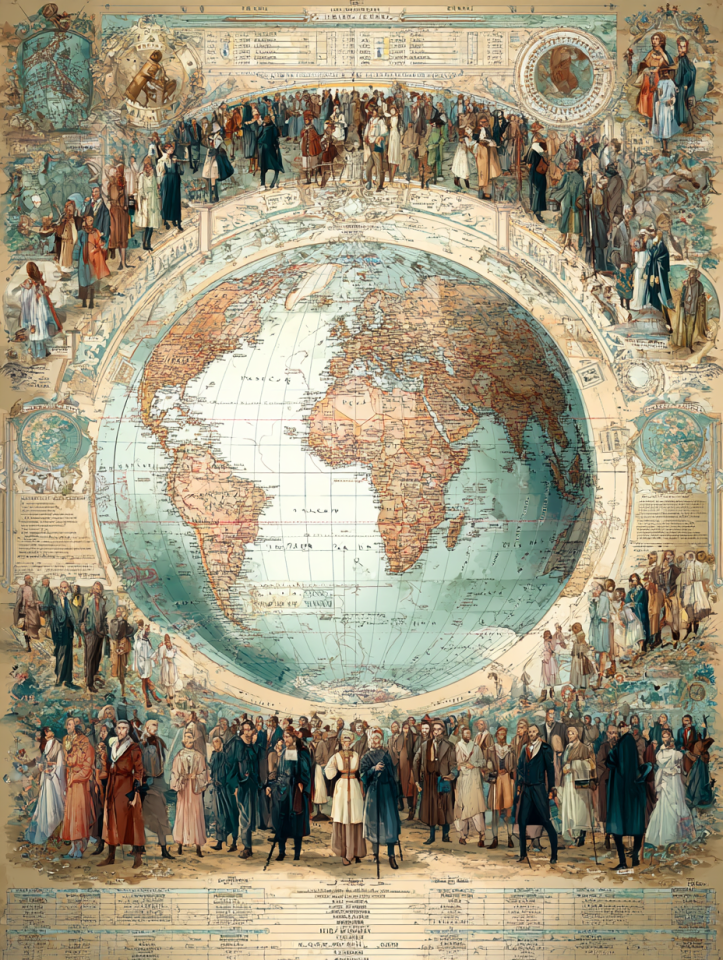
By his late twenties, Nysippos had become a familiar figure in the assemblies of Antioch. His call for cooperation made him a natural candidate to represent the Hellenistic world at the council that formed the Accord of Preservation. Unlike others, he approached the gathering not as a rival philosopher but as a mediator. His speeches at Antioch were said to have softened suspicions between the Persian, Egyptian, and Celtic delegates, framing preservation as not just cultural duty but the key to prosperity and peace.
After the signing, Nysippos continued to work as a diplomat, traveling between cities of the Levant and Greece. He never sought political office, preferring instead to remain a trusted voice behind rulers and merchants alike. His writings, though fragmentary, reveal a man convinced that dialogue was the truest mark of civilization. He died relatively young, but his reputation as “the tongue of Antioch” endured, remembered in the way the city styled itself a hub of cultural meeting rather than conquest.







Comments