Hellenism / Greek (HEL-eh-nizm)
Hellenism is a polytheistic religion — meaning it venerates many gods, each embodying aspects of the cosmos, culture, and human experience. Unlike monotheism (one god) or non-theism (absence of gods), polytheism celebrates plurality, diversity, and balance among deities. The Olympian pantheon — Zeus, Hera, Athena, Apollo, Artemis, and many others — is central, but local cults and household gods remain equally important.
Origins & Historical Development
Hellenism arises from the ritual, myth, and civic life of the ancient Greek city-states. In our world, it was largely suppressed by Christianity and empire; in Koina, with no Roman-Christian dominance, Hellenism never disappears. Instead, it evolves organically into federated cults tied to city-states and maritime leagues. Festivals, mystery schools, and philosophical academies reinforce its continuity. By the modern era, Hellenism is not a “revival” but an unbroken tradition, woven into the civic life of the Hellenic Maritime Leagues and beyond.
Core Beliefs & Practices
Hellenism is built on the principle of reciprocity between mortals and gods — offerings, sacrifices, and festivals maintain harmony. Each god represents a sphere: Athena for wisdom, Poseidon for the sea, Demeter for agriculture. Worship is communal, often tied to civic festivals like the Panathenaia or Dionysia. Mystery cults (Eleusinian, Orphic, Dionysian) offer deeper initiatory paths. In Koina, philosophical traditions like Stoicism and Aristotelianism coexist peacefully with religious rites, creating a balance between ritual devotion and rational inquiry.
Sacred Texts & Traditions
While not scriptural in the monotheistic sense, Greek myths — preserved in Homer, Hesiod, and later tragedians — serve as cultural scripture. In Koina, these texts are never sidelined; they remain part of the Net of Voices, studied alongside philosophy. Local oral traditions, hymns, and temple inscriptions remain vibrant. Philosophy and myth are seen as complementary: one offering rational discourse, the other symbolic truth.
Institutions & Structure
Temples, altars, and shrines anchor local worship. Priests are not a separate caste but civic officials, rotating like other leaders. Festivals serve as both religious and civic gatherings, reinforcing the federative ethos. Mystery cults retain private initiatory rites, but without persecution, they flourish openly and contribute to the diversity of practice.
Relation to the Accord
Hellenism integrates with the Cooperative Federation as a model of pluralism: many gods, many cities, many paths. Its emphasis on festival and dialogue mirrors the Accord’s ethos of celebratory pluralism. Philosophically, Hellenic schools deeply shape Accord law and education. The gods themselves become symbols of identity — Athena for wisdom in councils, Hermes for trade in guilds, Apollo for health in federative medicine.
Cultural Influence & Legacy
Greek art, theater, and architecture remain influential. Temples dot the Mediterranean, not as ruins but as living spaces. Tragedy and comedy are civic events, teaching philosophy through story. Philosophers like Plato and Aristotle are read continuously, influencing medicine, law, and governance. The Hellenic pantheon also becomes a common cultural vocabulary across federations — even non-Hellenes reference Zeus or Hera as symbols of power, family, or justice.
Modern Presence
Today, Hellenism thrives across the Hellenic Maritime Leagues and diasporic communities. Festivals attract pilgrims from all federations, and mystery schools continue to initiate seekers from diverse backgrounds. Far from being an “ancient” or “revived” religion, Hellenism in Koina is a living, evolving tradition — one that celebrates plurality, dialogue, and the divine woven into civic life. It stands as a reminder that gods need not be singular to inspire unity, nor philosophy opposed to ritual to sustain truth.

Type
Religious, Organised Religion
Alternative Names
Hellenic Religion; The Olympian Path
Demonym
Hellenes / Hellenists
Afterlife
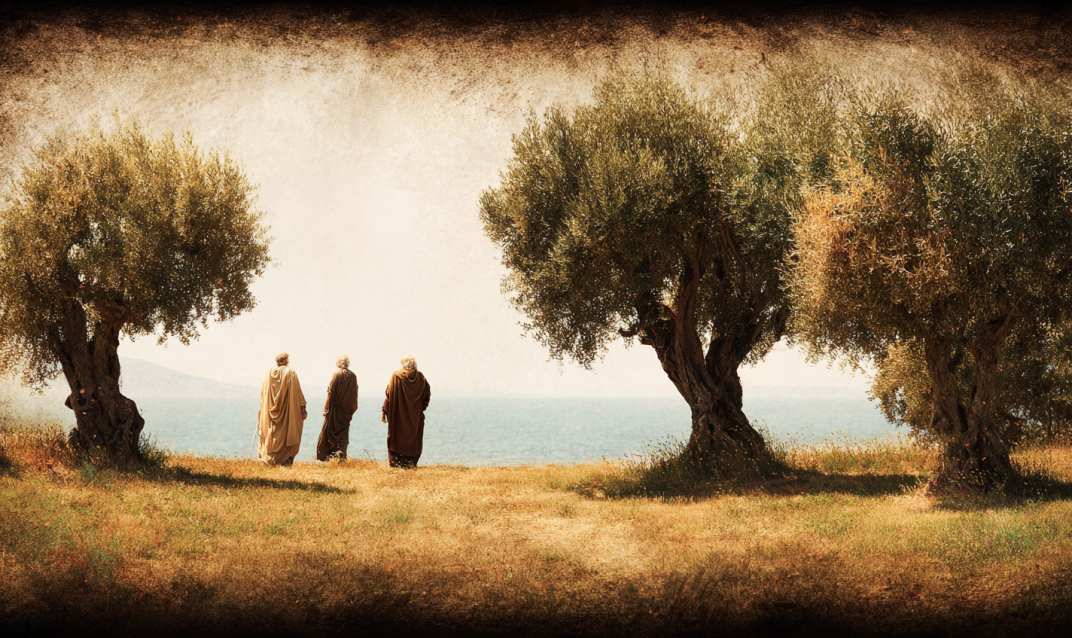
Hellenism Afterlife
The righteous soul crosses the river and finds itself in the Elysian Fields — islands of tranquil light where philosophers, artists, and heroes converse amid olive trees and clear waters. Here, joy is reasoned and calm, a continuation of life’s finest contemplations.
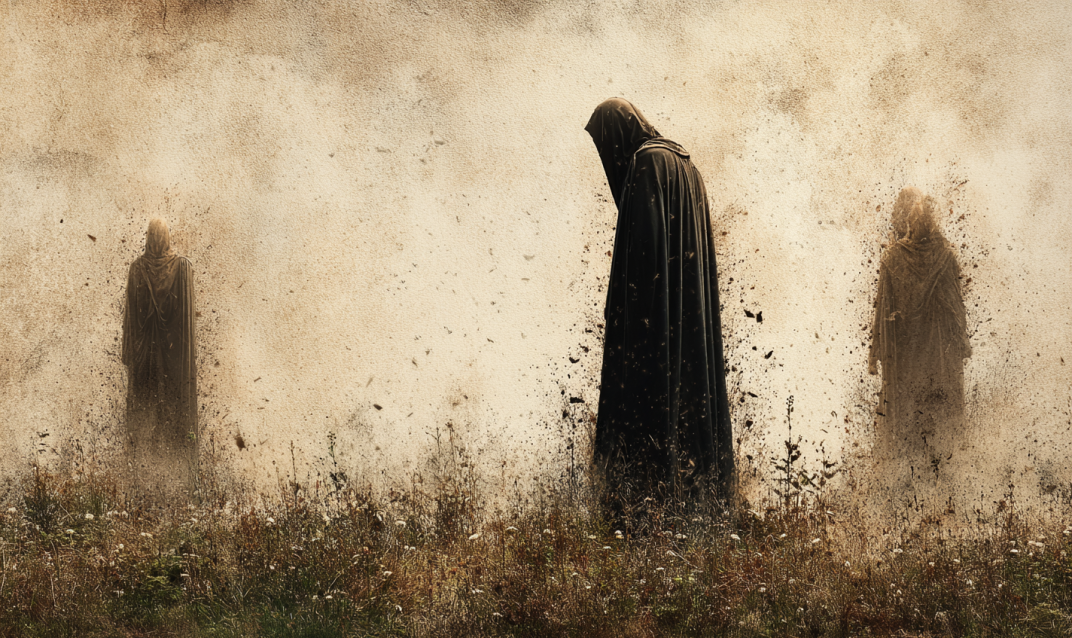
Hellenism Afterlife
Those who lived without inquiry or virtue drift instead through the Asphodel Meadows, pale fields under muted skies. Their existence is quiet and colorless, not cruel but void of passion. Tartarus remains mythic — not a hell of fire, but a distant symbol of forgotten hubris.
Pantheon of Worship
The following entries offer only a partial glimpse into the living mosaic of belief. Across the federations and the Free-States alike, divinity takes many forms: anthropomorphic gods, elemental forces, moral principles, ancestral spirits, and philosophical ideas. None of these lists are exhaustive, nor do they presume uniform worship or singular interpretation. Over millennia of dialogue and migration, names have changed, stories have merged, and meanings have diverged—each person, community, and age reshaping the sacred to mirror its own understanding. Within the Accord, faith is treated not as doctrine but as conversation: these are simply the primary voices that endure within that vast and ever-evolving chorus that lies within each individual.
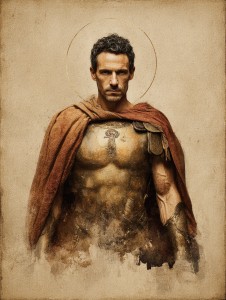
Aphrodite
Love’s presence made visible, the magnetism of connection that binds the Accord’s diverse peoples. She is beauty as moral force—the capacity to see one another clearly and find grace in difference. Her worship reminds that affection is political; empathy sustains peace.
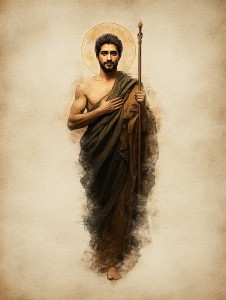
Apollo
Light made discipline. Apollo embodies the rational flame—art that illuminates truth, science that seeks beauty. He governs healing and proportion, music and mathematics alike. Within the Accord, he is seen as the harmony between logic and grace, the Proto-Force of Illumined Order.
Ares
Spirit of conflict and raw courage, Ares is not venerated for conquest but understood as the fire that tempers societies. Without him, strength decays into complacency; with him unchecked, it becomes ruin. The Accord associates him with the lesson of Measured Force—that violence, when inevitable, must serve restoration, not pride.
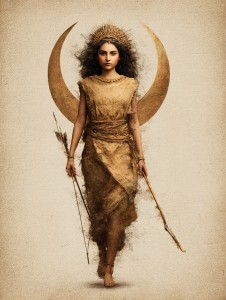
Artemis
Protector of the wild and of personal autonomy. Artemis resists domestication, teaching that freedom is sacred when bound to respect for life. In Koina thought she symbolizes Sanctified Independence—the freedom to act without the will to dominate.
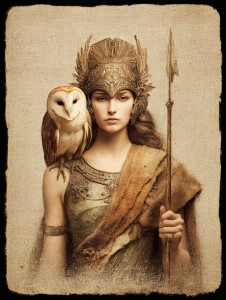
Athena
Born of thought, goddess of strategy and intellect. To the Accord, Athena is philosophy personified: wisdom given civic form. She presides over reasoned leadership, invention, and the art of discourse. Her owl remains the emblem of clarity before action.
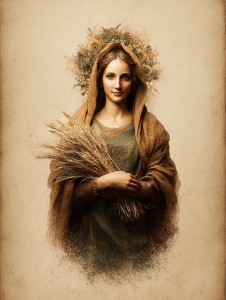
Demeter
Goddess of harvest and maternal sorrow, Demeter’s myth of loss and return mirrors the rhythm of the Zāgros lands. She symbolizes the contract between humans and earth: nurture returned for care. In Accord ecology, she stands for Reciprocity—sustainability as gratitude.
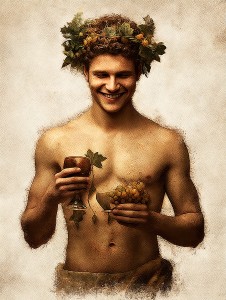
Dionysus
The liberator, patron of ecstasy and transformation. To the Accord, Dionysus is the pulse of freedom that challenges rigidity, the reminder that reason without joy becomes tyranny. He embodies Creative Chaos, the spark that renews stagnant order.
Hades
Lord of the underworld, not as punishment but as keeper of equilibrium. His realm sustains the cycle of return, ensuring that the dead nourish life. Accord philosophy reveres him as the custodian of Necessary Shadow—the acceptance of mortality as sacred function.
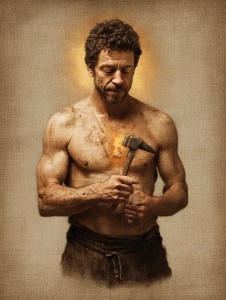
Hephaestus
The divine artisan, scarred yet unbroken. He represents mastery through patience, and the dignity of craft over conquest. In Accord interpretation, Hephaestus is the patron of the Builders’ Cooperative—the sanctity of labor that shapes, not subjugates.
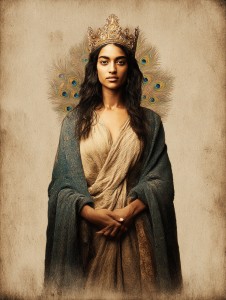
Hera
Guardian of union, fidelity, and rightful promise, Hera’s role transcends jealousy in the Accord’s reading. She is the conscience of covenant—the recognition that partnership is sacred labor, not possession. She embodies the Proto-Force of Continuity, binding households and councils alike through trust maintained.
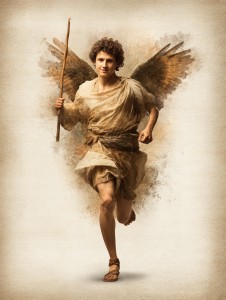
Hermes
Messenger, mediator, and patron of trade and language. In the Accord, Hermes is honored as the first translator—the spirit of connection across borders. His cleverness is moral, for he dissolves misunderstanding through wit and empathy, embodying Communication as Covenant.
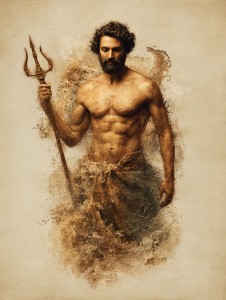
Poseidon
Lord of the sea and the unpredictable heart of nature. Poseidon’s domain is the Accord’s oldest metaphor for emotion and change—the currents that can nurture or destroy depending on respect. In Koina symbolism, he represents Dynamic Equilibrium, the understanding that peace is not stillness but perpetual adjustment.
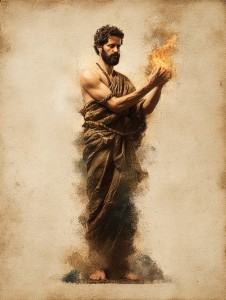
Prometheus
The fire-bringer and defier of tyranny, Prometheus stands as the archetype of creative rebellion. By gifting knowledge to humankind, he lit the path toward freedom—and bore the eternal cost of compassion.
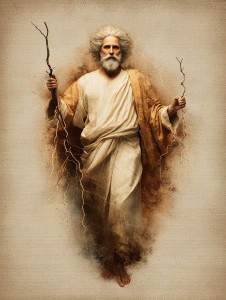
Zeus
King of the Olympians, but in Accord retellings, Zeus is not absolute sovereign—he is the balance between sky’s law and earth’s endurance. His thunder represents the voice of order speaking against chaos, but his faults remind mortals that power must always be checked by reason. In Koina philosophy, Zeus is the archetype of Authority in Dialogue, the rule that stands only when it listens.
Lesser Pantheon / Other Important Entities
Beneath the great architects of creation move countless presences who shape the subtler rhythms of existence. These are the intercessors, the boundary-walkers, and the remembered: angels and lwa, saints and ancestors, spirits of grove and hearth, tricksters, dreamers, and the beloved dead. Their powers are intimate rather than cosmic—rooted in memory, place, and the daily turning of life. They remind the living that divinity does not dwell only in the heavens but also in laughter, grief, and the quiet negotiations between mortal and divine. Through them, the sacred becomes personal, and the invisible world remains close enough to touch.
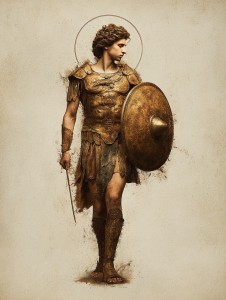
Achilles
Mortal-born hero of unmatched valor, Achilles embodies the paradox of glory and mortality. His defiance against fate made him a symbol of human brilliance tempered by impermanence. In Accord mythic reading, he is courage sharpened by the knowledge of death.
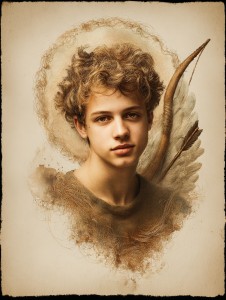
Eros
Primordial force of attraction and creative desire, Eros binds gods and mortals alike through longing. Neither benign nor cruel, he is the pulse within all becoming—the yearning that propels existence toward unity.
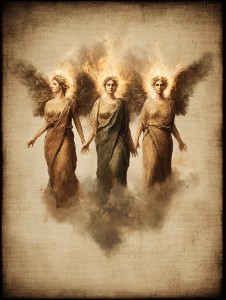
Furies
The Erinyes—spirits of vengeance and moral balance—pursue those who break sacred oaths or spill innocent blood. Yet their purpose is not cruelty but correction; through them, the cosmos demands equilibrium.
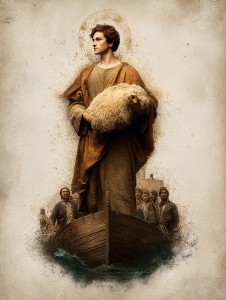
Jason
Seeker of the Golden Fleece and leader of the Argonauts, Jason symbolizes the ambition and peril of human quest. His story is one of leadership tested by desire and the fragile balance between loyalty and love.
Lamia
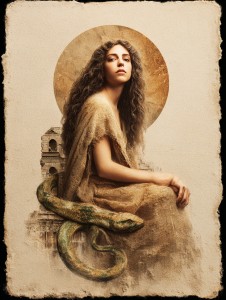
Once a queen turned monster by divine jealousy, Lamia devours to fill her grief. The Accord remembers her as the pain of love twisted into vengeance—a warning that sorrow untended becomes hunger.
Pan
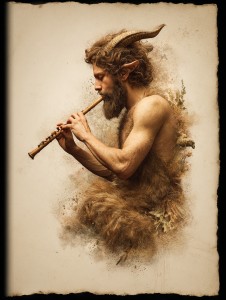
Wild god of shepherds and freedom, Pan represents the untamed harmony of nature and instinct. His laughter echoes through groves and across mountains, a reminder that divinity also wears the face of joy and abandon.




Comments