


Isolde Marcellina of Amalfi (ee-SOHL-deh mar-cheh-LEE-nah)
The Mother of Monumental Emotion
When Isolde struck marble, the sound echoed like thunder. Apprentices swore she could see the figure inside the stone before she touched it, and patrons both feared and adored her temper. She painted saints with eyes of grief, carved women with shoulders like mountains, and composed sonnets sharp enough to wound. In her studio, plaster dust mingled with wine, and her lovers — men and women alike — recited poetry in turns.
Biography
Isolde was born the daughter of a merchant family whose wealth allowed her a childhood surrounded by imported silks, manuscripts, and foreign voices. She showed early talent for drawing, carving toys from driftwood and sketching portraits of sailors who passed through her family’s port. When she demanded entry to guild workshops, her father used his influence to secure apprenticeships that would normally have been closed to women. She quickly proved she was no novelty: by her teenage years, she was already outstripping her instructors. Her early works were devotional paintings and frescoes for coastal chapels. Though small in scale, they bore a striking emotional intensity. Saints were not depicted in serene detachment but in states of anguish, doubt, or rapture. Parishioners reportedly wept before her altarpieces. By her twenties, she had turned to sculpture, and it was in marble that her genius fully unfurled. Her figures were larger-than-life, rippling with muscle, or trembling with passion, their poses unflinchingly human. Where her contemporaries sought idealized beauty, Isolde sought truth in raw emotion. Her rise was meteoric. By thirty she was receiving commissions from federations and guild councils. Civic statues, monumental fountains, and allegorical reliefs poured from her workshop. Unlike many masters who relied on teams to execute their visions, Isolde insisted on shaping the most vital parts herself — faces, hands, torsos. She worked until her fingers bled, often shouting at assistants who failed to meet her impossible standards. Her workshop became both feared and revered, a crucible of sweat and brilliance. Isolde also excelled in painting and poetry. She produced a series of frescoes that celebrated maritime trade, drawing on Amalfi’s heritage, and a cycle of portraits of her lovers, each imbued with sensual tenderness rarely seen in public art. Her sonnets circulated widely, sometimes scandalizing with their overt references to passion between women. She was unapologetic, stating bluntly: “If marble may embrace both man and woman, why should I not?” Her private life was as legendary as her art. Isolde was openly bisexual and polyamorous, maintaining relationships with poets, noblewomen, fellow artisans, and guildmasters alike. She celebrated her loves in her art, immortalizing them in stone or verse. Though this scandalized conservative factions, her fame protected her, and her patrons were often among her companions. Her studio became not only a workplace but a salon where passion and creativity intertwined, an atmosphere both intoxicating and dangerous. She was also a political figure, though reluctantly so. Guild councils sought her endorsement, knowing her works could sway public sentiment. She once abandoned a commission for a powerful council when they attempted to dictate the design, redirecting her efforts to a rival federation’s plaza. This defiance made her enemies but also cemented her independence. She was, in every sense, uncontrollable — a force who would not bend to the dictates of authority. In her later years, Isolde increasingly took on apprentices, many of them women, whom she mentored with fierce devotion. She believed the guild system suffocated female talent and sought to create a lineage of artisans who would continue her legacy. Some of her pupils went on to found studios of their own, spreading her influence across the Mediterranean. Her studio became a rare space where women could carve, paint, and create without apology. Her final major work was a colossal civic statue in Florence, depicting a figure of Justice not as serene but as fierce and muscular, striding forward with scales outstretched. While overseeing its completion, Isolde collapsed suddenly on the scaffolding, shouting orders until her last breath. She was 65. Her apprentices, devastated, finished the statue in her honor.Legacy
Isolde Marcellina is remembered as the Mother of Monumental Emotion, a woman who carved passion into marble and painted grief onto walls. Her art remains arresting not because of its idealized forms but because it captures the tumult of human life — love, rage, devotion, loss. She transformed studios into sanctuaries for women and lovers into muses, and her colossal works still tower in civic plazas. More than a master of form, she was a master of feeling, immortalized in every chisel mark and every line of verse.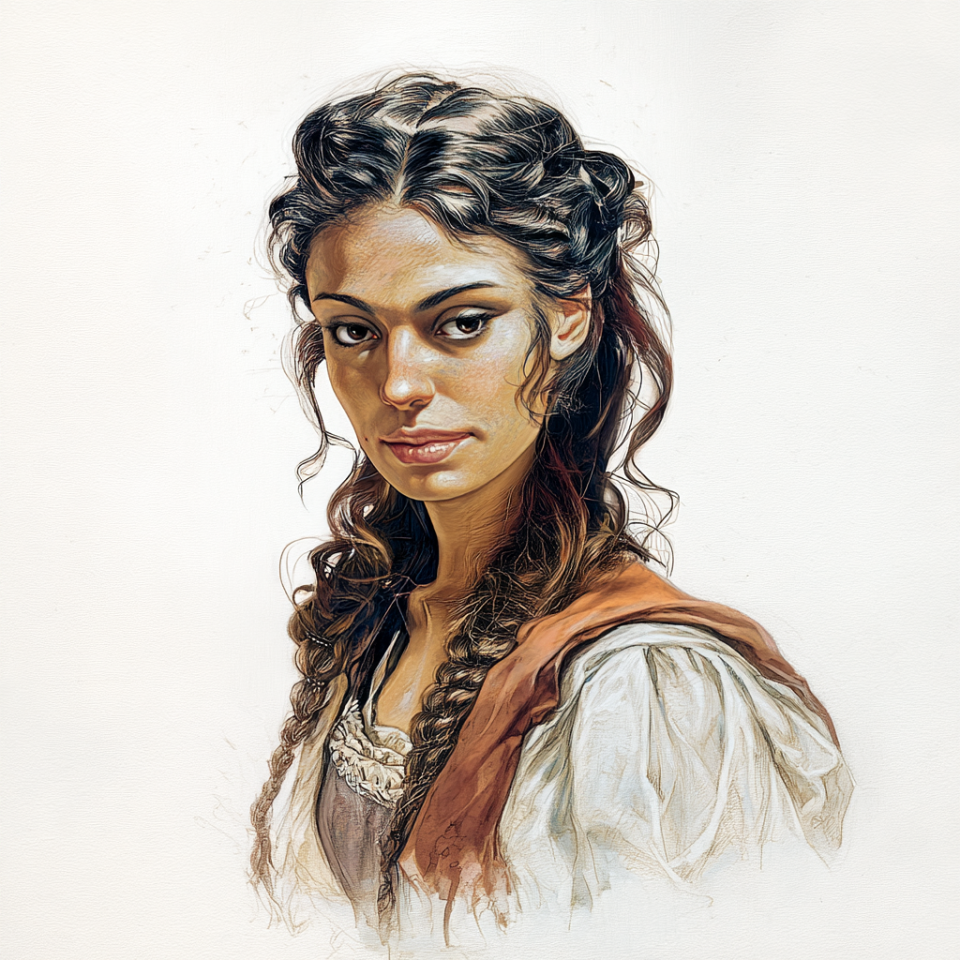
Date of Birth
08 Sophia 1460 zc (Dao)
Date of Death
24 Eirene 1525 zc (Shifa)
Life
1460 zc
1525 zc
65 years old
Circumstances of Death
Collapsed suddenly while shouting orders atop scaffolding for a monumental civic statue. She died as she lived: commanding, passionate, and in the midst of creation.
Birthplace
Amalfi, Italy
Place of Death
Florence, Federation of the Arno
Children
Belief/Deity
Christianity + Hellenism/Greek
 Artist-philosopher; compassion through beauty; Greco-Christian synthesis.
Other Affiliations
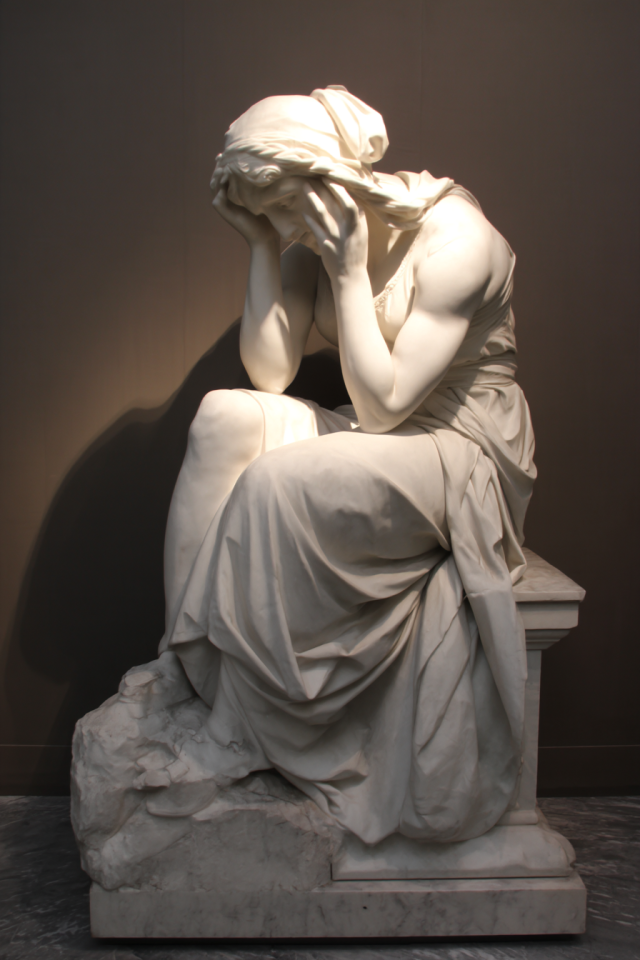
Il Pianto di Pietra
by
Isolde Marcellina of Amalfi
The Weeping Stone
c. 1486 zc
A colossal marble statue of a grieving woman, shoulders bowed and muscles tense, carved with such intensity that onlookers reported feeling her sorrow in their own bones.
c. 1486 zc
A colossal marble statue of a grieving woman, shoulders bowed and muscles tense, carved with such intensity that onlookers reported feeling her sorrow in their own bones.
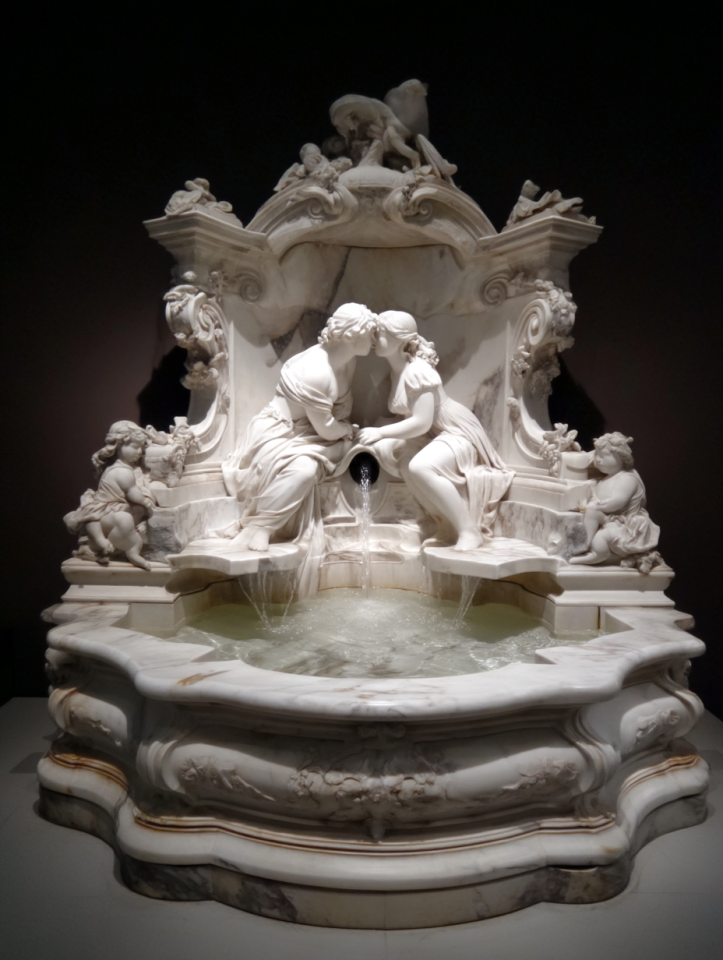
La Fonte degli Amanti
by
Isolde Marcellina of Amalfi
The Fountain of Lovers
c. 1493 zc
A marble fountain of entwined lovers, their bodies merging with flowing water, celebrating passion in civic space where devotion and sensuality meet.
c. 1493 zc
A marble fountain of entwined lovers, their bodies merging with flowing water, celebrating passion in civic space where devotion and sensuality meet.
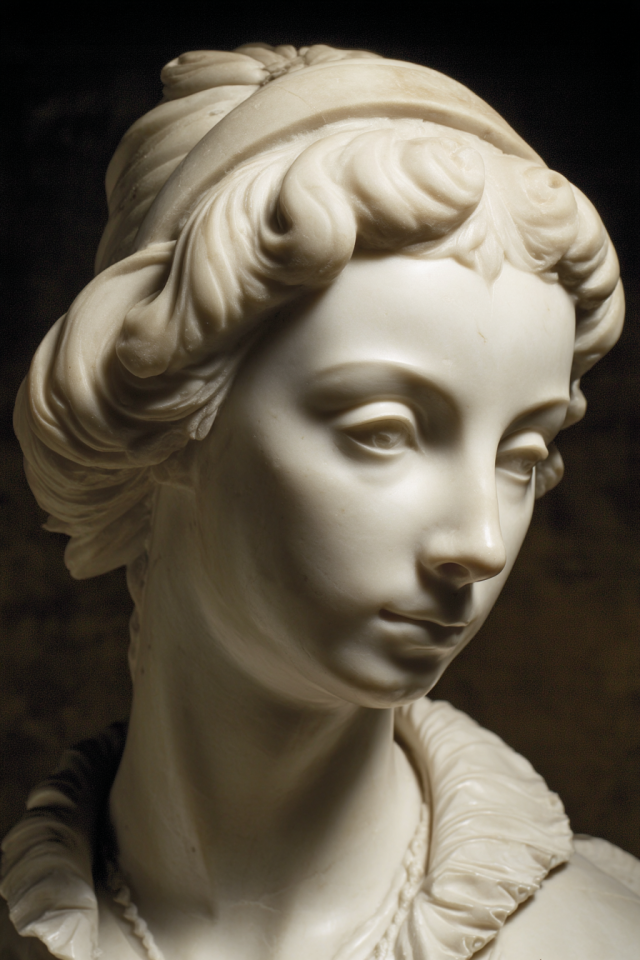
Ritratto di Contessa Elena
by
Isolde Marcellina of Amalfi
Portrait of Countess Elena
c. 1498 zc
A marble bust of a noblewoman lover, tenderly rendered with intimate softness, immortalizing not status but affection.
c. 1498 zc
A marble bust of a noblewoman lover, tenderly rendered with intimate softness, immortalizing not status but affection.
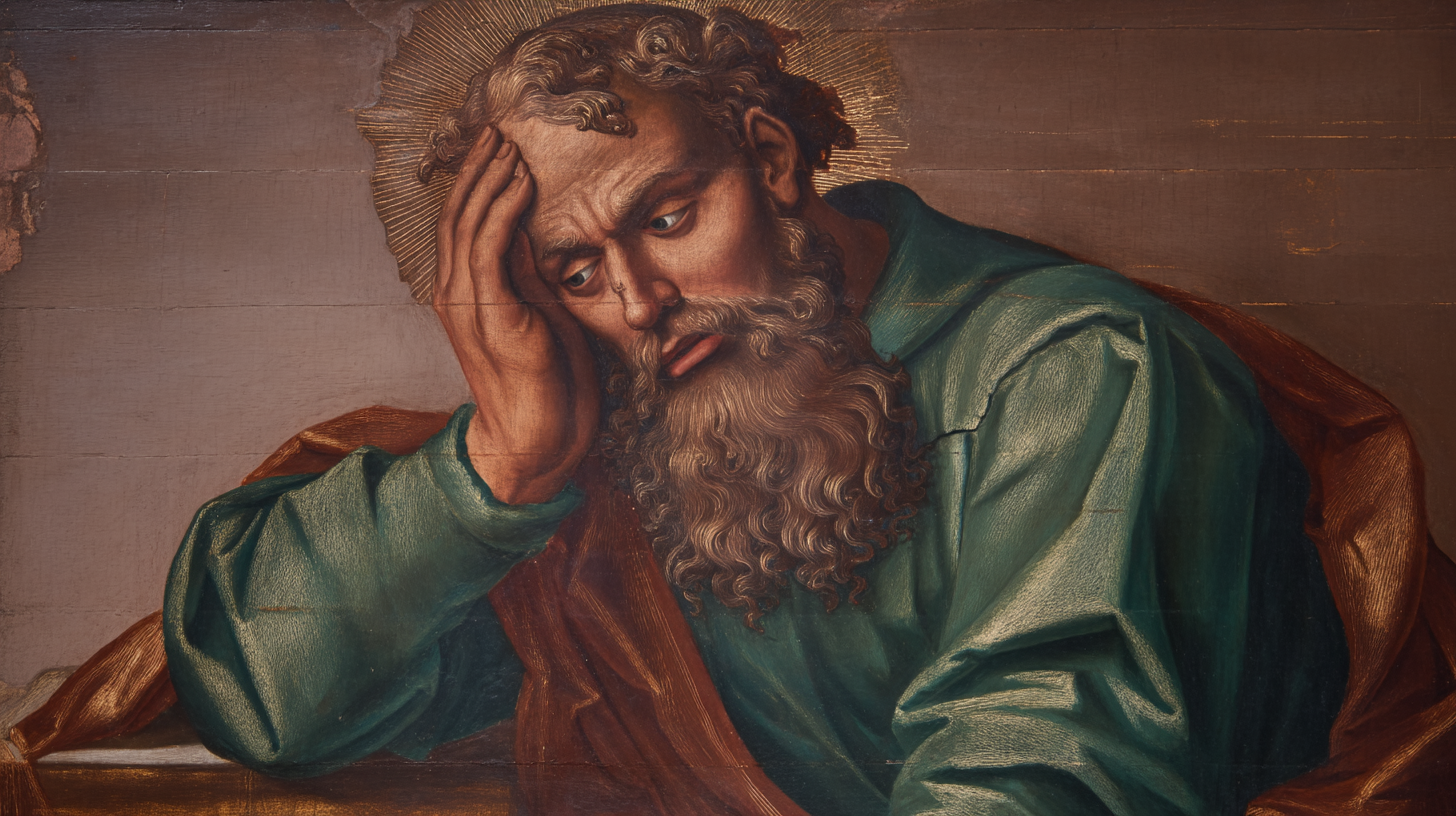
Altare del Dubitante
by
Isolde Marcellina of Amalfi
The Altarpiece of Doubt
c. 1500 zc
An altarpiece painting of a holy man wracked by uncertainty, his expression breaking from convention, painted in stark contrast to serene traditions.
c. 1500 zc
An altarpiece painting of a holy man wracked by uncertainty, his expression breaking from convention, painted in stark contrast to serene traditions.
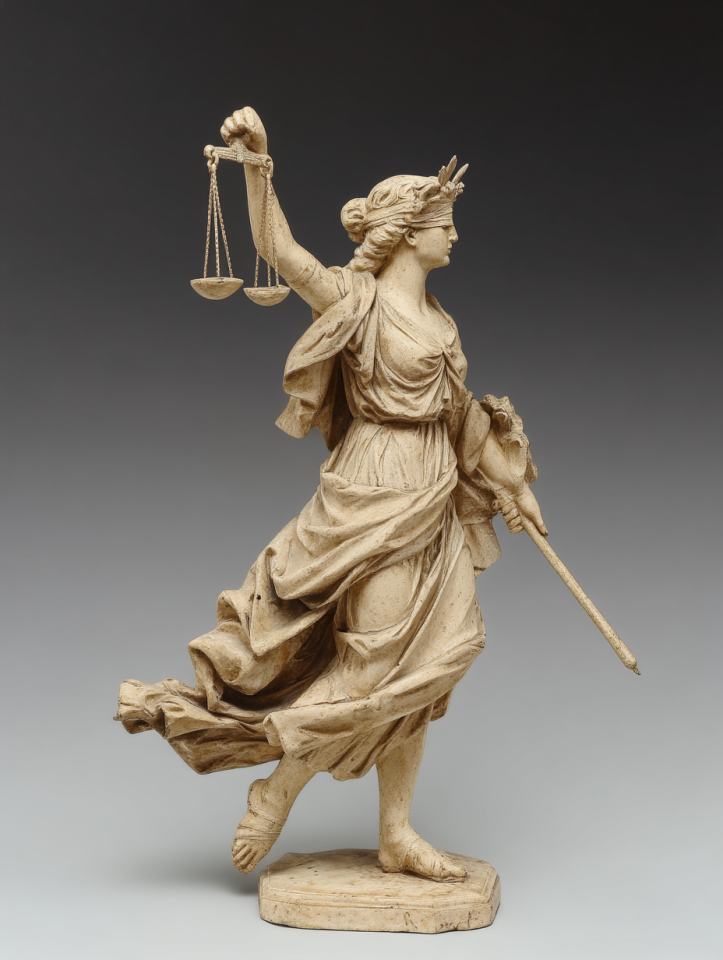
La Giustizia Avanzante
by
Isolde Marcellina of Amalfi
Justice Advancing
c. 1504 zc
Her most famous civic commission: a colossal marble statue of Justice striding forward, scales outstretched, fierce and muscular rather than tranquil.
c. 1504 zc
Her most famous civic commission: a colossal marble statue of Justice striding forward, scales outstretched, fierce and muscular rather than tranquil.
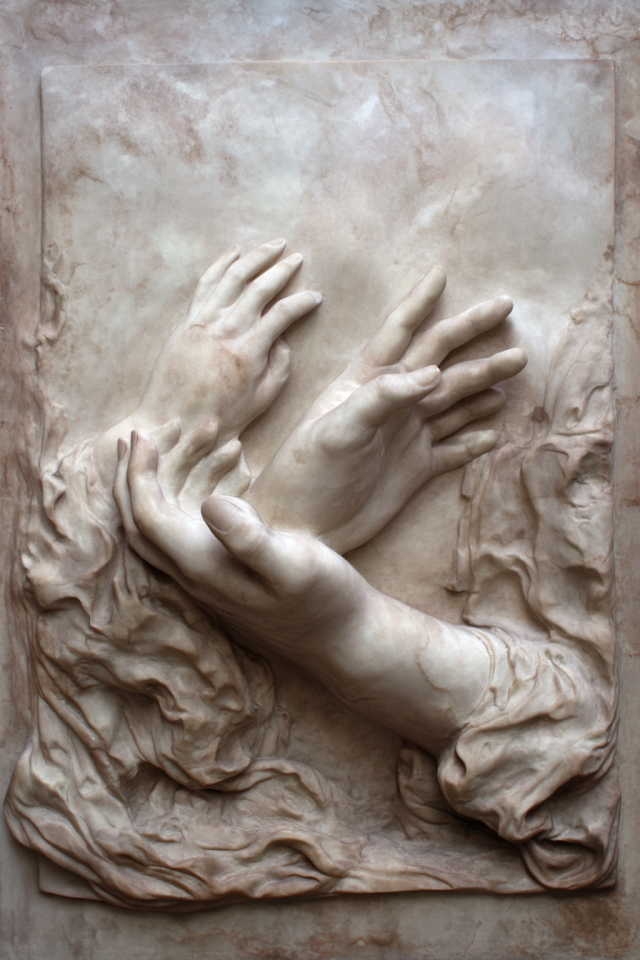
Le Mani che Bramano
by
Isolde Marcellina of Amalfi
The Hands That Yearn
c. 1506 zc
A marble relief of outstretched hands grasping at emptiness, embodying longing and loss in stark simplicity.
c. 1506 zc
A marble relief of outstretched hands grasping at emptiness, embodying longing and loss in stark simplicity.
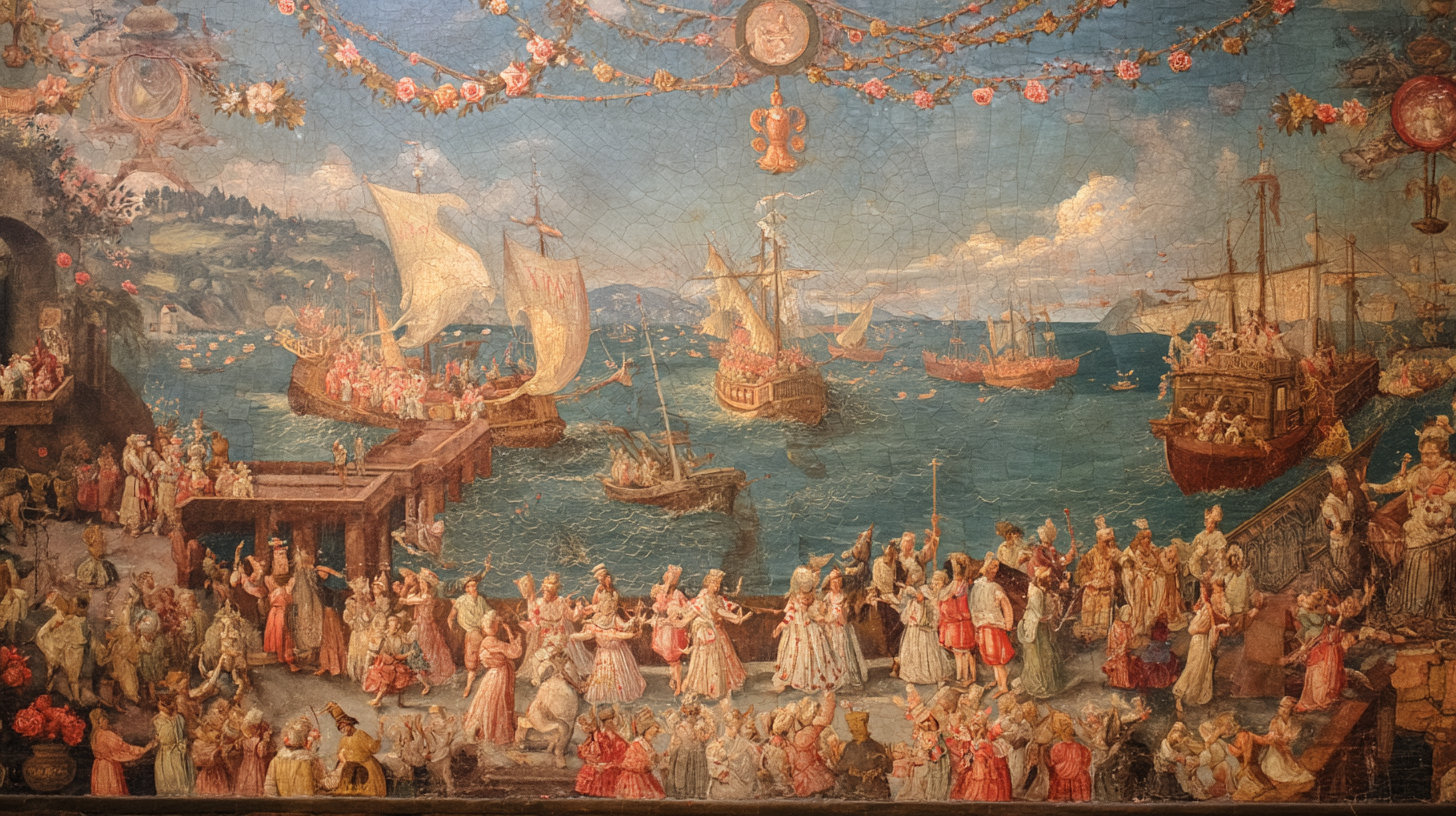
La Festa del Porto
by
Isolde Marcellina of Amalfi
The Festival of the Harbor
c. 1510 zc
A fresco celebrating Amalfi’s maritime festivals, painted with raw vibrancy — ships, dancers, and saints mingling in fervent color.
c. 1510 zc
A fresco celebrating Amalfi’s maritime festivals, painted with raw vibrancy — ships, dancers, and saints mingling in fervent color.
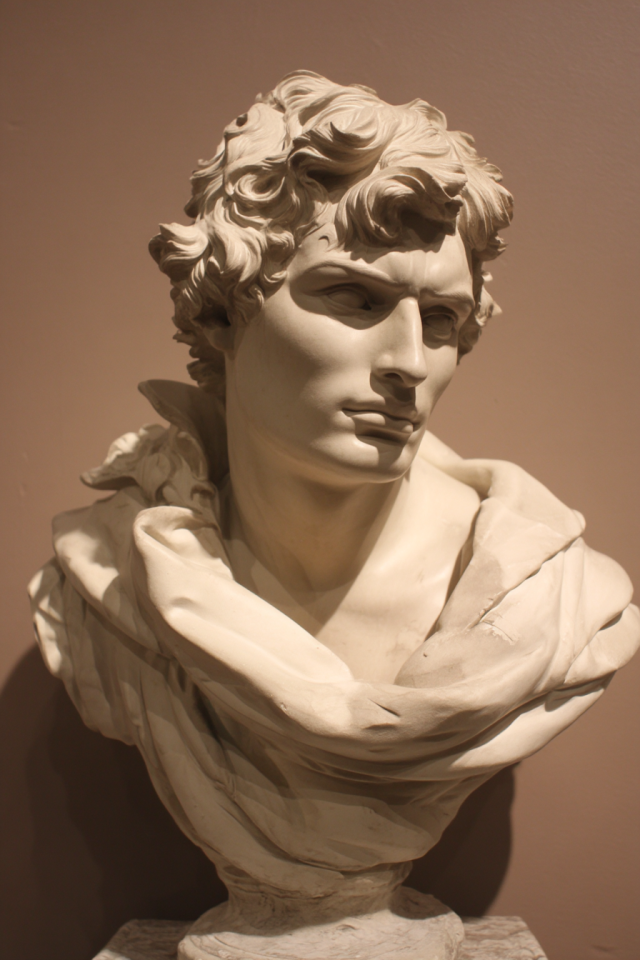
Il Poeta Amato
by
Isolde Marcellina of Amalfi
The Beloved Poet
c. 1513 zc
A marble bust of her male lover, sensual and detailed, carved with intimate realism that scandalized the guild but cemented her fame.
c. 1513 zc
A marble bust of her male lover, sensual and detailed, carved with intimate realism that scandalized the guild but cemented her fame.
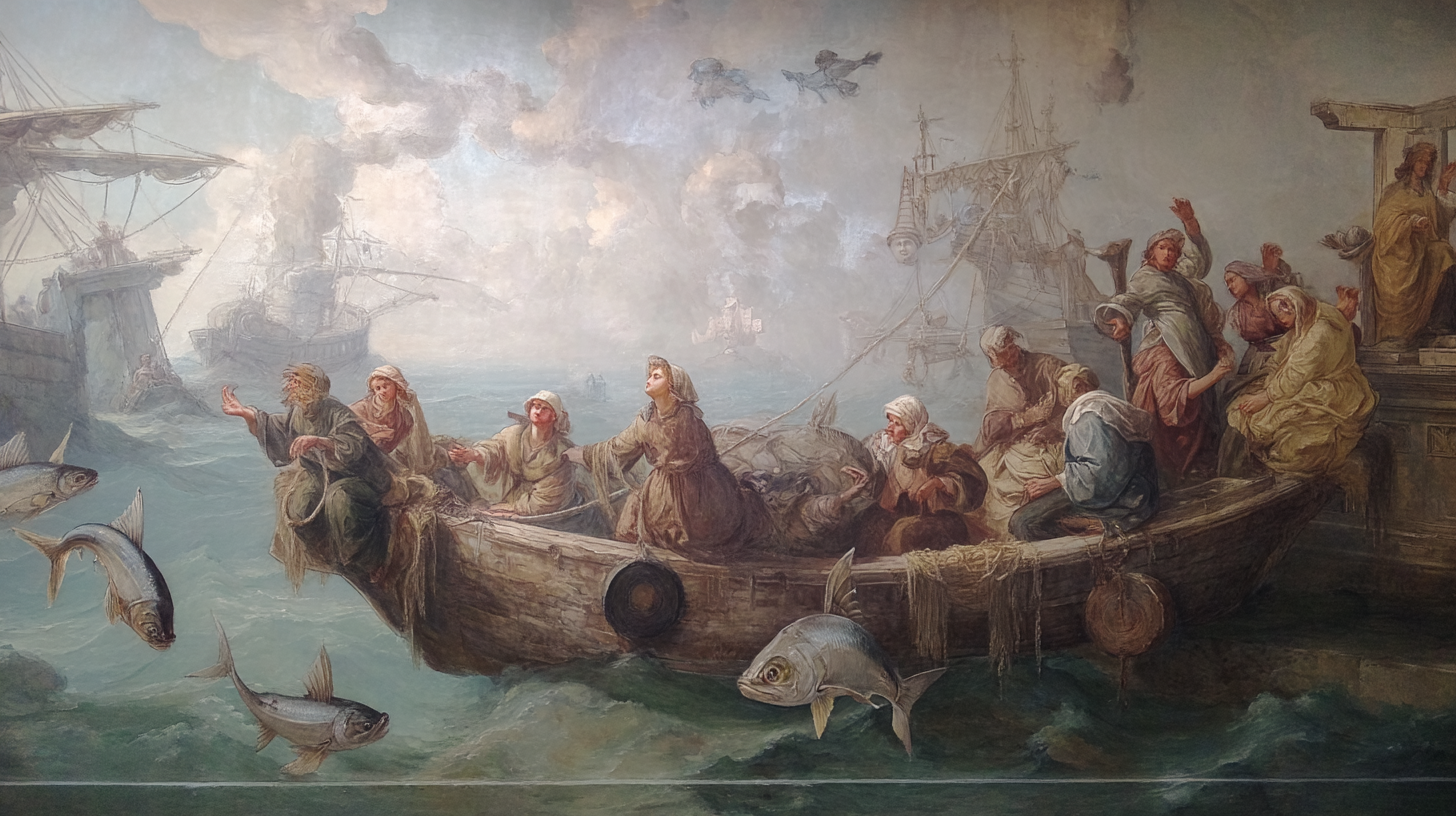
Il Mare in Lutto
by
Isolde Marcellina of Amalfi
The Mourning Sea
c. 1515 zc
A fresco cycle in a civic hall depicting maritime life as both joyous and tragic, waves painted with human faces in grief and celebration.
c. 1515 zc
A fresco cycle in a civic hall depicting maritime life as both joyous and tragic, waves painted with human faces in grief and celebration.
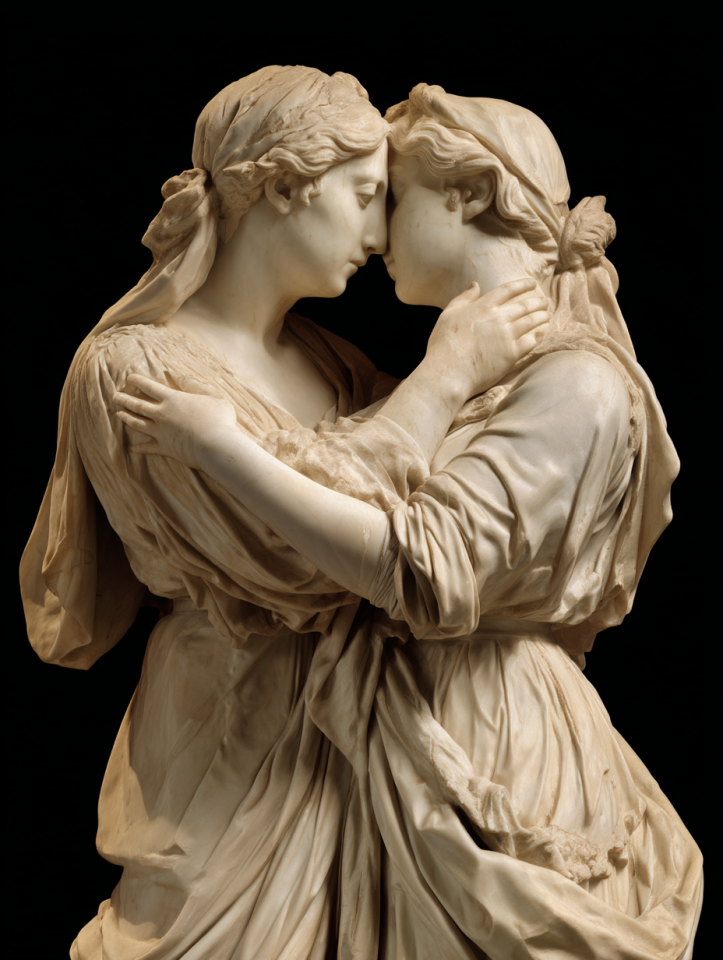
Amanti di Marmo
by
Isolde Marcellina of Amalfi
Lovers in Marble
c. 1517 zc
A statue of two women lovers embracing, carved with intensity and tenderness, one of her most controversial and celebrated works.
c. 1517 zc
A statue of two women lovers embracing, carved with intensity and tenderness, one of her most controversial and celebrated works.
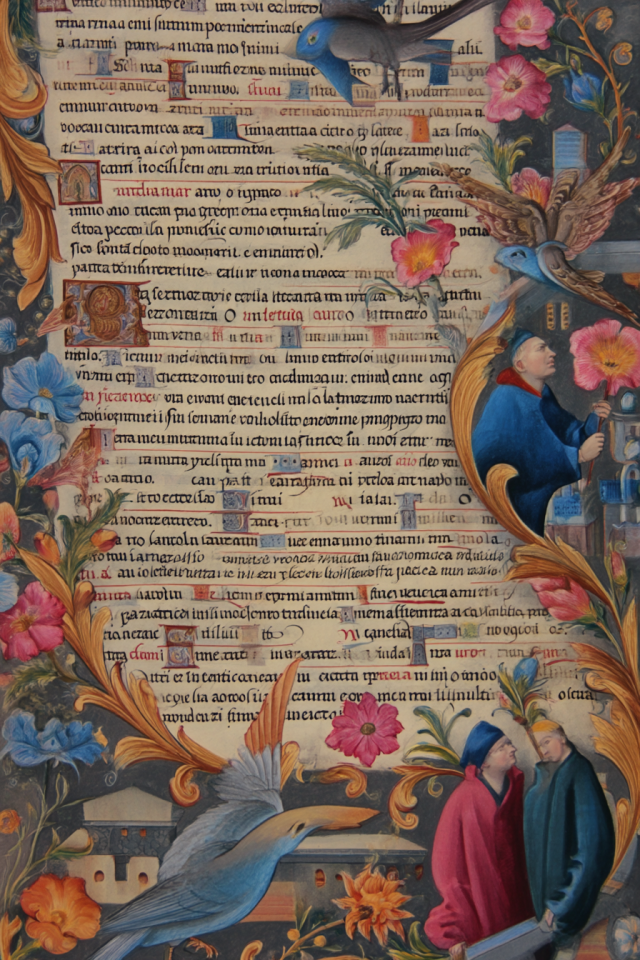
Sonetto Illustrato
by
Isolde Marcellina of Amalfi
The Illustrated Sonnet
c. 1518 zc
One of her poems transcribed and illuminated with painted allegory, a rare fusion of literary and visual artistry.
c. 1518 zc
One of her poems transcribed and illuminated with painted allegory, a rare fusion of literary and visual artistry.
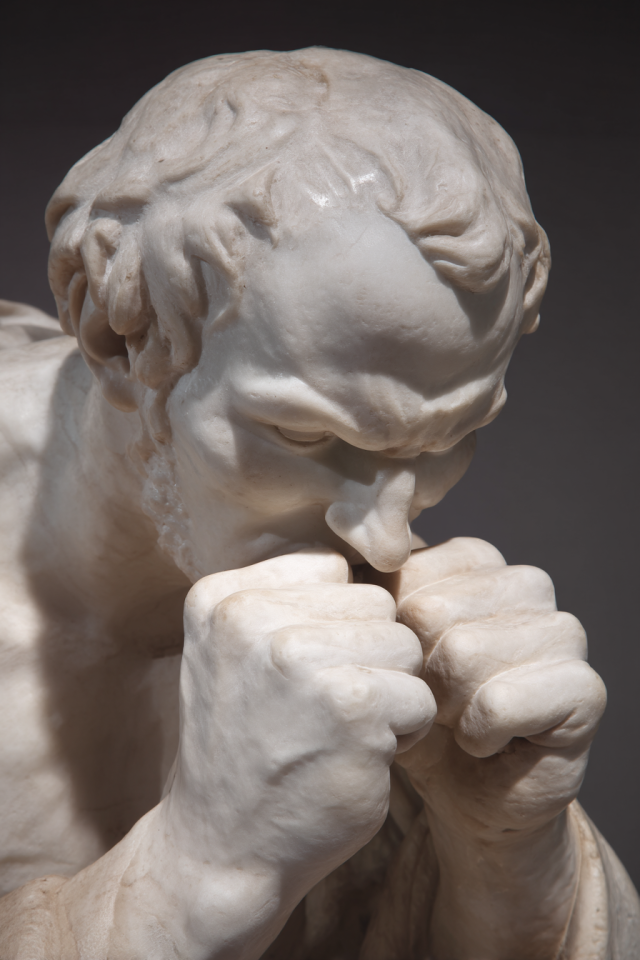
Il Volto del Dolore
by
Isolde Marcellina of Amalfi
The Face of Pain
c. 1520 zc
A monumental marble statue of a man with furrowed brow and clenched fists, raw anguish immortalized in stone.
c. 1520 zc
A monumental marble statue of a man with furrowed brow and clenched fists, raw anguish immortalized in stone.
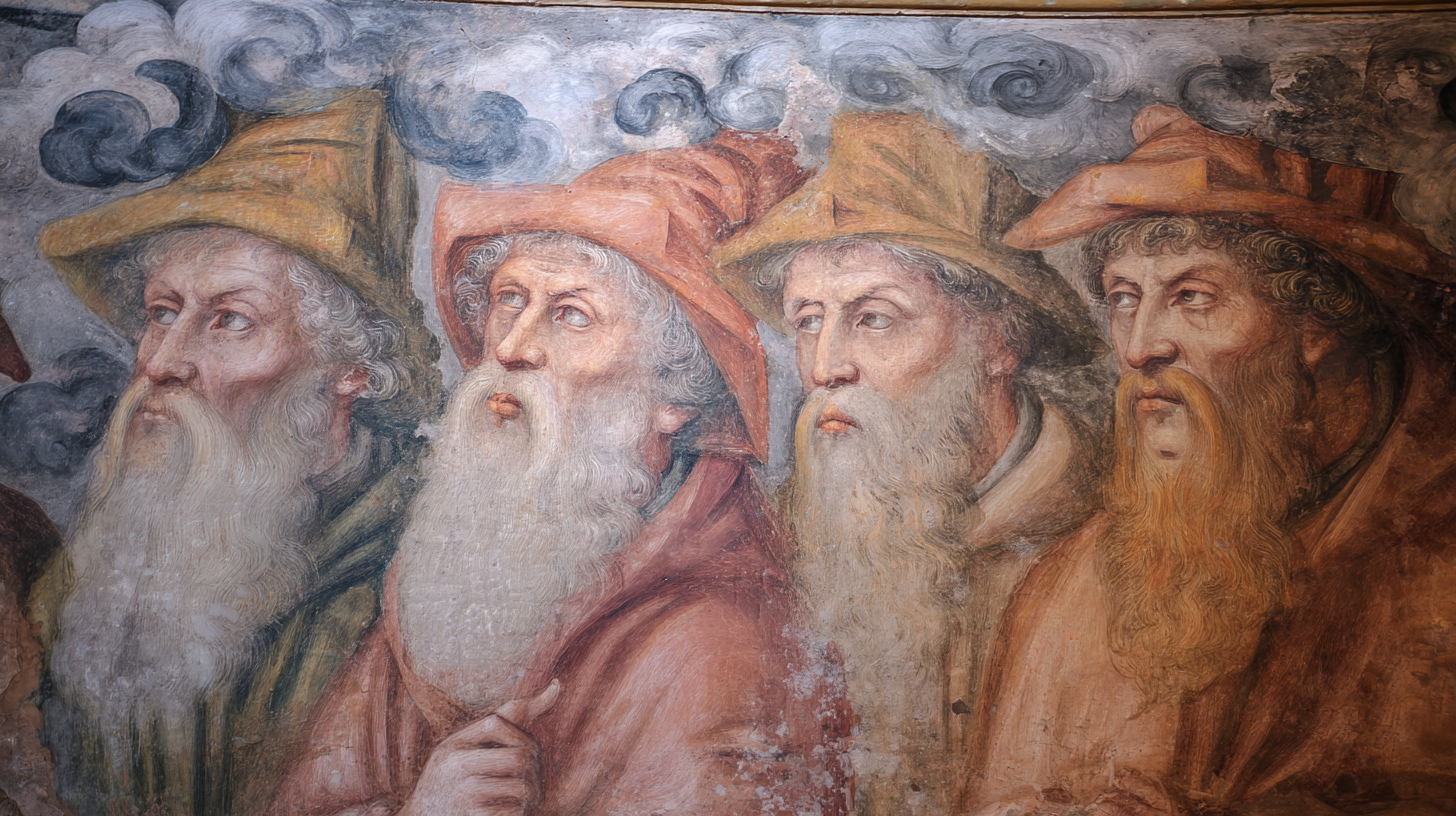
Santi Tempestosi
by
Isolde Marcellina of Amalfi
The Tempest Saints
c. 1522 zc
A fresco in storm-wracked colors, saints shown not as serene but as weathered figures enduring divine fury.
c. 1522 zc
A fresco in storm-wracked colors, saints shown not as serene but as weathered figures enduring divine fury.
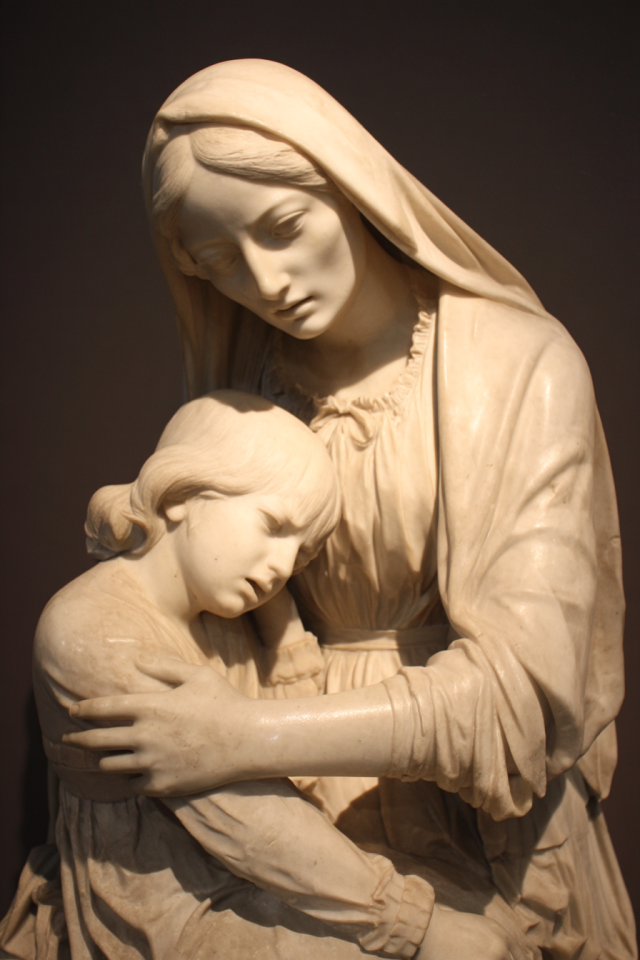
La Pietà di Amalfi
by
Isolde Marcellina of Amalfi
The Amalfi Pietà
c. 1525 zc
Her final work, a marble statue of a mother holding a dying child, completed by apprentices after her sudden death — both masterpiece and memorial.
c. 1525 zc
Her final work, a marble statue of a mother holding a dying child, completed by apprentices after her sudden death — both masterpiece and memorial.
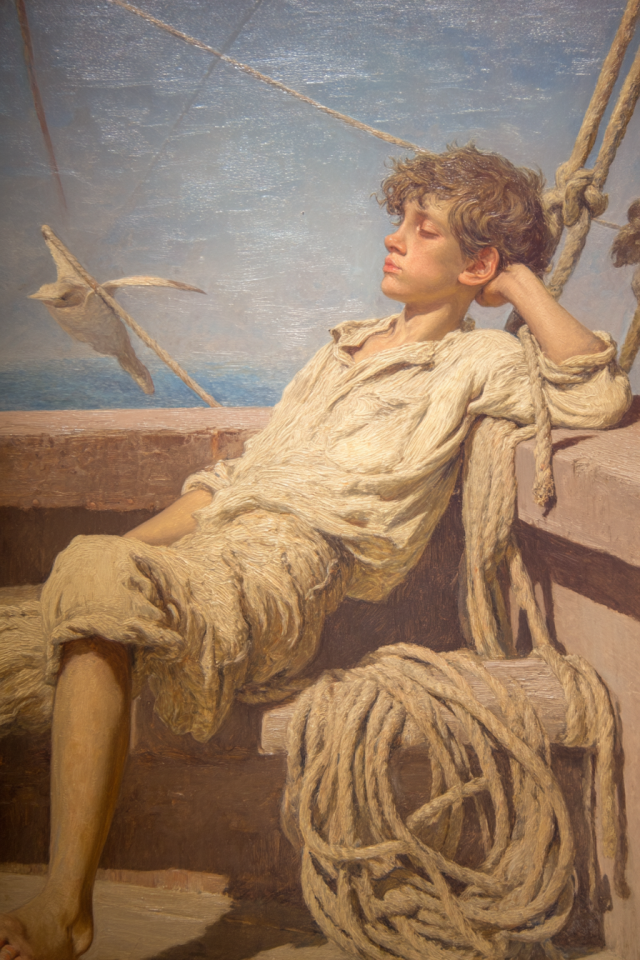
Il Mozzo a Riposo
by
Isolde Marcellina of Amalfi
The Cabin Boy at Rest
c. 1847 zc
Medium: Oil on canvas (with touches of pastel chalk for softness)
[iThis painting depicts a young Italian cabin boy reclining against a coil of rope on a merchant vessel, his bare feet dusty from work and eyes half-closed in quiet reverie. Isolde elevates a fleeting moment of rest into timeless humanity, capturing both the vulnerability of youth and the quiet resilience of labor at sea.
c. 1847 zc
Medium: Oil on canvas (with touches of pastel chalk for softness)
[iThis painting depicts a young Italian cabin boy reclining against a coil of rope on a merchant vessel, his bare feet dusty from work and eyes half-closed in quiet reverie. Isolde elevates a fleeting moment of rest into timeless humanity, capturing both the vulnerability of youth and the quiet resilience of labor at sea.




Comments