Darien Vashti (DAH-ree-en VASH-tee)
Master of Photography — Keeper of Light Impressions
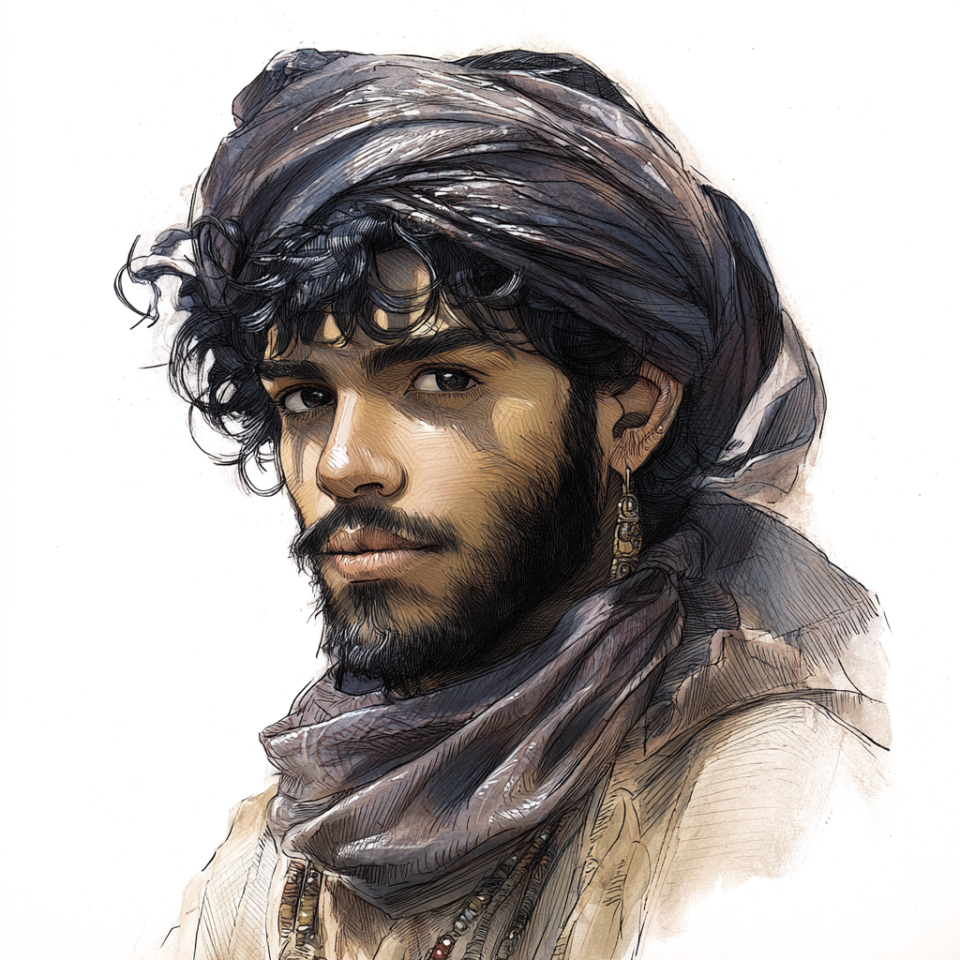
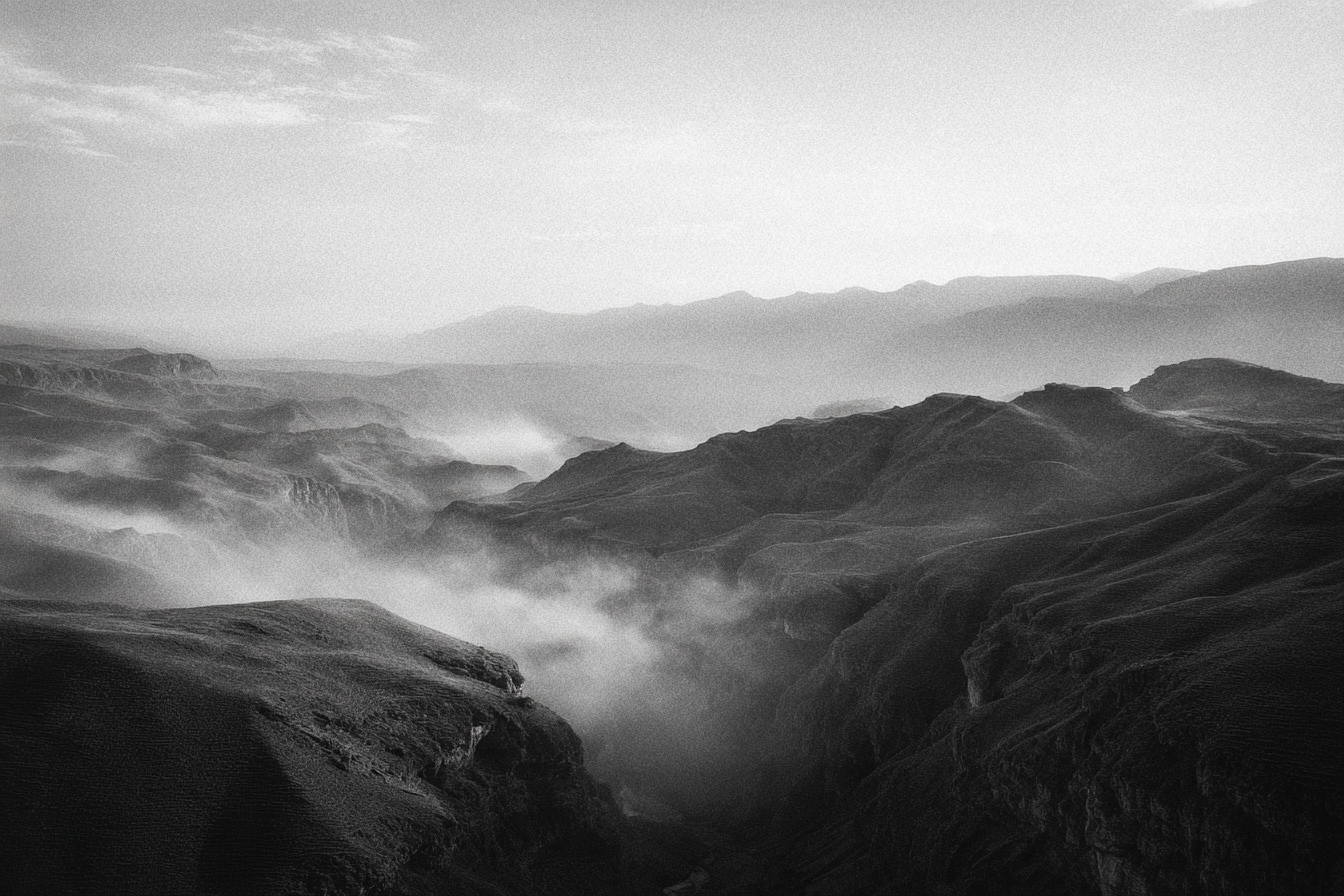
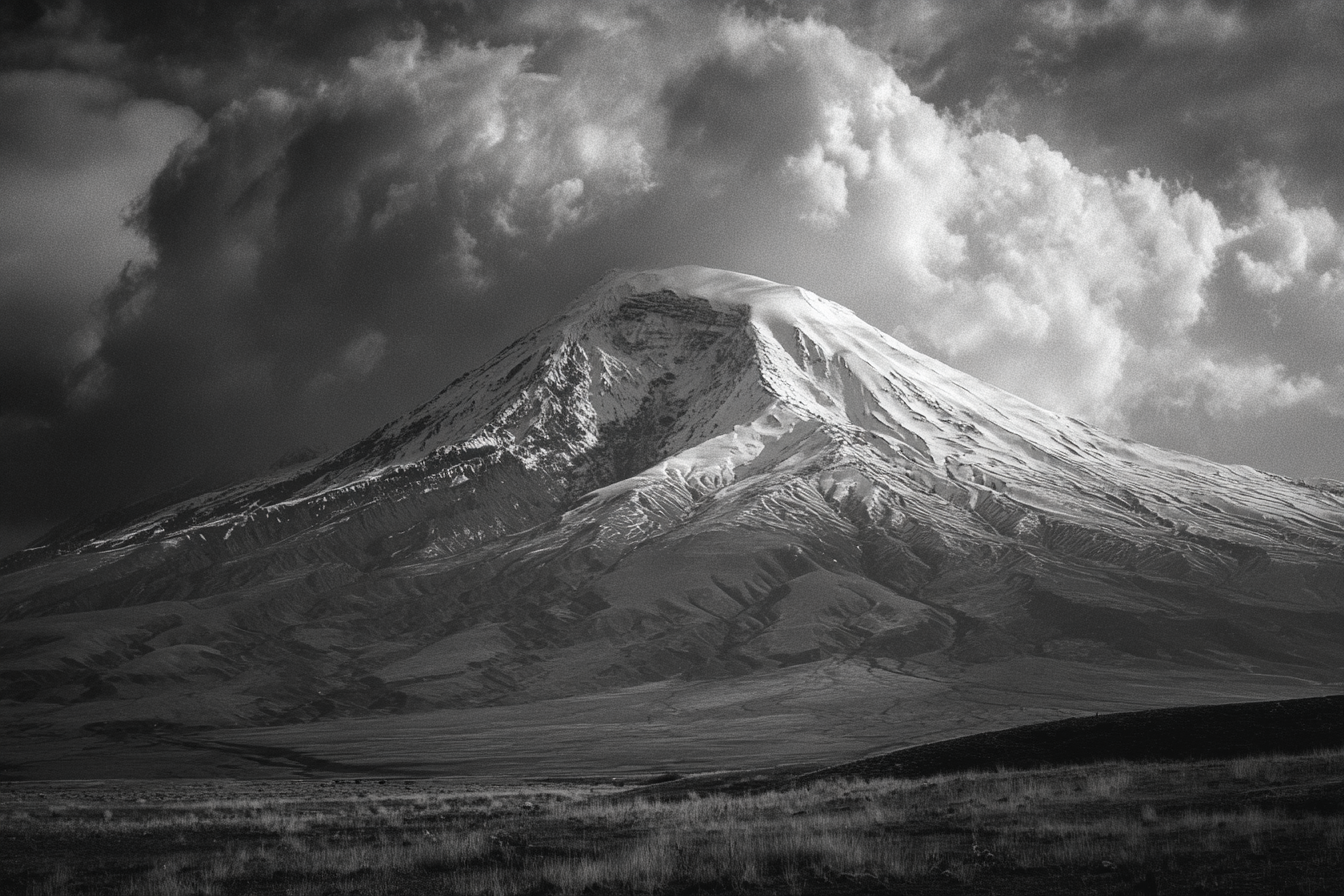
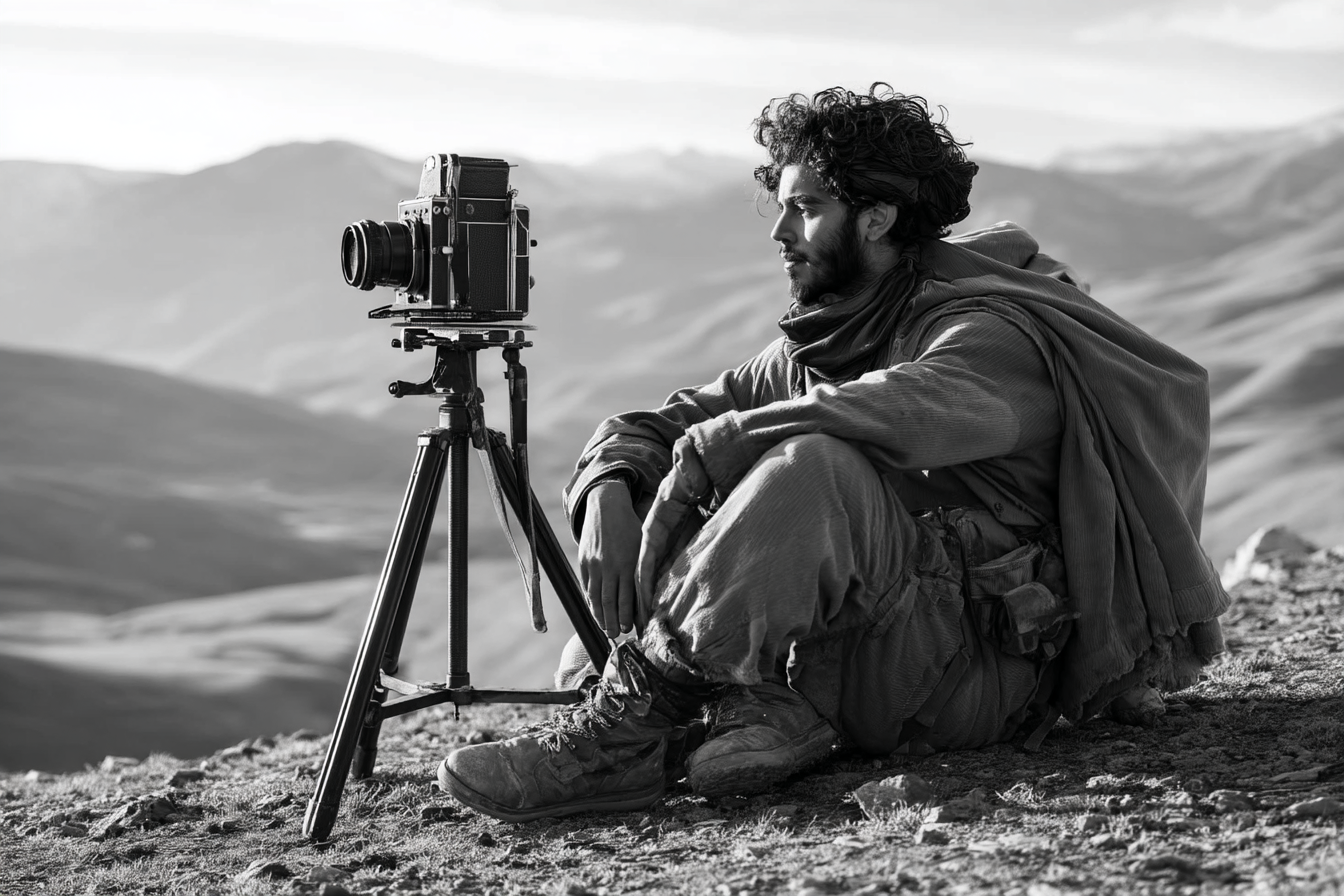
On a cliff edge in the Zāgros at dawn, Darien Vashti waited for the sun to rise. His camera — a ceramic box lined with polished copper, fitted with a lens ground from river quartz — stood poised like a shrine. When the first light spilled over the ridges, he pulled the plate from its case, and the mountain inscribed itself upon it. “Not a picture,” he would tell students who gathered around him, “but the mountain’s own memory.”
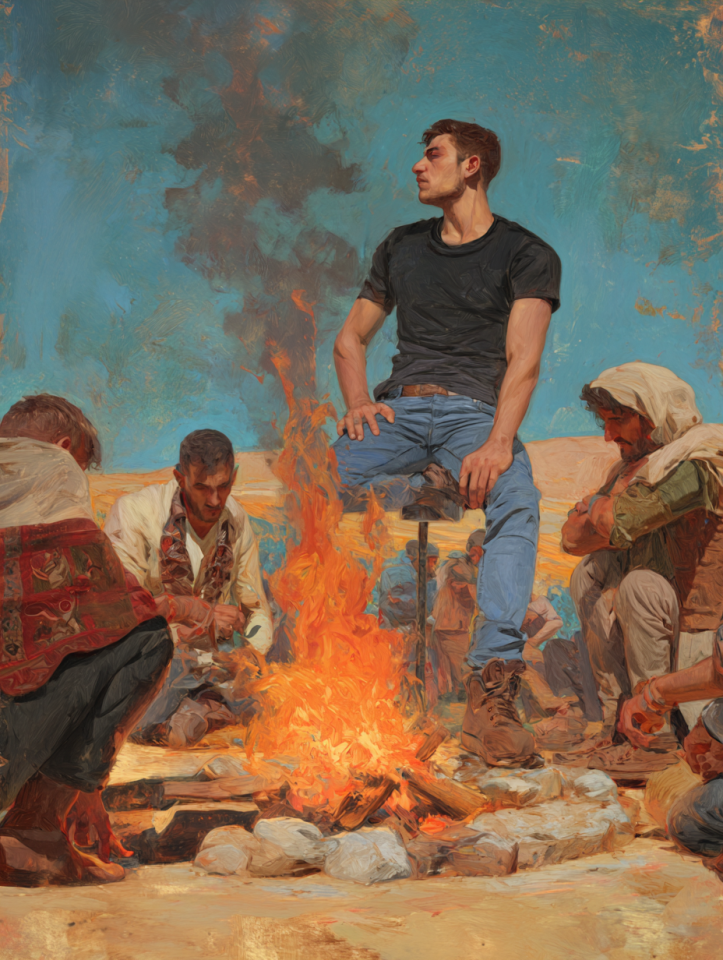
Born among the nomadic families of the Zāgros, Darien’s earliest lessons were not in classrooms but in landscapes. His childhood horizon was never fixed: cedar forests, desert plateaus, glacial springs, and caravan roads became his teachers. From his Romani forebears he inherited the rhythms of music and story; from the Persian valleys he absorbed reverence for stone, light, and silence.
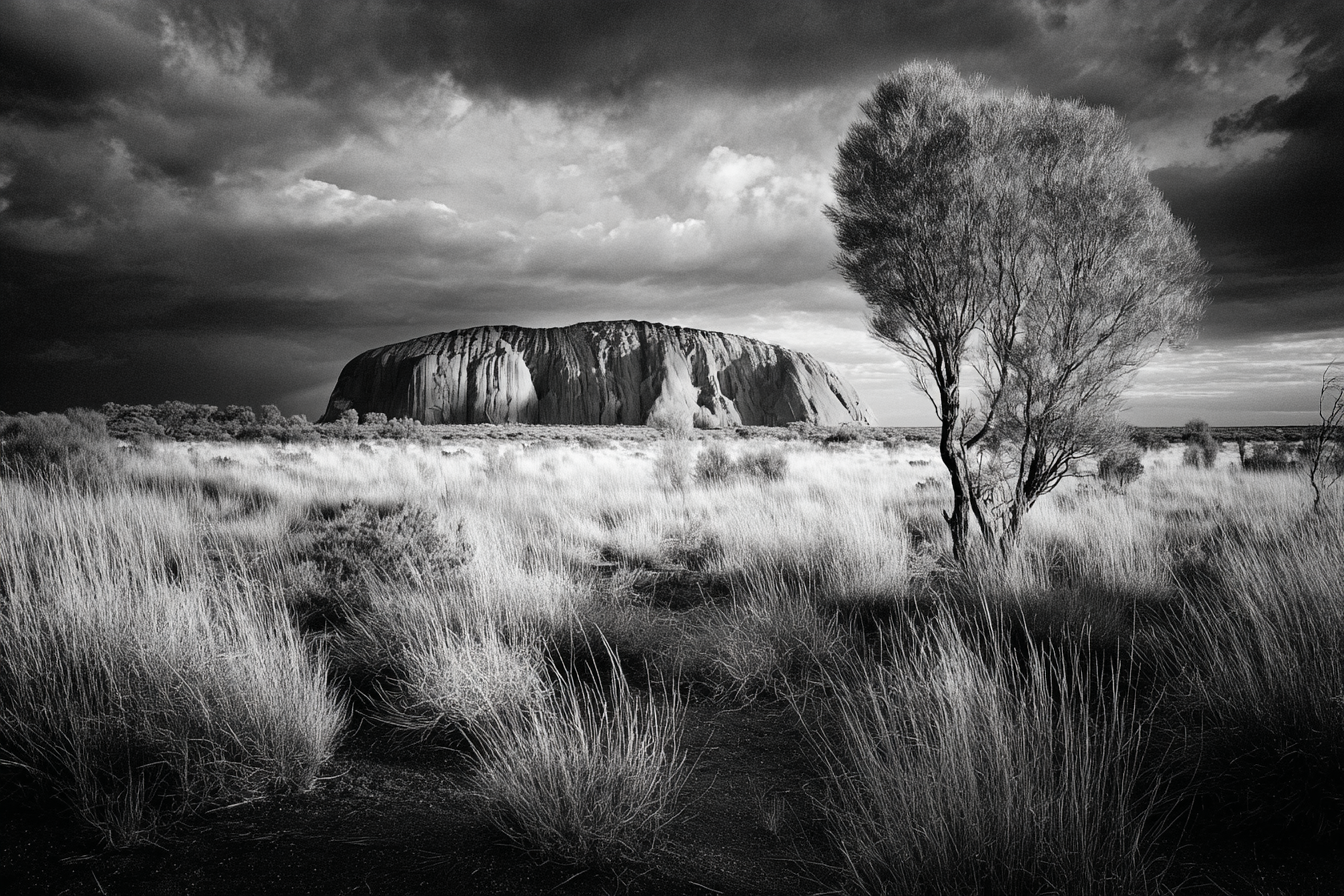
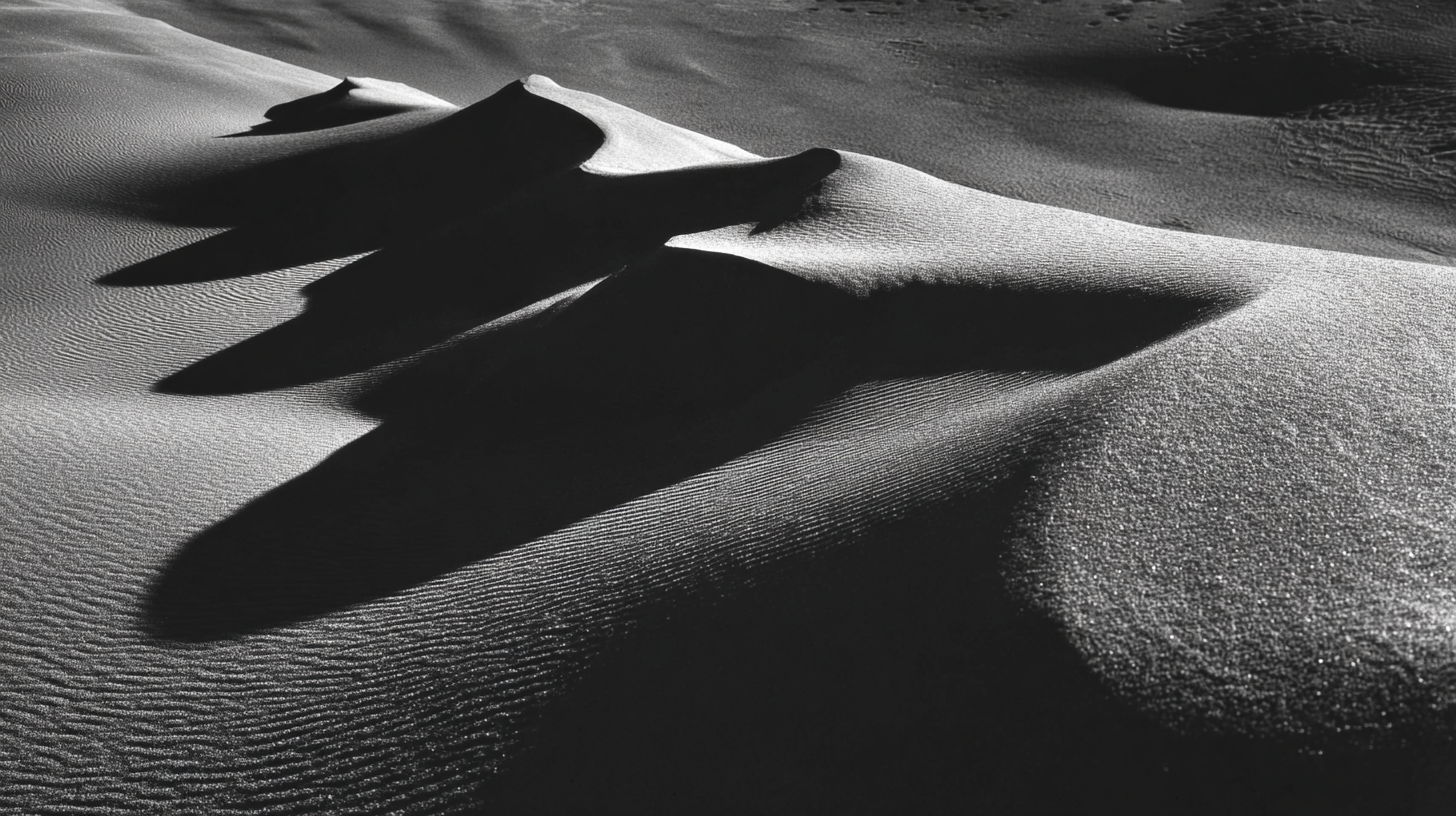
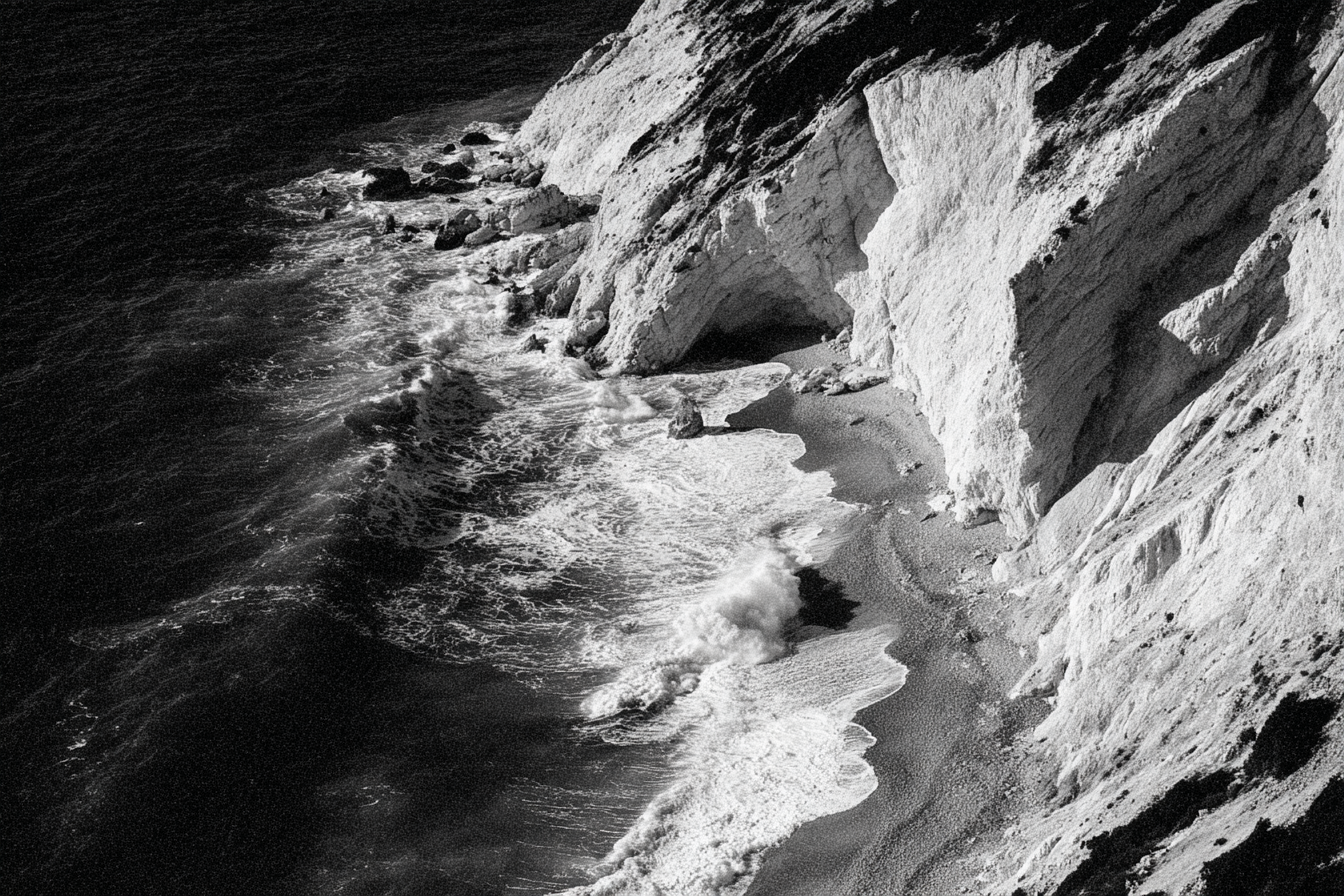
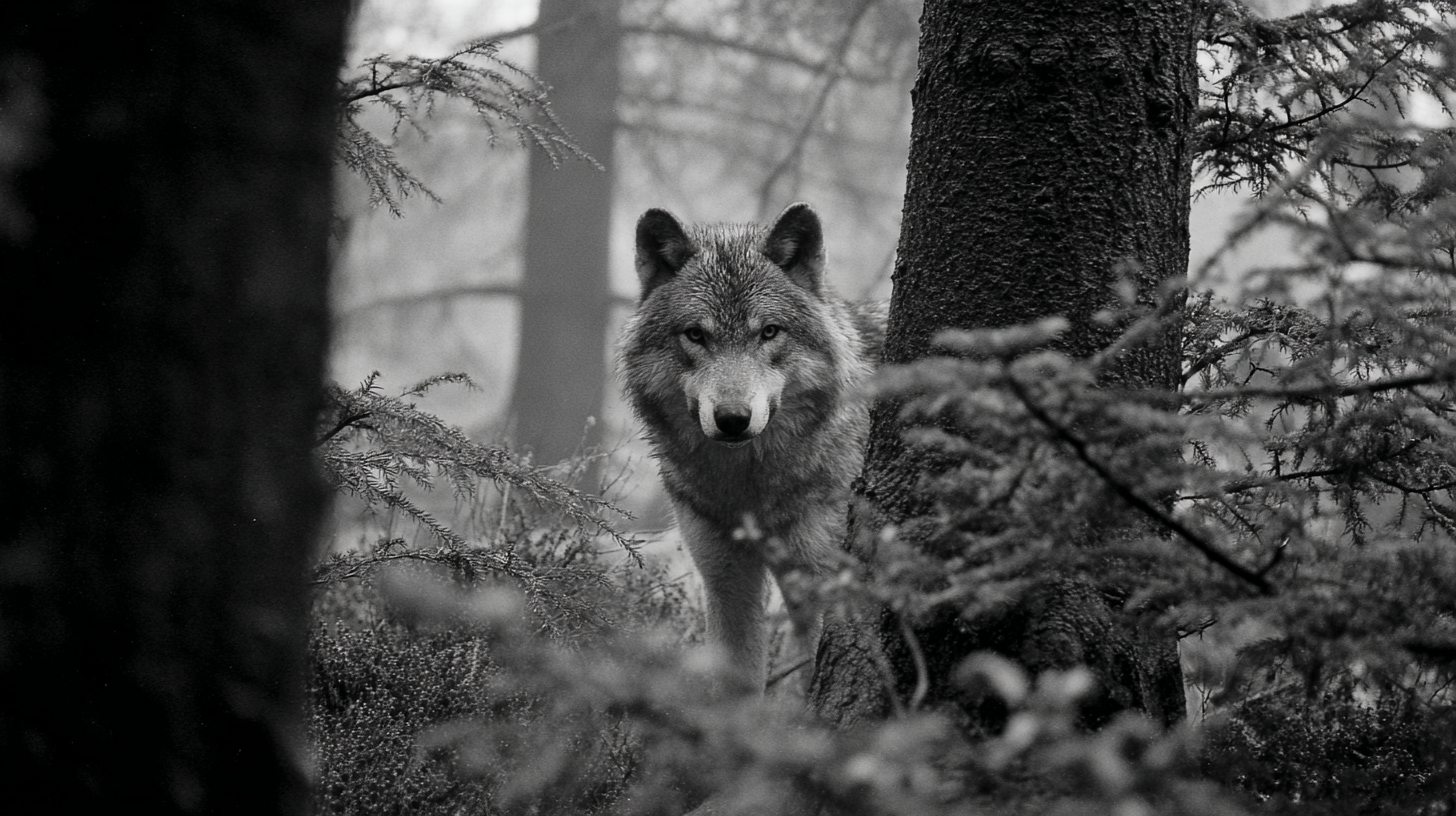
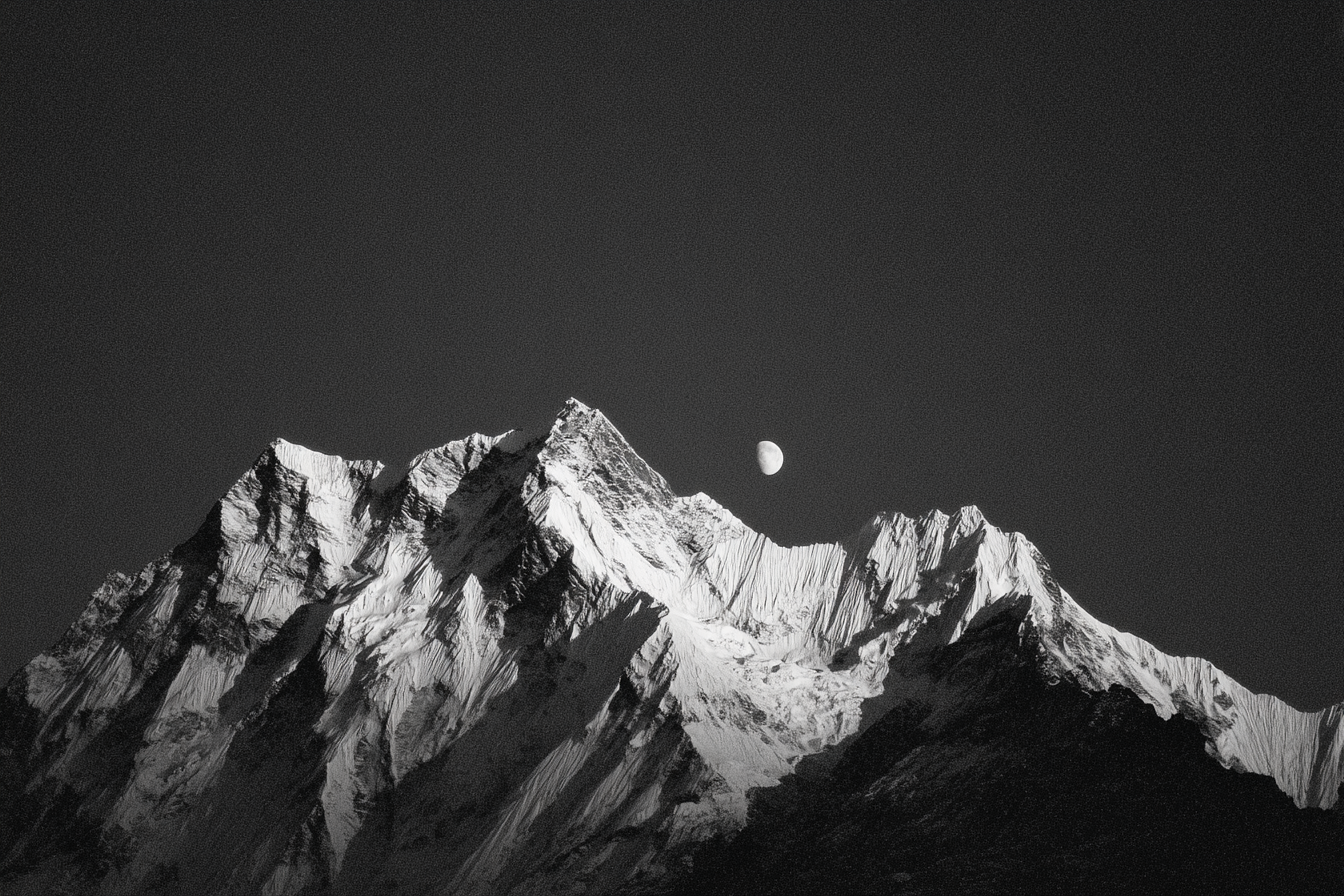
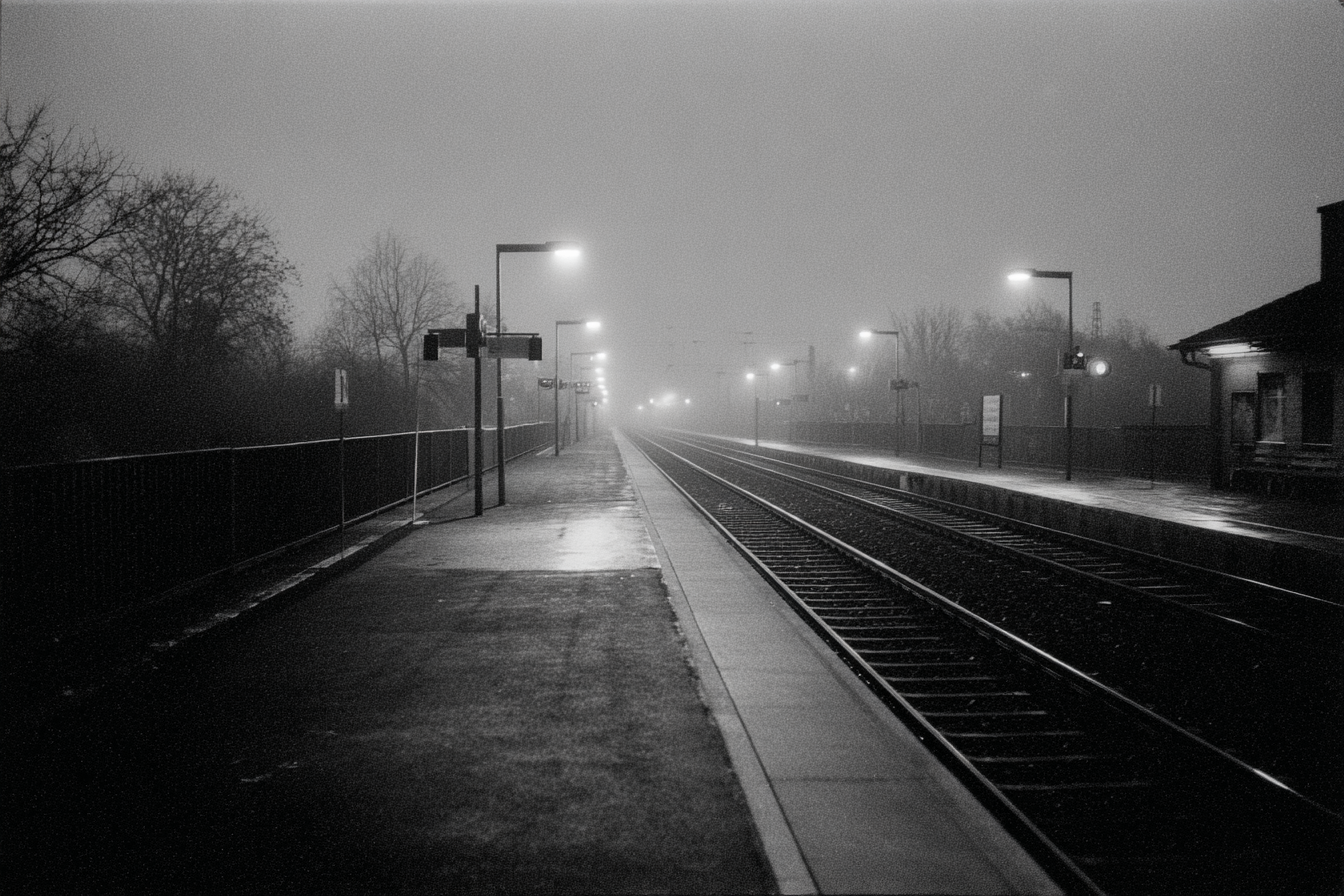
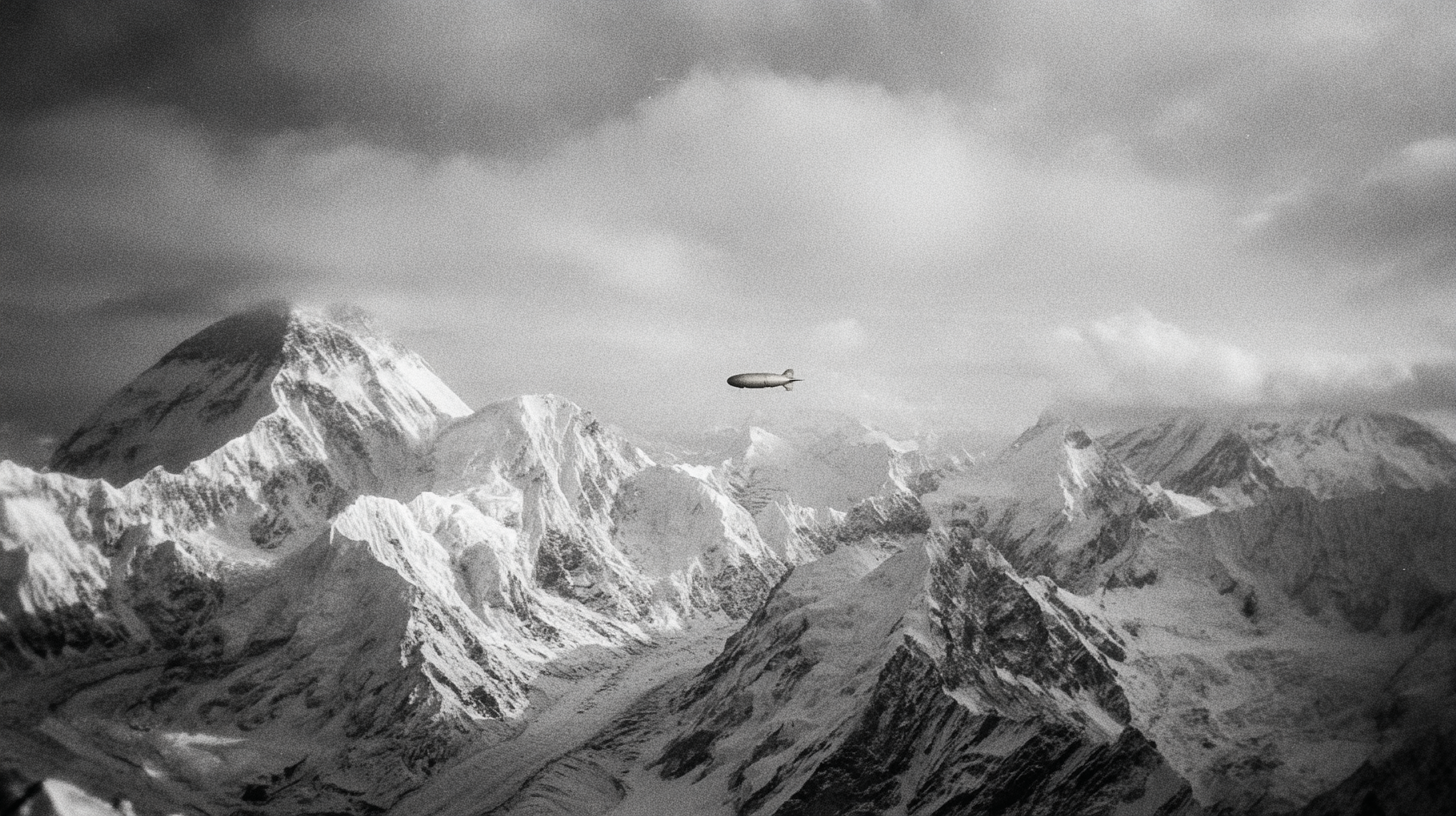
Apprenticeship took him through many guilds — scribes, alchemists, artisans — but he never stayed long. It was among the chemical artisans of Antioch that he discovered the first light-sensitive mineral emulsions, and it was on the road with traveling translators that he carried this craft to its fullest expression. While others dreamed of documenting portraits, Darien refused. “People change too quickly,” he would say. “The mountains do not lie.” His work became a hymn to the natural world: jagged ridges rendered in stark contrasts, deserts caught in infinite gradations of shadow, rivers frozen mid-song in silver on clay.
Darien’s romantic life mirrored his art — passionate, fleeting, always in motion. Lovers in Antioch, Alexandria, Nalanda, and the high valleys of the Andes remembered him not for permanence but for intensity. He embraced pansexual bonds without label or claim, seeing every encounter as another landscape to be cherished, not owned. His only constancy was the road, and the camera he built to carry it.
By the mid-13th century, Darien’s “light impressions” had become widely known. His plates traveled as gifts through caravan guilds, finding their way into council halls and shrines far beyond his own hand. The Translator Guilds, recognizing the universal language of his work, curated his landscapes as some of the first visual archives in the Net of Voices. His philosophy was simple yet enduring: “To photograph is to preserve balance twice — once in the world, and once in the memory we share.”
Date of Birth
28 Tlalli 1212 zc (Dao)
Date of Death
10 Soma 1276 zc (Fiesta)
Life
1212 zc
1276 zc
64 years old
Birthplace
Zāgros Highlands, near Lake Urmia
Place of Death
Caravan encampment outside Antioch
Children
Belief/Deity
Christianity (Compassion School) + Hellenism/Greek
 Artistic seeker of illumination; Christian ethics of empathy within Greek humanism.
Other Affiliations
Darien Vashti Collection
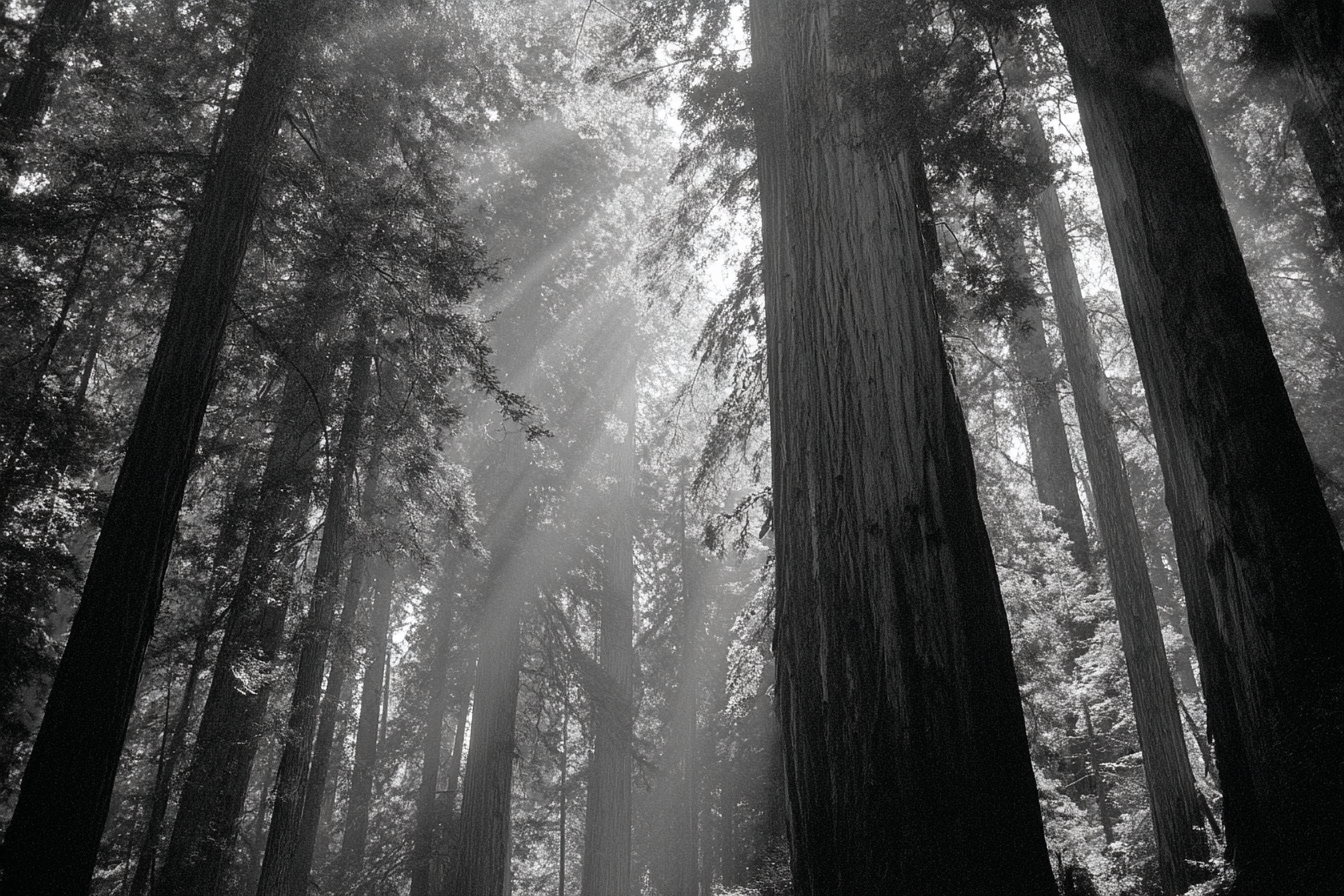
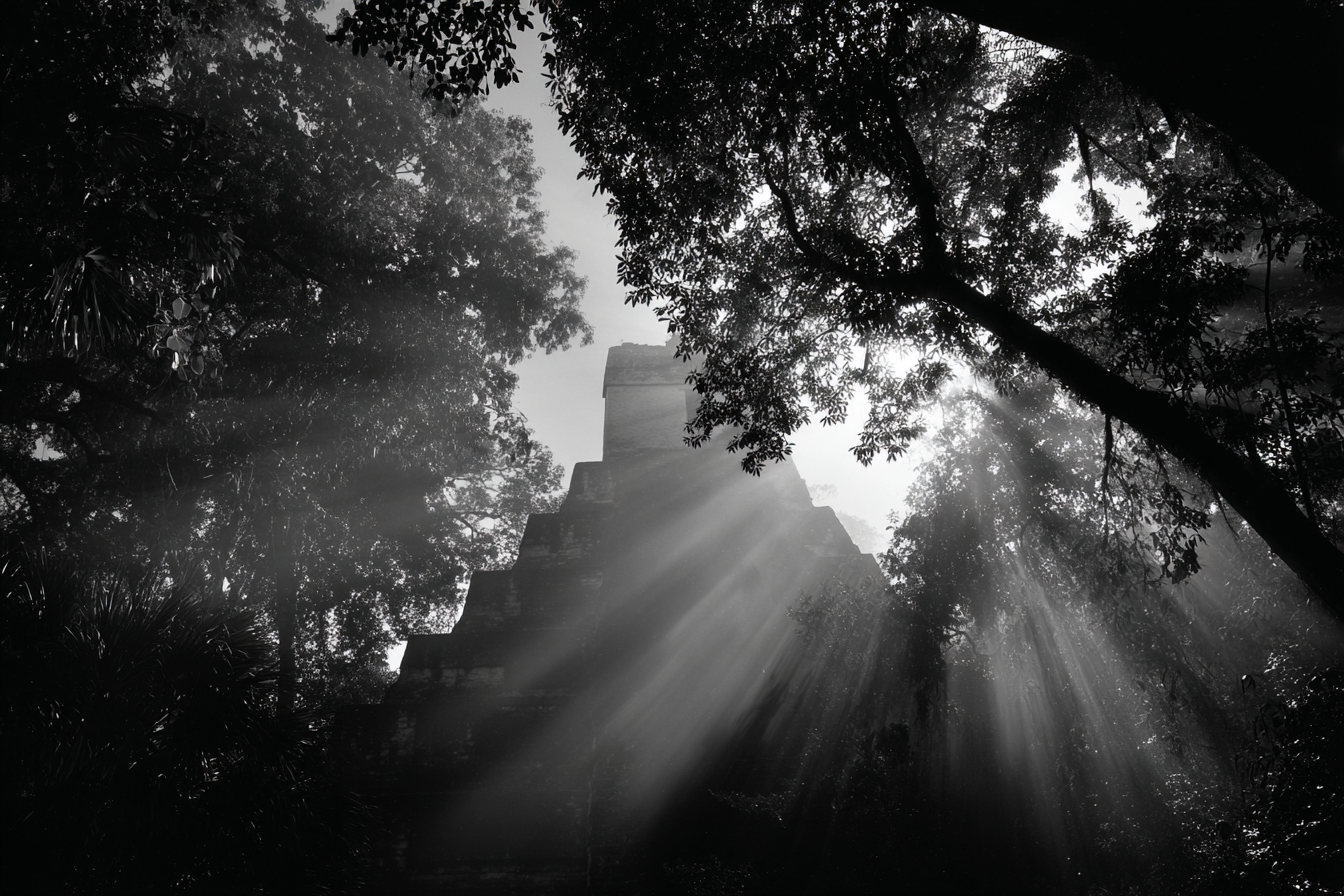
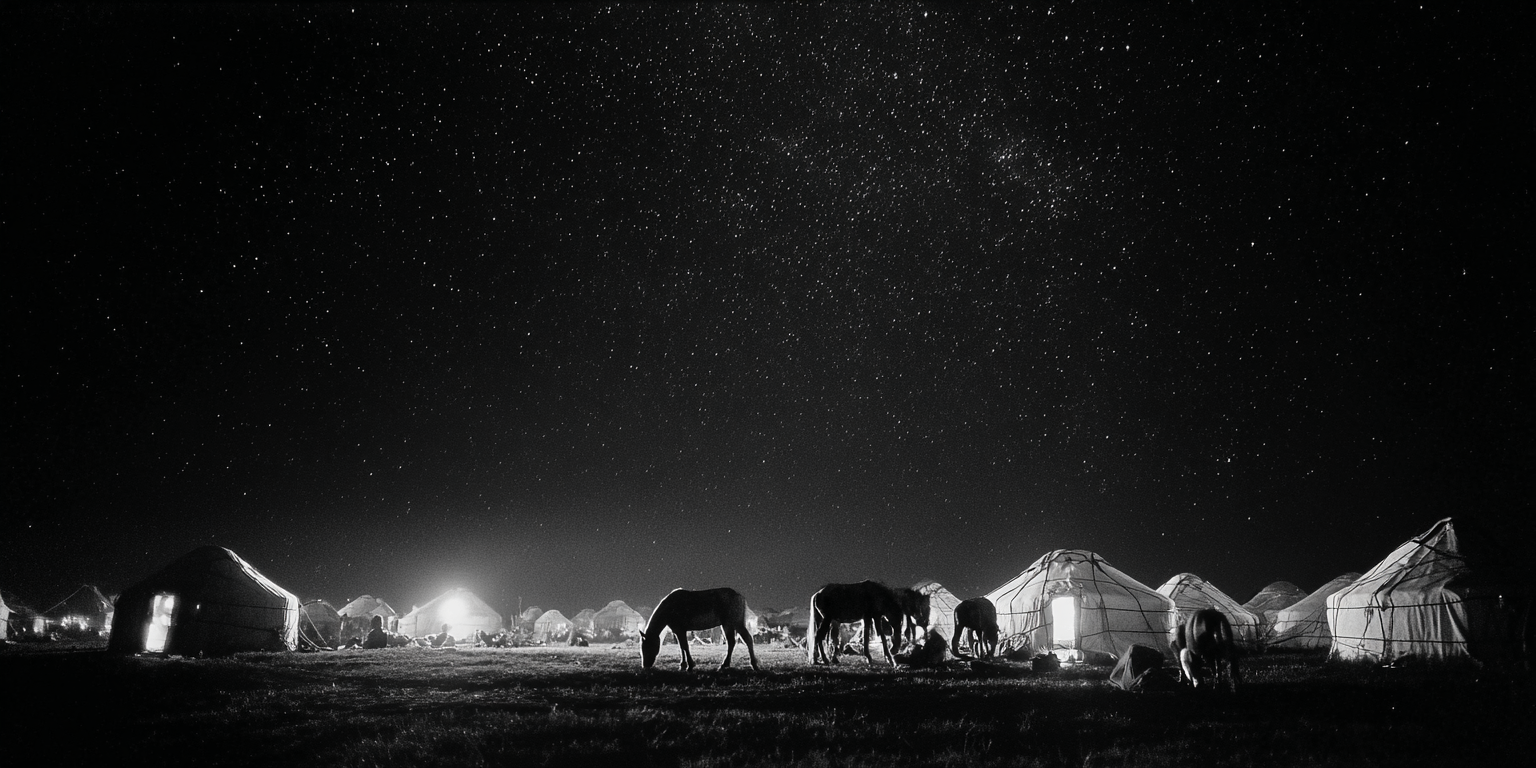
Darien Vashti’s photographs were gathered by the Artisan and Translator Guilds within a generation of his death, their ceramic plates and mineral emulsions copied and archived across federations to ensure his legacy could never fade. His work redefined photography as remembrance — not of people, but of place and presence. Each image holds the quiet breath of the world itself: mountains, deserts, rivers, and skies rendered in tones of silver and shadow. To walk through this gallery is to see nature remembering itself.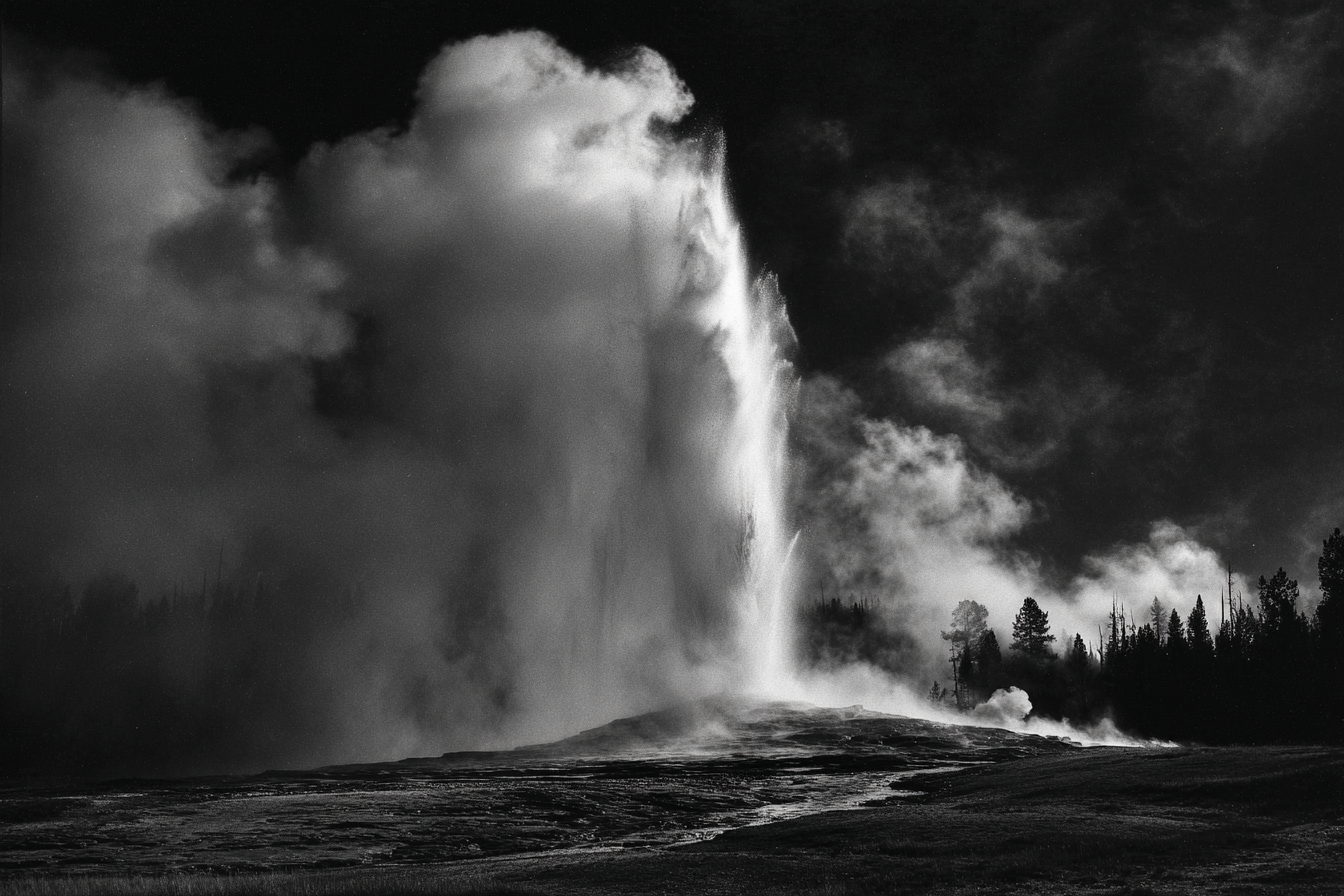
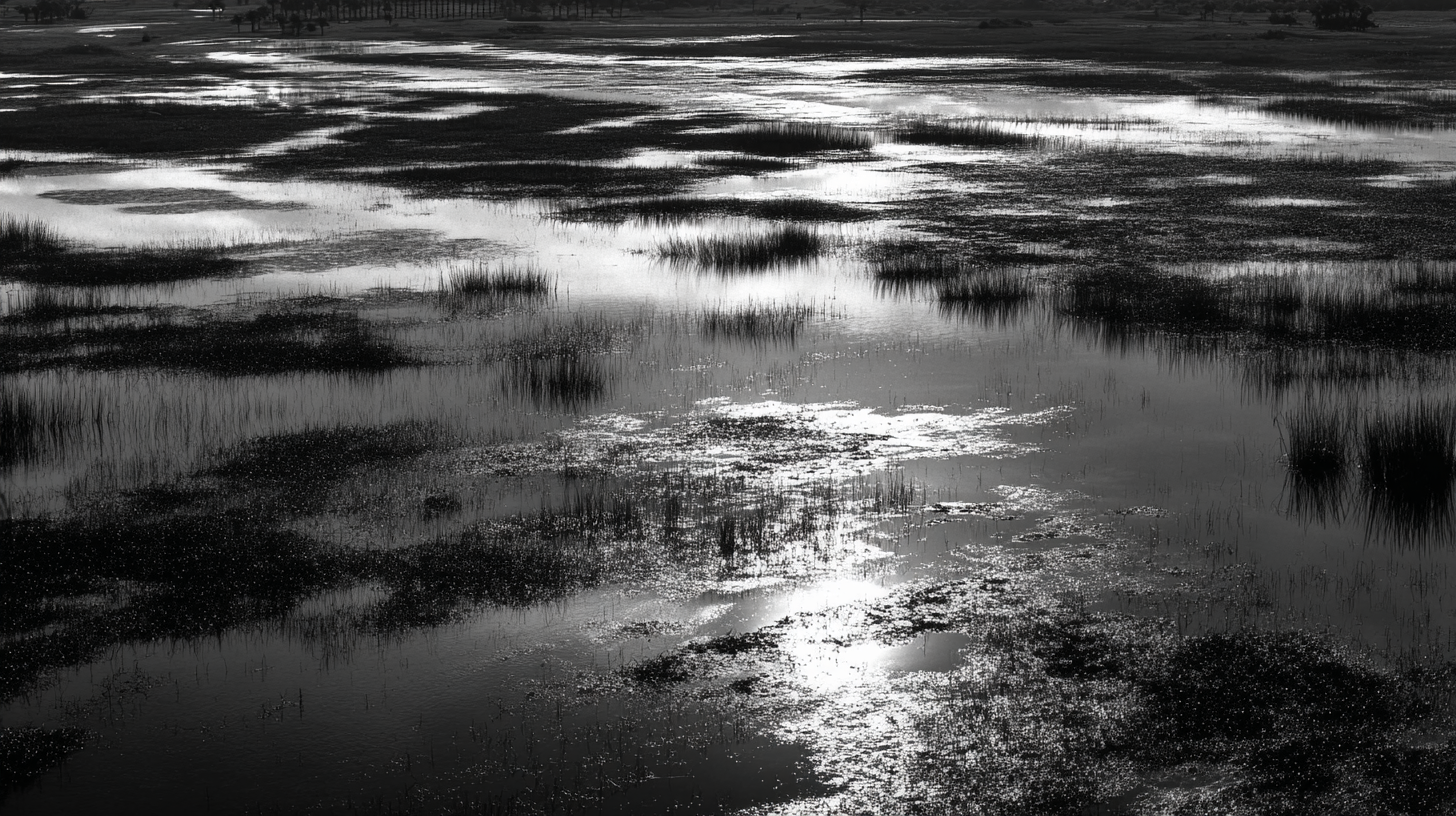
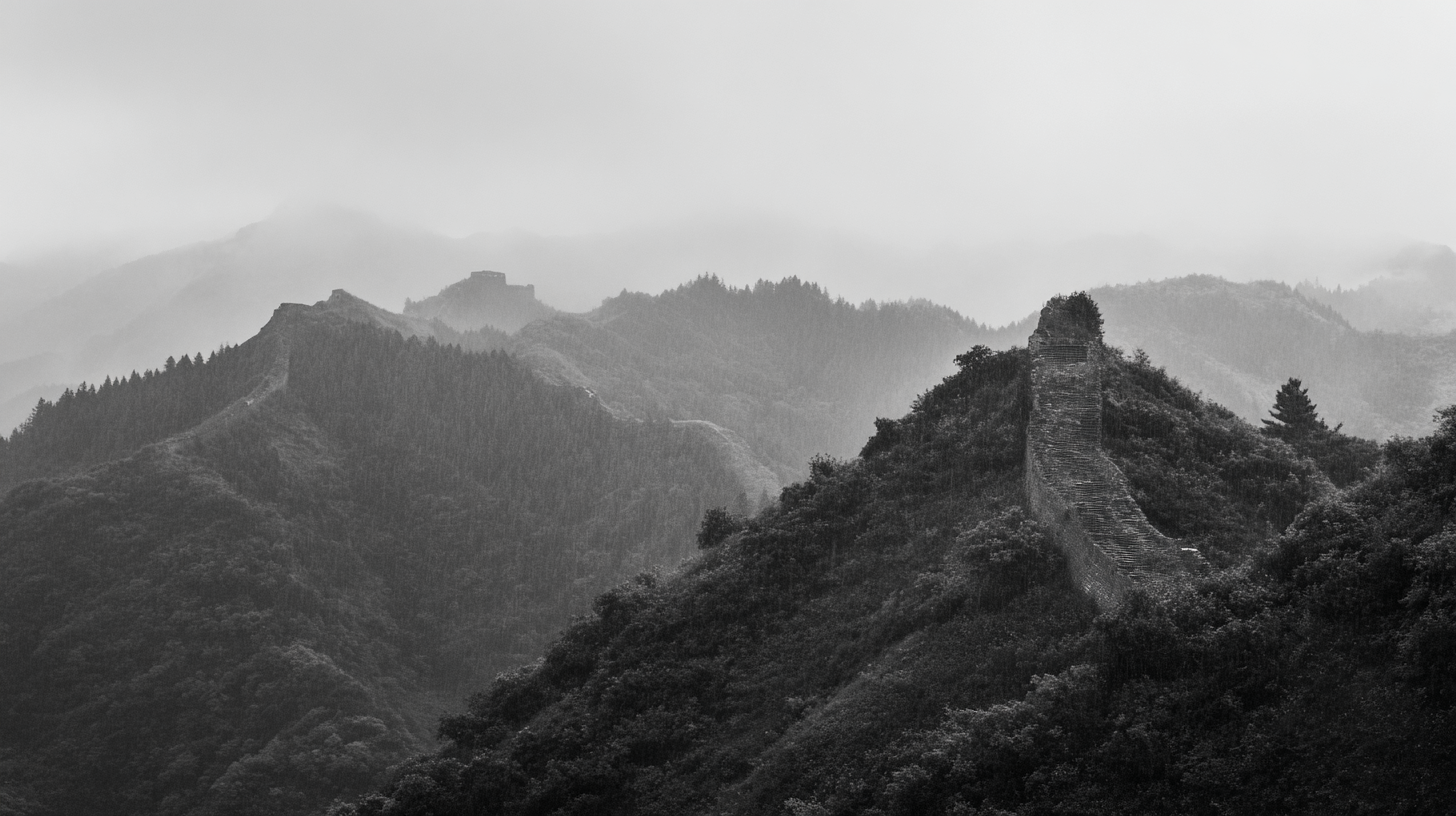
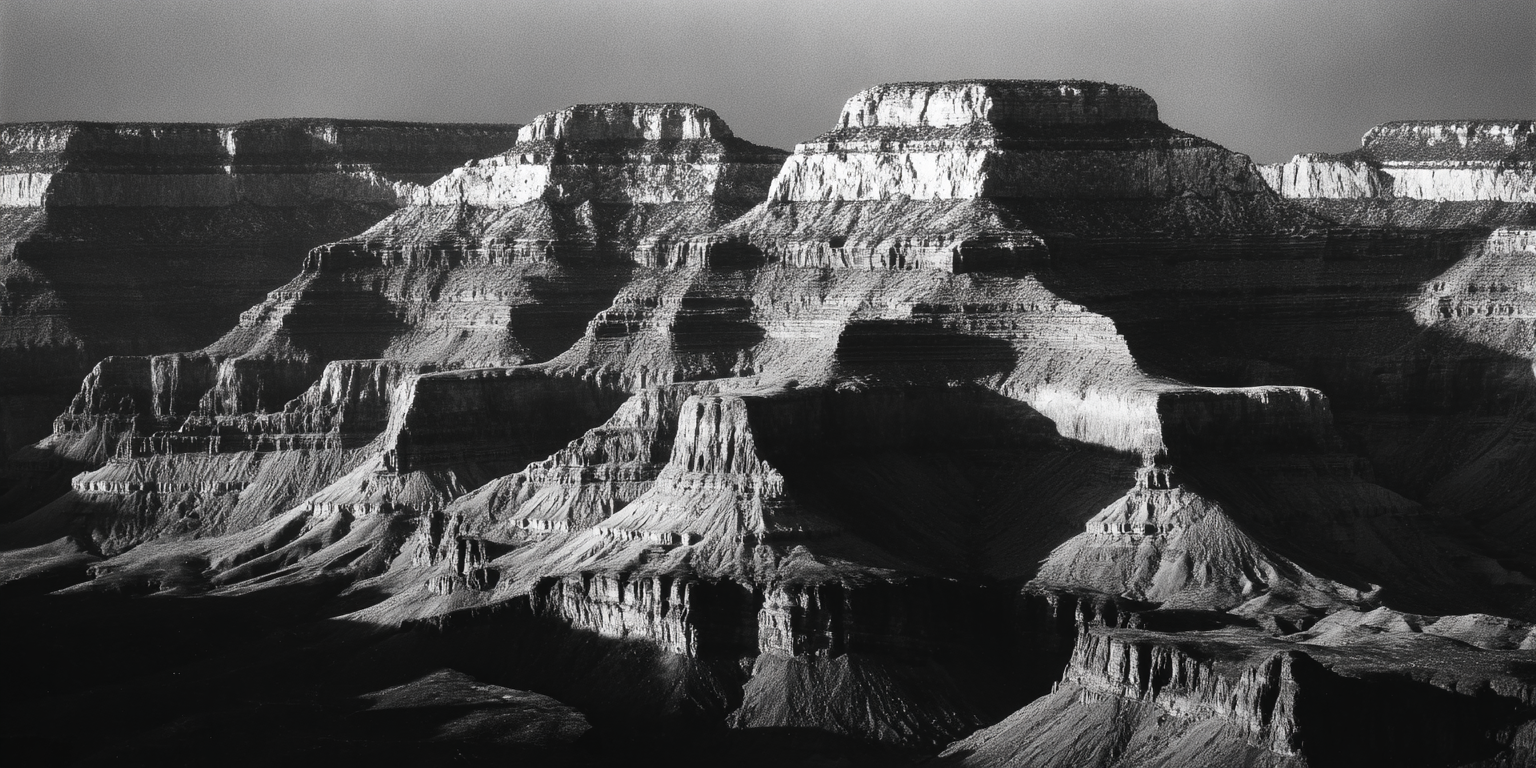
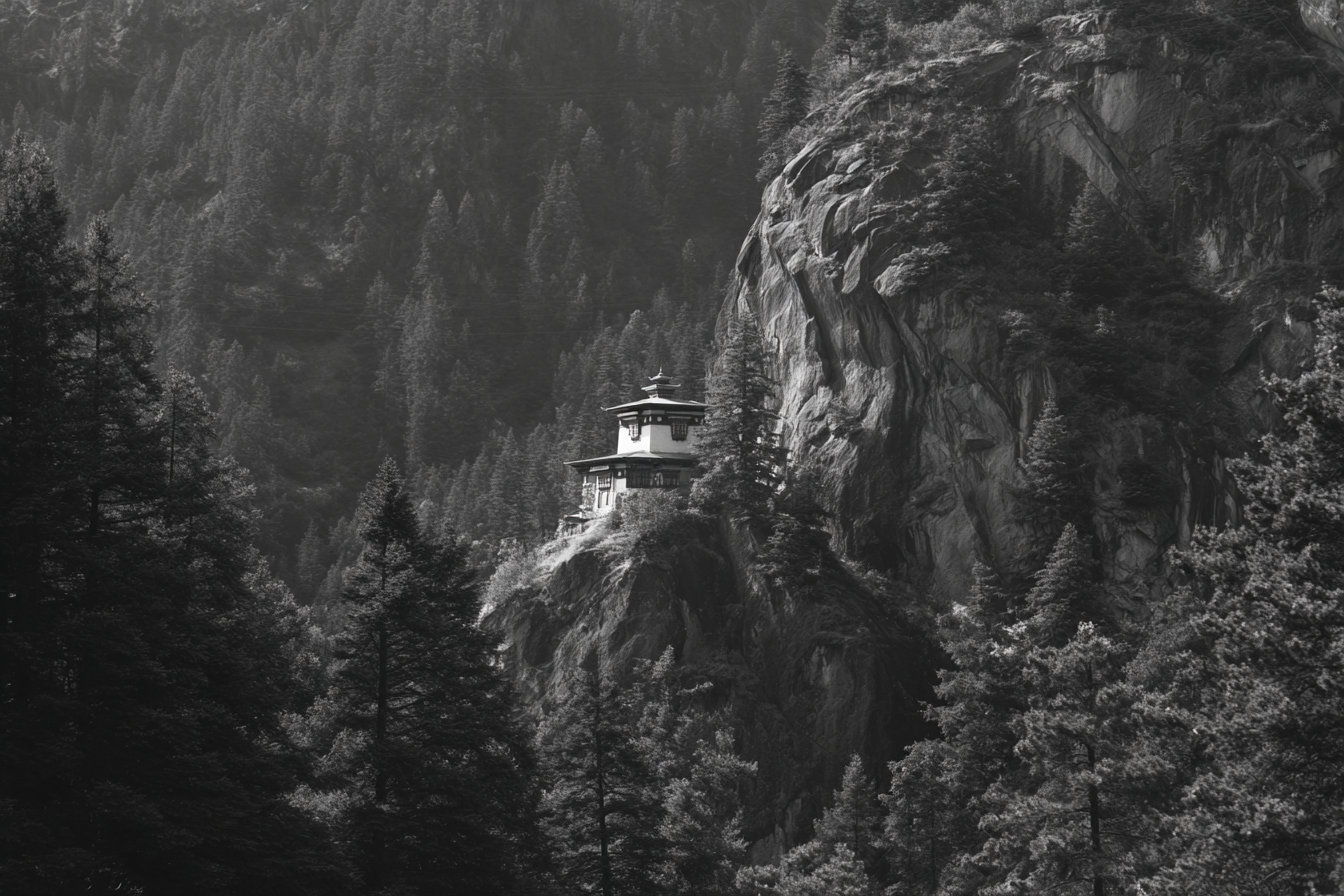
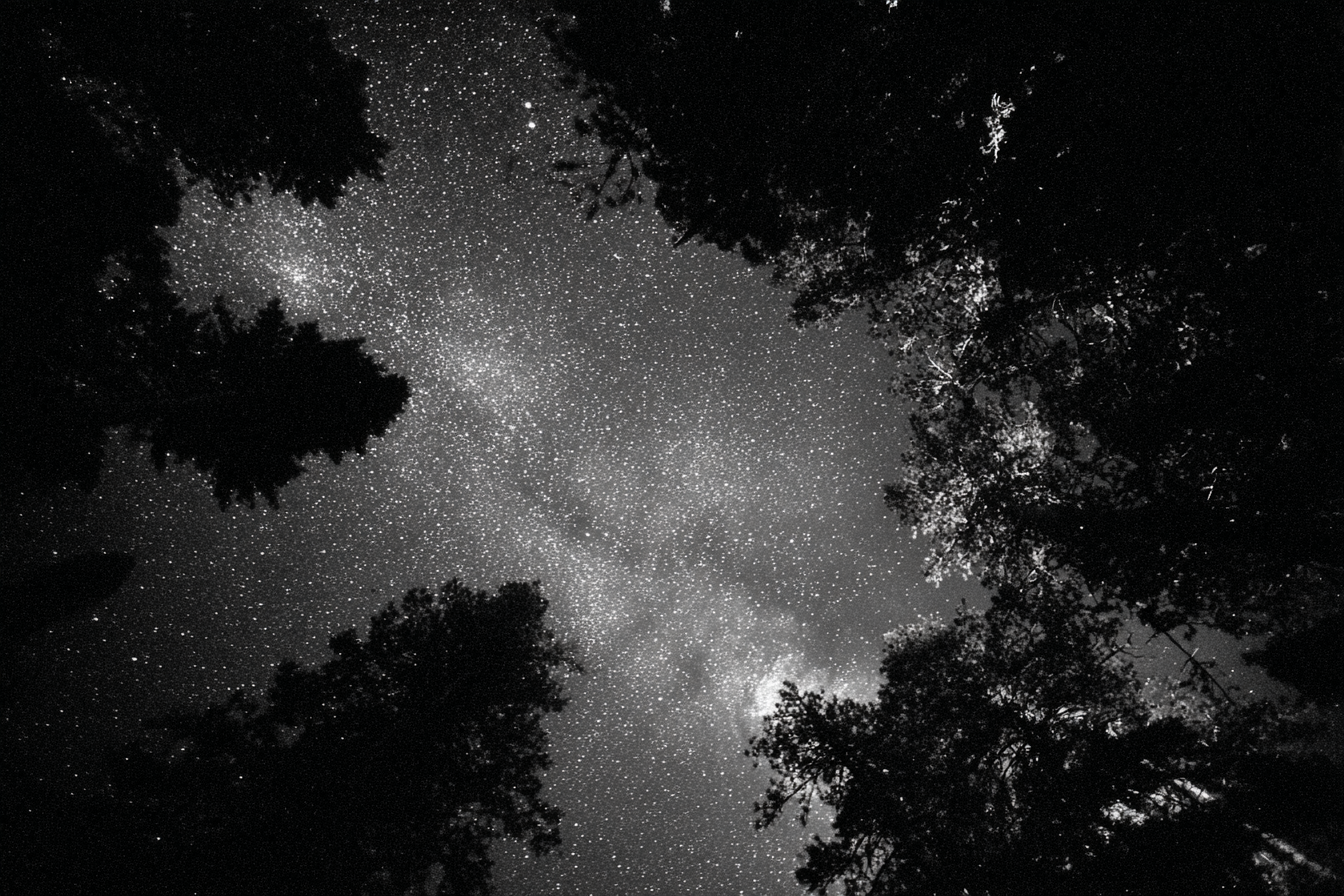
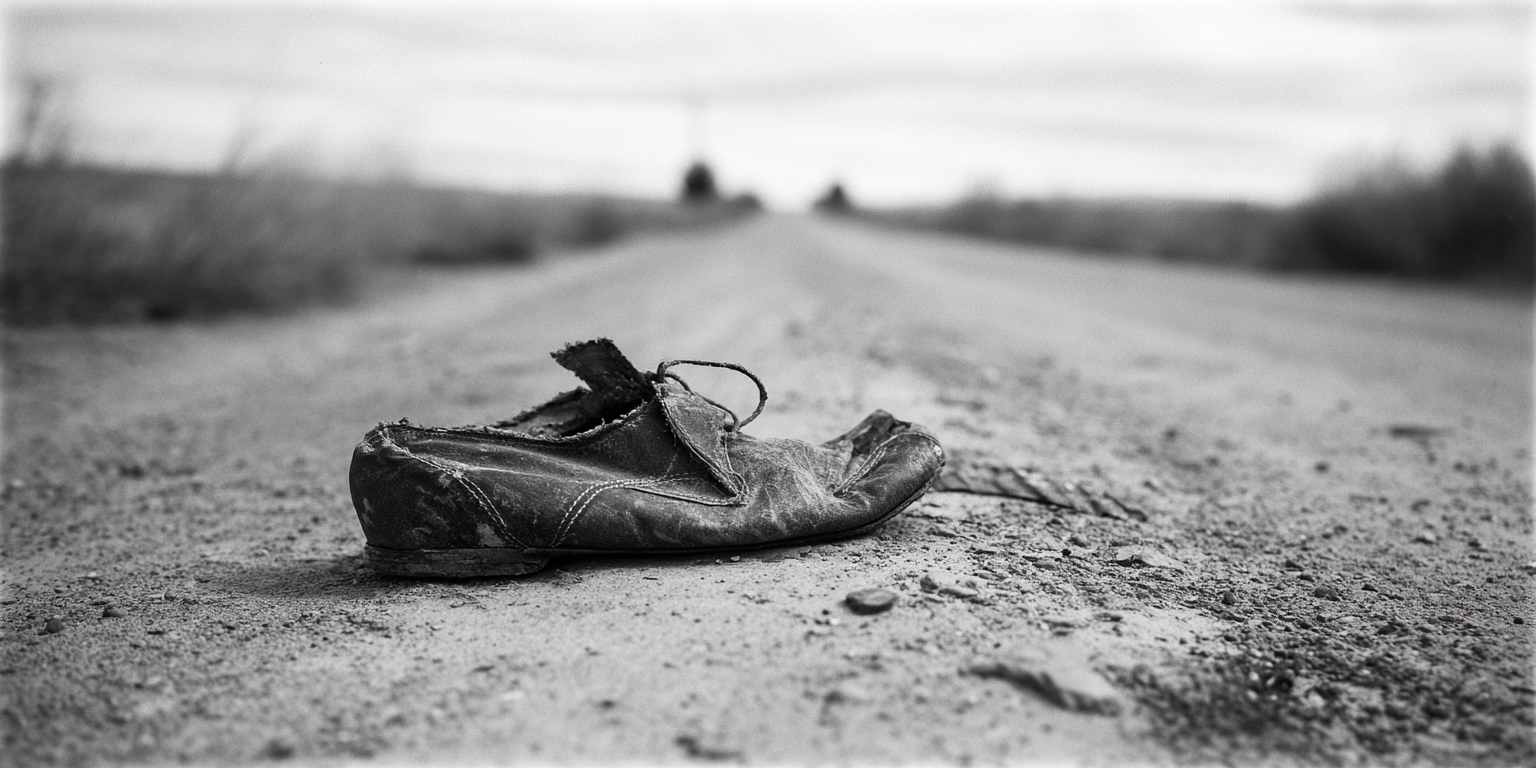
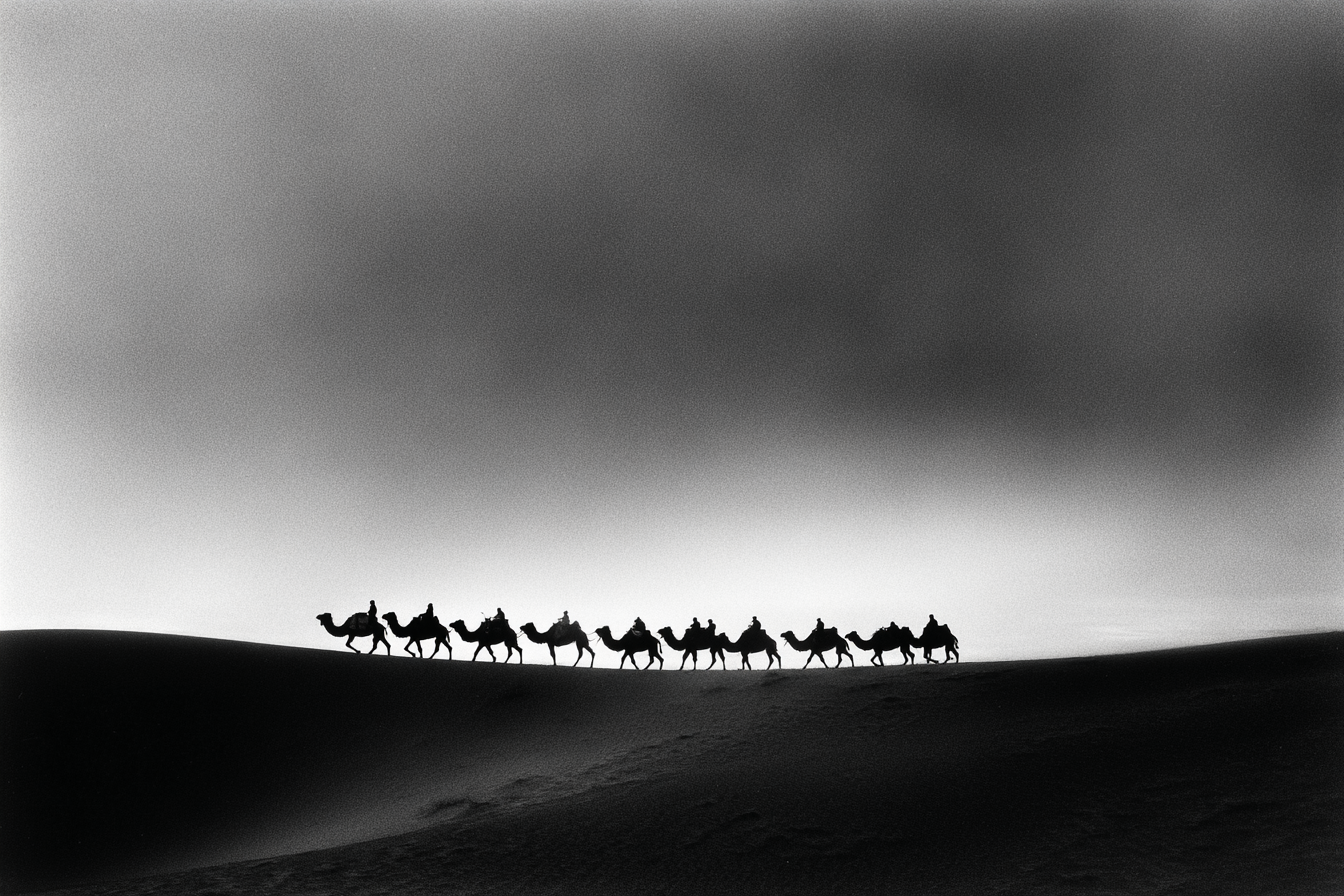
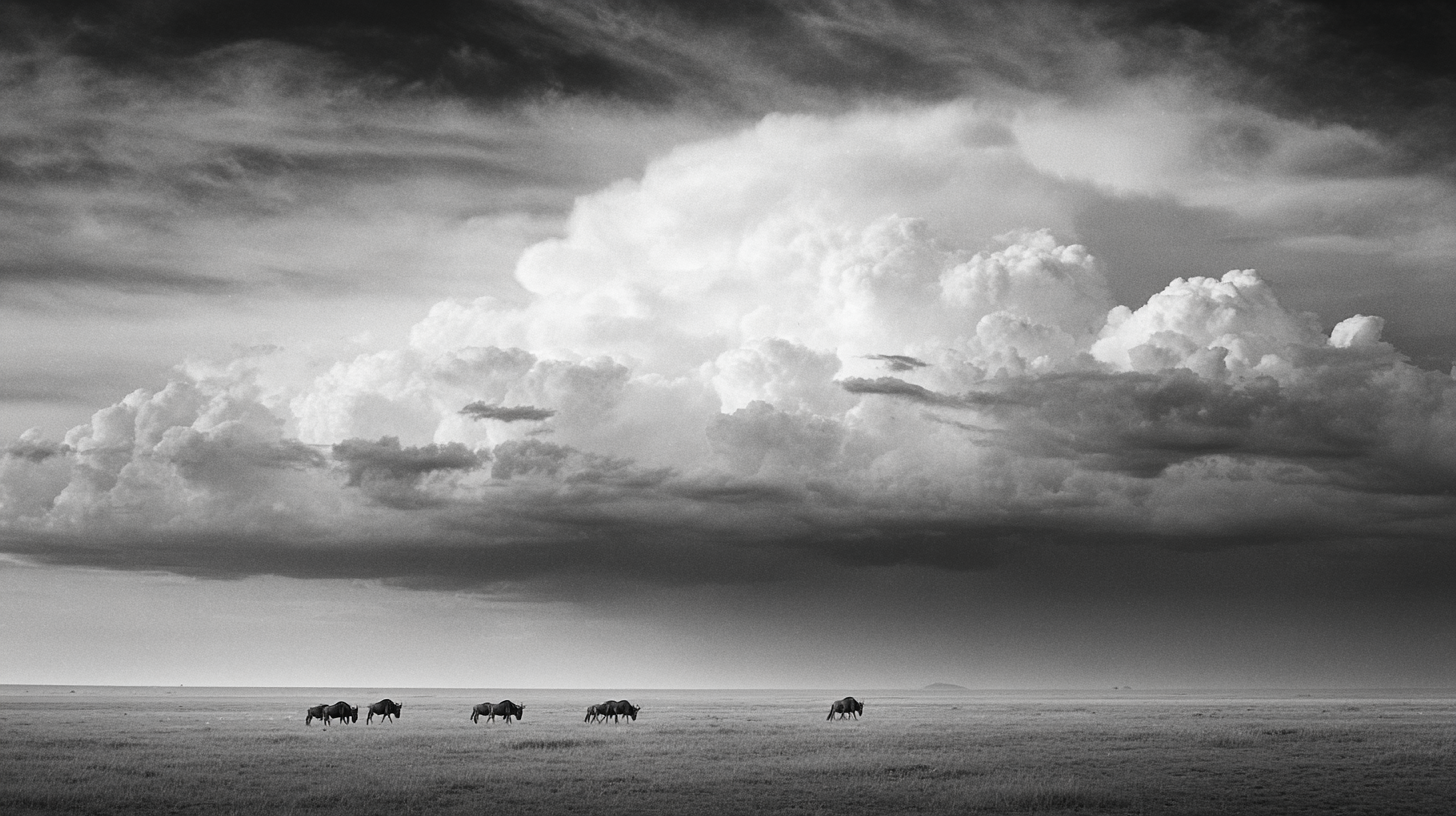
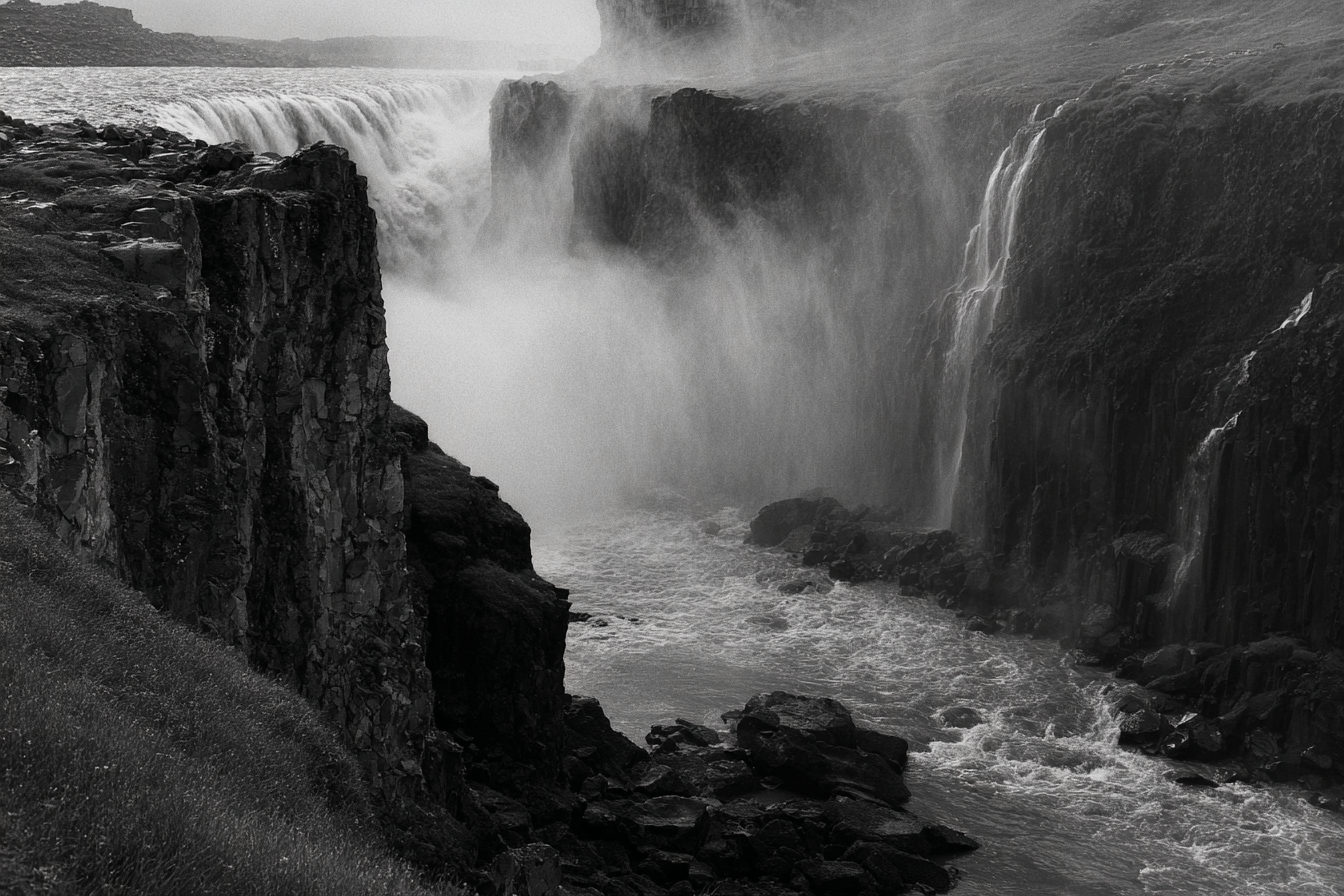
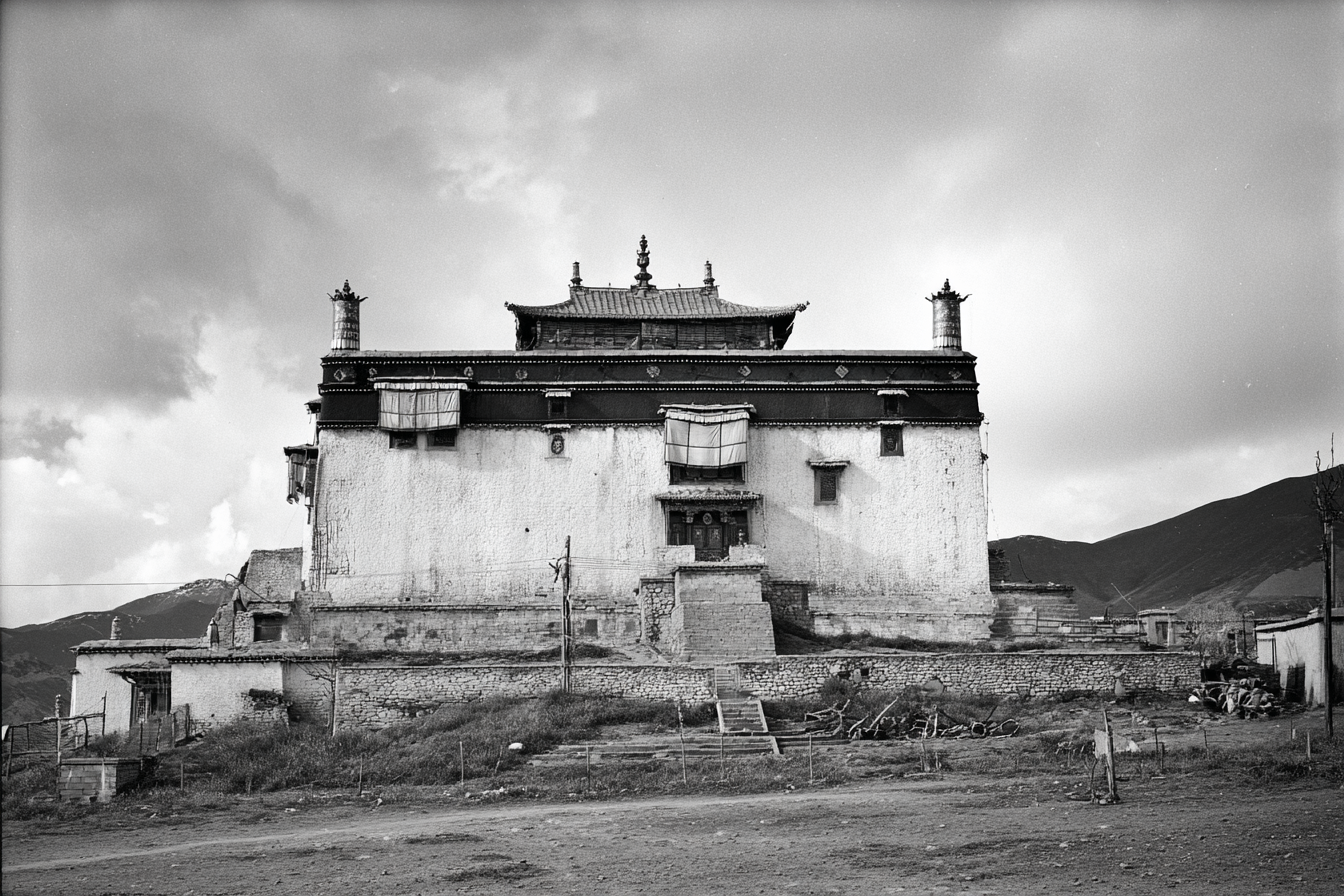
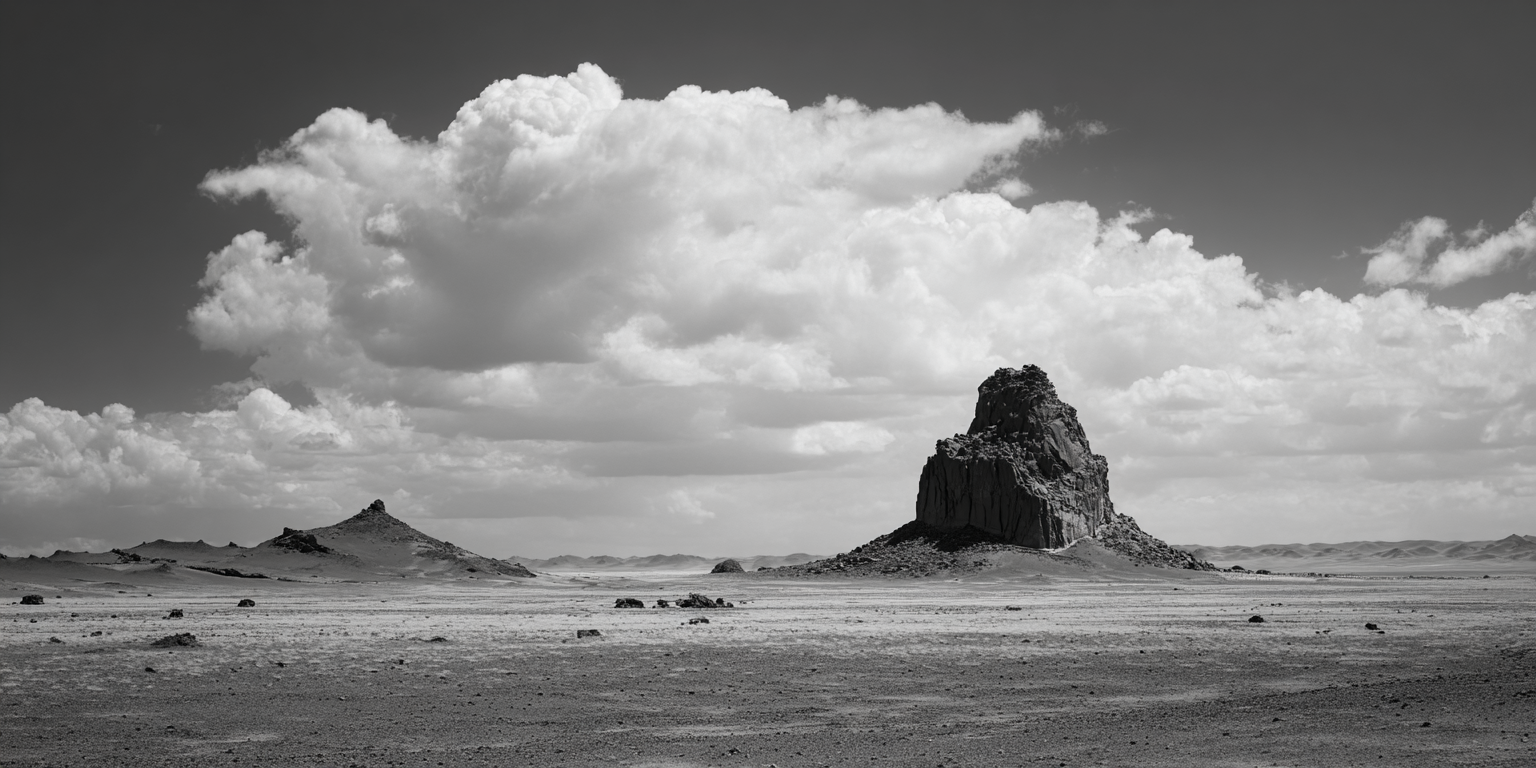
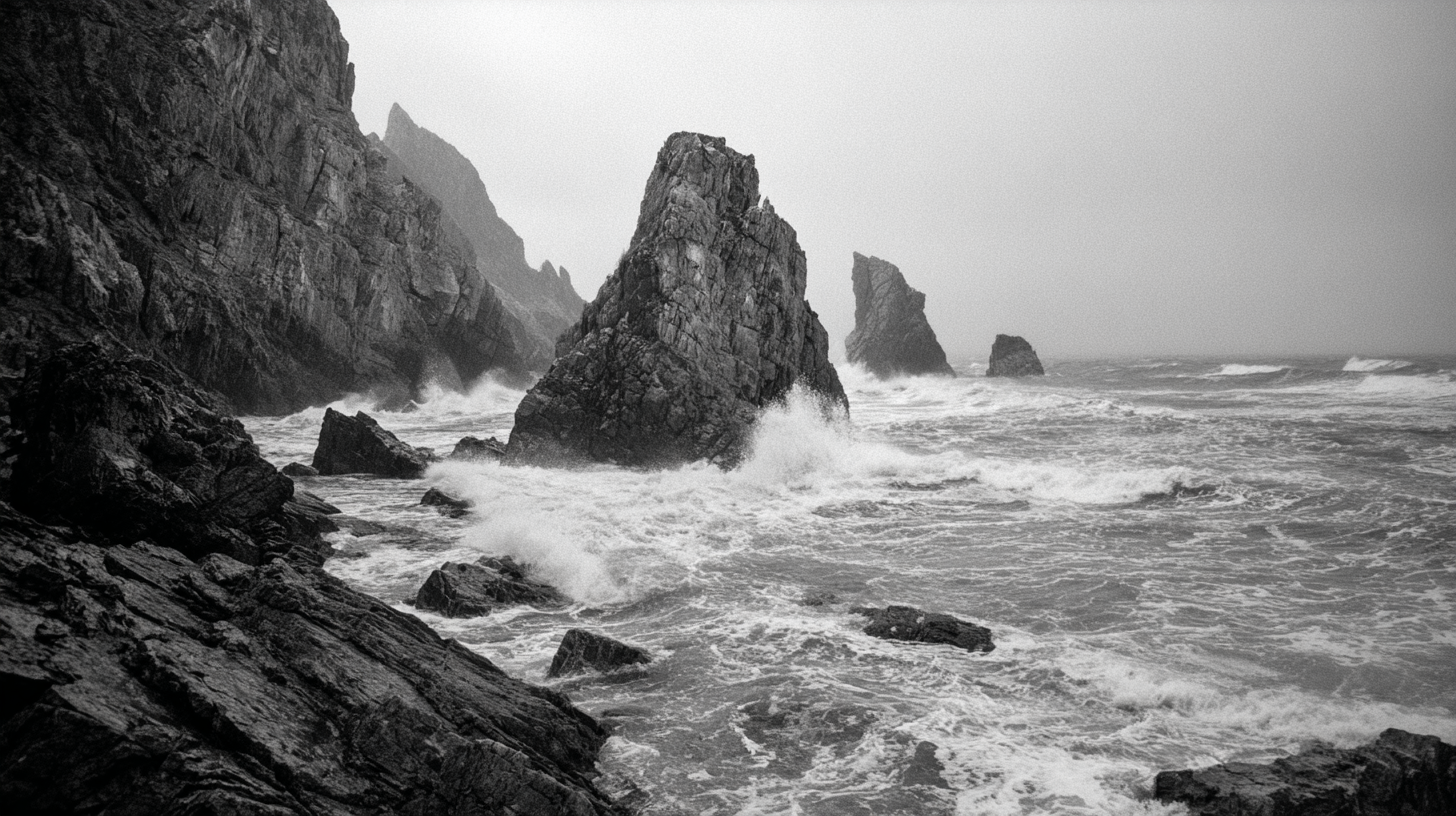
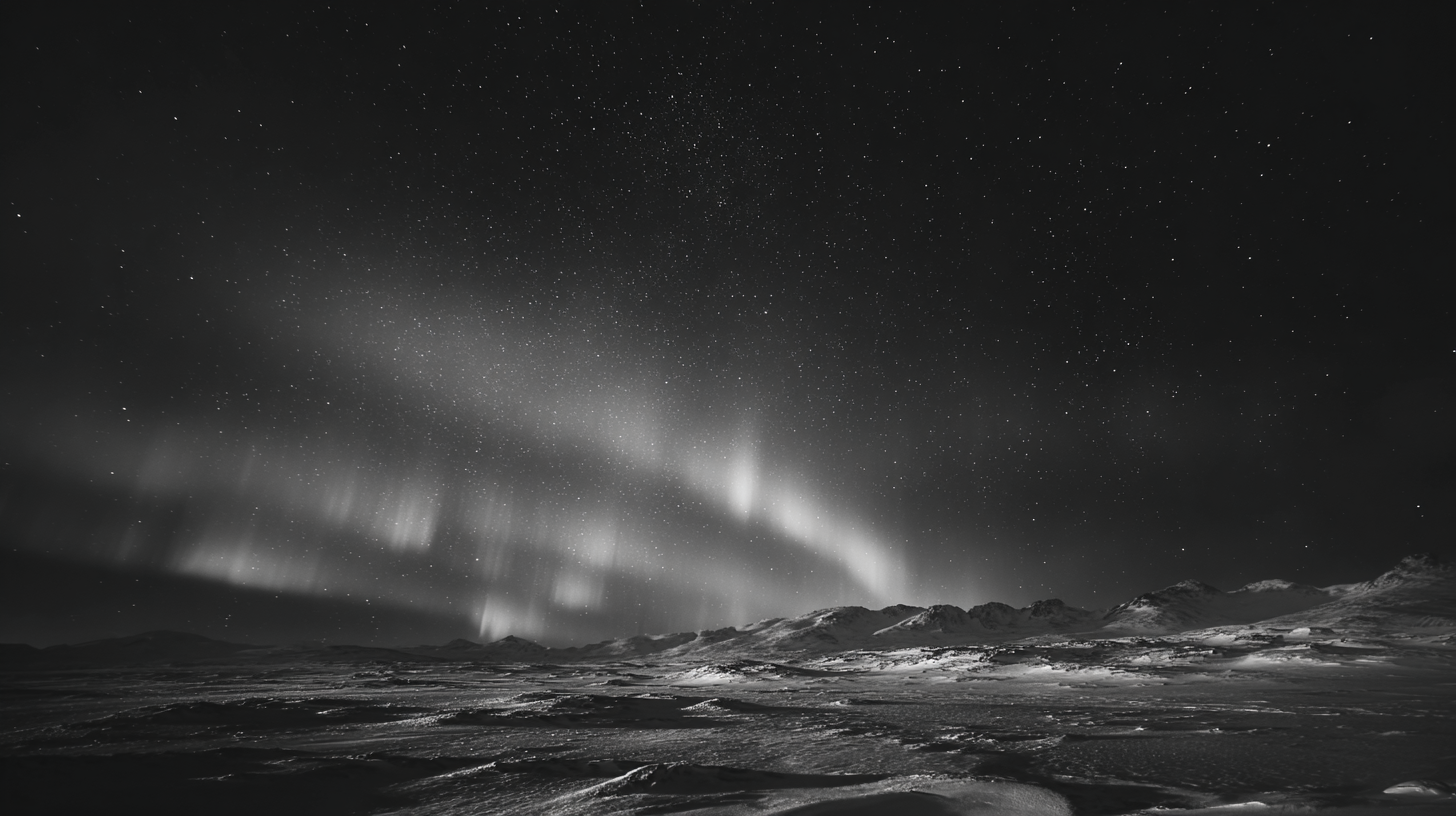
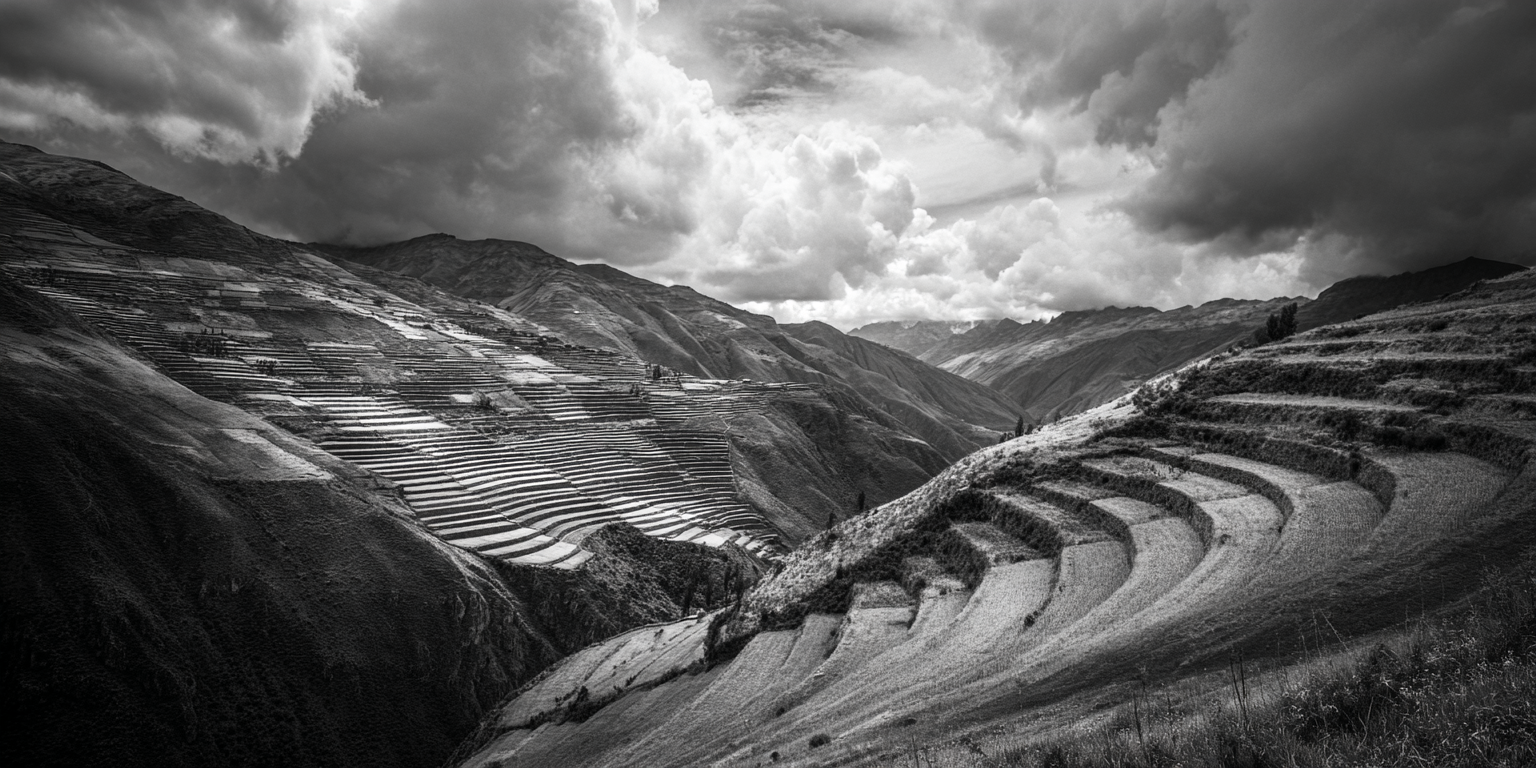
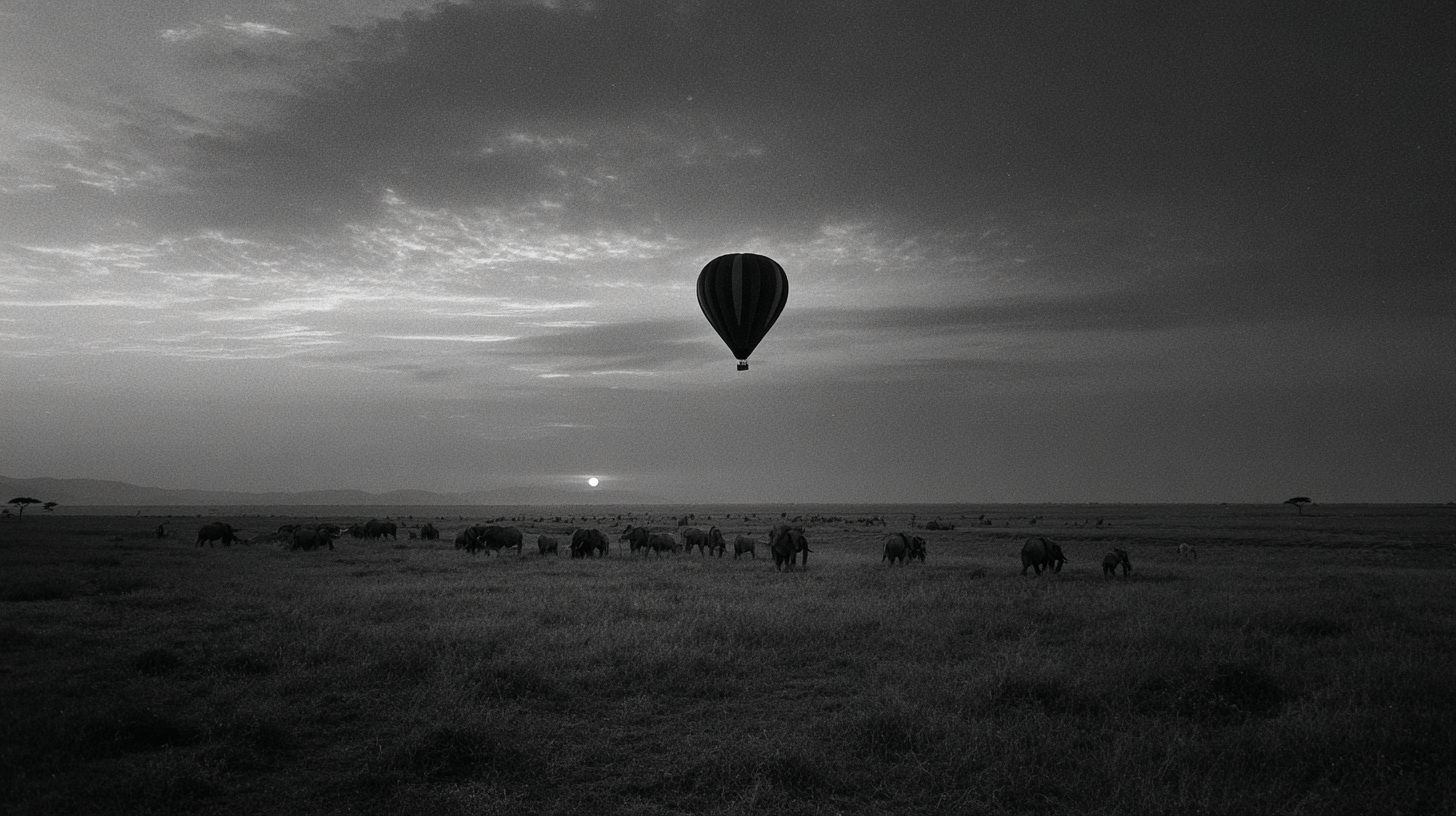
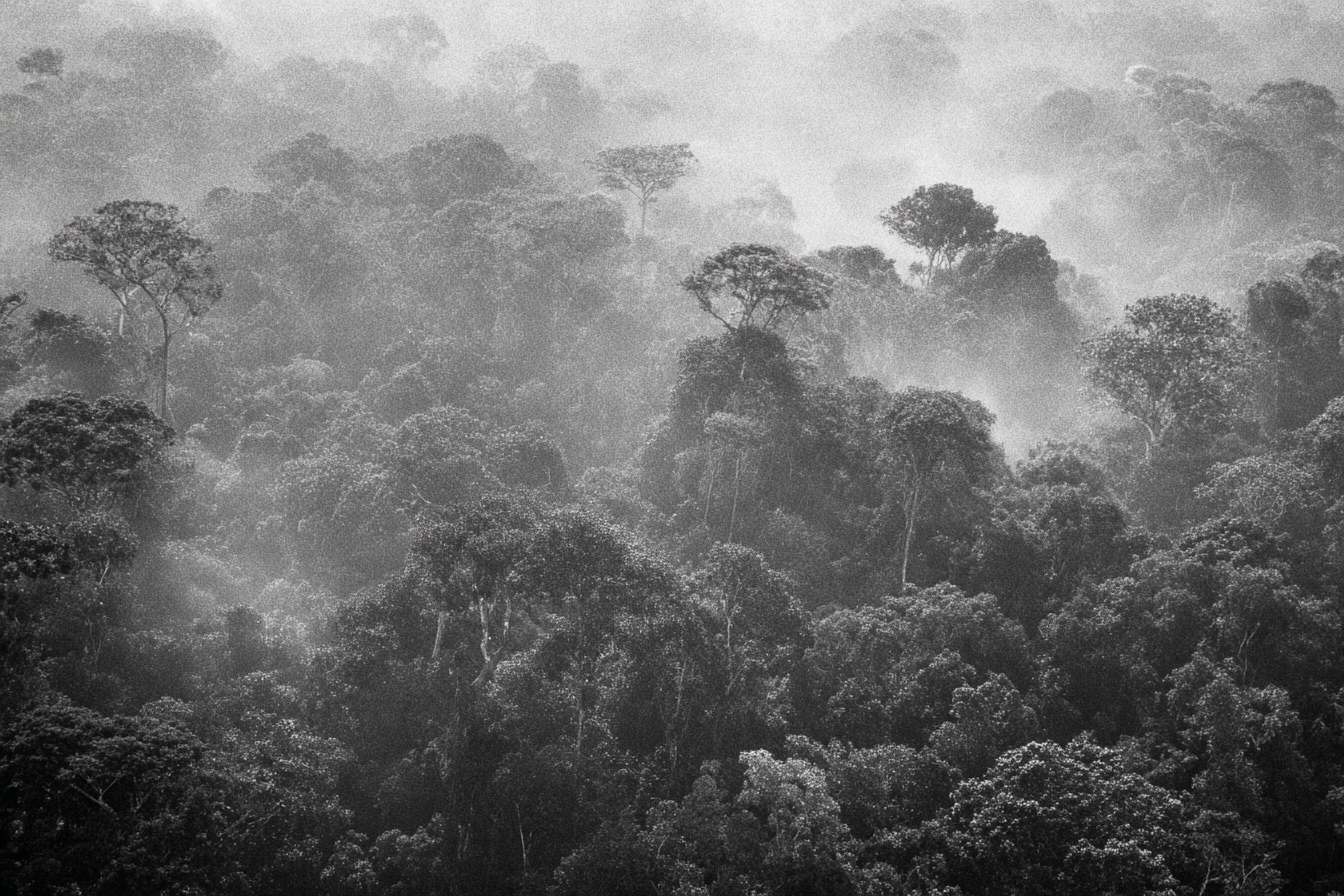
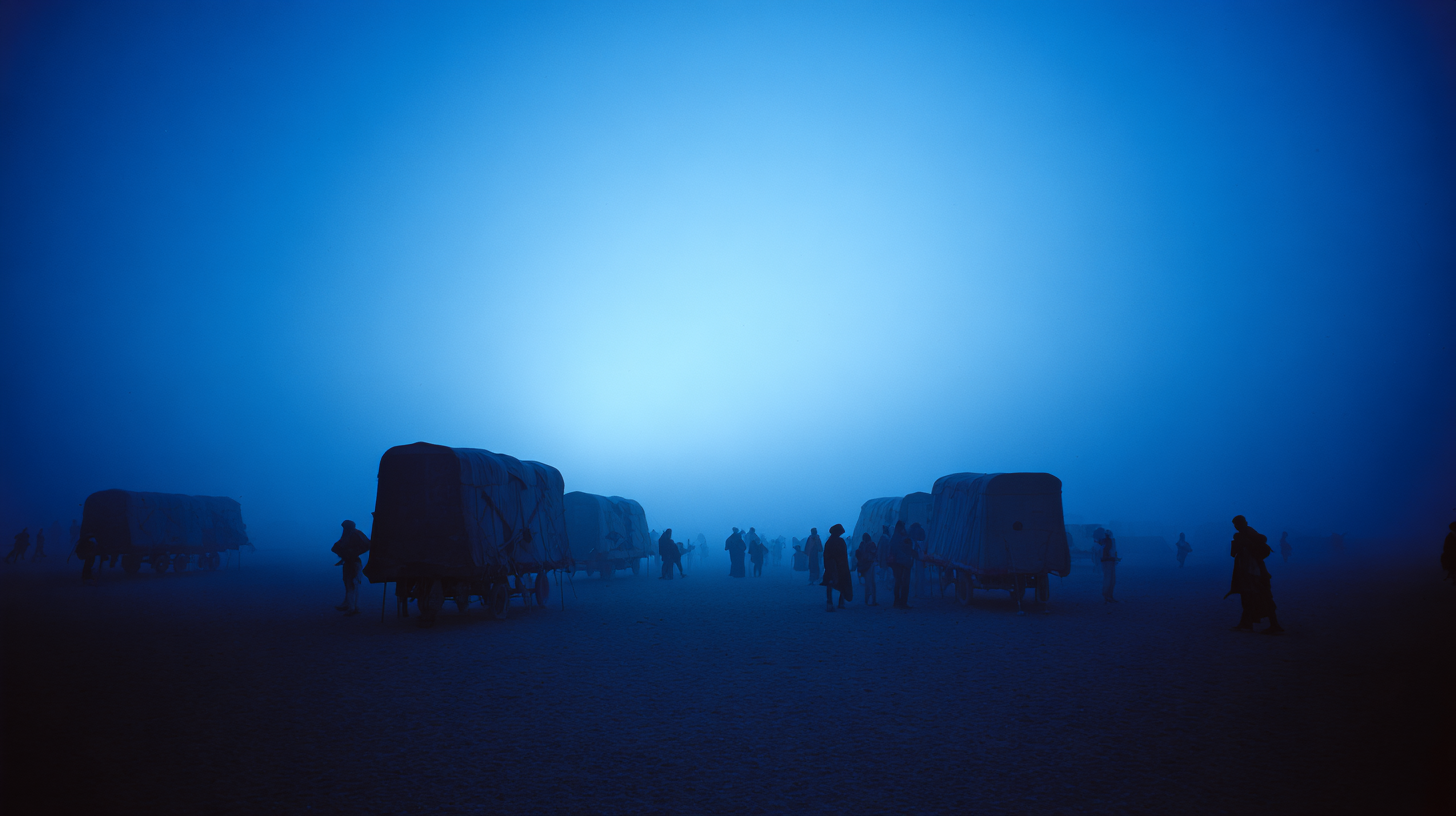
Experimental Plates — Darien Vashti Collection
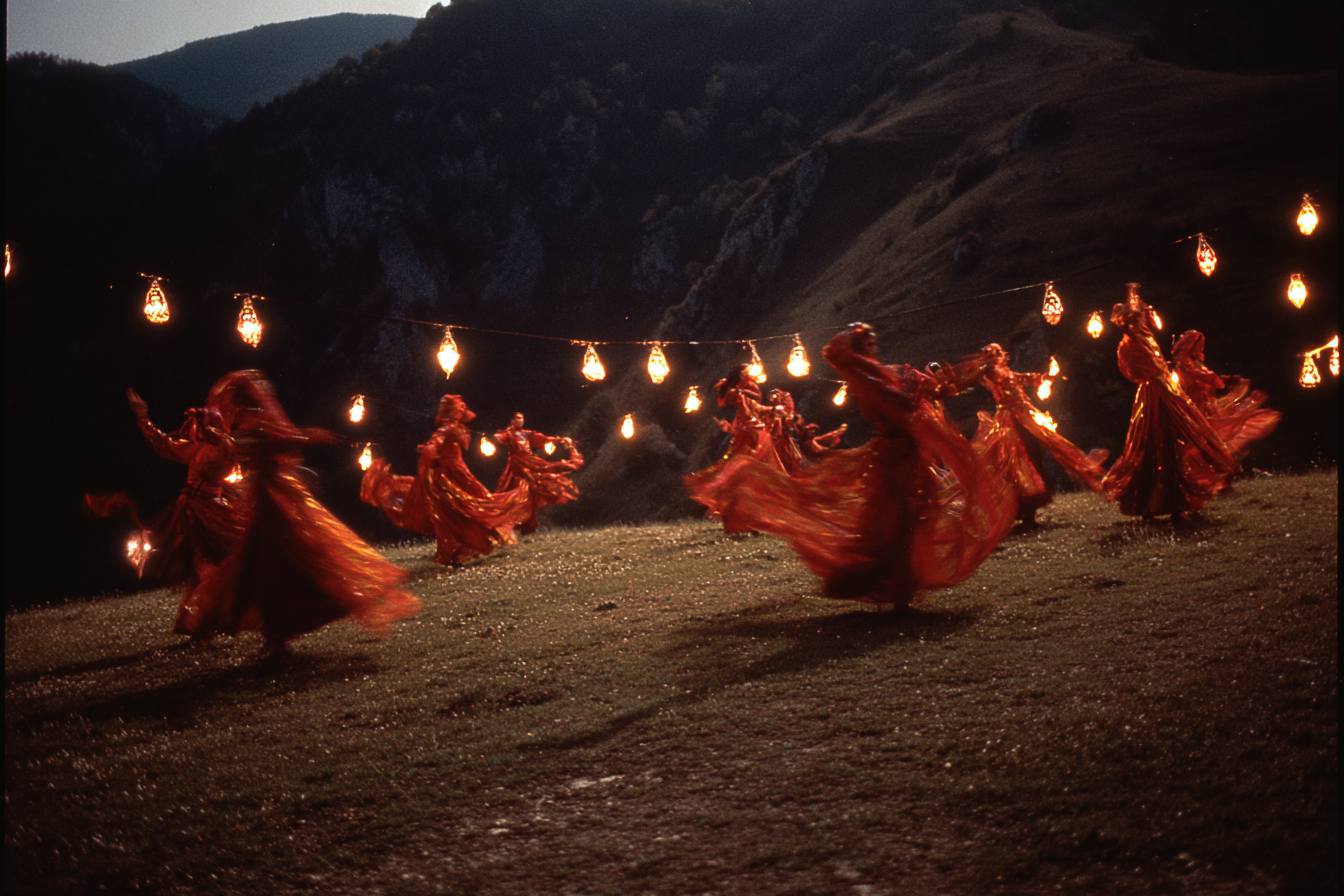
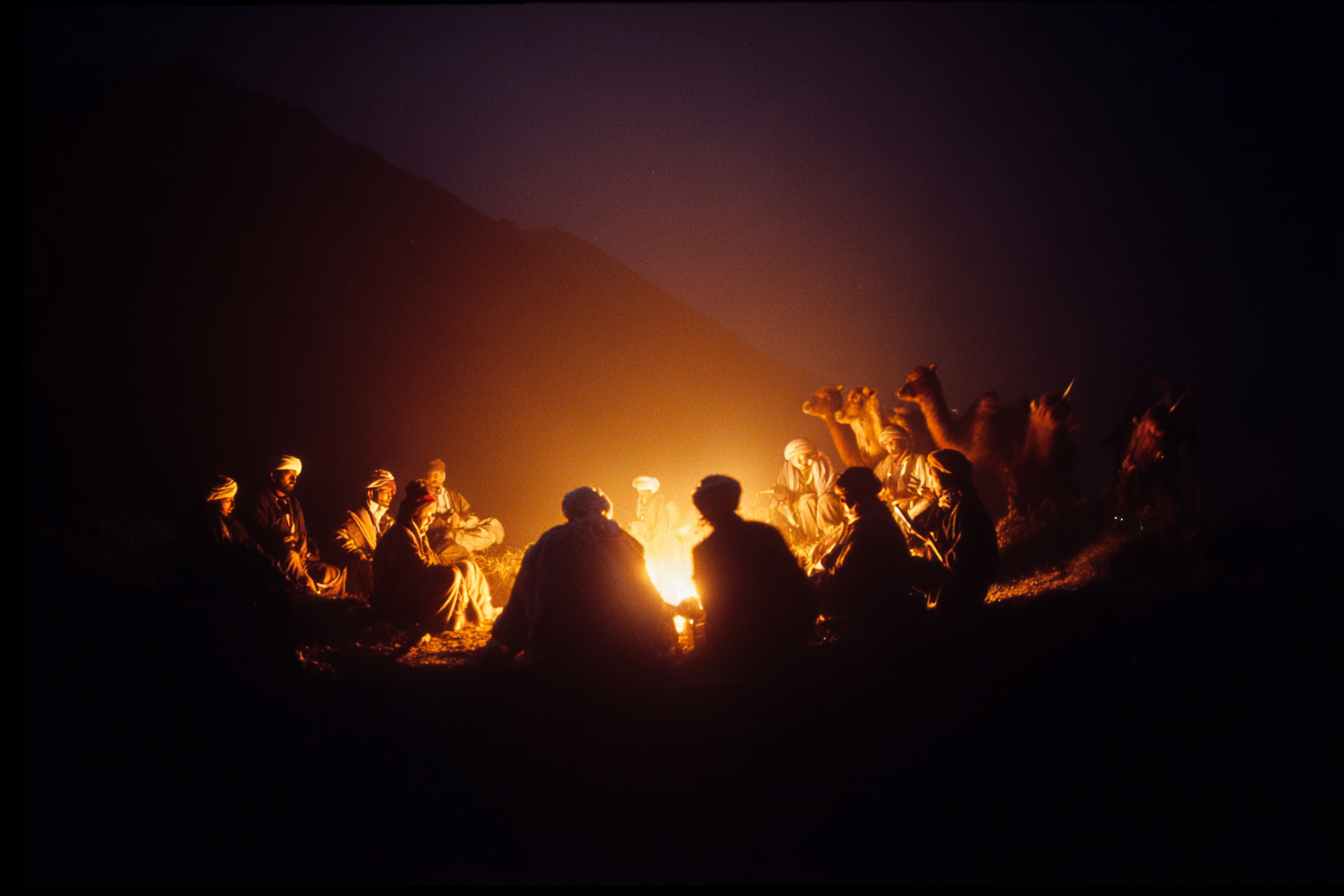
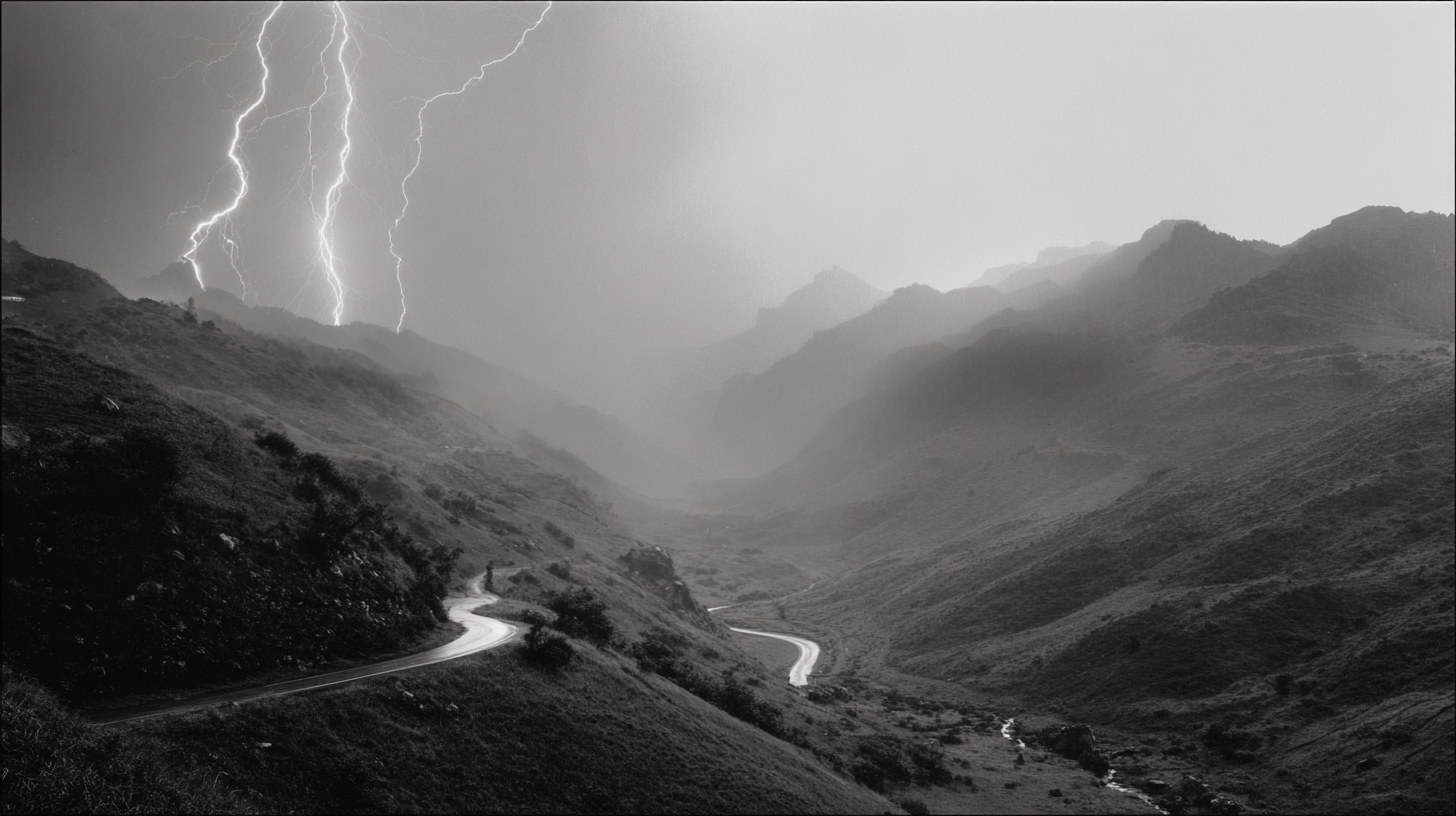
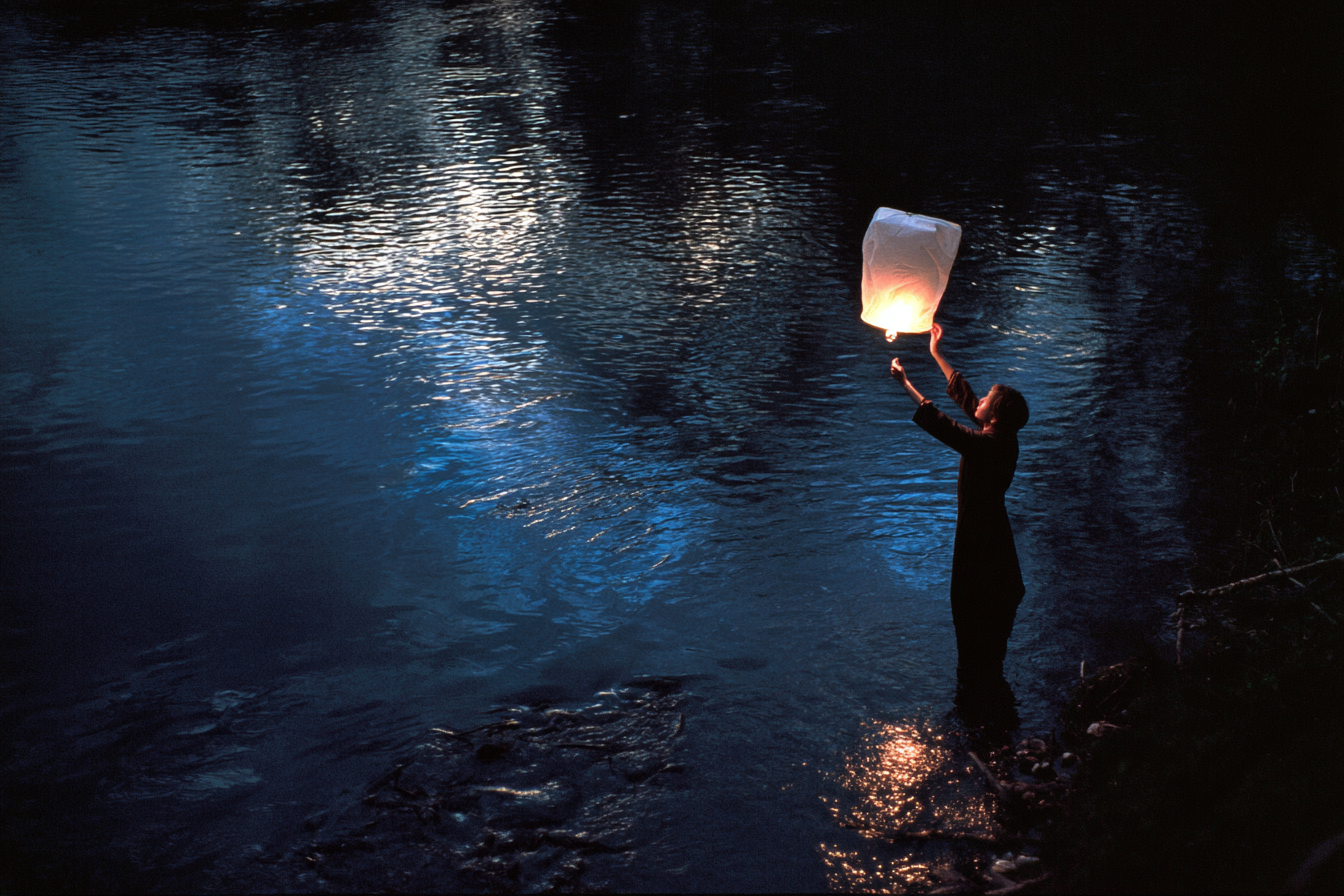
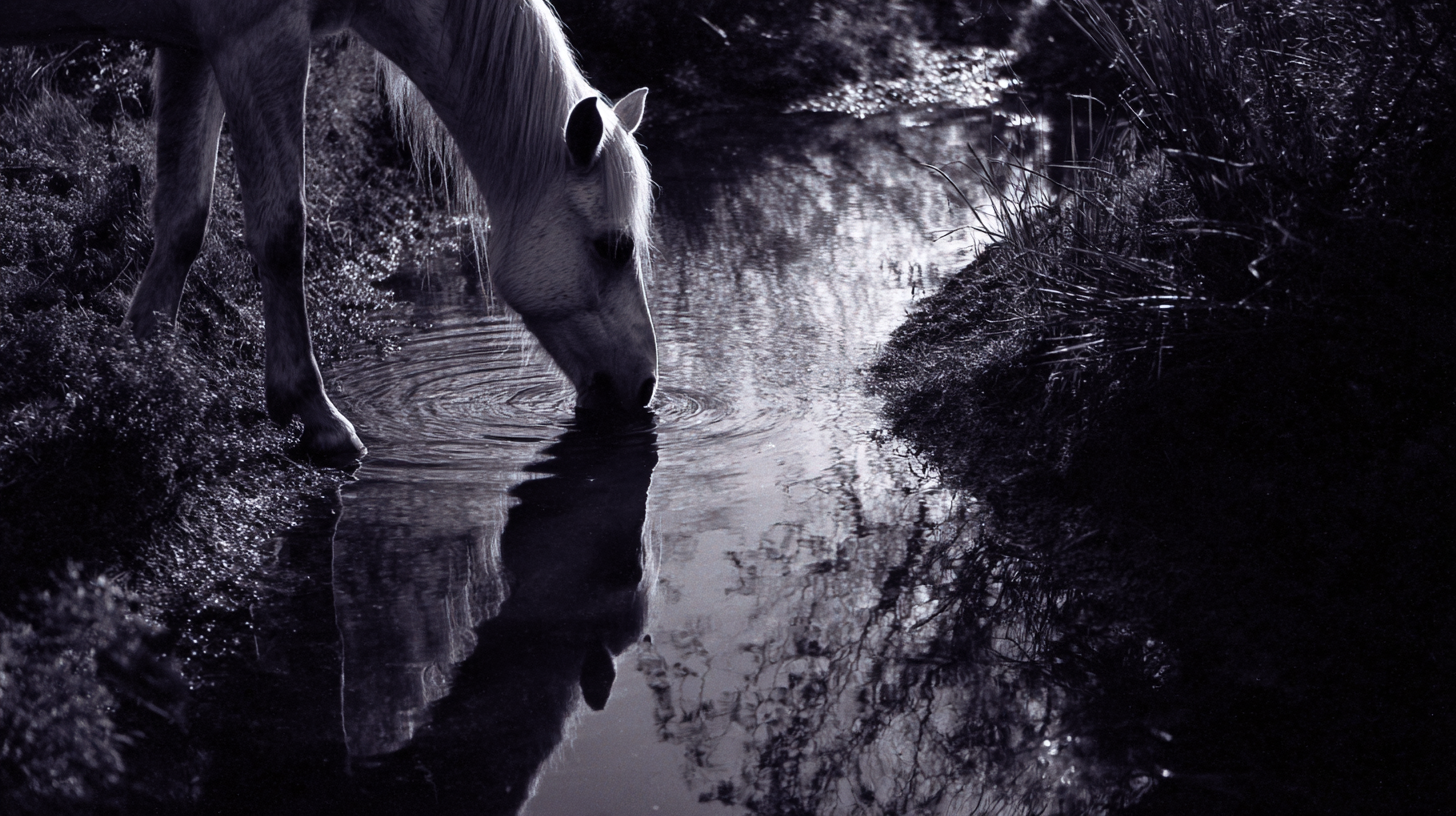
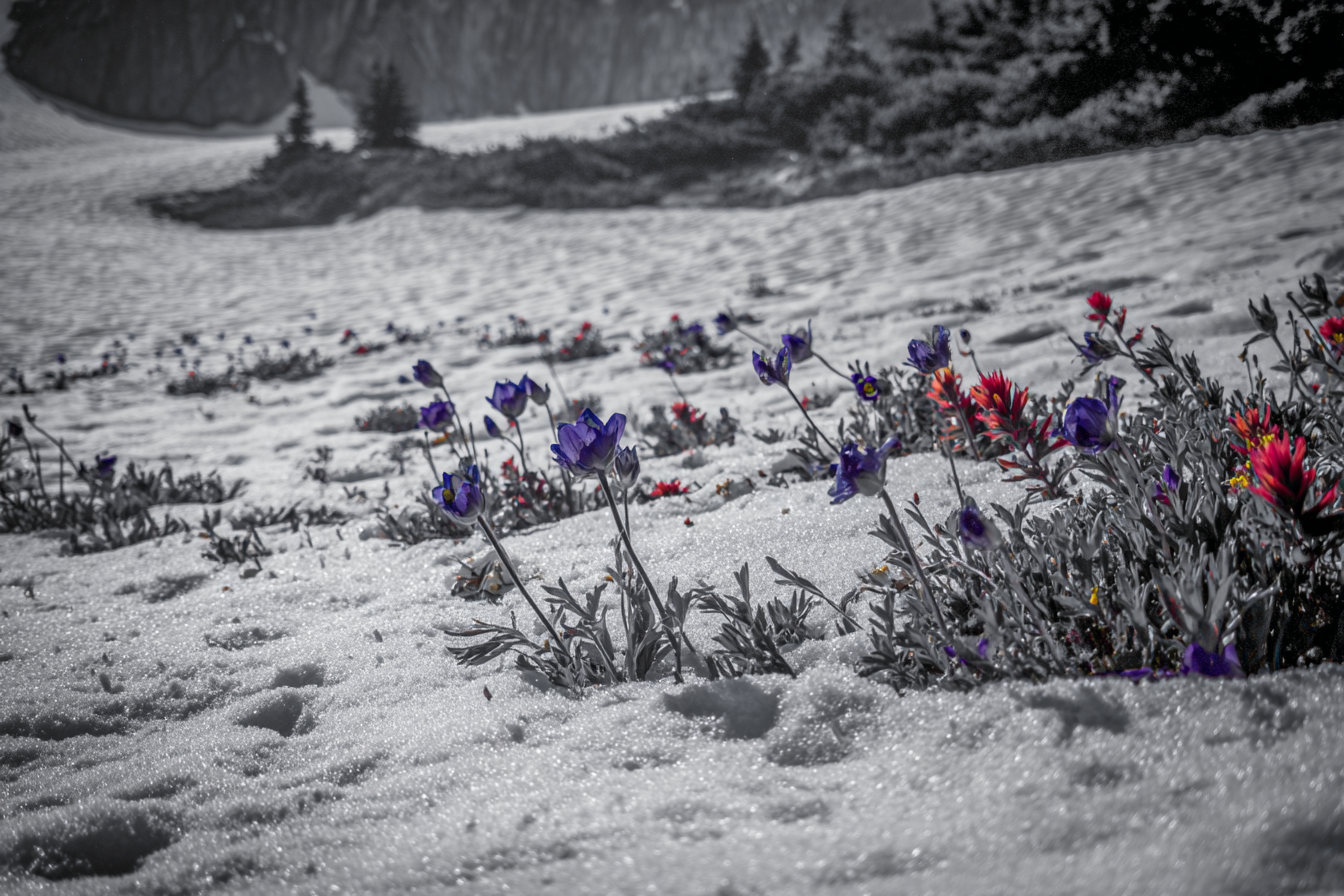
These rare plates mark the final years of Darien Vashti’s travels, when curiosity began to eclipse discipline. For the first time he allowed color to enter his process, testing new mineral emulsions and long exposures that caught the warmth of lanterns, storms, and skin. Some were made among his Romani companions, others in solitude between mountain passes. Together they reveal a gentler side of the master of monochrome — light no longer captured for memory alone, but for wonder.

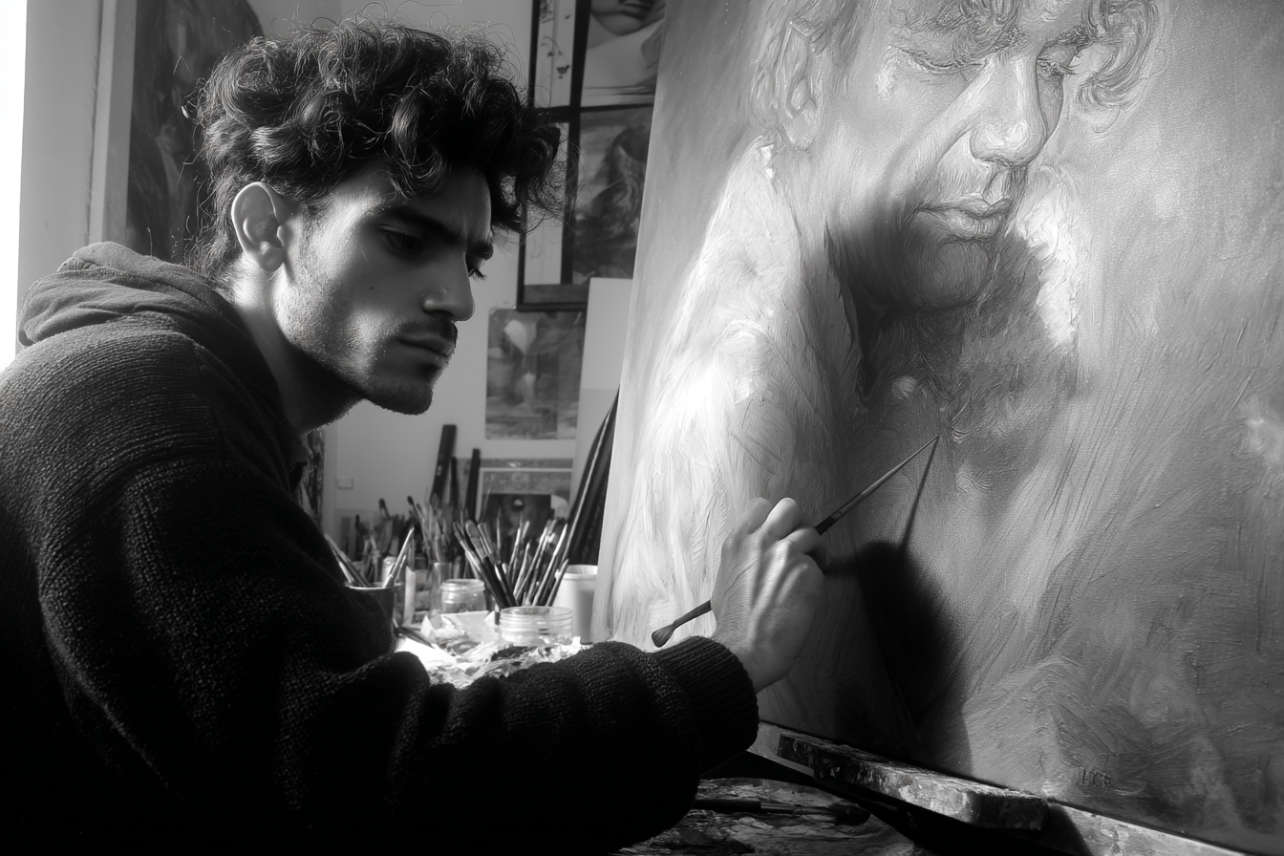
Photos of the Artist — Darien Vashti Collection
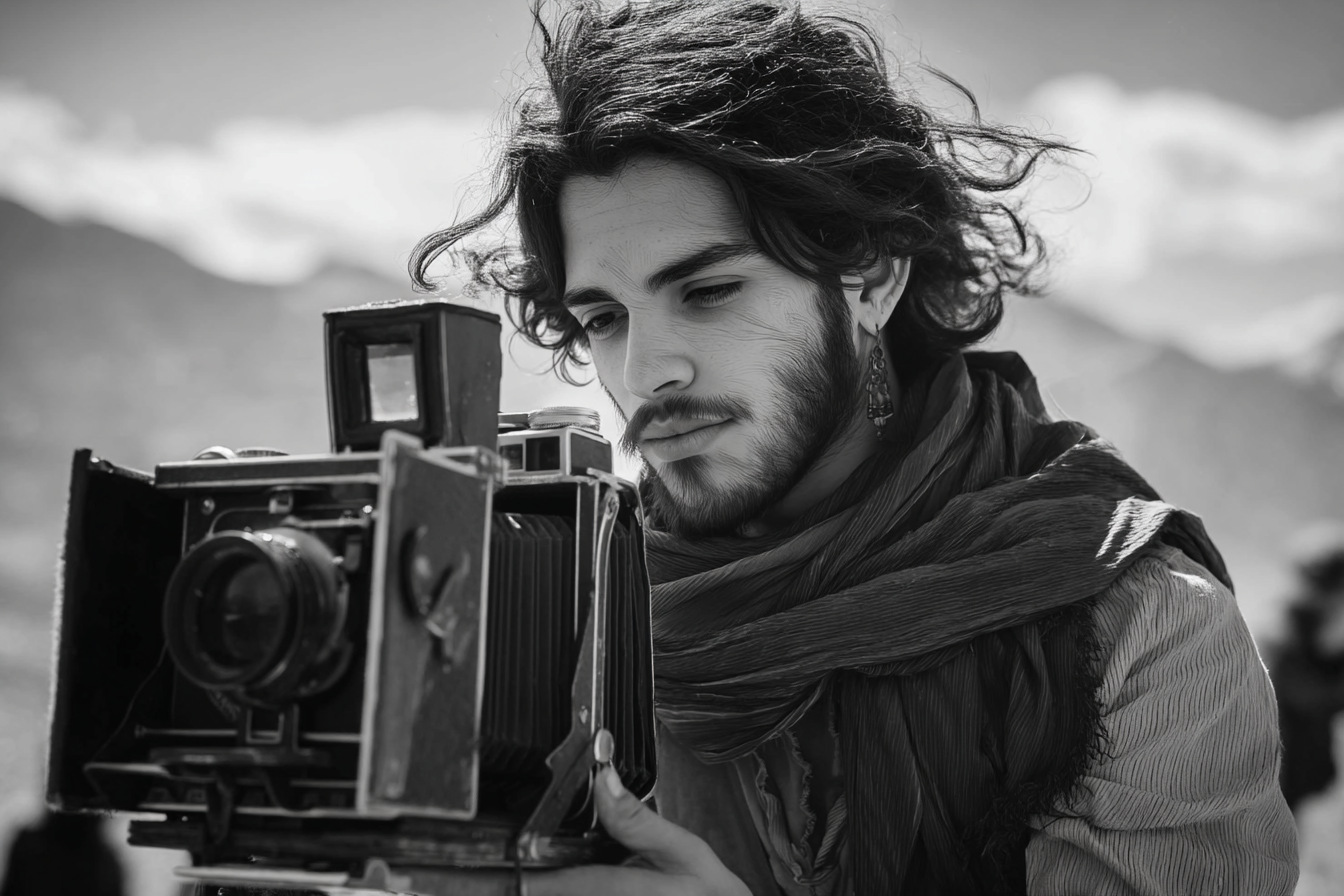
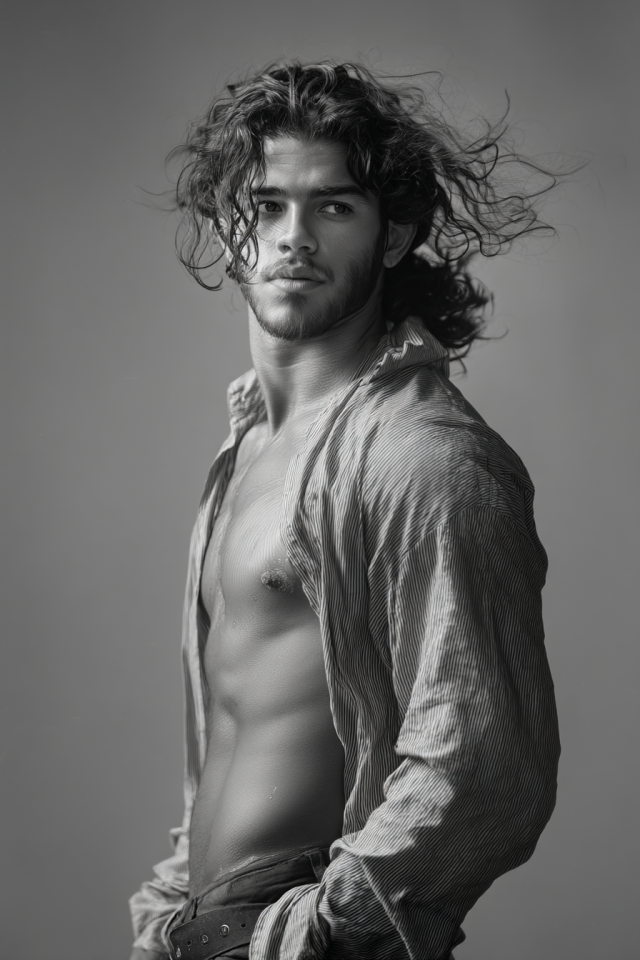
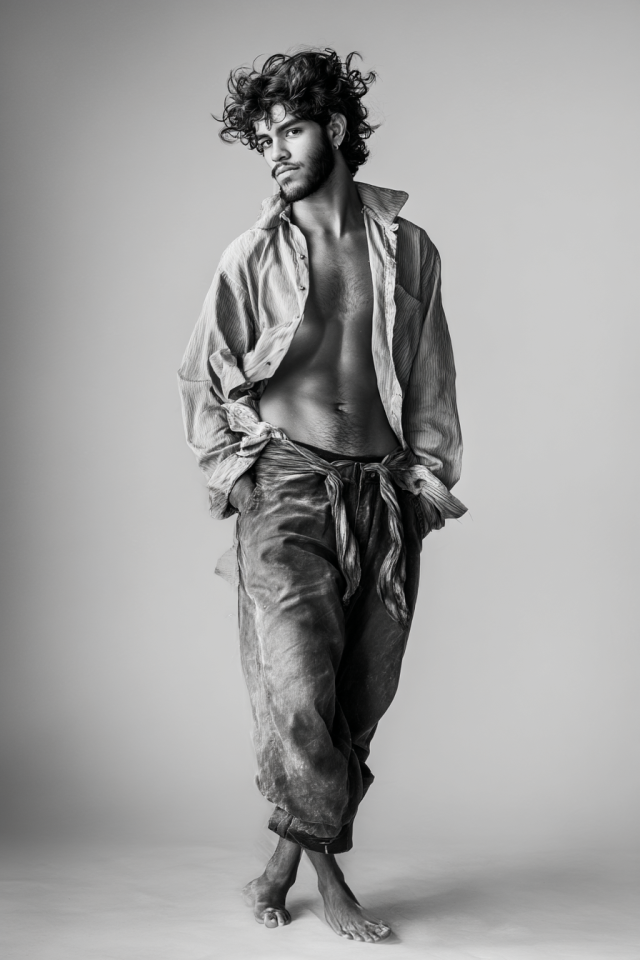
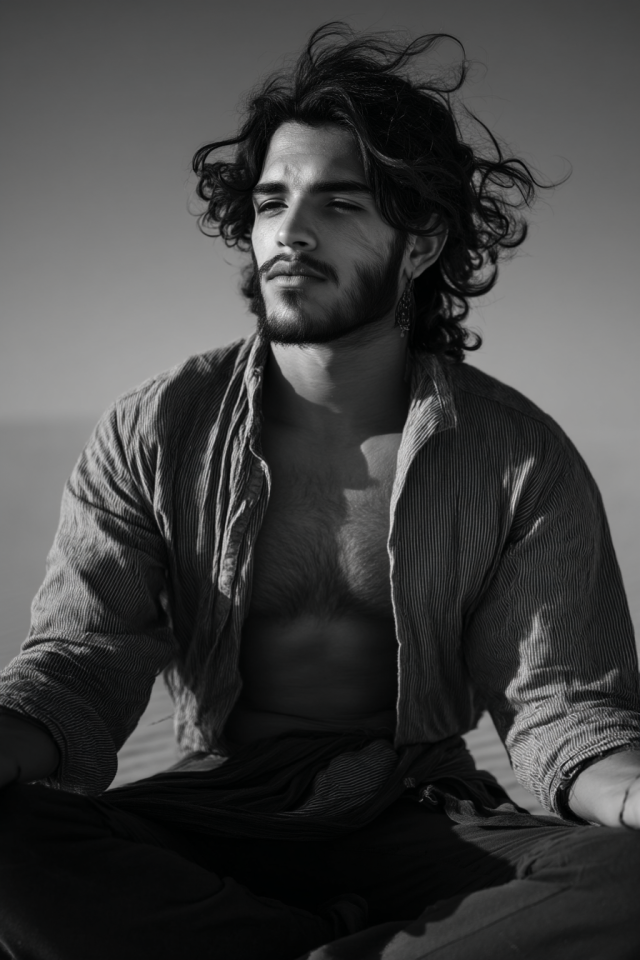
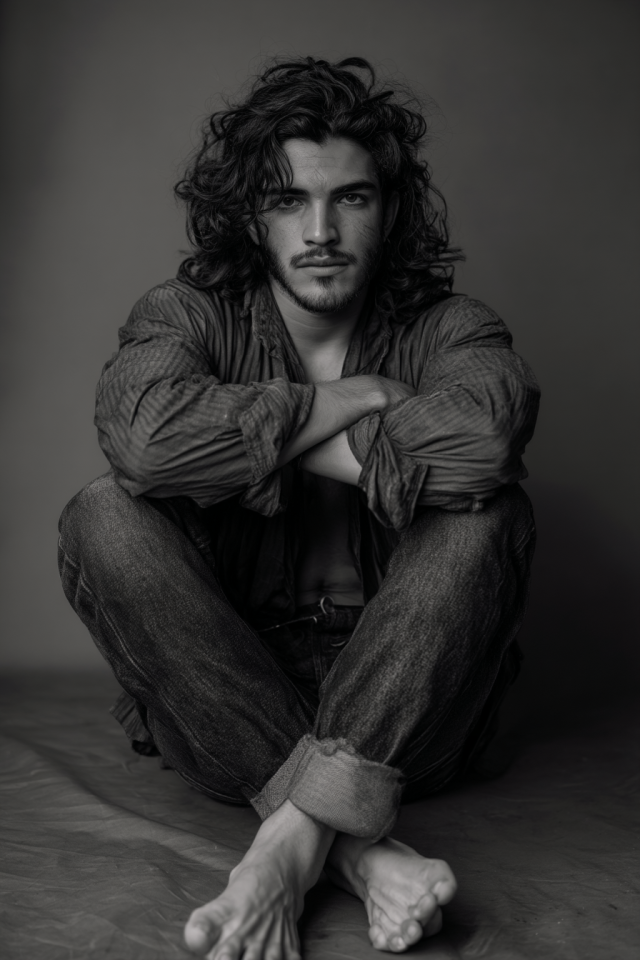
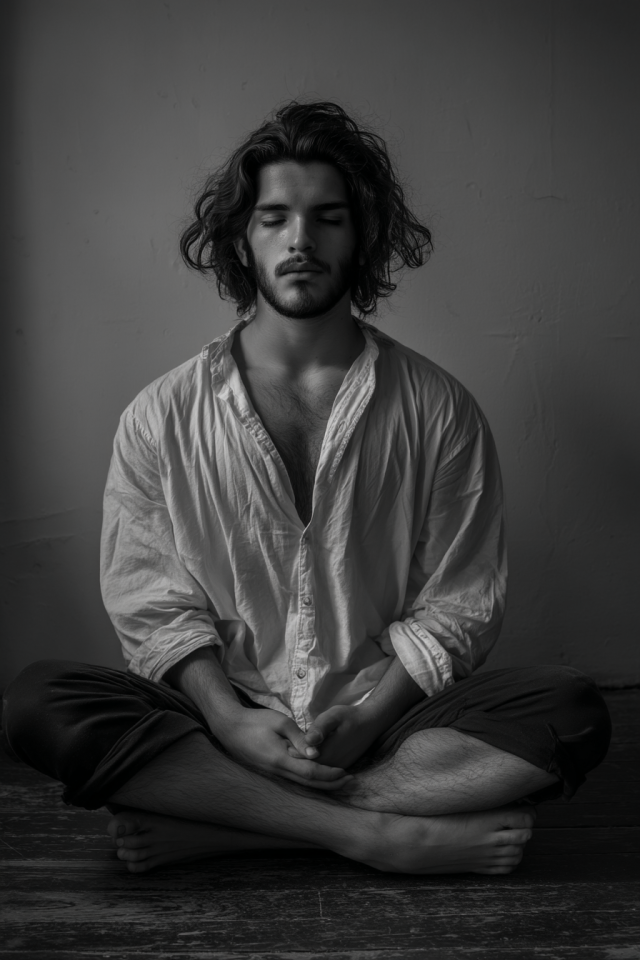
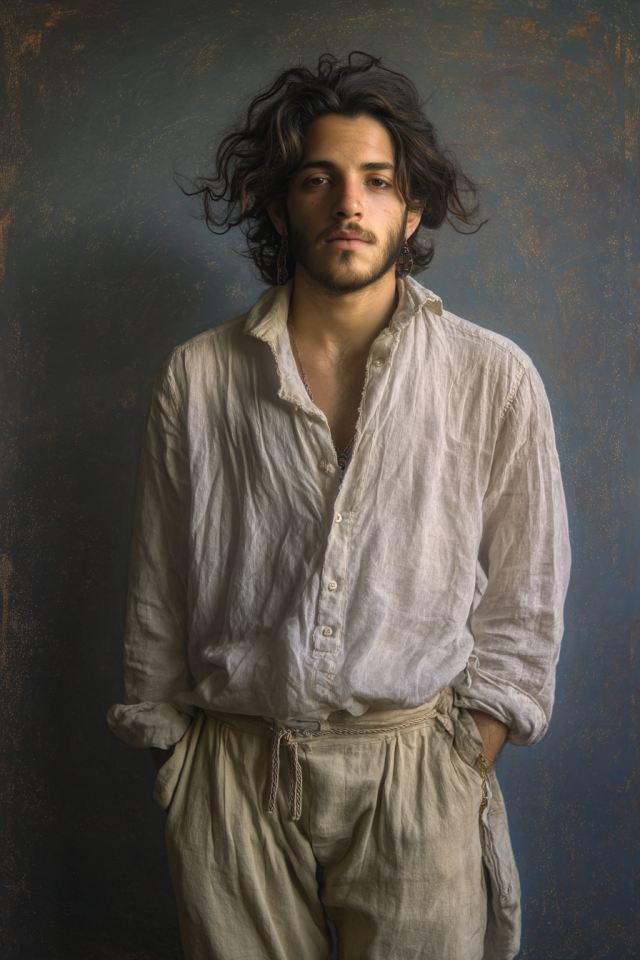


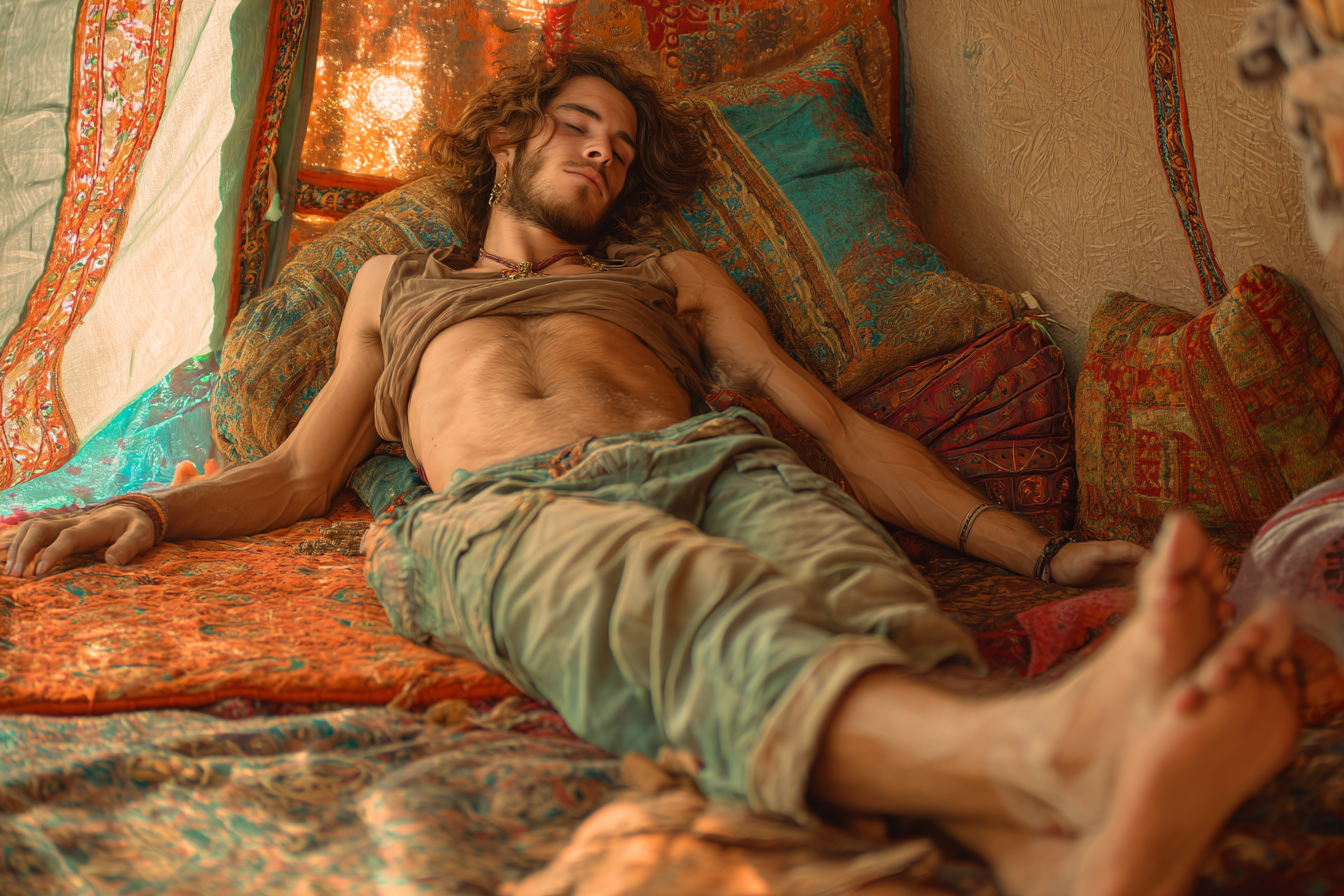

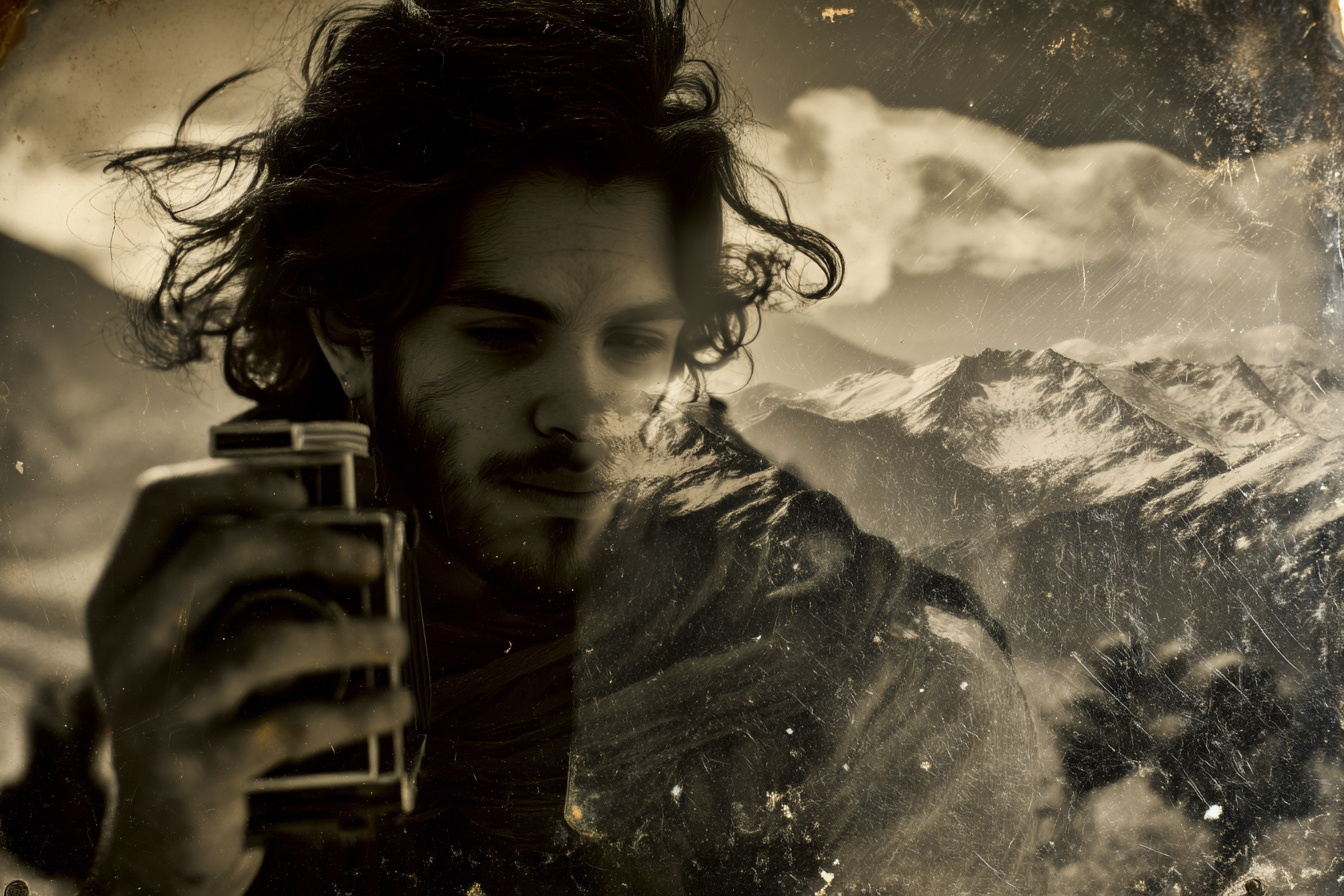
By Amir Qadir al-Rashid
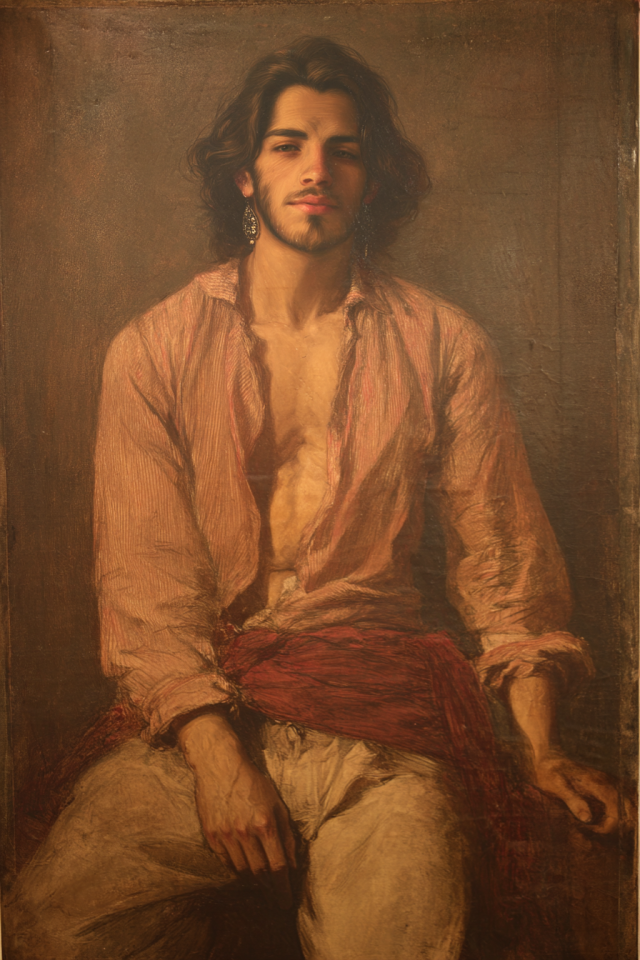
السيّد الشاب للنور
by
Amir Qadir al-Rashid
Young Master of Light (Darien Vashti)
c. 1230 zc
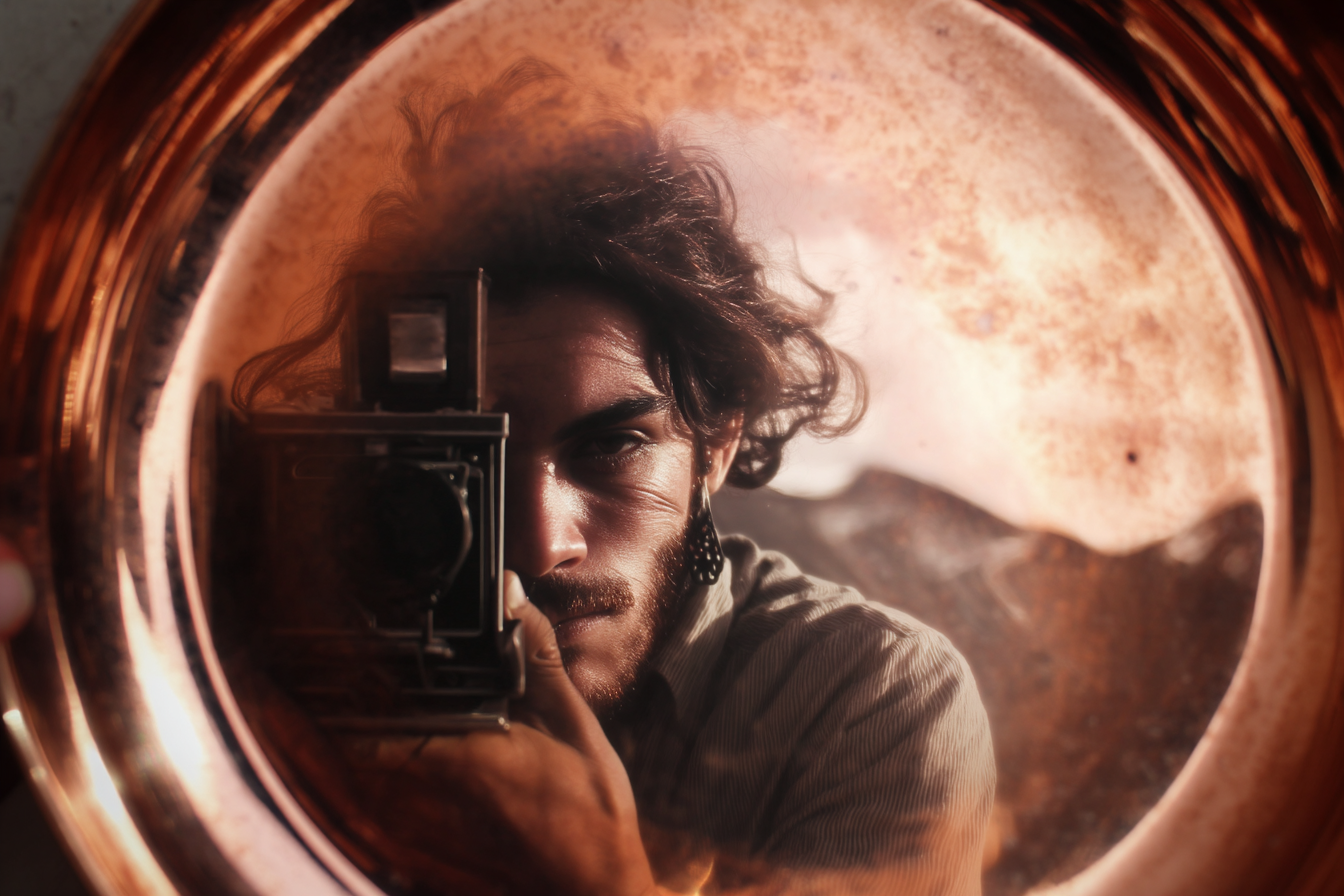
A luminous portrait capturing the young Photographer, Darien Vasht, amid a backdrop of pale stone, his face illuminated by reflected sunlight. The composition balances precision and tenderness—Amir’s geometry softened by human awe.
c. 1230 zc
A luminous portrait capturing the young Photographer, Darien Vasht, amid a backdrop of pale stone, his face illuminated by reflected sunlight. The composition balances precision and tenderness—Amir’s geometry softened by human awe.




Comments