
Citlali Teocuani (seet-LAH-lee teh-oh-KWAH-nee)
The Two-Spirit Master of Stone and Stars
To walk through Citlali’s plazas was to step into a living calendar. Their temples breathed with mathematics, their stairways echoed with solstice light, and every stone they set carried a dialogue between earth and sky. Apprentices described them as austere but luminous — a figure who seemed more devoted to constellations than to human praise.
Biography
Citlali was born in the Oaxaca Valley, at a time when federations were experimenting with civic identity and architectural grandeur. Their family belonged to a lineage of stonemasons who traced their craft back to the builders of Monte Albán. From childhood they showed an unusual ability to memorize star patterns and to reproduce them with pebbles and chalk. Their community recognized this gift as a sign of balance, embracing Citlali’s Two-Spirit identity as an embodiment of harmony between realms. Apprenticed at age ten, Citlali spent long days learning to quarry stone, carve lintels, and set foundations. Yet in the evenings they climbed hills to observe the heavens, sketching how constellations shifted with the seasons. By their teens they were already proposing designs that aligned temples with solstice sunrises and civic plazas with lunar phases. Masters alternately dismissed these ideas as fanciful or proclaimed them visionary. Citlali themselves seemed unconcerned, driven less by approval than by the conviction that stone must speak to the stars. Their first major commission came in their twenties: a civic plaza in the Oaxaca highlands. Citlali designed it so that at equinox, the rising sun passed perfectly through a central arch, casting a line of light across the floor mosaic. Farmers soon used the plaza as a seasonal marker, planting and harvesting in rhythm with the shadow. The structure became both sacred and practical, an emblem of their philosophy that architecture must unite cosmology with daily life. Over the next two decades Citlali became renowned across Meso. They designed staircases that cast shadows resembling serpents, fountains that reflected lunar crescents, and observatory chambers whose doorways framed specific stars. Their projects were often monumental but never ornamental — every stone served both a symbolic and functional purpose. Unlike other architects who sought grandeur for its own sake, Citlali measured success by whether a plaza could teach farmers when to sow, or whether a temple aligned a community with the cosmos. Citlali’s personal life was marked by serenity and restraint. Though admired for their beauty and intensity, they rarely engaged in fleeting relationships. Instead, they formed a handful of profound bonds across their lifetime, each one nurtured over years of trust and companionship. Many described them as demiromantic and largely asexual, channeling their passion into architecture rather than physical desire. Yet their closest companions — apprentices, fellow philosophers, and occasionally patrons — spoke of a deep intimacy that transcended conventional categories. Their studio reflected this balance. Citlali demanded discipline: apprentices rose before dawn to chart the stars before carving stone. At the same time, they cultivated a spiritual atmosphere, leading meditations on geometry and reciting poems about the heavens. To work under Citlali was to inhabit a rhythm of sky and stone, body and cosmos. Many apprentices described their teaching as transformative, a discipline that reshaped not just craft but identity. Despite their fame, Citlali remained humble and detached from politics. They refused lavish commissions that prioritized spectacle, preferring projects that served communal life. This often put them at odds with wealthy patrons, but their reputation for cosmic precision made them difficult to ignore. In time, federations courted them not only as an architect but as a philosopher whose works embodied civic and spiritual balance. Their final years were spent at Teotihuacan, where they oversaw the restoration and expansion of ancient plazas. There, Citlali created their most ambitious project: a temple whose stairways aligned with the solstice and whose windows framed both Venus and the Pleiades. At the end, while supervising its construction, they collapsed from exhaustion. Apprentices later reported that the last words they uttered were: “The stars will finish what I cannot.”Legacy
Citlali Teocuani is remembered as the Two-Spirit Master of Stone and Stars — a visionary who bridged precolonial heritage and cooperative innovation. Their plazas remain living calendars, guiding rituals and harvests, and their temples are still studied for their astronomical precision. More than a builder, they were a philosopher of balance, embodying the union of heaven and earth, form and function, body and cosmos. In every stone they set, Citlali left a map to the stars.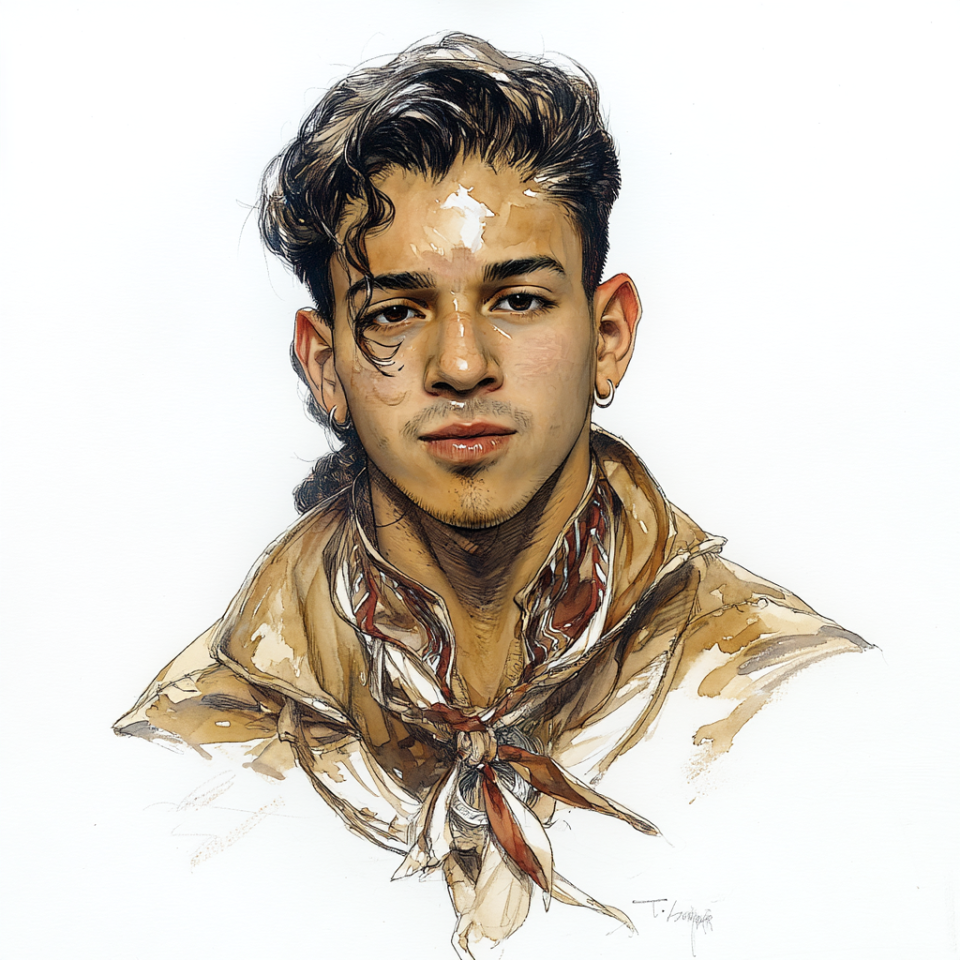
Date of Birth
30 Yūgen 1782 zc (Fiesta)
Date of Death
07 Zhìdé 1844 zc (Reposo)
Life
1782 zc
1844 zc
62 years old
Circumstances of Death
Passed quietly in their sleep surrounded by loved ones.
Birthplace
Oaxaca Valley, Anahuac
Place of Death
Teotihuacan, Anahuac
Children
Belief/Deity
Mexica/Aztec Two-Spirit builder–astronomer; harmonizes cosmic duality and creative craft.
Other Affiliations
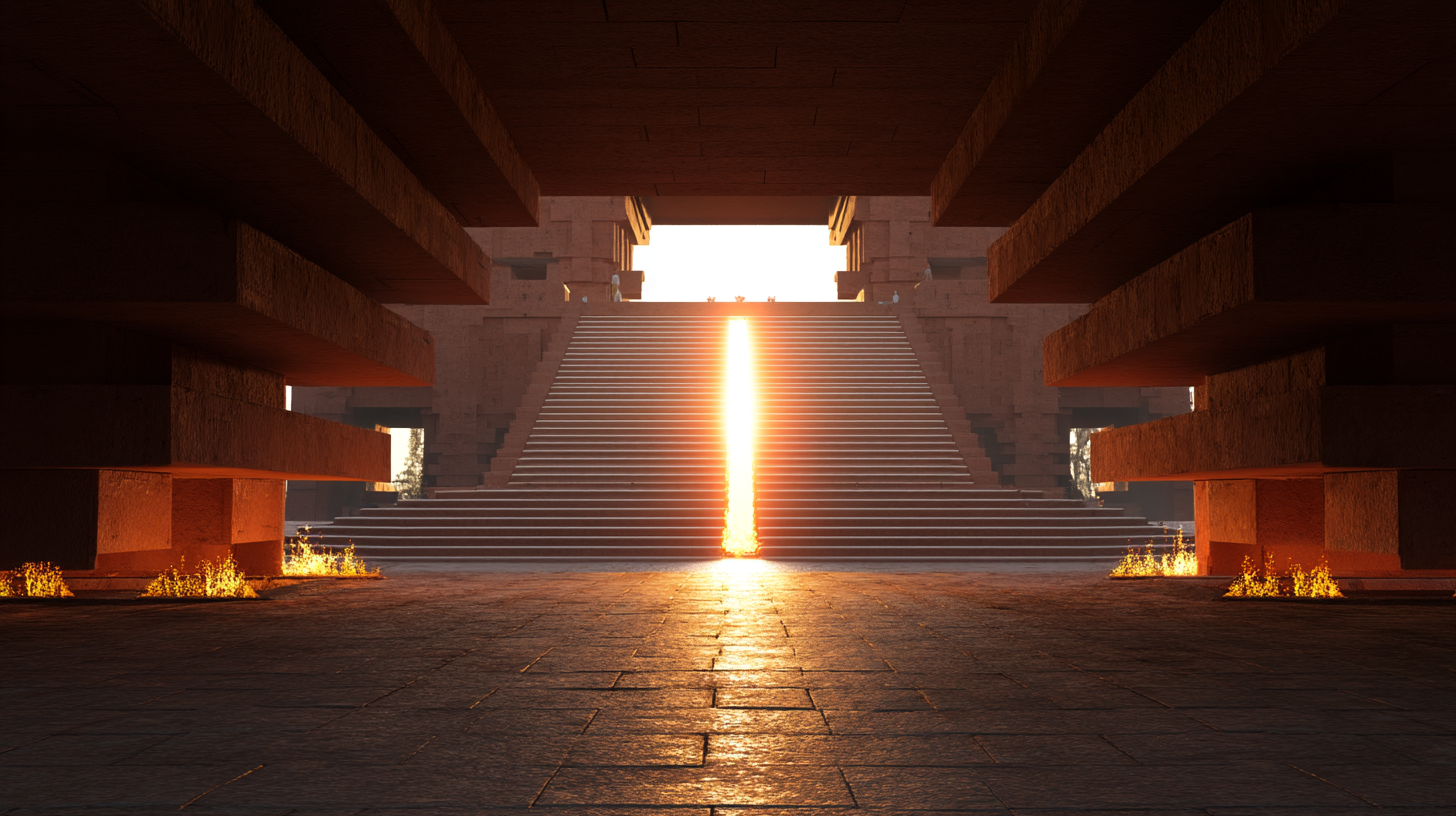
In Tlāltikpak Tonatiuh
by
Citlali Teocuani
Sun upon the Earth
c. 1805 zc
A temple stairway aligned so the rising sun passes through its central arch at equinox, casting a line of fire across the plaza floor.
c. 1805 zc
A temple stairway aligned so the rising sun passes through its central arch at equinox, casting a line of fire across the plaza floor.
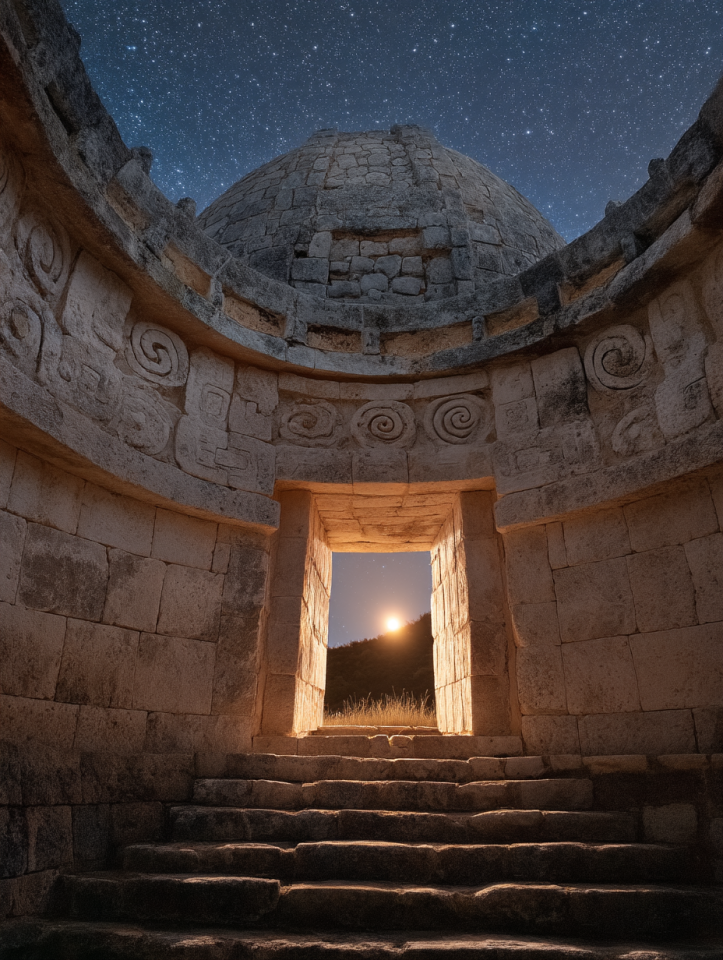
Yohualli Calli
by
Citlali Teocuani
House of Night
c. 1810 zc
A stone observatory chamber with a doorway framing Venus at dawn, its walls carved with lunar spirals and constellations.
c. 1810 zc
A stone observatory chamber with a doorway framing Venus at dawn, its walls carved with lunar spirals and constellations.
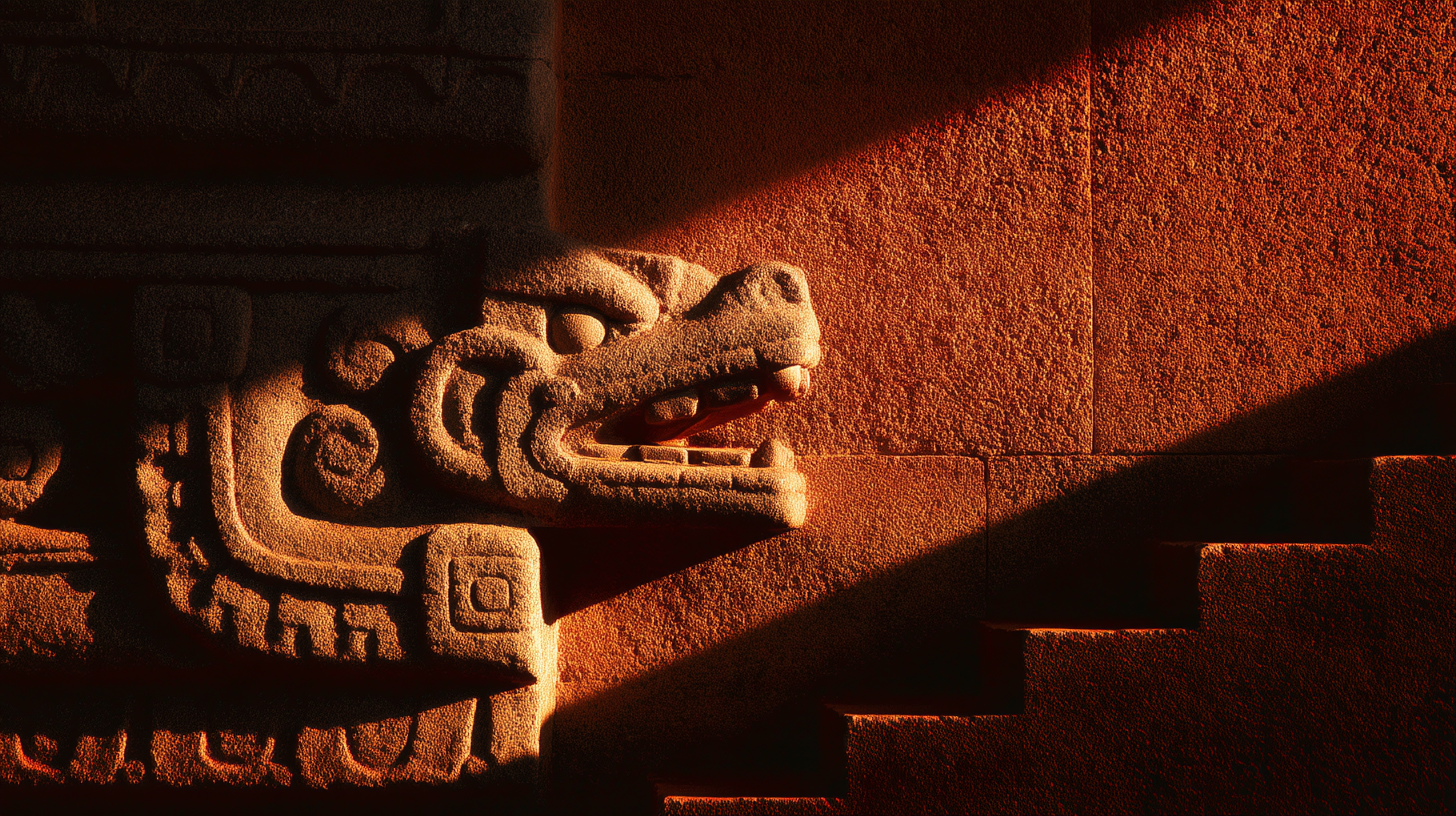
Chīchīltik Coātl
by
Citlali Teocuani
The Serpent in Red Light
c. 1814 zc
A monumental staircase that casts the shadow of a feathered serpent during equinox, merging myth with astronomy.
c. 1814 zc
A monumental staircase that casts the shadow of a feathered serpent during equinox, merging myth with astronomy.
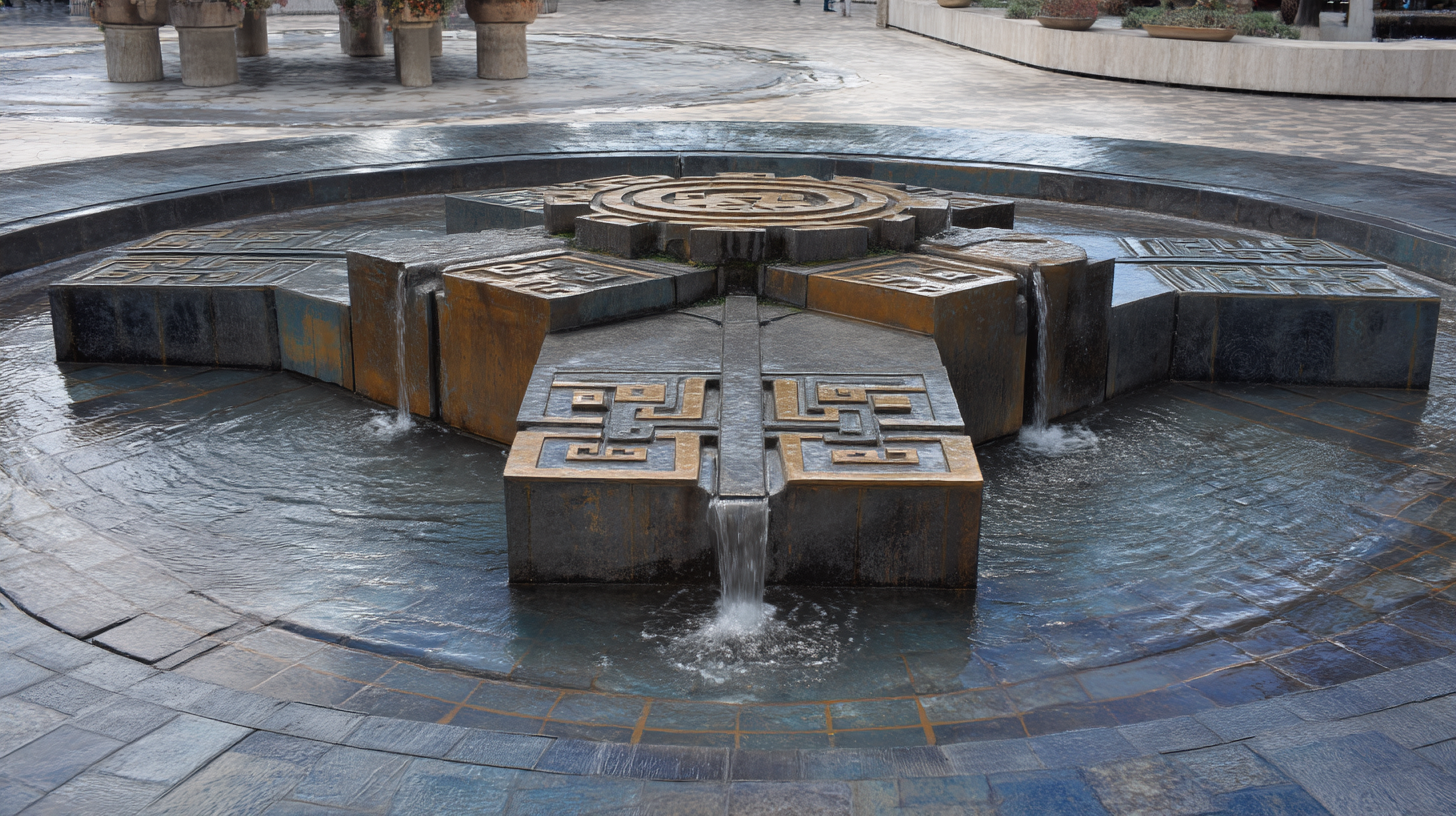
Atl-Ichpokatl
by
Citlali Teocuani
Fountain of the Four Directions
c. 1818 zc
A civic fountain carved to flow in four streams, each aligned to a cardinal direction, symbolizing balance of cosmos and earth.
c. 1818 zc
A civic fountain carved to flow in four streams, each aligned to a cardinal direction, symbolizing balance of cosmos and earth.
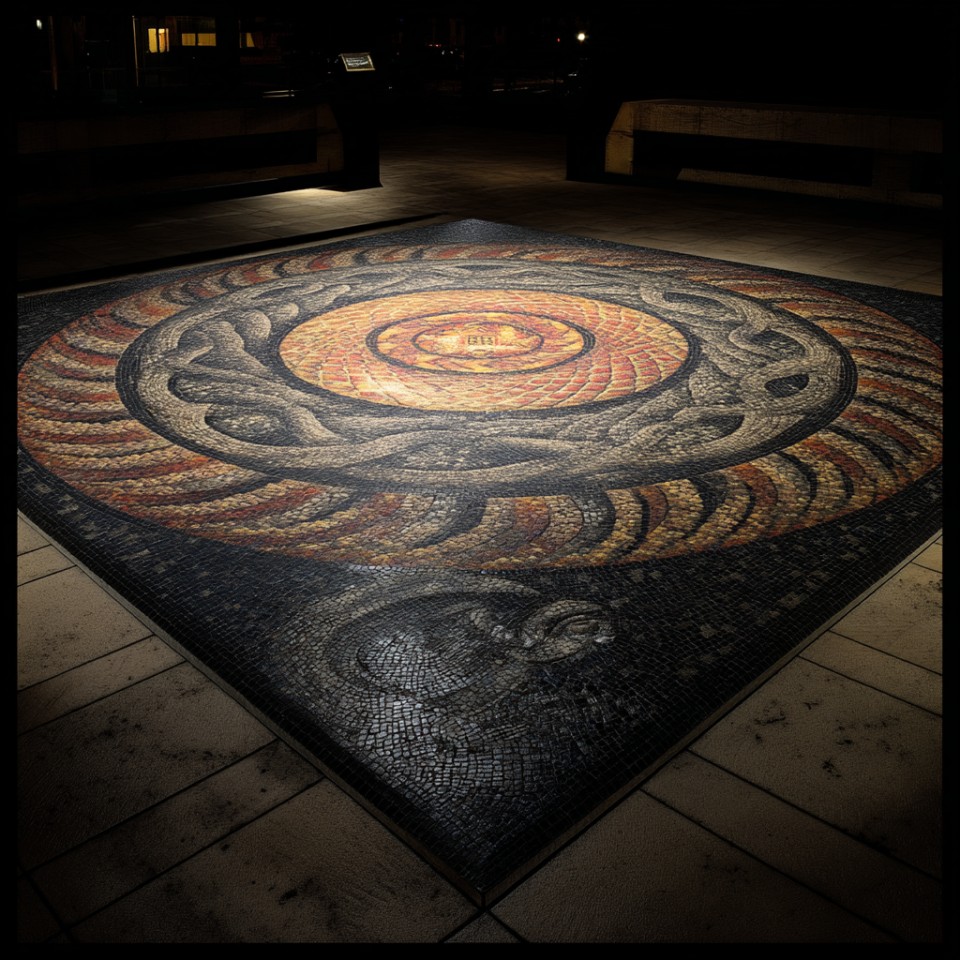
Mikiztli Tlālōkān
by
Citlali Teocuani
The Death and Rain Court
c. 1820 zc
A plaza mosaic of serpent scales spiraling outward, representing renewal through death and rain cycles.
c. 1820 zc
A plaza mosaic of serpent scales spiraling outward, representing renewal through death and rain cycles.
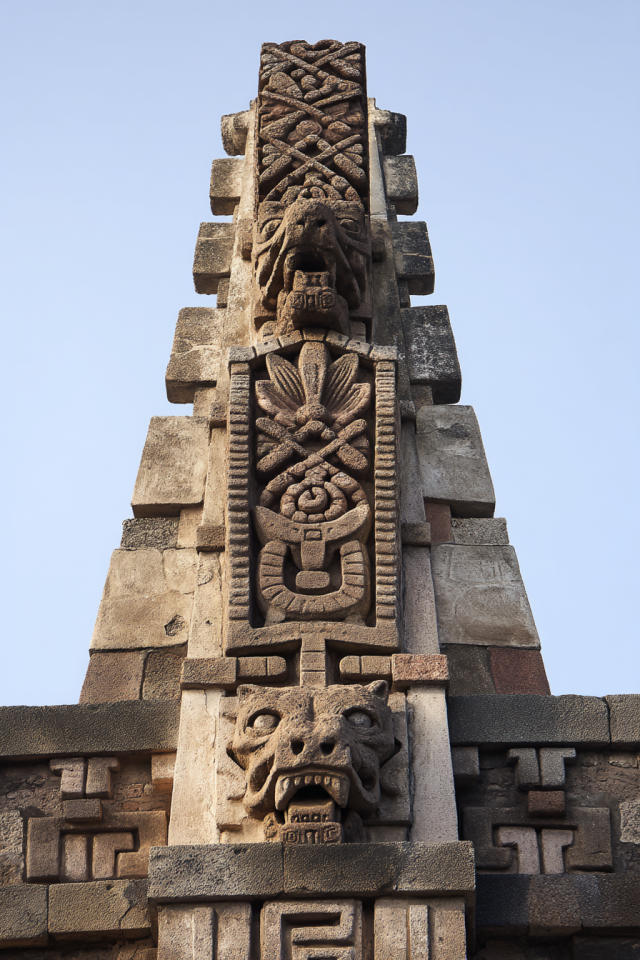
Ocelotl Huēyi Calli
by
Citlali Teocuani
House of the Jaguar
c. 1822 zc
A temple spire carved with jaguar reliefs, aligned with Orion’s belt, its presence fierce yet precisely ordered.
c. 1822 zc
A temple spire carved with jaguar reliefs, aligned with Orion’s belt, its presence fierce yet precisely ordered.
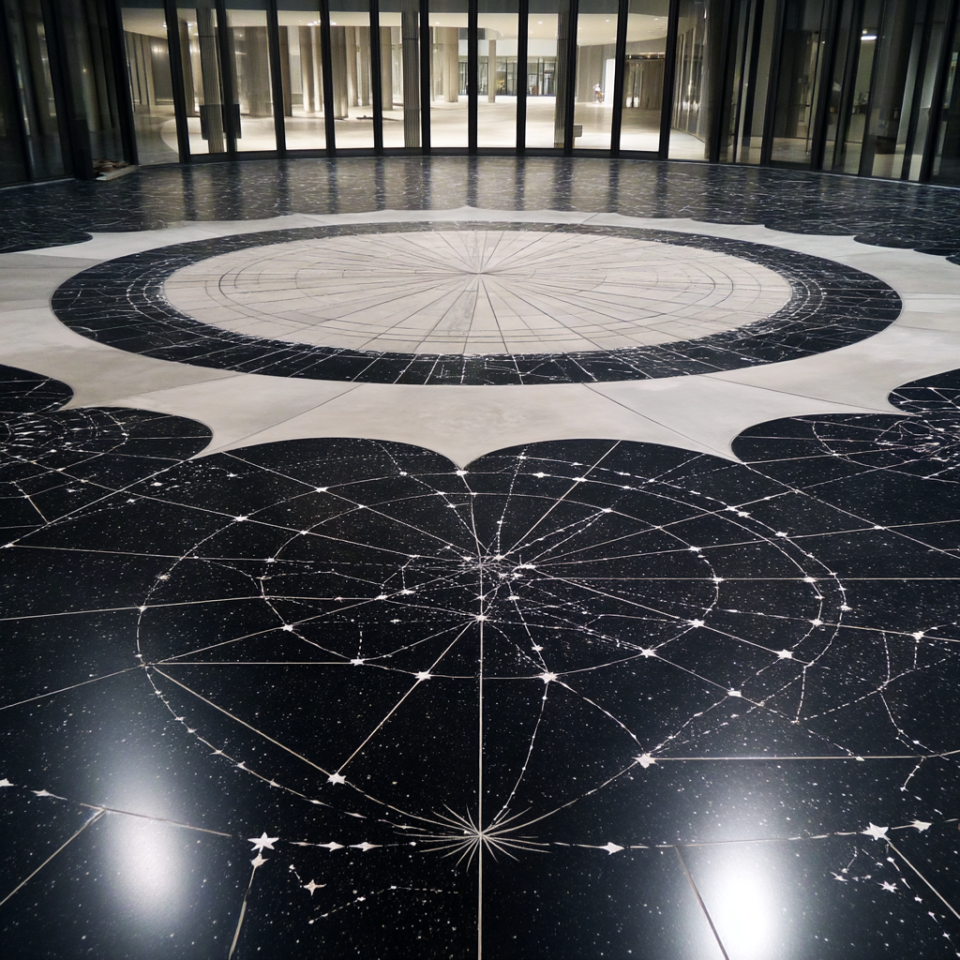
Tlāzohkamati Cemanāhuac
by
Citlali Teocuani
Gratitude of the World
c. 1825 zc
A civic plaza floor designed as a vast star map, constellations inlaid with polished obsidian and white limestone.
c. 1825 zc
A civic plaza floor designed as a vast star map, constellations inlaid with polished obsidian and white limestone.
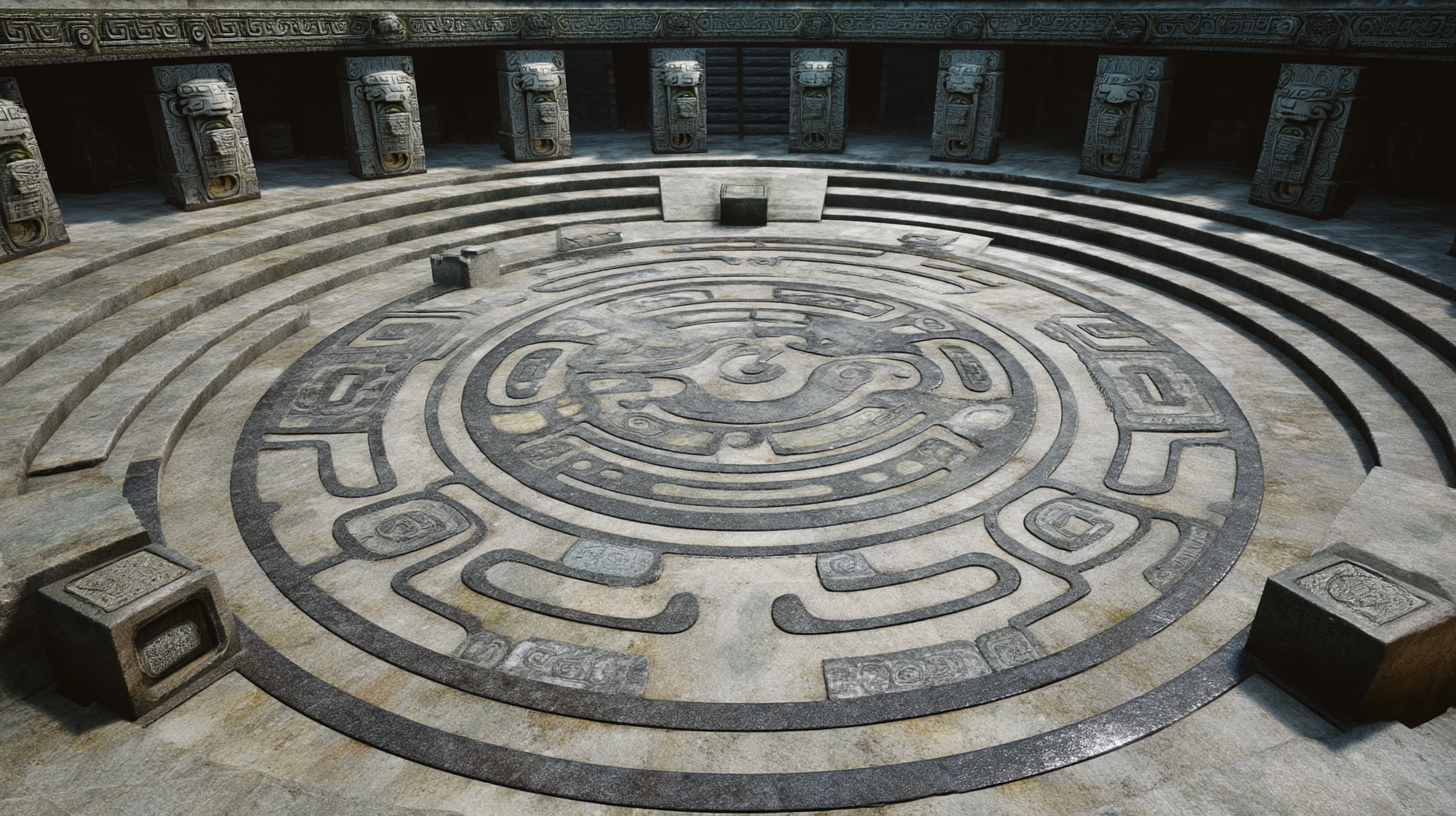
Yohualli Tepetl
by
Citlali Teocuani
The Mountain of Night
c. 1828 zc
A temple courtyard engraved with spiral glyphs of time, each step resonating with lunar cycles.
c. 1828 zc
A temple courtyard engraved with spiral glyphs of time, each step resonating with lunar cycles.
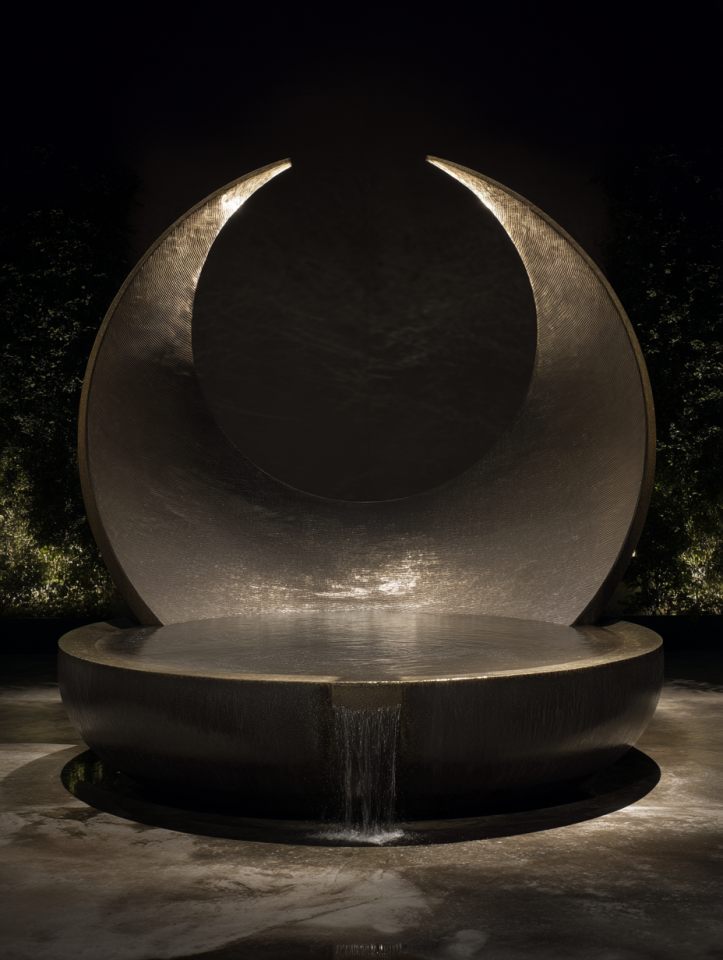
Iztac Atl
by
Citlali Teocuani
The White Waters
c. 1830 zc
A fountain basin polished to mirror the crescent moon, so water and sky became indistinguishable at night.
c. 1830 zc
A fountain basin polished to mirror the crescent moon, so water and sky became indistinguishable at night.
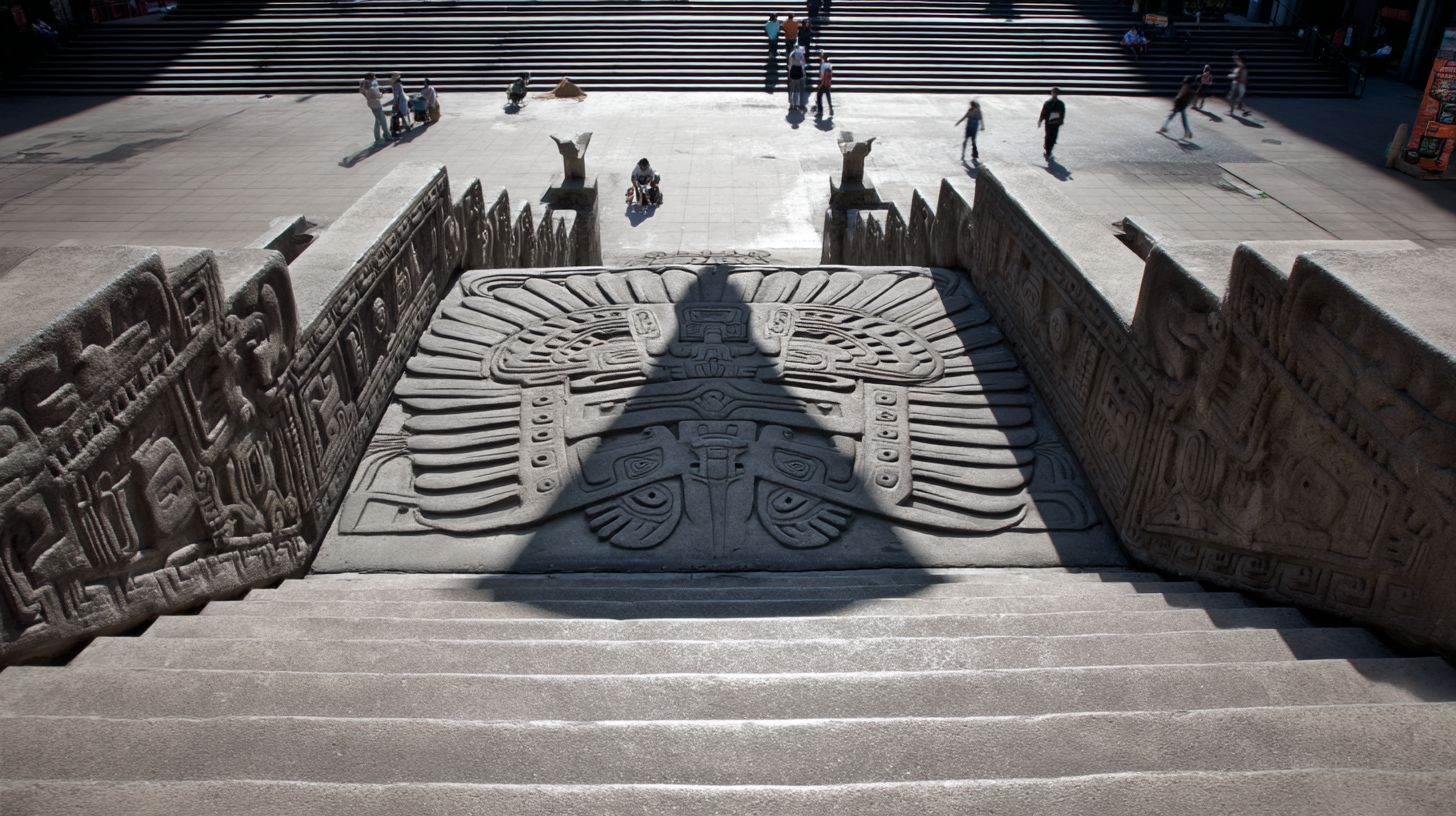
Xochitl Cuauhtli
by
Citlali Teocuani
The Flowering Eagle
c. 1832 zc
A plaza stairway with carved eagle glyphs, shadowed at noon to create the image of outstretched wings across the square.
c. 1832 zc
A plaza stairway with carved eagle glyphs, shadowed at noon to create the image of outstretched wings across the square.
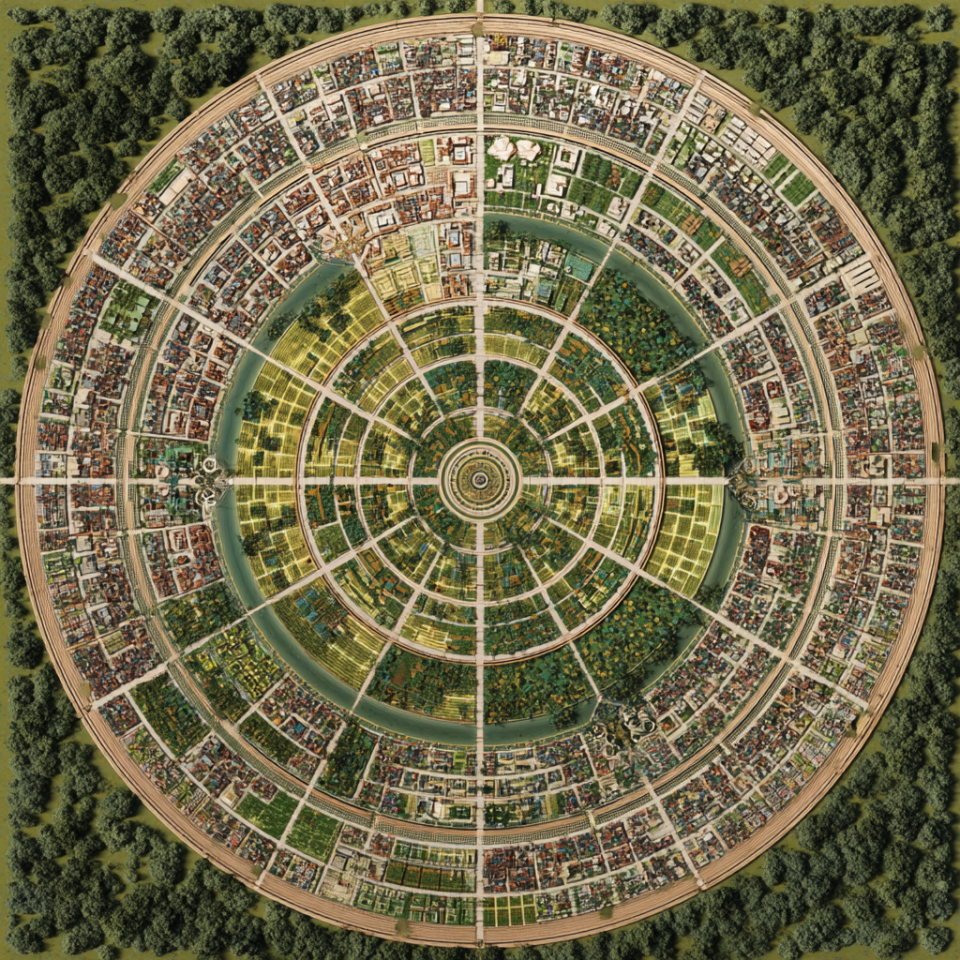
Tonalmachiotl Calli
by
Citlali Teocuani
The House of the Calendar
c. 1834 zc
A city plan designed as a living mandala calendar, with districts aligned to the agricultural and solar cycles.
c. 1834 zc
A city plan designed as a living mandala calendar, with districts aligned to the agricultural and solar cycles.
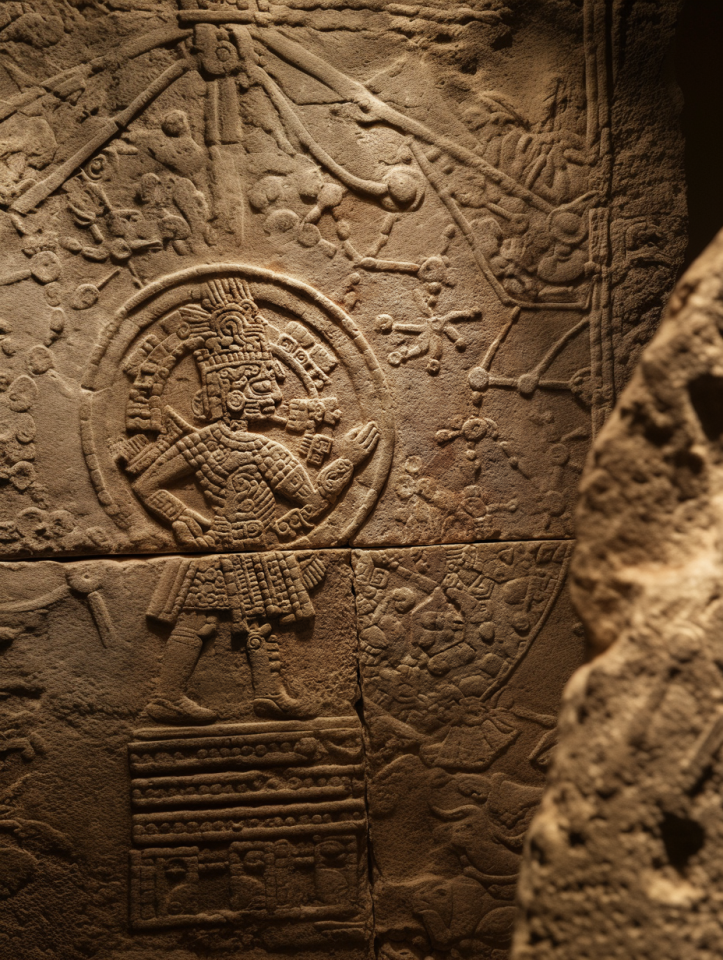
Cihuatl Citlalin
by
Citlali Teocuani
The Star Woman
c. 1836 zc
A temple wall relief depicting constellations as human figures, each star aligned to seasonal crop cycles.
c. 1836 zc
A temple wall relief depicting constellations as human figures, each star aligned to seasonal crop cycles.
Yohualli Itzcuintli
by
Citlali Teocuani
Dog of the Night
c. 1838 zc
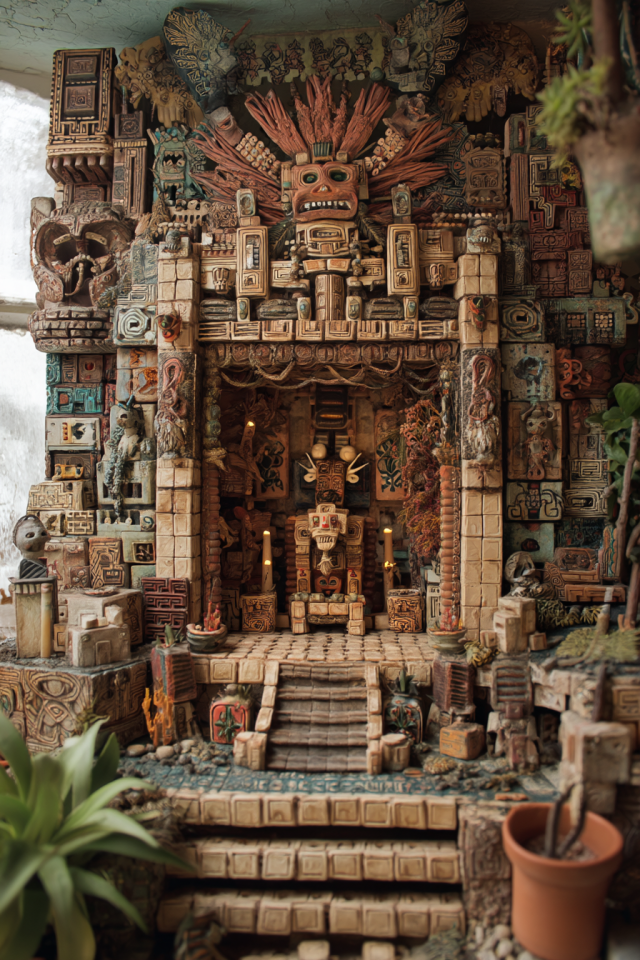
A small but intricate shrine to Xolotl, aligned so Sirius appears at its threshold during festivals of the dead.
c. 1838 zc
A small but intricate shrine to Xolotl, aligned so Sirius appears at its threshold during festivals of the dead.
Coatlapan Teōtl
by
Citlali Teocuani
The Serpent’s Heaven
c. 1840 zc
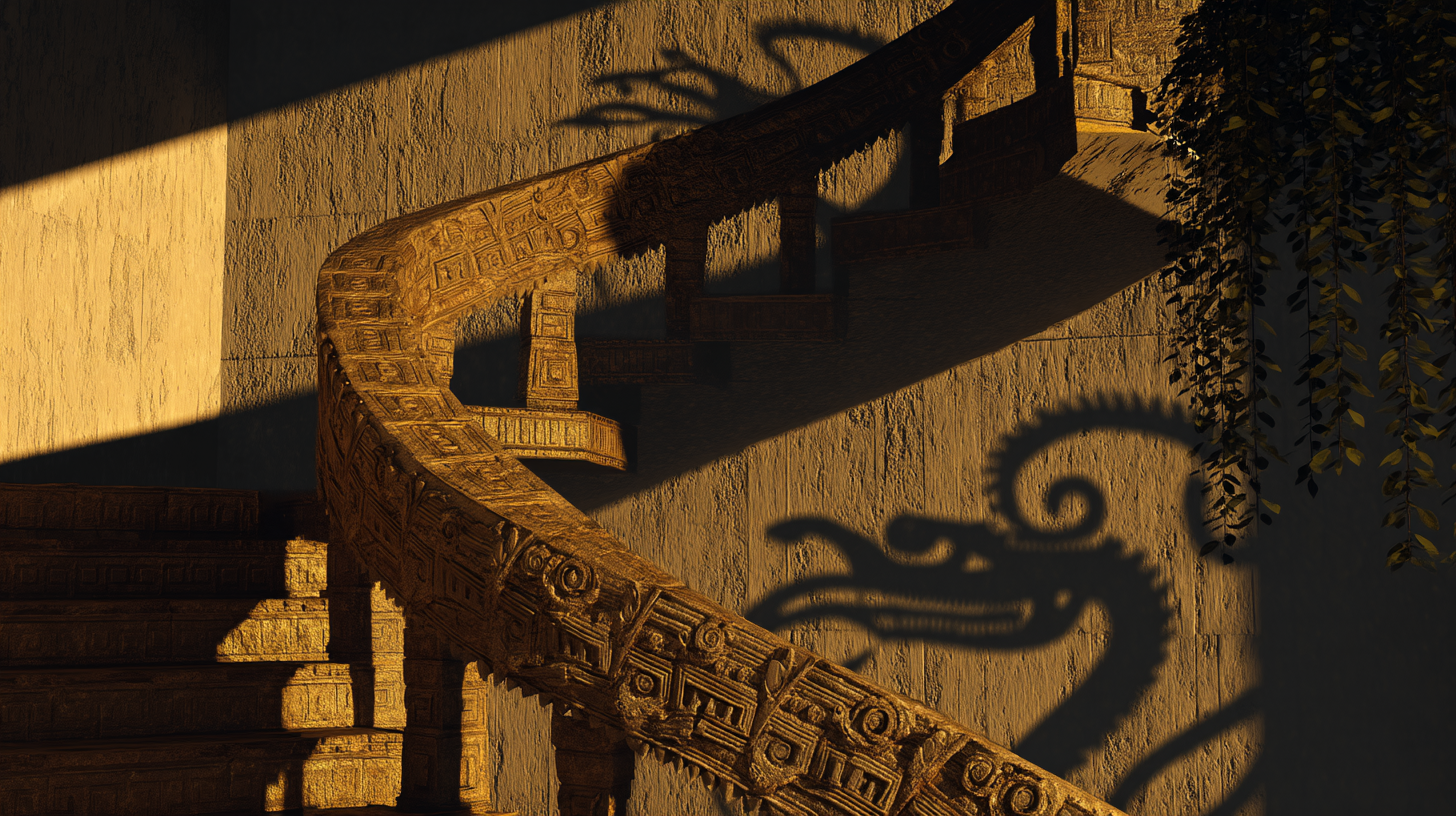
A massive dual stairway designed so opposing shadows of serpents appear at solstice, symbolizing duality and balance.
c. 1840 zc
A massive dual stairway designed so opposing shadows of serpents appear at solstice, symbolizing duality and balance.
Xochitl Tonatiuh
by
Citlali Teocuani
Flower of the Sun
c. 1844 zc
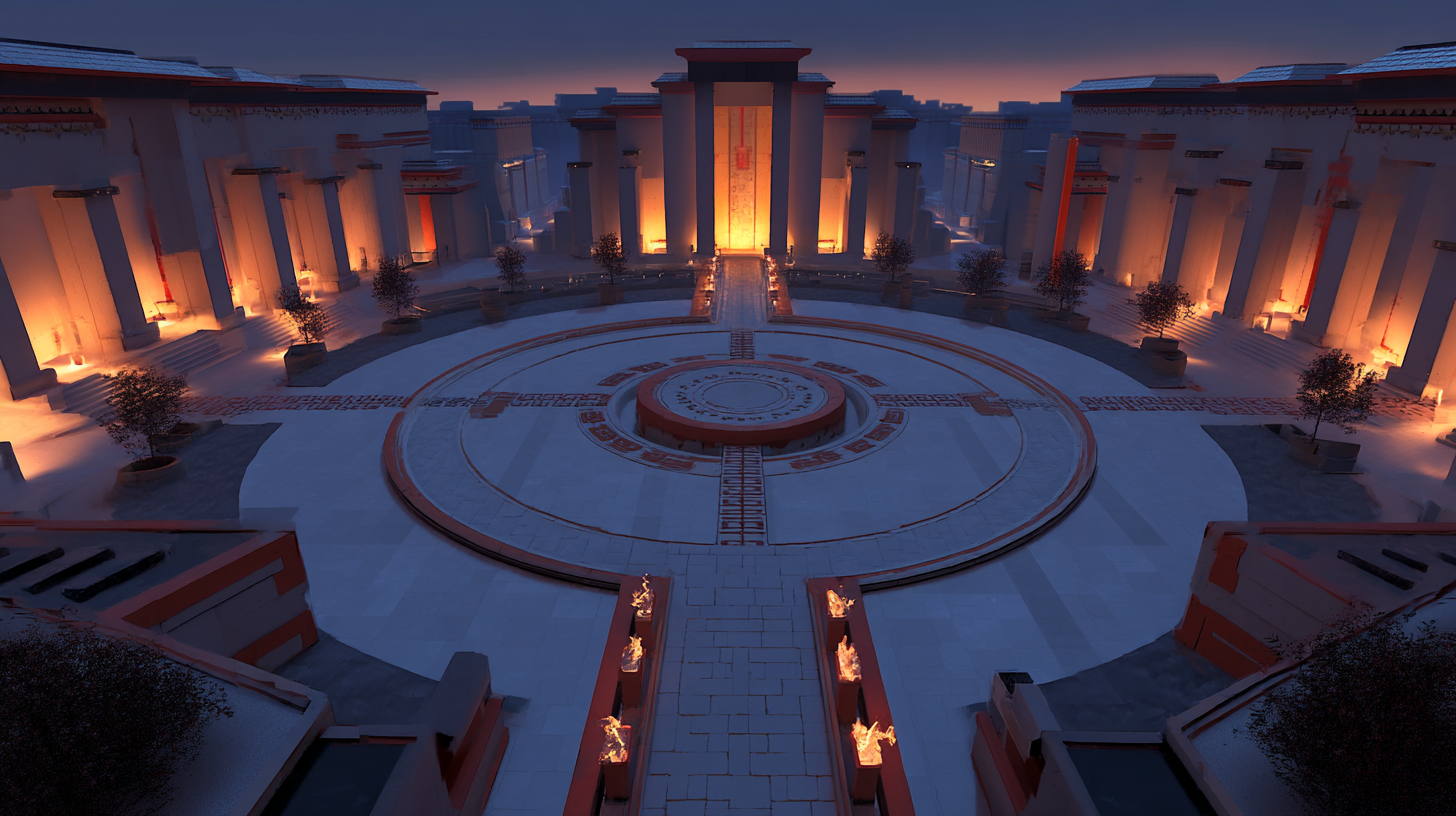
Their final plaza: a circular open court with torch-lit pillars, designed so the setting solstice sun filled it with fire and shadow. Completed by apprentices after their death.
c. 1844 zc
Their final plaza: a circular open court with torch-lit pillars, designed so the setting solstice sun filled it with fire and shadow. Completed by apprentices after their death.
Templo de Xochipilli
by
Citlali Teocuani
Temple of Xochipilli
c. 1839 zc
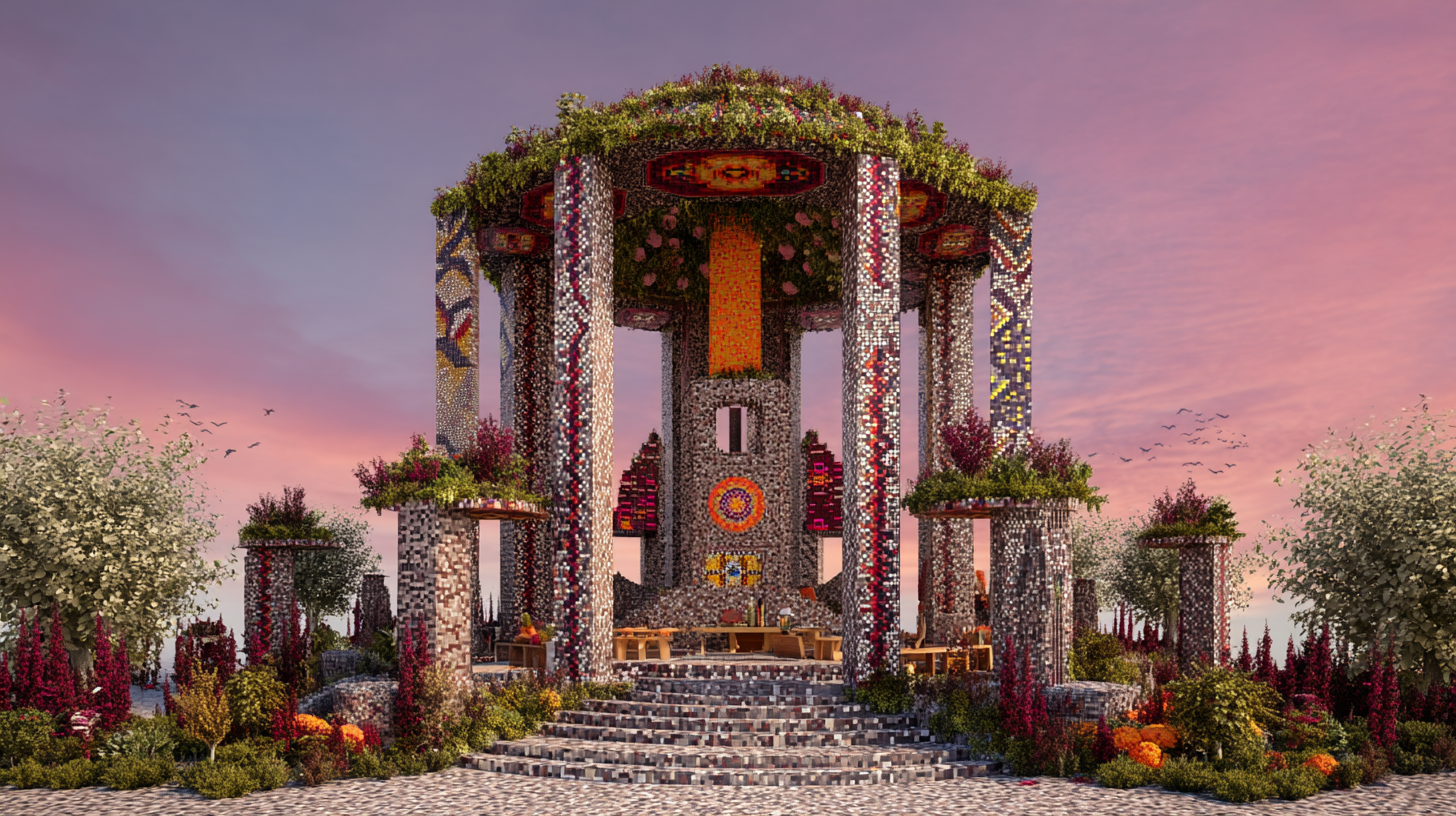
A stone temple to Xochipili adorned with floral and musical mosaics, aligned to solstice sunrise. Designed as a sacred space for lovers of joy and renewal, where art, agriculture, and divinity intertwine. Meso influences.
c. 1839 zc
A stone temple to Xochipili adorned with floral and musical mosaics, aligned to solstice sunrise. Designed as a sacred space for lovers of joy and renewal, where art, agriculture, and divinity intertwine. Meso influences.




Comments