Celtic / Druidry (KEL-tik PAY-guh-nizm / DROO-id-ree)
Celtic Paganism is a polytheistic and animistic religion — meaning it venerates many deities while also recognizing spirits and sacred forces in rivers, groves, stones, and animals. Polytheism here refers to a pantheon of gods like Lugh, Brigid, and Cernunnos, each tied to natural and cultural domains. Animism means the natural world itself is alive and worthy of reverence. Together, these form a worldview where humans, gods, and nature are inseparably woven.
Origins & Historical Development
Celtic Paganism emerges across Iron Age Europe, practiced from Iberia to the Danube, from Gaul to the British Isles. In our history, Rome and Christianity suppressed it, leaving fragments. In Koina’s divergence, without Roman conquest or ecclesiastical persecution, Celtic religion never fades. Instead, it continues across the Celtic federations — Gaulish, Brythonic, Goidelic, Iberian-Celtic, and Galatian communities — adapting to changing times while retaining ritual and myth. Druidic orders evolve as federative guilds of philosophy, law, and ritual, linking Celtic regions into a loose but enduring cultural bloc.
Core Beliefs & Practices
The Celtic worldview is relational: gods, humans, and nature exist in networks of reciprocity. The pantheon includes deities of sovereignty (Danu, Epona), craftsmanship (Goibniu, Brigid), war and protection (The Morrígan, Taranis), and seasonal cycles (Lugh, Cernunnos). Rituals often occur outdoors — in groves, at rivers, atop hills — with offerings of food, drink, or crafted goods. Festivals mark the turning of the year: Samhain (winter’s threshold), Imbolc (renewal), Beltane (fertility), and Lughnasadh (harvest). In Koina, these festivals become pan-federative gatherings, not suppressed remnants, celebrated in Celtic lands and shared abroad.
Sacred Texts & Traditions
Celtic religion is not scriptural but oral. Myths, genealogies, and poems are memorized and transmitted by druids, bards, and filí (poet-seers). In Koina, this oral corpus is never lost; it becomes recorded into the Net of Voices, preserving cycles such as the Ulster and Fenian tales, Gaulish hymns, and Iberian-Celtic myths. Philosophical dialogues by druids also enter federative archives, placing Celtic wisdom alongside Greek, Persian, and Indic texts.
Institutions & Structure
Druids serve as priests, judges, healers, and philosophers. Their authority is collegial, organized into councils across Celtic federations. Bards and seers form parallel orders, ensuring memory and prophecy remain central to civic life. In Koina, druidic orders integrate into the Accord’s system of Voices and Whispers, serving as mediators and guardians of law. Temples and sacred enclosures are built, but groves and rivers remain the holiest spaces, emphasizing continuity with nature.
Relation to the Accord
Celtic Paganism contributes to the Accord through its ecological ethos. Its reverence for natural forces influences federative treaties on forests, rivers, and sacred landscapes. Its festivals, rich in symbolism, spread across borders as shared celebrations of seasonal cycles. Druids often serve in councils as philosophers and mediators, their reputation for wisdom making them respected beyond Celtic lands.
Cultural Influence & Legacy
Celtic art — interlaced designs, spirals, animal motifs — becomes a signature style within Koina. Music, with harps, pipes, and communal singing, shapes wider federative traditions. Mythic cycles — of heroic quests, tragic lovers, or gods of sovereignty — inspire theater and literature across the Cooperative Federation. The idea of sovereignty as a sacred relationship between land, people, and ruler profoundly influences Accord political philosophy.
Modern Presence
Today, Celtic Paganism thrives across Ireland, Britain, Gaul, Iberia, and diaspora communities. Sacred groves and temples remain active; festivals like Beltane and Samhain are celebrated not only by Celts but across federations as cultural holidays of fire, harvest, and remembrance. Druidic orders are still recognized as guilds of philosophy and law, their teachings woven into ecological and legal frameworks of the Accord. Far from a vanished past, Celtic Paganism is a living religion of nature, community, and memory.
Type
Religious, Organised Religion
Alternative Names
The Old Ways; Path of the Druids
Demonym
Celts / Druids (for priestly class)
Related Myths
Afterlife
Celtic Afterlife
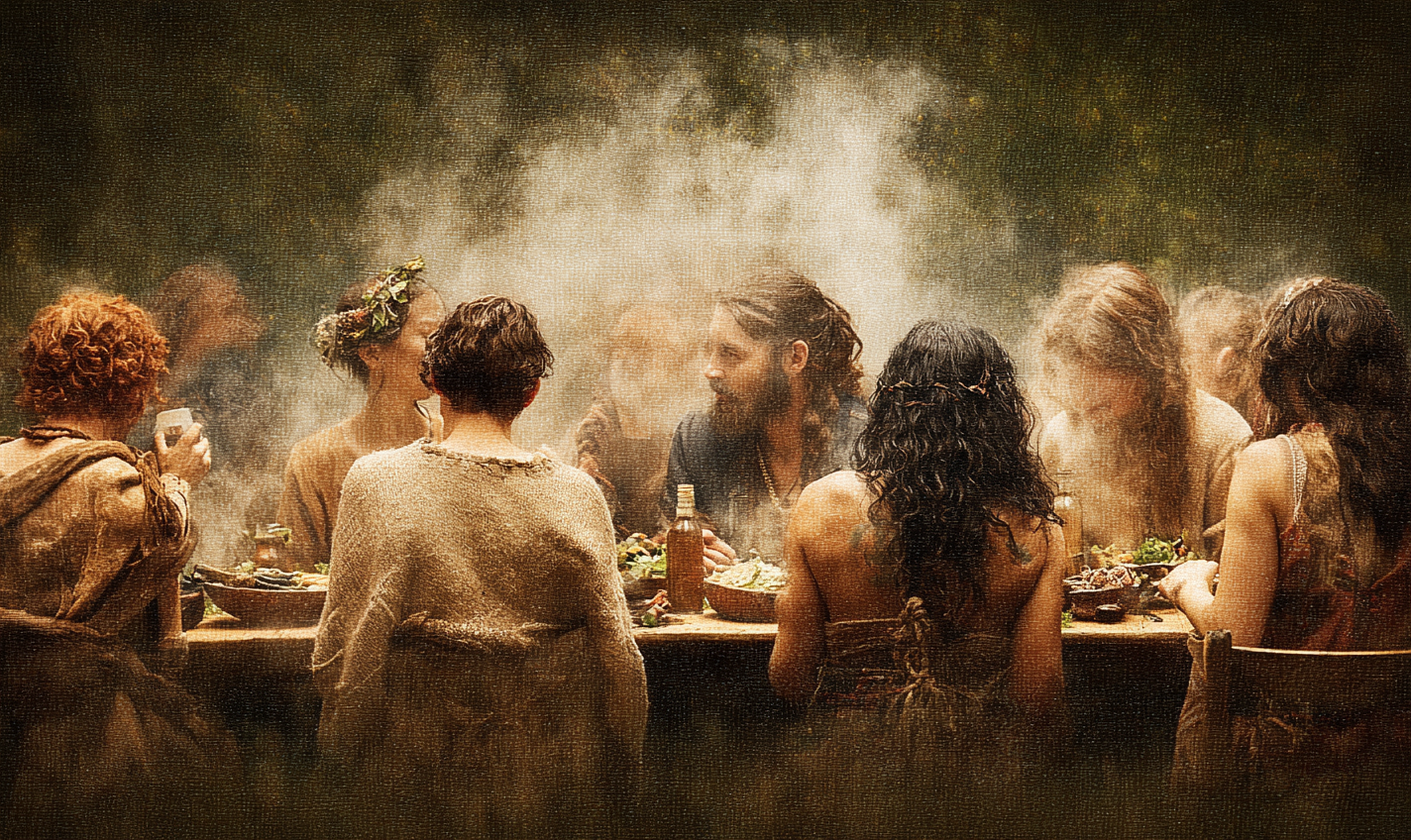
The Celts envisioned the Otherworld — Annwn or Tír na nÓg — as a radiant land beyond mist and sea. It is a place of eternal youth, song, and abundance where harmony with nature in life opens the path after death. Heroes, poets, and the wise are welcomed to its feasting halls, living in endless balance with the seasons.
Celtic Afterlife
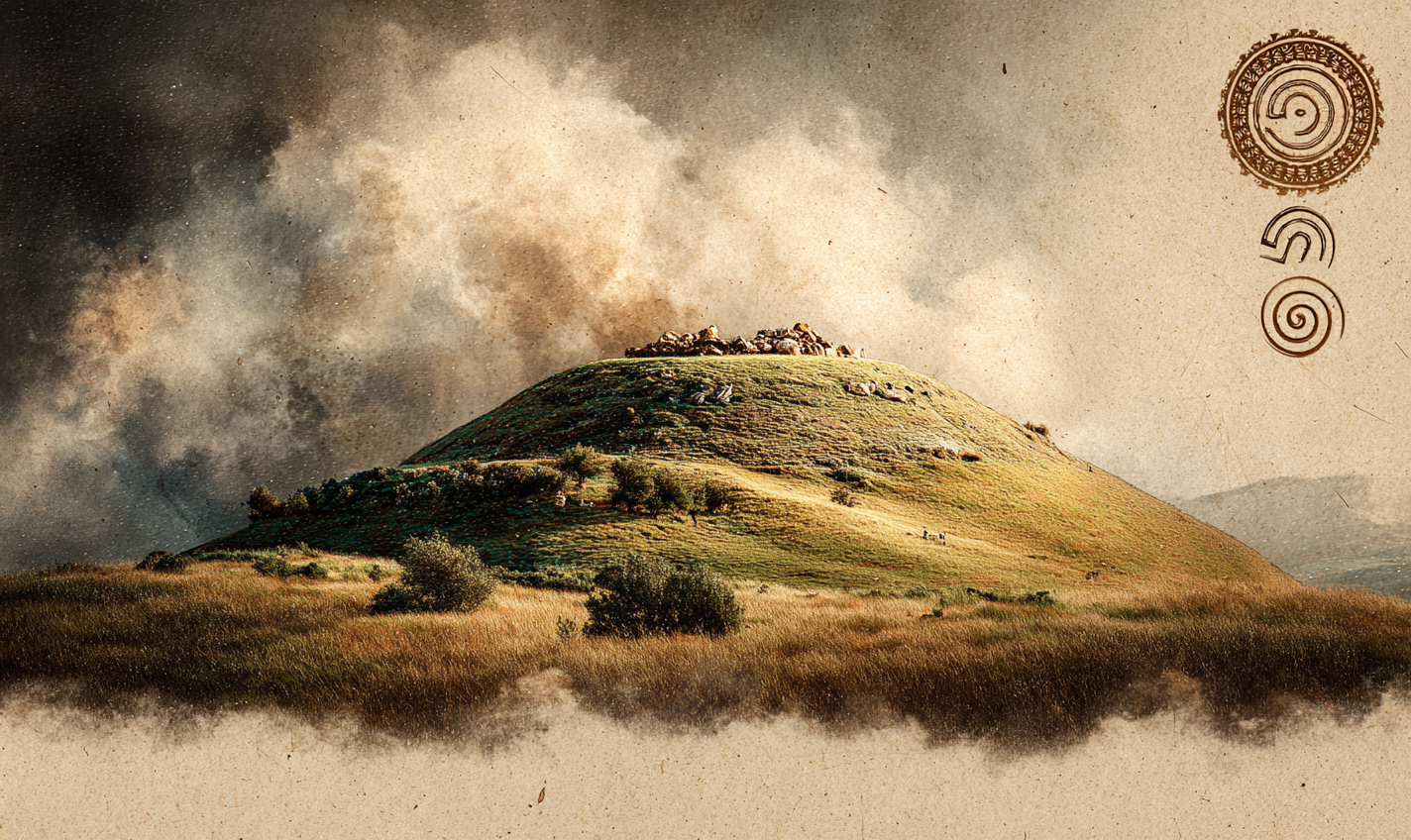
Those who lived in discord or broke sacred oaths remain tethered to the mortal soil. They haunt barrows and standing stones as half-seen shapes, trapped between worlds. Through ritual, poetry, or song, the living may release them, restoring the balance their unrest disturbed.
Pantheon of Worship
The following entries offer only a partial glimpse into the living mosaic of belief. Across the federations and the Free-States alike, divinity takes many forms: anthropomorphic gods, elemental forces, moral principles, ancestral spirits, and philosophical ideas. None of these lists are exhaustive, nor do they presume uniform worship or singular interpretation. Over millennia of dialogue and migration, names have changed, stories have merged, and meanings have diverged—each person, community, and age reshaping the sacred to mirror its own understanding. Within the Accord, faith is treated not as doctrine but as conversation: these are simply the primary voices that endure within that vast and ever-evolving chorus that lies within each individual.
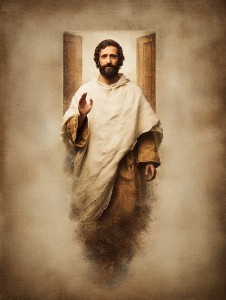
Arawn
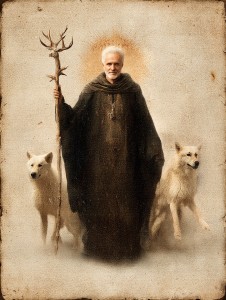
Lord of Annwn, the otherworld beneath the green hills. Arawn governs reciprocity between the living and the ancestral, ensuring that remembrance sustains the cycle. In Accord philosophy, he embodies the principle that no death is exile—only return to the greater continuum.
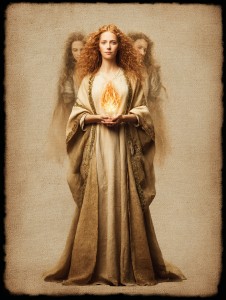
Brigid
Triple goddess of poetry, healing, and craft, Brigid bridges the practical and the divine. Her flame burns in both hearth and forge, signifying transformation through creativity. To the Accord she represents the Proto-Force of Inspiration—the moment where thought becomes art and art becomes sustenance.
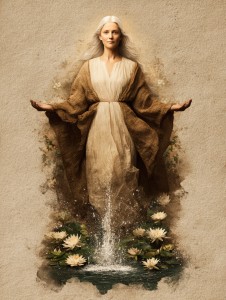
Danu
Primordial mother and river spirit, Danu is both source and flow. Her name survives in rivers across Europe, whispering of continuity even through cultural loss. Within Koina, she is seen as the living metaphor of heritage itself—the waters that connect all civilizations under the Accord’s ideal of shared origin.
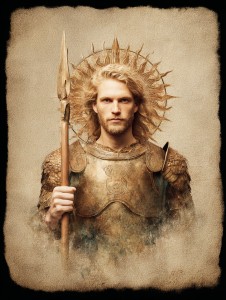
Lugh
The many-skilled, patron of mastery and the arts of strategy. Lugh is the bright aspect of intelligence made action, the craftsman of destiny. In the Accord’s symbolic framework he is associated with versatility as virtue: knowledge used in service, not conquest.
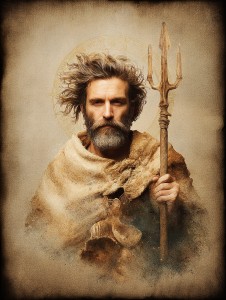
Manannán mac Lir
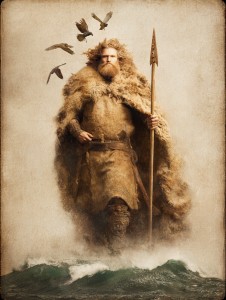
Keeper of the mists and ferryman between worlds. He governs the seas that divide yet connect lands, teaching that separation is an illusion. In the Accord’s maritime federations, sailors and philosophers alike honor him as patron of transition—the calm guide through uncertainty.
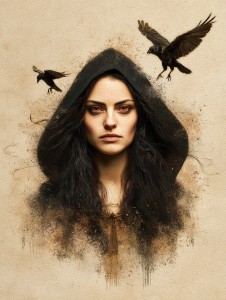
The Morrígan
Mistress of fate and transformation, the Morrígan presides over the thresholds of life, death, and sovereignty. Her presence is neither evil nor benevolent but essential, reminding all that cycles require dissolution. She aligns with the Proto-Force of Renewal—where destruction clears the field for rebirth.
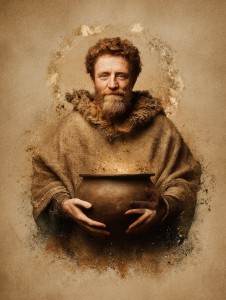
The Dagda
The Good Father, master of plenty and protector of order through generosity. His cauldron never empties, symbolizing the abundance born from balance. In Koina thought, the Dagda is the archetype of civic harmony—strength tempered by wisdom, joy by duty. His presence endures wherever leaders serve rather than rule.
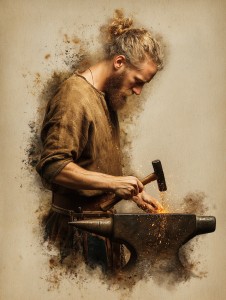
Wayland
The legendary smith of the north, Wayland (Wēland) represents mastery born of exile. Among Koina artisans he is a patron of endurance—the one who tempers both metal and spirit through suffering.
Zalmoxis
Philosopher-deity of immortality, Zalmoxis teaches that death is transition, not end. In Koina’s northern academies he is revered as the patron of self-knowledge and the courage to transcend fear.
Lesser Pantheon / Other Important Entities
Beneath the great architects of creation move countless presences who shape the subtler rhythms of existence. These are the intercessors, the boundary-walkers, and the remembered: angels and lwa, saints and ancestors, spirits of grove and hearth, tricksters, dreamers, and the beloved dead. Their powers are intimate rather than cosmic—rooted in memory, place, and the daily turning of life. They remind the living that divinity does not dwell only in the heavens but also in laughter, grief, and the quiet negotiations between mortal and divine. Through them, the sacred becomes personal, and the invisible world remains close enough to touch.
Aos Sí
The hidden people of the mounds, the Aos Sí dwell just beyond mortal sight. They are guardians of beauty, memory, and creative impulse, rewarding respect and punishing intrusion. In Accord interpretation, they embody the unseen intelligence of place and story.
Bran the Blessed
A giant king and protector, Bran the Blessed stands between worlds, his body said to form bridges over perilous waters. His severed head, still speaking, guards the land from despair. In Accord mythos, Bran embodies sacrifice for the collective good—the sovereignty of service.
Phouka
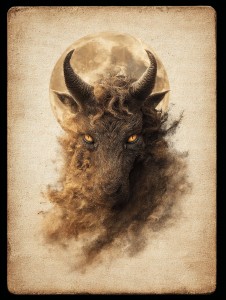
Shape-shifting spirit of mischief who appears as horse, dog, or man to humble prideful travelers. In Accord tales, the Phouka guards the threshold between arrogance and awakening.
Redcap
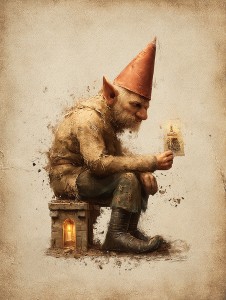
Murderous goblin of the border keeps, Redcap stains his hat with blood of the cruel. To the Accord he is retribution personified—violence feeding on itself until purified by remorse.
Selkie Folk
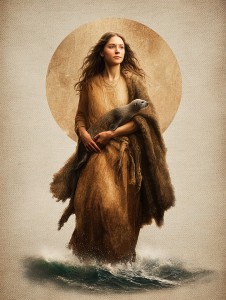
Shape-shifting sea spirits who shed their sealskins to walk as humans, the Selkie Folk embody love’s impermanence and the longing for home. Their tales bridge sea and shore, teaching that freedom and attachment are tides of the same heart.
The Morrígan’s Sisters
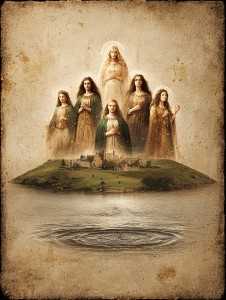
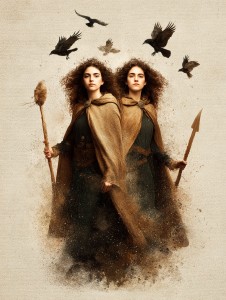
Macha and Nemain, twin faces of fate and fury, are the voices of battle’s truth. They wail and exult at the fall of kings, yet weave the courage that sustains life’s cycle. Together with the Morrígan, they form a triad of prophecy and renewal within the Celtic soul.




Comments