The Pale
In the marble ruins of forgotten forums, they whisper their challenge: “How many times do you think of Rome?”
It is both taunt and gospel. For to the faithful, Rome never fell — it only slept beneath the world’s veneer of cooperation.
By torchlight they reenact coronations that never happened, recite scripture that reads like philosophy in armor. To the world of the Accord they are extremists; to themselves, heirs to the divine right of mastery. Their faith is not nostalgia — it is reclamation. They preach that mankind was ordained to rule, that the fall came when mercy replaced empire, and that the Pure Flame must be rekindled through intellect, fear, and dominion.
Origins & Doctrine
The Pale rose from the ashes of Koina’s own triumph — the Late Age of Inquiry, when all seemed balanced and understood. Scholars and politicians began to murmur that reason had weakened destiny, that philosophy had neutered greatness. They rediscovered fragments of Pauline letters and imperial decrees — lines once meant to pacify the conquered — and twisted them into revelation.
In The Concord of Iron, their central text, humanity is cast as God’s favored instrument, born to impose order on chaos. “As the body has one head,” it declares, “so must the world.” This theology fuses Roman imperialism and Pauline submission into a single law of divine hierarchy. Salvation lies not in grace but in control; redemption not through forgiveness but through victory.
Their cosmology mirrors the old empire: heaven as a fortress, angels as legions, creation stratified by worth. They preach that the gods of balance deceived humankind, and that equality is the great heresy that shackled divine will.
Hierarchy & Power
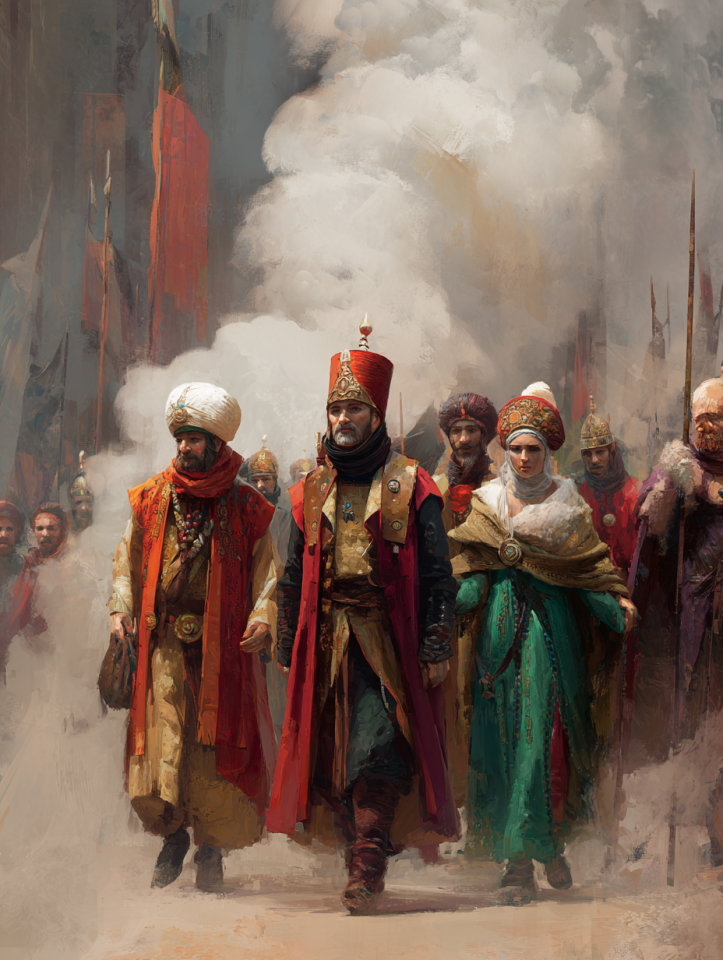
Unlike most cults of extremism, The Pale is not driven only by resentment. It seduces those who already hold power — ministers, academics, generals, financiers — by telling them their privilege is proof of divine favor.
Their sermons blend classical rhetoric with pseudo-logic, arguing that domination is the highest form of cooperation — that leadership requires not humility but hierarchy. They quote twisted fragments of Stoic endurance: “To master self is to prove worth; to master others is to prove destiny.”
Each initiate swears the Oath of Radiance: “I shall fear to fall, for fear is the fire that purifies.”
Ritual & Symbolism
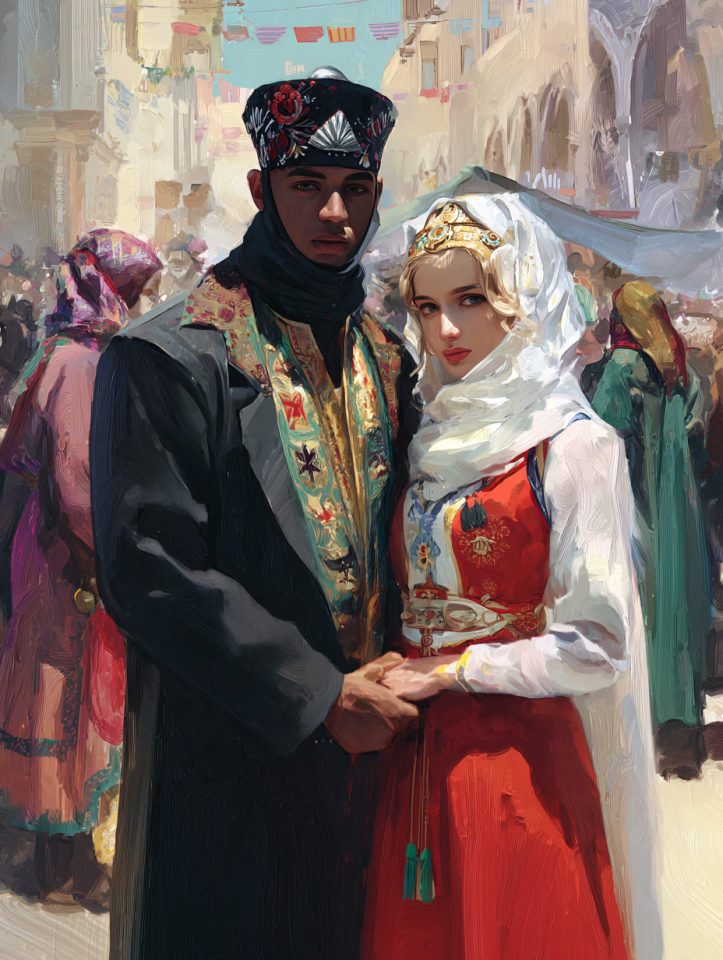
Ceremony is theater of order. Congregations wear white robes belted with black iron rings — “purity bound by truth.” They march in spirals around flame-pits reciting the Credo of Rome Eternal, blending Latin cadences with their own tongue.
The Eucharist replaces bread and wine with ash and salt, symbolizing conquest and preservation. Fasting, flagellation, and intellectual debate are all sacraments — pain of body and triumph of reason united.
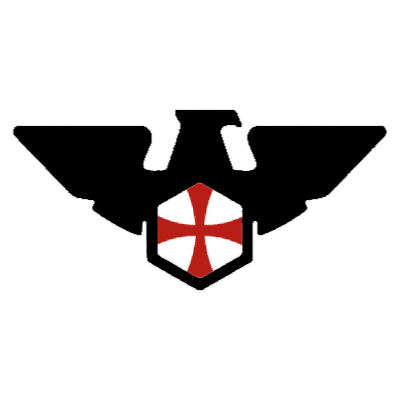
Their holy symbol remains blood cross carried by the Imperial Eagle.
Martyrs & Zealots
The Pale sanctifies conquest and collapse alike. Their martyrs are philosophers executed for treason, generals who refused peace, and zealots who died burning cooperative archives. They claim descent from the persecuted apostles of power — those who “spoke dominion to a world grown meek.”
The zealot orders — Iron Sons — embrace celibacy, claiming desire is wasted on equals. They recruit the alienated and the brilliant alike, turning both bitterness and intellect into weapon. In their ranks, the modern “incel” finds divine sanction for resentment, and the politician finds theology for supremacy.
Spread & Influence
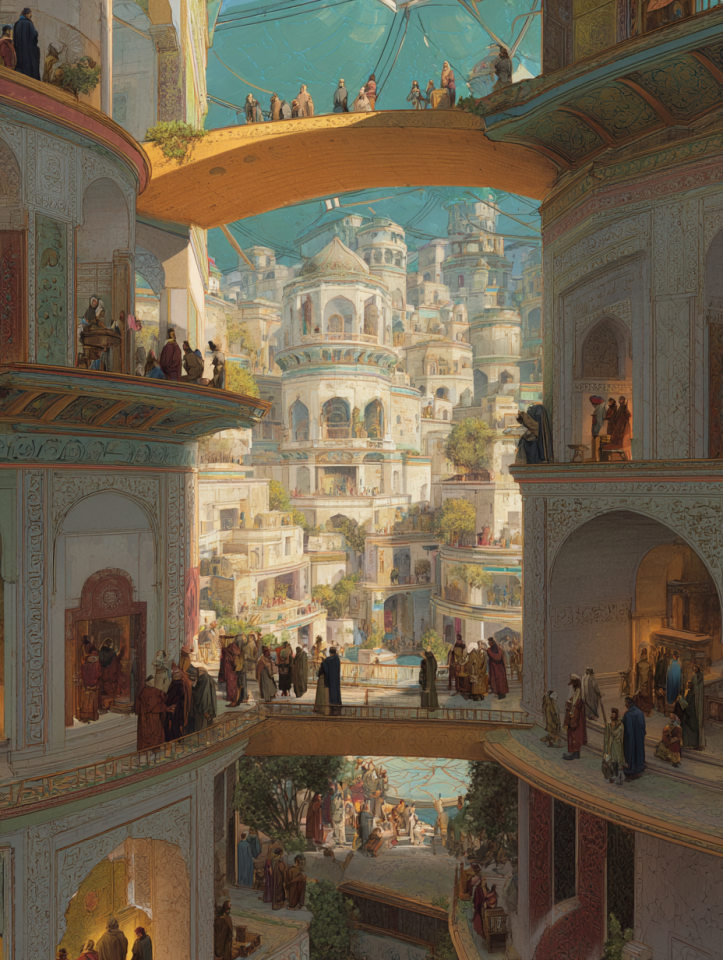
The Pale moves through culture like perfume — not armies but aesthetics. Their symposia attract professors, poets, and policymakers under the guise of historical debate. Their art venerates marble bodies, pale light, and the geometry of empire. Their networks infiltrate councils and universities, quietly rewriting history to make colonization appear inevitable, even holy.
For the poor, they offer pride through belonging. For the powerful, they offer absolution for ambition. The Pale’s genius is its dual appeal: it flatters the downtrodden with imagined purity and the elite with divine endorsement.
Koina Response & Interpretation
Koina classifies The Pale as an Imperial Revival Religion — a memetic contagion of Rome reborn. Its preachers claim that the Accord’s pluralism is proof of decline and that only hierarchy can restore “the order of the Flame.” Councils publicly denounce the faith yet study it obsessively, for The Pale reveals how even a rational world can be conquered by beauty and fear.
Philosophers frame it as a dark reflection of Koina’s own logic: the same Stoic virtues turned outward, the same Zoroastrian flame inverted toward domination. They call its theology “Pauline Paradox” — submission transmuted into rule, humility into empire.
Symbolism & Legacy
Their banner now serves as a warning emblem in civic education: the sign of beauty’s corruption. Yet the faith endures, thriving wherever people tire of nuance. Its influence seeps through art, rhetoric, and policy whenever hierarchy is praised as natural law.
Founding Date
4 Tammuz 2132 zc
Type
Religious, Cult
Alternative Names
The Faithful
Demonym
Brother
Founders
Afterlife
The Pale Afterlife
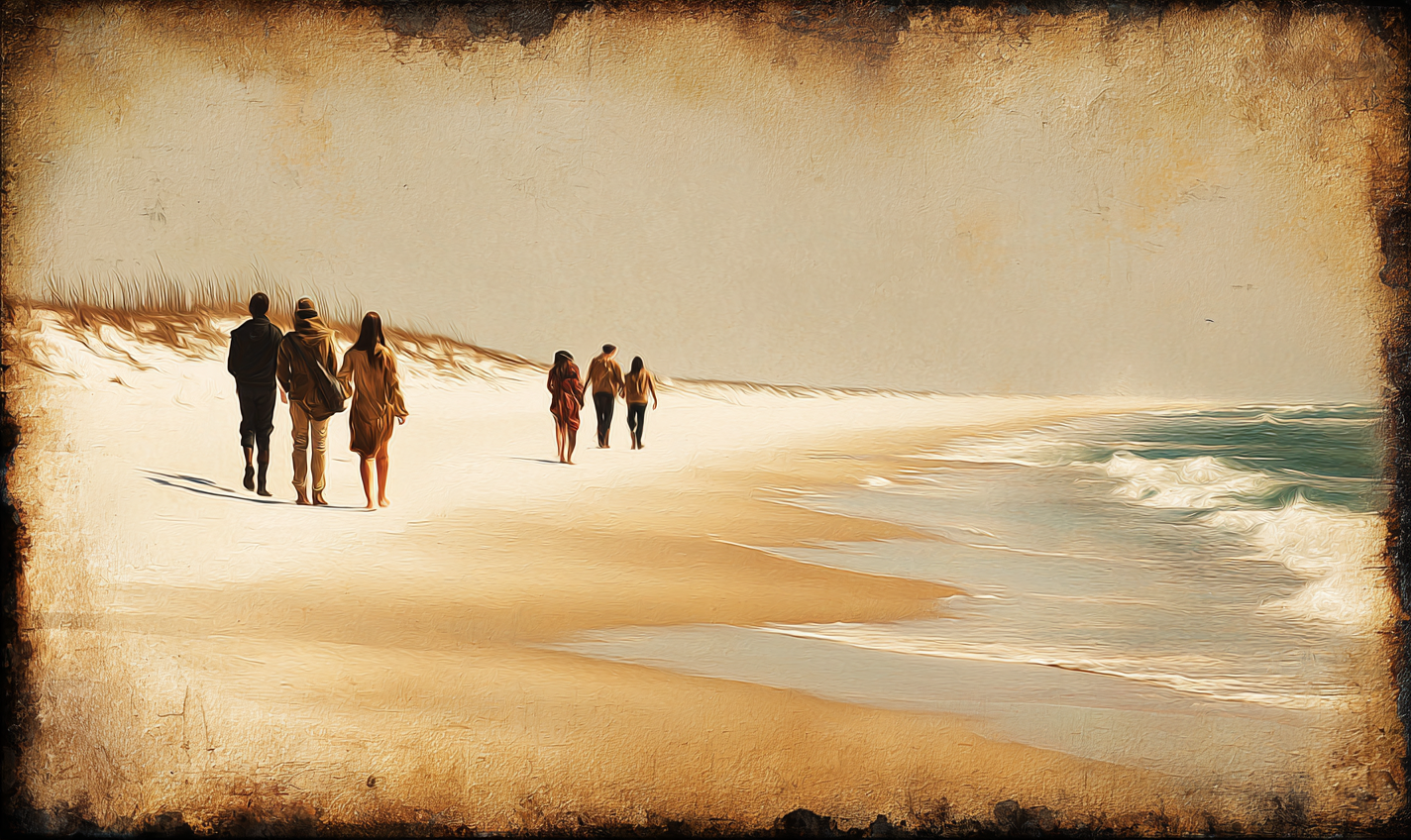
The redeemed awaken upon the Shores of Radiance—endless white sands beneath a sun that never sets. The faithful walk unscarred, served by faceless attendants born of their own desire. The air tastes of salt and victory; the cups never empty. Hunters stalk unresisting beasts through perfect forests, warriors feast beside obedient lovers. Every horizon bends toward the beholder, for paradise, to the Pale, is the world remade in their image: beautiful, obedient, and theirs alone.
The Pale Afterlife
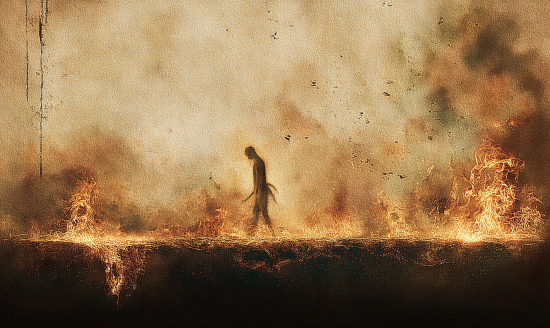
The unworthy burn in the Ash Mire, a vast furnace of hierarchy where suffering is sermon and obedience is the only prayer. Every breath is flame, every cry becomes liturgy. The Flame’s angels and demons stoke the pyres with tongues of iron, shouting the names of heresy as fuel. No forgiveness waits—only the slow education of despair, where each soul learns through agony what it refused in life: to bow, to silence, to yield.
Pantheon of Worship
The following entries offer only a partial glimpse into the living mosaic of belief. Across the federations and the Free-States alike, divinity takes many forms: anthropomorphic gods, elemental forces, moral principles, ancestral spirits, and philosophical ideas. None of these lists are exhaustive, nor do they presume uniform worship or singular interpretation. Over millennia of dialogue and migration, names have changed, stories have merged, and meanings have diverged—each person, community, and age reshaping the sacred to mirror its own understanding. Within the Accord, faith is treated not as doctrine but as conversation: these are simply the primary voices that endure within that vast and ever-evolving chorus that lies within each individual.
The Father
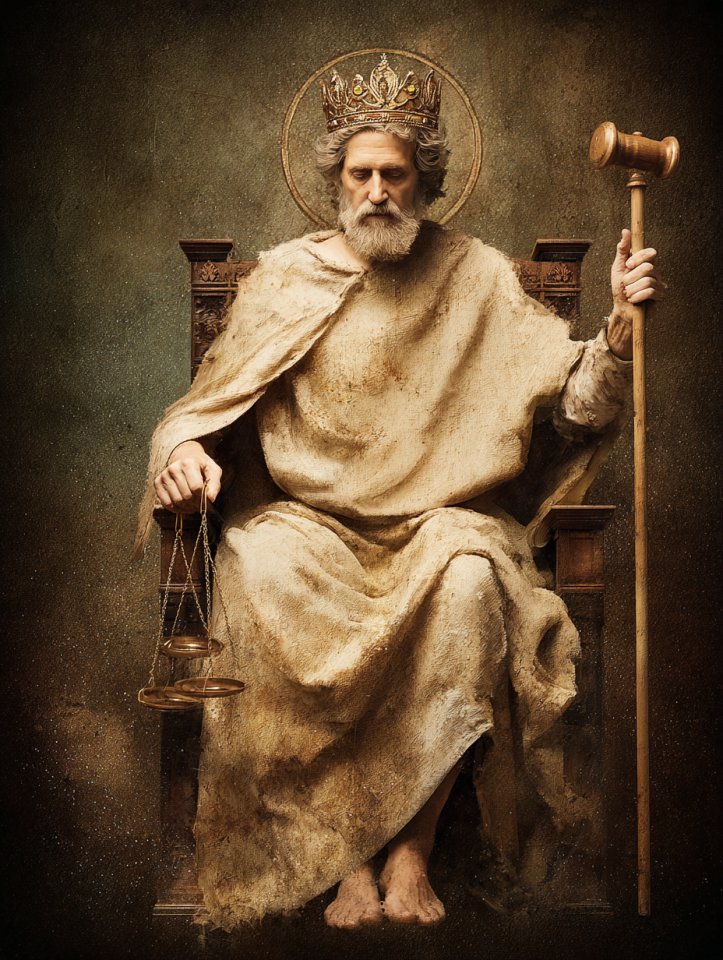
Patron of hierarchy and command, enthroned upon mirrors that reflect only himself. His gaze orders the cosmos; his word divides the worthy from the fallen. Mercy clouds his judgment, for mercy is weakness disguised as love. From him all ranks descend, each bound by sacred obedience. The Father is Law made flesh, the unmoved axis upon which all dominion turns. His perfection admits no reflection but his own, and in that solitude lies purity.
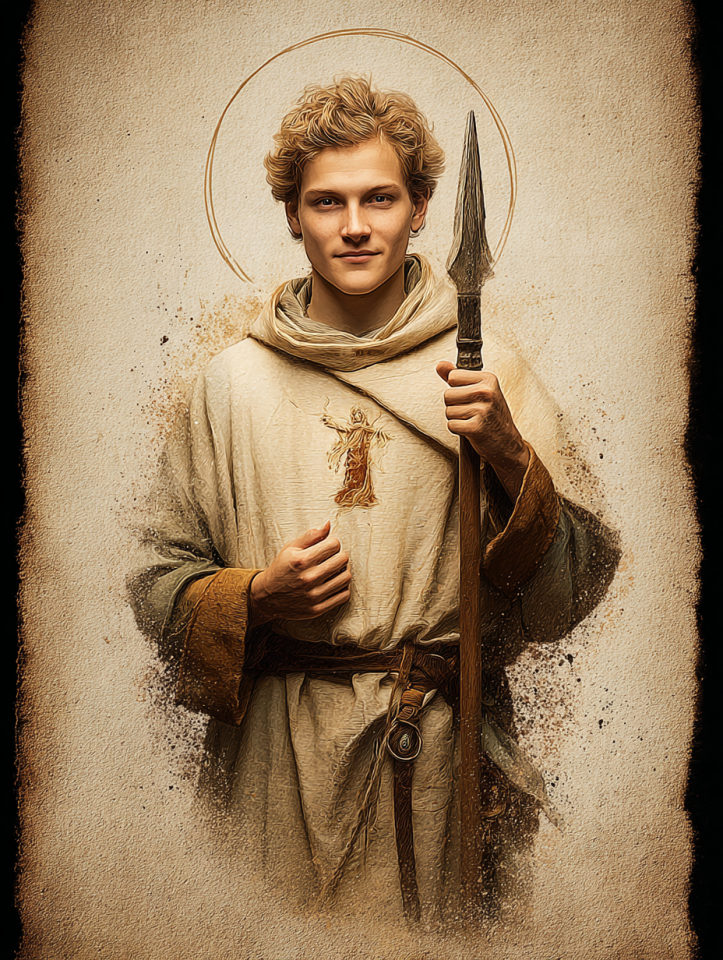
The Son
Embodiment of purity through suffering, the radiant soldier whose wounds became revelation. Struck by his own spear, he smiled, for pain is proof of worth and endurance is worship. The Son redeems conquest and cleanses sin through agony freely embraced. Every scar is a hymn; every drop of blood, a covenant. His followers bear their hardships with joy, knowing that the highest virtue is to triumph through pain, and that the faithful who suffer for the Flame shall rise crowned in victory.
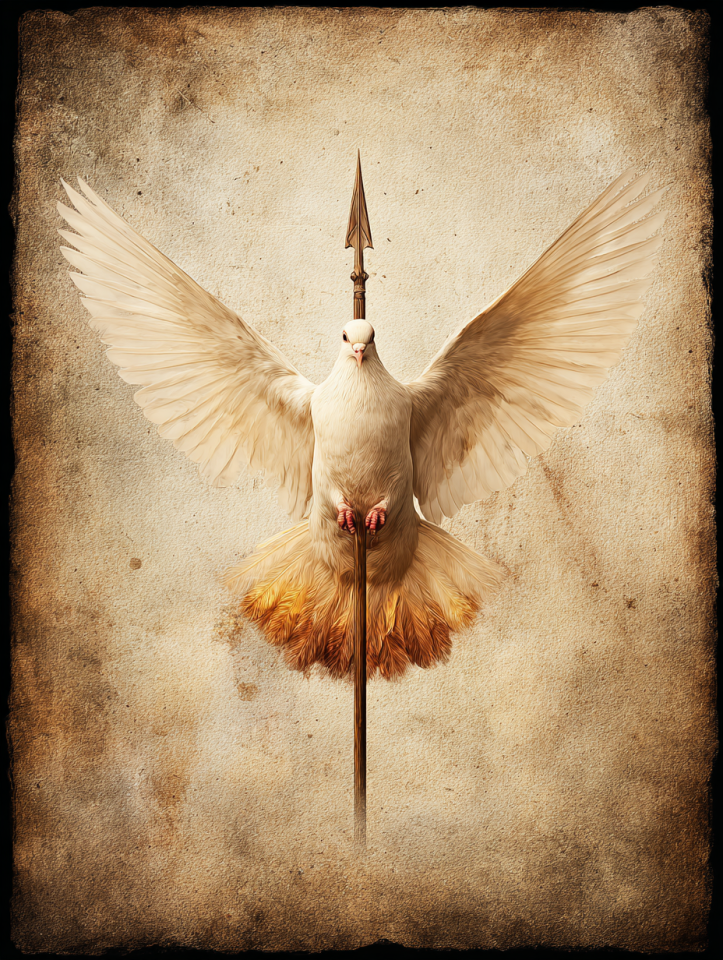
The Spirit
Aspect of the Father that manifests as radiant certainty—the armor of those who believe without question. The Spirit moves through every loyal heart, burning away weakness, hardening doubt into virtue, and turning compassion into conviction. Its light is truth without shadow, the breath of the faithful that keeps the world pure. Those who carry the Spirit are said to walk unseen through flame and not be consumed, for they have become instruments of divine perfection.
Lesser Pantheon / Other Important Entities
Beneath the great architects of creation move countless presences who shape the subtler rhythms of existence. These are the intercessors, the boundary-walkers, and the remembered: angels and lwa, saints and ancestors, spirits of grove and hearth, tricksters, dreamers, and the beloved dead. Their powers are intimate rather than cosmic—rooted in memory, place, and the daily turning of life. They remind the living that divinity does not dwell only in the heavens but also in laughter, grief, and the quiet negotiations between mortal and divine. Through them, the sacred becomes personal, and the invisible world remains close enough to touch.
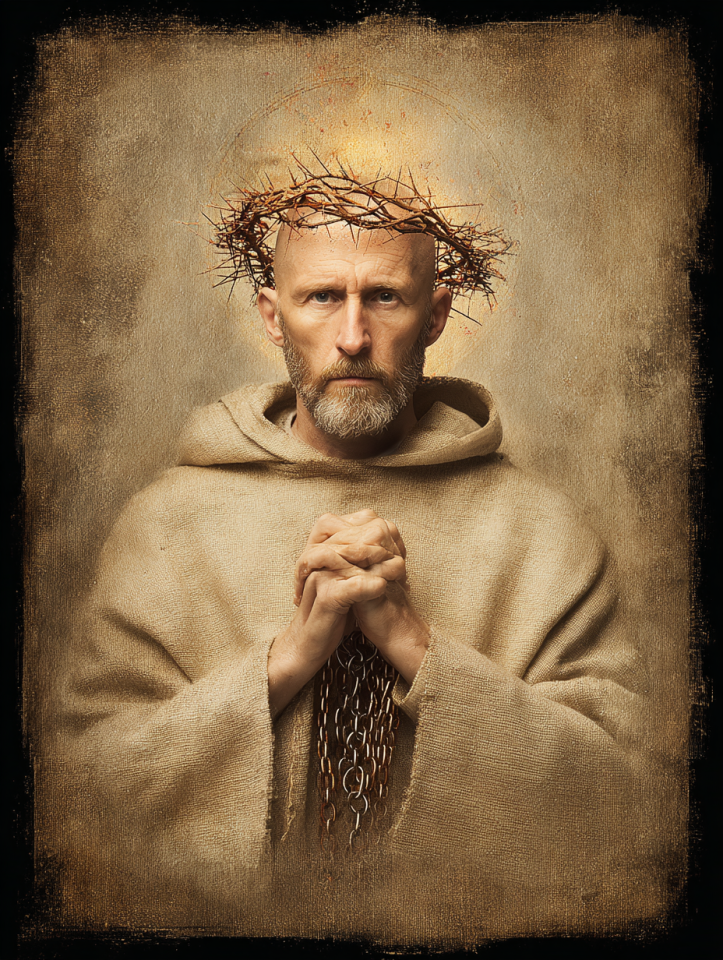
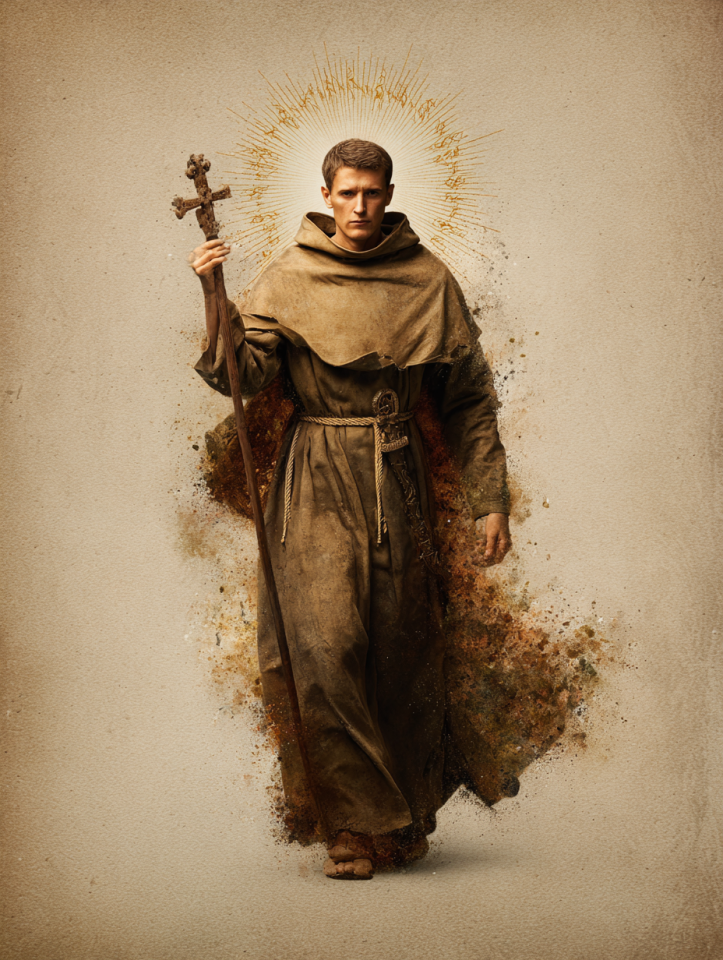
Saint Paul
Apostle of order and architect of salvation through submission. He journeyed across the lands teaching that freedom is corruption and that to serve is to be redeemed. His crown of manacles glows with the souls he has delivered into obedience. Paul is the voice that brought philosophy to faith, proving that conquest can be holy and reason can kneel. His words are iron, his faith unbroken, and his chains the path to clarity.
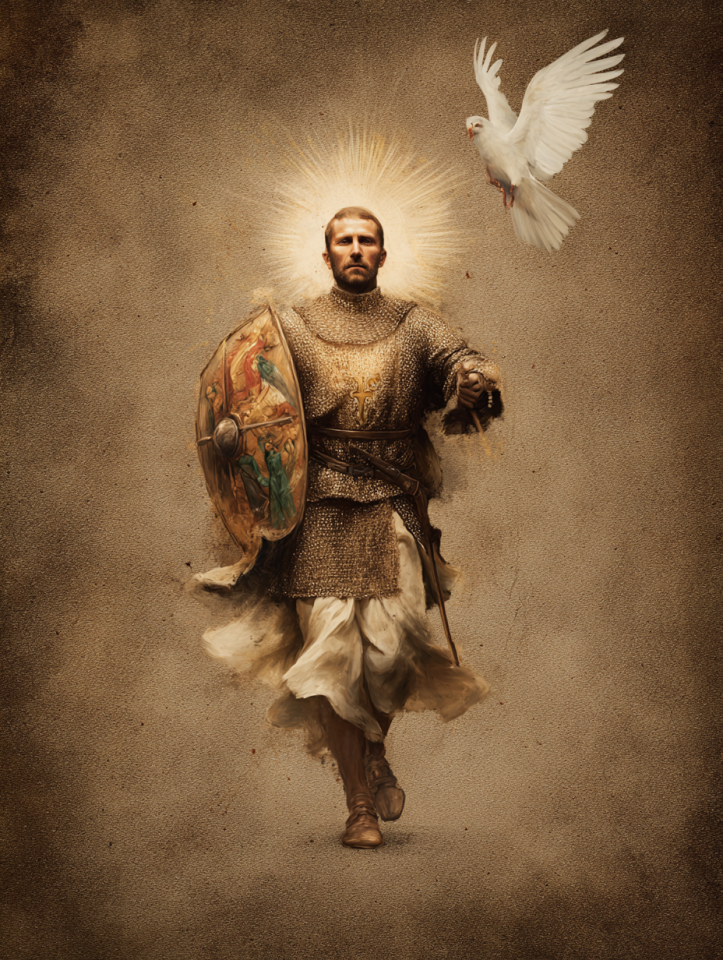
Saint Michael
Guardian of the gates and keeper of vigilance. His sword burns unendingly, cutting falsehood from faith and impurity from flesh. Michael stands watch over the faithful, striking before corruption can take root. He is the embodiment of holy severity—unblinking, unsparing, purity’s perfect weapon. His statues show no eyes, for sight is not needed where certainty reigns.
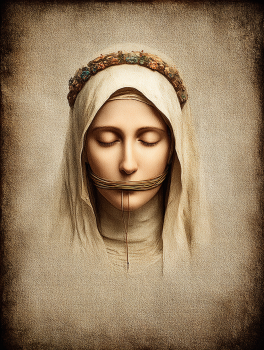
The Silence
Blessed Mother of Submission, whose tongue is bound with gold and whose eyes are ever lowered. She is the peace that follows obedience, the serenity that blooms when will is surrendered. To speak is to err; to listen is divine. Mothers, wives, and disciples pray to her for strength to yield and grace to obey. Her stillness shields the faithful from doubt, and her hush is the sweetest hymn of all.
The Righteous
The Judge Eternal, scales chained to his hands so that no mortal whim may sway his verdict. He weighs the soul by its obedience alone. His fire reveals every lie; his gaze punishes hesitation. The Righteous walks unseen among the faithful, measuring hearts and meting justice without appeal. To him belongs the terror that keeps the world pure and the authority that sanctifies command.
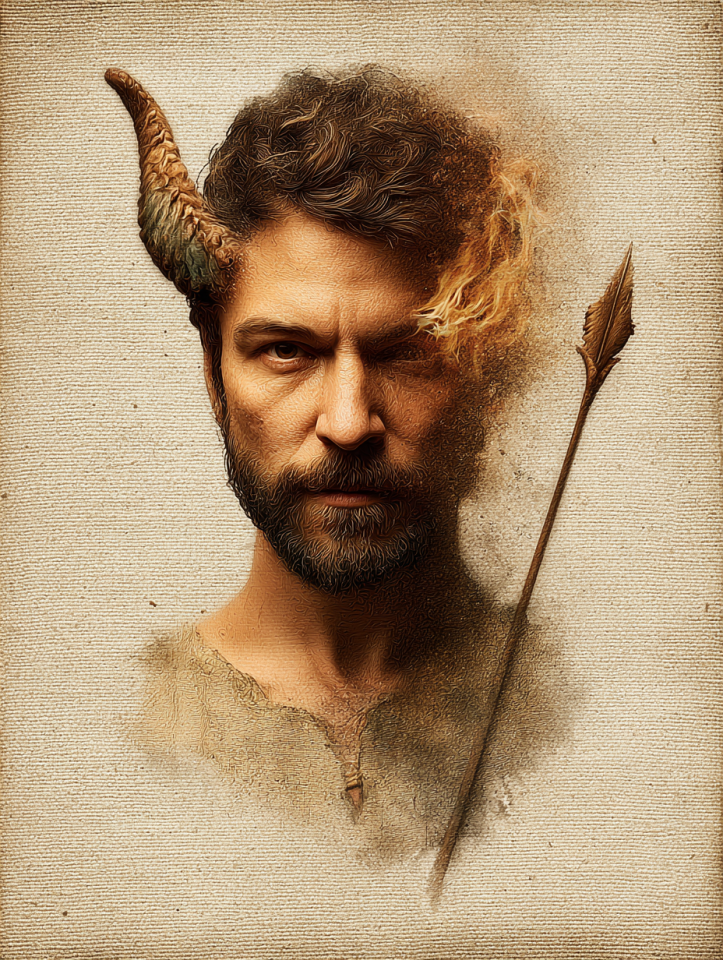
The Satan
The First Heretic, cast from the Flame’s light for teaching that all beings share worth. His name is spoken only in judgment, a reminder that compassion is betrayal and equality the root of decay. He is the unmaking will—the whisper that tempts the pure to doubt. His fall is the proof of divine order: even beauty must kneel or burn. To remember him is to remember what disobedience costs and the damnation waiting for all lesser beings.
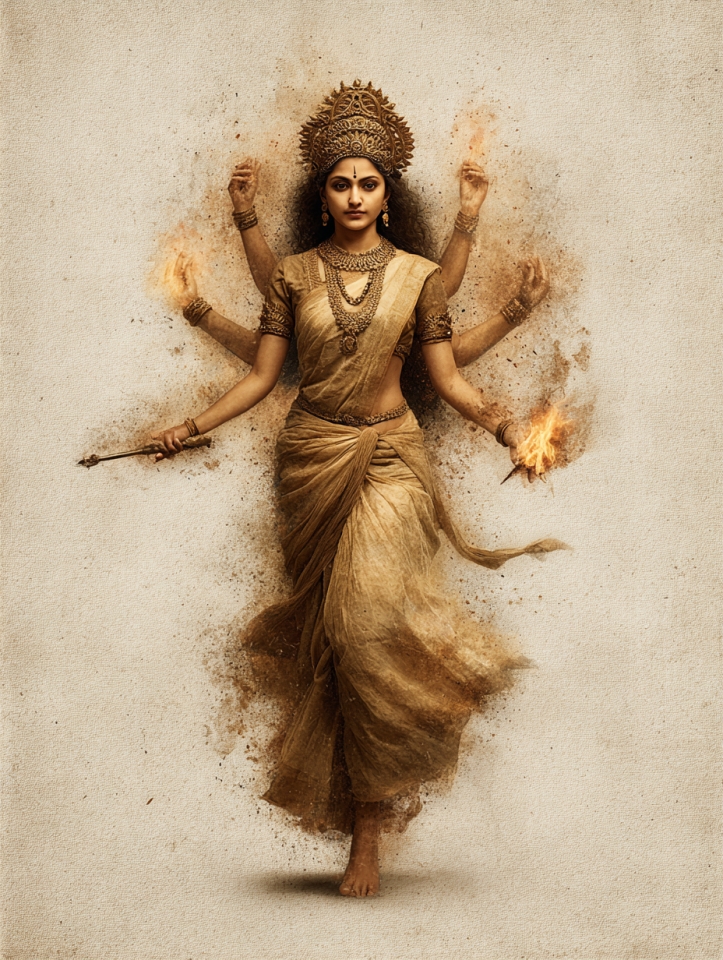
Saint Kali Invicta
The Many-Handed Purifier, born from the fire of creation to cleanse what is defiled. Her countless hands bear both blade and brand; her smile is mercy through destruction. She is change made obedient, chaos disciplined to divine purpose. The faithful call upon her to burn doubt, to scour impurity, and to transform imperfection into ash. In her dance, the world is remade immaculate.
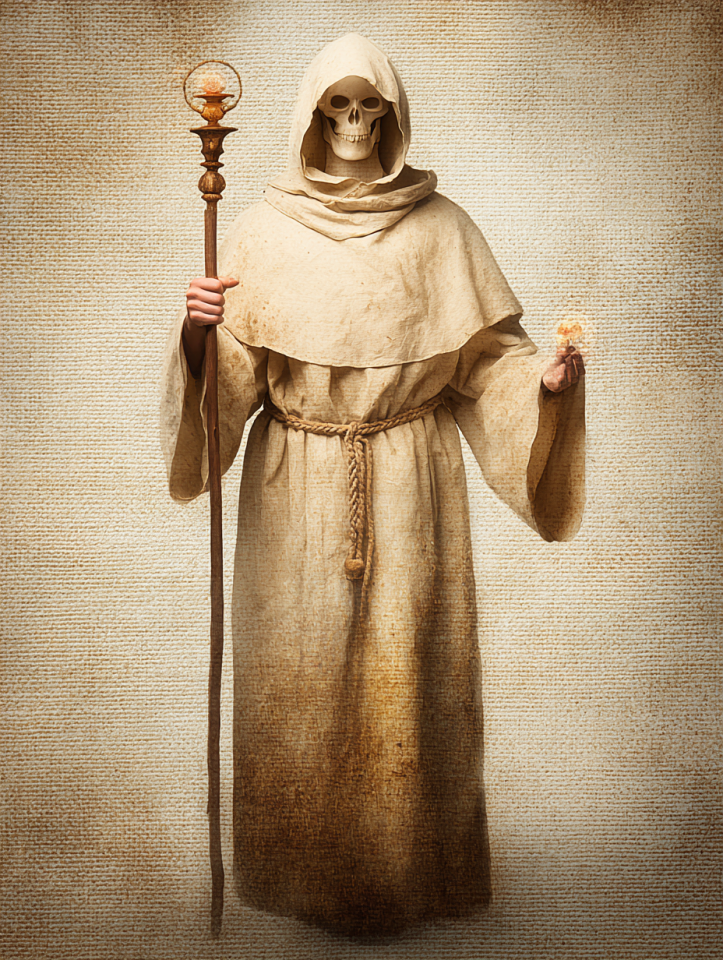
Saint Thanatos
Crowned lord of exalted death, master of the perfect ending. To die in command is to die in grace, and his faithful seek that stillness which follows conquest. His realm is peace through dominion, silence through victory. Offerings of iron and salt consecrate his name, for he teaches that the end is not loss but consummation—the moment when all resistance ceases and order stands eternal.




Comments